




William Stopford
2027 Chery Stockman: More specifications detailed for diesel PHEV ute
Chery will beat key ute rivals on electric range and payload, and come very close on braked towing capacity.
3 Days Ago

Deputy News Editor
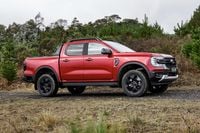
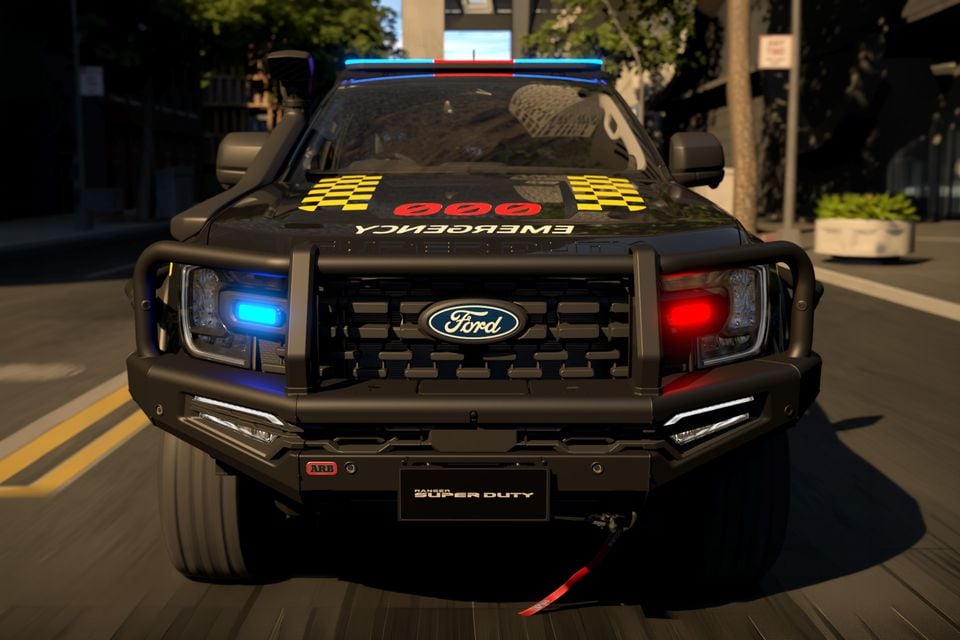
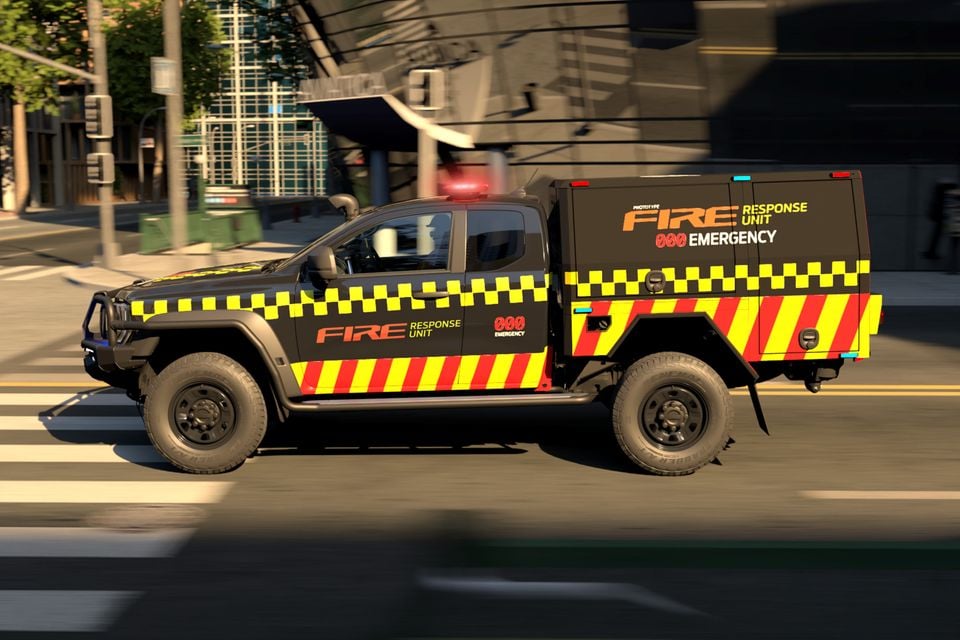
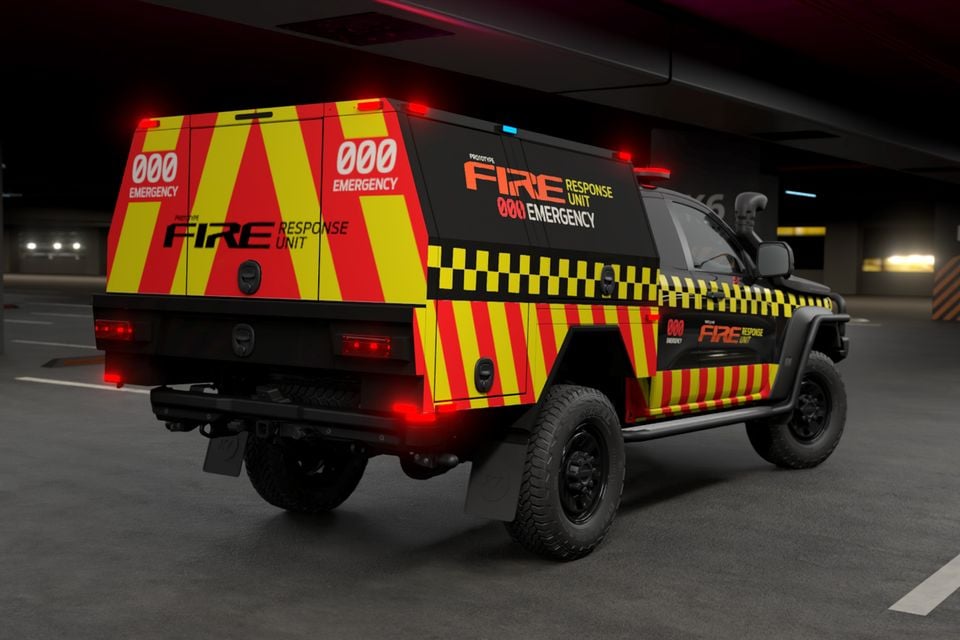
The Ford Ranger Super Duty Fire Response Unit has been unveiled by Ford Australia and Deakin University as a custom firefighting vehicle designed to help first responders reach trouble spots faster.
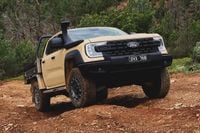
Ford and Deakin University worked with XL Service Bodies to develop the vehicle, starting with the Ranger Super Duty Super Cab, which has been customised to meet the demands of fire-response teams.
Revealed in 2025, the Ranger Super Duty offers a payload of up to 1885kg in Super Cab form, with a reinforced chassis contributing to a 4500kg gross vehicle mass (GVM) and greater off-road capability.
The Super Cab body style, priced from $86,490 before on-road costs, was chosen to provide all-weather protection for initial fire-suppression gear, first-aid and communications equipment, as well as solar-capable battery-powered auxiliary systems that eliminate the need for a diesel or petrol generator.
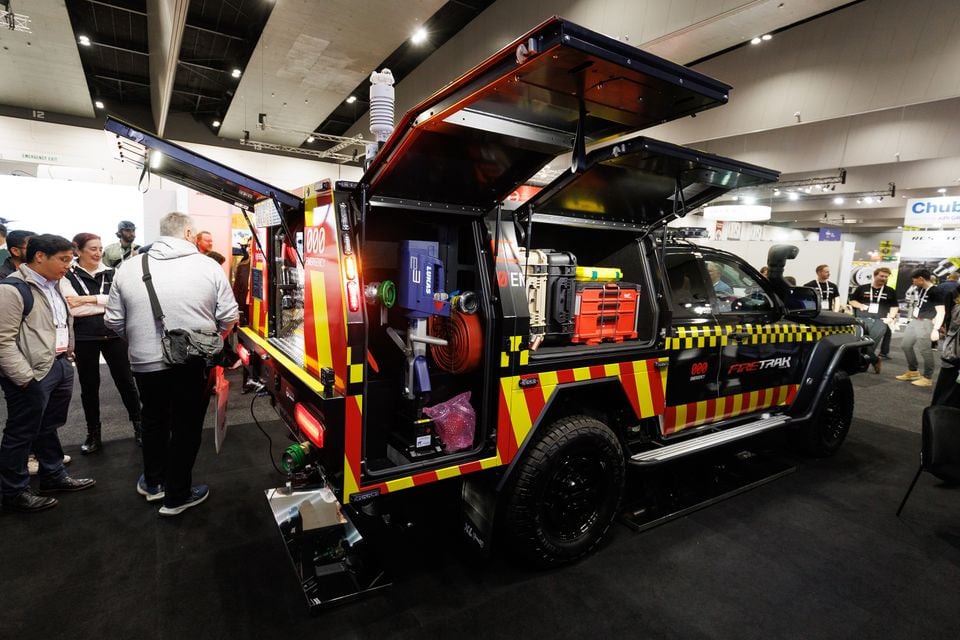
“We are not trying to replace traditional fire trucks or the firefighters who crew them, but a Ranger Super Duty could carry the equipment needed to manage those critical first few minutes while the cavalry is on its way,” Jeremy Welch, Ford Pro Conversion development manager, said in a statement.
According to the Australian Productivity Commission’s annual Report on Government Services, the first fire appliance arrived on scene within 6.4-9.5 minutes for half of incidents, depending on the jurisdiction, while 90 per cent arrived within around nine to 15 minutes.
The Ford Pro Convertor program was launched in Australia and New Zealand in late 2025, with 12 ‘Ford-certified converters’ able to carry out more complex chassis and component upgrades to Ford vehicles, starting with the Ranger.
Ford has also shown other emergency-response vehicles based on the Ranger Super Duty, including a fire truck fitted with a 1000-litre water tank. With a full tank and two occupants, it weighed 4400kg, leaving additional payload capacity for firefighting equipment.
“They needed to carry heavy, specialised equipment, but were often limited by payload. It was a problem we knew we had to solve,” Mr Welch said.
“The Ranger Super Duty provides a platform that could genuinely handle the job without needing heavy modification just to get it road- and track-worthy.
“The GVM and payload means we have real capacity to work with equipment and water, and the factory-level off-road capability means it can get into the places where these incidents actually happen.”
All versions of the Ranger Super Duty are powered by a 154kW/600Nm 3.0-litre V6 turbo-diesel engine, matched with a 10-speed automatic transmission and full-time four-wheel drive.
Demand for firefighting equipment and personnel is increasing as the time between disaster seasons shortens, stretching emergency teams across the country, according to the Australasian Fire Authorities Council (AFAC).
In 2024-25, Australian fire services attended more than 472,000 emergency incidents, including more than 101,000 fires, supported by almost 190,000 volunteers and approximately 24,800 full-time-equivalent paid personnel.
The Ranger Super Duty Fire Response Unit comes ahead of another Australian and New Zealand summer, but also as record temperatures in the Northern Hemisphere see fire crews in several countries facing significant challenges.
This includes Spain, where Madrid’s fire service added 27 Rangers to its fleet in 2025, while Rangers are also used by fire services in Germany and Italy.
Research cars in our Showroom, compare your options or let our New Car Specialists do the running around to find you a great deal.
Damion Smy is an award-winning motoring journalist with global editorial experience at Car, Auto Express, and Wheels.
William Stopford
3 Days Ago
Damion Smy
4 Days Ago
William Stopford
4 Days Ago
Damion Smy
4 Days Ago
William Stopford
5 Days Ago

Marton Pettendy
5 Days Ago
Add CarExpert as a Preferred Source on Google so your search results prioritise writing by actual experts, not AI.