





Derek Fung
Leapmotor B03: Bargain EV approved for sale in Australia
Those looking to get into an EV for the least money possible could soon have another option with the Leapmotor B03 receiving local certification.
12 Hours Ago
SPONSORED
The roar of Formula 1 engines fired back to life this week as the teams prepare for the biggest rule change in the history of the world’s number one motorsport category.
The 2026 F1 season, which starts with the curtain-raising Australian Grand Prix at Albert Park on March 8, will see the introduction of new chassis and engine regulations designed to improve the racing spectacle, while pushing the sport closer to meeting its ambitious target of becoming carbon-neutral by 2030.
It’s a massive overhaul of every fundamental area, and it will continue to push the boundaries of engineering, technology, reliability and, perhaps most significantly, the way teams and drivers get to the finish line first.
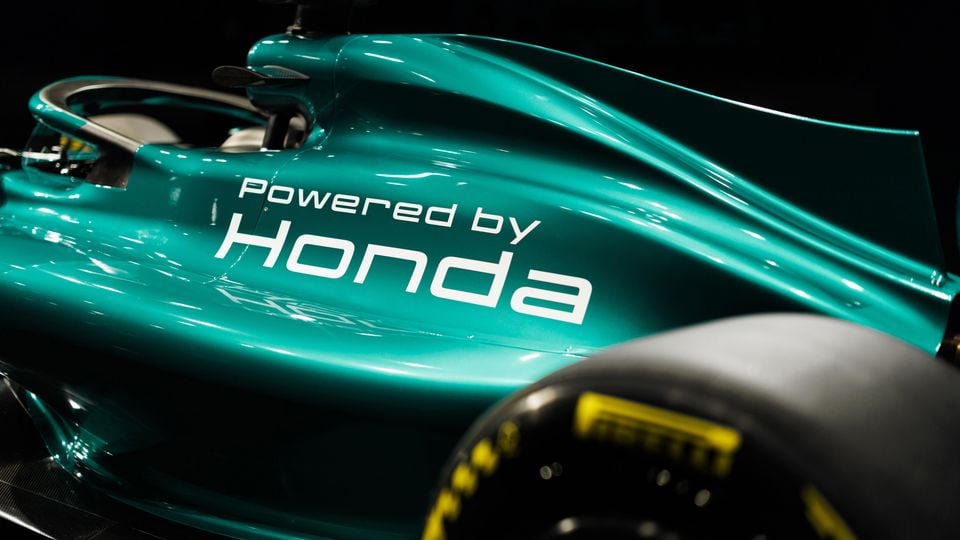
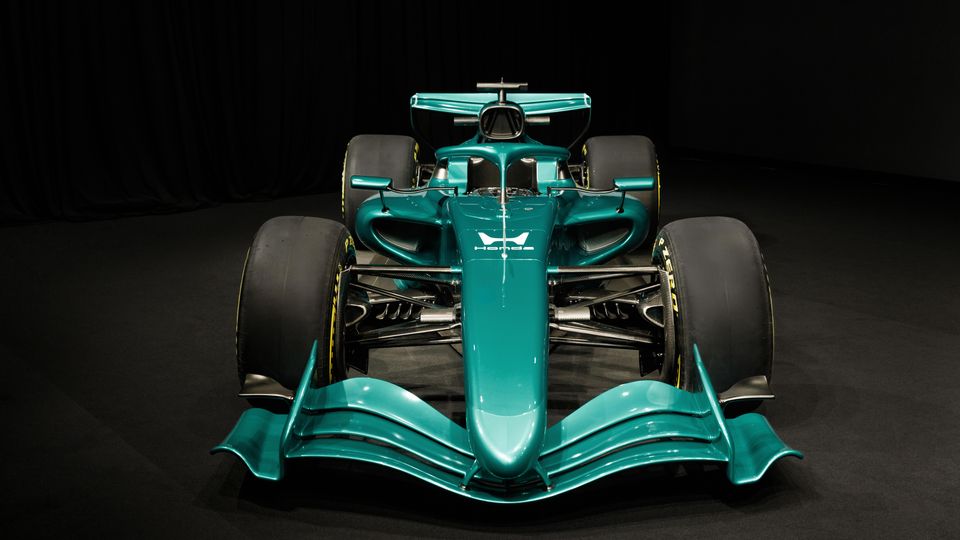
For Honda, which dominated the previous ground-effect era in its partnership with Red Bull Racing and its sister operation, Racing Bulls, it has switched teams in 2026 and now joins forces with the iconic Aston Martin brand to power the cars driven by two-times world champion Fernando Alonso and his teammate Lance Stroll.
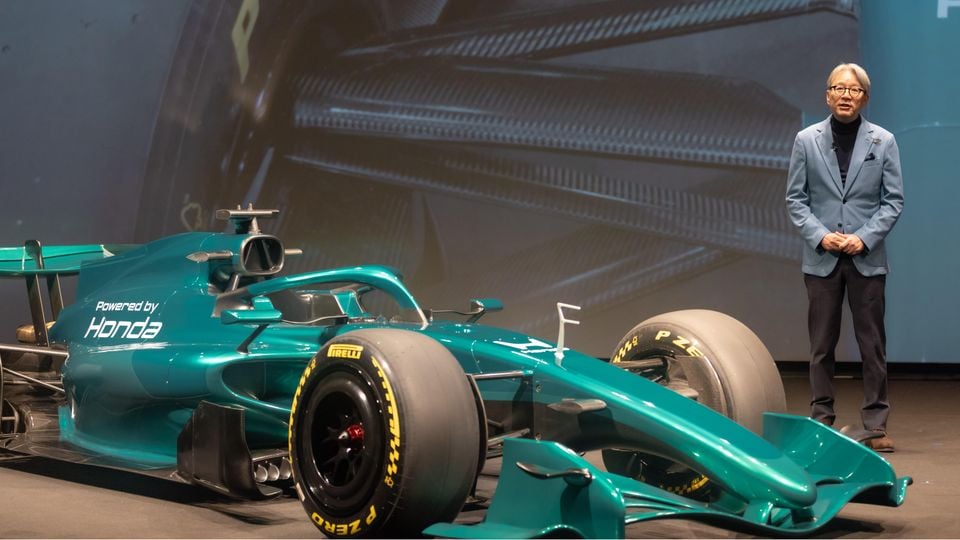
“Honda participation in F1, the pinnacle of automobile racing, has been the embodiment of the spirit of the company founder, Soichiro Honda, who inspired Honda engineers to commit to becoming number one in the world and to take on the most difficult challenges,” said Honda CEO, Toshihiro Mibe, at the launch of the new Honda RA626H power unit at the state-of-the-art Aston Martin F1 facility in the UK recently.
“It is also the starting point of the long-cherished approach at Honda to embrace difficult challenges.”
So, what’s new under the engine covers for 2026?
All F1 teams are still bound by regulations that the limit internal combustion engine (ICE) to a maximum capacity of 1.6 litres in a V6 configuration with a single turbocharger.
But there is a significant change in the relationship between it and the electrical components, which we will dig into in more detail next.
The new-for-2026 regulations have lowered the maximum compression ratio from 18:1 to 16:1, further restricted the fuel flow, and removed the MGU-H (Motor Generator Unit – Heat) which previously harvested electrical energy via the turbocharger.
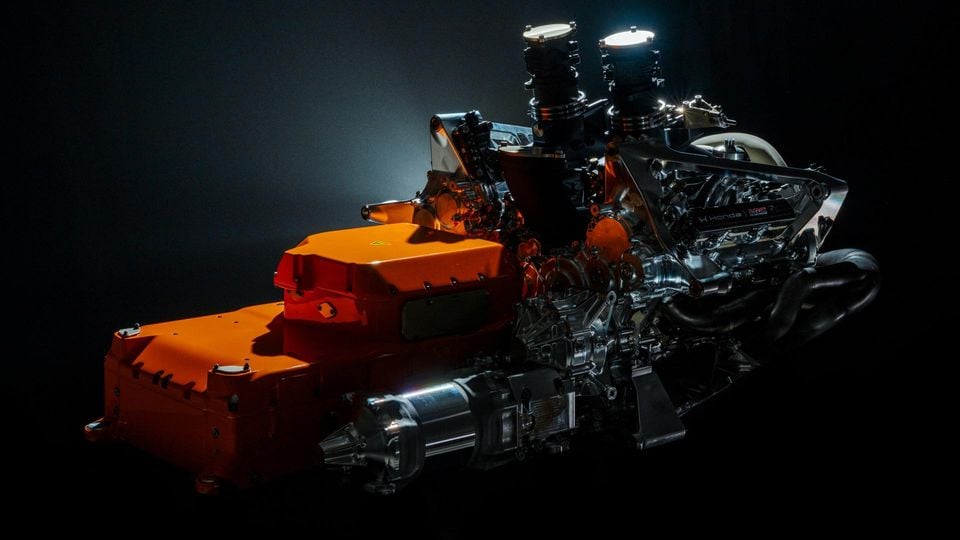
The end result is a significant reduction in peak power from approximately 550kW in previous seasons to around 400kW from this year.
The most significant change to the 2026 F1 engine regulations is a greater reliance on electrical power than before.
F1 power units are petrol-electric hybrid systems that, much like in a Honda CR-V or Civic, pairs an internal combustion with an electric motor to produce maximum power.
For this year, F1 has introduced regulations that alter the ratio between the ICE and electric motor to a 50-50 split.
That means peak power from the electric motor is increased from 150kW to 350kW, which also necessitates a larger, more efficient battery pack.
Previously the battery could be replenished by kinetic energy from the e-motor under brakes (MGU-K) or from the turbocharger through the MGU-H at any time (or a combination of both).
The increased availability of electrical power has also introduced a raft of new driving modes that drivers can use to strategically attack or defend during the races.
The first is an Overtake mode that temporarily increases maximum power when the following driver is less than one second behind. This essentially replaces the previous Drag Reduction System (DRS) that allowed chasing drivers to open their rear wing to increase top speed on the straights.
The second attacking function is called Boost, which allows the driver to access full power output at any time, not just when they are following a car closely.
Unlike Overtake, drivers can decide to either use the extra power in one shot or spread it across the entire lap. This will ensure more tactical use in both attack and defense, and potentially produce more surprising overtaking manoeuvres.
However, it will also deplete the battery power more quickly, requiring drivers to use Recharge function. In this setting, drivers will need to harvest more energy to replenish the battery pack by either braking for longer distances or lifting and coasting into corners, which could potentially make them more vulnerable to an overtake.
Essentially, the greater reliance on electrical power is designed to add another strategic element to the races, which will challenge the best teams and drivers.
Another new initiative in 2026 is the adoption of fully synthetic fuels.
Most recently, F1 fuels have contained 10 per cent renewable ethanol – just like the E10 you can buy at your local petrol station – but this year all teams will be required to use 100 per cent sustainable fuels, which have been tested in the lower F2 and F3 categories for the past two years.
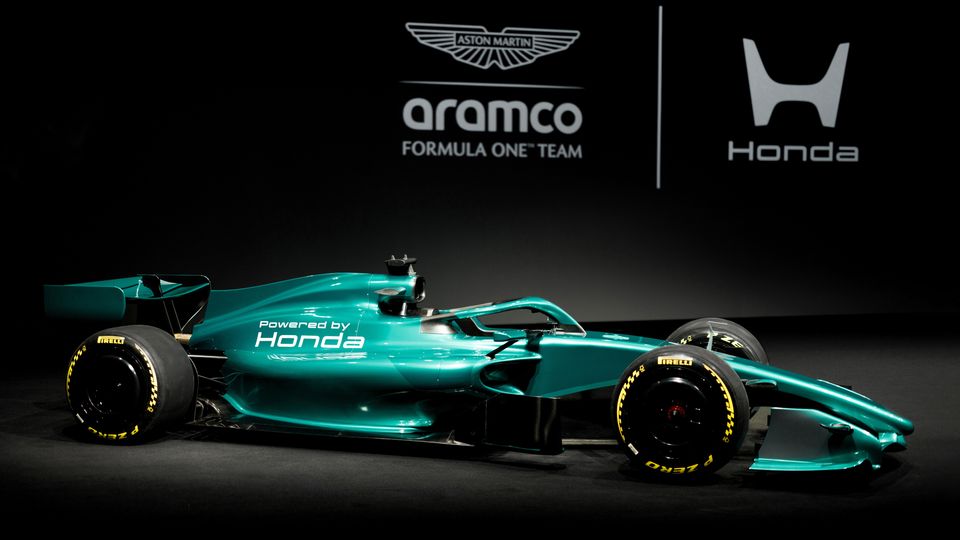
For Honda, Aston Martin’s partnership with Aramco sees it at the forefront of this groundbreaking technology.
Interestingly, another new rule for this year has provided fuel suppliers with an incentive to further develop the energy density of their sustainable fuels, which could be used to make a strategic advantage.
In the past, the engines were restricted to a maximum fuel flow rate of 100kg/hr, but this year each car will be limited to a total energy displacement of 3000MJ/hr which includes both the battery pack and fuel.
If a fuel supplier can improve the level of energy density in its fuel and the engine retains its maximum efficiency over the entire race, then teams will have the option to start with a lighter fuel load which will improve performance and lap times.
The new 2026 F1 engine regulations will no doubt produce plenty of intrigue on racetracks around the world this year.
But they will also produce better cars for all of us in the future, with Honda committed to using its findings to improve its fleet of family-friendly and fuel-efficient production vehicles.
The technologies refined in F1, such as those designed for high-efficiency combustion and thermal management, turbochargers and sustainable fuels, are being applied not only to next-generation hybrid (HEV) and all-electric (EV) models, but also to Honda products that enhance mobility in the skies, such as eVTOLs and aircraft engines.
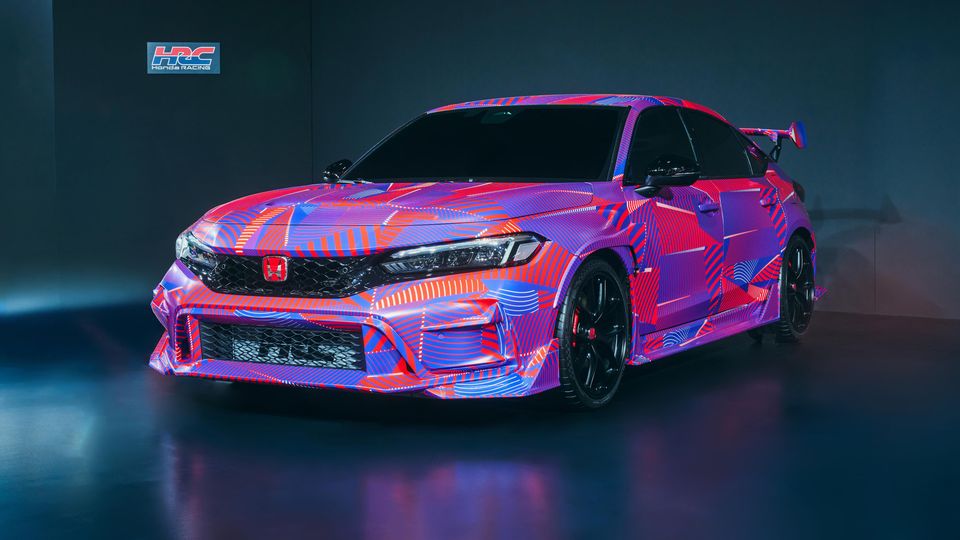
Honda claims it has already applied advances in sustainable fuel to its Honda Jet program, as well as personal drones that are currently being studied.
The Japanese brand has also hinted at leveraging its involvement in F1 to produce a range of limited-edition, high-performance vehicles under its Honda Racing Corporation (HRC) banner, most likely starting with the next-gen Civic Type R which was revealed in concept form alongside its new F1 power unit recently.
Honda says it will leverage F1 technologies as a starting point to further facilitate technological innovation for a wide range of mobility for land, sea, sky and outer space applications, contributing to the advancement of mobility products and services and the realisation of a sustainable society.
Research cars in our Showroom, compare your options or let our New Car Specialists do the running around to find you a great deal.
Derek Fung
12 Hours Ago

Ben Zachariah
13 Hours Ago

Josh Nevett
13 Hours Ago

Tace Clifford
14 Hours Ago


Max Davies
21 Hours Ago

James Wong
2 Days Ago
Add CarExpert as a Preferred Source on Google so your search results prioritise writing by actual experts, not AI.