






Paul Maric
2027 Jeep Wrangler 392 review: Taking on the Rubicon Trail
Every Jeep fan knows the name. We spent three days crawling across California's Rubicon Trail in a V8 Wrangler to see if it lives up to the legend.
4 Hours Ago

Deputy News Editor
Founder of the Rimac electric hypercar brand and CEO of Bugatti, Mate Rimac, has said the future of high-end supercars is not electric, with petrol-powered vehicles to remain in high demand even as mainstream models become increasingly electric.
Speaking to CNBC, the Rimac founder and Bugatti Rimac CEO suggested exotic supercars are entering a “Swiss watch phase”, where high-net-worth buyers are shunning the latest tech for more conventional mechanical and handcrafted models.
“For normal cars, normal people, the vast majority will be electric, [but] the upper segment, like sports cars and upwards, are going to stay combustion for a very long time, exactly like watches,” Mr Rimac told CNBC.
“Only like five per cent of watches are made in Switzerland, but that’s where 90 per cent of profits are made. An Apple Watch or any kind of smartwatch can do so many more things, but no one will pay $200,000 for it.”
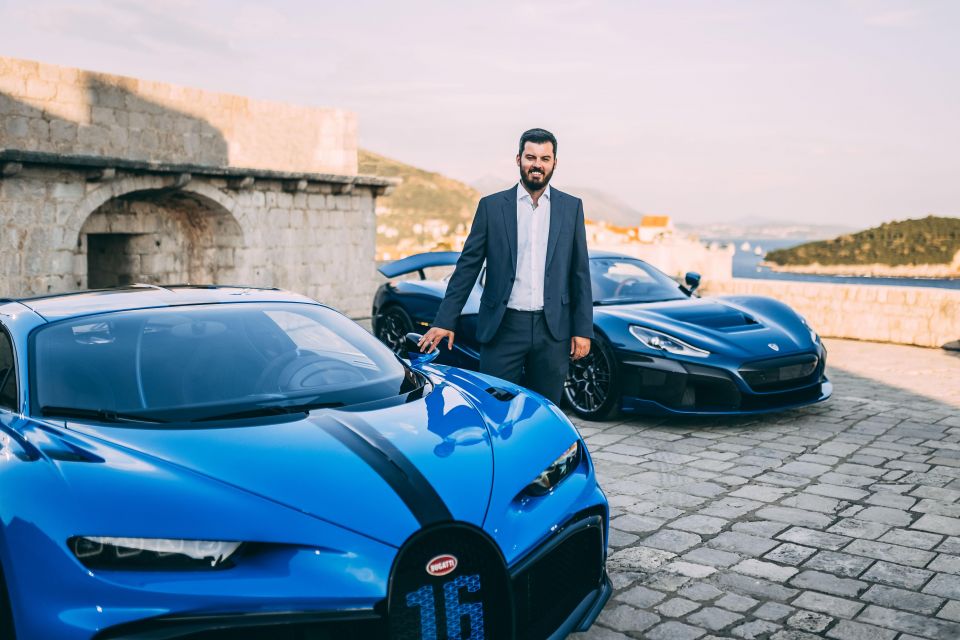
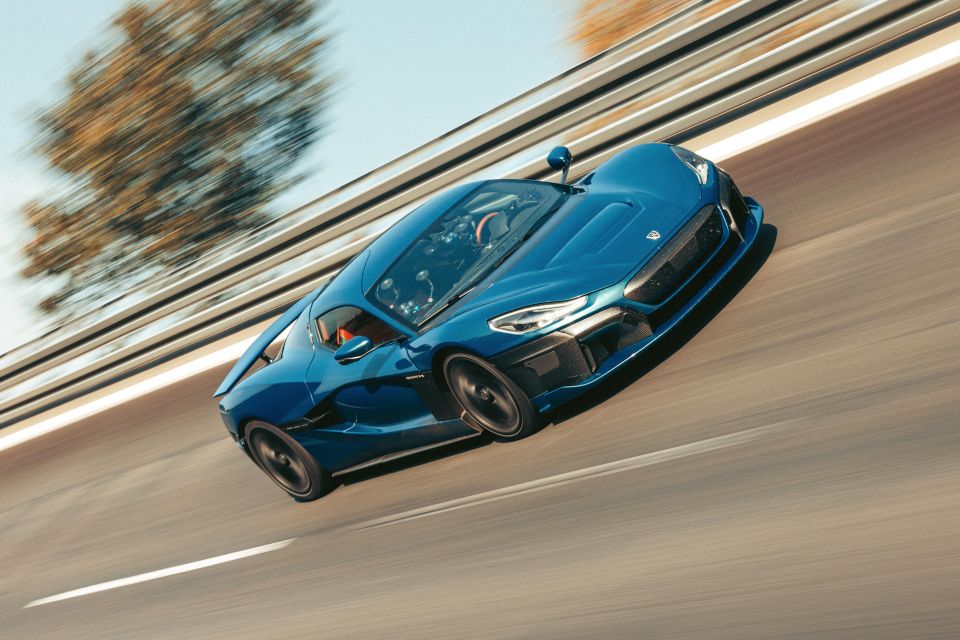
Ironically, Mr Rimac founded Rimac Automobili, an electric-only hypercar company, in 2009, with its first production model – the Rimac Concept One – one of the fastest electric vehicles (EVs) in the world at the time.
It was followed by the C_Two concept in 2018, which became the production-ready Nevera in 2021. The Nevera went on to set a number of EV performance records, including a production-EV top-speed record of 412km/h, and was priced at around €2 million (A$3.24 million).
In 2021, Rimac Automobili and Porsche formed the Bugatti Rimac joint venture, bringing together Rimac and the historic Bugatti brand – famous for making some of the fastest internal-combustion-powered cars in the world.
The Veyron, introduced in 2005, spawned the Super Sport that reached 431km/h in 2010, while the Chiron, introduced in 2016, saw the Super Sport 300+ reach 490.484km/h in 2019.
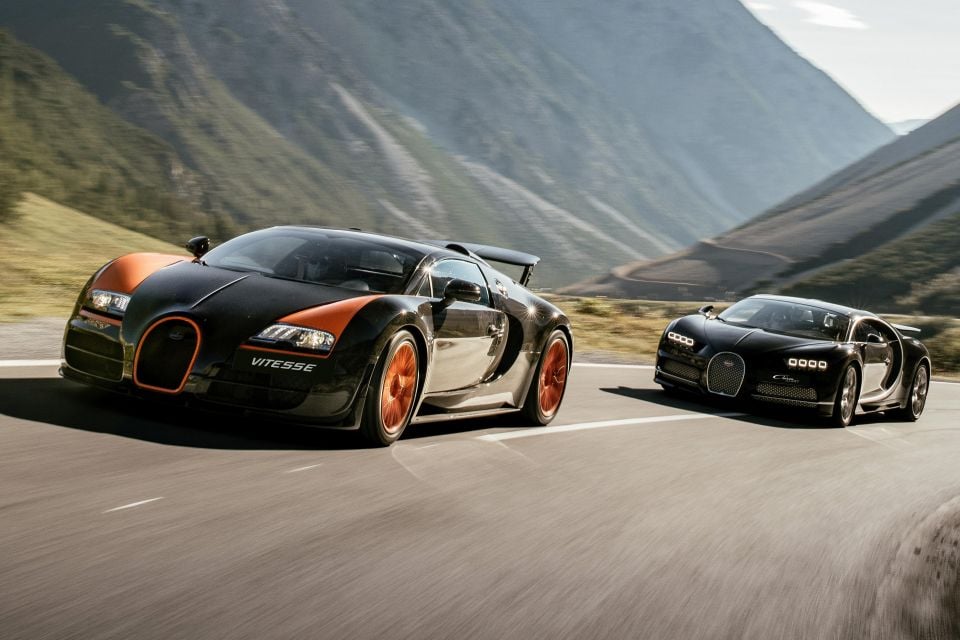
Yet Mr Rimac has no plans for a battery-electric Bugatti to follow the Chiron which, like the Veyron, used a quad-turbocharged 16-cylinder petrol engine configured in overlapping vees to form a ‘W16’.
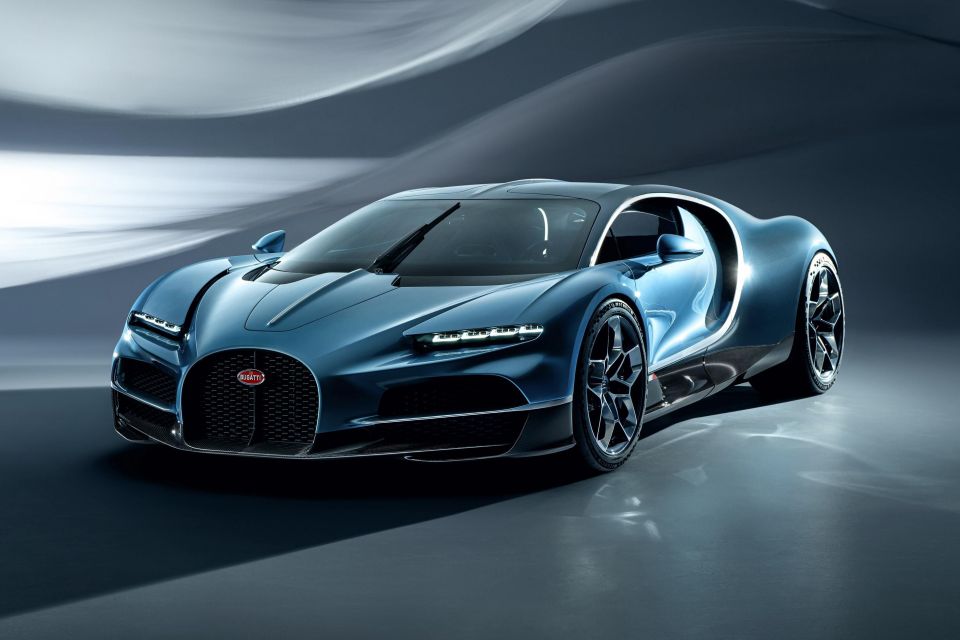
Instead, the Chiron’s successor, the Tourbillon, will use a hybrid powertrain, combining an 8.3-litre V16 petrol engine making 746kW/900Nm with an additional 597kW kick from a trio of electric motors for a total system output of 1343kW.
“It’s kind of ironic that I’m now making the world’s biggest combustion engine,” Mr Rimac said.
“You have the crazy situation now at our facility in Croatia. On the same production line, you have the world’s most powerful electric car being built right next to the world’s biggest combustion engine. Life is strange sometimes.”
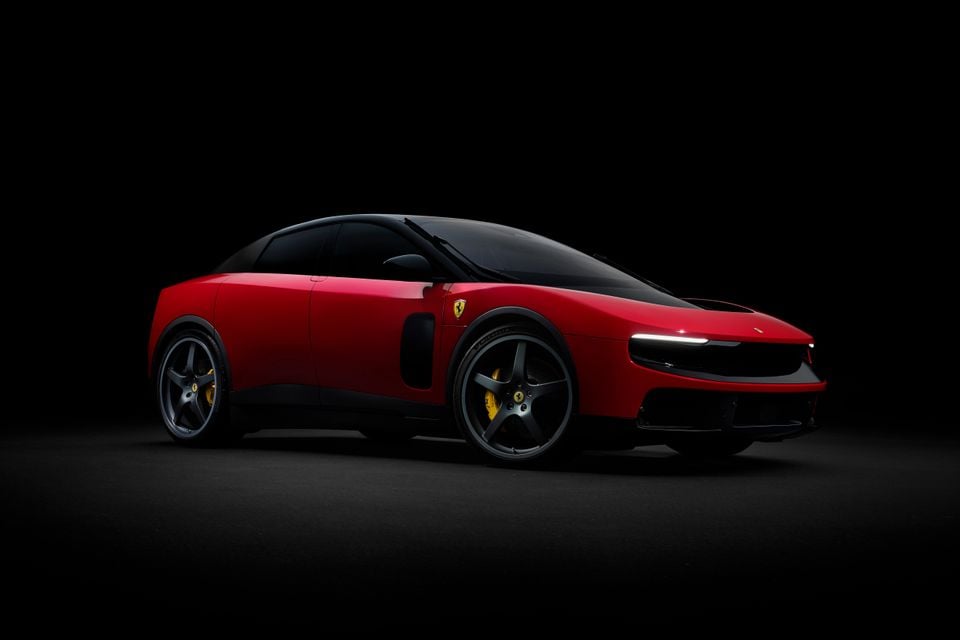
The comments come only months after iconic Italian supercar maker and Formula 1 mainstay Ferrari launched its first EV, the Luce.
While garnering a raft of criticism on social media, the first production example sold at auction in the United States (US) earlier this month for $US40 million (A$55.6 million) at RM Sotheby’s in California.
According to Ferrari Australasia, the Luce factory allocation for Australia and New Zealand has also sold out, although president Michele Comelli didn't disclose the number of cars coming to either country.
Yet Ferrari sold 13,640 vehicles globally in 2025, significantly more than the limited production run of 250 Bugatti Tourbillons, priced from €3.8 million (A$6.2 million) before taxes. Mr Rimac said he intends annual Bugatti production to never exceed “low three-digit numbers”.
Similarly, while Rimac doesn't regularly disclose sales numbers, it's also a low-volume brand. Just over 50 Neveras had been delivered as of May 2024 from a planned production run of up to 150, while only eight Concept One road cars were produced.
Mr Rimac told CNBC wealthy customers want a vehicle reflecting their own tastes, with a rise in customisation.
“For these clients, they want something that’s really theirs, that’s connected with them,” he said. “It tells their story, their personality, their preferences, not just like a car. It’s a story behind it.”
Brands are also recognising this, such as Porsche through its Sonderwunsch (special request) department, Maserati via its Fuoriserie (custom-made) and Mercedes-Benz with its Manufaktur options.

“What I want to do is make the world’s best cars, the most exciting cars in the world, and have the world’s most profitable car company on a percentage basis,” Mr Rimac said.
“You can get a car that’s faster than any performance car from 10 years ago for like $50,000 from China. Performance is really becoming secondary. It’s more about what I call the celebration of human skills. When you look at these cars, you see the amount of ingenuity and art and beauty.”
Damion Smy is an award-winning motoring journalist with global editorial experience at Car, Auto Express, and Wheels.
Paul Maric
4 Hours Ago

William Stopford
20 Hours Ago
William Stopford
20 Hours Ago
Damion Smy
21 Hours Ago

Ben Zachariah
1 Day Ago

Dave Humphreys
1 Day Ago
Add CarExpert as a Preferred Source on Google so your search results prioritise writing by actual experts, not AI.