





Alborz Fallah
EREVs easier, cheaper to repair than PHEVs, claims Chinese brand
Chery's iCaur brand, due here in 2027, says extended-range electric vehicles have key advantages over more common plug-in hybrids.
2 Hours Ago
The trend towards larger, heavier vehicles in China has prompted a rethink of EV tax concessions amid concerns they're contributing to road wear while reducing revenue for road maintenance.

Deputy News Editor
Deputy News Editor
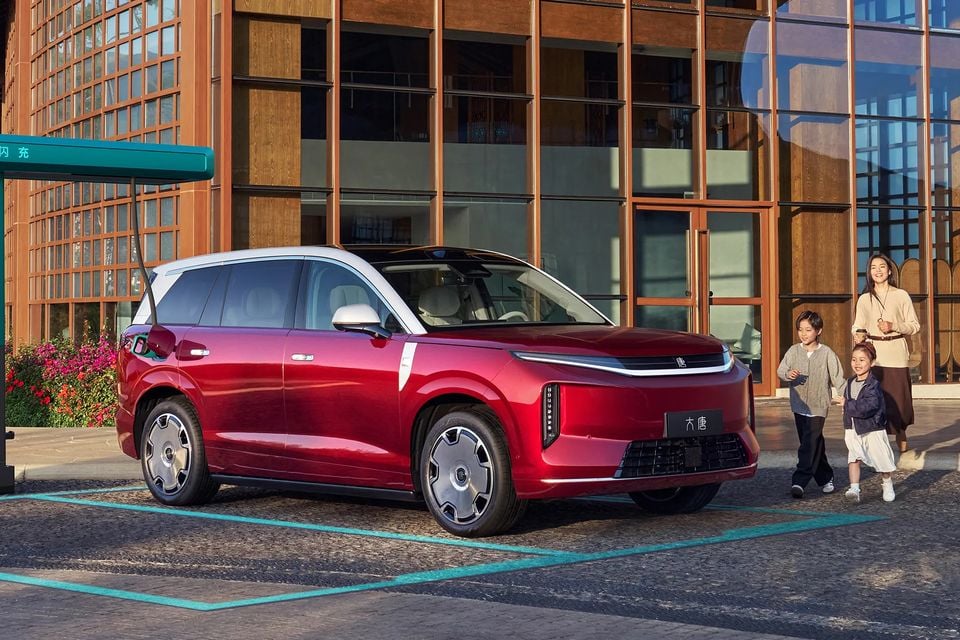
Chinese new-car buyers are increasingly choosing larger and heavier electric vehicles (EVs), but the trend is helping cause costly damage to roads while simultaneously contributing to a funding shortfall of as much as $61.7 billion needed for road repairs and maintenance.
Per Bloomberg, figures from the China Passenger Car Association (CPCA) have revealed six out of ten new vehicles launched in China in the first half of 2026 measured over five metres long – the approximate length of a Toyota LandCruiser 300 Series.
The proportion of new models launched measuring below 4.5 metres, or around the length of a Subaru Crosstrek, fell from 13 per cent in the first half of 2025 to only two per cent in 2026.
The increase in size has coincided with electric vehicles (EVs) increasing their market share in China to 35.4 per cent, compared to 30.1 per cent at the same point in 2025.
The report notes the declining revenue from China's fuel tax has contributed to a significant road funding shortfall – mirroring arguments around a mooted road-user charge in Australia.
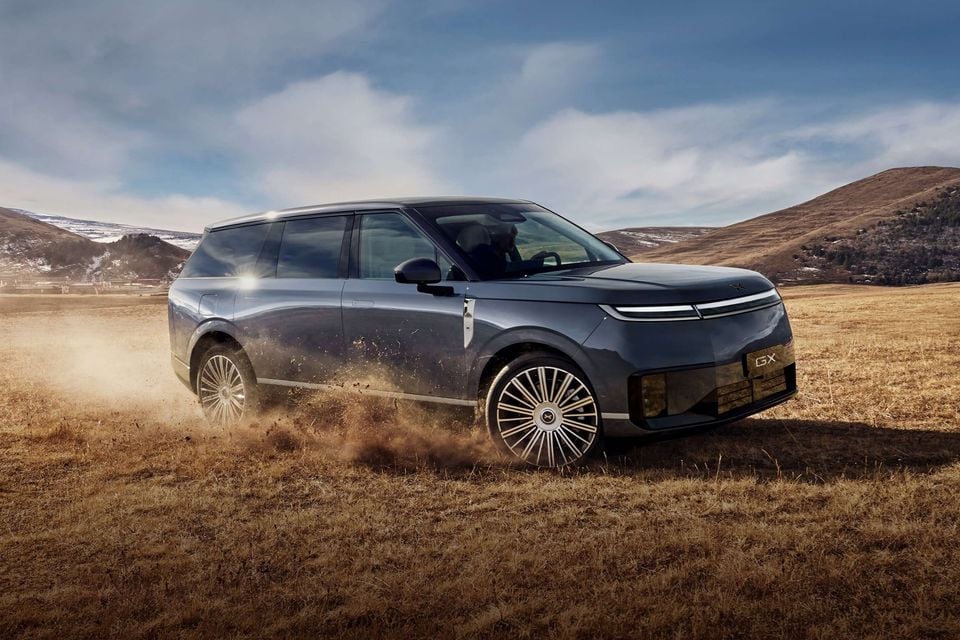
In addition to not being subject to fuel tax, buyers of EVs in China also pay significantly less vehicle purchase tax than those of petrol- and diesel-powered vehicles.
With vehicles becoming larger and heavier while contributing less tax revenue, the road funding gap is estimated to be as much as 50 per cent, and is likely to have widened since China's transport ministry estimated a ¥300 billion ($61.7 billion) shortfall in 2023.
The gap has seen the Chinese government wind back EV sales incentives, halving the purchase-tax discount to five per cent and capping the concession at ¥15,000 ($3170).
It has also announced the removal of annual tax exemptions for plug-in hybrid electric vehicles (PHEVs) and extended-range electric vehicles (EREVs), powertrain technologies which the report suggests are driving the trend to larger, heavier vehicles.
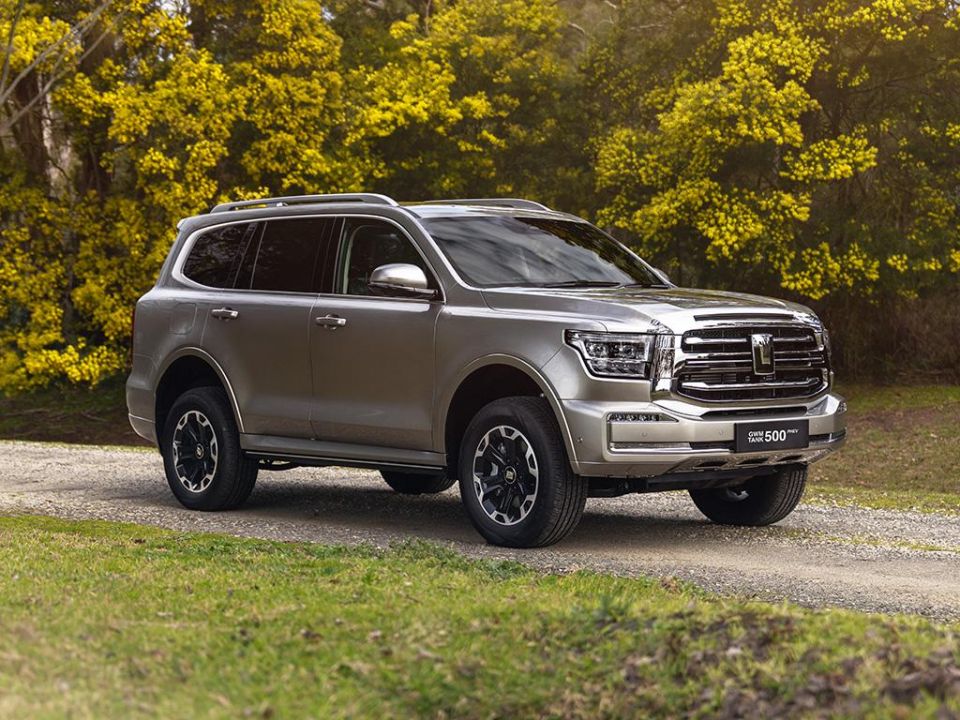
The Denza B8 PHEV off-road SUV launched in Australia last year, for example, is 5195mm long and weighs 3290kg, while the GWM Tank 500 PHEV SUV is 5078mm long and weighs 2820kg.
Although generally lighter than large SUVs, Chinese dual-cab utes also lean larger, with the BYD Shark 6, LDV Terron 9, MG U9 and JAC Hunter sold here all measuring more than five metres long.
The Chinese government has also introduced energy-consumption standards penalising heavier vehicles to curb what state-run media called a “dangerous weight arms race”.
It comes as Australia has seen a rapid rise in EV market share. This reached 23.3 per cent in June 2026, with the Tesla Model Y being the top-selling vehicle of any fuel type.
There have been ongoing debates surrounding road-user charges for EVs in Australia.

A federal government proposal for an EV road-user charge (RUC) was put on hold after record fuel prices in March 2026, amid concerns it would hinder the growth of EV sales, which are considered critical to the government's net-zero 2050 goal.
The RUC was seen as a way of partially replacing falling revenue from fuel excise as sales of internal combustion engine (ICE) vehicles decline, mirroring concerns in China.
Australia faces a similar challenge, with the Australian Local Government Association estimating local councils faced a road-maintenance funding shortfall of around $1 billion in 2024-25.
MORE: Australia delays EV road user charge slammed as 'thinly veiled tax'
Damion Smy is an award-winning motoring journalist with global editorial experience at Car, Auto Express, and Wheels.
Alborz Fallah
2 Hours Ago
Alborz Fallah
3 Hours Ago
Alborz Fallah
3 Hours Ago
Alborz Fallah
4 Hours Ago

Ben Zachariah
6 Hours Ago
Ben Zachariah
6 Hours Ago
Add CarExpert as a Preferred Source on Google so your search results prioritise writing by actual experts, not AI.