




Damion Smy
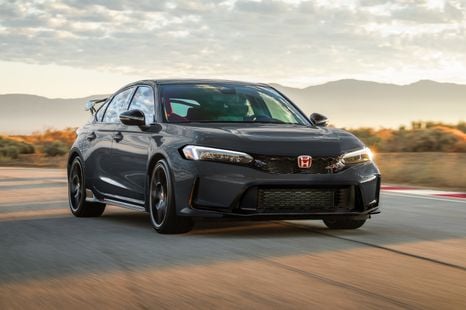
2027 Honda Civic Type R: Facelifted hot hatch revealed
Styling and interior tweaks as well as a new colour come ahead of the Civic Type R’s 30th anniversary in 2027.
8 Hours Ago
A Queensland council has announced an Australian-first trial of AI-powered traffic signals to reduce grid lock and time spent waiting at red lights.
Deputy News Editor
Deputy News Editor
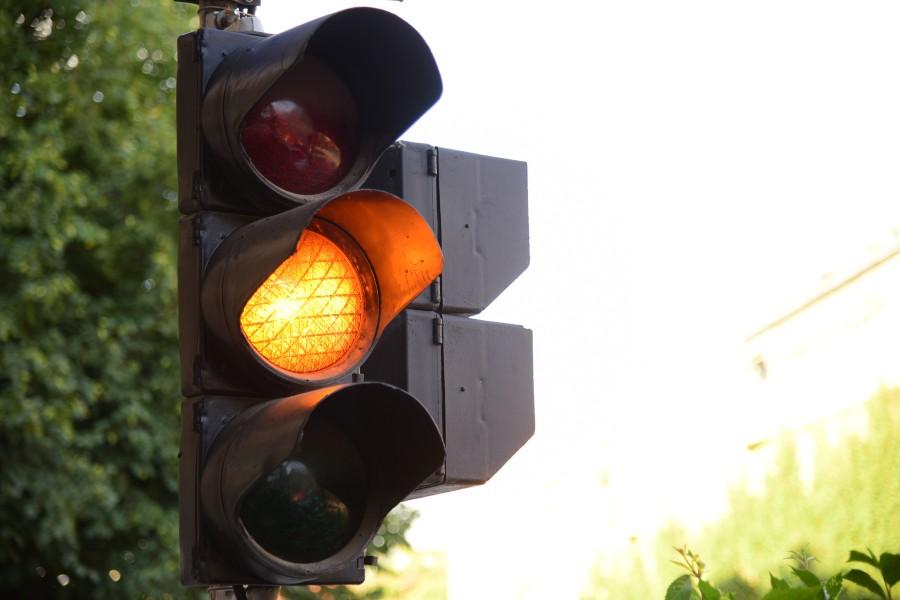
Australia's first artificial intelligence (AI)-powered traffic lights are set to be tested in Queensland, where they are expected to improve both traffic flow and pedestrian waiting times.
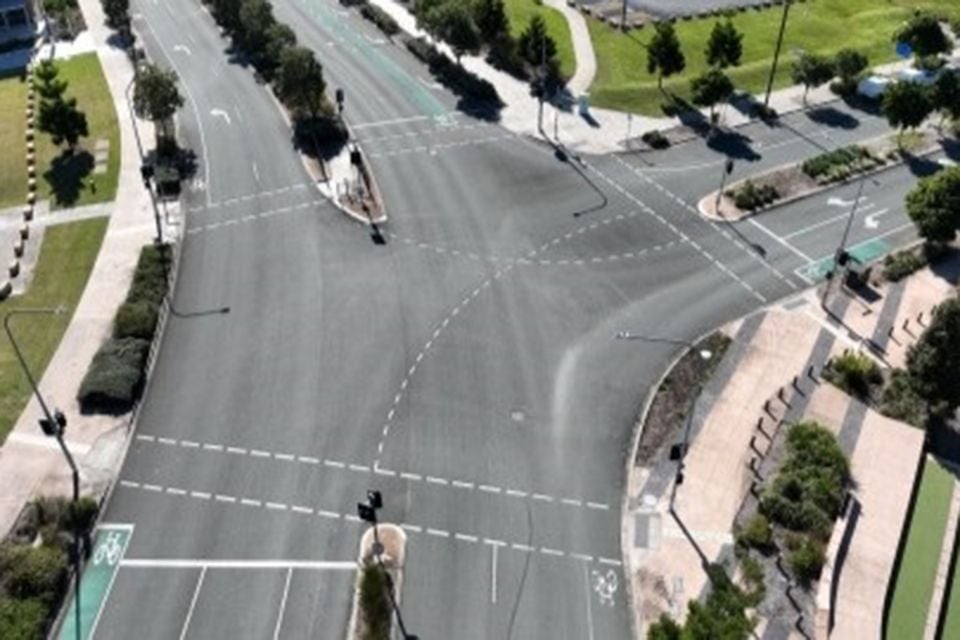
The City of Moreton Bay has announced it will become the first council in Australia to trial the technology, with the AI-powered traffic signals to be installed at the intersection of Moreton Parade and Paper Avenue in Petrie, north of Brisbane, later this year.
The council plans to expand the trial to busier intersections if initial testing proves the AI-powered signals are effective at reducing traffic congestion.
“We’re excited to be the first in Australia to trial technology that has the very real potential to improve the flow of traffic around our road network,” said Moreton Bay Mayor Peter Flannery in a statement.
“The technology effectively uses both AI and advanced algorithms to inform optimised traffic operations under a new traffic management approach.
“This means that higher traffic flows of vehicles including public transport can be prioritised dynamically throughout the day.”
The trial will assess the benefits of changing traffic light phases and pedestrian crossing times based on live traffic conditions, something the council says the existing traffic lights – which date back to the 1980s – cannot do.
“There is the potential to substantially reduce the time motorists spend unnecessarily sitting at red lights, which is often constrained by legacy traffic control methods, and this can be extremely frustrating especially when there are no cars in sight,” Mayor Flannery said.
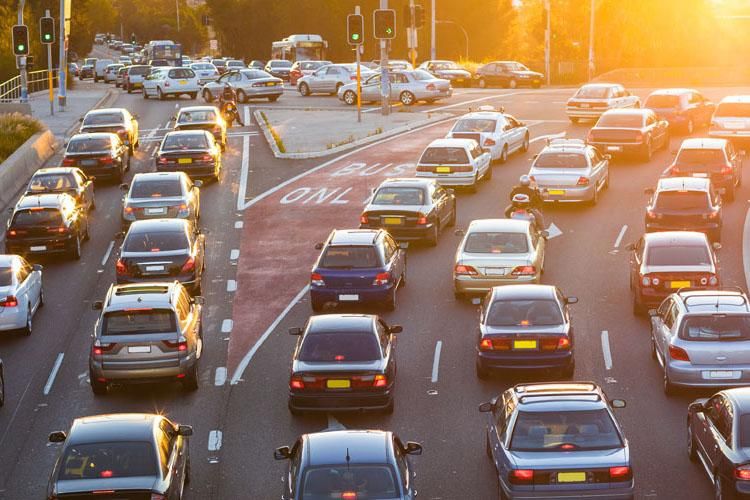
“This presents the opportunity to reduce emissions as vehicles will idle less at traffic lights.
“Plus, for the first time, traffic signals can be adjusted by individual movements using advanced traffic detection sensors so congestion can be better managed including when vehicles flood our local road network.”
The trial requires the existing traffic signals to be replaced with new hardware, along with advanced signal detection sensors to provide the data needed for the AI system to make real-time decisions.
AI has already been deployed in traffic signal systems overseas. The US city of Pittsburgh currently uses AI-controlled traffic signals at around 50 intersections, and has plans to expand that number to 200.
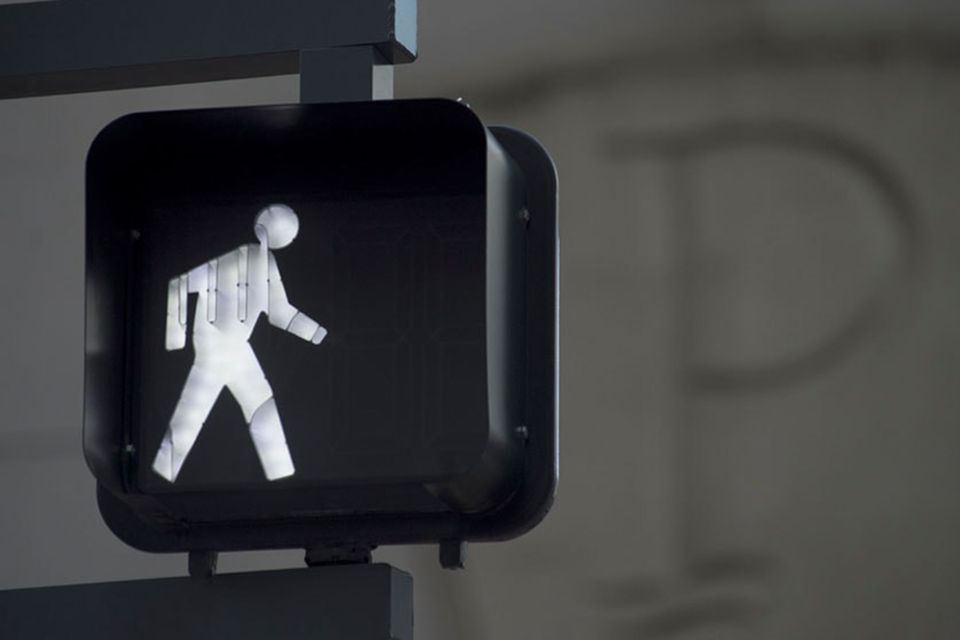
According to Pittsburgh's Carnegie Mellon University (CMU), its Surtrac real-time traffic management system uses AI to enable traffic signals to "talk to each other" and make individual decisions based on approaching traffic.
CMU says the system reduces travel times by up to 25 per cent and cuts vehicle idling time by as much as 40 per cent, reducing fuel consumption, operating costs and emissions.
Australian motorists are becoming increasingly familiar with AI-powered technology, not only in new vehicles but also through the widespread use of AI-powered enforcement cameras to detect speeding, mobile phone use, and seatbelt offences.
AI has also been used to improve pedestrian safety at one of Australia's busiest intersections, with dramatic results. A 'world-first' trial at Manly in Sydney’s Northern Beaches reportedly cut risky crossings by more than a third in 2025 by using smart cameras, AI data processing and adaptive traffic lights to safely move crowds pouring off ferries and buses.
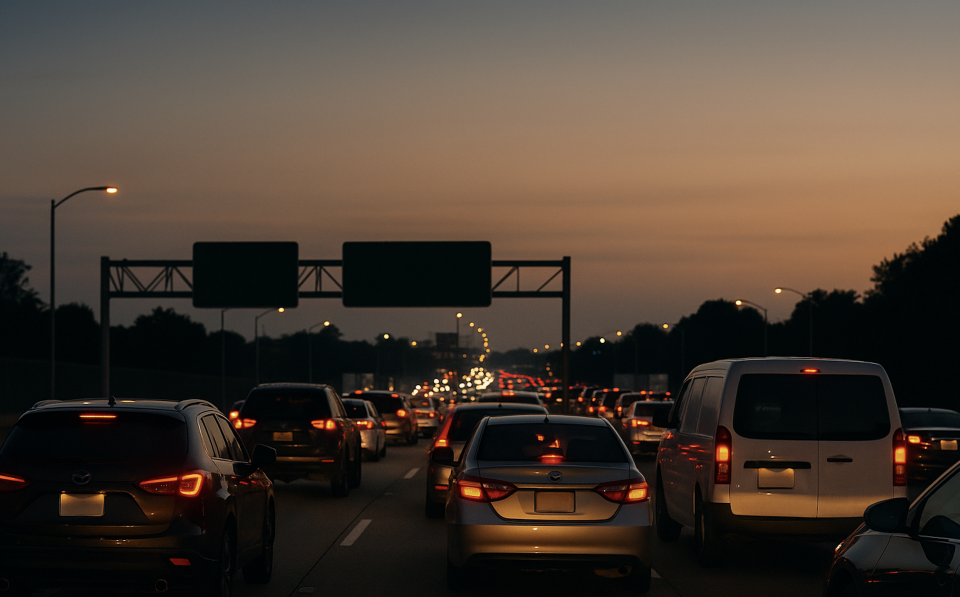
According to the NSW Government, the technology delivered a 34 per cent drop in people in the number of pedestrians stepping out on the flashing red man at the intersection of The Esplanade and Belgrave Street, where pedestrian numbers can surge from a dozen to more than a thousand in minutes.
When the system detects a surge, it automatically gives people more frequent or longer green-walk signals, reducing wait times and stopping dangerous crowd spill-over onto the road. In November 2025, the Minns Government said it would establish a second site in the Parramatta CBD in 2026.
Also in 2025, Toyota told CarExpert it intends to use AI tech as part of a global project to reduce the number of traffic accidents to zero.
MORE: Ford rehires veteran engineers after AI falls short on quality
Damion Smy is an award-winning motoring journalist with global editorial experience at Car, Auto Express, and Wheels.
Damion Smy
8 Hours Ago

William Stopford
8 Hours Ago
Damion Smy
10 Hours Ago
William Stopford
11 Hours Ago
Damion Smy
12 Hours Ago

Josh Nevett
13 Hours Ago
Add CarExpert as a Preferred Source on Google so your search results prioritise writing by actual experts, not AI.