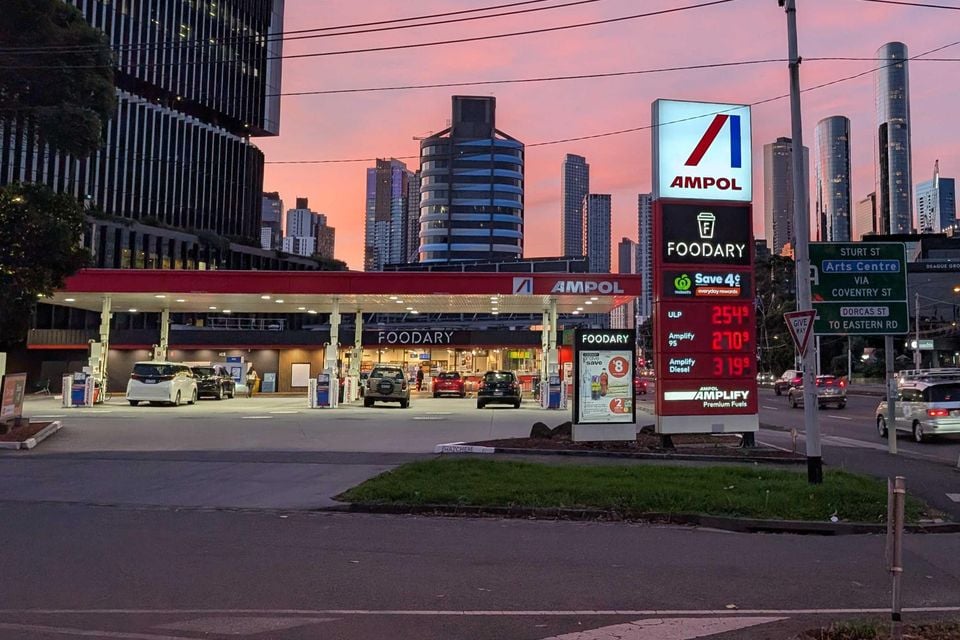
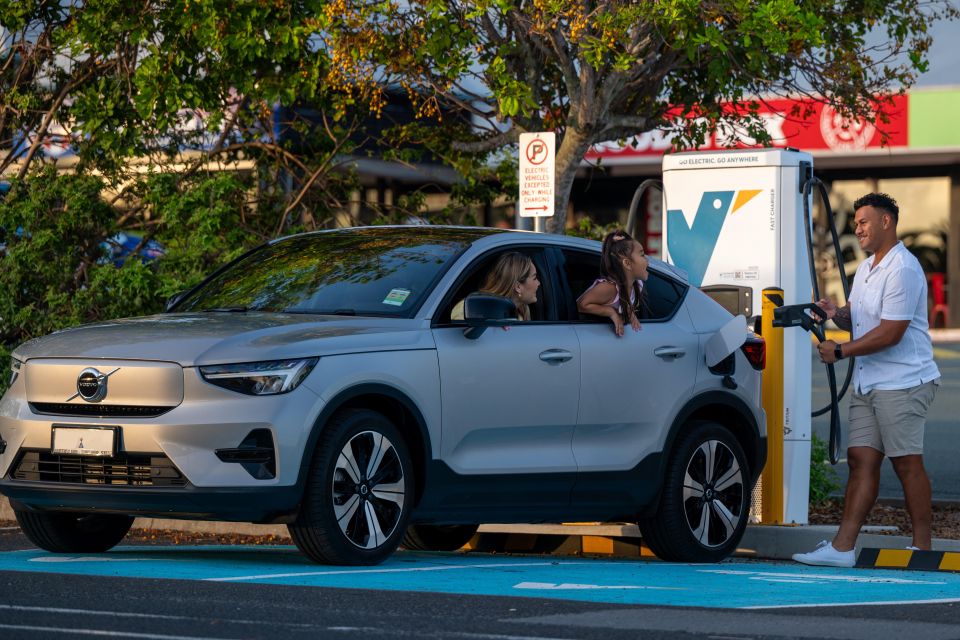
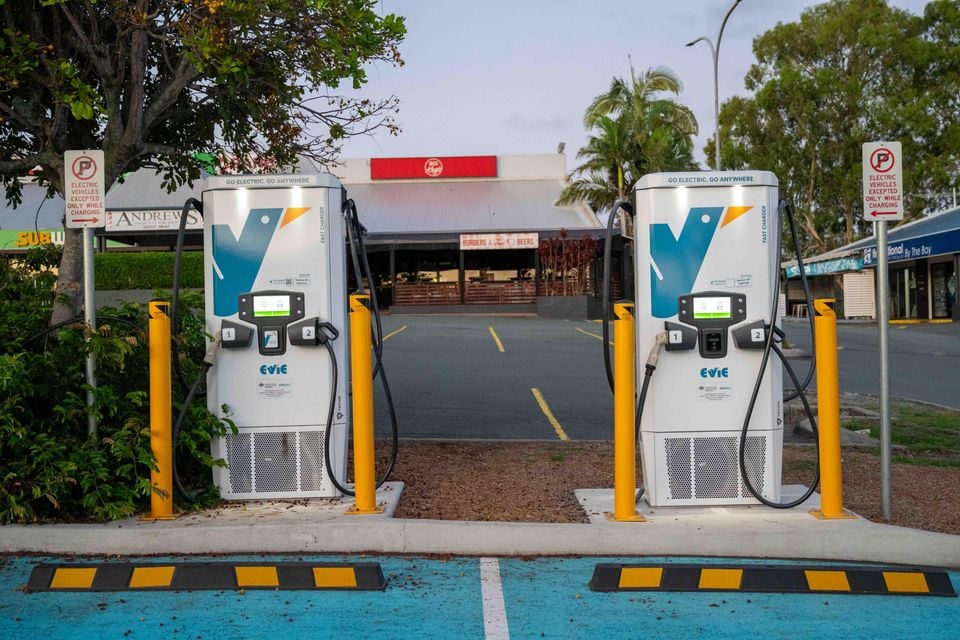
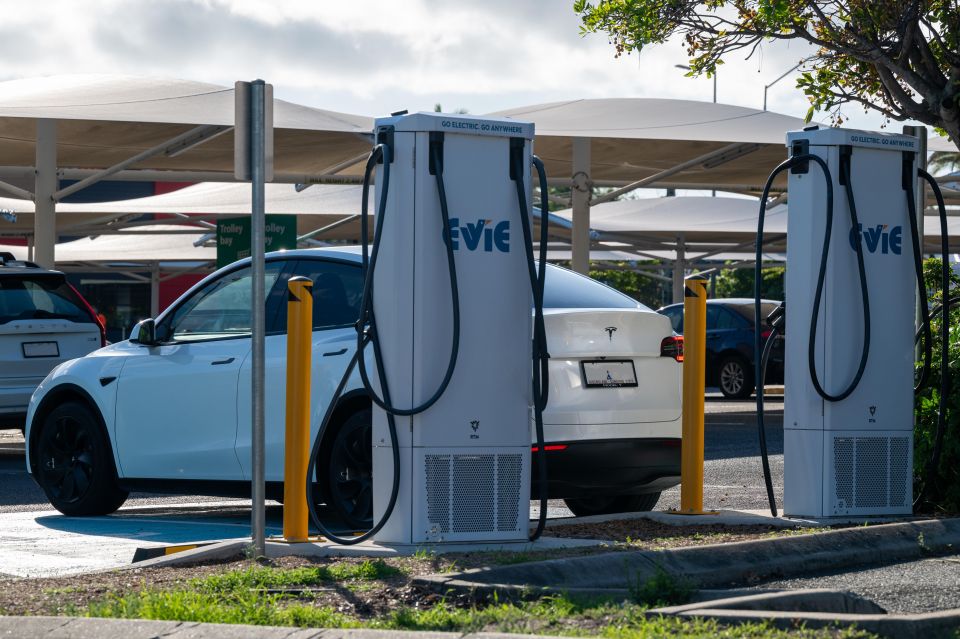
Ampol has announced plans to acquire 100 per cent of Evie Networks, which will see the petrol retailer more than triple the number of public electric vehicle (EV) charging bays it operates to create one of Australia’s largest public charging networks.
The deal, expected to be completed in the first half of 2027, will see Ampol pay $225 million to buy Evie Networks (Fast Cities Australia Pty Ltd) outright, subject to regulatory approval.
“Evie Networks is a highly complementary business that significantly expands the scale, reach and capability of our charging offer to support consumer and fleet customer choice of charging providers and locations,” said Ampol CEO and managing director Matt Halliday in a statement.
Evie Networks was established in 2017 with its official mission “To create freedom of movement powered by 100 per cent renewable energy”.
The acquisition will see Evie’s more than 1030 charging bays combine with Ampol’s existing AmpCharge network for a truly national network of approximately 1425 bays at more than 400 sites, with locations in every Australian state and territory.
While rival numbers are difficult to confirm, this compares with almost 100 reported sites for BP Pulse, while Shell petrol stations operated by Viva Energy implemented their first sites in New South Wales in 2025, with Shell also having a tie-up with Chargefox.
“The acquisition secures a portfolio of well-located sites with long-dated average lease tenure and established grid access that we believe will become increasingly valuable as BEV [battery electric vehicle] adoption accelerates in the years ahead," Ampol said in its release.
The Tesla Model Y became the first EV to top new-vehicle sales in May 2026, when it overtook the Ford Ranger, and was number one again in June and August, when it prevented the Toyota RAV4 SUV from taking the top spot.
The increase in EV popularity followed record fuel prices for petrol and diesel amid tensions in the Middle East, with pressure on interest rates and the latest annual inflation figure of 4.0 per cent for August 2026 expected to see the trend towards electrification continue.
A statement from Ampol said the company expects its restructured EV charging business, with Evie Networks included, to break even in its first full year of operation, 2028.
“There's a point at which making petrol and refining petrol becomes more challenging, and as soon as you have to put that petrol that you're making in Brisbane, for example, on a ship and send it somewhere else – that becomes very, very expensive.
“It's still too early to make a definitive call on this, but when we look at the addressable market, we see that EV charging can be a profitable business,” the Ampol boss told That’s Business with Alan Kohler in July 2026.
“The business model works. Margins are certainly lower [than retailing petrol], but customers need to charge more frequently.”