




James Wong
Deepal parent confirms new Chinese brand for Australia – UPDATE
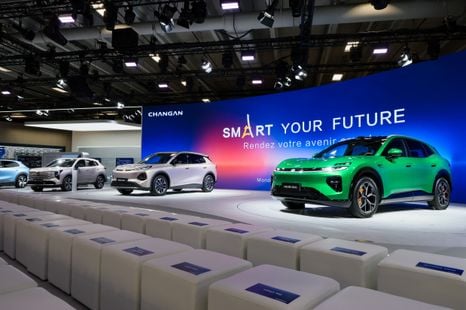
Changan will launch its Nevo brand in Spain next year, and it has plans to expand into other European markets and potentially Australia.
2 Hours Ago
Stellantis Europe's COO has shed more light on Alfa Romeo's upcoming compact models, as well as the future of the Giulia and Stelvio hero models.
Senior Editor – Reviews
Senior Editor – Reviews
The chief for Stellantis' 'Enlarged Europe' region has shed more light on Alfa Romeo's critical next-generation compact models.
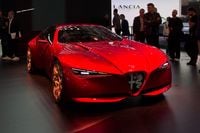
Speaking in a roundtable interview with media including industry journal Automotive News Europe, the COO of Stellantis’ Enlarged Europe region, Emanuele Cappellano, officially confirmed that Alfa Romeo will launch a new compact hatchback based on the new STLA One 'multi-energy' modular platform – indicating hybrid, plug-in hybrid and electric powertrain options.
Mr Cappellano stopped short of confirming a name or firm launch date for the Italian marque's new rival for the Audi A3 and BMW 1 Series, but said that models based on STLA One will be 20 per cent more affordable to develop than Stellantis' current models of the same size.
Stellantis hopes the new compact model will help Alfa Romeo's fortunes in its home region. Its sales in Europe are down 20 per cent to the end of April this year, according to Dataforce figures quoted by the ANE.
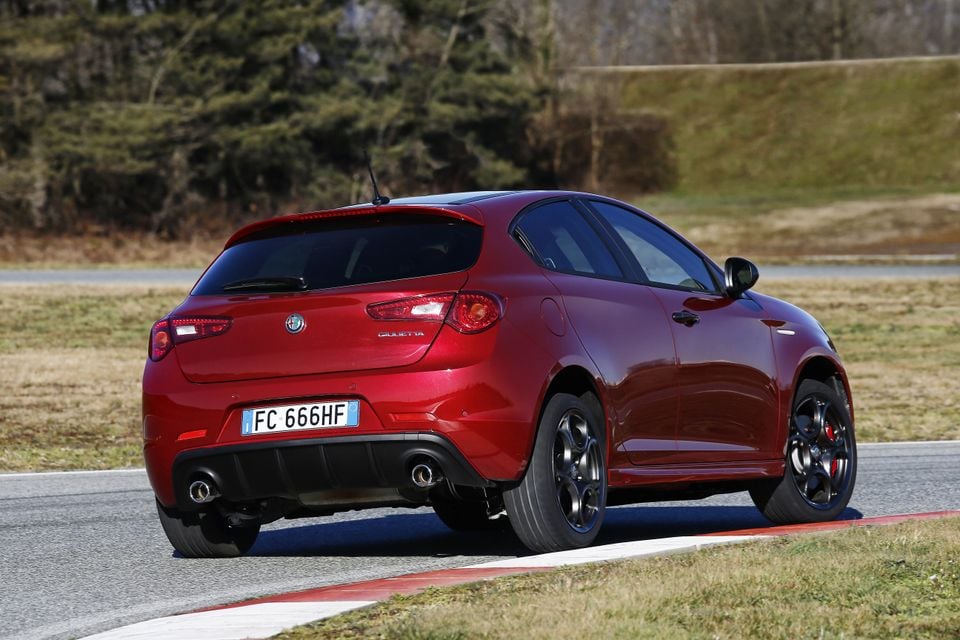
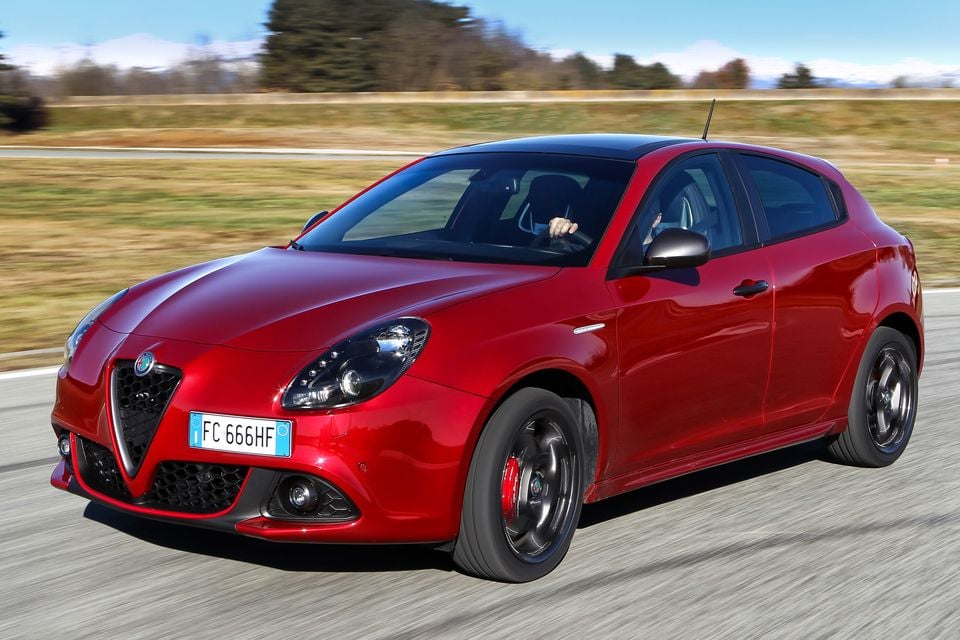
It will be the first time Alfa Romeo has competed in the compact hatchback segment since 2020, when production of the Giulietta ended. A press release issued by the brand following the Stellantis Investor Day last month indicated the new small car would be launched some time after 2027.
The modern Alfa Romeo Giulietta (Tipo 940) was produced between 2010 and 2020. It replaced the 147, which was produced over the previous decade.
Mr Cappellano also told Italian media that Alfa Romeo's Tonale compact SUV will be replaced by a new model based on the STLA Medium platform. It will be built in Melfi, Italy, alongside the DS No.7 and No.8, as well as the new Lancia Gamma and Jeep Compass – all of which are based on the same platform.
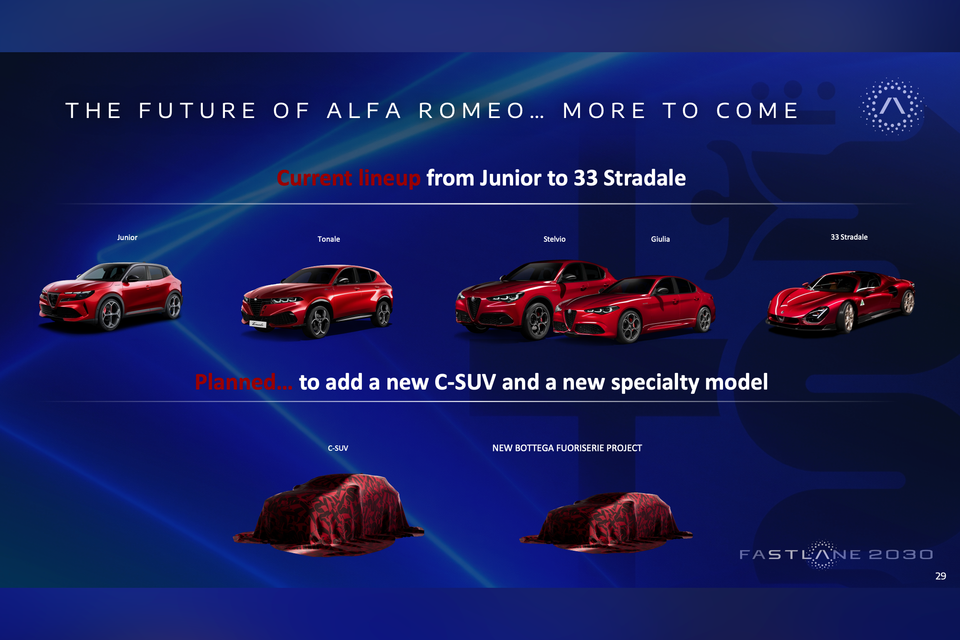
It's still unclear whether the confirmed Tonale successor is separate to the "new C-segment SUV" confirmed in the FaSTLAne 2030 plan presented by Stellantis on May 21, or if the latter will be positioned above the new Tonale.
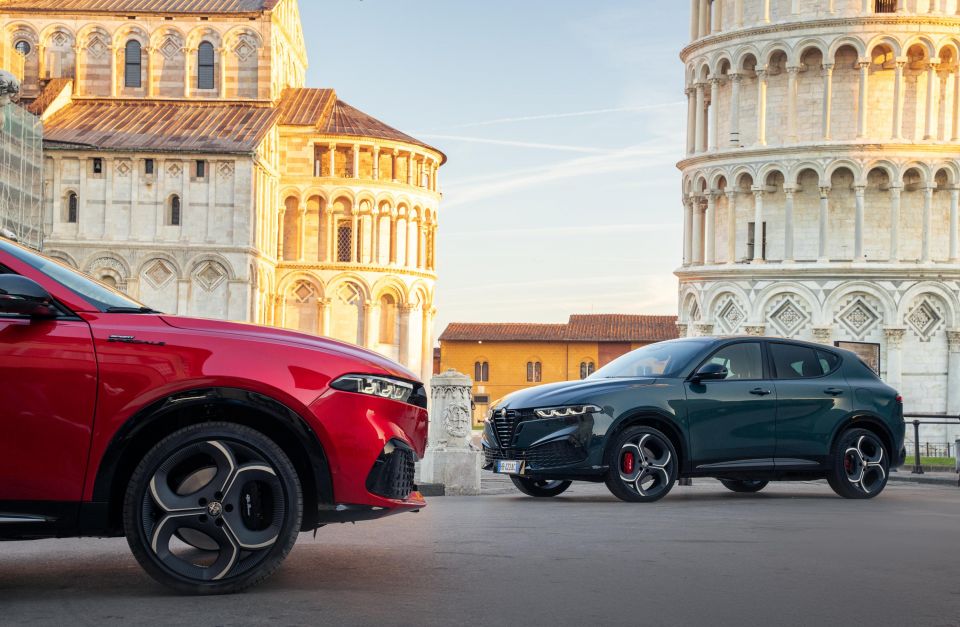
The new architecture will also allow Alfa Romeo to offer an all-electric variant of the Tonale replacement. The existing Tonale currently offers 48-volt 'Hybrid' and Plug-in Hybrid (PHEV) powertrains, but not a full EV drivetrain.
In a surprise revelation, Mr Cappellano also indicated the Italian brand is on the hunt for partners to help develop electrified successors for the current Giulia sedan and Stelvio SUV.
“We are currently evaluating two to three solutions to launch new D-segment models, some coming from our engineering department and some from external partners,” Stellantis' European boss said.
“Partnerships permit us to accelerate the launch of new models and also to increase the scale of their core components. This is what we are currently evaluating for Alfa Romeo and Maserati."
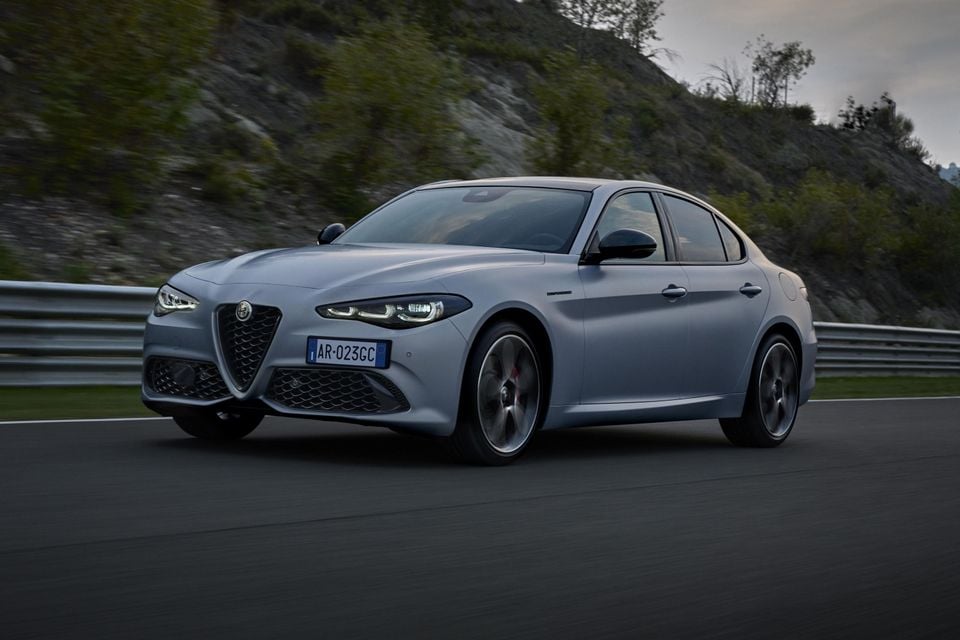
While the new STLA One platform supports vehicle sizes up to the D segment (mid-size models such as the Stelvio, Giulia and BMW 3 Series), Mr Cappellano told Automotive News Europe that the new architecture "stretches only to entry mid-size models".
His comments indicate that STLA One is a front-wheel drive platform with the option of all-wheel drive, much like the Volkswagen Group's ubiquitous MQB architecture. Therefore, the Italian brand will rely on partnerships for its Giulia and Stelvio replacements, in order to retain their more desirable rear/all-wheel drive layout with electrified powertrains.
Based on the Giorgio platform, the current mid-size sedan and SUV had been due to be replaced by electric-only successors based on the STLA Large platform in 2025 (Stelvio) and 2026 (Giulia).
Patent images of the next-generation Stelvio surfaced in April 2025, before Alfa Romeo confirmed in October 2025 the current models would continue to be produced until 2027.
Alfa Romeo had confirmed it was looking to engineer available combustion powertrains following a move away from its previously stated goal of an EV-only lineup by 2027. A recent Autocar report suggested the new models will now arrive in 2028, offering electric, mild-hybrid and plug-in hybrid powertrains.
The current cars will continue to be produced until next year, including their hot twin-turbocharged petrol V6 Quadrifoglio variants. However, Stellantis has provided no indication of launch timing for the new models.
Nor was any mention made of a flagship ‘E-SUV’ which Alfa Romeo had previously spoken of. It appears to be the latest large Alfa Romeo model to be cancelled before seeing the light of day, with BMW 5 Series and X5 rivals being scrapped from the brand’s pipeline in 2018 when it was part of Fiat Chrysler Automobiles.
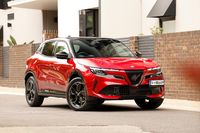
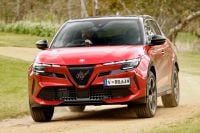
As part of Stellantis CEO Antonio Filosa's FaSTLAne plan, Alfa Romeo will update its electrified Junior light SUV by 2030, as well as introduce the aforementioned new C-segment SUV as well as an exclusive 'New Bottega Fuoriserie Project'.
Bottega Fuoriserie is the Alfa Romeo-Maserati joint 'creative hub' that covers everything from classic vehicle restoration to the development of performance technologies and new ‘few-off’ vehicles – indicating this new model could be an exclusive coach-built special.
Alfa Romeo will continue to be positioned below Maserati, which will produce two new E-segment (large) models: a passenger car and an SUV.
MORE: Alfa Romeo getting more fresh models, but timing still unconfirmed
MORE: Explore the Alfa Romeo showroom
Research cars in our Showroom, compare your options or let our New Car Specialists do the running around to find you a great deal.
James Wong is an automotive journalist and former PR consultant, recognised among Australia’s most prolific motoring writers.
James Wong
2 Hours Ago

Max Davies
3 Hours Ago

Damion Smy
14 Hours Ago

William Stopford
16 Hours Ago

Dave Kavermann
16 Hours Ago

Matthew Hansen
16 Hours Ago
Add CarExpert as a Preferred Source on Google so your search results prioritise writing by actual experts, not AI.