




Derek Fung
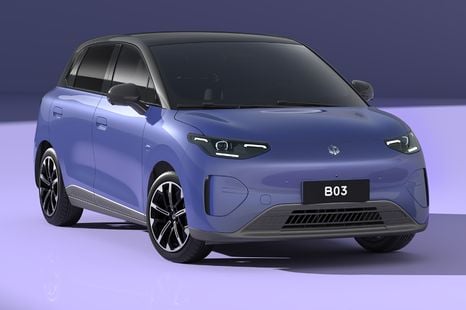
Leapmotor B03: Bargain EV approved for sale in Australia
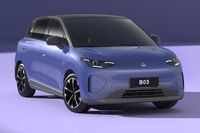
Those looking to get into an EV for the least money possible could soon have another option with the Leapmotor B03 receiving local certification.
12 Hours Ago

Road Test Editor
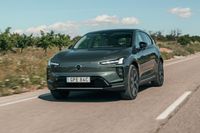
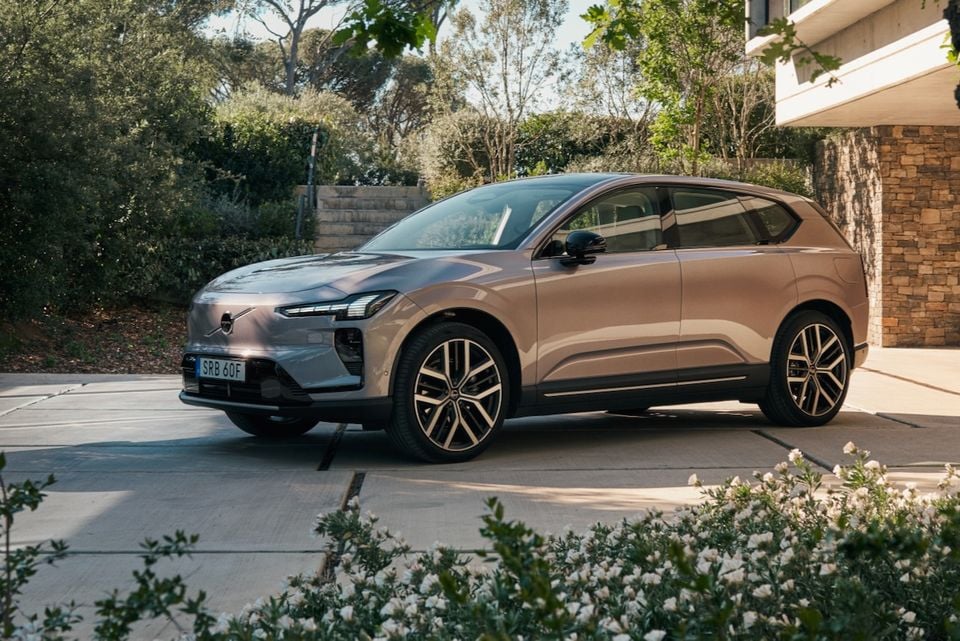
The all-new 2027 Volvo EX60 is set to launch later this year from $86,990 before on-road costs, with two variants going on sale in the Australian market initially.
Volvo says it will offer the mid-size electric SUV in the entry-level P6 RWD Ultra grade, as well as the P10 AWD Ultra – with the latter to be priced from $101,990 before on-road costs.
While pricing has been announced, final specifications for the Australian market have not yet been confirmed.
Exact timing for the 2027 Volvo EX60’s arrival in Australia has also yet to be confirmed, but at this stage the electric SUV is expected in either late in the third quarter or fourth quarter of 2026.
CarExpert can save you thousands on a new car. Click here to get a great deal.
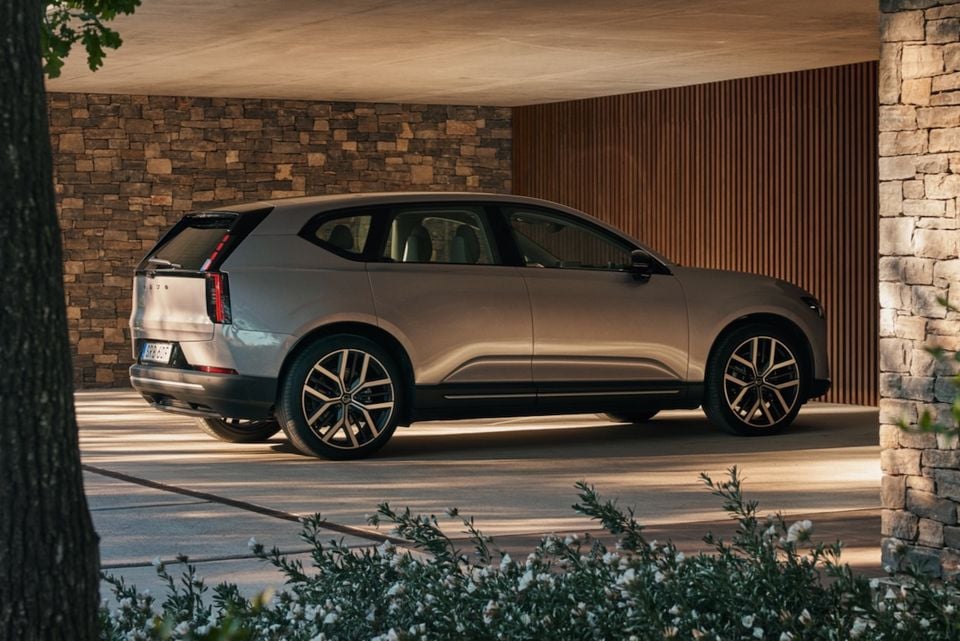
The EX60 P6 uses a single electric motor to drive the rear wheels, producing 275kW and 480Nm, with 620 kilometres of claimed WLTP range available from an 83kWh battery (80kWh usable).
According to Volvo, the EX60 P6 RWD can reach 100km/h from a standstill in 5.9 seconds, with an average energy consumption claim of 14.7kWh/100km – also on the WLTP standard.
Meanwhile, the all-wheel-drive EX60 P10 uses dual electric motors, with total system outputs of 375kW and 710Nm, dropping the 0-100km/h time to 4.6 seconds.
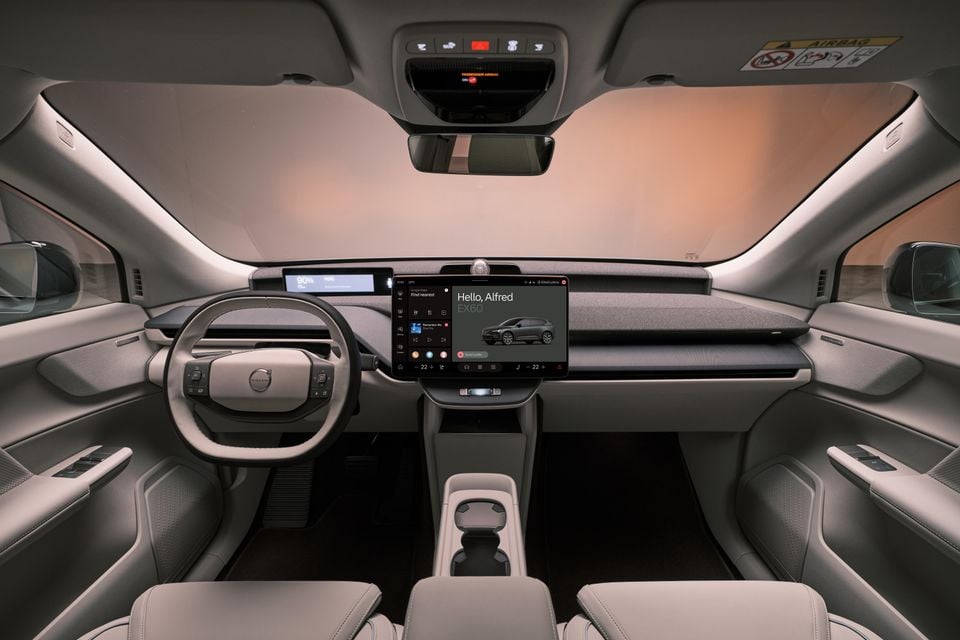
Range also increases on the P10 to 660km, thanks to a 95kWh battery (91kWh usable), while energy consumption increases to 15.7kWh/100km.
A more powerful P12 variant has yet to be locked in for Australia, with the flagship variant claiming a 0-100km/h time of just 3.9 seconds thanks to increased performance figures of 500kW and 790Nm.
The EX60 P12 also has the greatest driving range, with up to 810km available thanks to its 117kWh battery (112kWh usable).
| EX60 P6 Electric | EX60 P10 AWD Electric | EX60 P12 AWD Electric | |
|---|---|---|---|
| Power | 275kW | 375kW | 500kW |
| Torque | 480Nm | 710Nm | 790Nm |
| 0-100km/h time | 5.9 seconds | 4.6 seconds | 3.9 seconds |
| Battery | 83kWh (80kWh usable) | 95kWh (91kWh usable) | 117kWh (112kWh usable) |
| Range (WLTP) | 620km | 660km | Up to 810km |
| Energy consumption (WLTP) | 14.7kWh/100km | 15.7kWh/100km | 16.0kWh/100km |
| DC fast-charge rate | 320kW (800V)/120kW (400V) | 370kW (800V)120/150kW (400V) | 370kW (800V)/150kW (400V) |
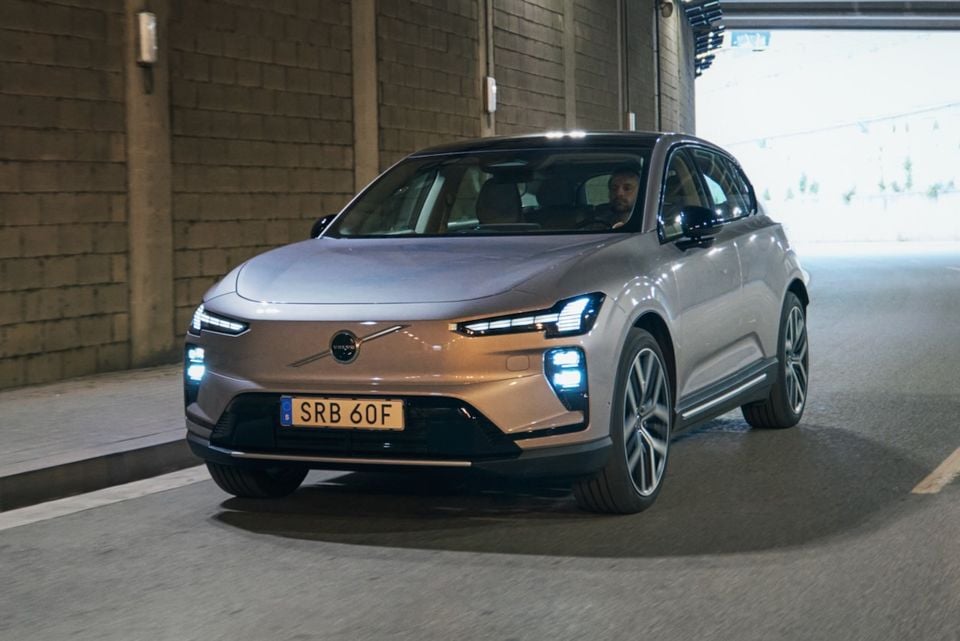
First unveiled in January 2026, Volvo is positioning the EX60 to go head-to-head against the likes of the all-new BMW iX3 and Audi Q6 e-tron, among others.
It undercuts both of them, with the new-generation iX3 currently priced from $101,900 before on-road costs and the Q6 e-tron from $99,900 before on-roads.
Built in the company’s homeland of Sweden – rather than China, as with several other models sold here – Volvo has warned that supply may be “somewhat limited” to begin with.
As the electric counterpart to the XC60 – the automaker’s best-selling model of all time – the EX60 is also expected to be a sales leader for the brand, and Volvo has pulled out all the stops to impress buyers.
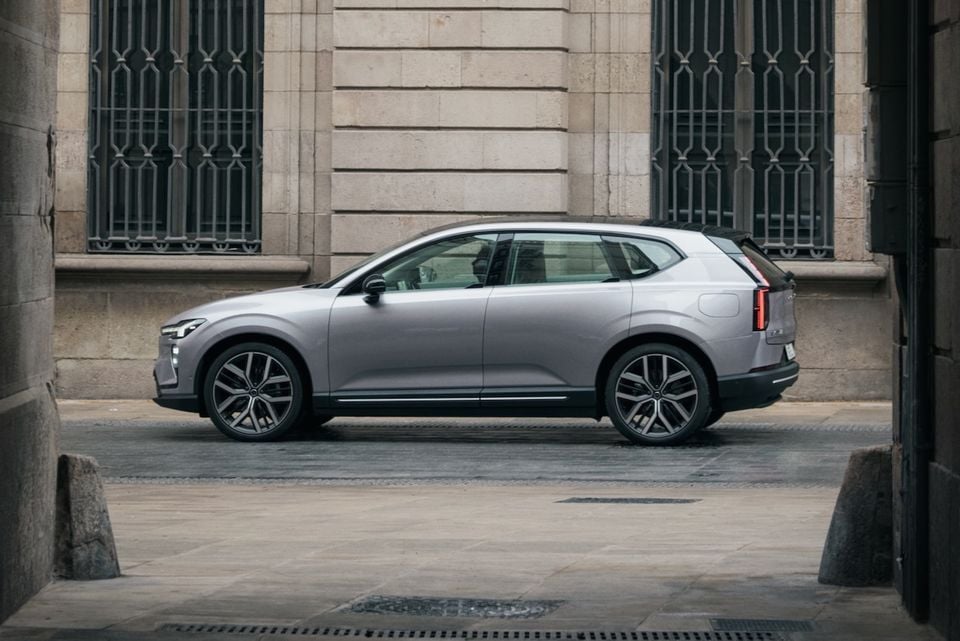
For the first time, Volvo has used a ‘mega-cast’ aluminium rear floor and subframe, which is said to save weight and streamline production. Traditionally, as many as 100 individually cast aluminium pieces would have been used.
Also a first is the use of cell-to-body construction, which incorporates battery cells as part of the structure of the vehicle – increasing rigidity and safety, as well as lowering the floor.
| Model | Price before on-road costs |
|---|---|
| 2027 Volvo EX60 P6 RWD Ultra | $86,990 |
| 2027 Volvo EX60 P10 AWD Ultra | $101,990 |
Research cars in our Showroom, compare your options or let our New Car Specialists do the running around to find you a great deal.
Ben Zachariah has 20-plus years in automotive media, writing for The Age, Drive, and Wheels, and is an expert in classic car investment.
Derek Fung
12 Hours Ago
Ben Zachariah
12 Hours Ago

Josh Nevett
13 Hours Ago

Tace Clifford
13 Hours Ago

Max Davies
20 Hours Ago

James Wong
2 Days Ago
Add CarExpert as a Preferred Source on Google so your search results prioritise writing by actual experts, not AI.