




Alborz Fallah
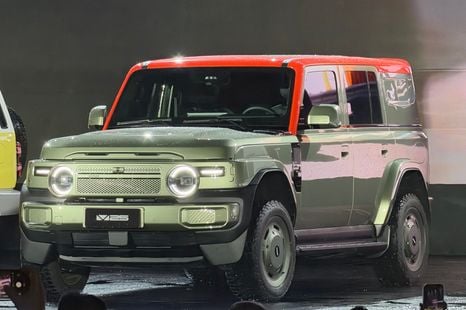
Omoda X revealed with night vision and a tougher SUV look
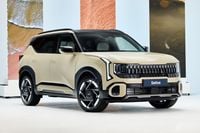
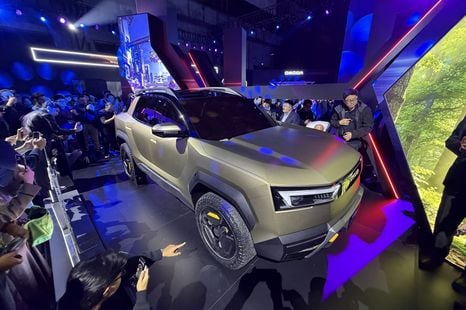
The Omoda X has been revealed as a tougher-looking crossover SUV from Omoda Jaecoo, though it has yet to be confirmed for an Australian launch.
5 Hours Ago
The upgraded electric limousine scores a fresh look, new electrical architecture and a bigger battery offering up to 925km of range.

Managing Editor
Managing Editor
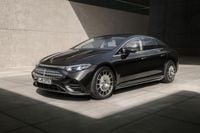
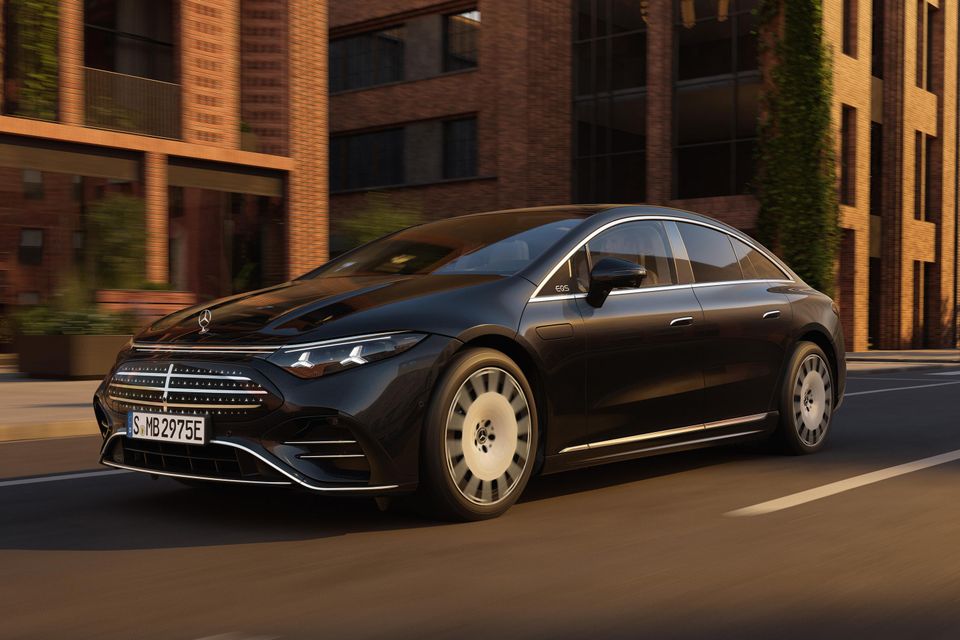
It might feature a subtly updated front-end design, but the facelifted 2026 Mercedes-Benz EQS hides big changes underneath.
The German automaker’s flagship electric limousine has been revealed with a new 800-volt electrical architecture – up from 400V – and new electric motors.
It also uses a larger 122kWh battery (up from a usable 118kWh) which is claimed to offer a 925km WLTP range figure – an increase of 13 per cent – and employs silicon-oxide anodes to improve density.
That will set a new record for an electric vehicle (EV) in Australia, beating the 900km WLTP range quoted for the upcoming BMW i3 mid-size electric sedan, and the 805km range of the imminent BMW iX3 50 xDrive mid-size electric SUV.
Globally, only one EV has the BMWs and the Mercedes-Benz beat in this measure, and that’s the Lucid Air. In Grand Touring guise, it has up to 960km of range on the WLTP cycle. Lucid Motors has yet to launch in Australia.
CarExpert can save you thousands on a new car. Click here to get a great deal.
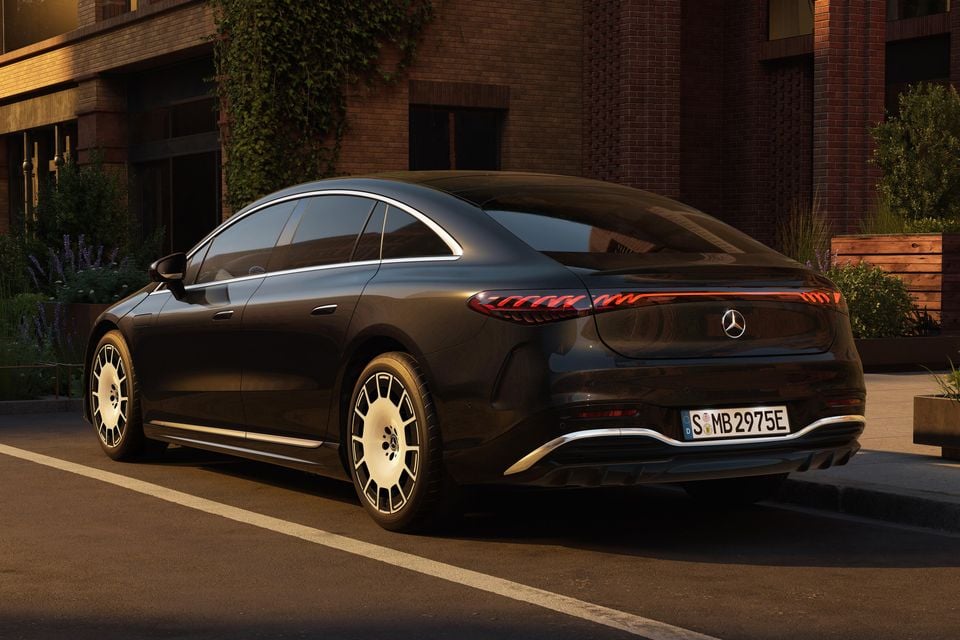
Pricing and specifications for the Australian EQS lineup have yet to be confirmed and it’s unclear whether the upgraded 925km EQS450+ variant will be offered when the updated limousine range arrives here in the fourth quarter (October to December) of this year.
In Europe, the 2026 EQS lineup will include the rear-wheel drive EQS400, the rear-drive EQS450+, the all-wheel drive EQS500 4Matic (which will likely replace the existing 450+ 4Matic), and the EQS580 4Matic, a range for which is yet to be announced.
Currently in Australia, the EQS450 4Matic is priced at $219,900 before on-road costs, while the EQS53 AMG 4Matic is priced at $327,075 plus on-roads – a replacement for which has yet to be revealed.
Mercedes-Benz says more than 25 per cent of components in the latest EQS are newly developed, updated, or refined.
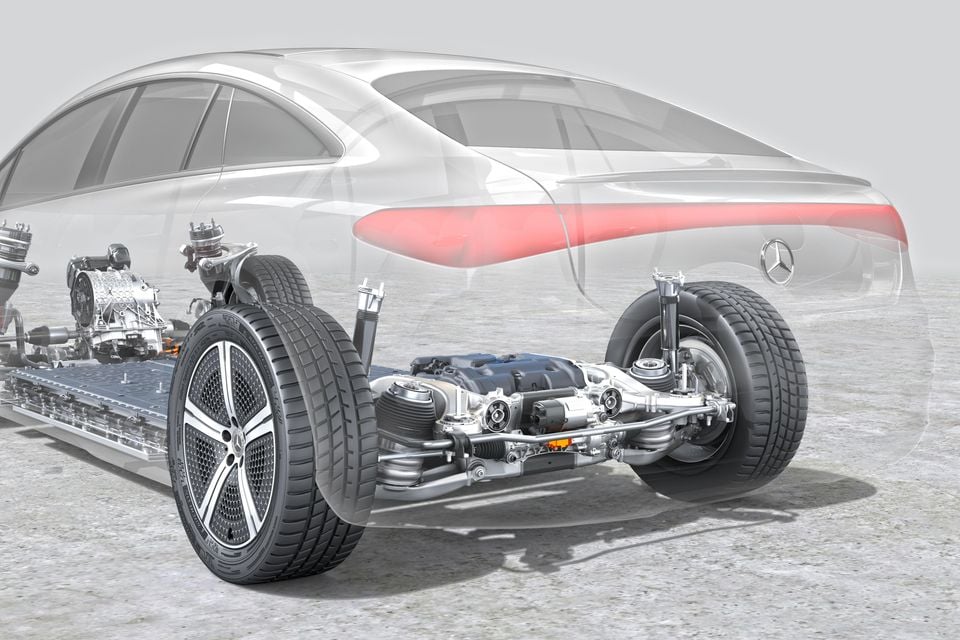
Chief among them is the new 800V electrical architecture borrowed from the latest CLA small sedan and GLC mid-size SUV, which increases the maximum DC fast-charge rate to 350kW, enabling the addition of 320km of range in as little as 10 minutes (claimed).
Other fresh technologies include a new two-speed rear-axle transmission and new, in-house-developed electric motors that are claimed to be more compact and robust.
The refreshed EQS is also claimed to mark the first time a German automaker has brought steer-by-wire technology to a series-production vehicle, and it’s accompanied by an F1-style steering yoke affording the driver an unobstructed view of the instrument cluster and the ability to perform U-turns without moving their hands from the tiller.
With no mechanical connection between the front wheels and the steering wheel, the new electronic steering system employs actuators and a computer to transmit steering inputs to the wheels.
Available as an option instead of the traditional electromechanical setup, the new digital steering system is claimed to have undergone over one million kilometres of testing on public and private roads, and to feature two different built-in redundancy systems in the event of a problem.
Mercedes-Benz says that in the unlikely event of a complete failure, vehicle control will be maintained by the 10-degree rear-axle steering system and targeted wheel-specific braking interventions via the stability control system.
Full specs are yet to be detailed, but the flagship EQS580 4Matic produces outputs of 430kW of power and 800Nm of torque from its two electric motors, with the rear unit incorporating a two-speed gearbox – the first gear to handle initial acceleration and the second to deliver efficiency at highway speeds.
Regenerative braking power is up 33 per cent to 385kW, and Mercedes-Benz says it can be used instead of traditional friction braking in 99 per cent of driving situations. Meantime, towing capacities have increased to 1600kg for rear-wheel drive variants and 1700kg for all-wheel drives.
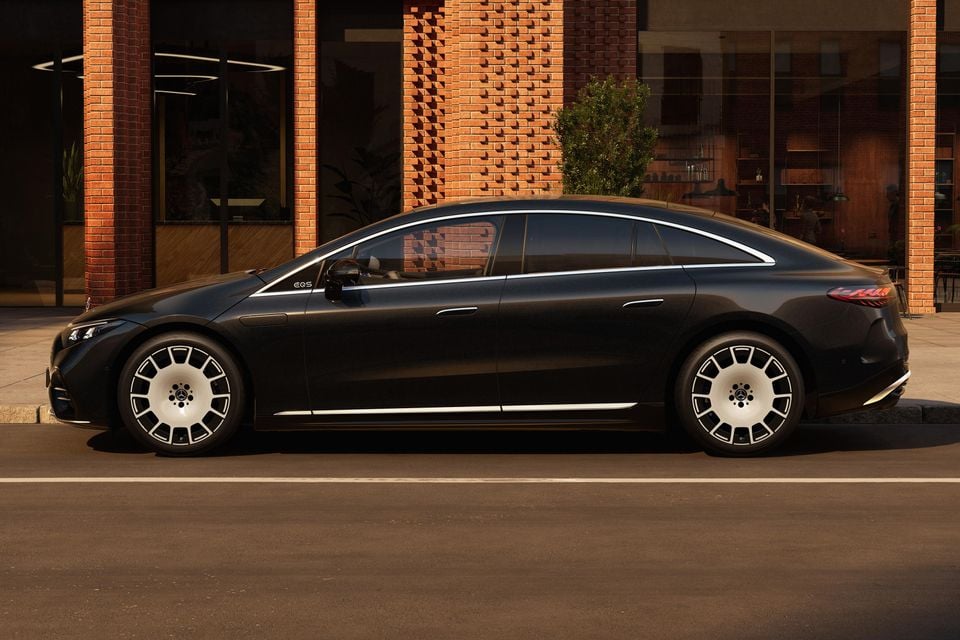
The first update to the EQS since its 2022 launch brings design enhancements including a new front-end design, a ‘powerdome’ bonnet, a redesigned rear bumper with chrome trim, and revised lighting elements.
With a drag coefficient of as little as 0.20Cd, the EQS was already one of the most aerodynamic cars on the road, but Mercedes-Benz says optimised exterior mirrors and other tweaks improve airflow even further, lowering drag to increase range and reduce noise.
No fewer than 125 exterior paint colours will be available, including a new Sparkling Black hue containing glass particles.
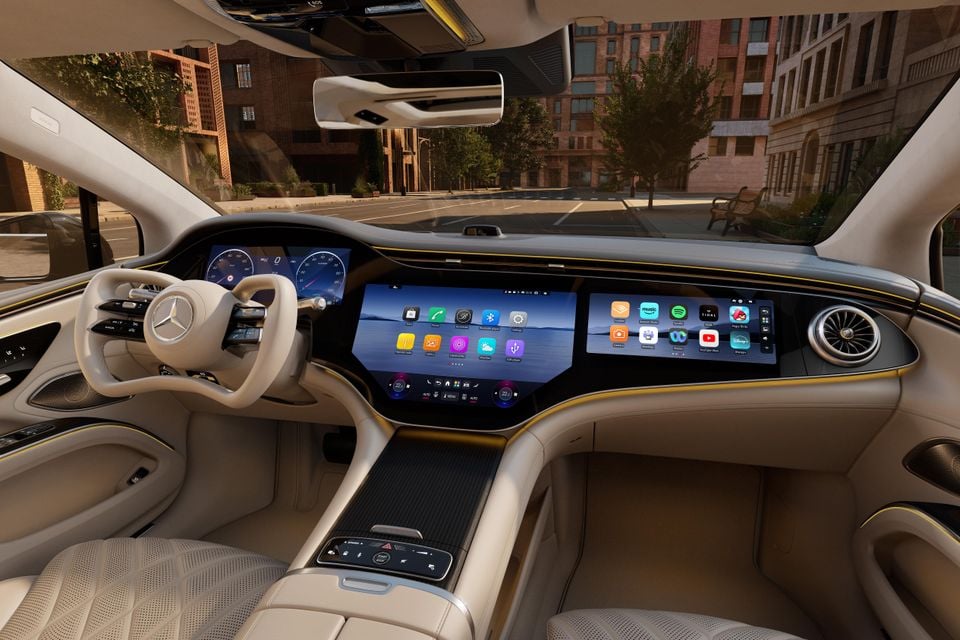
Inside, the enormous 55-inch MBUX Hyperscreen remains standard – incorporating 12.3-inch displays for the driver and front passenger, flanking a 17.7-inch infotainment screen in the centre – but a new operating system employs artificial intelligence (AI) software from the likes of ChatGPT, Microsoft Bing and Google Gemini to power a virtual assistant with various personalities.
It also enables cloud-based suspension adjustment by communicating with other Mercedes-Benz cars to identify road hazards like potholes and speed bumps and then automatically adjust the dampers before the vehicle reaches them.
New navigation functions include a 3D map of the vehicle’s surroundings, and trip planning that calculates range based on a variety of factors including wind.
Other headline features for the latest EQS include the option of heated front seatbelts that can be turned up to 44 degrees and, for rear-seat occupants, a pair of 13.1-inch screens with integrated cameras for video conferencing, plus belt bags that inflate in the event of a collision.
Mercedes-Benz says an upgraded Digital Light headlight system creates a high-resolution field 40 per cent larger than before, while using up to 50 per cent less energy, and the Ultra Range high-beam function can penetrate up to 600 metres ahead.
Finally, more computer processing power and up to 27 sensors are said to allow the MB.Drive Parking Assist system to detect spaces more effectively, enable diagonal parking, and park the vehicle automatically at up to 5km/h – around 60 per cent faster than before.
Research cars in our Showroom, compare your options or let our New Car Specialists do the running around to find you a great deal.
Marton Pettendy is a veteran motoring journalist and editor with decades of experience across Australia’s leading automotive titles.
Alborz Fallah
5 Hours Ago

James Wong
8 Hours Ago
Alborz Fallah
11 Hours Ago
Alborz Fallah
11 Hours Ago
Alborz Fallah
12 Hours Ago
Alborz Fallah
12 Hours Ago
Add CarExpert as a Preferred Source on Google so your search results prioritise writing by actual experts, not AI.