Small SUVs have grown their market share in 2020 more than any other vehicle segment. The trickle of people abandoning conventional city hatchbacks for their higher-riding siblings has turned to a flood.
And as a result, the options out there are expanding at a rate of knots to cater accordingly. In fact, there are no fewer than 31 different small SUVs made by 20 brands to choose from, with starting prices below $40,000.
Just this year we’ve seen the entirely new Volkswagen T-Cross, new-generation Nissan Juke, and updated MG ZST launch, and we’re expecting the new Kia Stonic, Renault Captur and Peugeot 2008 to all launch within a few months from now.
They are all destined to challenge the Mazda CX-3, Hyundai Venue and Kona, Suzuki Vitara, Subaru XV, Toyota C-HR, Honda HR-V… oh heck, the list goes on and on.
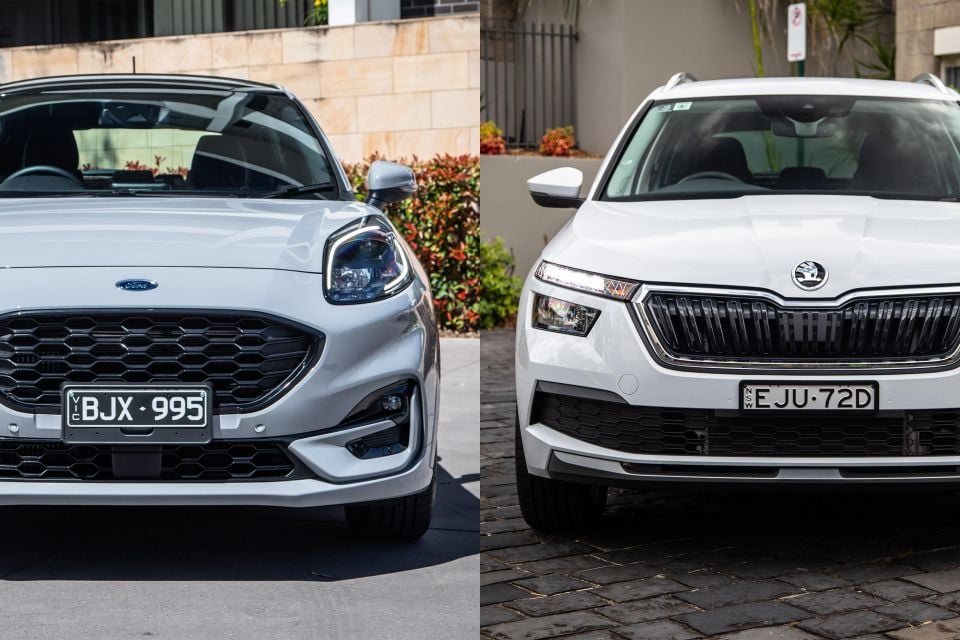
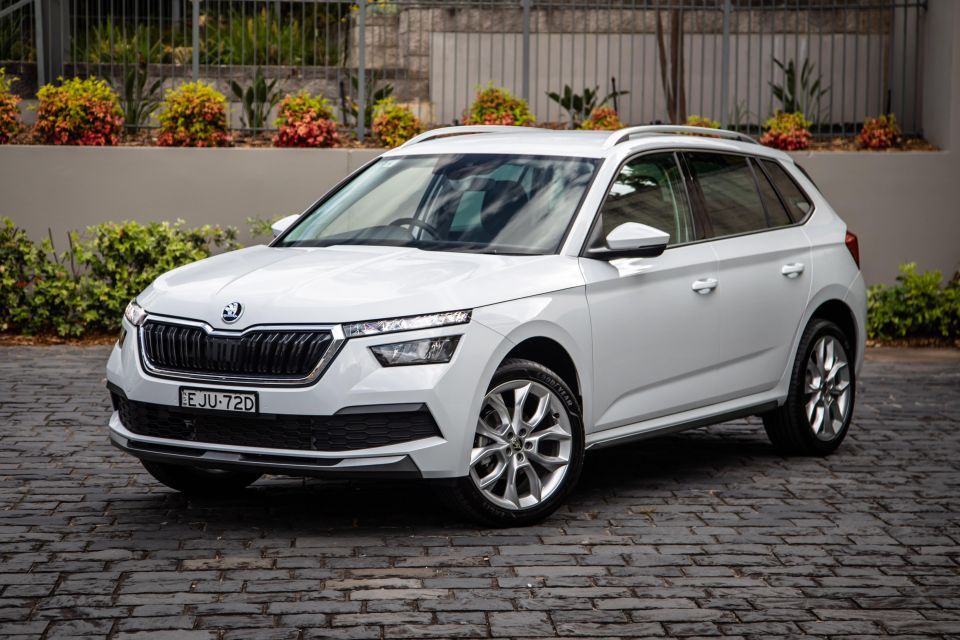
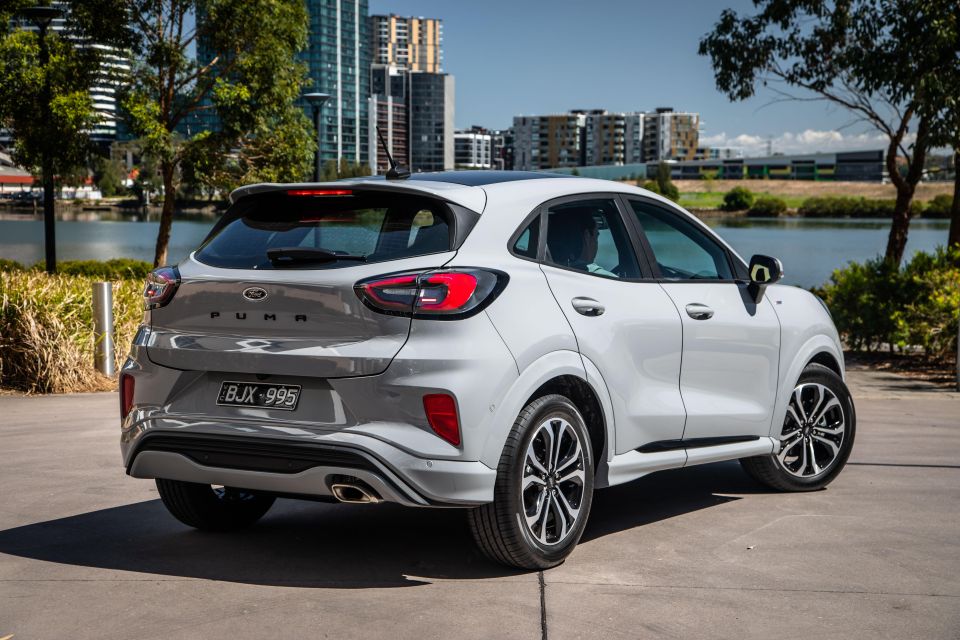
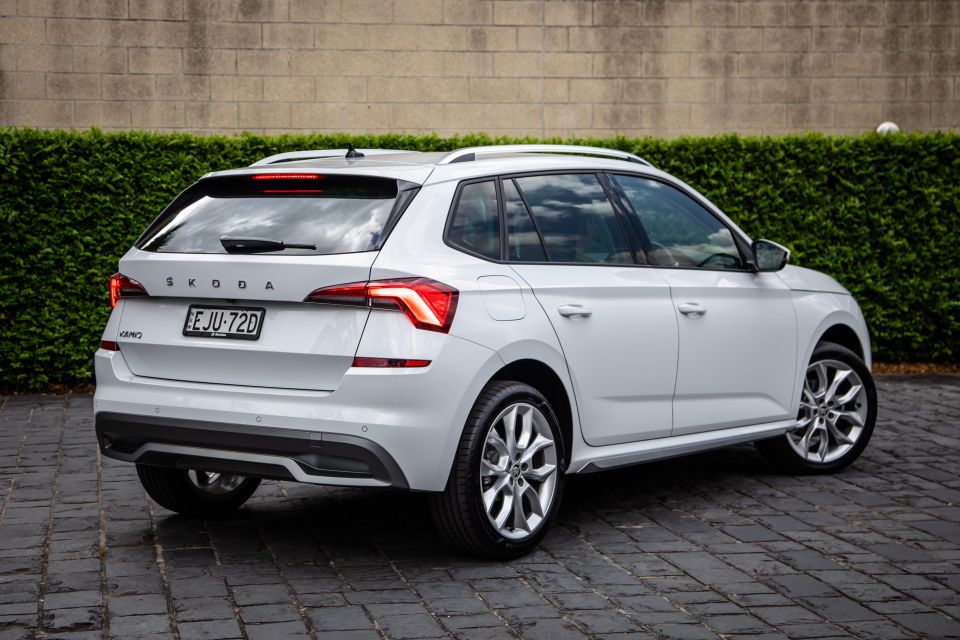
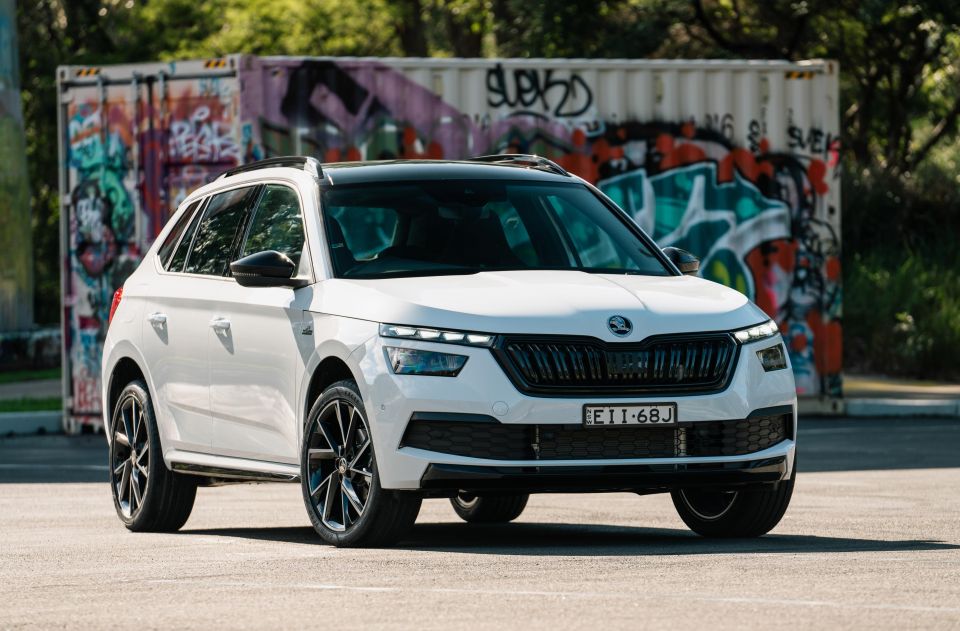
The two very newest kids on the block right now, though, are the Ford Puma – which replaces the underwhelming EcoSport – and the first Skoda Kamiq. Here they are side-by-side on paper while we wait for Melbourne to open and allow real-world comparison tests.
Designs
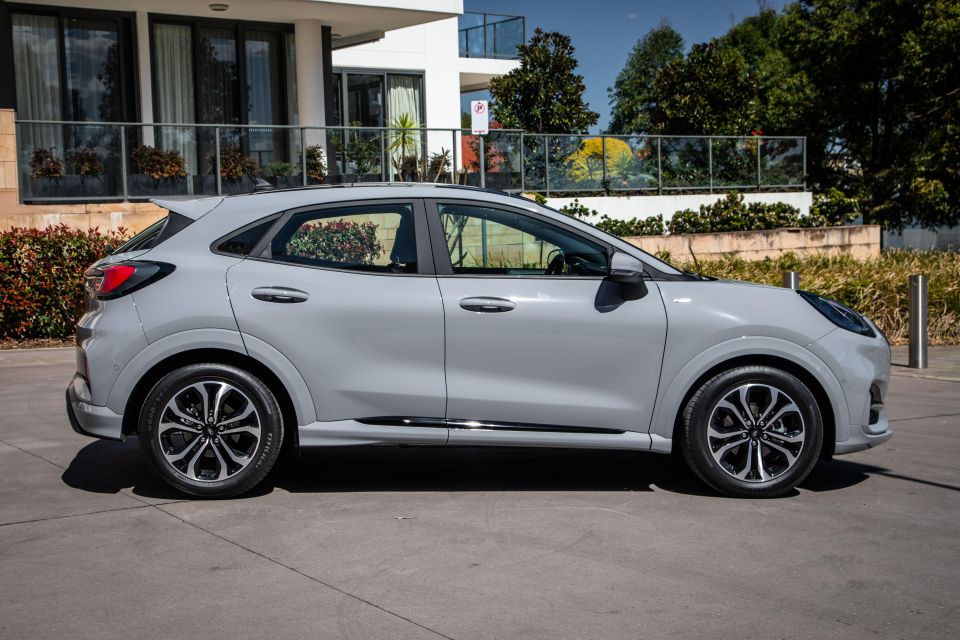
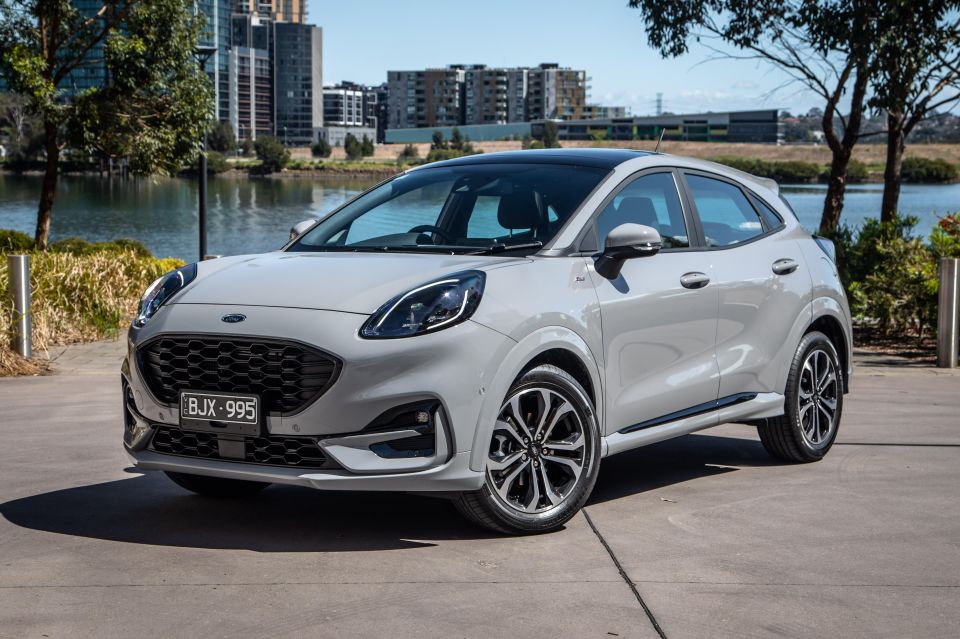
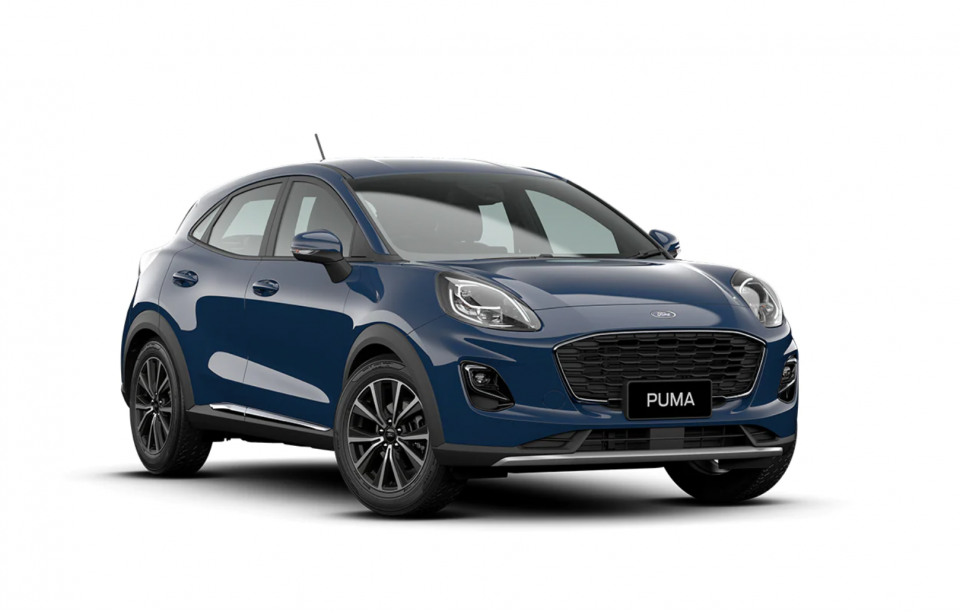
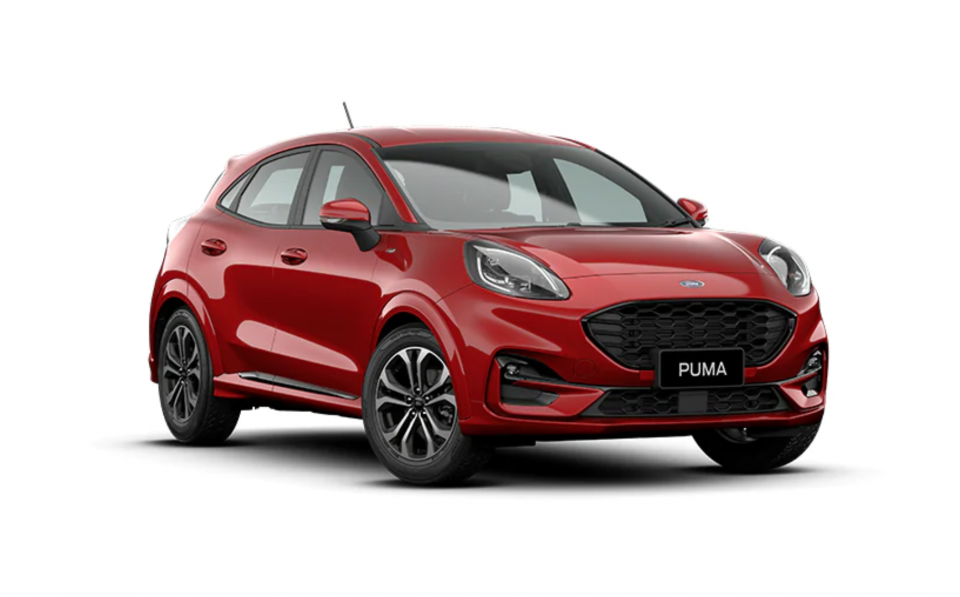
The Ford Puma badge was originally applied to a nippy little coupe in the late 1990s, and it’s clear that the Blue Oval brand wants to keep a bit of that sportiness in the design language.
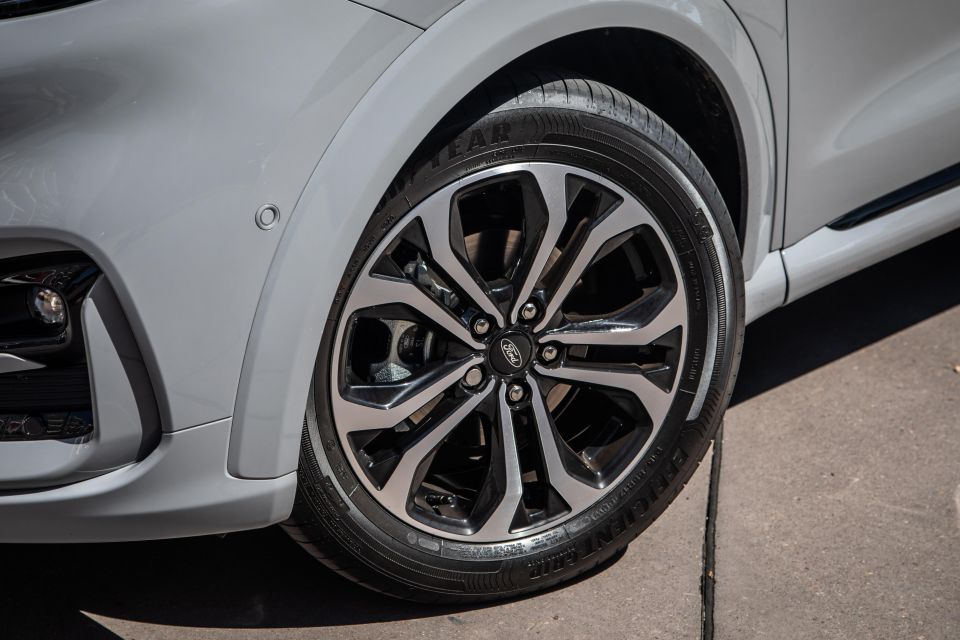
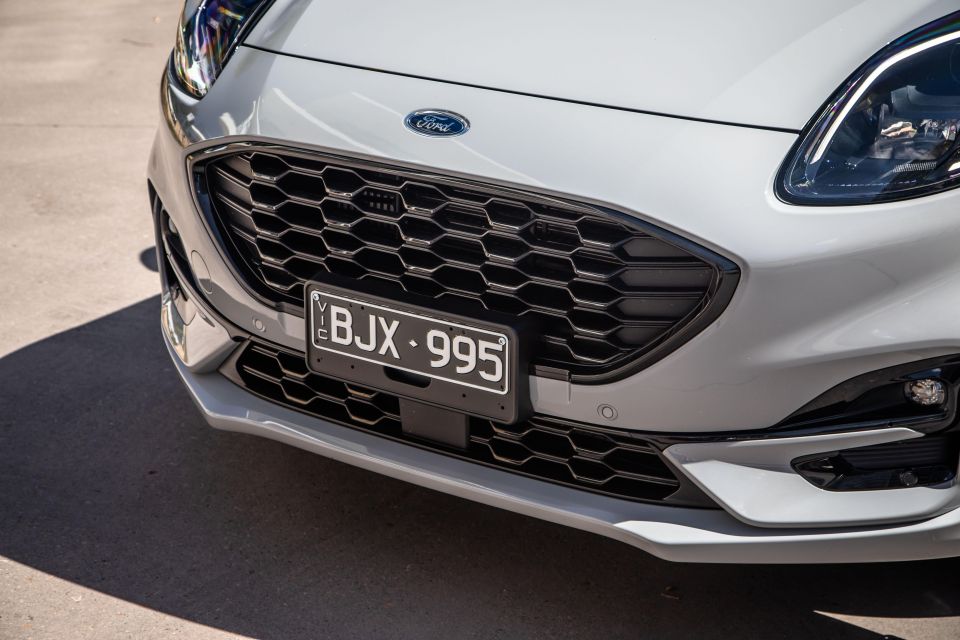
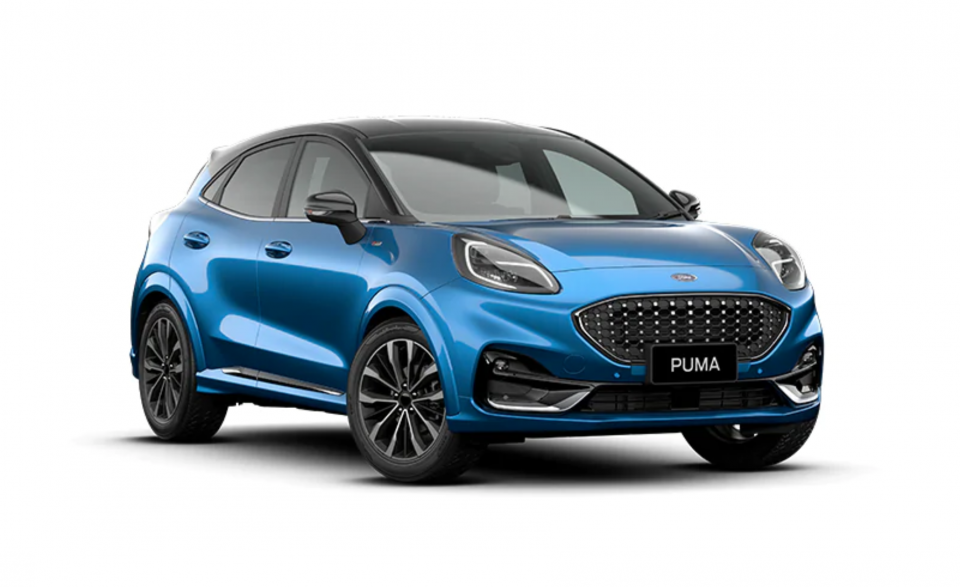
The Puma’s side profile is quite curvaceous, emboldened by sculpting and raked windows. The large front grille and bold headlights also make a bit of an impression.
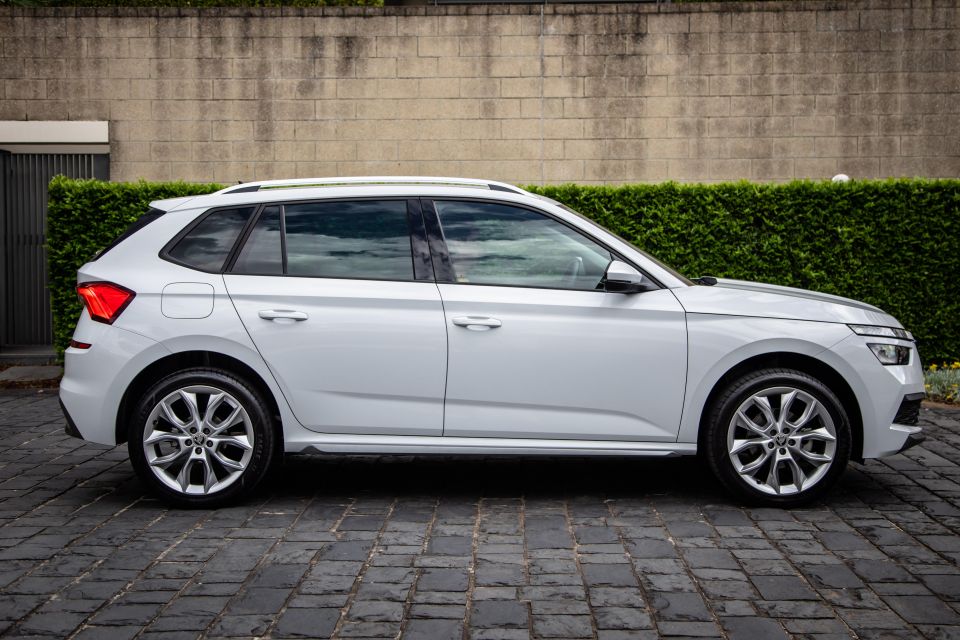
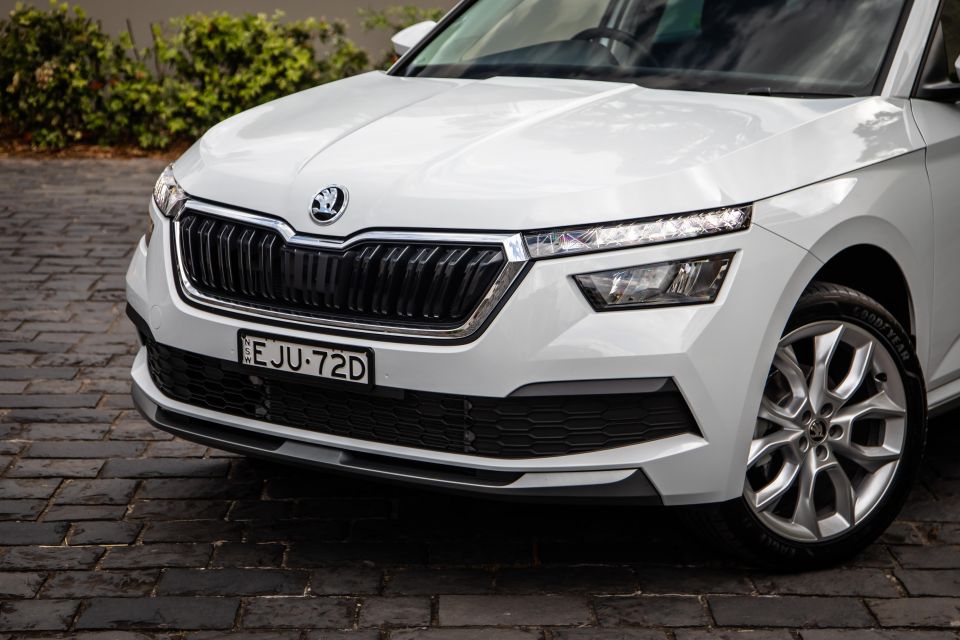
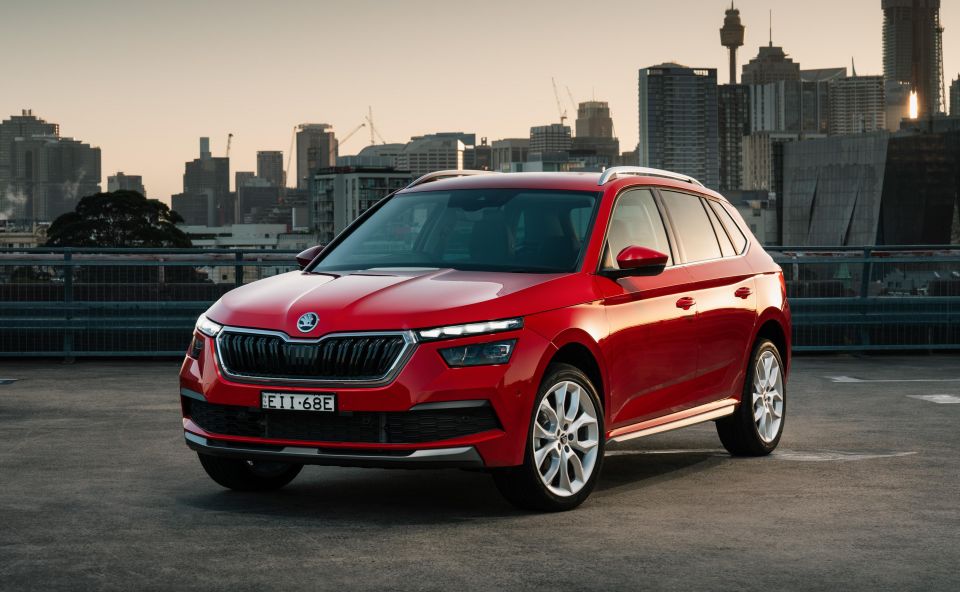
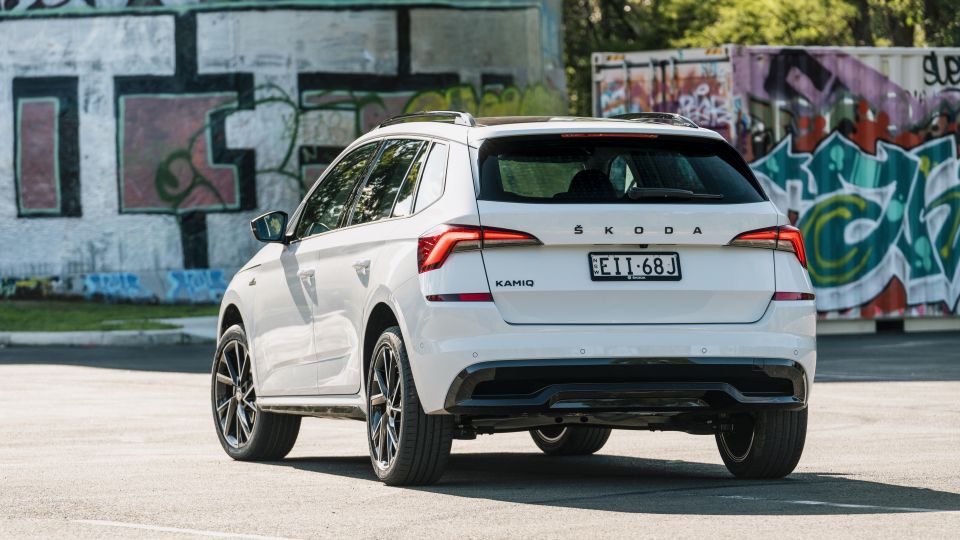
The Skoda Kamiq is more sensible, which again fits the brand’s positioning nicely. It bears a clear family resemblance to the Karoq, and Octavia.
Its side windows are clearly bigger, and the bold shoulder line is quite masculine. The split headlights and upside-down moustache grille are on-brand. The long wheelbase reduces overhangs neatly.
Dimensions
As the table below shows, this pair is dimensionally very similar: around 4200mm long, 1800mm wide, and 1550m high. The Kamiq has an extra 24mm of ground clearance and is 63mm longer between the wheels.
For context, a top-selling Mazda CX-3 is 4275mm long, 1765mm wide and 1535mm tall.
| Ford Puma | Skoda Kamiq |
|---|
| Length | 4207mm | 4241mm |
| Width | 1805mm | 1793mm |
| Height | 1550mm | 1531mm |
| Clearance | 164mm | 188mm |
| Wheelbase | 2588mm | 2651mm |
| Weight | 1288-1291kg | 1191-1237kg |
Drivetrains
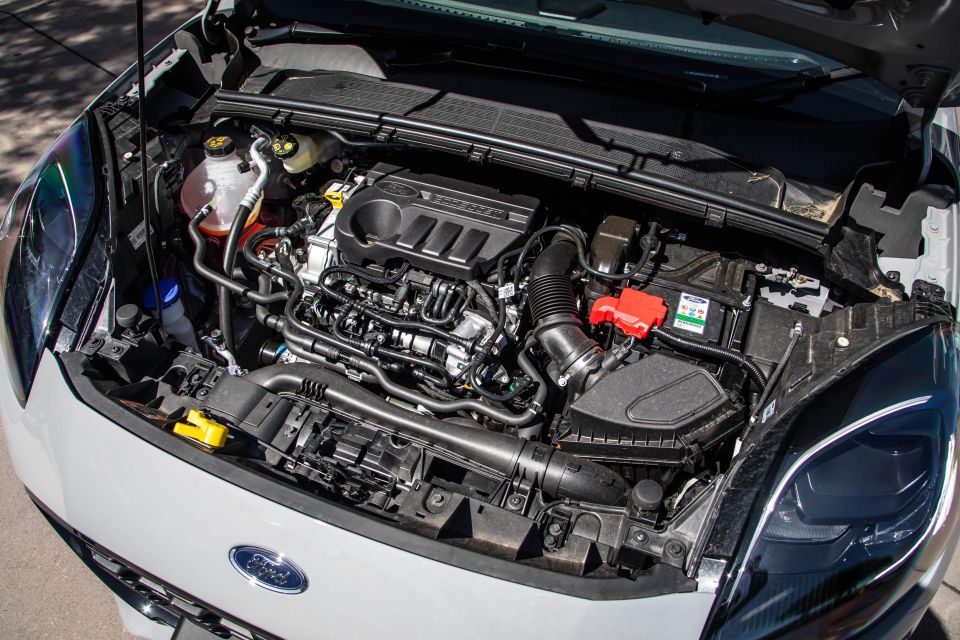
Both cars come at entry level with a 1.0-litre three-cylinder turbocharged petrol engine.
The Ford’s makes 92kW of power at 6000rpm and 170Nm at 1500rpm. It’s mated as standard with a seven-speed dual-clutch automatic transmission and is front-wheel drive (FWD) only.
The Skoda’s 1.0-litre triple makes 85kW at 5500rpm and 200Nm from 2000rpm – so it has 7kW less power but 30Nm more peak torque. This engine is mated to either a six-speed manual (base only) or seven-speed DSG dual-clutch auto, and FWD.
But the Kamiq also comes with a 1.5-litre four-cylinder turbo in the more expensive grades, which produces 110kW at 6000rpm and 250Nm from 1500rpm, mated to a seven-speed DSG and FWD.
This latter model promises to have some punch in a class full of sedate performers – the 130kW/265Nm Kona and Seltos excepted.
| Ford Puma | Skoda Kamiq |
|---|
| Fuel type | Petrol | Petrol |
| Displacement/s | 1.0-litre | 1.0-litre/1.5-litre |
| Cylinders | 3 | 3/4 |
| Power | 92kW | 85kW/110kW |
| Torque | 170Nm | 200Nm/250Nm |
| Fuel cons. | 5.3L/100km | 5.1-5.6L/100km |
| Transmission | 7DCT | 6MT or 7DCT |
| Drive | FWD | FWD |
| Power-to-weight | 72.8kW/t | 70.2-88.9kW/t |
Infotainment and cargo
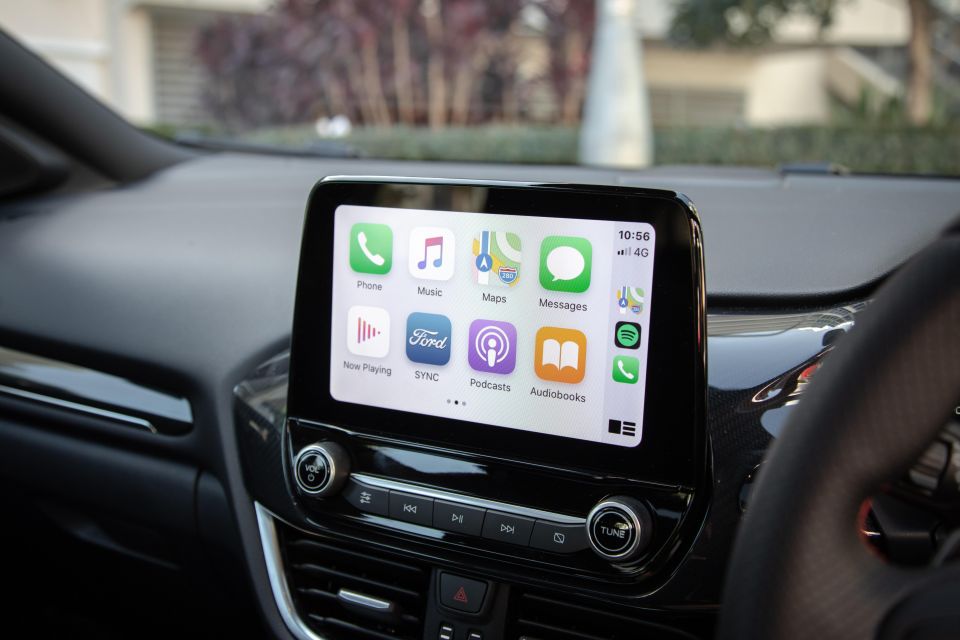
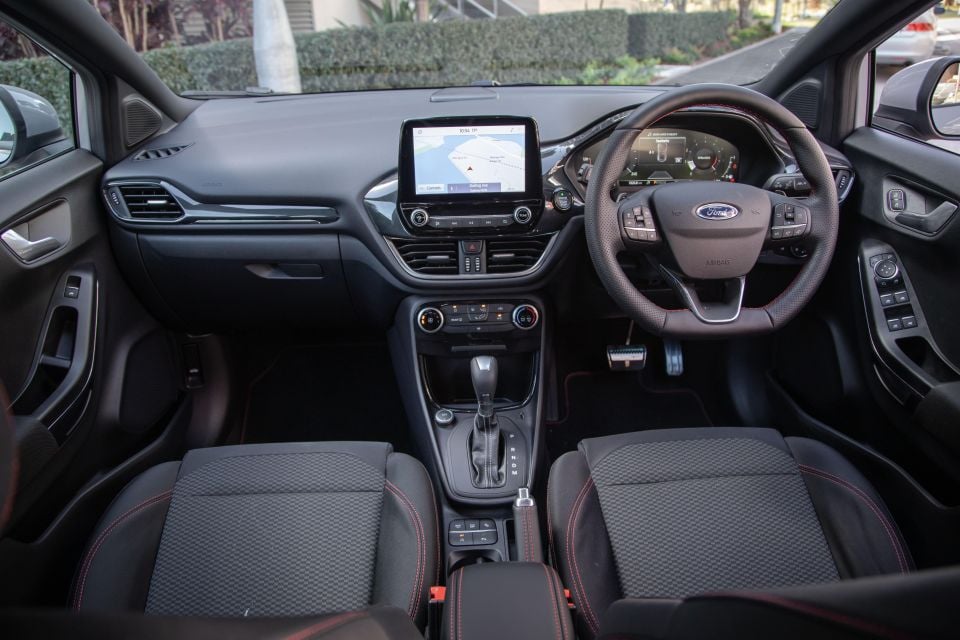
All Ford Puma models get an 8.0-inch centre tablet screen with satellite navigation, an embedded modem allowing FordPass Connect, Apple CarPlay and Android Auto.
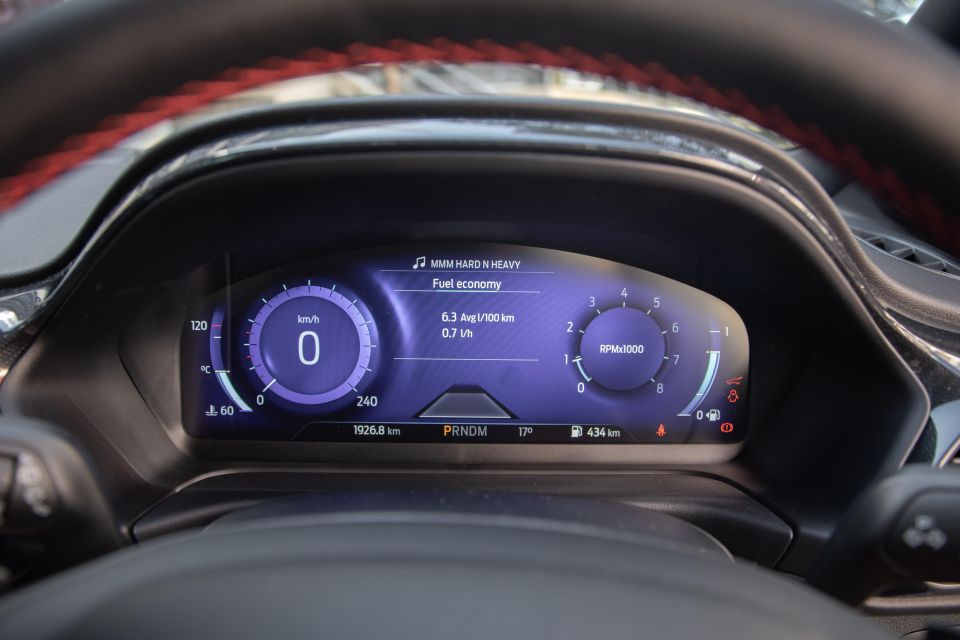
All grades have a wireless phone charging pad. The base model has a small TFT trip computer between analogue gauges, where other spec levels have a 12-inch fully digitised instrument cluster.
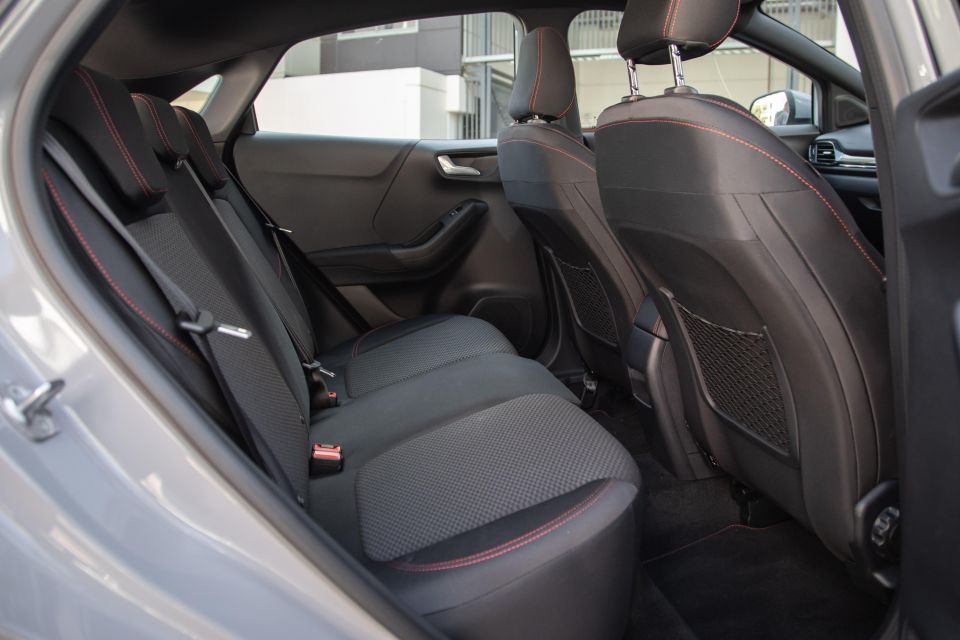
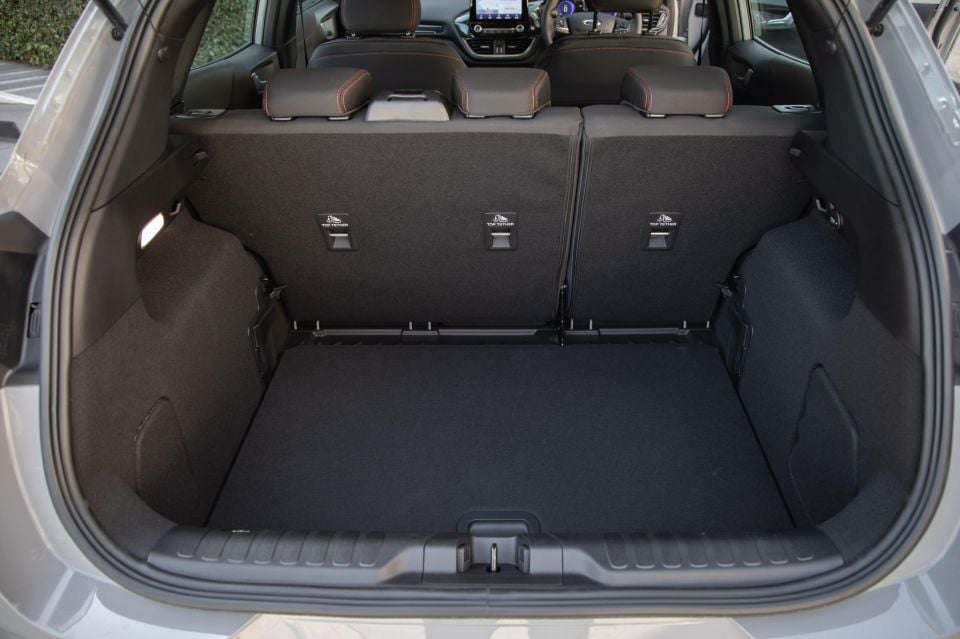
Rear headroom measures 965mm, and shoulder room 1320mm. The boot with the back seats occupied measures 725mm long x 1000mm wide. The it will hold 410L loaded to the parcel shelf, and with the back seats folded down grows to 1170L.
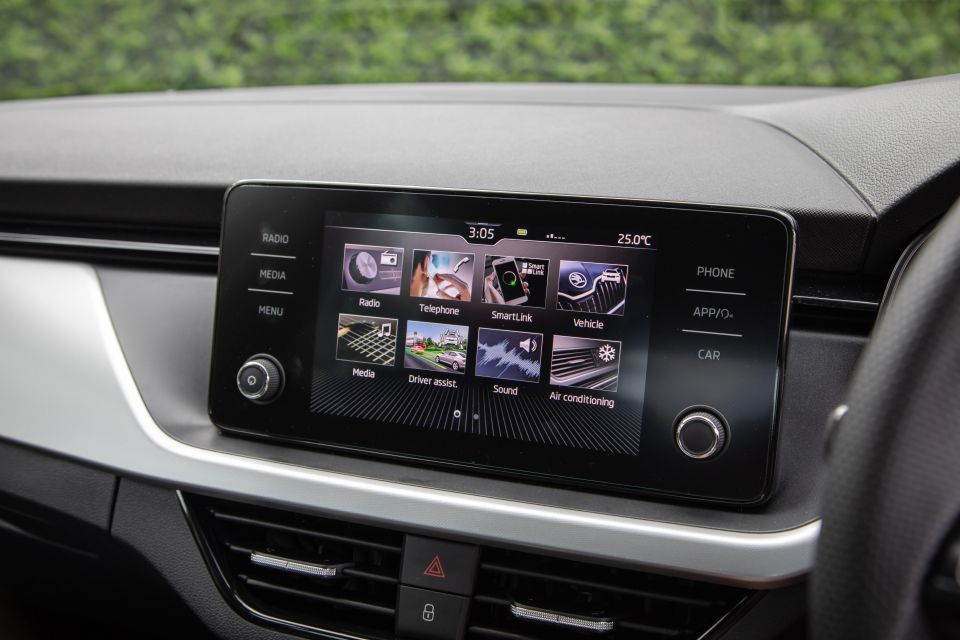
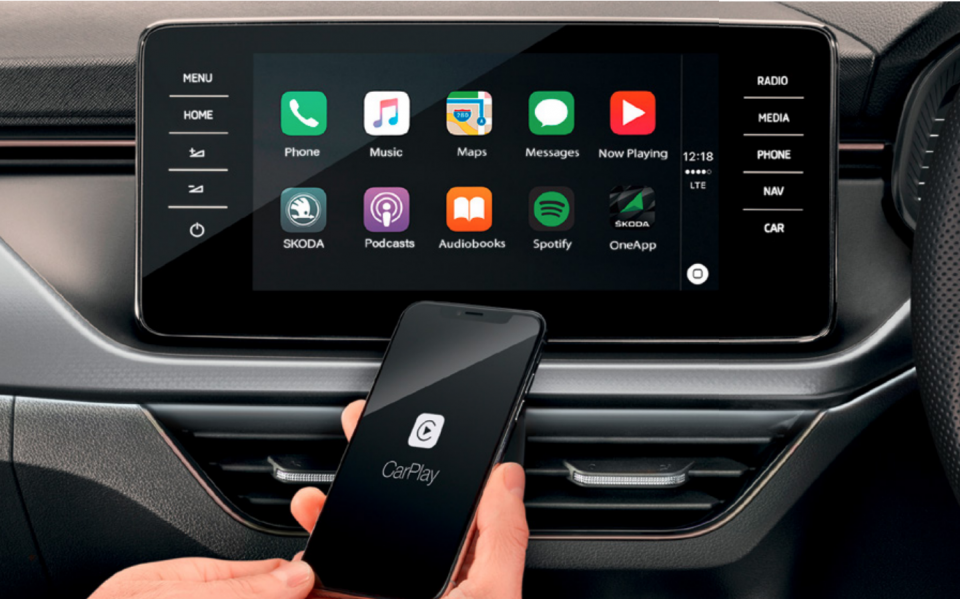
The standard touchscreen in the Skoda Kamiq is 8.0 inches and offers Apple CarPlay and Android Auto. But a 9.2-inch screen that also adds satellite navigation is available.
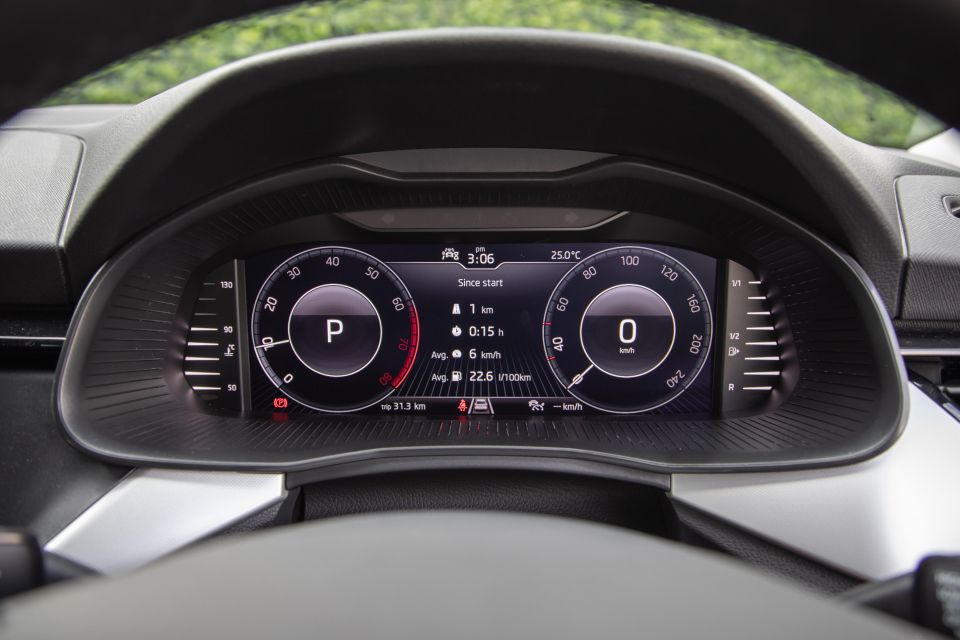
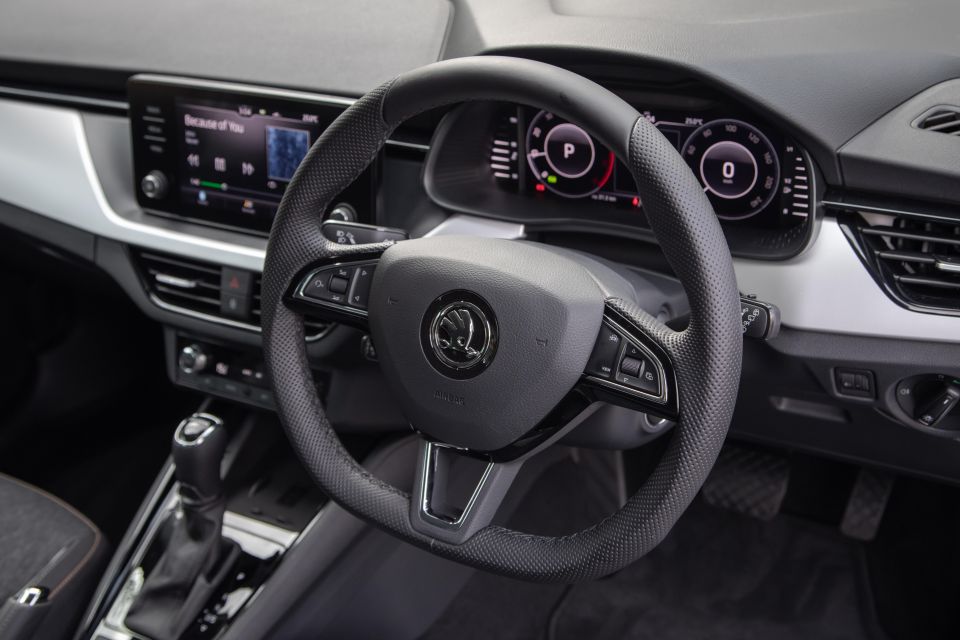
All grades have a wireless phone charging pad, along with the Volkswagen Group Virtual Cockpit 10.25-inch digital display that can show vehicle data, speed, or even mapping.
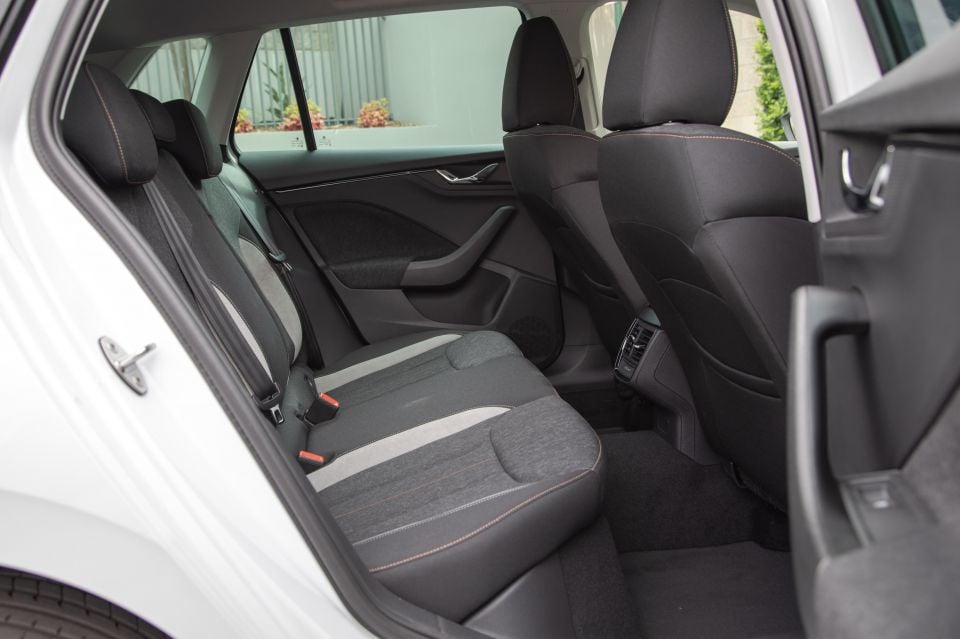
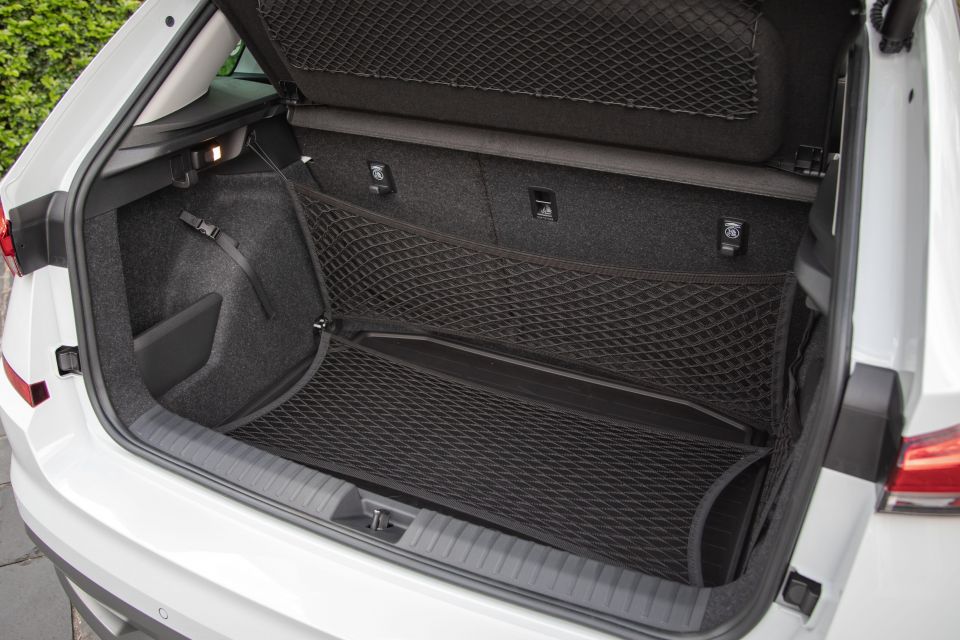
Rear headroom measures 1003mm (38mm greater than the Ford) and shoulder room measures 1425mm across (+105mm). The longer wheelbase should facilitate more legroom. The boot is 400L in capacity and 753mm long x 1001mm wide. It expands to 1395L.
Spec levels and features
The base Puma
- LED projector headlights
- Rain-sensing wipers
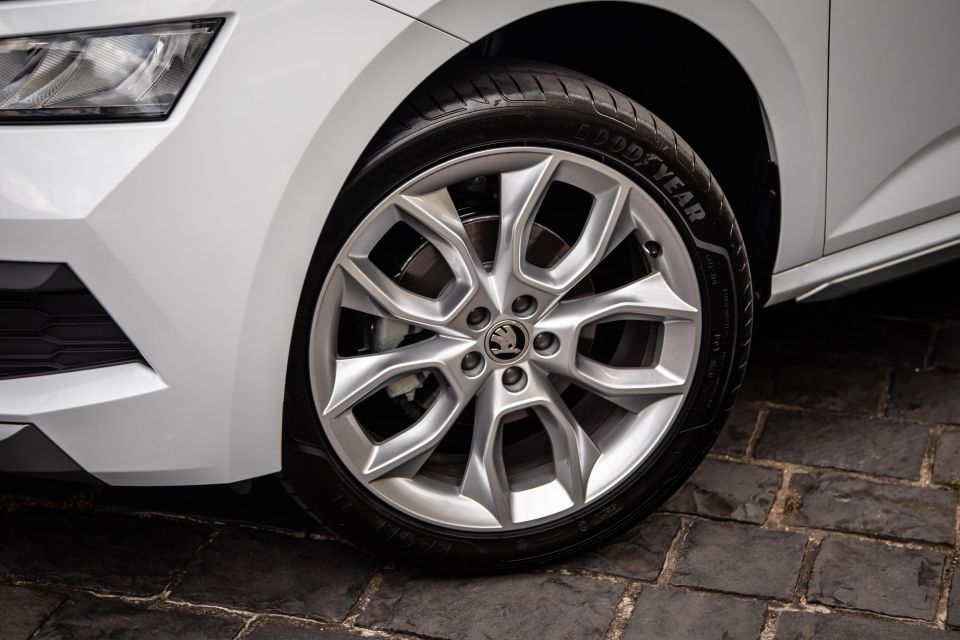
- 17-inch alloy wheels
- 8.0-inch touchscreen
- Sat-nav, Apple CarPlay, Android Auto
- Digital radio
- FordPass Connect
- Wireless phone charging
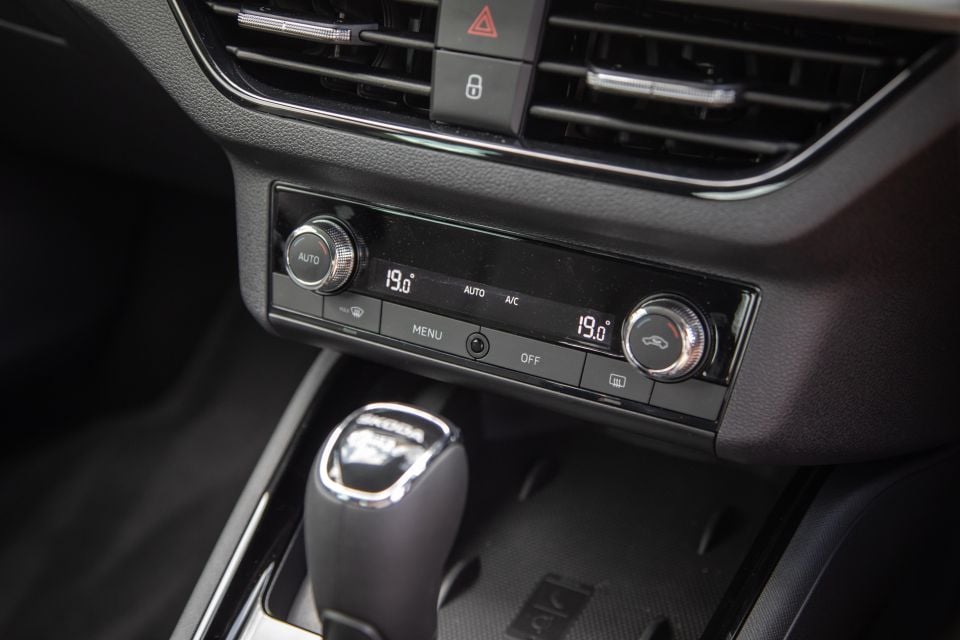
- Automatic climate control
- Passive cruise control
- Ebony cloth seats
- Lumbar-massage seat function
- Push-button start
- Reversing camera
- AEB with pedestrian detection
- Lane-keeping aid
- Traffic Sign Recognition
The Puma ST-Line adds
- 12-inch digital instrument cluster
- Leather-wrapped wheel
- Metallic pedals and scuff plates
- Auto-dimming rear-view mirror
- Sports seats, red stitching
- ‘Sports suspension’
The Puma ST-Line V adds
- 10-speaker B&O audio with subwoofer
- Privacy glass
- 18-inch wheels
- Proximity key fob
- Part-leather seat trim
- Powered tailgate with hands-free function
Main optional extras
- $1500 Park Pack (all grades): Active cruise control, automated park assist, blind-spot monitor
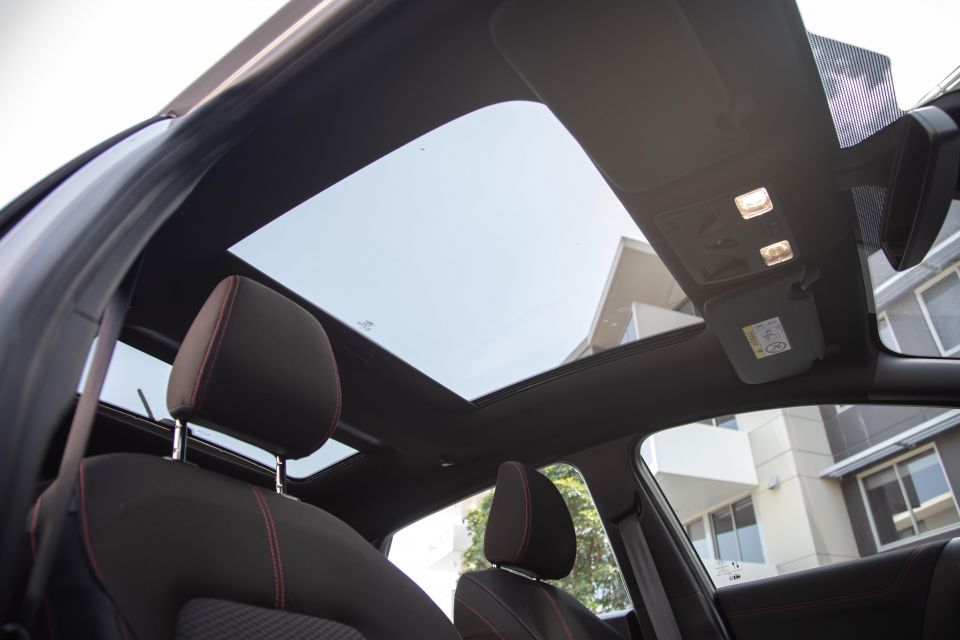
- $2000 Sunroof (all grades)
- $500 Black roof paint (all grades)
- $650 Prestige paint (all grades)
Kamiq 85TSI
- LED headlights
- Rain-sensing wipers
- 18-inch alloy wheels
- 8.0-inch touchscreen
- Apple CarPlay and Android Auto
- Virtual Cockpit digital instruments
- Wireless phone charging
- Automatic climate control
- Passive cruise control
- Fabric seats
- Proximity key fob
- Reversing camera
- City AEB w/pedestrian detection
- Lane-keeping aid
- Adaptive cruise control
Kamiq Monte Carlo adds
- Upgrade to 110kW/250Nm 1.5 engine
- ‘Sport chassis control’ with drive mode select
- Panoramic roof
- Specific fabric seat design
- Red dash and seat inserts
- Adaptive function for LED headlights
- Animated front LED indicator LEDs
- Aluminium pedals
- Black grille faming, mirrors, diffuser etc
- Black 18-inch wheels
Kamiq Limited Edition adds
- Blind-spot monitor
- Rear cross-traffic alert
- Automated Park Assist
- Wireless Apple CarPlay
- 9.2-inch touchscreen upgrade
- Satellite-navigation
- Electric driver’s seats movement
- Heated front/rear seats
- Leather and suede trim
Main optional extras
- $3800 Tech Pack (85 TSI only): 9.2-inch screen, satellite navigation, animated LED indicators, adaptive LED headlights, boosted sound system, wireless Apple CarPlay
- $4100 Driver Support Pack (85 TSI only): Leather/suede seats, Park Assist, blind-spot monitor, rear cross-traffic alert, heated front/rear seats, electric driver’s seat
- $4300 Travel Pack (110TSI Monte Carlo only): Park Assist, blind-spot monitor, heated front/rear seats, boosted sound system, 9.2-inch screen, sat-nav, wireless Apple CarPlay, DSG paddle shifters
- $1300 Panoramic glass roof (85TSI and Limited Edition)
- $550-$1100 Premium paint
Running costs
Ford: Five-year/unlimited distance warranty. Four-year/60,000km servicing costs $1196.
Skoda: Five-year/unlimited distance warranty. Five-year/75,000km servicing package costs $1400.
Pricing
- Puma FWD: $29,990 ($31,990 drive-away)
- Puma ST-Line: $32,340 ($33,999 drive-away)
- Puma ST-Line V: $35,540 ($36,990 drive-away)
- Kamiq 85TSI 6MT: $26,990 ($27,990 drive-away)
- Kamiq 85TSI DSG: $27,990 ($29,990 drive-away)
- Kamiq Monte Carlo: $34,190 ($36,990 drive-away)
- Kamiq Limited Edition: $35,490 ($36,990 drive-away)