




James Wong
Deepal parent confirms new Chinese brand for Australia – UPDATE
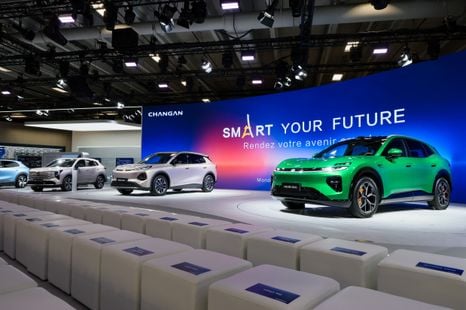
Changan will launch its Nevo brand in Spain next year, and it has plans to expand into other European markets and potentially Australia.
2 Hours Ago
The number of new models available for under $30,000 continues to shrink, but one new entry and one old one captures many of our hearts.

Senior Editor – News
Senior Editor – News
Long gone are the days of sub-$15,000 Holden Barinas and Hyundai Excels. Heck, long gone are Barinas and Excels entirely, along with other budget-friendly fare like the Ford Fiesta, Kia Rio and Mitsubishi Mirage.
In 2026, you’ll find just one model with a price tag under $20,000. But while familiar nameplates have vanished from our market, new ones have taken their place.
For under $30,000 before on-road costs, you can get behind the wheel of models from BYD, Chery, GAC, GWM, and Mahindra, all of which were launched over the past few years.
CarExpert can save you thousands on a new car. Click here to get a great deal.
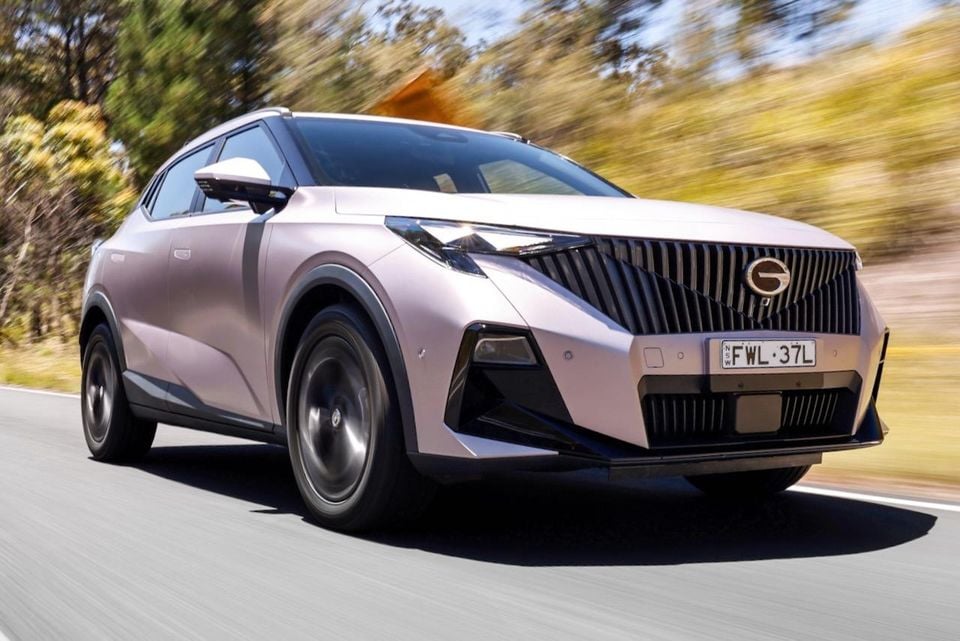
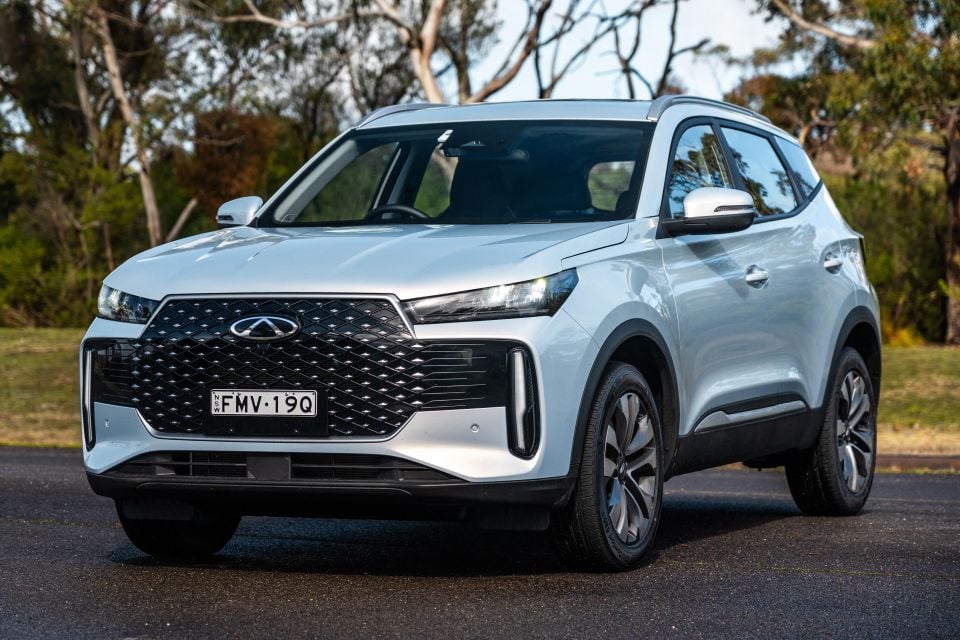
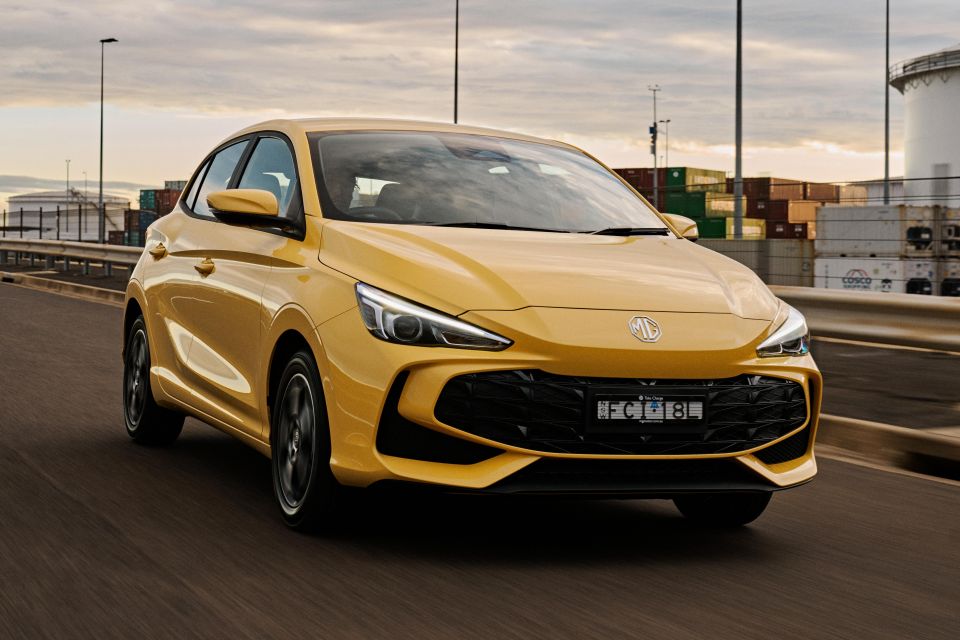
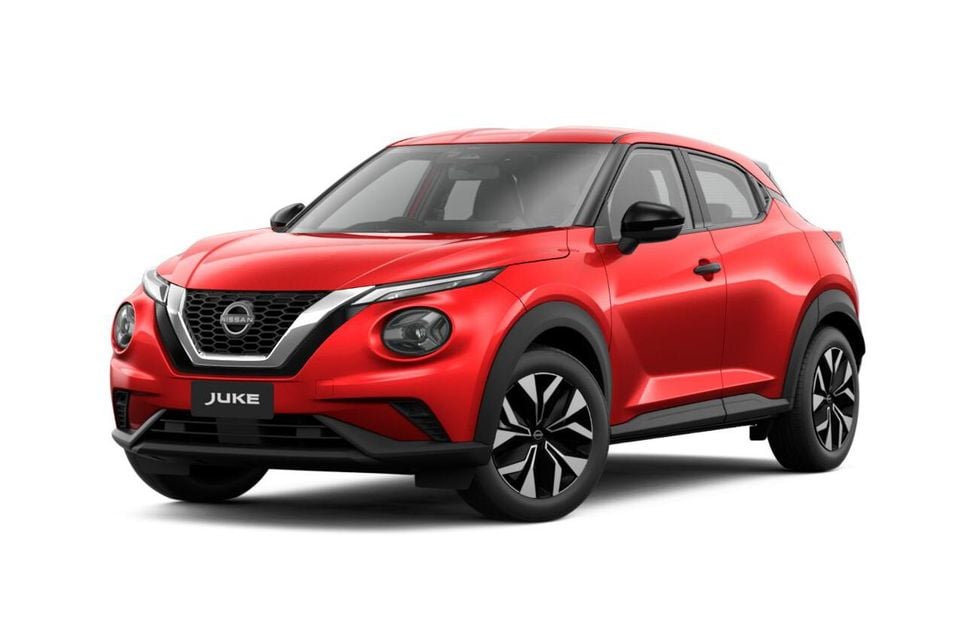
Prefer a more familiar brand? Hyundai and Kia, which made their name in Australia on bargain-basement city cars, still offer vehicles for cost-conscious buyers. Mazda, MG, Nissan, Suzuki and Toyota all also offer a model or two under this price point.
The members of the CarExpert editorial team have gotten behind the wheel of all of these at one point or another. So which would we actually put in our garages?
For less than $30k before on-roads I’d go for the largest car (not SUV) available – and that’s the entry-level Hyundai i30 Sedan.
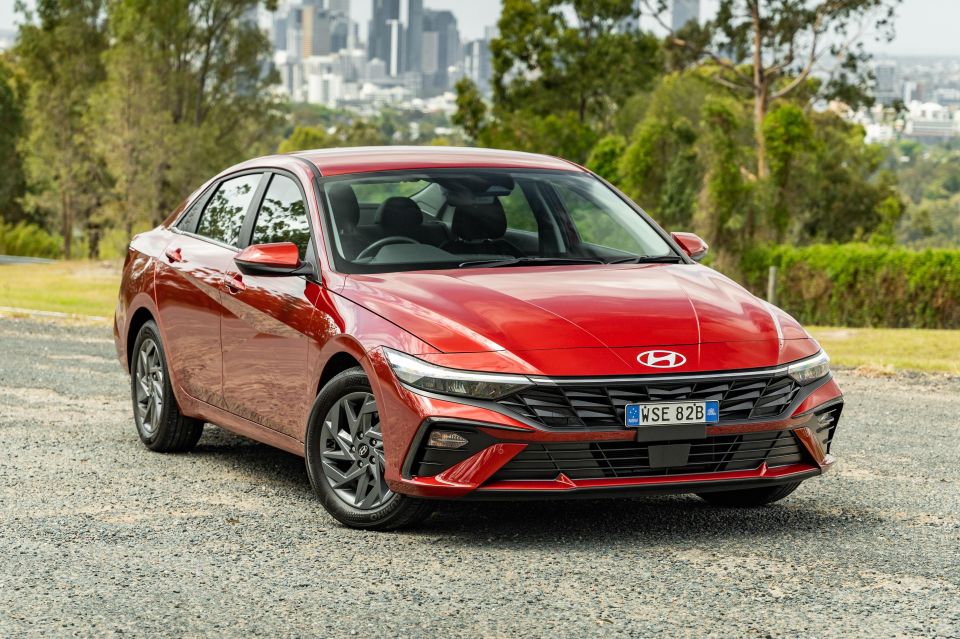
Its rear-end design may not be to everyone’s tastes and it might be powered by an old-school naturally aspirated 2.0-litre four-cylinder petrol engine, but it’s matched to a pretty decent CVT auto, a great chassis, and the latest Hyundai group platform, bringing with it the most up-to-date safety and multimedia accoutrements.
With the biggest body in its class (the latest i30 Sedan is longer than a second-generation Camry!), acres of interior and boot space, and a seven-year warranty if you service with Hyundai, the base i30 Sedan is unrivalled value at $30,000 before on-road costs.
In fact, the only other small cars (as opposed to micro cars or light cars, or light/small SUVs) with a sub-$30k list price are the MG 5 sedan ($24,888 drive-away), the BYD Dolphin electric hatch ($29,990 plus ORCs) and, while stocks last, the non-hybrid Toyota Corolla Ascent Sport hatch ($29,610 plus ORCs).
MORE: Explore the Hyundai i30 showroom
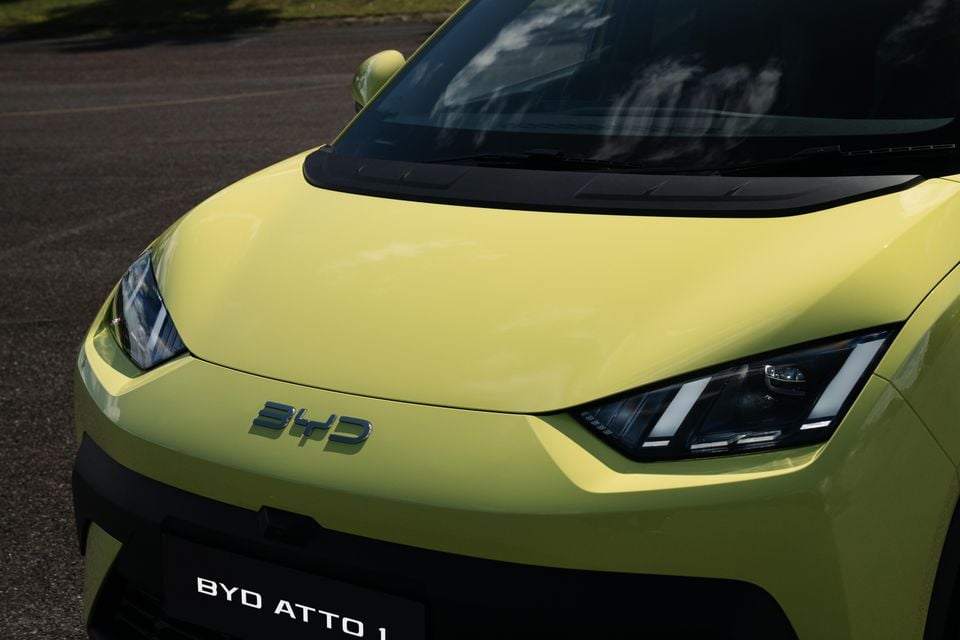
I’ll take a BYD Atto 1 Premium ($27,990) in Cosmos Black (an extra $500) with the optional ceramic window tint ($725), which brings the total to $29,215 plus on-road costs.
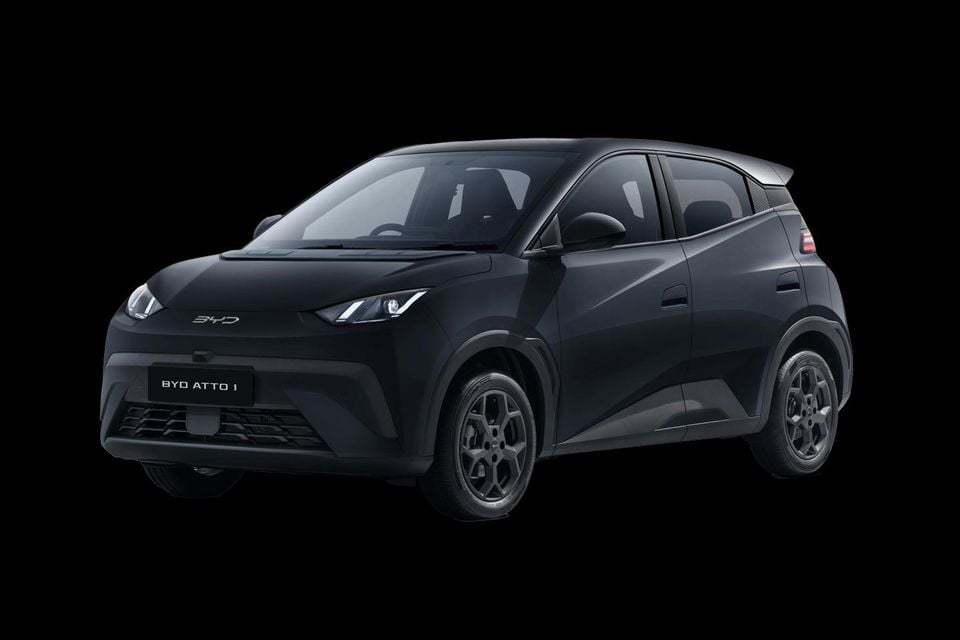
The Atto 1 strikes a great balance between low-cost appeal, funkiness and fun-to-drive character, without the pretentiousness of many EVs. At this price point, it doesn’t feel as risky as pricier electric cars if you’re considering one but you’re also a tad anxious about less familiar brands.
With more grunt and a larger 43.2kWh battery, the Premium lifts the even cheaper Atto 1 Essential’s ($23,990 plus on-road costs) 220km WLTP range to 310km – the main reason I’d choose the Premium – and swaps 15-inch wheels for 16-inch alloys, among other upgrades.
While its 9.1-second claimed 0-100km/h time isn’t anything to crow about, it’s low-cost fun and a potential gateway into EV ownership for many Australians, me included.
MORE: Explore the BYD Atto 1 showroom
Just 12 months ago, my answer would have been simple: a Toyota HiLux Workmate 4×2. Strong, practical, reliable, manual, rear-wheel drive, and it might even gain resale value. But that’s no longer available to us.
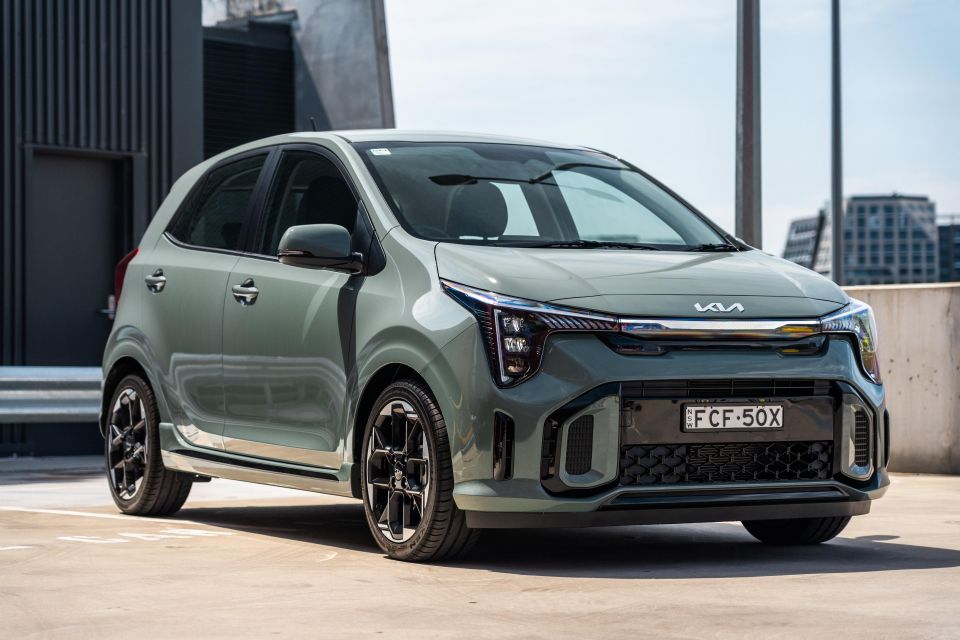
While there are quite a few decent options in 2026, there aren’t too many that really pull on my heart strings. The Hyundai i30 Sedan is a great shout, the BYD Atto 1 would probably be the best commuter, and the GAC Emzoom was impressive at launch… but, ultimately, I’d get a top-spec Kia Picanto GT-Line with a clutch.
Years ago, I daily drove a manual 1990 Suzuki Swift Cino, and there’s something freeing about buzzing around the streets of Melbourne in a basic, no-frills city car.
I like the Picanto’s interior and exterior looks (read: I wouldn’t be embarrassed to be seen getting in and out of it), and it comes with wireless Apple CarPlay. Really, what more do you need?
I also like the seven-year, unlimited-kilometre warranty offered by Kia and, given petrol-powered manual cars are rapidly dying out, I wouldn’t be surprised if there’s a bit of demand for these things in the coming years*.
I know it’s not going to last much longer, but kudos to Kia for continuing to give us a rad little city car with a manual gearbox.
*This is not financial advice.
MORE: Explore the Kia Picanto showroom
I’ve always loved little, light city cars and this seems like the perfect time to put them up in lights.
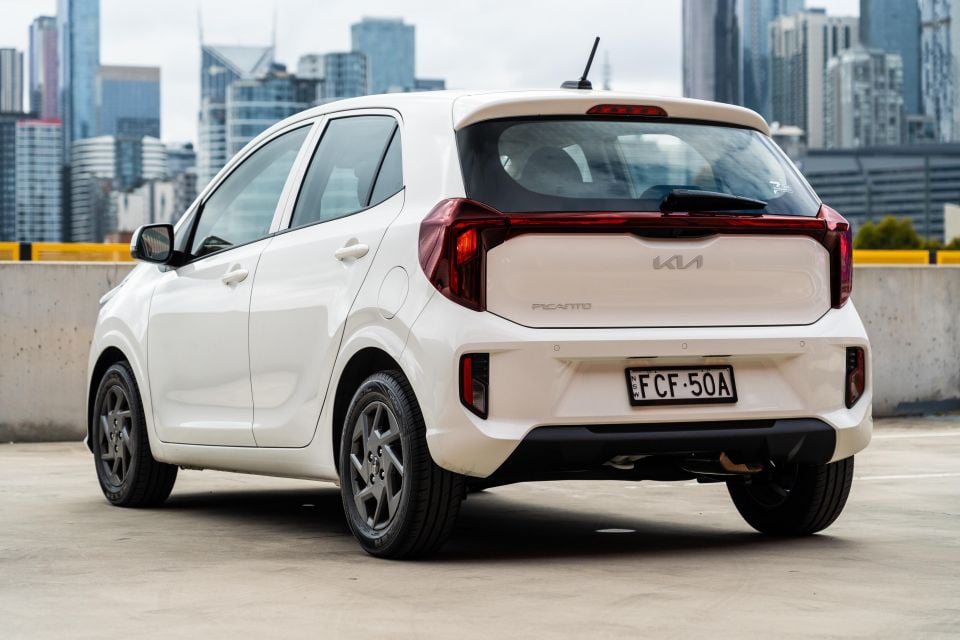
The Kia Picanto has long been a value hero and it remains as such, with the lowest asking price of any new car on the market. Beyond that, it’s also a joyful car to drive thanks to its lack of heft and the option of a manual transmission.
Further, Picanto buyers can rest easily knowing they can lean on the seven-year warranty and strong dealer network that comes with Kia ownership.
But what if you like to live life on the wild side? Well, there’s now another equally compelling option in this segment – the BYD Atto 1.
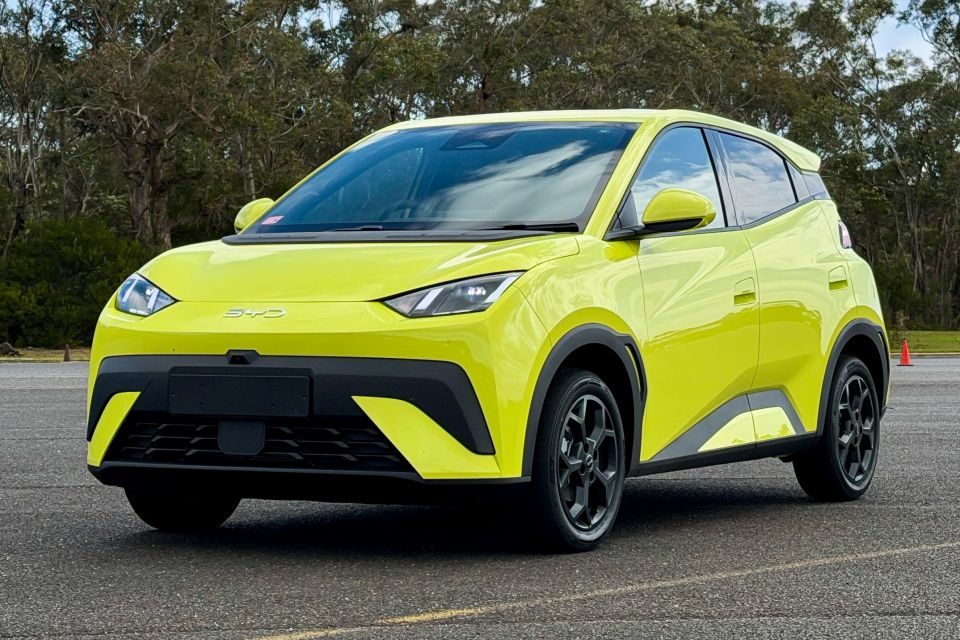
Positioned to compete against the aforementioned Picanto, the fully electric Atto 1 is a perfect alternative for city-slickers who desire the response, quietness and performance of an electric powertrain, but don’t want to pay a huge premium.
Sure, you’ll only get 200-300km of range on a full charge, and BYD hasn’t yet built its local reputation to the level of Kia, but if those blips bother you then the Picanto is a perfect fallback.
At the end of the day, both cars are fun, interesting and fit for purpose – choose either and you’ll have a good time.
MORE: Explore the BYD Atto 1 showroom
MORE: Explore the Kia Picanto showroom
There are plenty of good options within this budget, and so it’d be wrong of me not to at least mention the Kia Picanto, Hyundai i30 Sedan, or the promising BYD Atto 1 – which should really be called the Seagull, by the way.
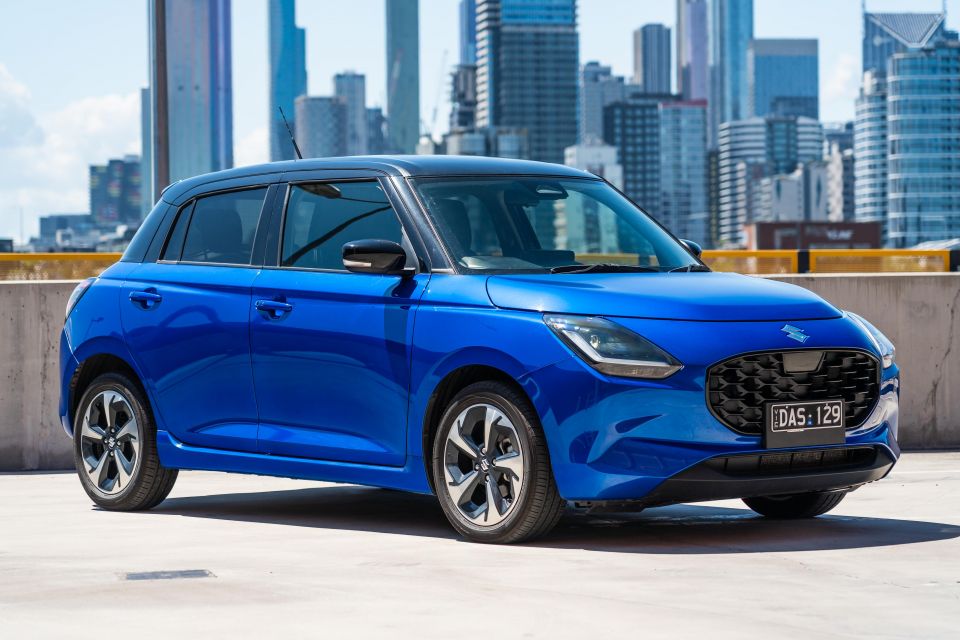
But when it comes to something I’d consider buying, none of them really jump out at me. The Picanto is just a bit too small, the i30 is better in higher-trim form, and the Atto 1 doesn’t have enough range for the long-distance driving I regularly do.
Therefore, my pick is the top-spec Suzuki Swift GLX at $29,490 before on-road costs. It’s as good as it gets for no-frills motoring these days, yet still has enough punch from its characterful three-pot engine to avoid feeling like a drag – compared to something like the MG 3, anyway.
It also looks cute, has a decent interior, offers wireless CarPlay, and is very efficient in real-world use. That’s all I’d really need in a daily driver, and even if the manual in the standard Swift would be more fun, I’d want the automatic transmission to deal with Melbourne’s typically awful traffic.
MORE: Explore the Suzuki Swift showroom
Cheap to buy and run, perfectly sized for the city, and the reassurance of a long warranty remind me why the Picanto remains one of the best-value new-car buys today. And, even better, it’s still available with a manual transmission.
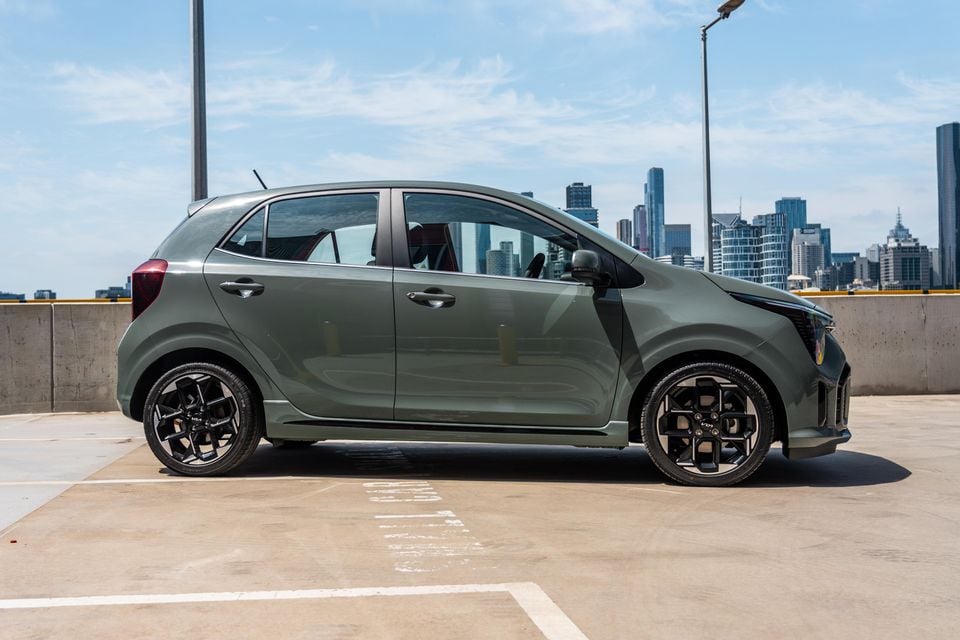
The GT-Line grade looks and feels quite upmarket for such a small and cheap car, while there’s something to be said about the simple pleasures of driving a small, basic car.
It may not be all that big or powerful, but it’s a fun and zippy little thing to drive in traffic, and the GT-Line goodies mean it doesn’t look like a bargain-basement special.
MORE: Explore the Kia Picanto showroom
Well, I’m nothing if not consistent.
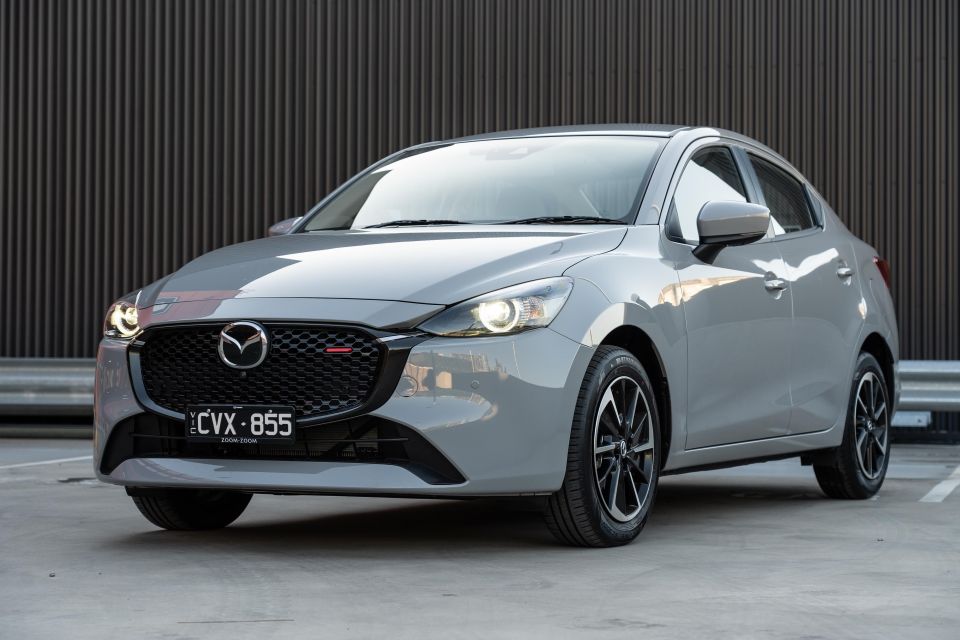
My first thought for this question was the Mazda 2, and then I went to the Hyundai website to confirm how much an i30 Sedan starts at. What did I pick when this question was posed in October 2024? You guessed it: the Mazda 2 and Hyundai i30 Sedan.
There have been some changes in this segment in the intervening year and a bit, but I stand by my choices.
That’s despite the Mazda 2’s base price climbing quite a bit following the axing of the Pure and Pure SP grades for model year 2025. The Hyundai i30 Sedan has also climbed slightly in price, though at $30,000 before on-road costs on the dot, it just squeezes in.
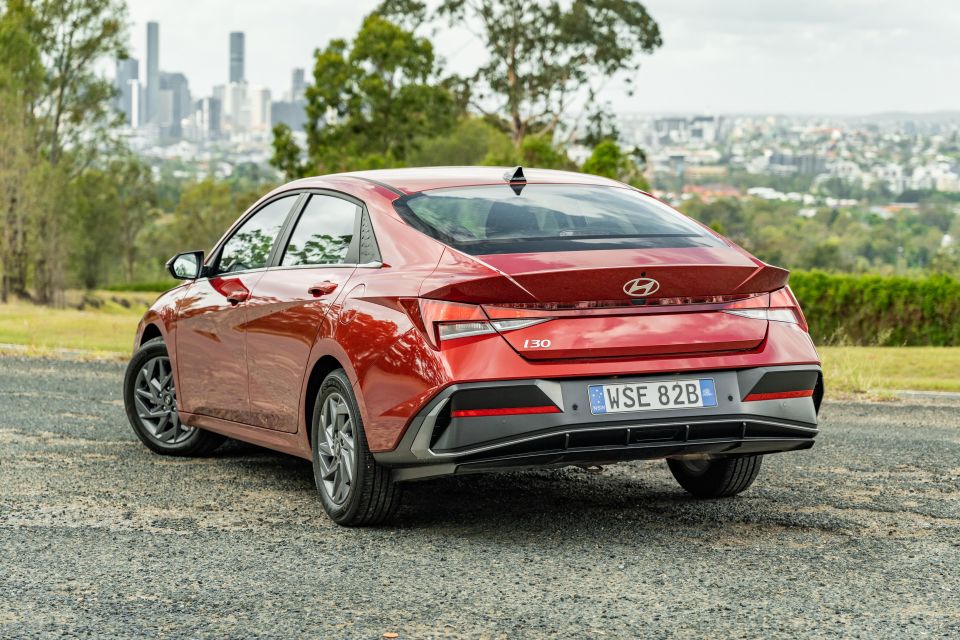
So why these two again? Quite simply, they’re vehicles I actually would be happy driving every day. The Mazda 2 is a fun little thing to drive and has plenty of standard safety kit, and is let down only by its ancient infotainment; the Hyundai i30 has bags of space for the money, and is thoroughly pleasant to live with.
Ask me again in a year. Maybe I’ll have driven a GAC Emzoom or some other fresh Chinese product by then and changed my tune. Or perhaps MG will have updated the MG 3 Hybrid+, an otherwise fantastic little hatch let down by an occasional power loss issue.
But for now, I can’t go past the Mazda 2 and the Hyundai i30 Sedan.
MORE: Explore the Hyundai i30 showroom
MORE: Explore the Mazda 2 showroom
There’s literally nothing under $30,000 that I find remotely interesting or worthwhile.

Most of the cars in this segment are old, which means they aren’t very safe. Sure, they can boast a five-star safety rating, but those ratings are often carried on by a model for years.
But if I really had to pick, you can get an entry-level Toyota Yaris for a shave under $30k. It’s pretty inoffensive (other than the asking price) and you know you can sell it to your Nan when you decide to buy a real car.
William Stopford is an automotive journalist with a passion for mainstream cars, automotive history and overseas auto markets.
James Wong
2 Hours Ago

Max Davies
3 Hours Ago

Damion Smy
14 Hours Ago
William Stopford
16 Hours Ago

Dave Kavermann
16 Hours Ago

Matthew Hansen
16 Hours Ago
Add CarExpert as a Preferred Source on Google so your search results prioritise writing by actual experts, not AI.