





Damion Smy
2027 Honda Accord costs $1000 more, loses two years of Honda Connect
Honda's updated flagship sedan has been priced $1000 higher, but offers a shorter Honda Connect subscription and remains the brand’s slowest seller.
16 Hours Ago
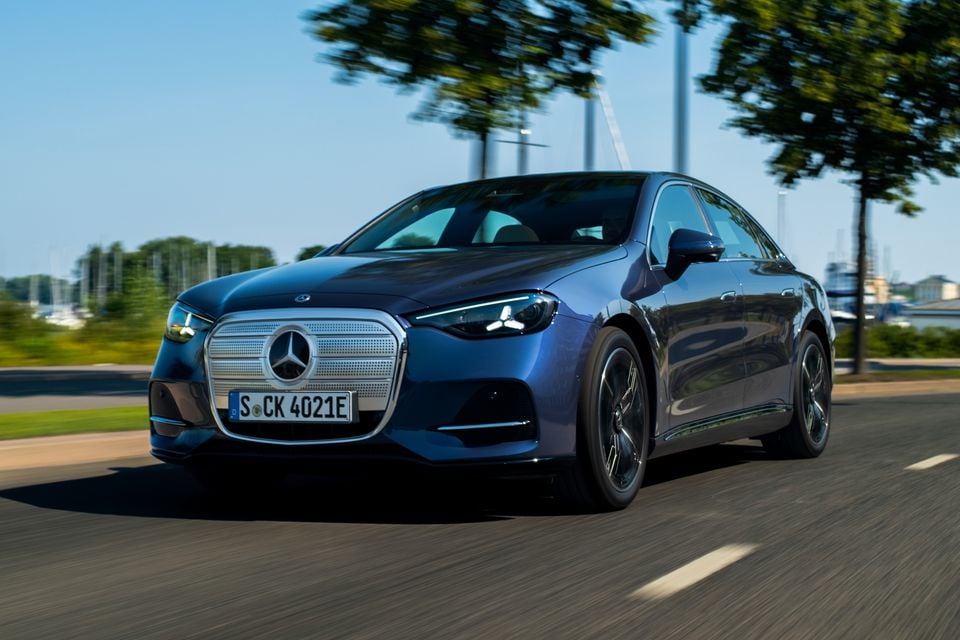
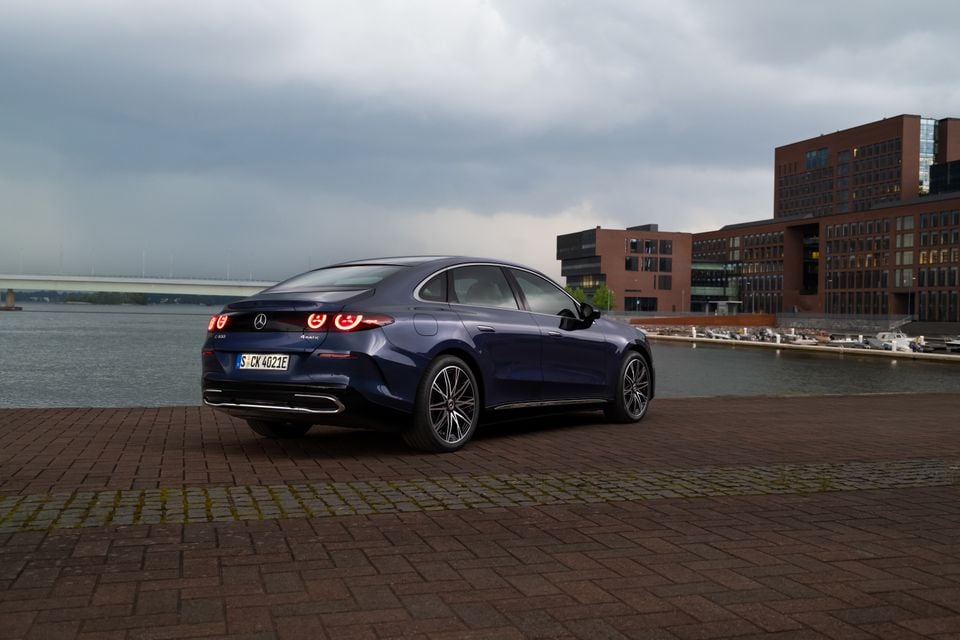
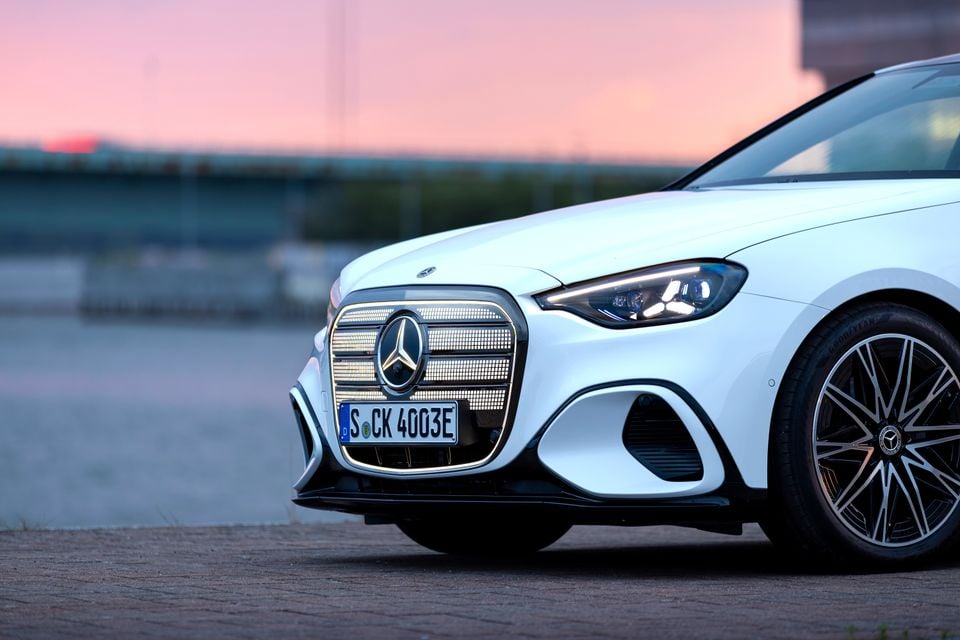
Polarising design aside, the new C-Class 'electric' is comfortable, rapid, refined, and has a genuine quality feel inside and out.
If this is the car for you, we’ll compare offers from trusted dealers, handle the back and forth and manage your purchase from enquiry to delivery.
There was a time when the C-Class was Mercedes-Benz’s backbone in Australia, where the mid-size luxury sedan was the German brand’s best-selling model for many years.
The C-Class sedan is still a significant player, recording 1950 Australian deliveries last year, but that tally placed it only sixth in the local Benz pecking order, behind the likes of the mid-size GLC and small GLA SUVs, the A-Class compact hatch and sedan, the GLC Coupe and even the GLE large SUV.
The status quo could change slightly next year as the C-Class range will be substantially bolstered by the addition of the all-new 2027 Mercedes-Benz C-Class electric (designated W520), as well as facelifted and upgraded versions of the existing petrol, diesel (in Europe) and plug-in-hybrid C-Class lineup.
The first EV variant to go on sale will be the dual-motor C400 4Matic electric, with headline stats that include a claimed 0-100km/h dash in 4.0 seconds, and a WLTP range of 762km on a full charge.
The C-Class electric range will be fleshed out over the course of 2027, with less costly C300 and C200 electric variants following in the tyre tracks of the C400.
Australian pricing for the Mercedes-Benz C400 4Matic electric is yet to be announced, but we’d expect it to start around $105,000 before on-road costs when it goes on sale here in early 2027.
Its principal opposition will come from BMW’s imminent i3 50 xDrive, which is also due to go on sale in early 2027, priced from around $100,000 before on-roads.
The C400 4Matic and i3 50 xDrive are closely matched – at least on paper – as the Bimmer ekes out 345kW of power and 645Nm of torque, while the Merc ups the ante to 360kW/800Nm.
That said, the i3 50 xDrive has a handy edge in touring range, with a headline WLTP number in excess of 900km – comfortably trumping the C400 4Matic's 762km figure.
The Merc is the bigger of the two cars dimensionally, as it stretches 4883mm long, 1892mm wide and 1503mm tall, while its wheelbase is a lengthy 2962mm. By comparison, the BMW measures 4760mm long, 1865mm wide and 1480mm tall on a 2897mm in wheelbase.
Mercedes-Benz Australia spokesman Jerry Stamoulis says the C-Class electric will play a key role for the brand, especially as local adoption of battery-powered vehicles has been growing rapidly in recent years.
“With the addition of electric variants to the C-Class range, customers will have even greater choice to select the powertrain that best suits their lifestyle and driving needs,” he said.
“Our focus is on offering a broad portfolio that caters to a wide range of customer preferences, whether that’s petrol, plug-in hybrid or fully electric.”
To see how the Mercedes-Benz C-Class lines up against the competition, check out our comparison tool
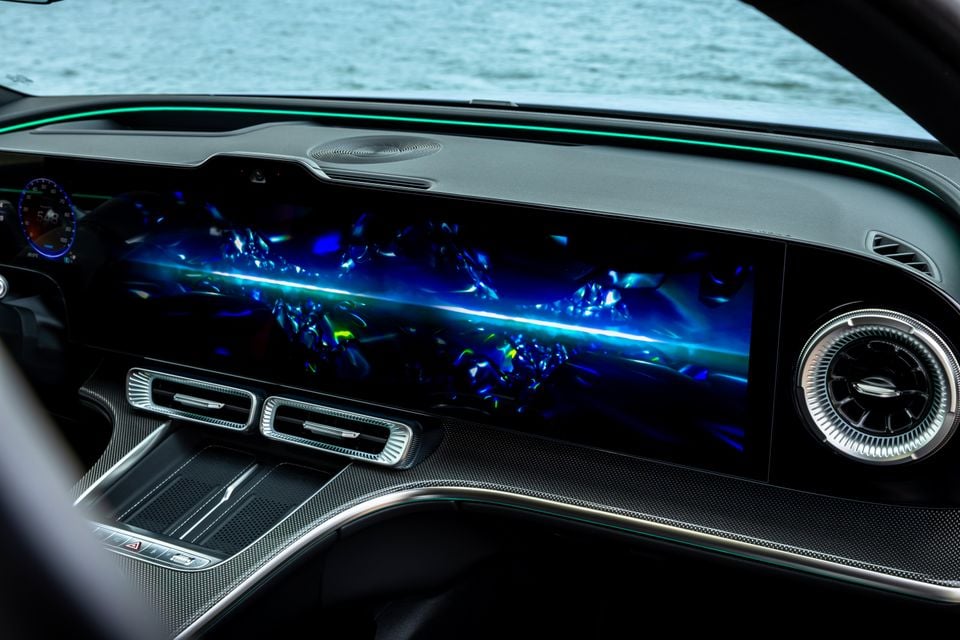
The Mercedes C400 4Matic electric merges classical design flair with a barrage of ultra-futuristic tech, the focal point of which is the massive 39.1-inch Hyperscreen (optional) with 10 million pixels that spans the full width of the dashboard.
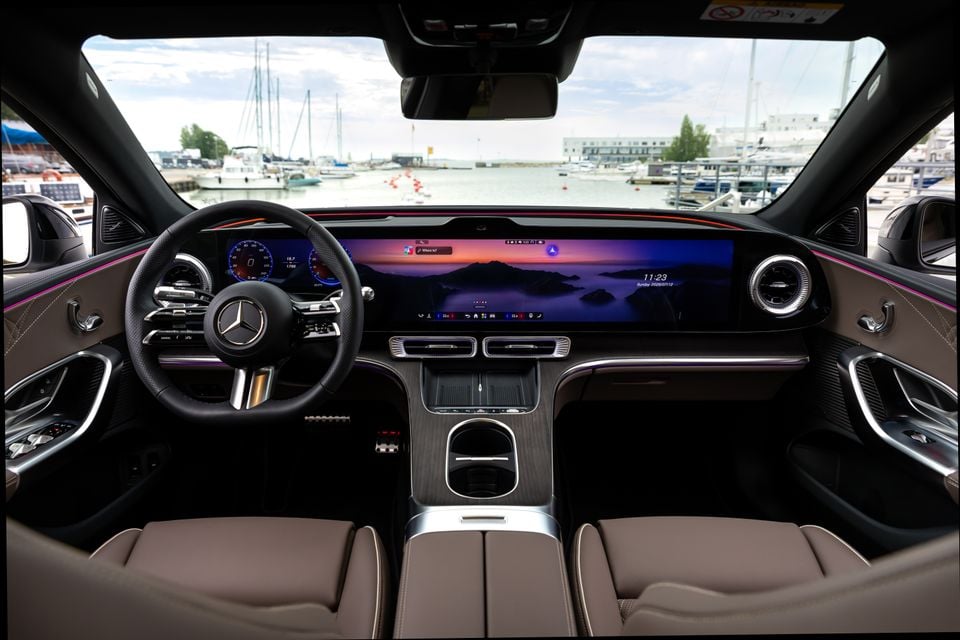
The base MBUX Superscreen version comes with two displays for the instrument cluster and multimedia, with the passenger display being optional.
You could spend weeks trawling through all the features and permutations on offer via the user interface and still only scratch the surface of what’s possible. For starters, no fewer than 10 high-resolution ambient styles are available for both the MBUX Superscreen and the MBUX Hyperscreen.
The MB.OS multimedia system is new and uses Google services as well as artificial intelligence from ChatGPT, Microsoft Bing and Google Gemini. A plethora of third-party apps for audio and video streaming and gaming can also be downloaded.
Navigation is based on Google Maps and is one of the first systems to integrate Google Cloud’s new Automotive AI Agent for in-vehicle conversational services.
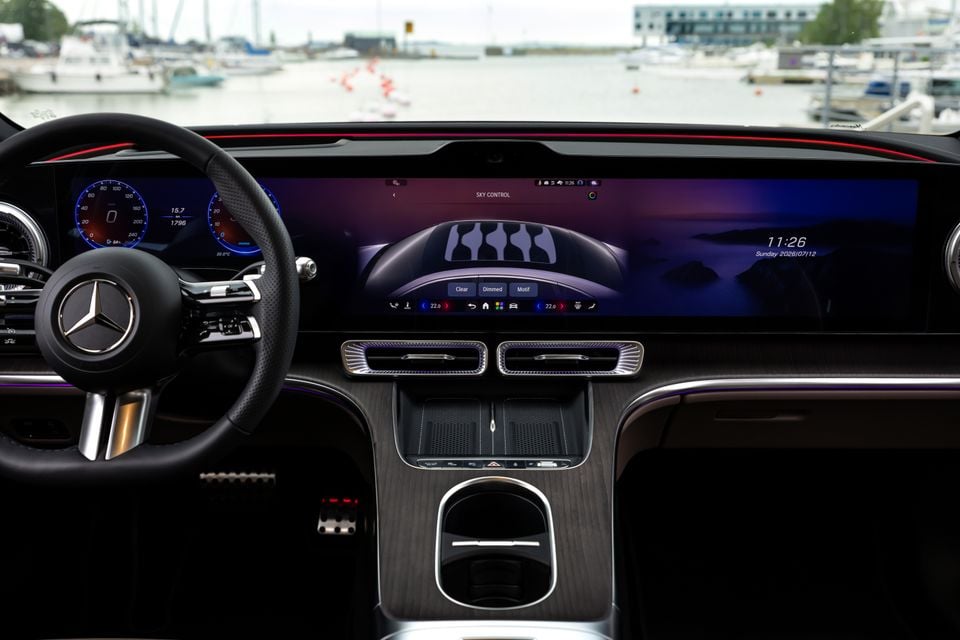
Feature-packed though it may be, but the screen overload is simply a bit too much to take in, and even accessing some of the basic functions can be tricky to do on the go. That said, the head-up display is superb, displaying navigation instructions and other vital info clearly in the line of sight.
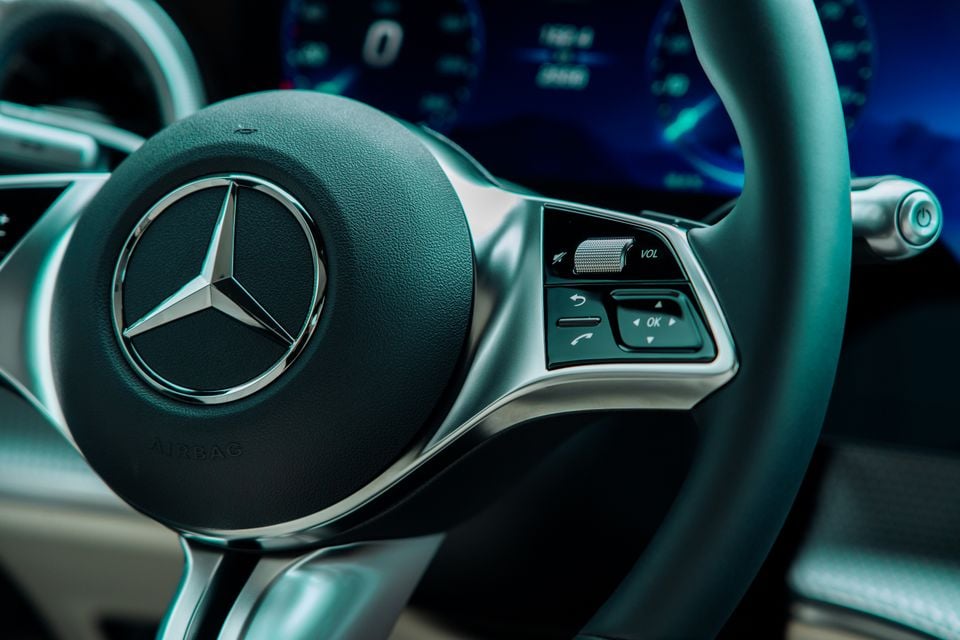
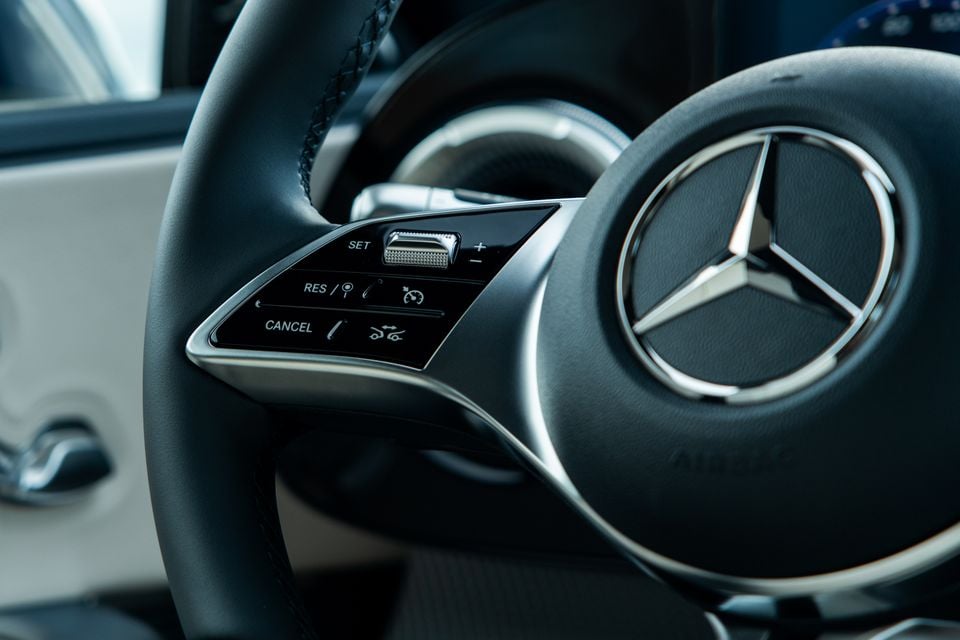
Physical switches have been almost entirely done away with, but the new multifunction steering wheel at least incorporates a volume roller switch as well as a rocker switch for the limiter and Distronic adaptive cruise control.
Cabin space is ample, with the 2962mm wheelbase (97mm longer than the combustion-powered C-Class) liberating ample legroom for both front- and rear-seat dwellers. In addition, the standard panoramic roof contributes to 22mm more headroom in the front and 11mm in the rear.
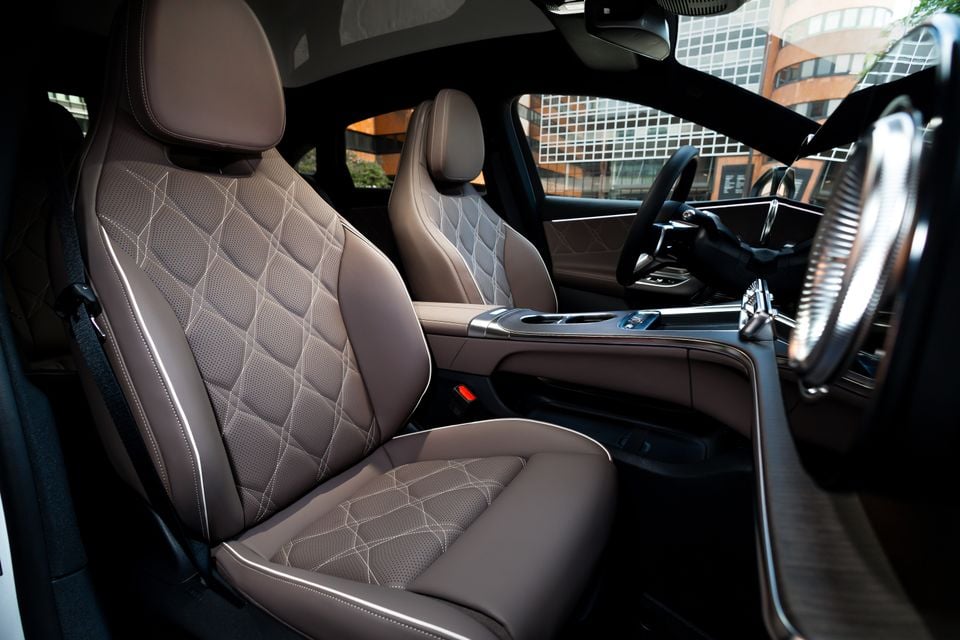
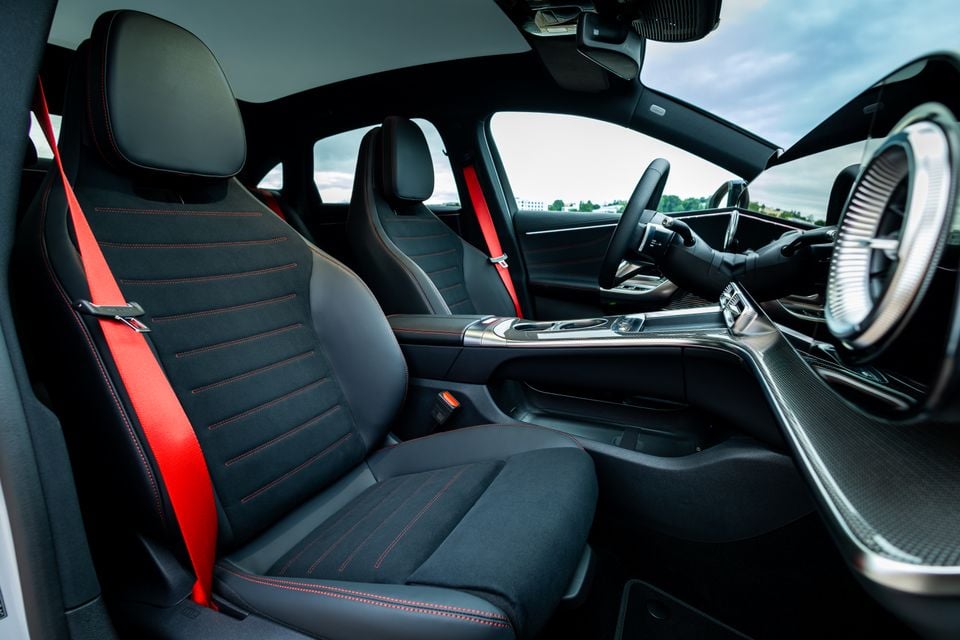
The front seats are superbly contoured to support the torso, but the rear seatbacks are too upright, so long-distance trips could prove tiresome for those consigned to the rear quarters.
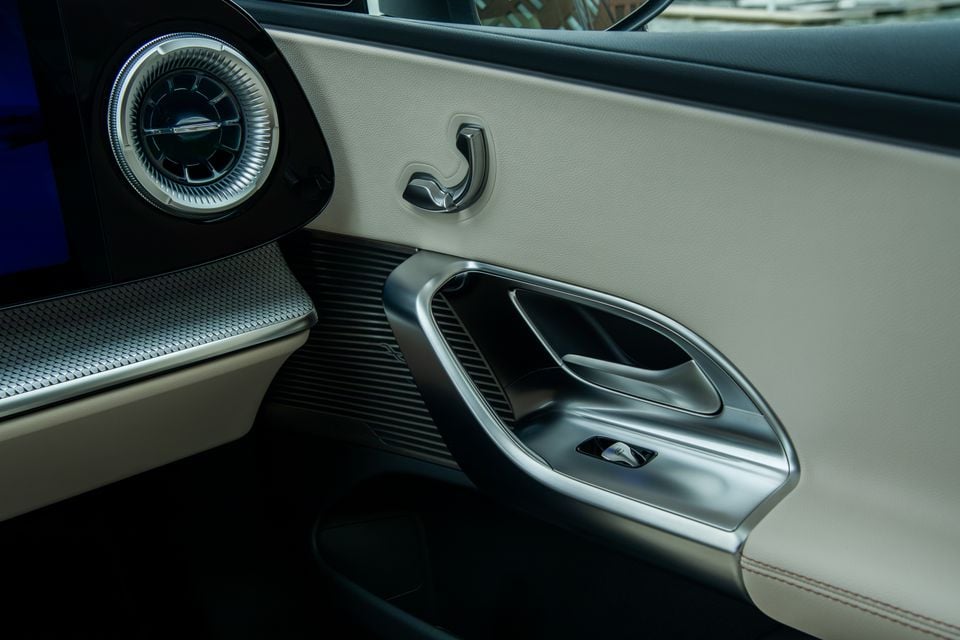
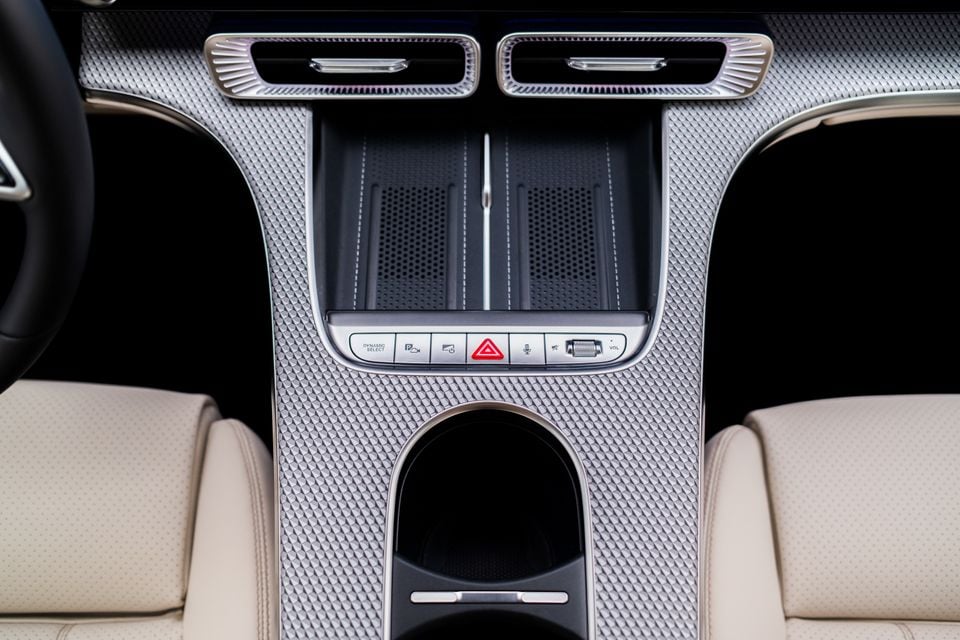
There’s some hard plastic trim in the door panels, centre console and dashboard, but a faux-metal finish (or open-pore-wood-mimicking trim) enables even these bits to endow the cabin with a premium ambience. Overall, the afterburner-style air vents, speaker grilles, door handles and seat adjustment switches create a pleasing aesthetic.
For the first time, the speaker grilles feature a horizontal line pattern with a three-dimensional relief and a two-tone finish. In the Burmester 3D surround sound system, these are made of stainless steel.
As per the GLC electric, the C-Class electric offers the option of a vegan interior certified by The Vegan Society. The Vegan package includes all soft-touch surface materials – from the seat upholstery and the headliner to the pillars, door panels, and carpeting.
Also available as an option are new high-end seats with electric adjustments and memory function, electro-pneumatic four-way lumbar support, full-back massage function, ventilation, and 4D sound.
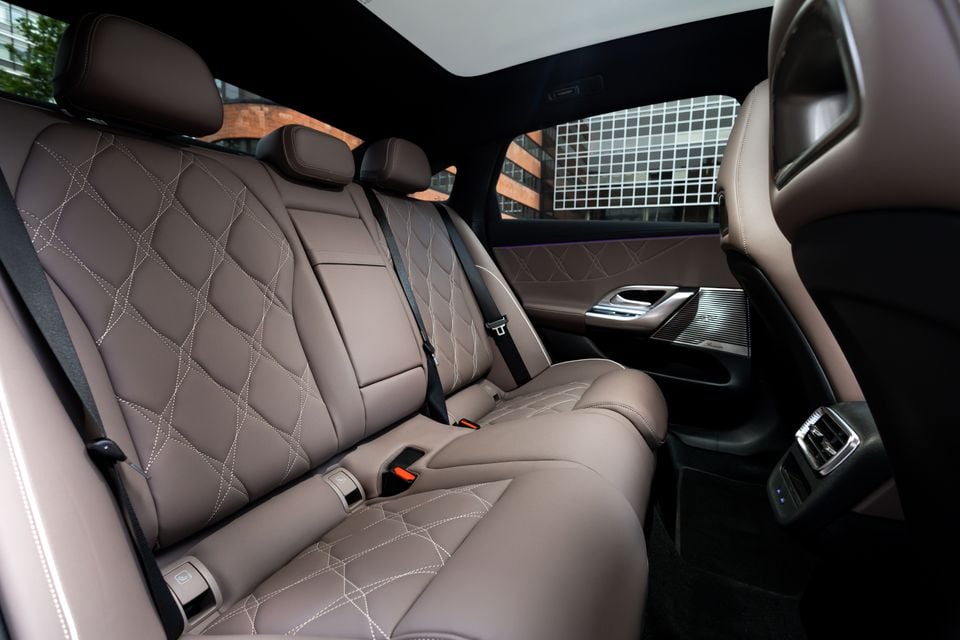
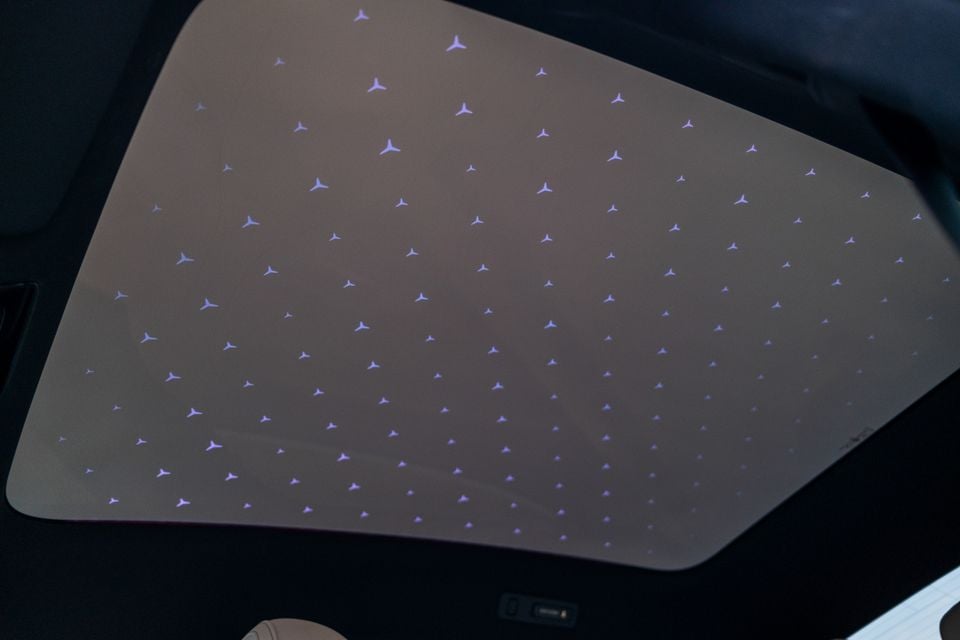
The large panoramic roof creates an airy ambience inside and – with the optional Sky Control – the glass surface can be switched between transparent and opaque in milliseconds. In addition, Sky Control can display 162 digitised stars, illuminated in the individually selected colour.
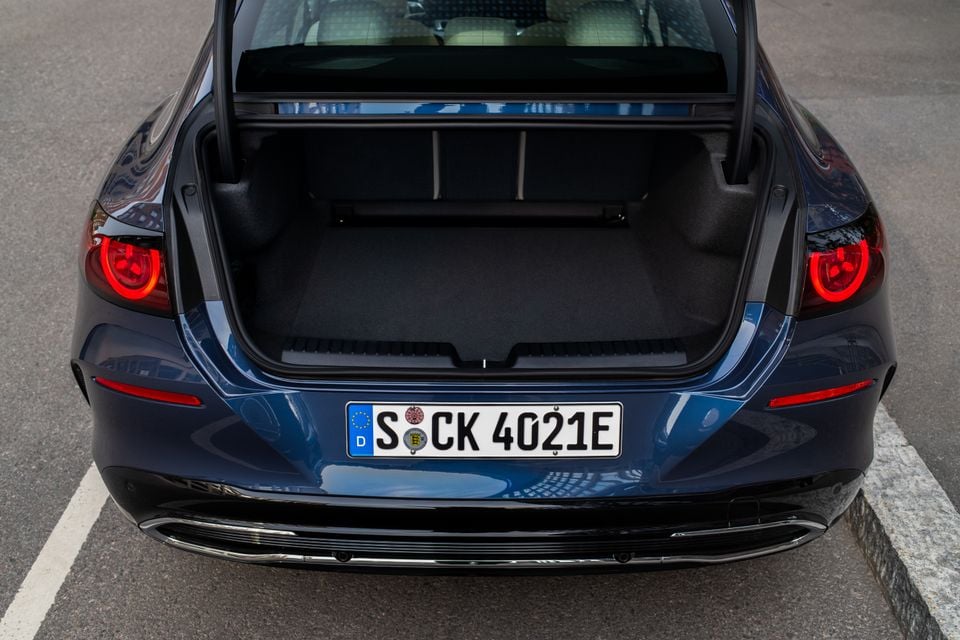
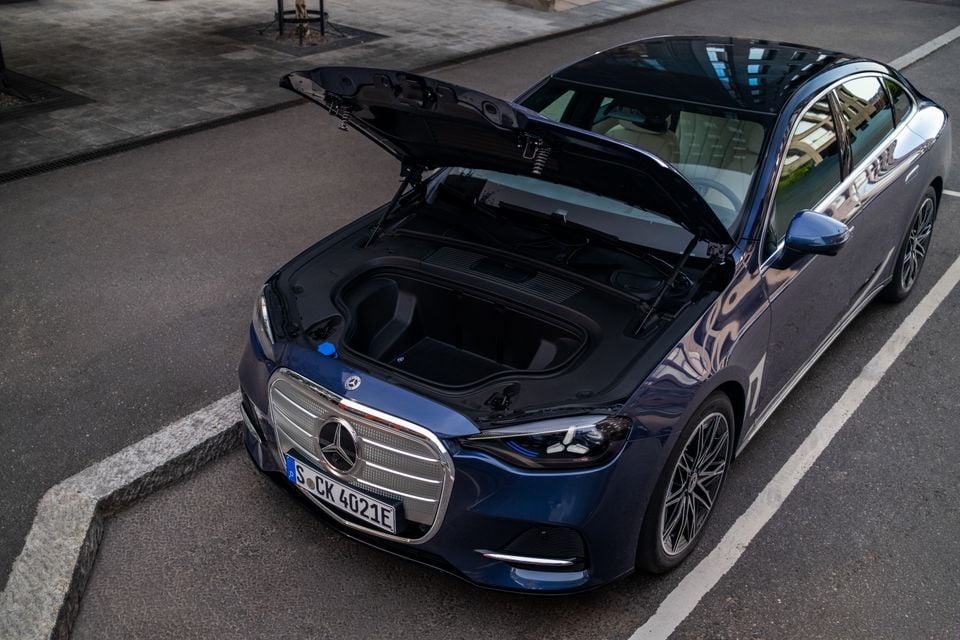
Day-to-day functionality is a C-Class electric forte, as the evenly contoured boot has a capacity of 470 litres, supplemented by a front boot (frunk) that adds an additional 101L of usable storage space – ideal for a crate of 0.33L bottles, a carry-on trolley, or the charging cables.
Mercedes-Benz quotes a braked towing capacity of 1800kg with a semi-electric trailer coupling (optional), which is said to be ideal for transporting a jet ski or glider.
| Dimensions | Mercedes-Benz C400 4Matic electric |
|---|---|
| Length | 4883mm |
| Width | 1892mm |
| Height | 1503mm |
| Wheelbase | 2962mm |
| Cargo capacity | 470L – VDA101L – Frunk |
To see how the Mercedes-Benz C-Class lines up against the competition, check out our comparison tool
The Mercedes C-Class electric is underpinned by the same MB.EA architecture that forms the basis of the related GLC electric that came before it, albeit with some chassis tweaks to optimise its ride and dynamics.
| Specifications | Mercedes-Benz C400 4Matic electric |
|---|---|
| Drivetrain | Dual-motor electric |
| Battery | 94kWh – NetLithium-ion |
| Power | 360kW |
| Torque | 800Nm |
| Drive type | AWD |
| Weight | 2460kg – Kerb |
| 0-100km/h (claimed) | 4.0 seconds |
| Energy consumption (claimed) | 18.5-14.1kWh/100km |
| Claimed range | 592-762km – WLTP |
| Max AC charge rate | 11kW – Standard22kW – Optional |
| Max DC charge rate | 330kW |
The only variant that will be offered initially is the C400 4Matic, which uses a 94kWh battery pack to power a pair of permanent magnet synchronous electric motors.
Taking a leaf out of the Porsche Taycan’s book, the rear-axle electric motor sends drive to the wheels via a two-speed transmission that operates so seamlessly that you can’t perceive any shifts from within the cabin. There’s also a front-axle disconnect system that reduces energy losses by a claimed 90 per cent under low loads.
The C400 4Matic is nothing if not rapid, with brawny outputs of 360kW and 800Nm spearing the sedan from 0-100km/h in a claimed 4.0 seconds – despite the fact it tips the scales at a hefty 2460kg.
More significantly for potential buyers, the C400 4Matic has a theoretical touring range of up to 762km, according to the WLTP cycle, aided by super-slippery aerodynamics (with a drag coefficient of just 0.22Cd) and a 'one-box' braking system that generates up to 300kW of regenerative braking power and has a one-pedal drive mode that's claimed to handle 99 per cent of driving.
Also noteworthy is the fact the C-Class electric’s 800-volt electrical architecture enables a 330kW DC fast-charger to add 325km of range in 10 minutes. The electric saloon is also capable of bi-directional charging, turning it into a mobile energy storage unit.
Mercedes-Benz claims the C-Class electric is as smooth as an S-Class on long journeys, thanks in part to optional Airmatic air suspension with predictive damping (based on Car-to-X and Google Maps data) that irons out lumpy road surfaces.
In addition, 4.5-degree rear-axle steering reduces the turning circle to 11.2 metres, boosting agility and manoeuvrability at lower speeds, while enhancing stability at higher speeds.
To see how the Mercedes-Benz C-Class lines up against the competition, check out our comparison tool
Even EV sceptics would have to concede the Mercedes C400 4Matic electric has impressively polished driving manners and that it’s a pleasant car to steer.
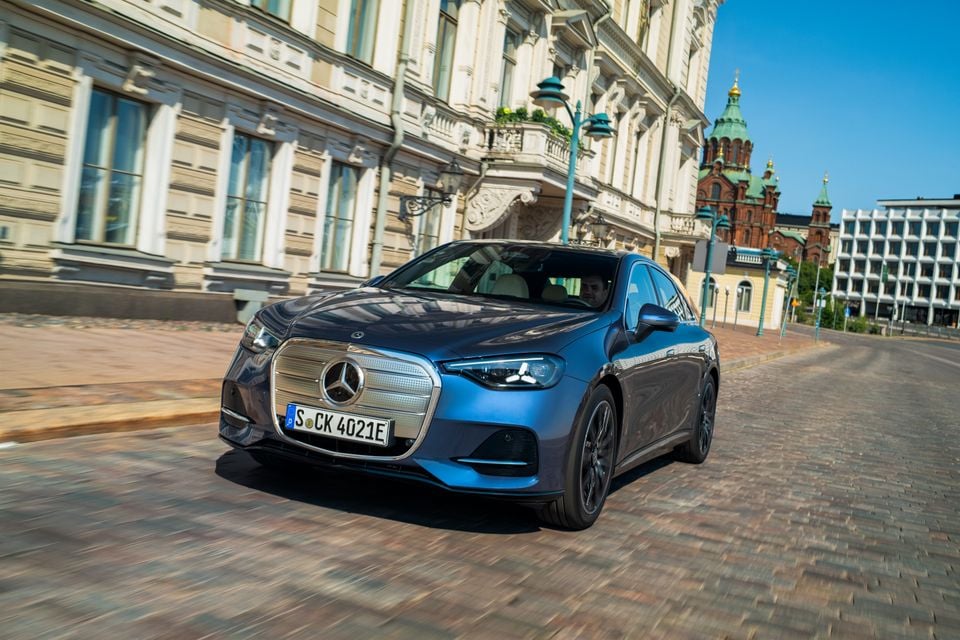
Sliding into the cabin, the MBUX interface comes to life, with the elaborate in-cabin lighting show immediately creating a welcoming ambience. A little flick into ‘D’ on the column-mounted transmission stalk and you’re underway without further ado.
A virtually silent drivetrain is a given in an EV, but the C400 4Matic complements this with excellent suppression of both wind and road noise. No doubt the car’s ultra-streamlined aerodynamics play a role here, apart from contributing to the C400’s generous touring range.
The first car we drove at the launch was equipped with the optional Airmatic air suspension, which serves up superbly supple ride quality, as well as surprisingly crisp handling dynamics.
As mentioned earlier, the Airmatic suspension features predictive damping that uses Car-to-X technology and Google Maps data to adjust for bumps in the road before the vehicle reaches them.
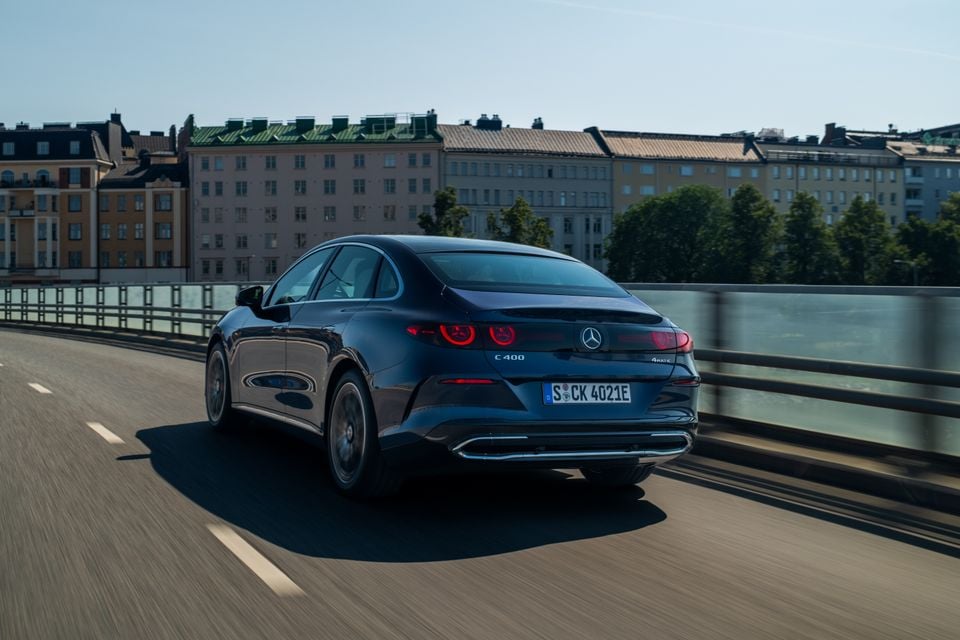
The system clearly works because the C400’s ride and refinement levels aren’t far short of an S-Class limousine – it lopes and glides across lumpy surfaces without breaking a sweat.
Active ride-height control also utilises map data to maintain a low ride setting on freeways for improved efficiency and range.
You wouldn’t expect a 2.5-tonne sedan to be particularly agile, but the C400 4Matic surpasses expectations with a light-footedness in Sport mode that makes it entertaining to hustle across winding backroads. The steering has a decent heft and directness to it, even though it’s not overly endowed with feel.
As evidenced by its 4.0-second claimed 0-100km/h time, the C400 certainly can cover ground very quickly, and its gargantuan 800Nm torque output means you can surge almost instantly from 40km/h to 120km/h and effortlessly merge with highway traffic or dispatch a slow-moving car on country roads.
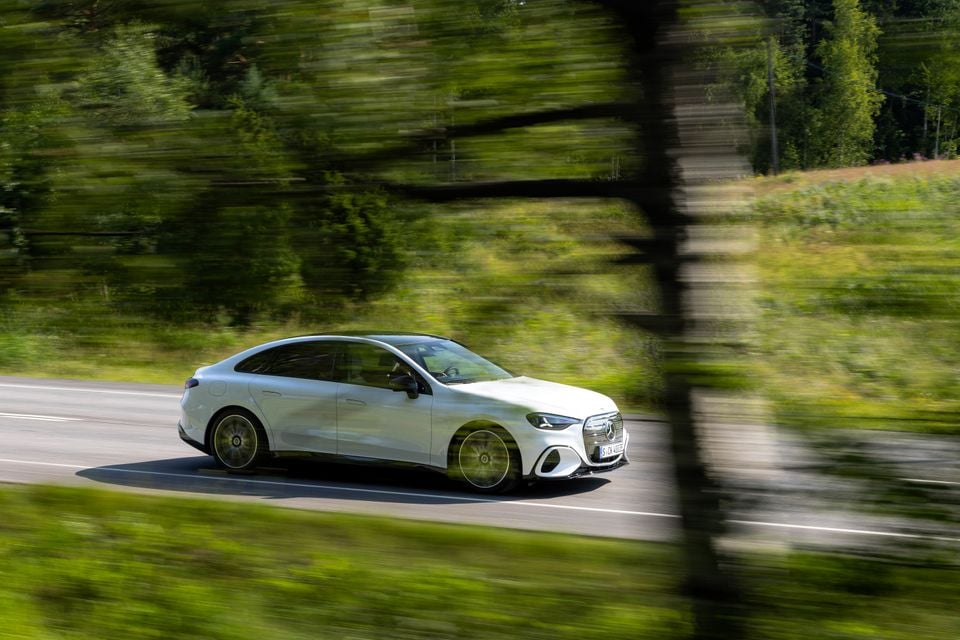
Most of the cars at the international drive launch in Helsinki were equipped with the optional Airmatic suspension and rear-axle steering, but we managed to sample a steel-sprung car which also impressed with its deft ride/handling balance. For most buyers, it will do just fine.
Overall, our first drive impressions of the C400 4Matic were overwhelmingly positive, but we’ll be able to deliver a more comprehensive verdict when we sample the car on local roads early next year.
To see how the Mercedes-Benz C-Class lines up against the competition, check out our comparison tool
Standard equipment for Australian-bound C400 electric is still to be confirmed, but it's expected to include a solid quota of mod-cons. That said, it’s also reasonable to expect a lengthy options list that could quickly inflate the car’s price if you go on a box-ticking frenzy.
2027 Mercedes-Benz C-Class electric equipment highlights (in Europe):
To see how the Mercedes-Benz C-Class lines up against the competition, check out our comparison tool
Is the Mercedes C-Class electric safe?
No independent crash test results are as yet available for the C400 4Matic electric, but it will come loaded with active and passive features, so we expect it to score highly in ANCAP and Euro NCAP testing.
If this is the car for you, we’ll compare offers from trusted dealers, handle the back and forth and manage your purchase from enquiry to delivery.
Standard safety equipment includes:
To see how the Mercedes-Benz C-Class lines up against the competition, check out our comparison tool
There’s plenty to like about the Mercedes C400 4Matic – it’s comfortable, rapid, refined, and has a genuine quality feel inside and out.
Other pluses include its generous 571L cargo capacity (if you combine the boot and frunk) and impressive touring range – figure on somewhere between 550-600km in real-world conditions.
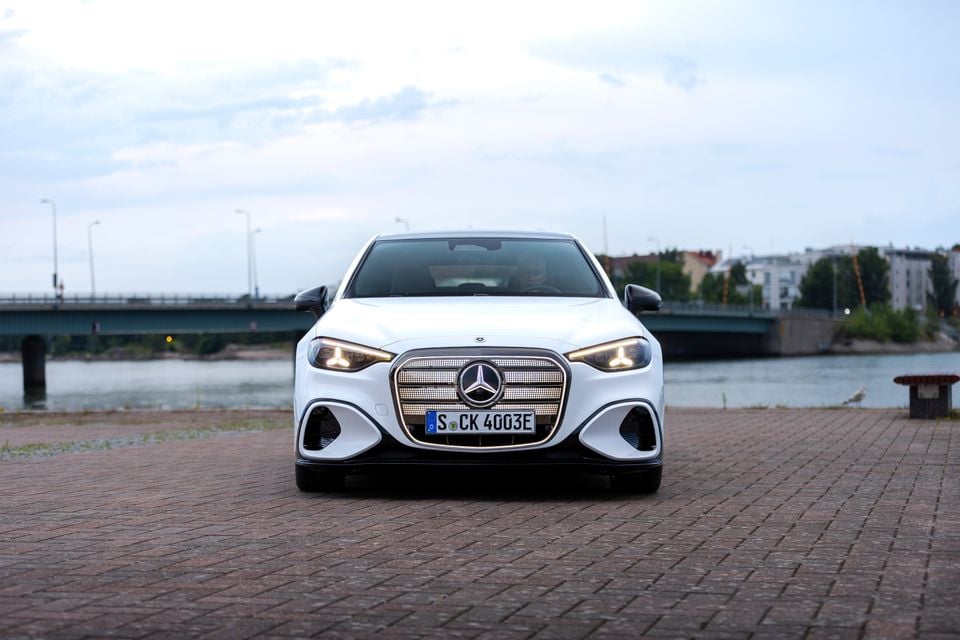
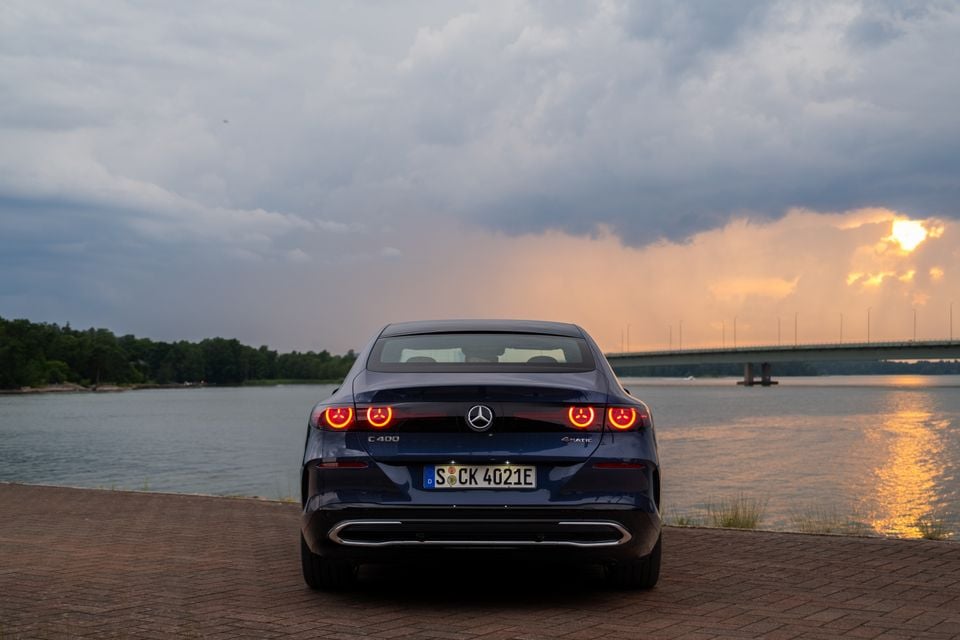
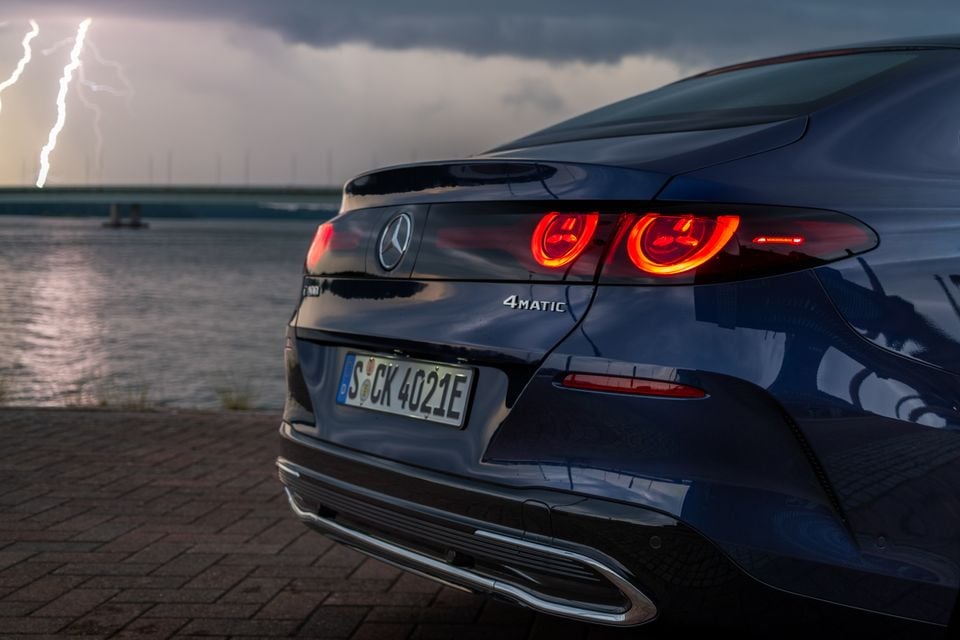
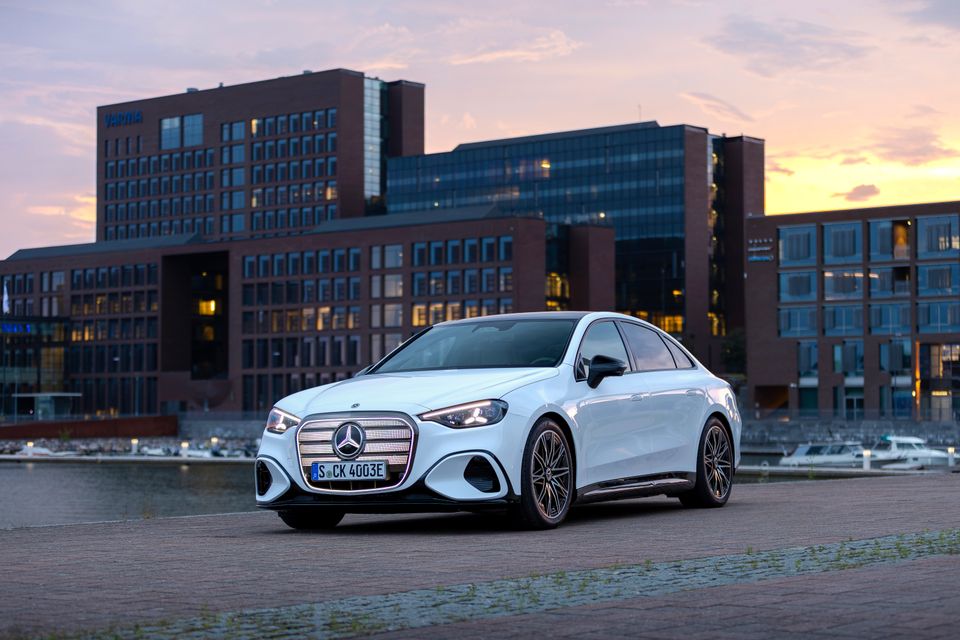
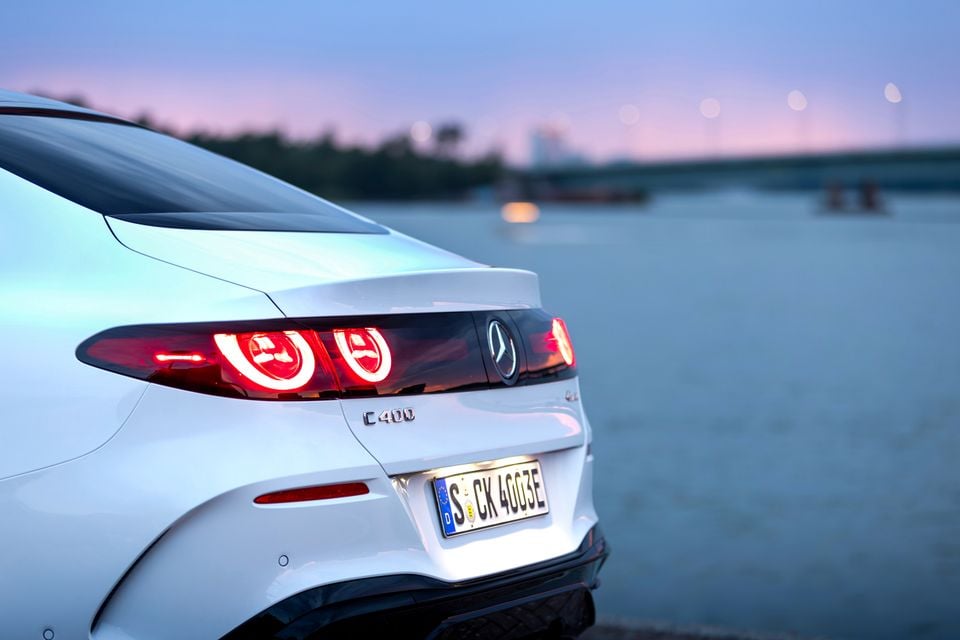
Styling is always a subjective domain, so you can make up your own minds as to whether the C-Class electric’s slightly amorphous profile tickles your fancy.
The big unknown is how the C400 4Matic will compare to the BMW i3 50 xDrive, which is yet to be launched to the media, let alone land in local BMW dealerships. We’re guessing the Bimmer will lean more towards sporty dynamism, while the Mercedes-Benz nails the brief in terms of silky waftability.
Regardless of how that head-to-head comparison goes, there’s no denying the C400 4Matic is a superbly well-rounded mid-size electric sedan, and arguably Mercedes-Benz’s best EV to date.
Interested in buying a Mercedes-Benz C-Class? Let CarExpert find you the best deal here
Click the images for the full gallery
If this is the car for you, we’ll compare offers from trusted dealers, handle the back and forth and manage your purchase from enquiry to delivery.
Quickly see how this car stacks up against its competition. Select any benchmark to see more details.
Mercedes-Benz C-Class
Mercedes-Benz C-Class Sales rolling 12-months#
*Based on VFACTS and EVC data
Looking for complete Mercedes-Benz C-Class price history?
Our Mercedes-Benz C-Class Pricing Page shows exactly how prices have changed over time.
2024
$94,308
2025
$94,861
2026
$95,492
2026
$102,211
Add CarExpert as a Preferred Source on Google so your search results prioritise writing by actual experts, not AI.
Damion Smy
16 Hours Ago

William Stopford
2 Days Ago
Damion Smy
2 Days Ago
William Stopford
9 Days Ago
Damion Smy
12 Days Ago
Damion Smy
13 Days Ago
Add CarExpert as a Preferred Source on Google so your search results prioritise writing by actual experts, not AI.
# Based on VFACTS and EVC data
† Displayed prices are based on the drive-away price of the vehicle, which includes delivery charges, registration fees, number plates, and applicable road taxes, based on a Sydney location. However, prices may vary between states and territories, and additional costs such as compulsory third party (CTP) insurance, dealer delivery fees, and optional extras are not included. These prices are subject to change without notice and may not reflect current market pricing or dealer offers.
 Automotive Vehicle Spec Data & 4K images Powered by JATO Dynamics Ltd