




William Stopford
2027 Nissan X-Trail review
The Nissan X-Trail continues to impress in e-Power hybrid guise, especially now you can get front-wheel drive examples for less money.
46 Minutes Ago
The Mazda CX-60 remains a solid SUV, but its PHEV powertrain may not be the one to go for – here's why.

Journalist
Journalist
Journalist
Journalist
If this is the car for you, we’ll compare offers from trusted dealers, handle the back and forth and manage your purchase from enquiry to delivery.
While Mazda has a storied history of iconic sports cars and unique engines, it doesn't have quite the same standing in the electrified space.
Sure, there was the now-defunct MX-30, but it was subpar at best. Mazda now has the electric 6e in showrooms, with the CX-6e due to follow from September, but both were developed in collaboration with Chinese partner Changan rather than being in-house models.
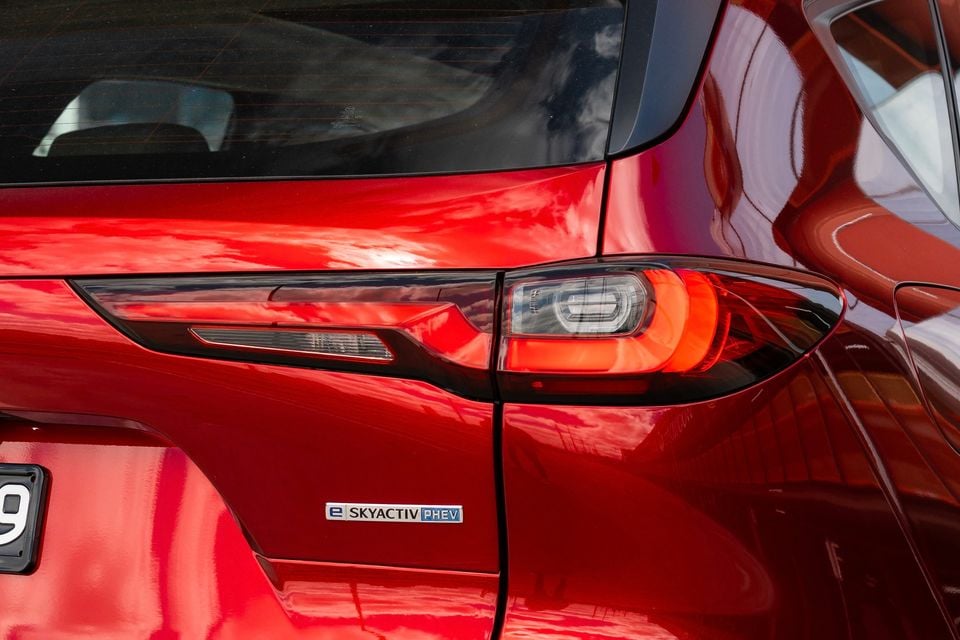
But there's been another option available for the past couple of years, and it's one that Aussies probably don't associate with this particular Japanese brand: plug-in hybrids, or PHEVs.
Unlike its current electric vehicles, though, the PHEV powertrains available in the CX-60 and CX-80 large SUVs are thoroughly Mazda's own. Although Mazda's local PHEV range remains limited to the CX-60 and CX-80, Mazda deserves credit for the effort taken to make it happen at all.
The CX-60 is the topic of this review, and the PHEV is one of four powertrains available. It launched with the SUV alongside a pair of six-cylinder mild-hybrid engines in 2023, and has since been joined by a four-cylinder, rear-wheel-drive non-hybrid option with a lower asking price.
This CX-60 goes up against several established and newer PHEV rivals from Mitsubishi, various Chinese brands, and legacy manufacturers. It still maintains the upmarket positioning of every other larger Mazda SUV, which means it's hardly a budget buy.
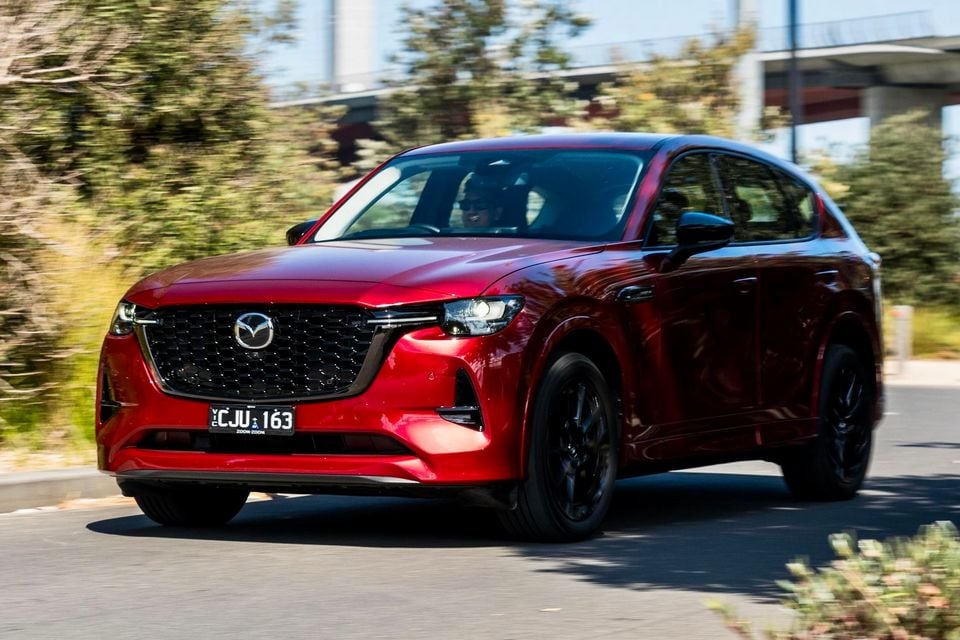
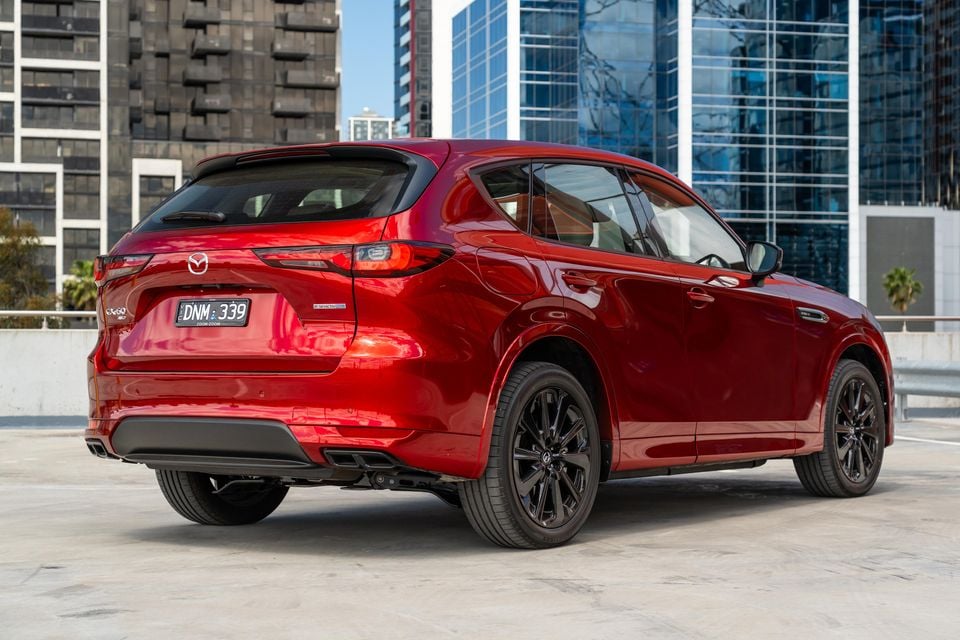
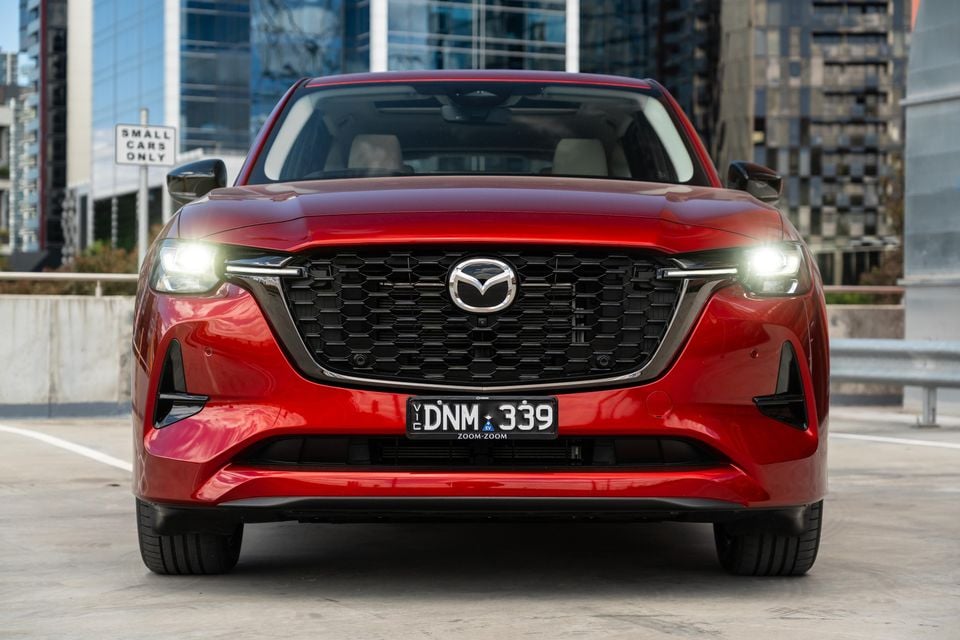
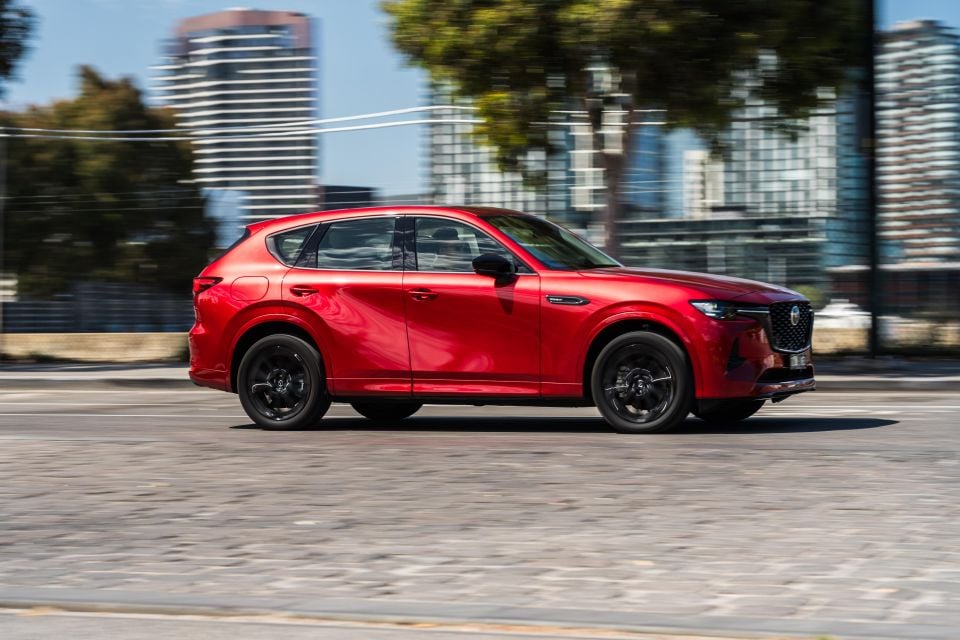
But to see whether it lives up to those luxurious aspirations and how it stacks up as a PHEV SUV, we drove the 2026 Mazda CX-60 P50e GT you see here. It's arguably more relevant than ever, too, because emissions regulations are continuing to tighten.
It's also worth mentioning there have been several updates to the CX-60 in recent years, notably to improve the oft-criticised ride quality. There haven't been any engine updates, though the automatic transmission has been revised, the four-cylinder option has been added, and pricing was recently tweaked.
Does Mazda's first PHEV still stack up three years since its debut?
The GT is the second-highest trim level in the CX-60 range, and the P50e is the most expensive GT version. It's priced at $70,640 before on-road costs. That's $7150 cheaper than it was at the start of 2026.
| Model | Price before on-road costs |
|---|---|
| Mazda CX-60 Pure | |
| 2026 Mazda CX-60 G25 Pure RWD | $45,640 |
| 2026 Mazda CX-60 D50e Pure AWD | $51,640 |
| 2026 Mazda CX-60 G40e Pure AWD | $51,640 |
| 2026 Mazda CX-60 P50e Pure AWD | $56,640 |
| Mazda CX-60 Evolve | |
| 2026 Mazda CX-60 G25 Evolve RWD | $50,640 |
| 2026 Mazda CX-60 D50e Evolve AWD | $56,640 |
| 2026 Mazda CX-60 G40e Evolve AWD | $56,640 |
| 2026 Mazda CX-60 P50e Evolve AWD | $61,640 |
| Mazda CX-60 Touring | |
| 2026 Mazda CX-60 G25 Touring RWD | $53,640 |
| 2026 Mazda CX-60 D50e Touring AWD | $59,640 |
| 2026 Mazda CX-60 G40e Touring AWD | $59,640 |
| 2026 Mazda CX-60 P50e Touring AWD | $64,640 |
| Mazda CX-60 GT | |
| 2026 Mazda CX-60 D50e GT AWD | $65,640 |
| 2026 Mazda CX-60 G40e GT AWD | $65,640 |
| 2026 Mazda CX-60 P50e GT AWD | $70,640 |
| Mazda CX-60 Azami | |
| 2026 Mazda CX-60 G40e Azami AWD | $69,840 |
| 2026 Mazda CX-60 D50e Azami AWD | $69,840 |
| 2026 Mazda CX-60 P50e Azami AWD | $74,840 |
Among the most relevant PHEV SUV rivals are the Mitsubishi Outlander PHEV and Toyota RAV4 PHEV, while there are also the Cupra Terramar VZe and Lexus NX450h+ as more expensive alternatives.
The Outlander PHEV's equivalent to the CX-60 P50e GT is the Exceed, priced at $71,640 before on-roads, and Toyota's alternative is the flagship – noticeably sportier – GR Sport at $66,340 before on-roads.
Stepping up in price brings the single-variant Terramar VZe at $77,990 before on-roads and the entry NX450h+ Luxury at $84,500 before on-roads.
To see how the Mazda CX-60 stacks up against the competition, check out our comparison tool
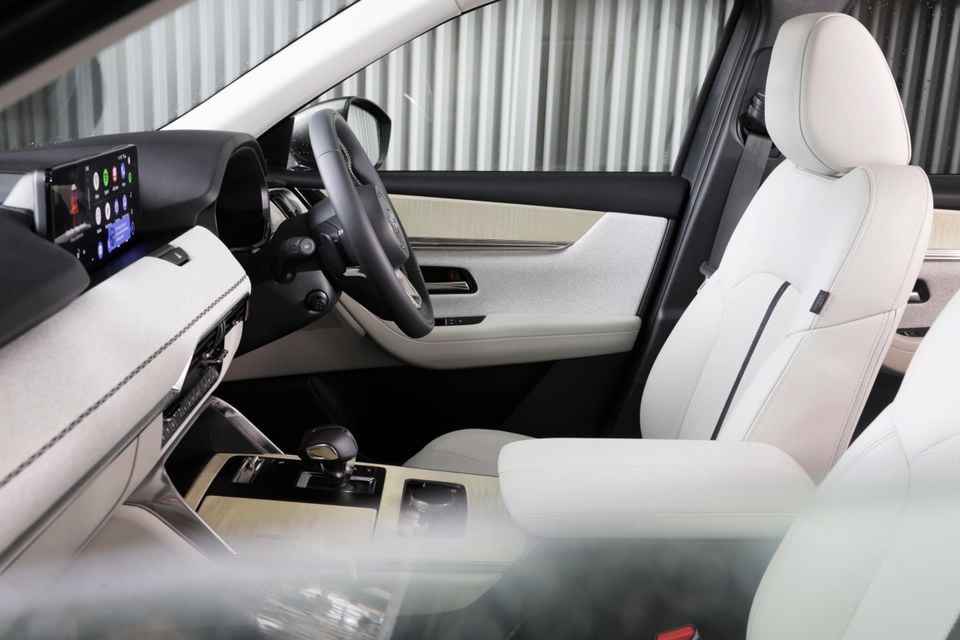
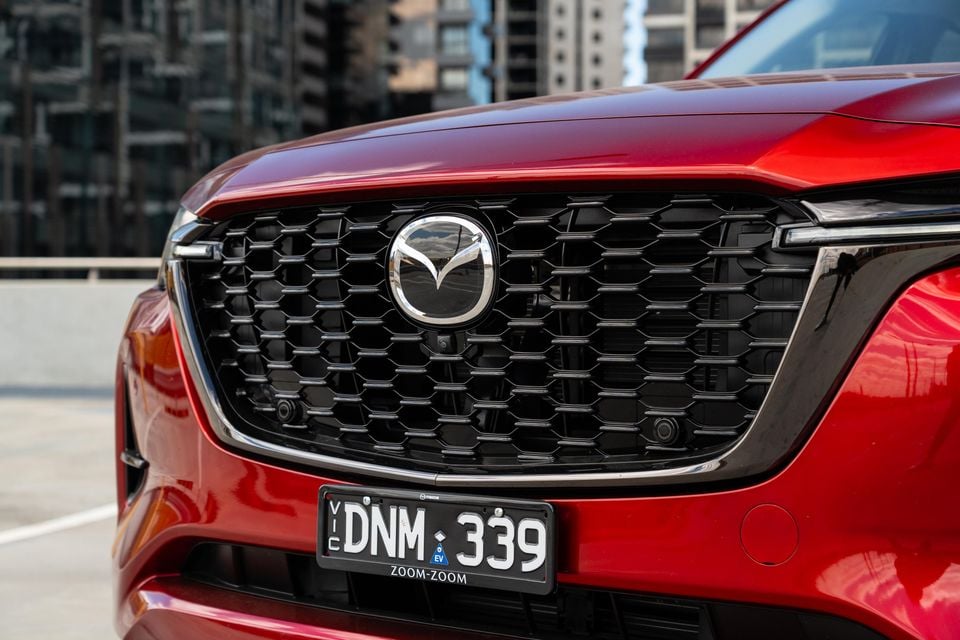
With its premium appointments and nearly full complement of luxurious features, the cabin of the CX-60 GT is a lovely place to spend time.
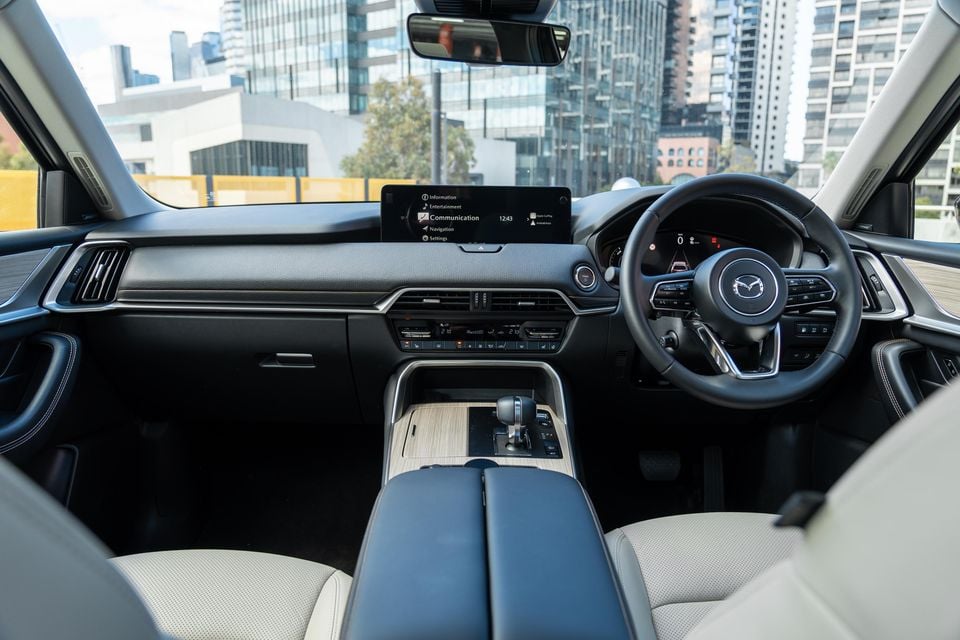
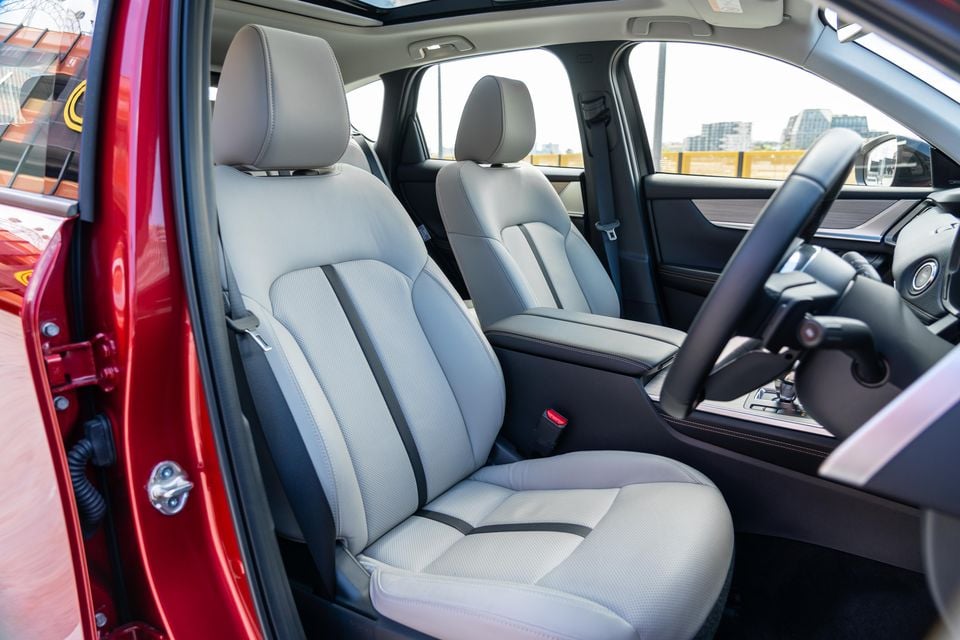
That's elevated by the optional no-cost Revera Stone finish fitted to our tester, adding beige seat upholstery alongside light-coloured wood-grain panelling on the centre console and door cards. This does wonders for the interior's ambience and could almost convince you that you're in an Azami instead.
It isn't quite at the same level as the posh finishes of the Azami's optional packs (which do cost extra), but we actually like the way our tester's light interior works with the normal black surfaces and metallic accents. It's classy and balanced.
Not only that, there's plenty of substance to the CX-60's interior, and changes to Mazda's other vehicles have really accentuated the premium vibe. If you've experienced the downgrade in interior quality between old and new CX-5s, you'll know what we mean.
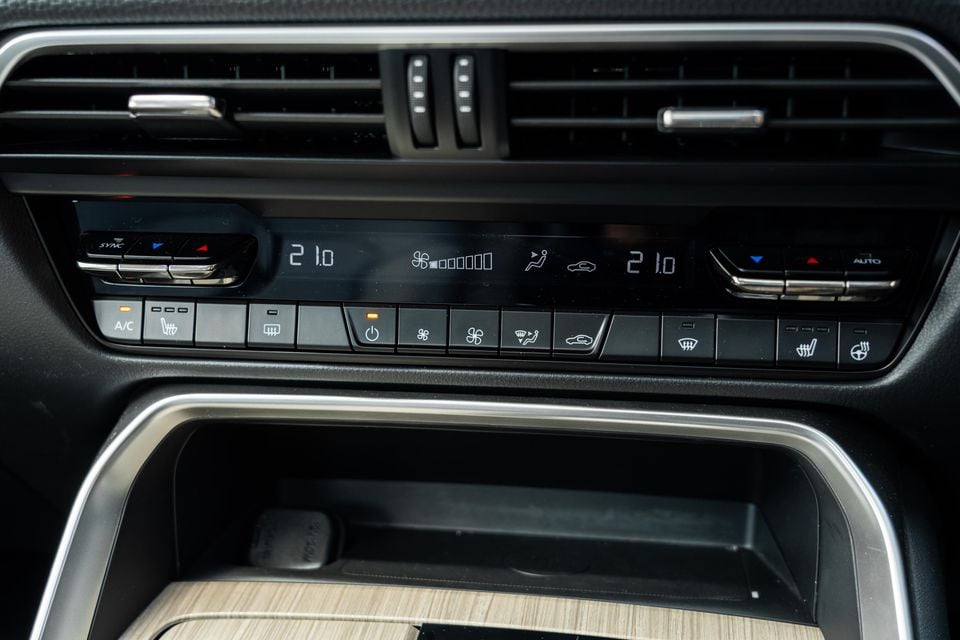
The key reason for that is this cabin's sheer tactility. There are buttons galore, all of which are incredibly robust and elevate the impression of both interior quality and attention to detail.
That's arguably most obvious with the climate control system. Situated low on the dashboard, it's characterised by a huge number of buttons that may seem overwhelming at first but still feel far more natural than any screen-based setup.
Everything here is nice to interact with, and clear labelling makes it easy to figure it all out. The only button blanks are where you'd find seat ventilation in the Azami, which will probably be the most significant spec difference for buyers considering a high-spec CX-60.
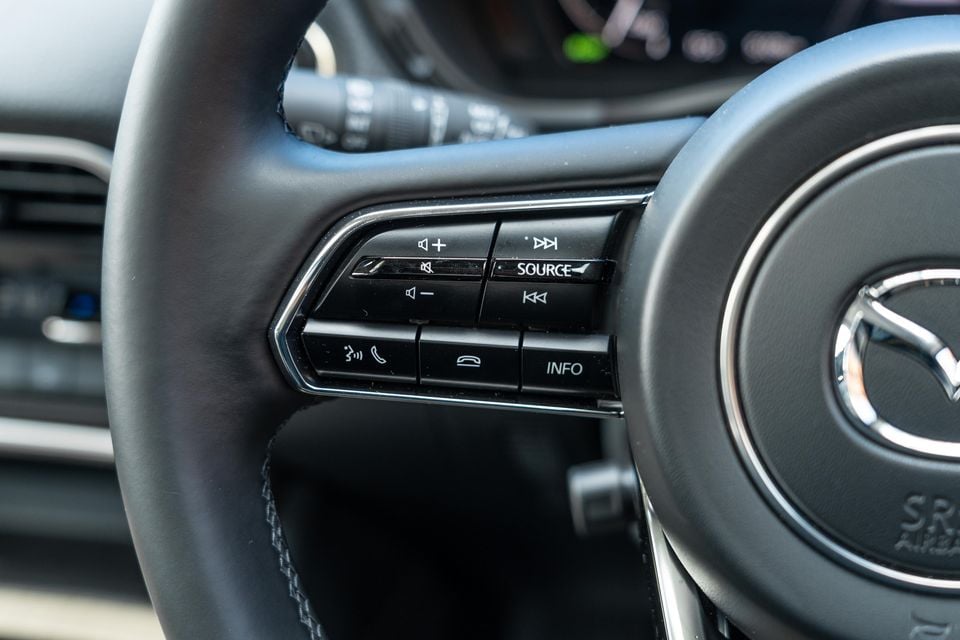
Still, the theme of real buttons continues to the steering wheel. There are no missing features here, and we quite like the way all its buttons and switches look and operate. Again, this is refreshing and so much nicer to use than the oversimplified setup in the new CX-5.
We'll try to avoid further CX-5 comparisons; it's just interesting to think of how different these two SUVs have become despite being from the same brand. Is it at all obvious which one we prefer at this point?
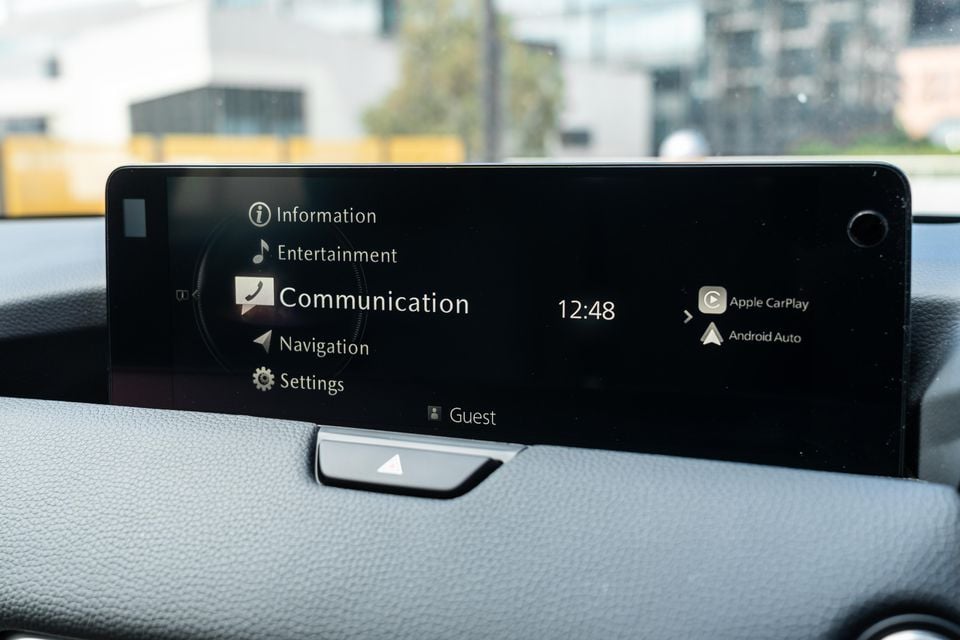
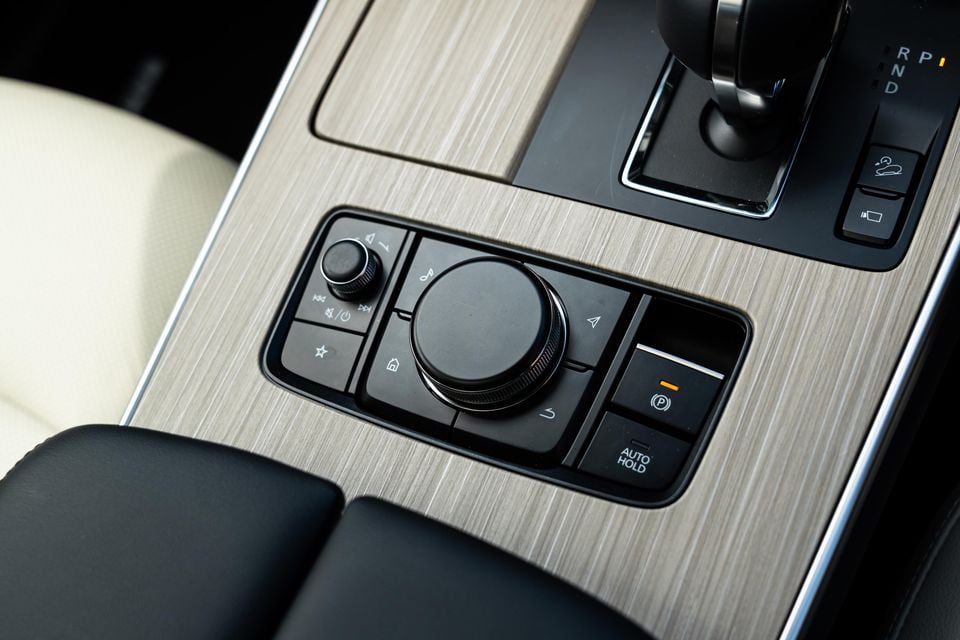
Beyond all that, the CX-60's tech remains solid. It still features Mazda's previous-generation infotainment setup, which you can identify by the slim 12.3-inch display situated high on the dashboard and the large dial (plus accompanying buttons) on the centre console.
The GT is the first CX-60 grade to get this larger screen, but like other variants, touchscreen functionality isn't enabled by default. Mazda instead wants you to navigate the infotainment system using that centre-console dial, which is fine for its native user interface but more cumbersome when in something like Apple CarPlay.
Call me weird, but I've always liked this dial arrangement. I find it far more comfortable to lean on the soft central armrest and fiddle with the dial than to reach forward for the touchscreen, which is likely what Mazda was trying to encourage by placing the screen so high.
Those who still prefer to operate by touch can enable such functionality in the screen's settings, but only for smartphone mirroring. As ever, the screen offers crisp, classy graphics and operates with no notable lag, and it fits nicely with the rest of the CX-60's neatly presented cabin.
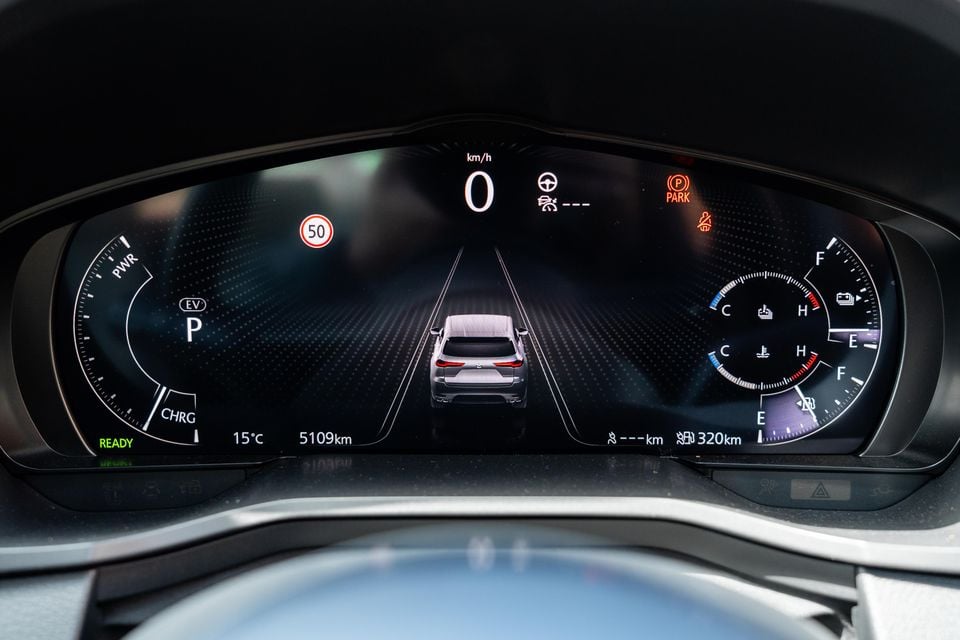
The same is true of the 12.3-inch digital instrument display. To keep it brief: its graphics look fantastic, overall clarity is excellent, it's snappy and lag-free, and there's plenty of information on hand if you dig in.
It also fits elegantly into the non-square housing in front of the steering wheel. This is the proper way to do a digital cluster, and placing it within a housing means it's better shielded from direct sunlight than other iPad-like displays.
Otherwise, the cabin is plenty comfortable. The steering wheel, for instance, is nigh-on perfect in both diameter and thickness, and we like that its thin-ish spokes create a sportier feel. Its smooth leather wrap also feels plush.
The seats, meanwhile, are soft yet supportive, and make for easy hours behind the wheel – there are no real complaints here. The inclusion of powered adjustment for both the seats and the tiller makes it easy to get into a good driving position, though some will still want seat ventilation alongside the included heating.
Rounding off the front of the cabin is a strong selection of storage options. Next to the stout gear selector is a pair of lidded cupholders; in front is a wireless phone charger, while the split-opening centre console box houses USB ports. You also get a decent glovebox and door-card storage bins.
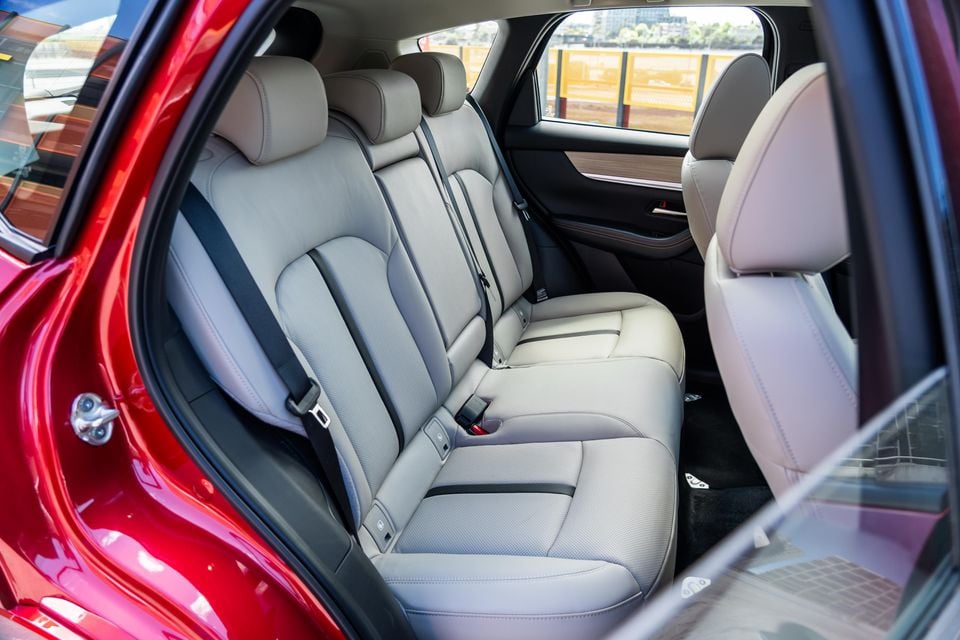
Space in the second row is strong, though perhaps not quite as spacious as an Outlander PHEV. You're still unlikely to feel cramped in the back of the CX-60, and at 173cm tall, I could comfortably sit behind my own driving position. Headroom should be workable for the more vertically gifted, too.
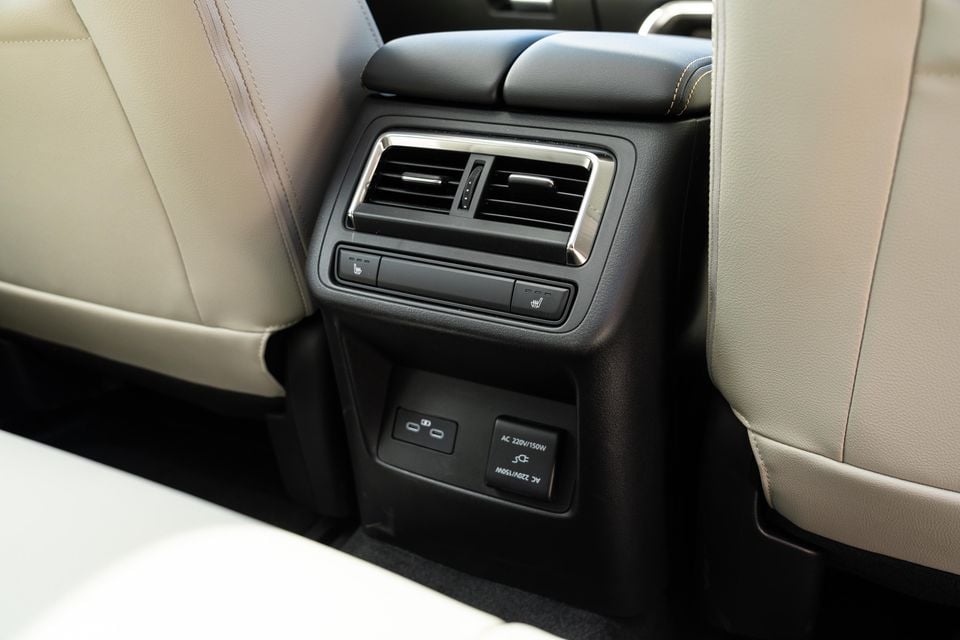
The airy vibe is helped by both the light upholstery and large sunroof above, and it's good to see that wood panelling applied to the rear door cards as well. Rear air vents are also included, albeit without a third climate zone.
Fortunately, the CX-60 GT still gets seat heating for the outboard positions. Otherwise, the rear seat itself is comfortable, and passengers can make use of cupholders in the fold-down armrest along with the USB-C ports and power outlet on the back of the centre console.
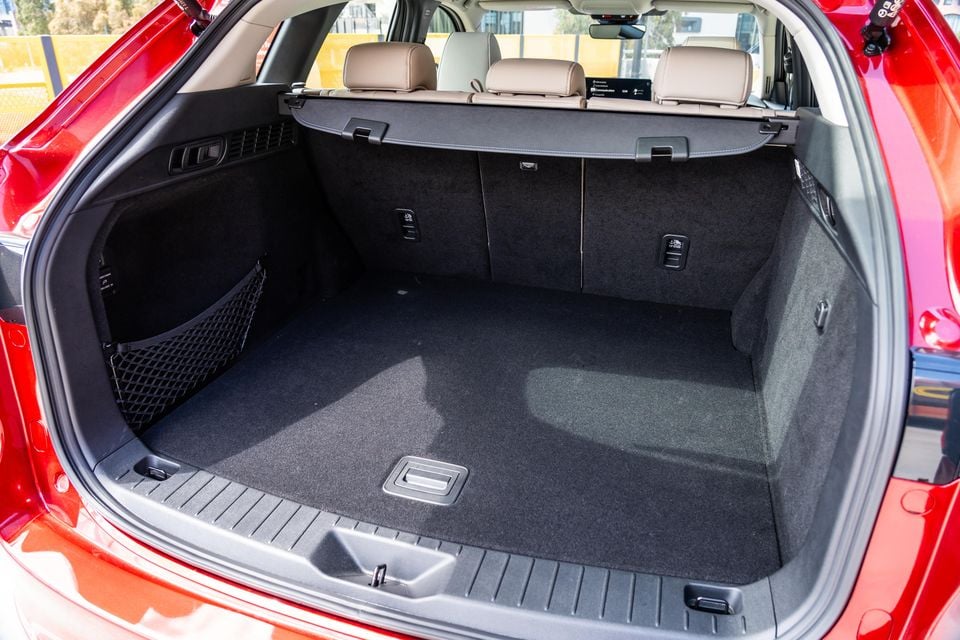
Out back is a 570-litre boot, which is almost 100L up on the Outlander PHEV's. Mazda has done well to offer a very practical cargo hold in the CX-60, as it's almost perfectly square with no real interruption from wheel arches or the like.
The floor is also completely flat from the boot opening inwards, and the floor sits at a good height to lift and slide things in. A small netted area on the passenger side also caters for smaller items.
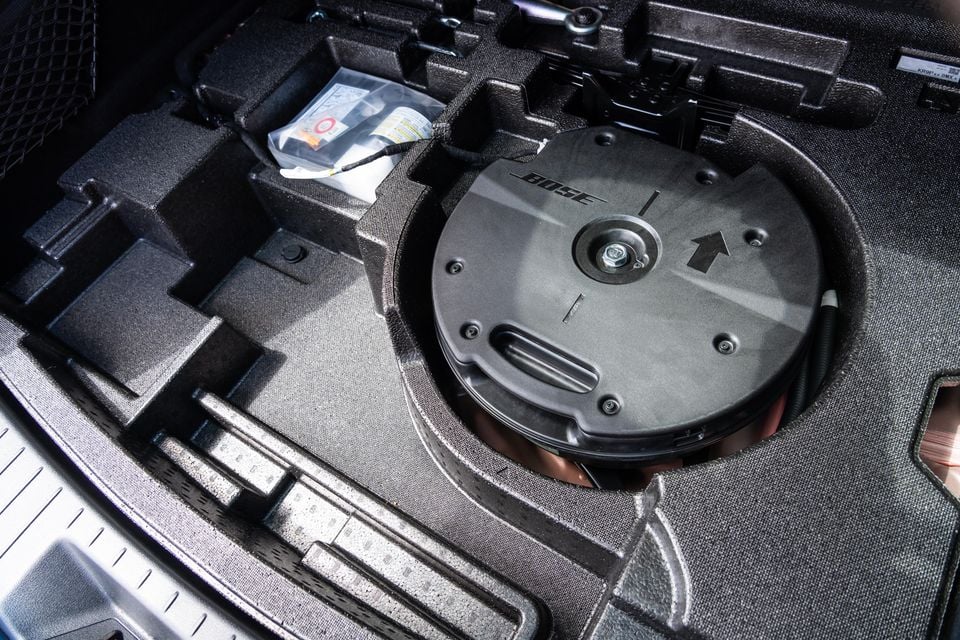
Being a high-spec model, the GT gets a power tailgate, but also being a PHEV, it lacks a spare wheel. Under the boot floor is just a tiny bit of extra space, with most of the room taken up by a Bose-branded subwoofer.
On that note, the sound system is the cabin's cherry on top. It's unbelievably crisp, and with great performance across the frequency range at all volumes, it's difficult to ask for much more – especially at this price.
| Dimensions | Mazda CX-60 P50e GT |
|---|---|
| Length | 4740mm |
| Width | 1890mm |
| Height | 1680mm |
| Wheelbase | 2870mm |
| Cargo capacity | 570L (rear seats up) 1726L (rear seats folded) |
To see how the Mazda CX-60 stacks up against the competition, check out our comparison tool
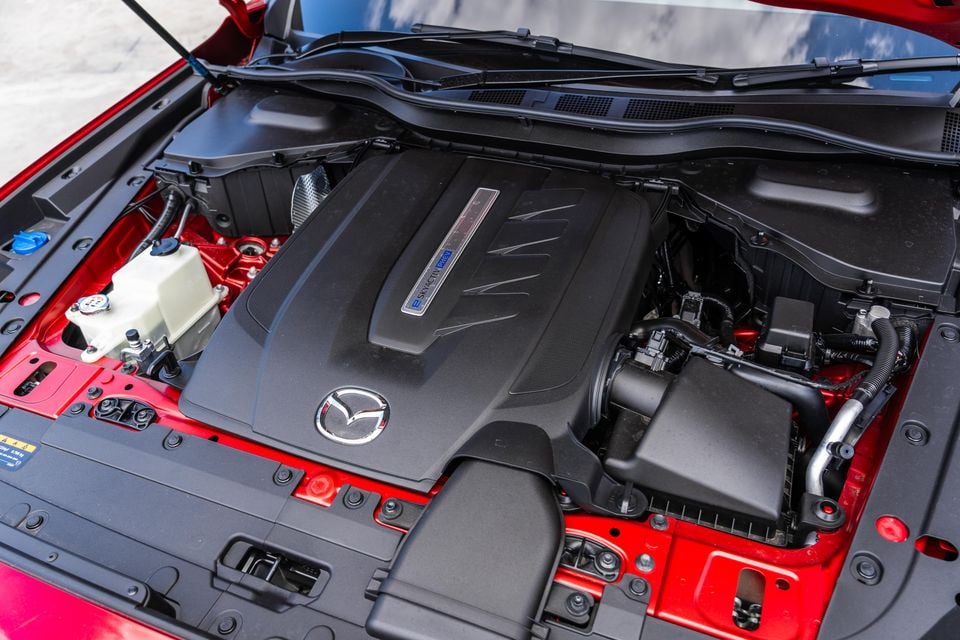
Powering the CX-60 P50e is a PHEV system comprising a 2.5-litre non-turbo four-cylinder petrol engine and a single electric motor. Drive is sent to all four wheels through an eight-speed automatic transmission, with electric energy sourced from a 17.8kWh lithium-ion battery.
| Specifications | Mazda CX-60 P50e GT |
|---|---|
| Engine | 2.5L non-turbo 4cyl PHEV |
| Engine outputs | 141kW / 261Nm |
| Electric motor outputs | 100kW / 250Nm |
| System outputs | 241kW / 500Nm |
| Battery | 17.8kWh li-ion |
| Transmission | 8-speed auto |
| Drive type | All-wheel drive |
| Kerb weight | 2220kg |
| 0-100km/h (claimed) | 5.8 seconds |
| Fuel economy (claimed) | 2.1L/100km |
| Fuel economy (as tested) | 6.4L/100km |
| Electric driving range (NEDC) | 76km |
| Energy consumption (claimed) | 14.8kWh/100km |
| Energy consumption (as tested) | 22.1kWh/100km |
| Fuel tank capacity | 50L |
| Fuel requirement | 95-octane premium unleaded |
| CO2 emissions | 49g/km |
| Emissions standard | Euro 5 |
| Braked tow capacity | 2500kg |
| Max. AC charge rate | 7.2kW |
For context, the P50e is claimed to be the most efficient CX-60 powertrain. The diesel-six D50e consumes a claimed 5.0L/100km, the petrol-six G40e does 7.4L/100km, and the petrol-four G25 does 7.5L/100km.
The CX-60 P50e on test here is less efficient in the real world than an Outlander PHEV we recently reviewed, which recorded a fuel economy of 5.2L/100km and an energy consumption of 20.0kWh/100km.
To see how the Mazda CX-60 stacks up against the competition, check out our comparison tool
The CX-60 continues to be a mixed bag.
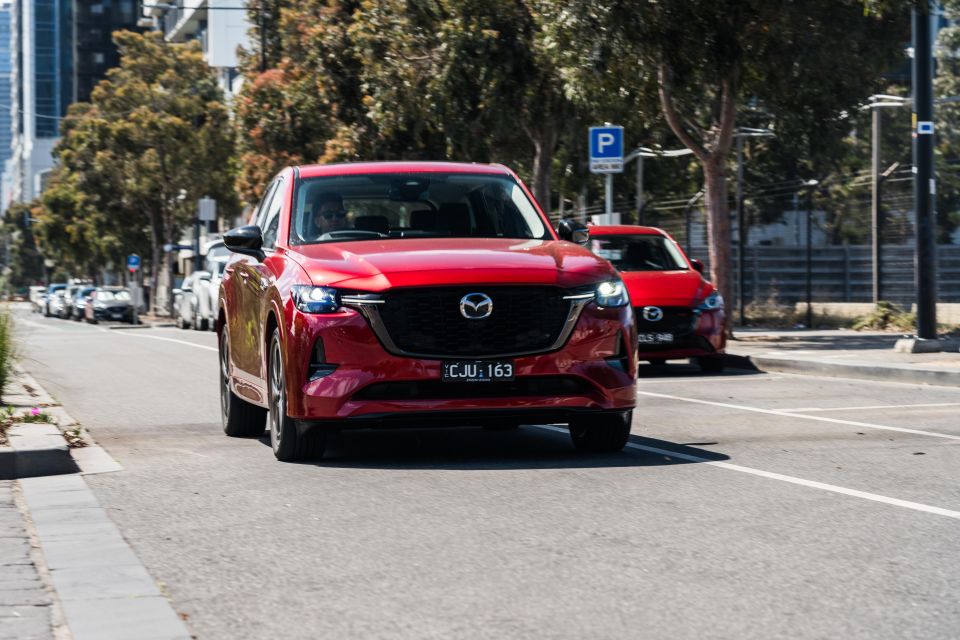
On the one hand, the luxury of the interior carries through to an initially premium-feeling driving experience. Refinement across the board is quite good, even if road noise seems a tad louder on the rubber of the GT than in other variants.
The steering is also weighted appropriately for a vehicle of this stature. That means it's on the heavier side, which again makes the car feel substantial rather than flimsy, and there's a vaguely European quality to its high-speed stability. The latter is true across the CX-60 range.
On the other hand, the CX-60 still exhibits many of the flaws that hampered it at launch. Of course, they have been drastically improved thanks to a series of updates, but there's always work to be done.
The main one is overall ride quality, which may actually be worse in P50e models. That's because each powertrain has a slightly different suspension tune; the petrol-six is slightly more nimble than the more tank-like diesel-six, while the PHEV comes across a tad 'messier' in general.
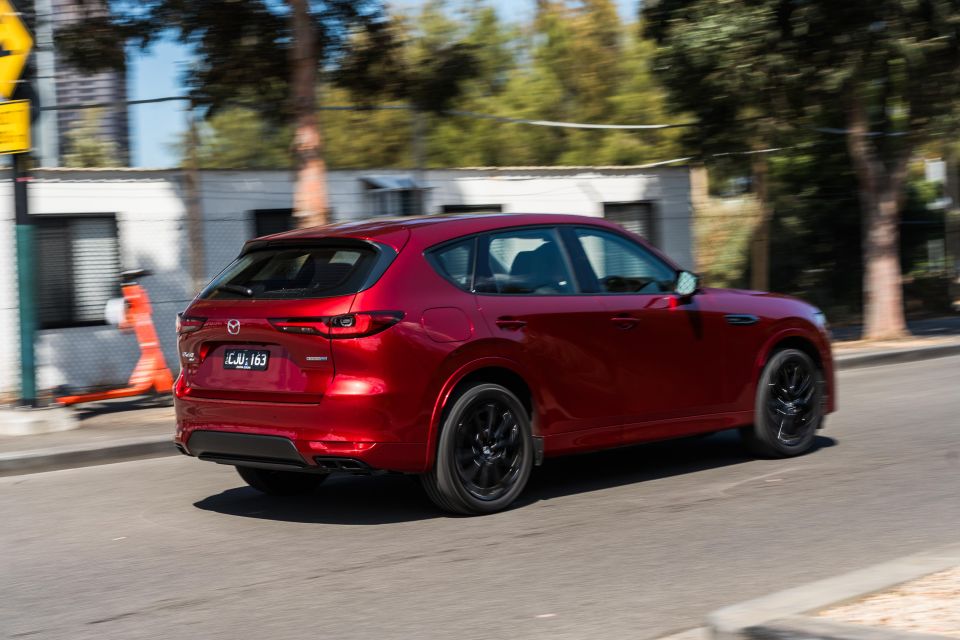
As a result, this P50e doesn't have quite the same finesse in its body control as its siblings. Keep in mind that all of them are vastly more compliant now than they were a few years ago, but we suspect the added weight of a PHEV battery pack has a lot to answer for here.
It doesn't seem to enjoy smaller imperfections like aggressive speed bumps, while large, sudden hits will send a real shock through the cabin. It still feels planted on the freeway and displays decent composure in the bends, but this does erode the premium façade ever so slightly.
The other thing, which is perhaps more problematic, is that the transmission lacks refinement. This has been a consistent complaint since the eight-speed auto launched in the large CX SUV family, and the addition of a hybrid powertrain hasn't masked it.
It struggles at low speed, where it stumbles and often shifts with an uncomfortable roughness. The reason the electric motor doesn't improve the situation is that the electric drive still goes through the transmission, which gives the weird sensation of gearshifts when the CX-60 is in EV mode.
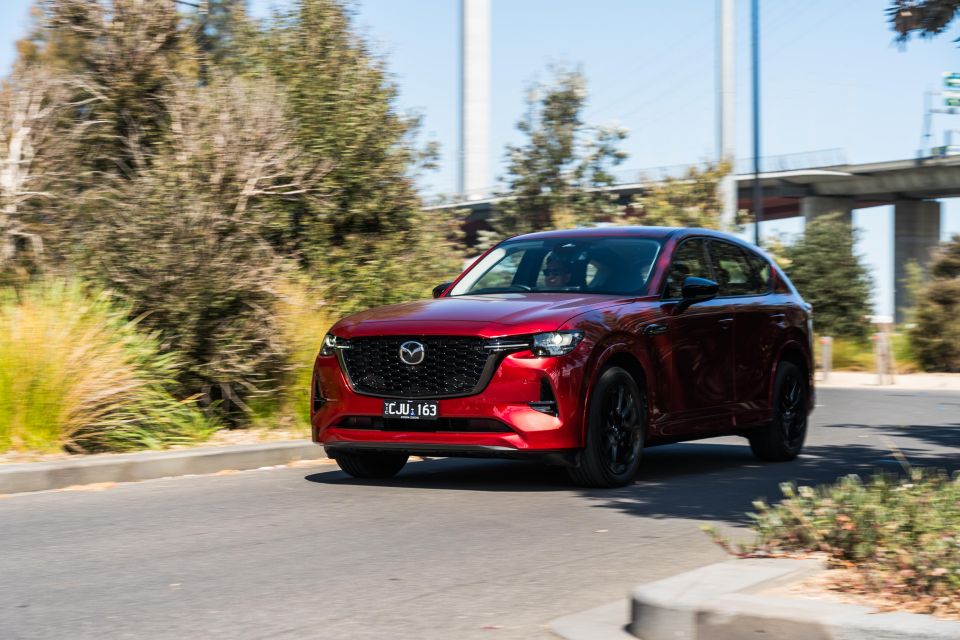
But all that said, there are plenty of positives to the CX-60 P50e's driving experience. While the transmission isn't great at low speeds, it's much more competent at a faster pace, providing snappy shifts when you accelerate while already rolling.
Then comes the all-wheel-drive system. As with every other AWD CX-60, it's a rear-biased setup that offers surprising capability on a bendy road, namely because it has a reduced tendency to understeer compared with an average front-wheel-drive SUV.
Couple that with its short wheelbase compared to its Large Architecture platform mates, and you have an SUV that can be good fun on a B-road. This is what Mazda's 'Zoom-Zoom' character is all about, and it helps to forgive the imperfect ride – most drivers would probably still prefer it was more comfortable overall.
As for the powertrain, we'd consider it the third-best option for the CX-60. That isn't particularly high praise, but it's mostly because the two inline-sixes are just that good – they've long been the key redeeming factor for the CX-60.
If this is the car for you, we’ll compare offers from trusted dealers, handle the back and forth and manage your purchase from enquiry to delivery.
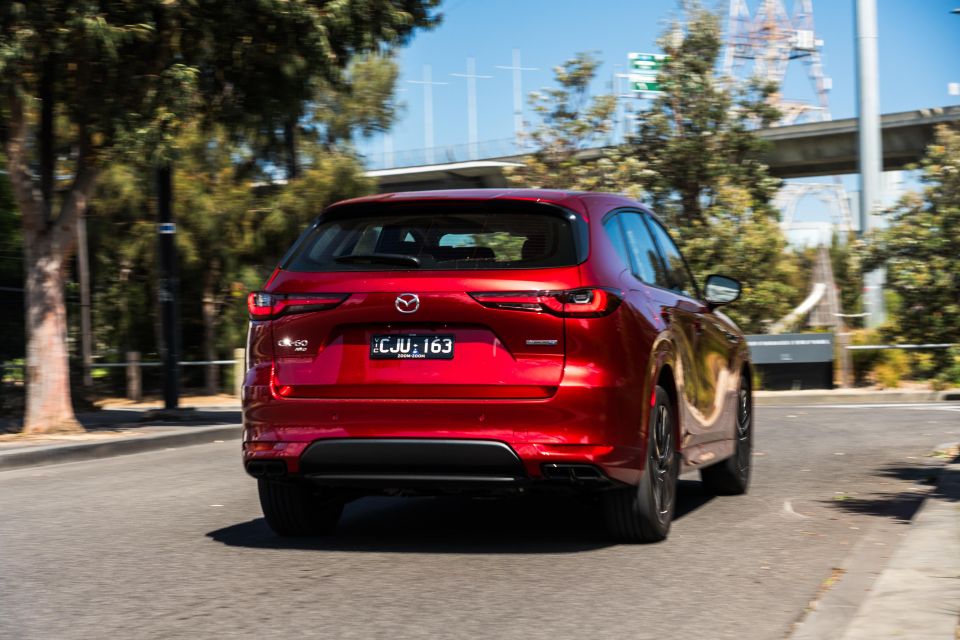
In the PHEV, you may enjoy better straight-line acceleration on account of the instant electric torque – it is the most powerful CX-60 configuration – but it's sorely lacking in both refinement and character. The diesel's meaty sound and the petrol's brassy, European tone are both lost in favour of a high-revving four-pot.
The synthesised engine sound can't fully mask how grating the 2.5-litre can be when it fires up, which is a trait that doesn't suit the CX-60's premium angle. This is common among Mazda four-cylinders, but at least high-RPM cold starts are less common in the P50e.
Charge still feels like it runs out uncomfortably quickly, though. It may just be us, but a full charge seems to evaporate faster than the car's estimated range calculation would suggest – perhaps indicative of our high recorded energy consumption.
We do like being able to lock the CX-60 in electric mode, even if it's quite slow in such circumstances. On that, there are just a handful of drive modes on offer, including 'EV Mode'.
These are selected using the convenient Mi-Drive switch on the centre console. Sport mode is more potent, making the steering heavier and combining the engine and electric motor for peak power, and Off-Road mode adjusts power delivery and traction control as needed. Towing mode is also nice to have, as the P50e can haul 2.5 tonnes.
Otherwise, the CX-60 is a decent enough steer. Nothing technology-related is likely to bug you, and most systems appear to be better calibrated than in some rivals. The Outlander PHEV's overzealous driver attention monitor comes to mind.
The adaptive cruise and lane-centring functions work smoothly and intuitively, as we've come to expect from Mazda, and other items like blind-spot monitoring and lane-keep assist will only pipe up if there's actually an issue.
So while the ride and transmission aren't as good as they ought to be, there's still some merit to this particular CX-60.
To see how the Mazda CX-60 stacks up against the competition, check out our comparison tool
GT is the penultimate trim level for the CX-60 in Australia.
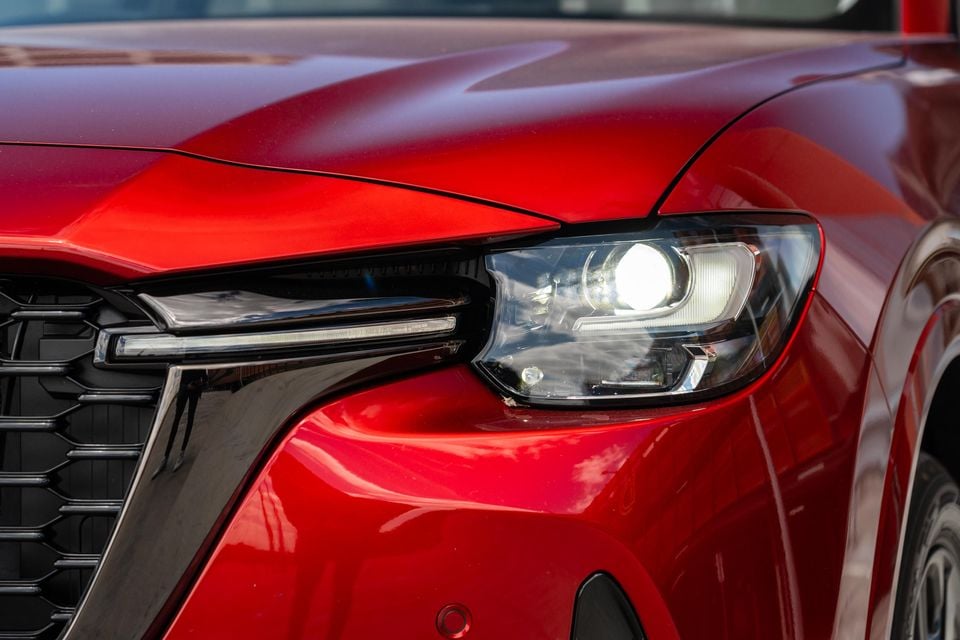
2026 Mazda CX-60 Pure equipment highlights:
CX-60 Evolve adds:
CX-60 Touring adds:
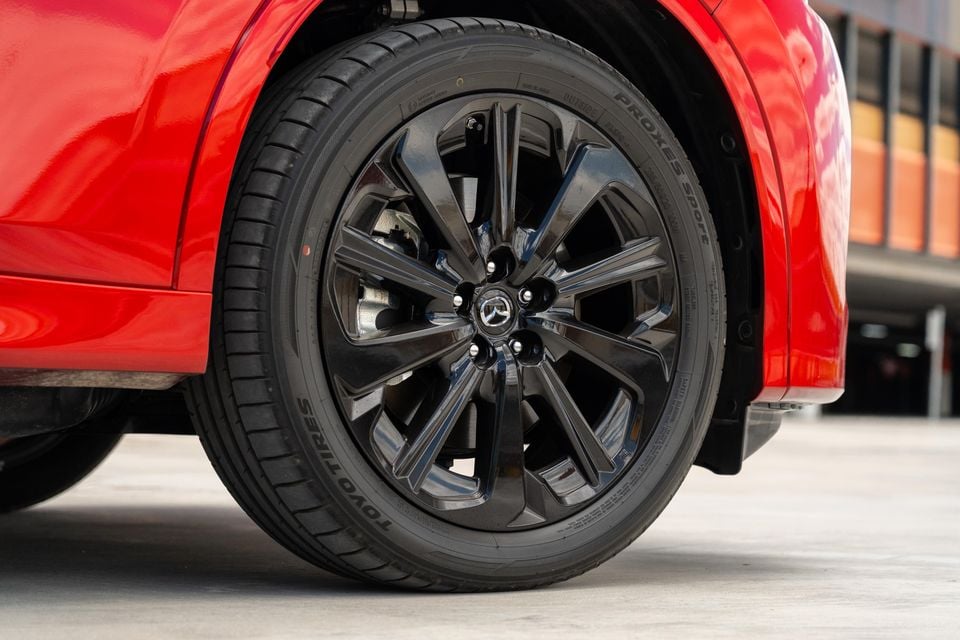
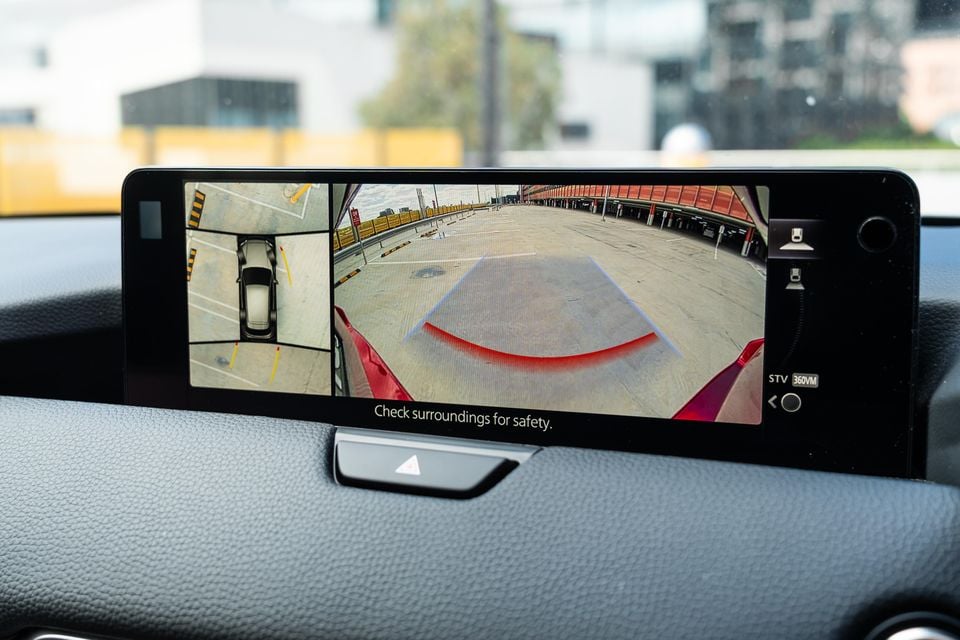
CX-60 GT adds:
CX-60 Azami adds:
Two option packages are available for the CX-60.
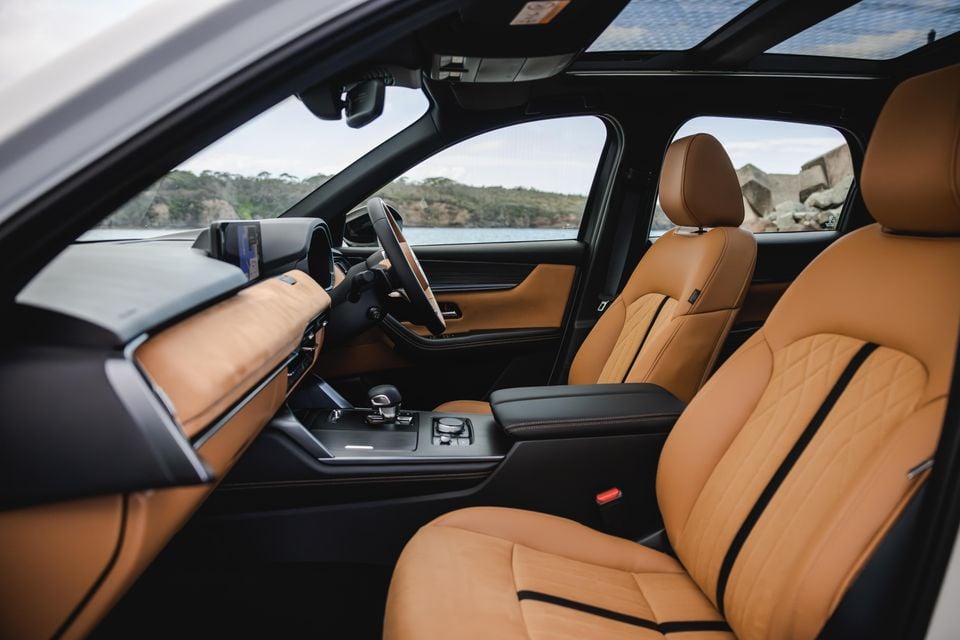
Takumi Package ($2000, Azami only):
SP Package ($2000, Azami only):
To see how the Mazda CX-60 stacks up against the competition, check out our comparison tool
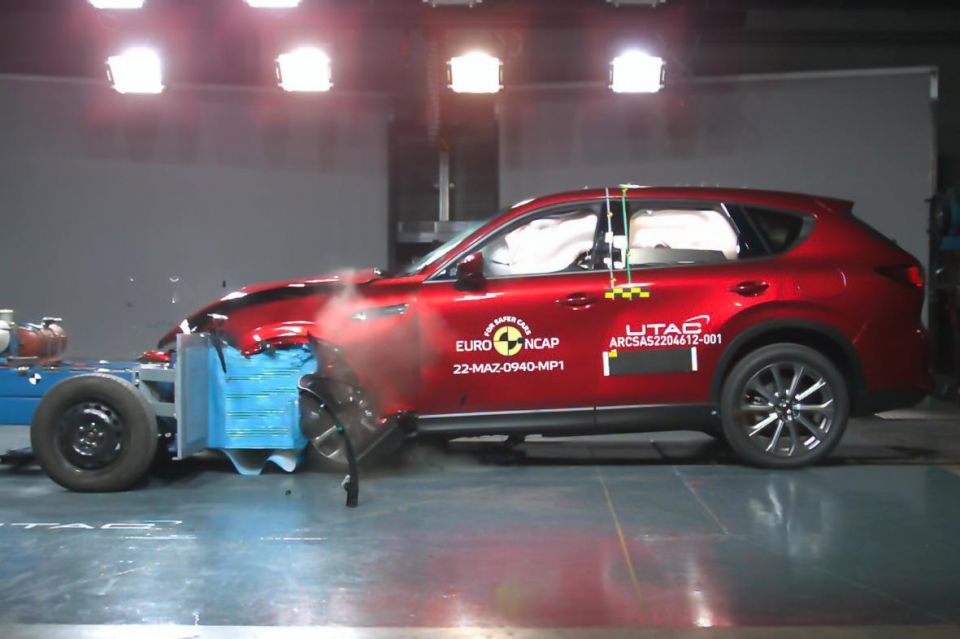
The Mazda CX-60 has a five-star ANCAP safety rating based on testing conducted by Euro NCAP in 2022.
| Category | Mazda CX-60 |
|---|---|
| Adult occupant protection | 91 per cent |
| Child occupant protection | 93 per cent |
| Vulnerable road user protection | 89 per cent |
| Safety assist | 77 per cent |
Standard safety equipment includes:
The Evolve adds a surround-view monitor with see-through view.
To see how the Mazda CX-60 stacks up against the competition, check out our comparison tool
Mazda Australia backs its range with a five-year, unlimited-kilometre warranty, and an eight-year, 160,000km warranty covers its high-voltage EV/PHEV batteries. Servicing for the CX-60 P50e is required every 12 months or 15,000km, whichever comes first.
| Servicing and Warranty | Mazda CX-60 P50e GT |
|---|---|
| Vehicle warranty | 5 years, unlimited kilometres |
| High-voltage battery warranty | 8 years, 160,000km |
| Roadside assistance | 5 years |
| Service intervals | 12 months or 15,000km |
| Capped-price servicing | 7 years |
| Average annual service cost | $578.57 |
| Total capped-price service cost | $4050 |
Individual service costs are detailed below:
| Service | Price |
|---|---|
| 12 months/15,000km | $449 |
| 24 months/30,000km | $670 |
| 36 months/45,000km | $580 |
| 48 months/60,000km | $670 |
| 60 months/75,000km | $449 |
| 72 months/90,000km | $783 |
| 84 months/105,000km | $449 |
That's considerably cheaper than maintenance for the petrol-six G40e, which totals $4677 over the same period and includes an eye-watering $1141 service at 48 months. Over the first five years, the P50e GT will cost $2818.
Five years of servicing for the Outlander PHEV will cost $2053, and the same for the RAV4 PHEV will cost $1625. Cupra, meanwhile, offers a five-year prepaid service plan for the Terramar VZe for $2590.
To see how the Mazda CX-60 stacks up against the competition, check out our comparison tool
The GT remains a sweet spot in the CX-60 lineup, but the P50e powertrain may not be the pick.
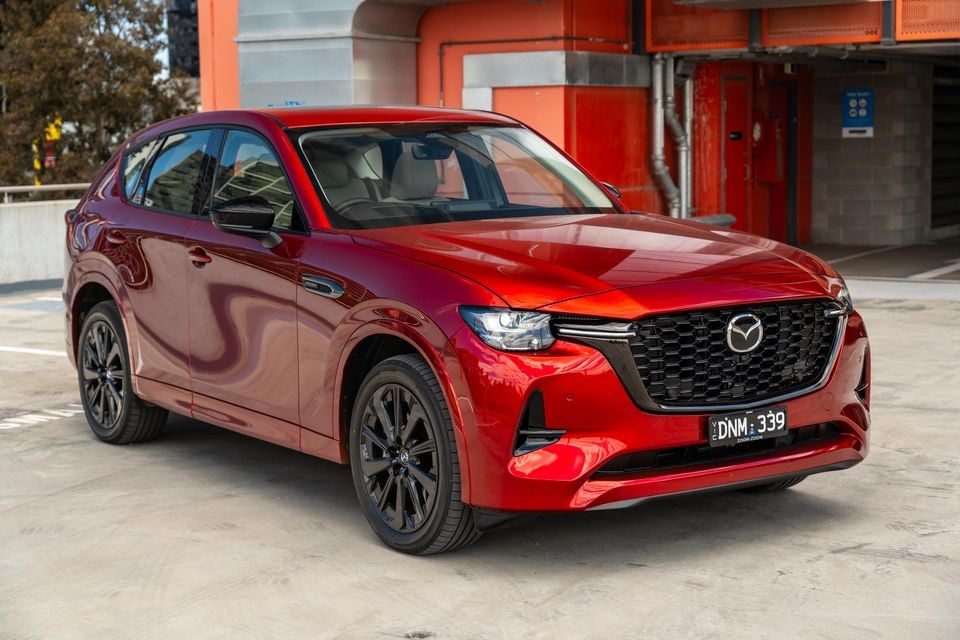
It's simple: the added weight of the PHEV battery pack does the already-compromised ride no favours, and the lack of a meaty six-cylinder makes the imperfect transmission harder to forgive. It may be fairly fuel-efficient, but if that's your main concern, a different SUV may be a better bet.
Powertrains aside, though, this CX-60 is still lovely. The interior of the GT feels genuinely upmarket – as it should, given the price – yet isn't corny or over the top. Its tech looks and functions well, and the light-coloured fittings are very nice. The price reduction for CX-60 PHEVs is also nothing to sneeze at.
I'd argue the CX-60 is more pleasant to spend time in than an Outlander, even a top-spec one. It's just a shame that it isn't quite perfect, especially given it should be the Mazda SUV with the broadest appeal in Australia thanks to its range of trim levels and powertrains.
If you want one, the GT is still luxurious but thousands cheaper than the Azami, and you may as well get a six-cylinder. If you're specifically after a PHEV, it's best to consider the alternatives from rival brands.
CarExpert can save you thousands on a new Mazda CX-60. Click here to get a great deal.
Click the images for the full gallery
If this is the car for you, we’ll compare offers from trusted dealers, handle the back and forth and manage your purchase from enquiry to delivery.
Quickly see how this car stacks up against its competition. Select any benchmark to see more details.
Mazda CX-60
Mazda CX-60 Sales rolling 12-months#
*Based on VFACTS and EVC data
Looking for complete Mazda CX-60 price history?
Our Mazda CX-60 Pricing Page shows exactly how prices have changed over time.
2026
$50,040
2026
$55,290
2026
$58,440
2026
$71,040
2026
$75,450
2026
$77,550
2026
$77,550
Max Davies is a CarExpert journalist with a background in regional media, with a passion for Japanese brands and motorsport.
Add CarExpert as a Preferred Source on Google so your search results prioritise writing by actual experts, not AI.
William Stopford
46 Minutes Ago

Damion Smy
2 Hours Ago
Damion Smy
2 Hours Ago

Tace Clifford
5 Hours Ago
William Stopford
1 Day Ago
Damion Smy
2 Days Ago
Add CarExpert as a Preferred Source on Google so your search results prioritise writing by actual experts, not AI.
# Based on VFACTS and EVC data
† Displayed prices are based on the drive-away price of the vehicle, which includes delivery charges, registration fees, number plates, and applicable road taxes, based on a Sydney location. However, prices may vary between states and territories, and additional costs such as compulsory third party (CTP) insurance, dealer delivery fees, and optional extras are not included. These prices are subject to change without notice and may not reflect current market pricing or dealer offers.
 Automotive Vehicle Spec Data & 4K images Powered by JATO Dynamics Ltd