





Damion Smy
Ram 2500 Warlock brings Hemi V8 back to Australia
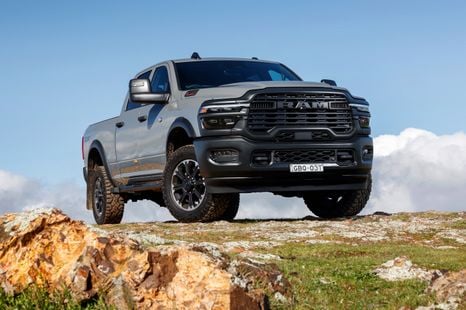
The famous Hemi V8 is returning to Ram’s Australian lineup for the first time in almost two years, under the bonnet of the heavy-duty 2500 Warlock.
8 Hours Ago
The all-new, third-generation Jeep Compass is fully embracing electrification, but only one version will get an all-wheel drive setup.
If this is the car for you, we’ll compare offers from trusted dealers, handle the back and forth and manage your purchase from enquiry to delivery.
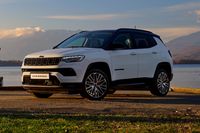
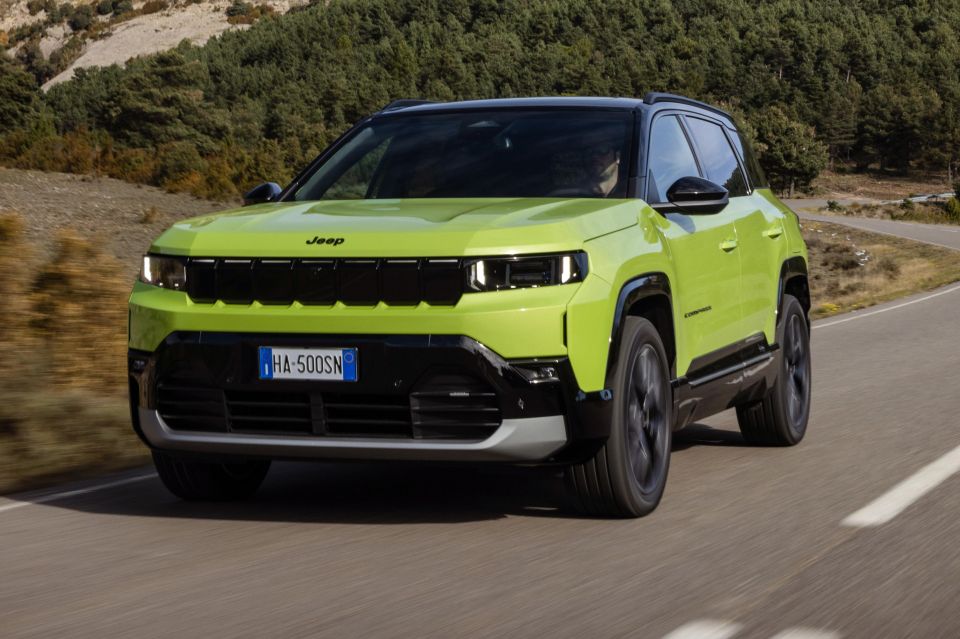
These days, Jeep isn’t quite the popular brand it once was, a fact that isn’t helped by the influx of SUVs from established players and newer entrants to the market. But the storied American off-road marque is hoping it can turn things around, and the new, third-generation Compass small SUV is part of that charge.
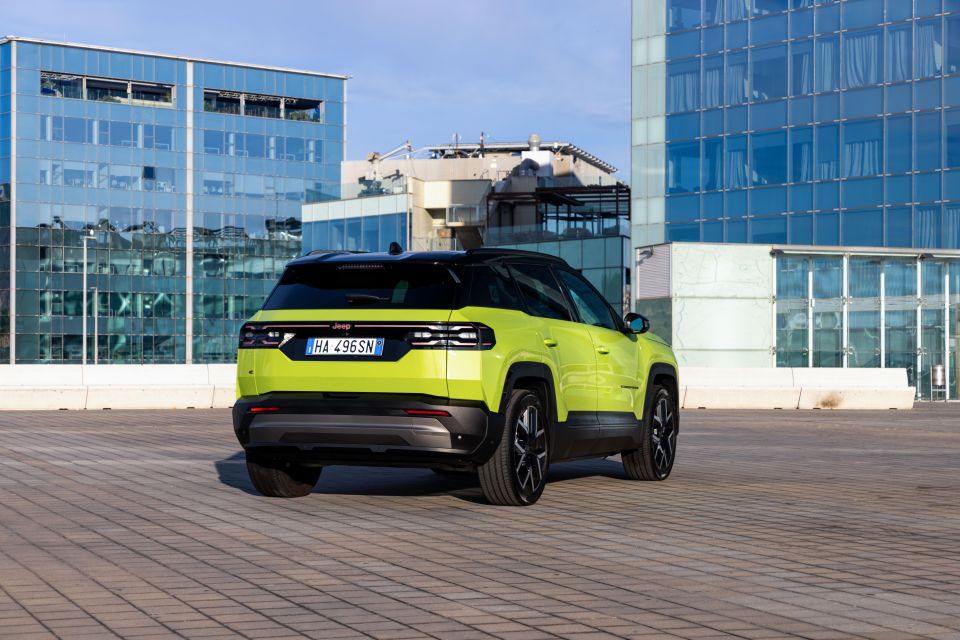
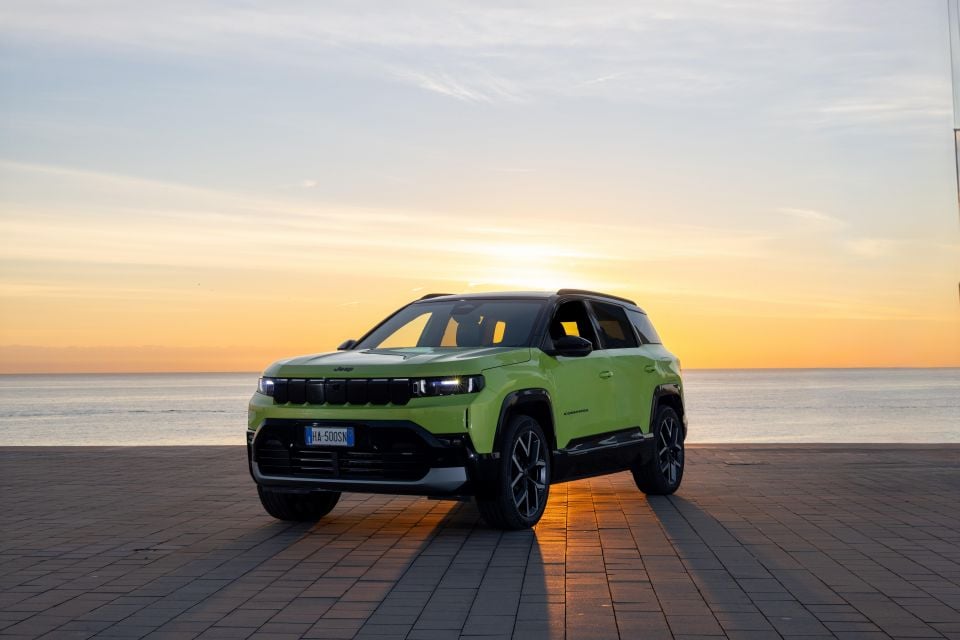
The all-new design not only looks better than its predecessor, but it has also grown to 4.5 metres long and is built on the Stellantis ‘STLA Medium’ platform architecture, which supports partial and full electrification, along with front- and all-wheel drive layouts.
Ahead of the Compass arriving on our shores, we got behind the wheel of both the mild-hybrid and electric variants at its European launch in Barcelona.
The outgoing Jeep Compass has a drive-away price of around $49,000, and while pricing for this new generation has yet to be announced, we’d expect that Jeep will be keen to keep it close to the model it will replace, even though it has grown slightly.
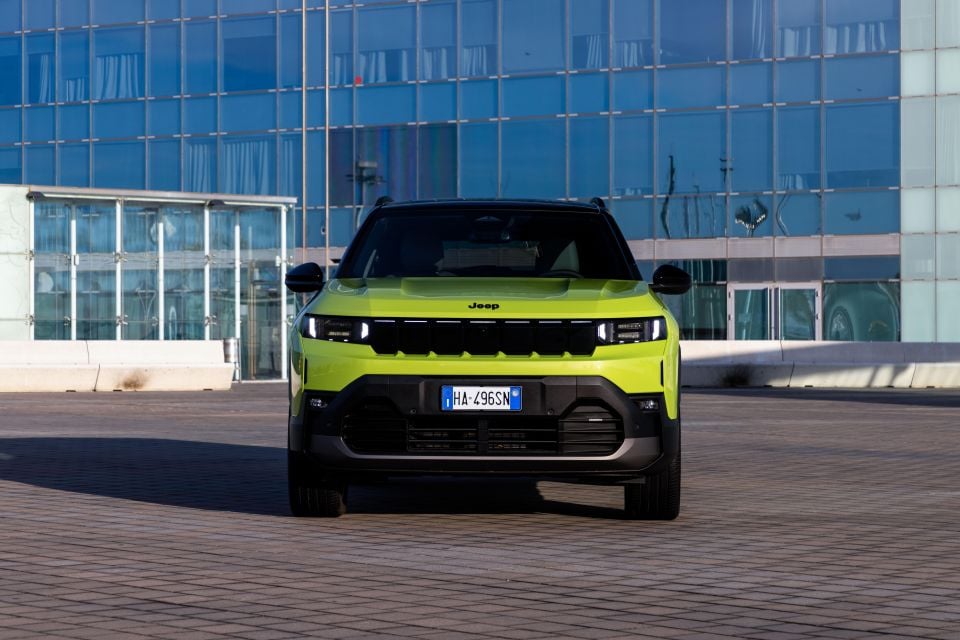
If Australia is to follow the rollout of other markets, that should see the e-Hybrid (MHEV) arriving initially alongside an entry-level electric version.
In time, it is expected that a plug-in hybrid will follow, as will two more electric models, including the dual-motor ‘4xe’ variant.
To see how the Jeep Compass lines up against the competition, check out our comparison tool
The cabin of the Compass is an improvement over its predecessor’s, with the designers not only giving it a more modern and stylish look but also increasing the sense of spaciousness and providing much more storage.
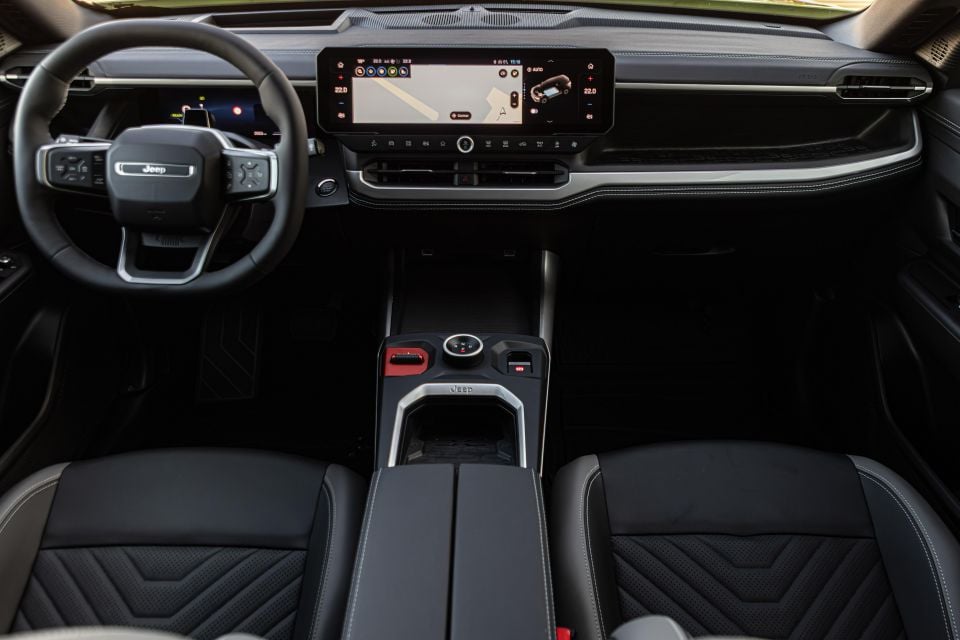
It looks roomier from the moment you open the door to get inside. Part of this can be attributed to the layout of the dashboard, which takes on a more horizontal appearance. It’s not only flatter where it extends to meet the windscreen, but there’s also an open shelf section in front of the front-seat passenger that allows for more storage if needed.
It looks better thought-out and more modern, too, and the materials used throughout feel better to the touch. This is one of the most polished interiors that Jeep has rolled out in recent memory, with more of an emphasis on it being an upmarket on-road SUV than a tough trail machine.
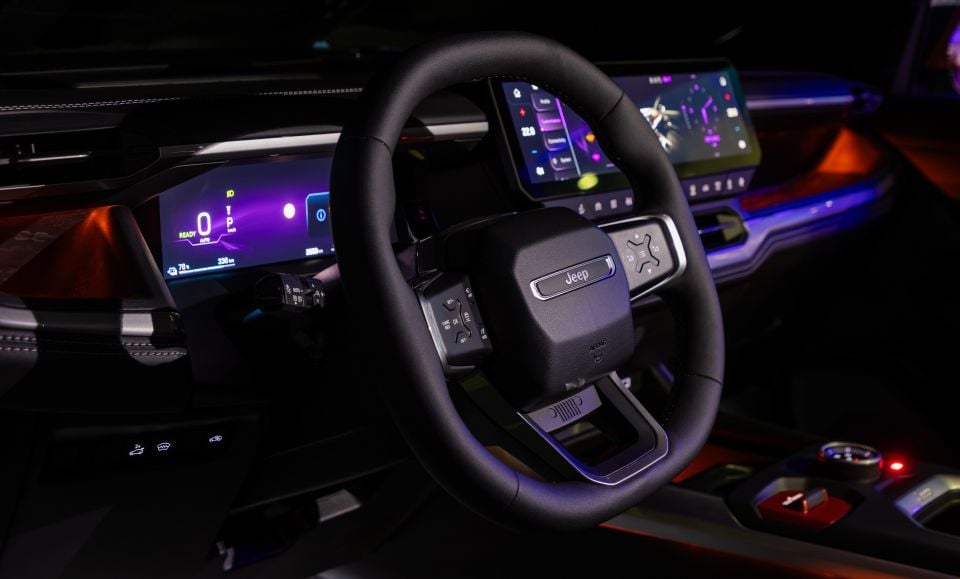
All the latest tech features are present, starting with a 10.25-inch digital instrument display that’s set quite deeply into the dash. It’s wider than it is tall, and behind the squarish steering wheel, you’d think it was much smaller than it is. Still, the graphics are uncomplicated, and the screen is pin-sharp and clear to read.
Optionally, a colour head-up display is available, and this can relay plenty of information, including maps and turn-by-turn navigation, into the driver’s line of sight.
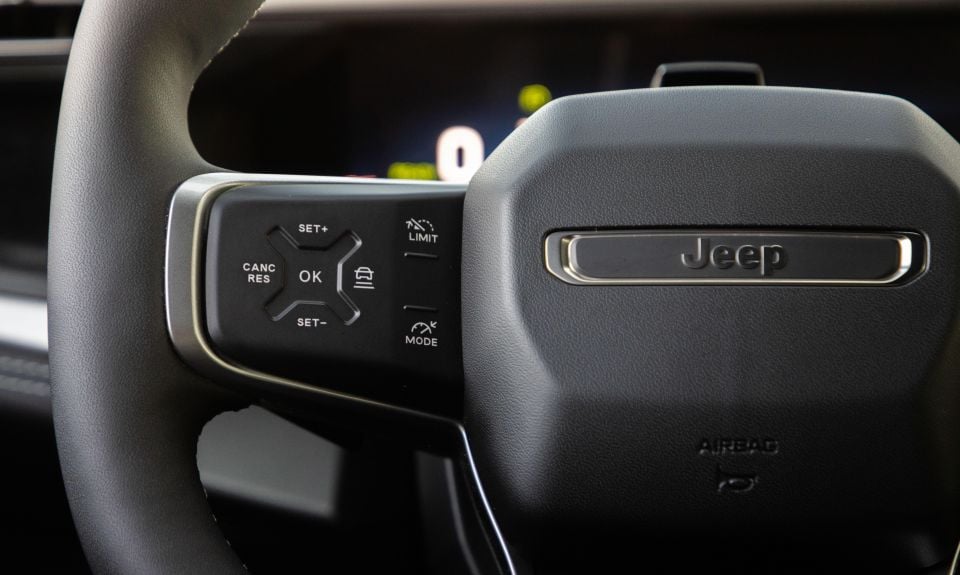
The steering wheel is chunky without feeling oversized in your hands. Multifunction panels on either side have an X-shaped contoured layout with a matte finish, making it easy enough to find your way around the functions by touch alone once you become more familiar with the car.
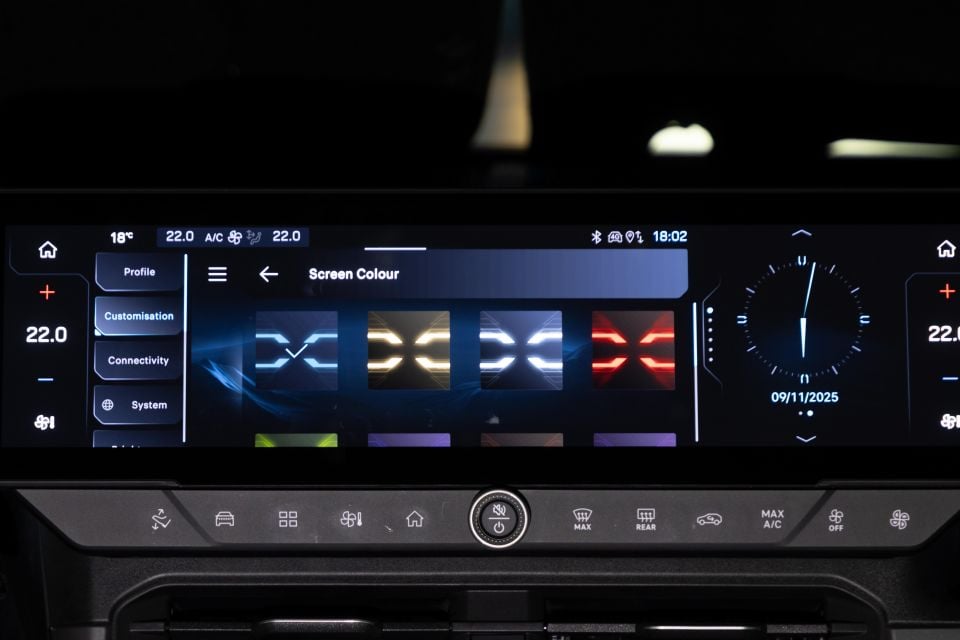
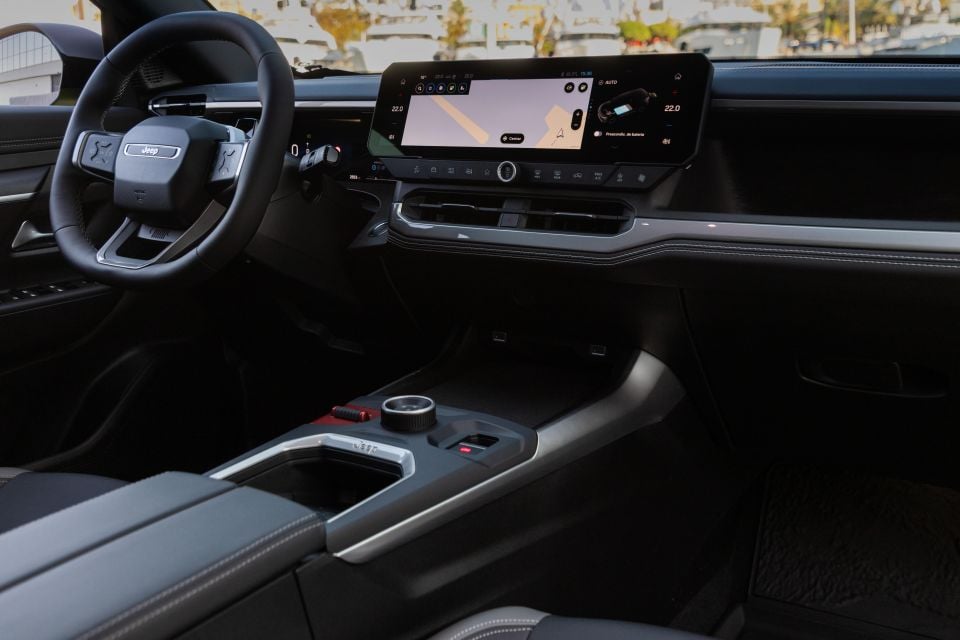
Affixed to the centre of the dashboard is a 16-inch touchscreen. In comparison to other options in the market, this setup looks good and works pretty well. There’s a lot crammed into the native infotainment system, and some of the menus are too many layers deep.
As it’s quite a wide screen, some of the control functions require a bit more of a stretch of the arm compared to other displays. There is the expected wireless Android Auto and Apple CarPlay, so the majority of devices will be compatible for smartphone mirroring.
We like that there’s a proper volume knob just beneath the display, and on either side of that are button panels. These are one-piece sections that have haptic buttons inset to act as shortcuts to various functions, including window clearing, driver-assistance settings, the home screen and one-pedal driving in the case of the electric models.
The centre console is a simple affair with more space now through the replacement of the traditional gear shifter with a much smaller rotary controller. It has a nicely damped feel and is wrapped in a rubberised coating. Next to that, with a red surround, is the ‘Selec-Terrain’ mode selector that switches between the various drive settings.
Forward of this is another storage bin of sorts, deep enough for a wallet, purse or other small oddments. There are two cup holders and a pair of USB-C charging ports as well. A wireless phone charging pad is available (and standard in some models) and is angled downwards with guide buffers on either side to ensure your device is properly positioned. The placement of this charging pad should hopefully make drivers less likely to reach for their phone when behind the wheel.
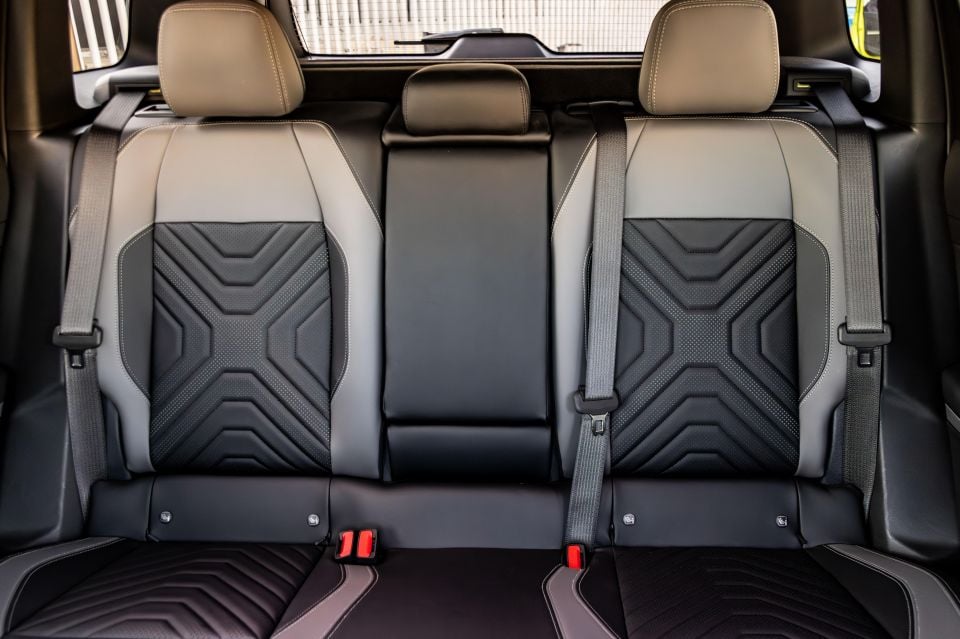
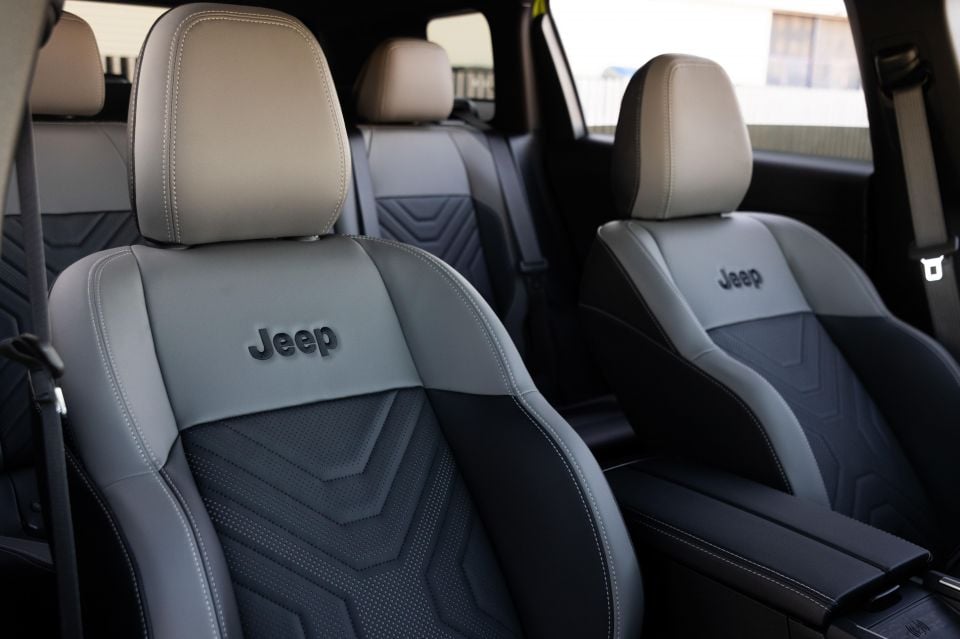
The Compass is fitted with cloth seats and grey stitching as standard, while First Edition models get seats with a cloth-and-vinyl covering with heating, while optional upgrades feature ventilated and massaging functions.
Passengers in the rear also benefit from the Compass’s increase in size. Improved legroom and headroom make it more enjoyable to be seated in the rear. There isn’t a completely flat floor, but it’s not so bad if you are in the middle seat.
Whereas the previous generation Compass had a 424-litre boot, this time around there’s a more useful 550L of space available. The Compass also gets 40:20:40 split-folding rear seats for greater versatility.
| Dimensions | Jeep Compass |
|---|---|
| Length | 4552mm |
| Width | 1928mm |
| Height | 1675mm |
| Wheelbase | 2795mm |
| Cargo capacity | 550L |
To see how the Jeep Compass lines up against the competition, check out our comparison tool
Jeep has created a range of electrified powertrains for the Compass, starting with a 1.2-litre three-cylinder petrol mild-hybrid. This uses a 48-volt MHEV setup to generate a total maximum power output of 108kW.
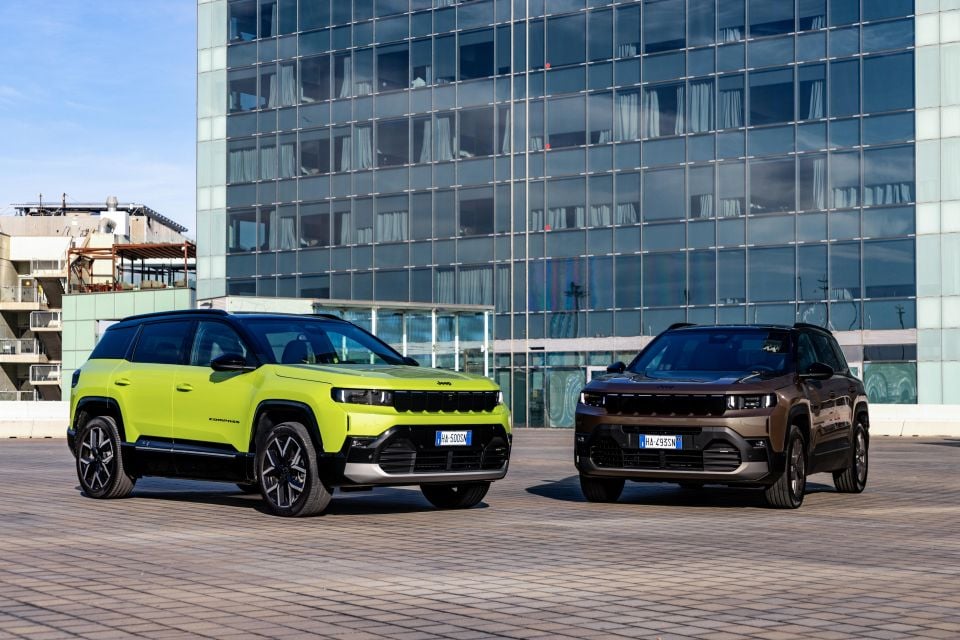
| Specifications | Jeep Compass First Edition BEV |
|---|---|
| Drivetrain | Single-motor electric |
| Battery | 74kWh nickel-manganese-cobalt (NMC) |
| Power | 158kW |
| Torque | 345Nm |
| Drive type | Front-wheel drive |
| Weight | 2198kg |
| 0-100km/h (claimed) | 8.5 seconds |
| Energy consumption (claimed) | 17.4-18.6kWh/100km |
| Claimed range | 500km |
| Max AC charge rate | 11kW (22kW optional) |
| Max DC charge rate | 160kW |
A 145kW plug-in hybrid variant, set to be introduced later, combines a turbocharged 1.6-litre four-cylinder engine with an electric motor and should have more than 100km of electric range if its Stellantis stablemates are anything to go by.
There will be a total of three electric powertrains available, starting with the 158kW front-wheel drive version tested here. This uses a 74kWh battery to provide a WLTP driving range of 500km and is fitted with 11kW AC and 160kW DC charging. It’s possible to upgrade to 22kW AC charging.
Jeep plans to introduce a ‘long-range’ version that will likely use the same 97kWh battery that features in both the Citroen C5 Aircross and Peugeot E-3008. This version will use a 172kW motor that drives the front wheels and will have an official driving range of 650km.
Topping the lineup will be a dual-motor Compass with 280kW, including a 49kW rear motor generating 232Nm, with a 14:1 reducer ensuring ample traction from the rear axle. Despite the extra power, this Compass 4xe will have a 600km range.
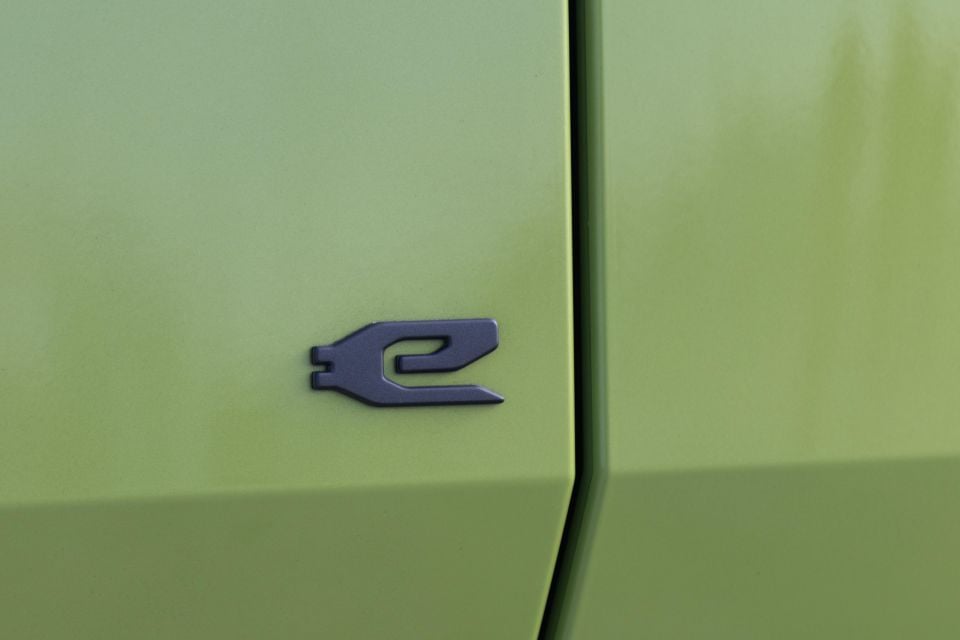
Jeep may be using a little artistic licence with the name of the Compass e-Hybrid as the electrified portion of the powertrain has a more limited scope than some other well-known brands that produce hybrids. The 21kW electric motor and 0.9kWh battery can complete parking manoeuvres and, if you’re careful with your right foot, accelerate the Compass up to around 20km/h without using the 1.2-litre engine.
The 48-volt system means the three-cylinder unit does chime in reasonably smoothly, and it will switch on and off depending on your accelerator inputs, or when coasting it can revert to electric power. You can see this happening as the digital speedo turns from white (signalling engine use) to blue.
That’s fine for slower urban or city driving, but there’s more refinement from the Compass Electric and more punch, too. The entry-level powertrain packs more than enough for most households, and we’ll have to wait a while to try out the 4xe dual-motor variant.
To see how the Jeep Compass lines up against the competition, check out our comparison tool
The Compass is easily the most civilised model that Jeep has produced in years.
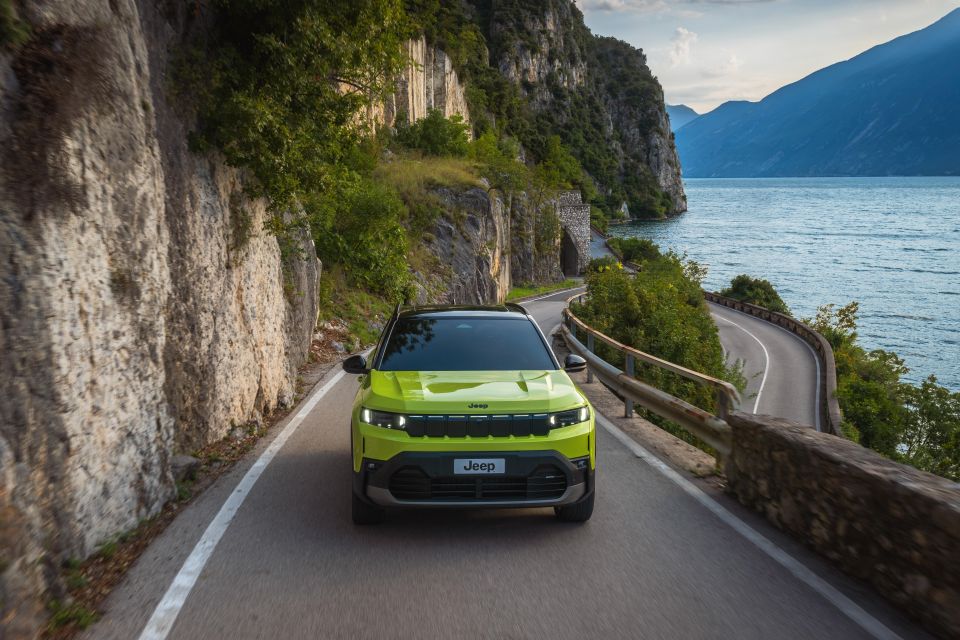
Leaving aside the interior quality, which we found to be much improved, the chassis and suspension setup feel right for such a vehicle. It is on the firmer side, but not to the point of being what we’d call stiff.
A combination of a low centre of gravity in the Compass Electric and larger 20-inch wheels makes the Jeep feel robust. It makes a decent fist of tackling the usual city and urban landscapes, with sharper speed bumps soaked up and little in the way of patter from the suspension on more broken surfaces.
Even though it’s physically larger than its predecessor, it still manages to feel agile in more interesting sections of road with a steering setup that is both quick and direct. It doesn’t telegraph a huge amount back to the driver, but this is no sports car after all.
The one-pedal feel from the electric motor is quite strong, and certainly lives up to the billing, though some drivers might find it strange to notice the brake pedal moving in and out of its own accord as the system works. It can be easily turned off (or on for that matter) by pressing a dedicated button beneath the touchscreen.
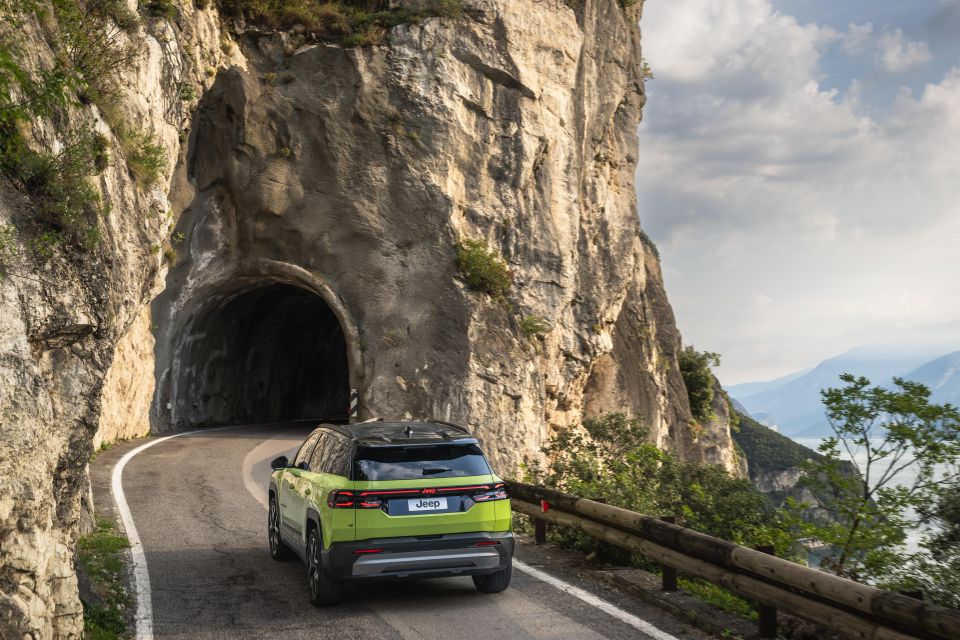
The power delivery is smooth and generally quiet. Jeep doesn’t pump any fake sounds into the cabin to make this sound like the Starship Enterprise, though, without the stereo on, you can hear the electric motor at work. At highway speeds, it remains hushed inside, thanks in part to Jeep fitting glass that’s 11 per cent thicker than on the previous model.
Unsurprisingly, you can feel the 531kg weight difference between the heavier Compass Electric and the 1667kg Compass e-Hybrid, and that does shift how it drives, too. Not only does it shed the bulk of that weight from the floor, but the compact three-cylinder engine doesn’t add much weight to the nose. Our test car was also wearing the smaller 18-inch wheels, which did add some further benefit to its ability to soak up the bumps.
For some, though, the lack of all-wheel drive powertrains from the outset, or perhaps the low towing capability of 1000kg for the Compass Electric and 1150kg for the Compass e-Hybrid, may also be limiting factors.
To see how the Jeep Compass lines up against the competition, check out our comparison tool
A broad selection of Compass variants will be offered, each with differing specifications.
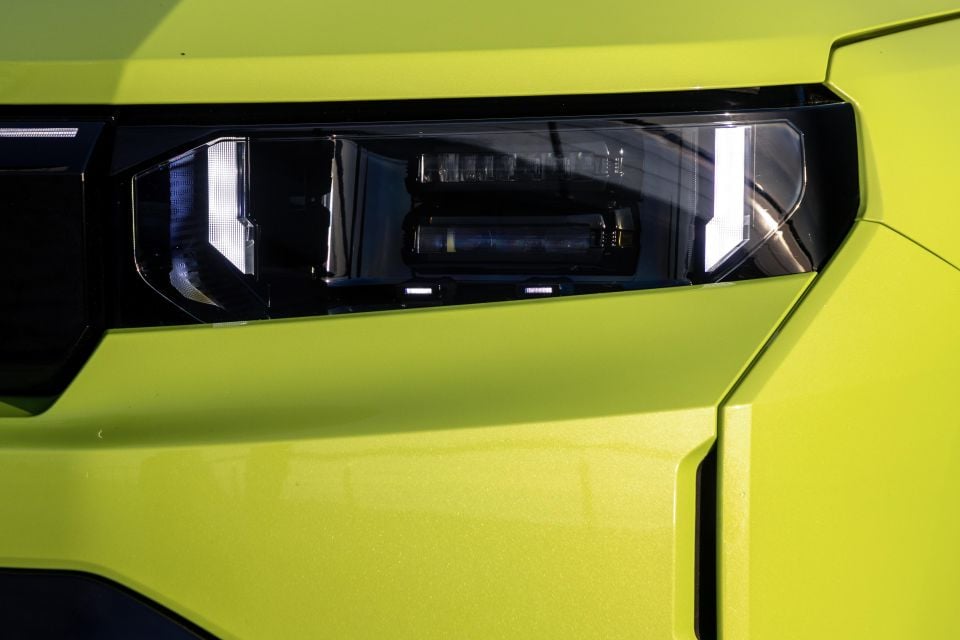
2026 Jeep Compass Electric equipment highlights:
To see how the Jeep Compass lines up against the competition, check out our comparison tool
At the time of writing, the Jeep Compass has not yet been assessed by Euro NCAP or ANCAP, but if we were to look at the Citroen C5 Aircross, which shares the same platform architecture and many of the same driver assistance technologies, it scored a four-star rating from the European body.
The breakdown of the results included an 80 per cent score for adult occupants and 85 per cent for child occupant protection, with 79 per cent for vulnerable road users and a 62 per cent rating for safety assist.
Standard safety equipment includes:
You get all of the usual standard safety equipment in the Jeep Compass, and further features can be added through the Convenience and ADAS Packs. These items include a 360-degree camera, active blind-spot detection, predictive adaptive cruise control that can adjust to upcoming speed limit changes, a head-up display and semi-automated lane changing.
To see how the Jeep Compass lines up against the competition, check out our comparison tool
During our time driving the Compass Electric, it returned an energy consumption figure of 20.5kWh/100km, in comparison to the official 17.4-18.6kWh/100km figures. If you are fully charging the Compass’s 74kWh battery using an average night rate of 20c per kWh, it will cost you just a little under $15.
| Servicing and Warranty | Jeep Compass |
|---|---|
| Warranty | 5 years or 100,000km |
| Roadside assistance | 5 years, then service-activated |
| Service intervals | 12 months |
| Capped-price servicing | TBC |
To see how the Jeep Compass lines up against the competition, check out our comparison tool
The new Jeep Compass marks a significant improvement over its predecessor, not only in terms of design and practicality, but in the way it drives.
If this is the car for you, we’ll compare offers from trusted dealers, handle the back and forth and manage your purchase from enquiry to delivery.
While both the e-Hybrid and Compass Electric models we’ve driven here are much more focused towards on-road driving, the ground clearance and typical Jeep approach and departure angles bode well for when the all-wheel drive version arrives, though many may rue the fact this will only be available with an electric powertrain.
So while it isn’t going to replace a Wrangler, the Compass does now have far more mainstream appeal.
CarExpert can save you thousands on a new Jeep Compass. Click here to get a great deal
Click the images for the full gallery
If this is the car for you, we’ll compare offers from trusted dealers, handle the back and forth and manage your purchase from enquiry to delivery.
Jeep Compass
Jeep Compass Sales rolling 12-months#
*Based on VFACTS and EVC data
Looking for complete Jeep Compass price history?
Our Jeep Compass Pricing Page shows exactly how prices have changed over time.
2022
$43,812
2023
$45,306
2025
$50,534
2022
$50,799
2023
$51,849
2022
$53,949
2022
$58,630
2023
$58,779
2025
$59,984
2023
$63,985
2024
$67,334
2024
$75,734
Add CarExpert as a Preferred Source on Google so your search results prioritise writing by actual experts, not AI.
Damion Smy
8 Hours Ago

Marton Pettendy
9 Hours Ago

William Stopford
9 Hours Ago
William Stopford
13 Hours Ago
William Stopford
17 Hours Ago
William Stopford
17 Hours Ago
Add CarExpert as a Preferred Source on Google so your search results prioritise writing by actual experts, not AI.
# Based on VFACTS and EVC data
† Displayed prices are based on the drive-away price of the vehicle, which includes delivery charges, registration fees, number plates, and applicable road taxes, based on a Sydney location. However, prices may vary between states and territories, and additional costs such as compulsory third party (CTP) insurance, dealer delivery fees, and optional extras are not included. These prices are subject to change without notice and may not reflect current market pricing or dealer offers.
 Automotive Vehicle Spec Data & 4K images Powered by JATO Dynamics Ltd