




Josh Nevett
Skoda Australia has hand up for hybrid Camry rival
The Skoda Octavia could gain hybrid and plug-in hybrid power in Australia, with the brand investigating both options.
15 Days Ago
Josh Nevett drives the BYD Seal 6 Touring from Sydney to Melbourne to see if this plug-in hybrid wagon lives up to its big claims.
If this is the car for you, we’ll compare offers from trusted dealers, handle the back and forth and manage your purchase from enquiry to delivery.
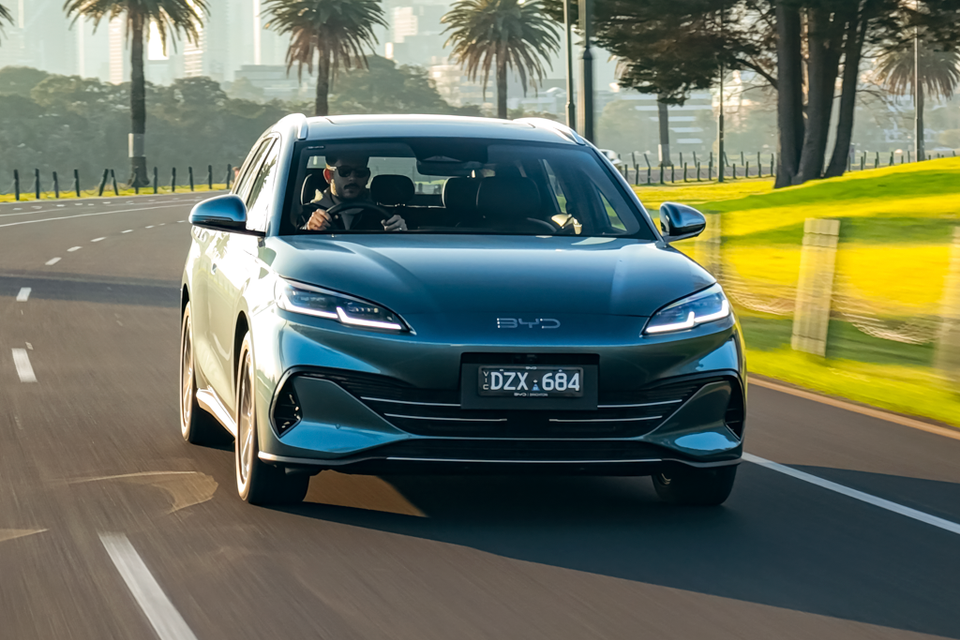
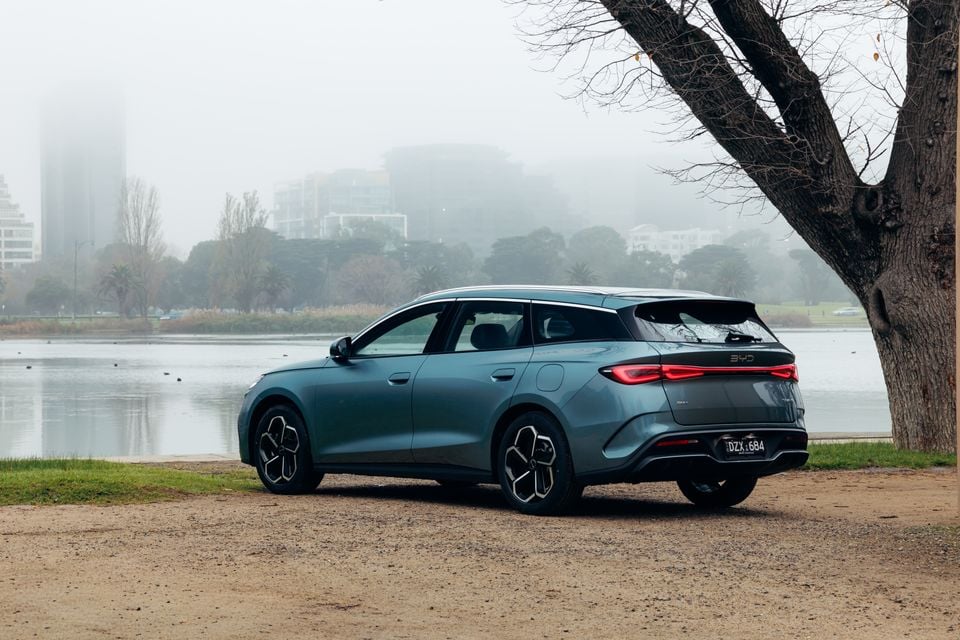
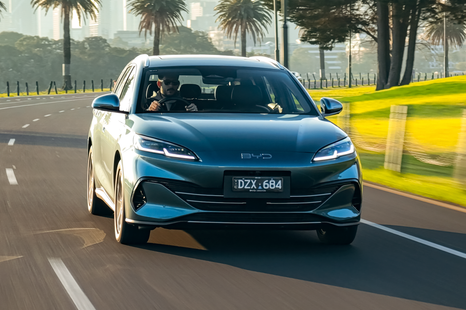
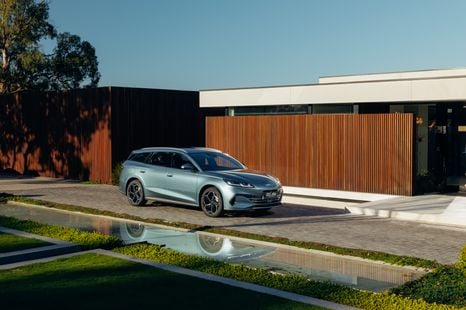
BYD is joining the crusade to #savethewagons with its new Seal 6 Touring.
As with many previous models from the Chinese automotive giant, the Seal 6 leads with value and showroom appeal.
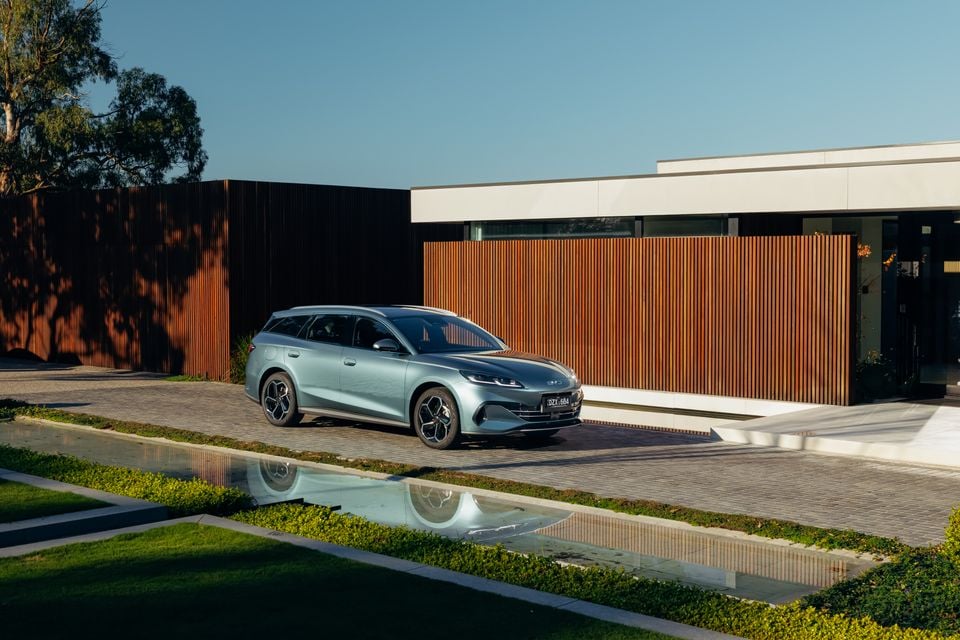
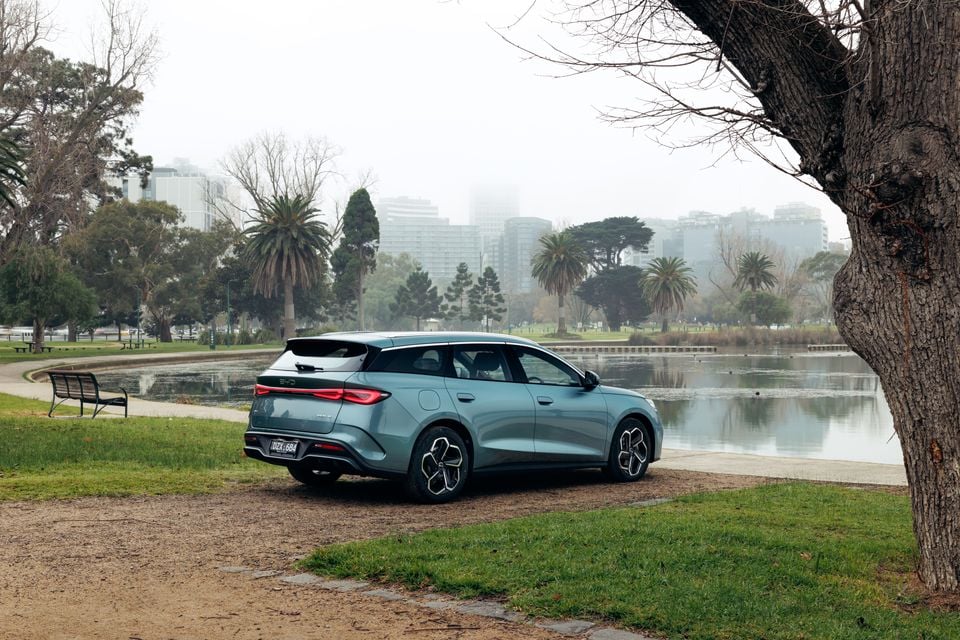
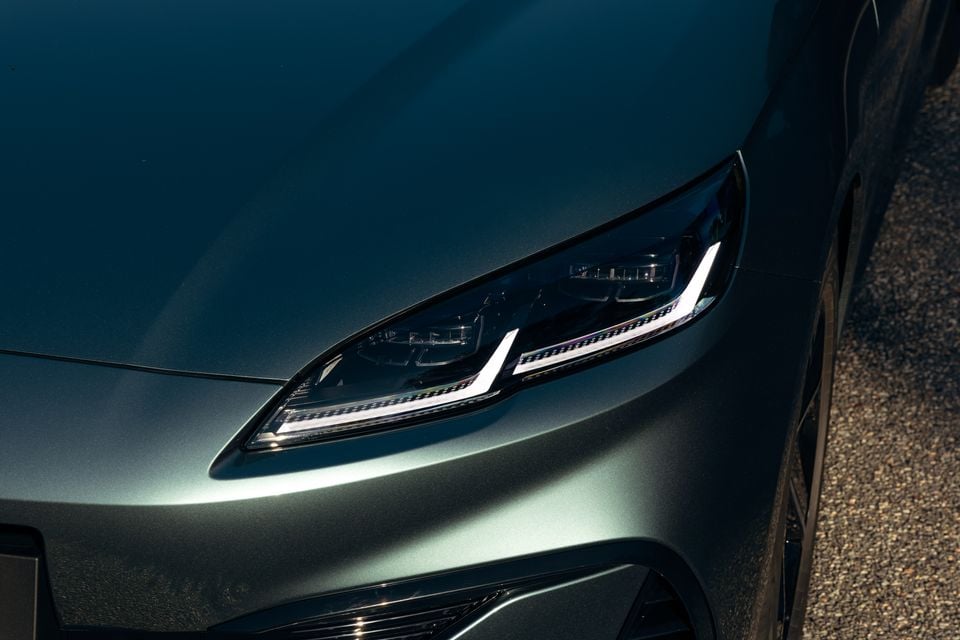
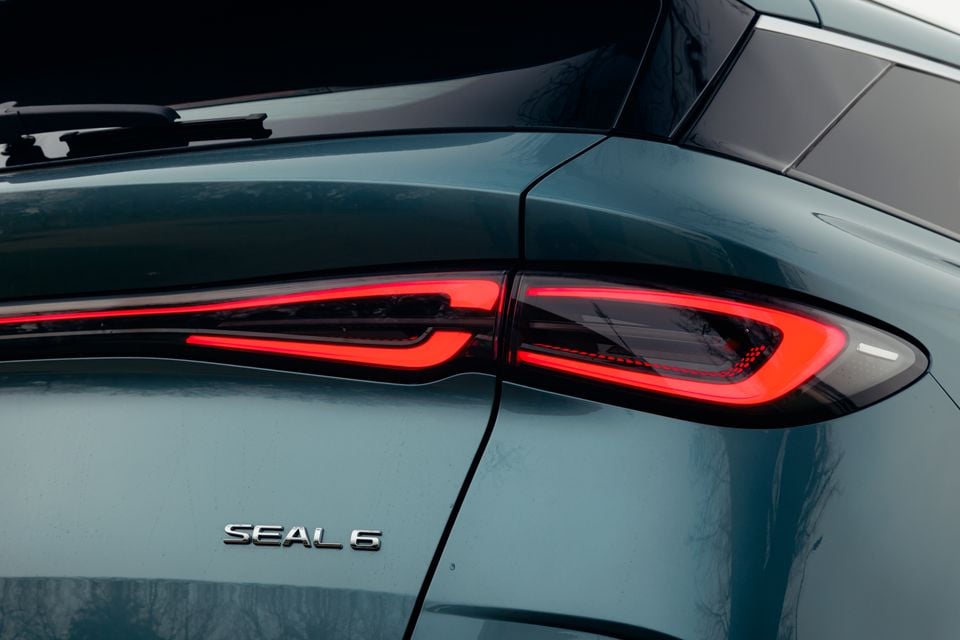
The value piece can wait, because the appeal is obvious. Just look at this thing. It's elegant inside and out, especially when finished in Sage Green like the example featured throughout this review.
There's substance beneath the style, too, in the form of a plug-in hybrid (PHEV) powertrain boasting triple-figure claimed EV range and the combined endurance to match almost any new vehicle on sale today.
But how do those claims stack up in the real world? We were handed the challenge to find out by driving the Seal 6 from Sydney to Melbourne – a quintessential Aussie road trip – without refuelling.
The Seal 6 Touring is not only Australia’s cheapest PHEV wagon, but also the cheapest wagon of any kind offered here.
| Model | Price before on-road costs |
|---|---|
| 2026 BYD Seal 6 Sedan Essential | $34,990 |
| 2026 BYD Seal 6 Touring Premium | $39,990 |
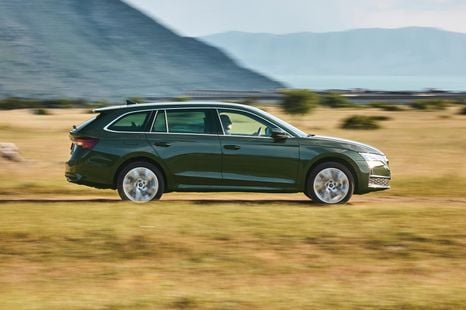
Next on the list is the Skoda Octavia wagon, which can be had from $43,990 drive-away, or around the same money once the BYD's on-road costs are accounted for.
Beyond that, you're looking at spending at least $60,000 to get behind the wheel of a Subaru WRX Sportswagon, Skoda Superb, or Cupra Leon Sportstourer.
In other words, the Seal 6 Touring shapes up as a bit of a bargain in a shrinking segment.
The sedan is even cheaper, so cheap that it undercuts the base Toyota Camry by a whopping $5000. Even dearer rivals include the Octavia liftback, Hyundai Sonata, MG 7, and Honda Accord.
To see how the BYD Seal 6 lines up against the competition, check out our comparison tool
It may be the least expensive new wagon on sale, but the Seal 6 Touring is far from cheap and nasty inside.
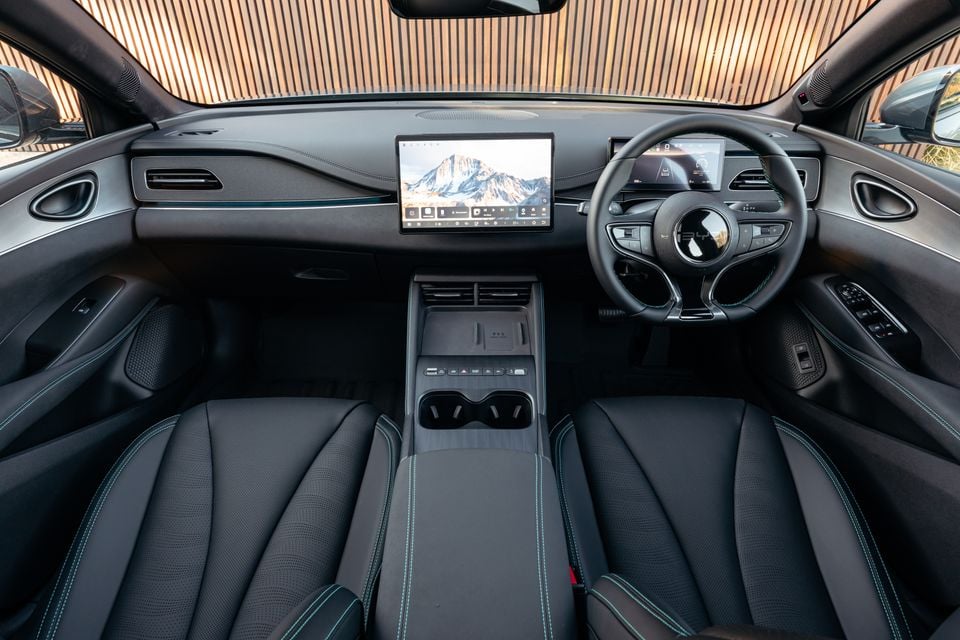
Up front, the cabin is very similar in feel to the surprisingly luxurious Sealion 8 large SUV – a car that costs nearly twice the money in top Premium trim.
Unlike its stablemate, however, the Seal 6 leans further into BYD's familiar ocean-inspired design language, featuring flowing curves across the dashboard, wave-patterned upholstery and no shortage of teal contrast stitching. There’s a considered cohesion to the space, along with a sense of creativity missing from many mainstream Chinese vehicles.
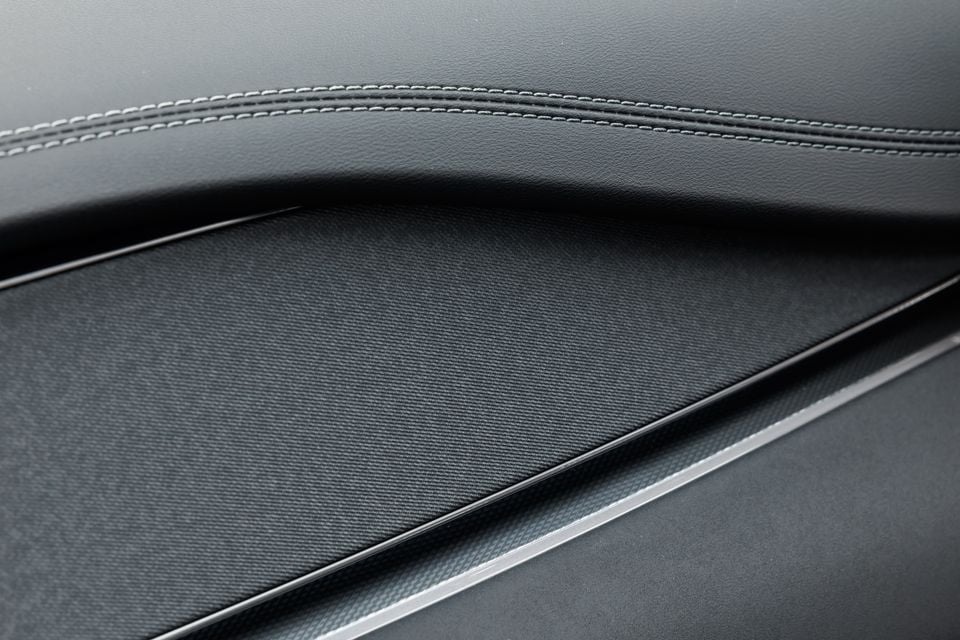
The interior materials also seem to have been chosen with care. From the belt line up, all surfaces are covered in either synthetic leather, neoprene or woven fabric, all of which are pleasingly soft to the touch. Harder plastics are mostly hidden down low and, importantly, the centre console is free of any scratch-prone glossy finishes.
Having said that, the steering wheel feels thinly wrapped, and overall quality is let down by questionable panel gaps around the A-pillars.
Still, the ambience is more upmarket than that of a base Octavia, with its abundant scratchy plastics and light headlining.
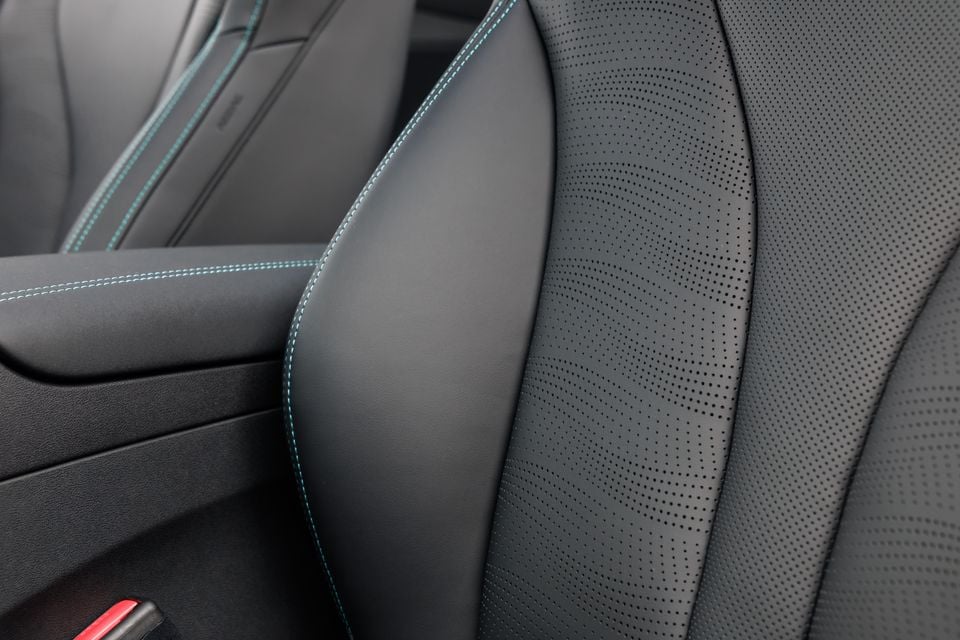
Comfort levels are comparable, too. I can't claim to have driven the Skoda interstate, but the six-way power-adjustable driver's seat in the Seal 6 Touring, complete with heating and ventilation, kept me happy for 90 per cent of the journey from Sydney to Melbourne. After that, my lower back started protesting the absence of adjustable lumbar support.
Likewise, a little more cushion coverage under the thighs wouldn't go astray, but otherwise the front seats are soft in the base and wide enough for most body types, while padding on both sides of the centre console gives weary knees somewhere soft to rest.
And, for context, the cloth seats in an Octavia Select are manually adjustable with no climate functions.
Both wagons afford more headroom than, say, a Mazda 6e liftback, despite the imposition of a panoramic sunroof in the Seal 6.
BYD also takes it up to rivals in the cabin storage department. The Seal 6 offers a deep armrest compartment, traditional glovebox, lower central tray, grippy cupholders, wide door bins and room for two phones atop the centre console, one of which can be charged wirelessly at up to 50W. Mind you, most of these cubbies aren't lined, so loose items are likely to rattle around.
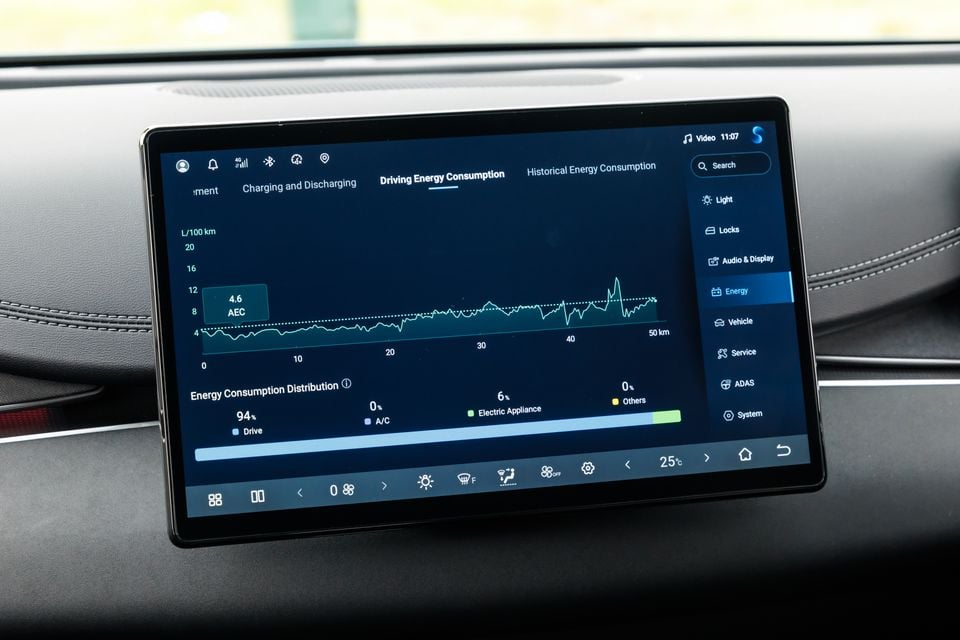
As far as in-cabin technology goes, the Seal 6 again holds its own, even if it doesn't get BYD's best stuff.
Overseas buyers can opt for a 15.6-inch rotating infotainment touchscreen, but here in Australia we're stuck with a 12.8-inch fixed unit. Some might see this as a drawback, but it's not like you can run Apple CarPlay or Android Auto in portrait mode anyway.
The smaller screen still packs a punch, housing a connected app store, native navigation with live traffic data, detailed vehicle analytics and a high level of settings configurability.
However, this functional density seemingly places a strain on its operating capacity, as apps can take a while to load.
It can also be difficult to navigate the system, given its complex menu structure and small icons. As such, some simple tasks, such as switching on seat heating, require too much effort.
In fairness, BYD has at least made sure the temperature and fan controls are fixed along the base of the screen. There's a voice assistant too, if you're that way inclined, plus physical controls for the side mirrors, drive modes and audio volume.
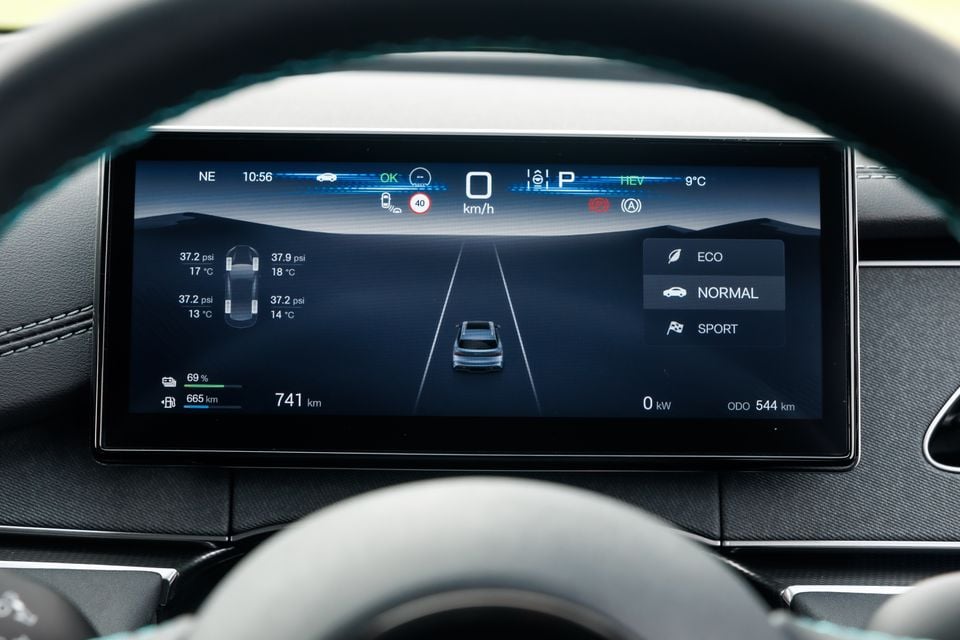
Moving across, the 8.8-inch digital instrument display is no less complex. In fact, it's quite cluttered, cramming a lot of information into a small space through the use of tiny fonts that put your eyesight to the test. That’s made particularly problematic by the lack of a head-up display.
In other words, I'm not a huge fan. Nor am I a fan of how both screens protrude from the dashboard, interrupting its fluid marine aesthetic.
Worse yet is the sound system, which is a real weak point. Even when maxed out, the eight interior speakers don't produce enough volume, and clarity is likewise lacking. So if you're an audiophile, best to look elsewhere.
On the other hand, if you're just after a practical family hauler, the Seal 6 Touring delivers in spades.
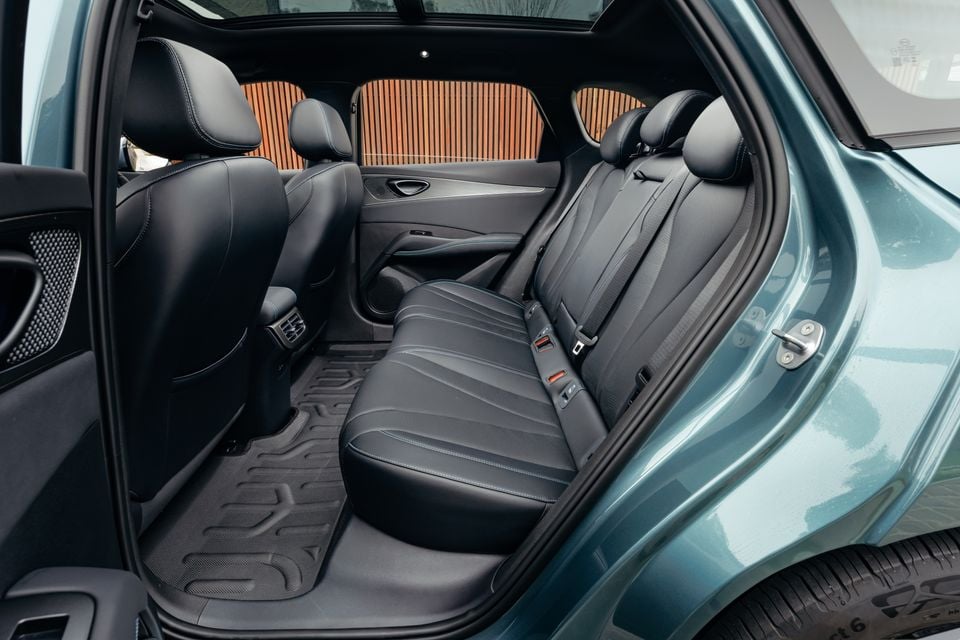
The rear doors open wide to reveal a light, inviting second row boasting enough kneeroom and headroom for kids and adults alike, plus a flat floor that encourages use of the middle seat.
It’s not perfect, though. Outboard foot space is impeded by the driver's seat when it's set low, although soft front seatbacks are kinder on the knees of taller passengers.
Rear passengers are otherwise well catered for, with USB-A and USB-C outlets, twin air vents and seatback storage pockets. A fold-down centre armrest with integrated cupholders is also fitted, although using it obviously rules out the middle seat.
Further back, the Seal 6 Touring serves up 670 litres of boot space (measured to the ceiling) – more than most direct rivals and indeed the vast majority of passenger cars.
Additionally, it has a flat cargo floor, low load height, no load lip and a wide boot aperture, all of which make it easy to slide bulky items into the back. A power tailgate also comes standard, as do a retractable cargo cover, 12V outlet, bag hooks and remote levers for folding the rear bench.
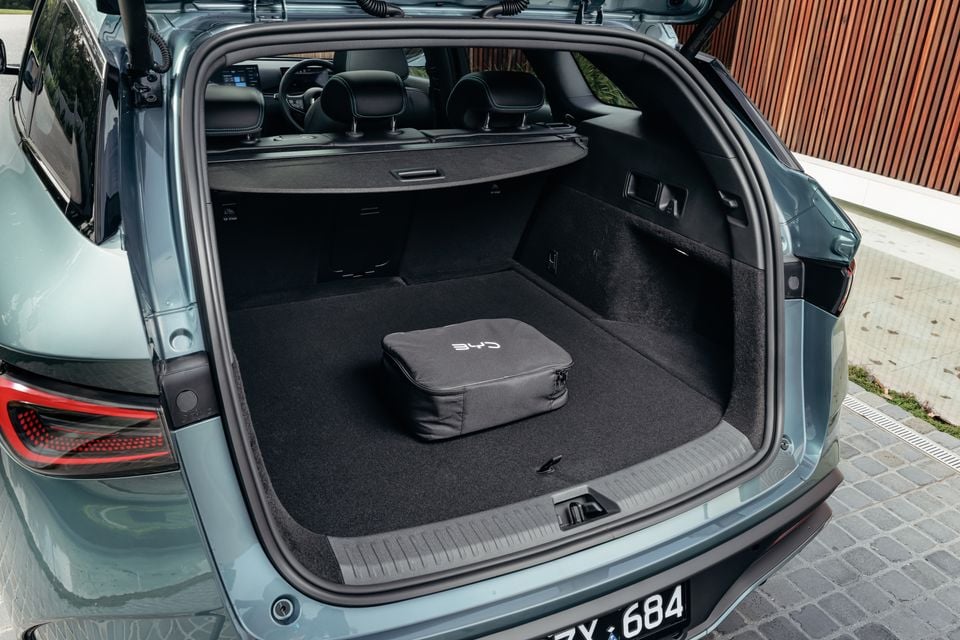
My main complaints centre around limited underfloor storage and the omission of a physical spare wheel, which many buyers still consider essential for cross-country road trips.
The 435kg payload is similarly limiting, so those who plan to fill every seat and pack heavy should reconsider whether the Seal 6 Touring is able to meet their needs.
| Dimensions | Seal 6 Sedan | Seal 6 Touring |
|---|---|---|
| Length | 4840mm | 4840mm |
| Width | 1875mm | 1875mm |
| Height | 1495mm | 1505mm |
| Wheelbase | 2790mm | 2790mm |
| Cargo capacity | 491L (rear seats up) 1650L (rear seats folded) | 670L (rear seats up; measured to roof) 1535L (rear seats folded) |
To see how the BYD Seal 6 lines up against the competition, check out our comparison tool
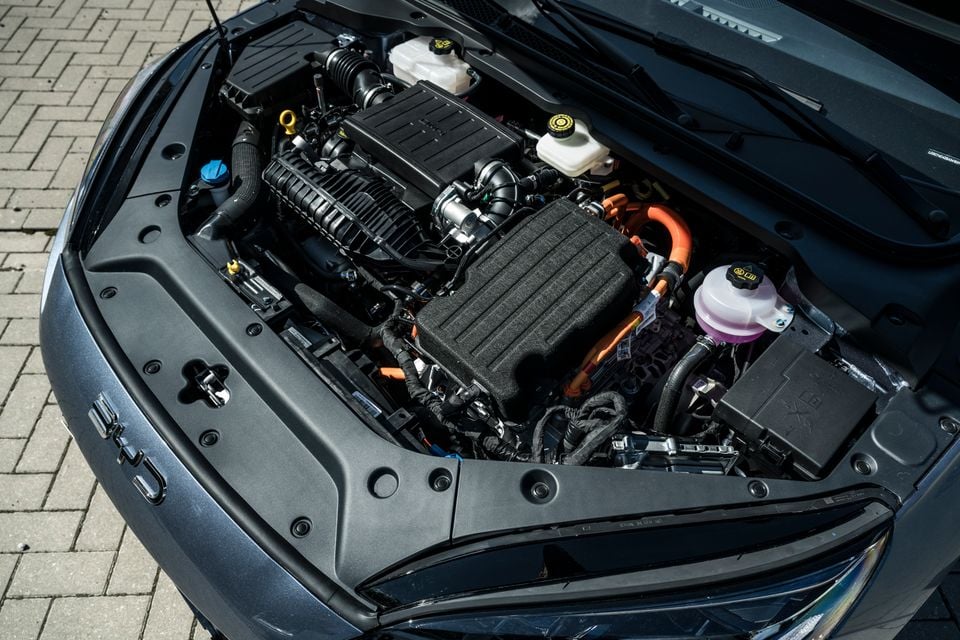
Both versions of the Seal 6 feature a 1.5-litre Atkinson-cycle four-cylinder petrol engine producing just 70kW and 120Nm.
| Specifications | Seal 6 Sedan | Seal 6 Touring |
|---|---|---|
| Engine | 1.5L 4cyl | 1.5L 4cyl |
| Engine outputs | 70kW 120Nm | 70kW 120Nm |
| Electric motor outputs | 120kW 210Nm | 160kW 260Nm |
| System outputs | 130kW 210Nm | 163kW 260Nm |
| Battery | 10.1kWh LFP | 19kWh LFP |
| Transmission | e-CVT | e-CVT |
| Drive type | Front-wheel drive | Front-wheel drive |
| Weight | 1650kg | 1800kg |
| 0-100km/h (claimed) | 8.9 seconds | 8.1 seconds |
| Fuel economy (claimed; battery over 25%) | 1.1L/100km | 0.8L/100km |
| Fuel economy (as tested) | N/A | 5.2L/100km (HEV mode) |
| Electric driving range | 55km | 100km |
| Max AC charge rate | 3.3kW | 6.6kW |
| Max DC charge rate | – | 27kW |
| Fuel tank capacity | 65L | 65L |
| Fuel requirement | 95-octane premium unleaded | 95-octane premium unleaded |
| CO2 emissions | 23g/km | 17g/km |
| Emissions standard | Euro 5 | Euro 5 |
| Braked tow capacity | 750kg | 750kg |
However, it serves mostly as a generator for the electric motor rather than a direct source of propulsion, so you needn't worry about those measly outputs too much.
The Essential sedan has a 10.08kWh lithium iron phosphate (LFP) battery, while the Premium scores a larger 19kWh pack.
That translates to 55km of EV range for the sedan and 100km for the wagon. BYD claims both can cover more than 1000km between stops with a full tank and charged battery, but we'll see about that.
Vehicle-to-load (V2L) functionality is standard, allowing you to power small appliances from the car.
To see how the BYD Seal 6 lines up against the competition, check out our comparison tool
Some European reviewers would have you believe the Seal 6 Touring is entirely unpleasant to drive. I disagree.
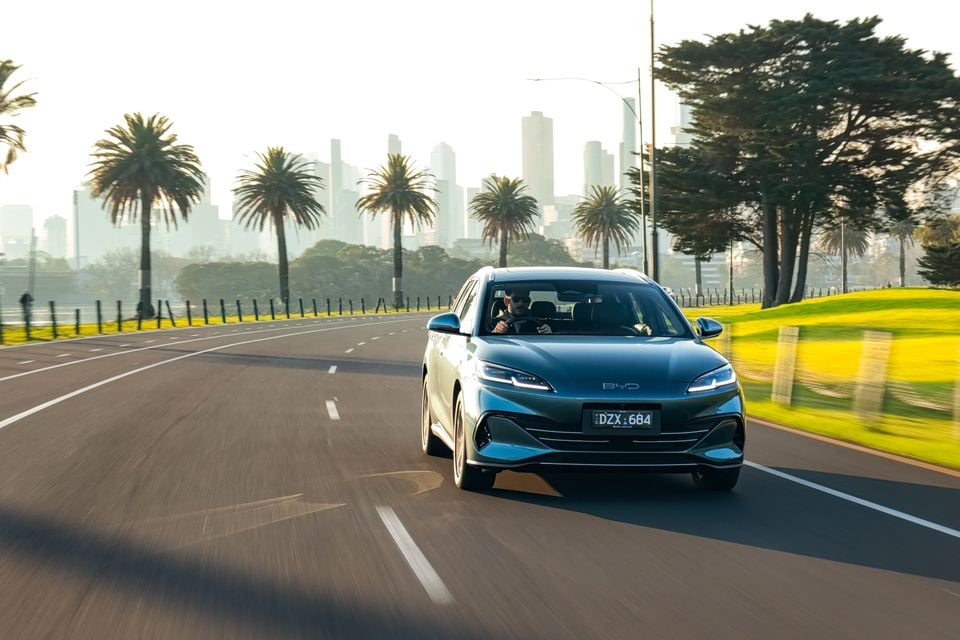
Our 1000km range test started at BYD Alexandria, providing a brief city stint before we pointed south and settled in for the long haul to Melbourne.
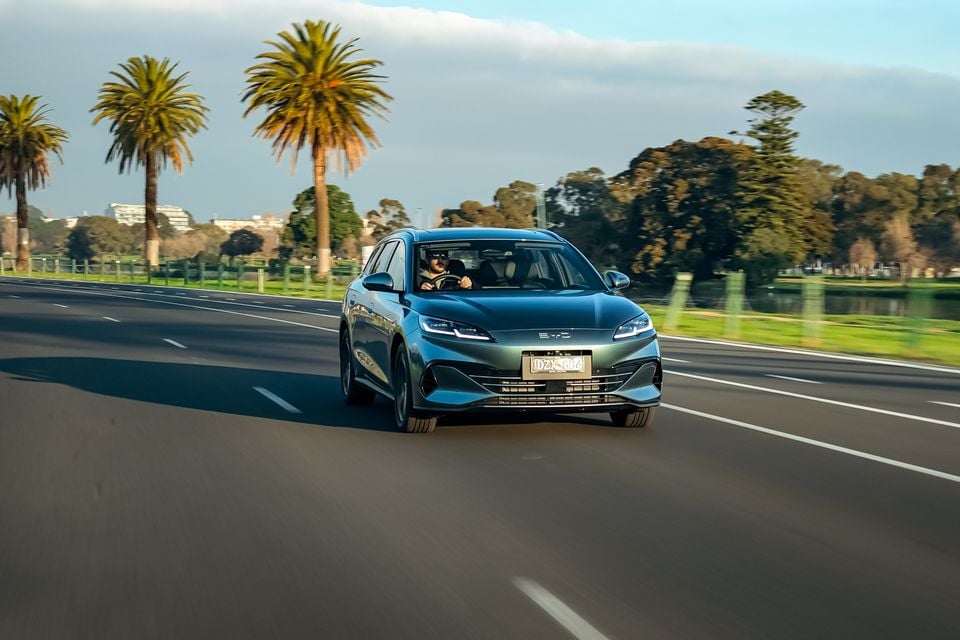
Weaving in and out of Sydney traffic, the Seal 6 Touring felt relatively at home. Like most mid-size passenger cars, it's compact and easy to place on the road – certainly more so than the hulking SUVs many families get around in – and the steering is extremely light, so tight turns require little manual labour.
The plug-in hybrid system also makes sense around town. When sufficiently charged, the Seal 6 Touring behaves much like an EV, delivering silent, linear acceleration without much fuss. It picks up promptly from a standstill, but isn't so quick as to be intimidating, and both pedals are easy to modulate.
You can also call upon regenerative braking to slow the Seal 6, with two distinct levels available through the infotainment screen. Neither setting is particularly intense, although both help smooth out the small speed adjustments typical of urban driving.
Speaking of smoothness, the ride is just acceptable at low speeds. On paper, the Seal 6 Touring boasts superior hardware to mainstream rivals, pairing MacPherson struts up front with independent multi-link rear suspension. In the real world, the front-end is quite forgiving but the rear is far firmer, with small surface changes transmitted through the base of the seat.
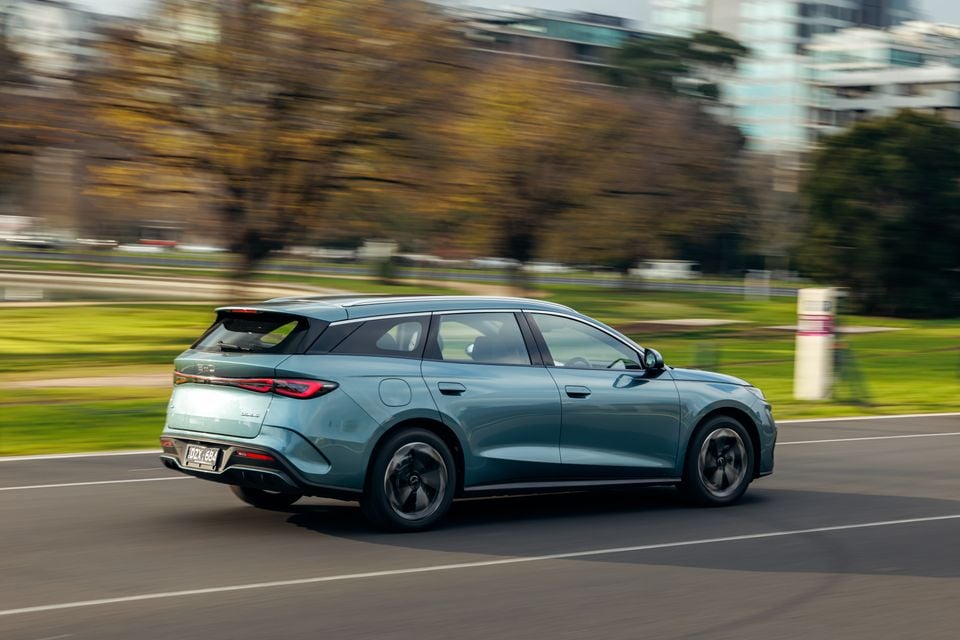
Before long, though, the city streets gave way to the infamous Hume Highway, shifting my focus to the Seal 6's long-distance credentials en route to our overnight stop in Albury.
Here, the plug-in hybrid system continued to shine.
In its Hybrid mode, the powertrain settles into a steady rhythm, sipping no more than 5.0L/100km as the petrol engine and electric motor quietly share the workload. The powertrain feels unstressed cruising at 110km/h, with enough performance in reserve for overtaking even as the battery charge falls.
And while the battery does gradually deplete, the system has been developed to maintain a buffer of around 20 per cent charge.
Alternatively, the driver can set a desired minimum reserve level, which the car will then maintain by using the engine to charge the battery on the move.
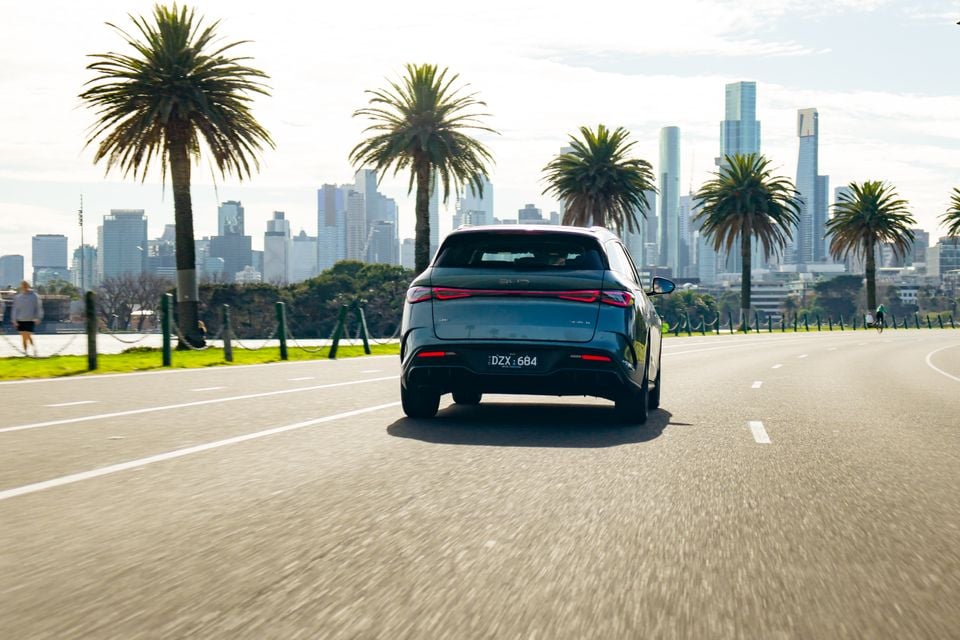
It's a clever setup, and one that affords plenty of flexibility for the varying demands of life in Australia.
The active safety aids aren't quite as polished, with the worst offender being a 1984-esque driver monitoring system that's more sensitive than most, especially when the steerer is wearing sunglasses. Thankfully, its chime is on the quieter side, because the system isn't easily disabled.
On a brighter note, I didn’t notice any other audible warnings.
BYD's semi-autonomous driving tech is useful on longer journeys, although engaging 'Intelligent Cruise Control' noticeably stiffens the steering wheel and reduces your sense of control. But long road trips like this aren't really about driving feel; they're about minimising energy expenditure and arriving at your destination feeling fresh. In that context, ICC does its job.
So does the comfort-focused suspension setup, which kept fatigue at bay, although the generally smooth NSW side of the Hume rarely subjected it to a serious test.
If this is the car for you, we’ll compare offers from trusted dealers, handle the back and forth and manage your purchase from enquiry to delivery.
And there's still an occasional thump from the rear axle over sharp edges and steep drop-offs, while the body struggles to settle cleanly after longer undulations.
Due to this combination of soft springs and undisciplined dampers, the Seal 6 Touring never glides along with the sophistication of a Superb, Accord, or Camry. It is less brittle than an Octavia or WRX, though, isolating occupants from potholes and rougher patches of road without completely losing composure in the way some overseas criticism might suggest.
This is somewhat odd, because the Seal 6 Touring sold here shares the same derided suspension tune as European examples. Whether the difference comes down to opinion, testing conditions or differing market expectations, I’m not entirely sure. What is telling, though, is that I still came away with nice things to say after two full days behind the wheel.
In my opinion refinement, rather than ride comfort, is the bigger issue. At highway speeds, tyre roar rises above the powertrain and can even intrude on the sound system, eroding the sense of calm inside the cabin. Wind noise also finds its way inside too easily.
That, along with the aforementioned ADAS annoyances, stops the Seal 6 Touring from feeling like a truly great tourer. A little more sound deadening, or perhaps acoustic glass, would make it a more convincing highway companion.
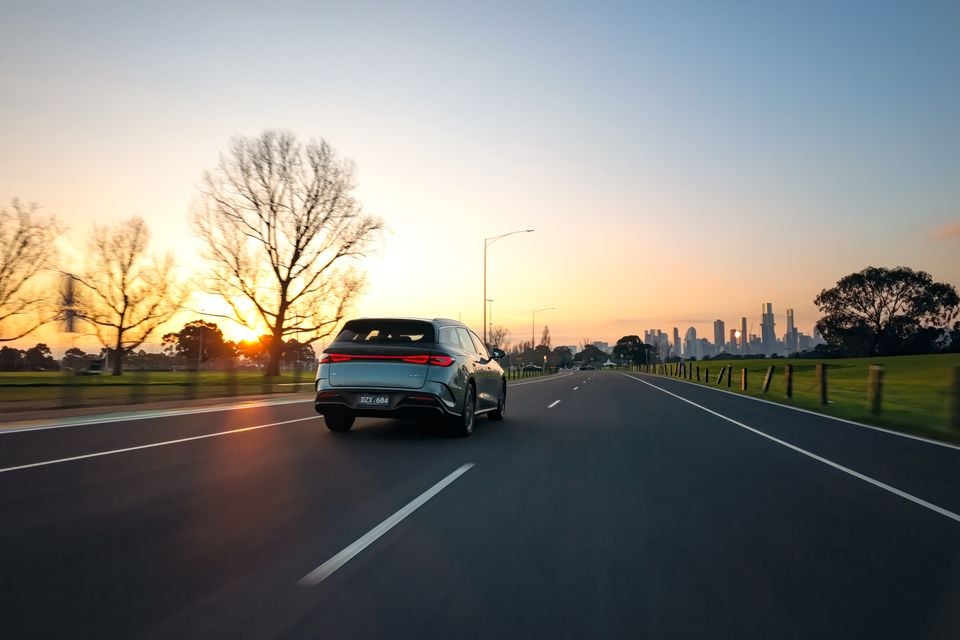
Nevertheless, I felt fresh as a daisy at the end of day one, having covered 547km of Aussie tarmac.
The greatest challenge was yet to come, however, with some dynamic driving planned for the 453km run between Albury and Melbourne Airport. That meant detouring onto twisty, less-travelled roads, the likes of which brought out a different side of the Seal 6 Touring.
Unsurprisingly, it falls short of feeling like a proper performance wagon when driven with intent.
The DM-i plug-in hybrid system provides adequate shove, and the calibration of the primary controls is satisfying – the accelerator pedal is progressive rather than switch-like, while the brake pedal has a welcome firmness and meters out stopping power from near the top of its travel.
Still, the powertrain – with its e-CVT and meek engine note – never really encourages you to press on.
Nor does the chassis, which possesses a similarly easygoing character. There’s some lean through corners, the front-end isn’t especially sharp, and lifeless steering makes it difficult to point the nose accurately. Try to tidy your line by edging towards the left-hand lane markings, and the lane-keep nanny is quick to nudge you back the other way.
Yet despite these shortcomings, the Seal 6 Touring still feels suitably secure, helped by quality Continental tyres and ride quality that’s more convincing than its handling.
Once we returned to the highway, it was smooth sailing all the way into Melbourne.
After 1000km, we finally reached Tullamarine Airport with 20 per cent battery charge and 50km of fuel range remaining. Our final fuel consumption readout settled at 5.2L/100km.
The key takeaway? The Seal 6 Touring is best treated as a relaxed, efficient alternative to a mid-size SUV, rather than an exciting driver’s car.
To see how the BYD Seal 6 lines up against the competition, check out our comparison tool
The Seal 6 Sedan and Seal 6 Touring are each offered in a single trim level.
2026 Seal 6 Sedan Essential equipment highlights:
Seal 6 Touring Premium adds:
Arctic White is the standard exterior paint finish, with the following hues available for an additional $600:
To see how the BYD Seal 6 lines up against the competition, check out our comparison tool
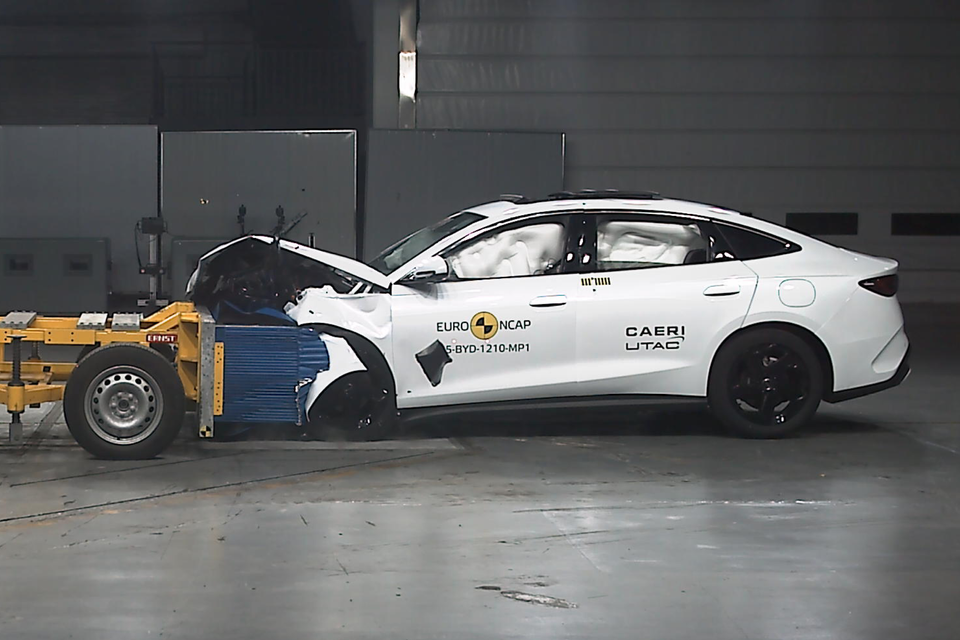
The Seal 6 holds a five-star ANCAP safety rating based on 2023-25 testing criteria, not the new 2026 criteria.
| Category | BYD Seal 6 |
|---|---|
| Adult occupant protection | 92 per cent |
| Child occupant protection | 90 per cent |
| Vulnerable road user protection | 84 per cent |
| Safety assist | 84 per cent |
Standard safety equipment includes:
The Touring adds:
To see how the BYD Seal 6 lines up against the competition, check out our comparison tool
BYD backs its vehicles with a six-year, 150,000km warranty and their batteries with an eight-year, 160,000km warranty.
| Servicing and Warranty | BYD Seal 6 |
|---|---|
| Warranty | 6 years or 150,000km – vehicle8 years or 160,000km – high-voltage battery |
| Roadside assistance | 12 months |
| Service intervals | 12 months or 20,000km |
| Capped-price servicing | 5 years or 100,000km |
| Average annual service cost | $555 |
| Total capped-price service cost | $2775 |
Five years of capped-price servicing will set you back $2775 – a middling sum for this type of vehicle.
To see how the BYD Seal 6 lines up against the competition, check out our comparison tool
Early international reviews of the Seal 6 raised alarm bells, but after driving it Down Under, it’s clear this model has a place in Australia.
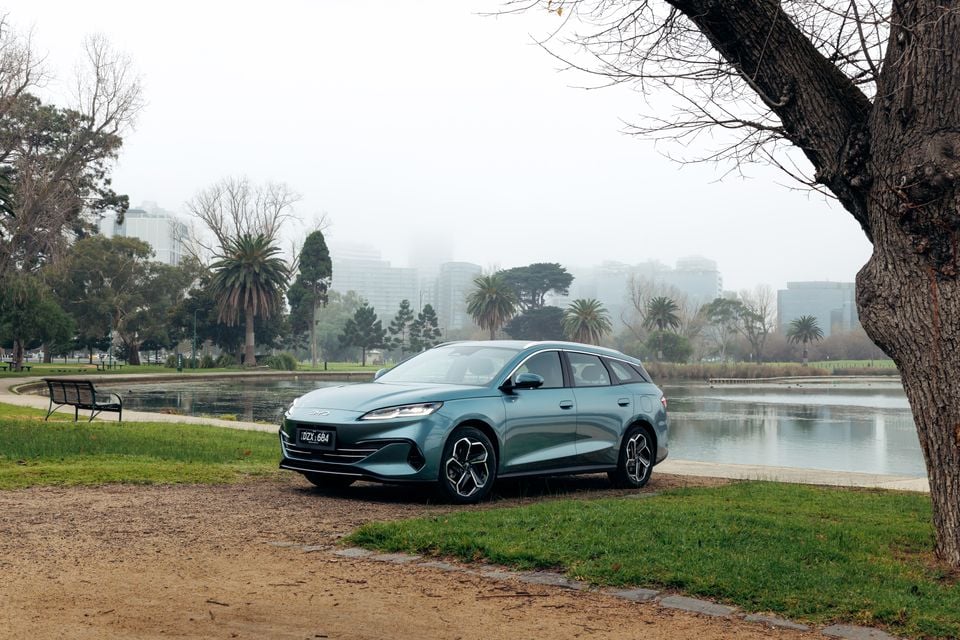
On local roads, it doesn’t drive nearly as poorly as has been reported. Instead, it plays by a different set of rules to the other wagons available in our market, prioritising long-distance comfort, efficiency and utility over performance or driving dynamics.
As such, the Seal 6 Touring won’t have many enthusiasts rushing to trade in their Octavia RS, WRX Sportswagon or Leon Sportstourer.
It should, however, turn the heads of buyers looking for a sensible SUV alternative in the mould of a base Octavia wagon or Camry sedan. In other words, something that blends style with practicality and low running costs.
The fact it combines those desirable qualities with a flexible PHEV powertrain and an extremely attractive price point only strengthens its case.
CarExpert can save you thousands on a new BYD Seal 6. Click here to get a great deal.
Click the images for the full gallery
If this is the car for you, we’ll compare offers from trusted dealers, handle the back and forth and manage your purchase from enquiry to delivery.
Quickly see how this car stacks up against its competition. Select any benchmark to see more details.
BYD Seal 6
BYD Seal 6 Sales rolling 12-months#
*Based on VFACTS and EVC data
Looking for complete BYD Seal 6 price history?
Our BYD Seal 6 Pricing Page shows exactly how prices have changed over time.
2026
$39,057
2026
$44,207
Josh Nevett is an automotive journalist covering news and reviews, with a background in motorsport journalism.
Add CarExpert as a Preferred Source on Google so your search results prioritise writing by actual experts, not AI.
Josh Nevett
15 Days Ago

Damion Smy
22 Days Ago

William Stopford
1 Month Ago
Damion Smy
1 Month Ago
Josh Nevett
1 Month Ago
Josh Nevett
1 Month Ago
Add CarExpert as a Preferred Source on Google so your search results prioritise writing by actual experts, not AI.
# Based on VFACTS and EVC data
† Displayed prices are based on the drive-away price of the vehicle, which includes delivery charges, registration fees, number plates, and applicable road taxes, based on a Sydney location. However, prices may vary between states and territories, and additional costs such as compulsory third party (CTP) insurance, dealer delivery fees, and optional extras are not included. These prices are subject to change without notice and may not reflect current market pricing or dealer offers.
 Automotive Vehicle Spec Data & 4K images Powered by JATO Dynamics Ltd