





Paul Maric
2027 Jeep Wrangler 392 review: Taking on the Rubicon Trail
Every Jeep fan knows the name. We spent three days crawling across California's Rubicon Trail in a V8 Wrangler to see if it lives up to the legend.
3 Hours Ago
California has approved new laws where the rubber meets the road, aimed at reducing running costs and pollution – but not everyone is happy.

Deputy News Editor
Deputy News Editor
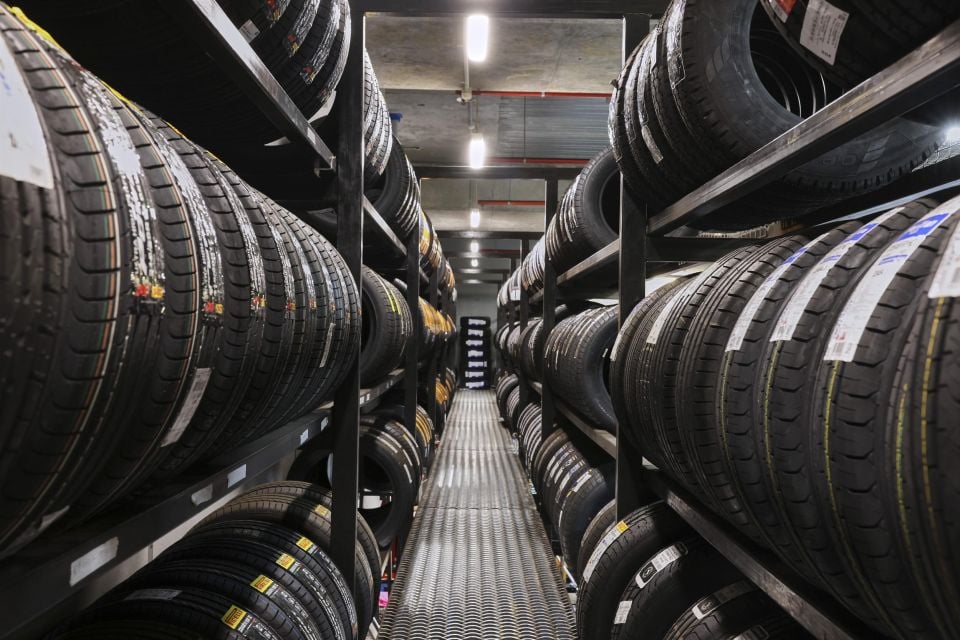
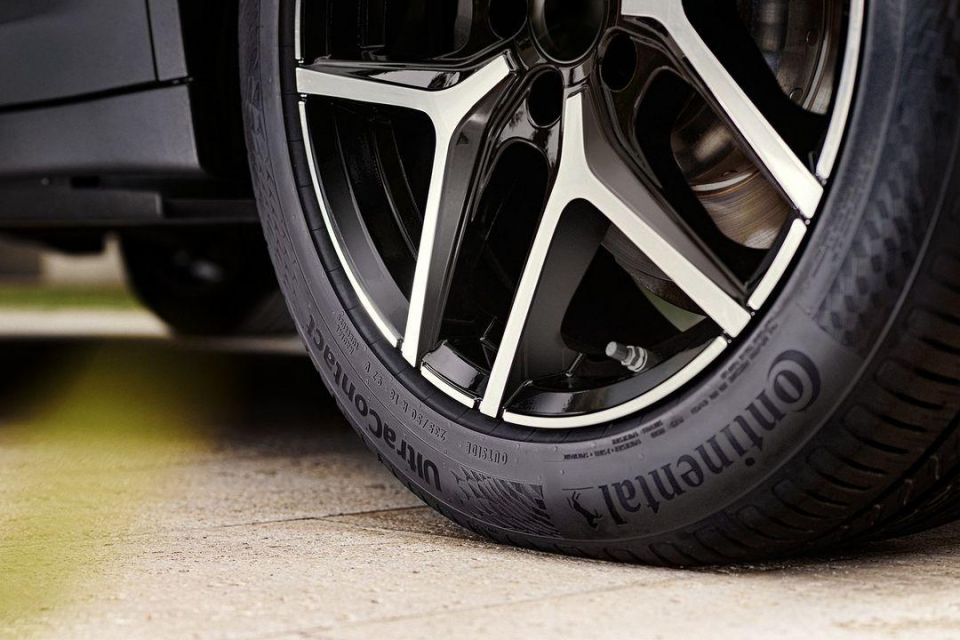
California has approved new regulations requiring replacement tyres sold in the US state to meet new energy-efficiency standards designed to close the gap with tyres fitted to new vehicles.
The regulations are the first of their kind in the US and were approved by the California Energy Commission this month, ahead of a two-stage introduction beginning in 2029 and reaching its second phase in 2033.
Rather than requiring each replacement tyre to match the rolling resistance of the original tyre fitted to a particular vehicle, the regulations are designed to ensure replacement tyres sold in California are at least as energy efficient, on average, as tyres supplied as original equipment on new passenger cars and light-duty trucks in the state.
Rolling resistance is the energy lost as a tyre rolls along the road, with higher rolling resistance increasing the amount of petrol, diesel, electricity or hydrogen required to move a vehicle.
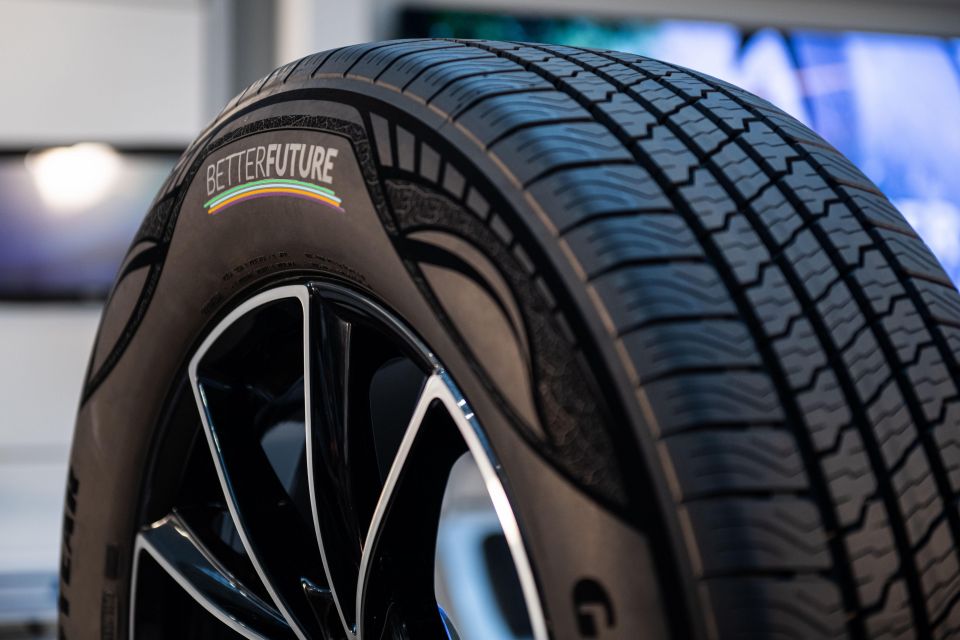
The California Energy Commission says original-equipment tyres are typically more efficient than replacement tyres, meaning a vehicle’s fuel consumption or electric driving range can worsen when its factory tyres are replaced.
The Californian regulations go further than European rules introduced from 2012, which set maximum rolling-resistance limits for tyres but don't require the replacement-tyre market to achieve the average efficiency of tyres fitted to new vehicles.
Industry groups, The New York Times reported, have opposed the move, suggesting motorists could pay an additional US$13 (A$18) per tyre as a result of the new regulations.
The California Energy Commission estimates higher tyre costs will be more than offset by reduced fuel consumption.
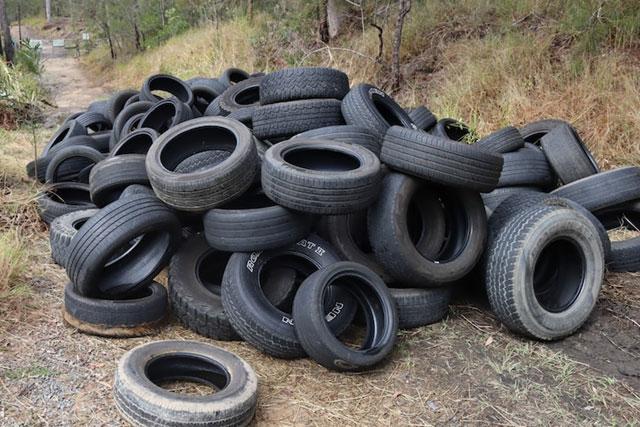
Under the second phase of the regulations, it estimates a petrol-powered passenger car or SUV will save around US$179 (A$252) over the typical four-year life of a set of tyres, while the additional cost of compliant tyres is estimated at US$6.50 (A$9.13) per tyre, or US$26 (A$36.50) per set.
The United States Tire Manufacturers Association (USTMA) forecasts around 278 million replacement tyres will be sold in the US in 2026, while California government modelling indicates upwards of 42.1 million replacement tyres will be sold in the state in 2028.
For comparison, around 24.5 million passenger-car and light-commercial vehicle replacement tyres were sold in Australia in 2025, according to Automotive Insights.
Despite the regulations outlining compliance testing of tyres, USTMA executive vice-president Tracey Norberg has criticised the move.
Ms Norberg said enforcement would be difficult, potentially allowing motorists to buy cheaper, non-compliant tyres from other US states and disadvantaging Californian tyre businesses.
“Competitiveness is at an all-time concern for this industry, where we’re seeing low-cost importers that cut corners on safety and performance, importing tyres into the market. California is particularly vulnerable,” Ms Norberg said.
California first began developing a replacement tyre efficiency program after legislation passed in 2003.
The state paused the program after the US Congress passed the Energy Independence and Security Act in 2007, which directed the National Highway Traffic Safety Administration (NHTSA) to establish a national tyre fuel-efficiency consumer information program.
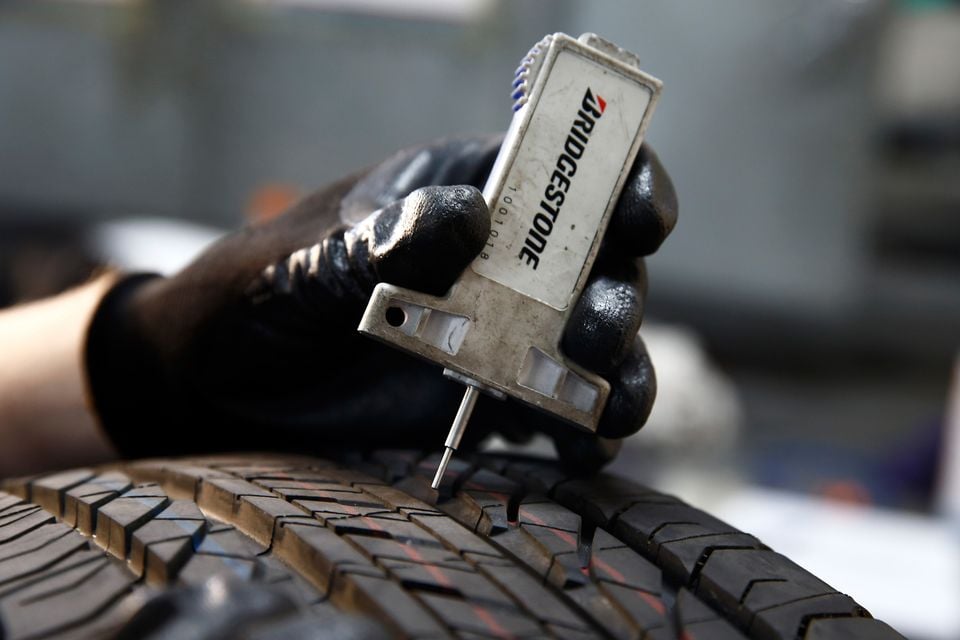
The NHTSA subsequently introduced testing requirements as part of that program, but according to the California Energy Commission it didn't establish minimum tyre-efficiency standards, a tyre-efficiency rating system or a public tyre-efficiency information program.
California later resumed work on its own regulations.
Environment America senior advisor Dan Jacobson said the delay had cost California almost two decades of potential reductions in fuel use and emissions.
“We cannot wait another minute. It’s very rare that you get a rule that is both good for consumers and so good for government,” Mr Jacobson said.
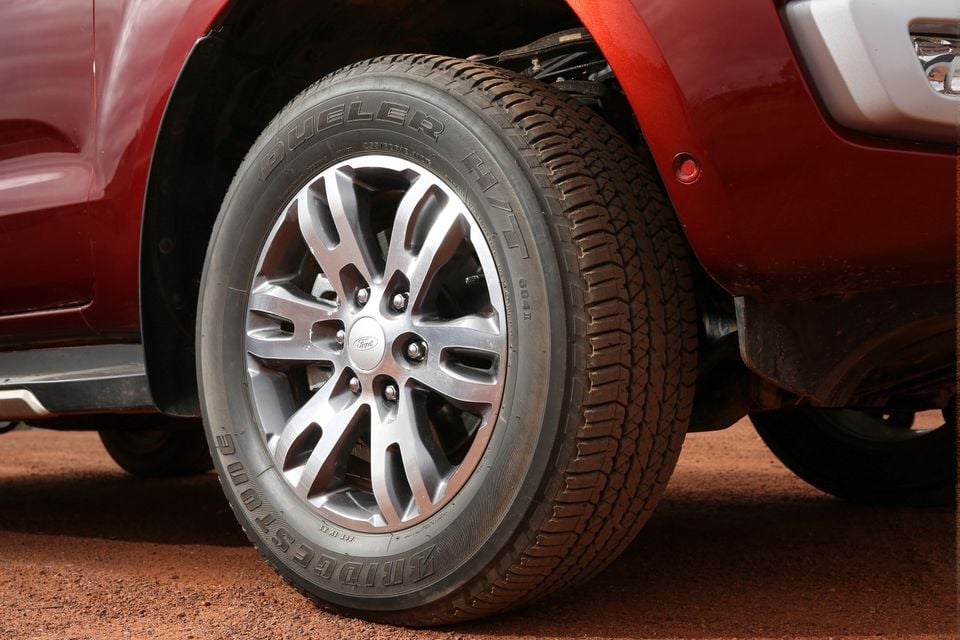
Tyres will also become an increasingly important part of European emissions regulation under Euro 7, which starts applying to some new vehicles from November 2026.
Unlike California’s focus on energy efficiency, Euro 7 introduces limits on tyre abrasion to reduce particulate and microplastic emissions caused by tyre wear.
For new C1 passenger-car tyre types, the first abrasion limits apply from July 1, 2028, followed by existing C1 tyre types from July 1, 2030. Limits for heavier C2 and C3 tyres will be phased in later.
MORE: Trump repeals EPA greenhouse gas finding, easing US emissions regulations
Damion Smy is an award-winning motoring journalist with global editorial experience at Car, Auto Express, and Wheels.
Paul Maric
3 Hours Ago


William Stopford
19 Hours Ago

William Stopford
19 Hours Ago

Damion Smy
20 Hours Ago

Ben Zachariah
1 Day Ago


Dave Humphreys
1 Day Ago
Add CarExpert as a Preferred Source on Google so your search results prioritise writing by actual experts, not AI.