




Damion Smy
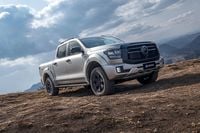
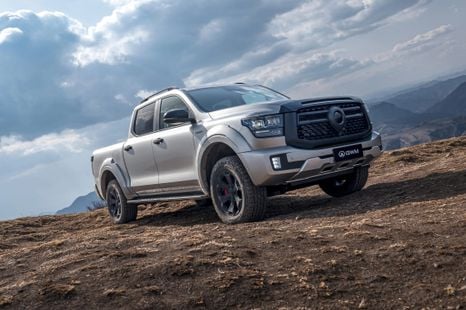
GWM says Australia isn’t ready for electric utes
As it adds a new diesel engine and more plug-in hybrids across its Cannon range, GWM says Aussies aren’t ready for an all-electric ute just yet.
3 Hours Ago
Which non-premium medium electric SUVs will transport your family the longest distance, and which is the most family-friendly?

Contributor
Contributor
Battery range is front of mind when it comes to buying a fully electric vehicle (EV) for your family, along with the usual family criteria of safety, price, boot space for prams and sports gear, room for child seats in the back, and legroom for everyone else on board.
To help you decide and to understand the benefits of going electric for your family car, see our article Best electric cars for families.
EV range is something many of us think about in terms of 'the more the merrier', even though statistically the average Australian only drives a little over 30km on their daily commute to work, school, etc.
Still, we are understandably terrified of running out of battery charge, especially with kids on board. I know that feeling!
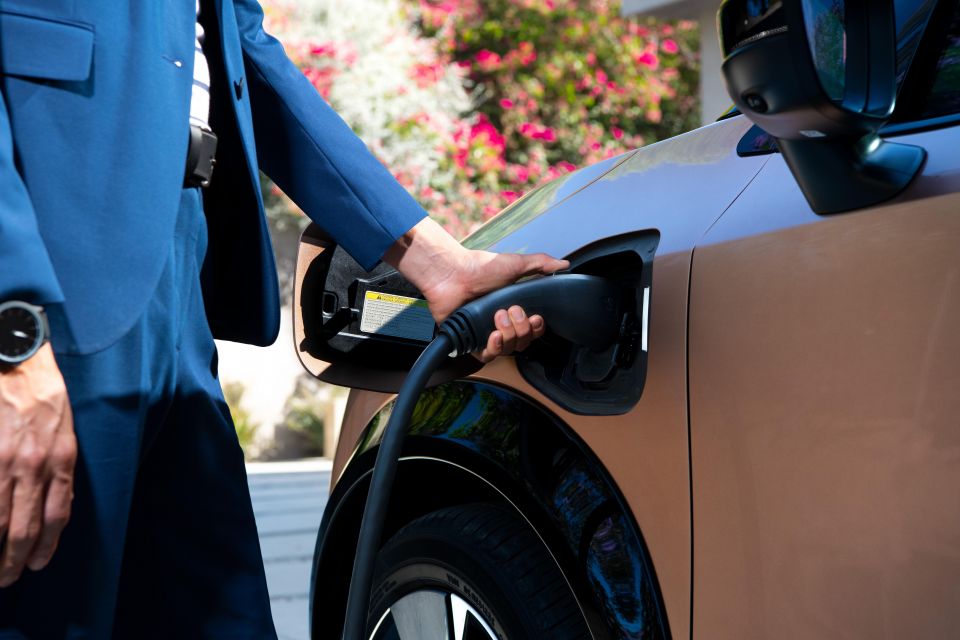
Whether you have a home charger or use public chargers may affect how much battery range you need your EV to have.
If you have a home charger, you can easily and frequently top up the battery so you may be okay with a car that has a smaller battery. If you’ll be using public chargers you may want a car with a bigger battery and therefore a longer range so you don't need to charge it so often.
For families who often drive long distances or want peace of mind for holidays and road trips, electric cars with longer ranges are perfect for you.
More and more new EVs keep joining the market and their powertrain technology keeps evolving. So having driven many electric cars with my family onboard over the last 10 years, I’ve put together this list of mainstream electric mid-size family SUVs with the longest range (we’ll cover the premium end of the medium electric SUV market in a future article).
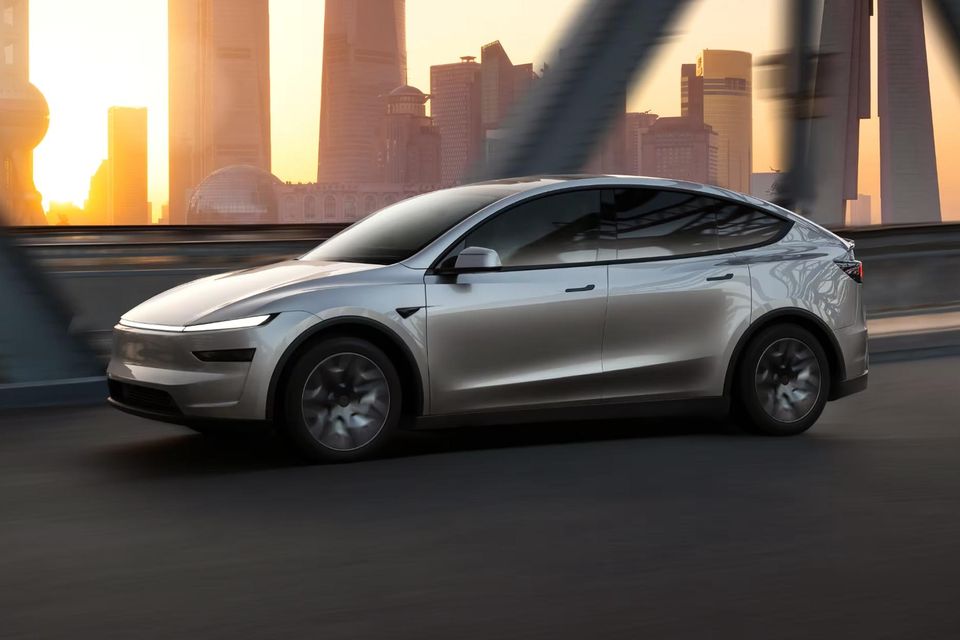
A compelling case on paper, the Tesla Model Y L should be a great six-seat electric family car but, like most things that sound too good to be true, it is!
The Model Y L has two rows of rear seats, each fitted with ISOFIX and top-tether anchors for child seats.
However, there are only six seats in total and the pair of second-row seats has a sporty, sloping shape to their single-piece seatbacks, which is not conducive to securing child seat top-tether straps.
ANCAP found top-tether routing problems in the second row, along with awkward ISOFIX access in the third row.
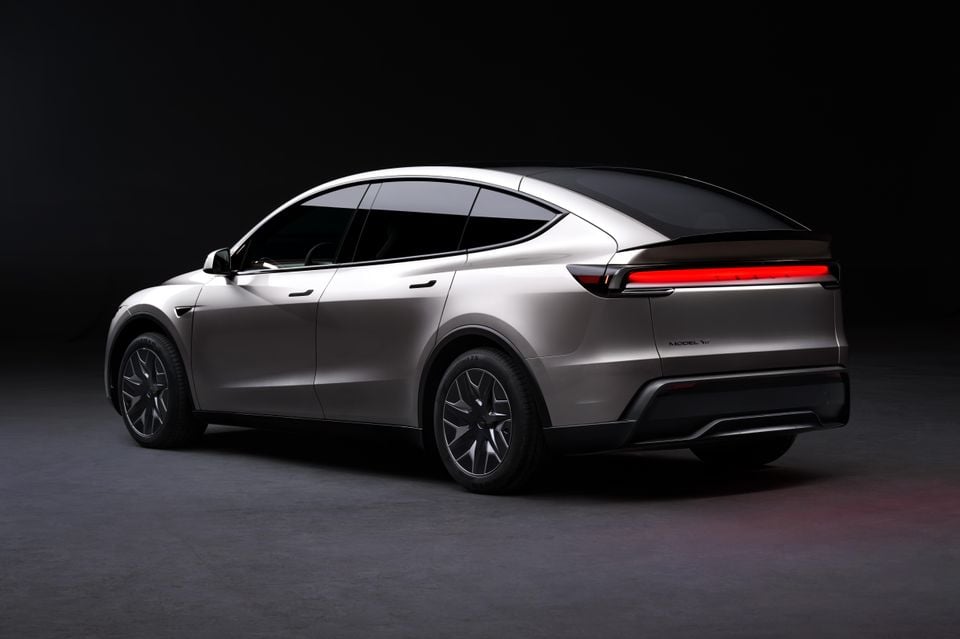
Some child seat manufacturers say certain models of child restraint should not be installed in the second row of the Model Y L at all, while others are working with Tesla to identify which ones can be safely attached or if extension straps are sufficient for safe installation.
Tesla has been demonstrating workarounds using split and V-shaped tethers, but not all child seat brands have formally approved them yet.
The Model Y L's 681km of battery range is more than enough for easily getting through the working and school-run week without having to charge, and road trips should be a breeze due to Tesla's excellent national EV charging network.
If you don't need six seats, the five-seat Tesla Model Y has a 600km battery range in Long Range form, so if an extra 81km between charges isn't crucial, then you may be better off with the standard Model Y if you need to install three child seats.
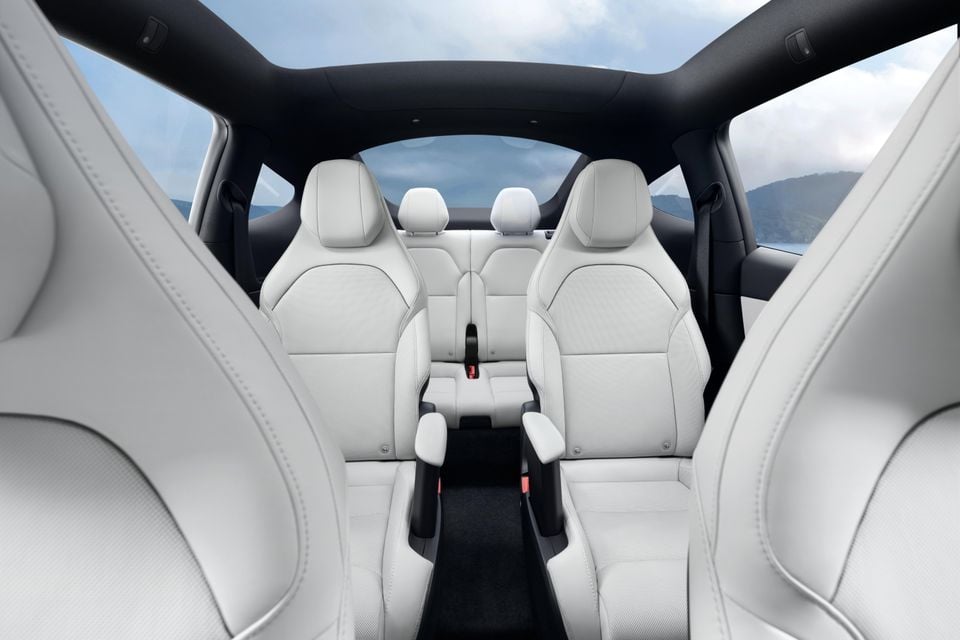
Cargo space is also much bigger in the five-seat Model Y, easily holding a twin pram and more besides in its 854-litre boot (although Tesla measures boot space to the roof rather than the window line like most brands).
The stretched six-seat Model Y L has less than half that at just 420L behind the third row, so it may not fit your pram very easily if all seats are in use.
Both versions also have a huge 116L frunk and a 60L space beneath the boot floor.
The Renault Scenic E-Tech Long Range has a battery range of up to 625km and is one of the more affordable mid-size electric SUVs in this list.
In the back there are ISOFIX points in the two outboard rear seats and top-tether anchorages for all three rear seats.
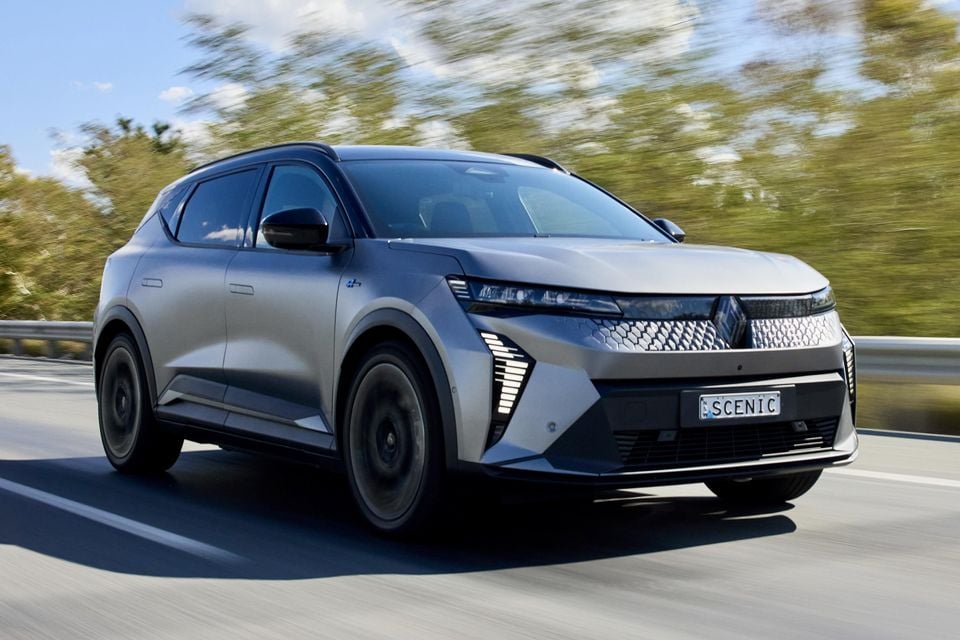
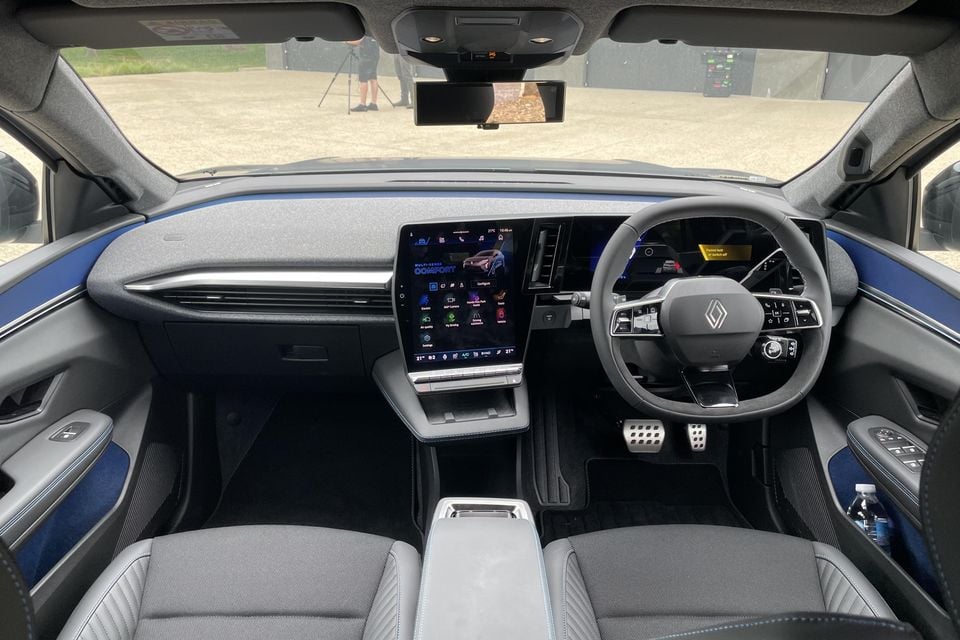
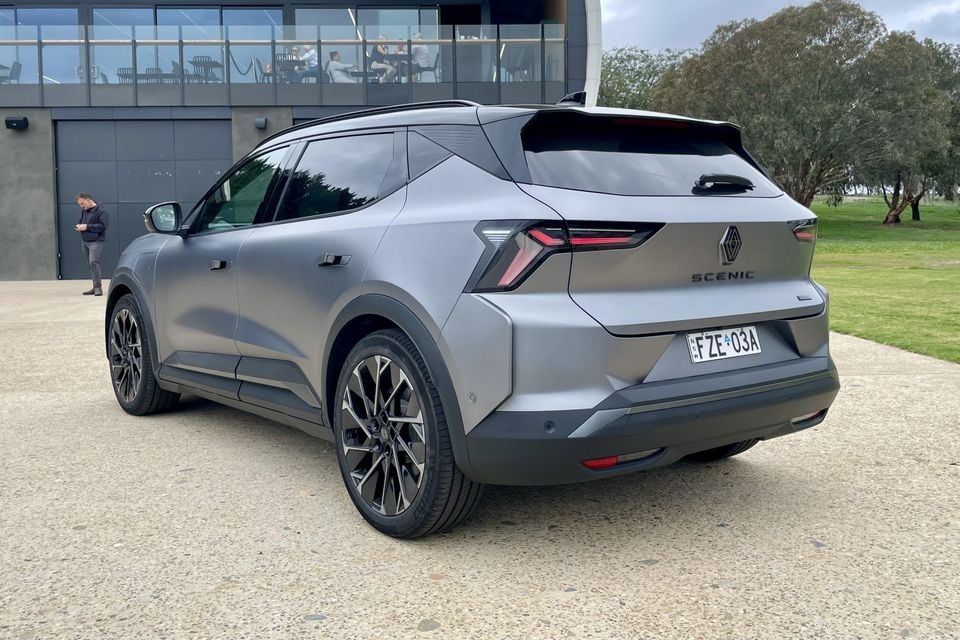
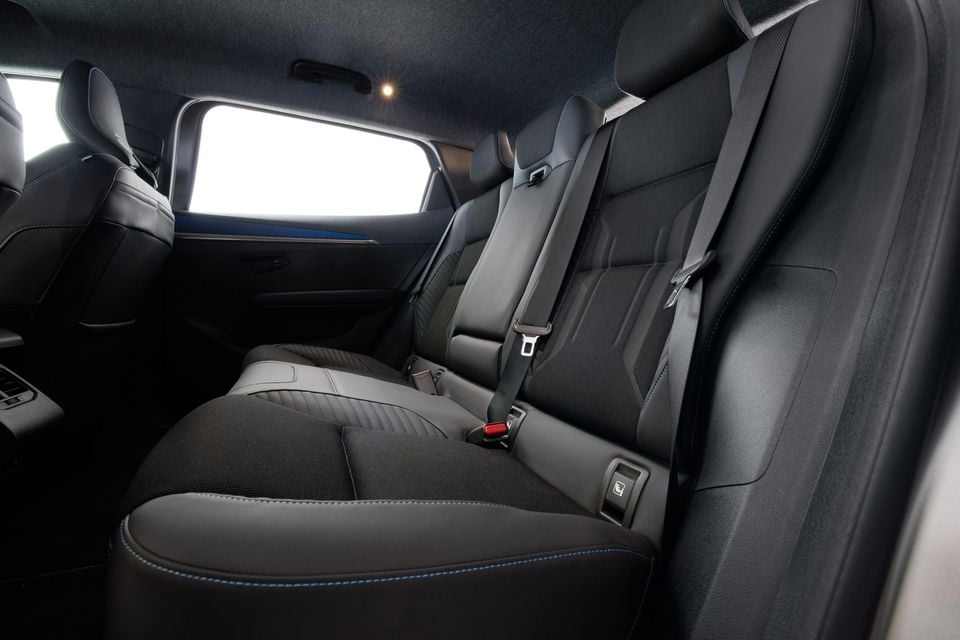
It is spacious in the back with good legroom, and the rear doors open wide for easy access and room for you to reach in and fasten kids’ harnesses.
Boot space is up there at 545L, but it is deep rather than long or wide, which can work really well for families as you can stack prams, scooters and the like into the boot space. But it does require you to lift items over the loading lip, like in the Kia Carnival. And it has no frunk.
The interior is neat and tidy with comfortable bolstered seat cushions and some elaborate and creative storage options.
An increasingly popular five-seat mid-size electric SUV, the Zeekr 7X Long Range can travel a claimed 615km between recharges.
There are ISOFIX anchors in the two outer rear seats and top-tether points for all three rear seats. The rear is very spacious, liberating great legroom for lanky teens in the back and grown-ups in the front.
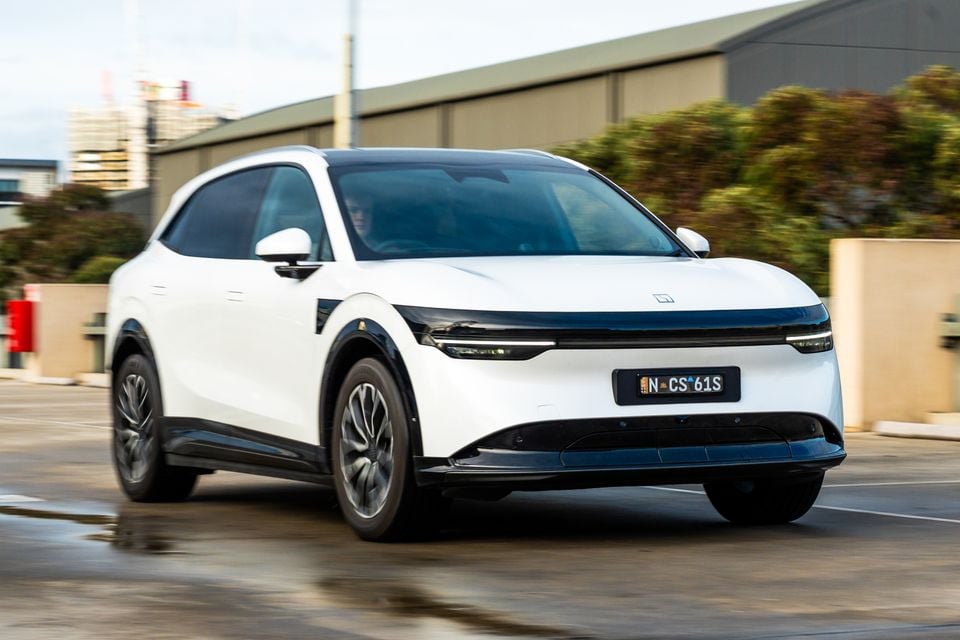
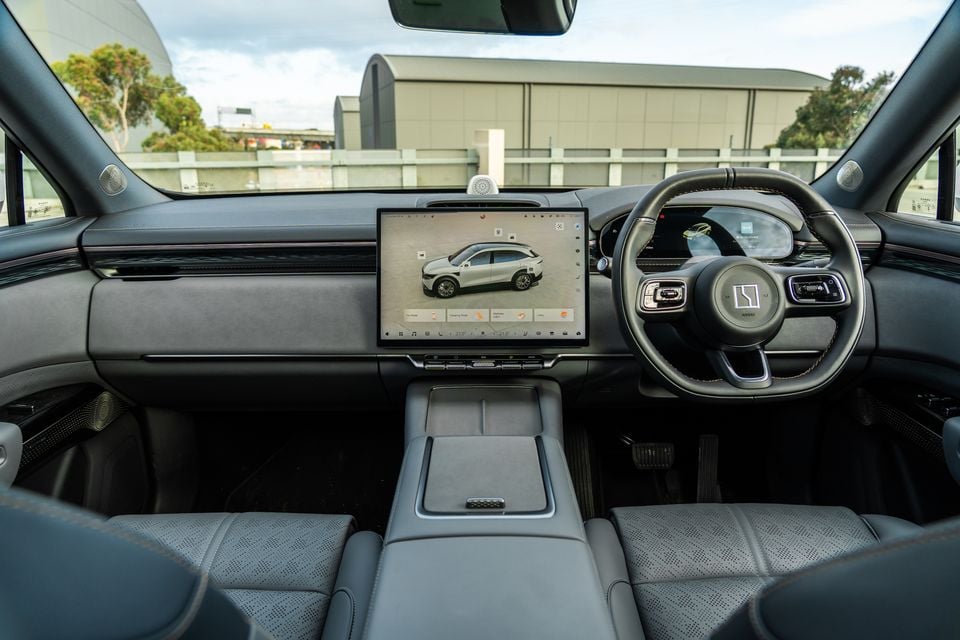
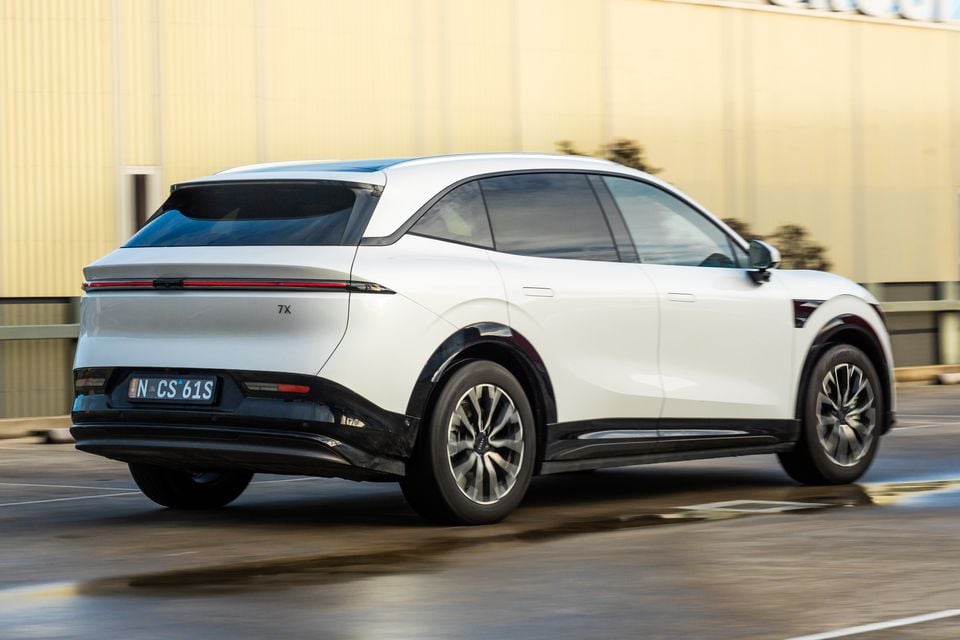
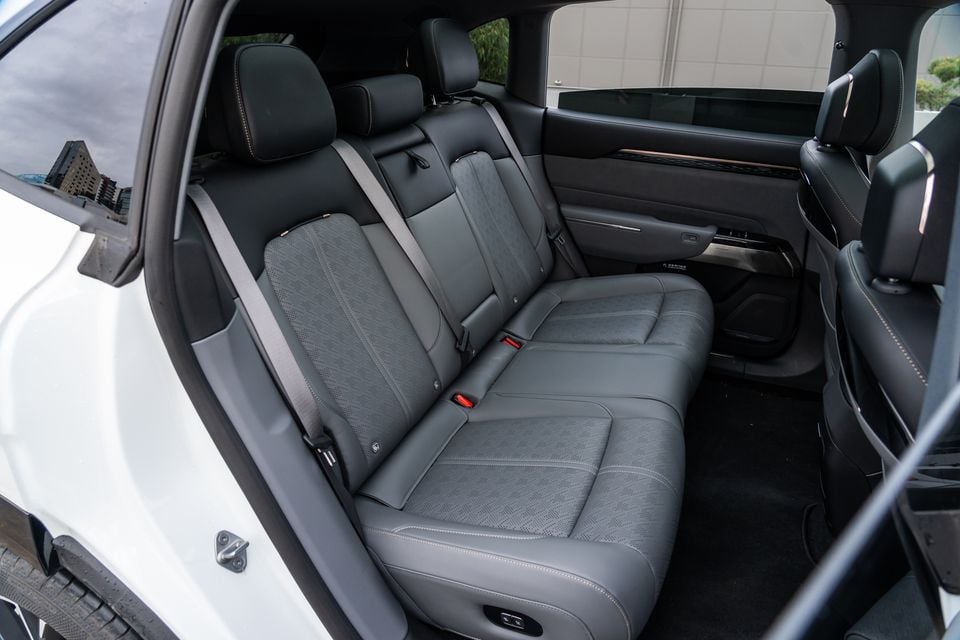
Its 539L of boot space should fit the double pram or weekly shop nicely, and those with larger kids have space for their musical instruments or sports gear too. Depending on the version, there is a 62L or 42L frunk.
The interior is minimal and neat with oodles of clever storage for family life, such as sunglasses cases in the doors, drawers under the rear seats, and underfloor storage in the boot.
Despite its quirky keypad entry, the Ford Mustang Mach-E is a fantastic family EV that deserves to sell better than it does. Ford's current Australian range claim for the Mach-E Premium matches the Zeekr’s at 615km.
Interior space is enormous, providing plenty of legroom for large teens and plenty of space for rear-facing or forward-facing child seats.
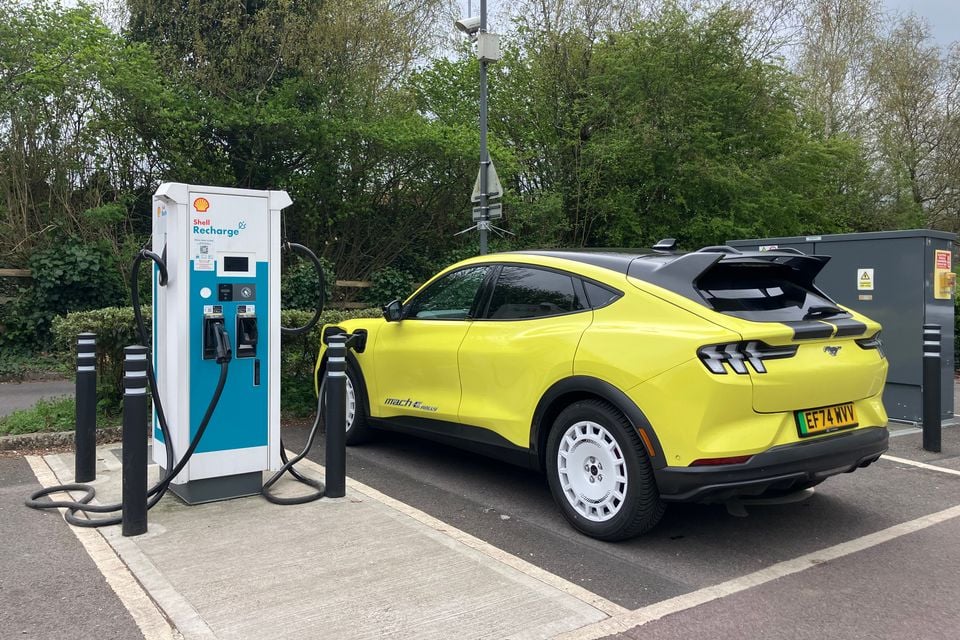
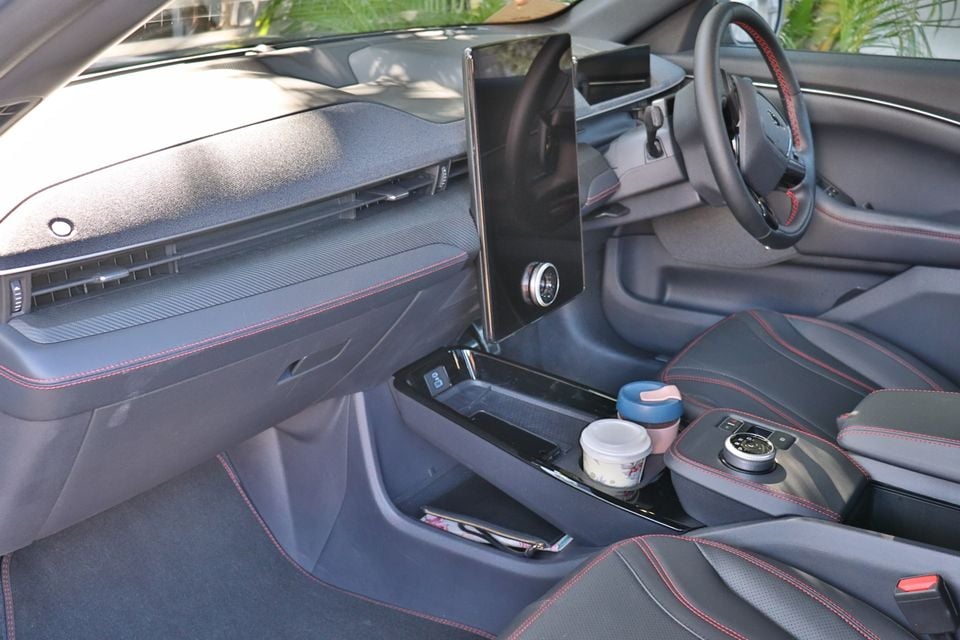
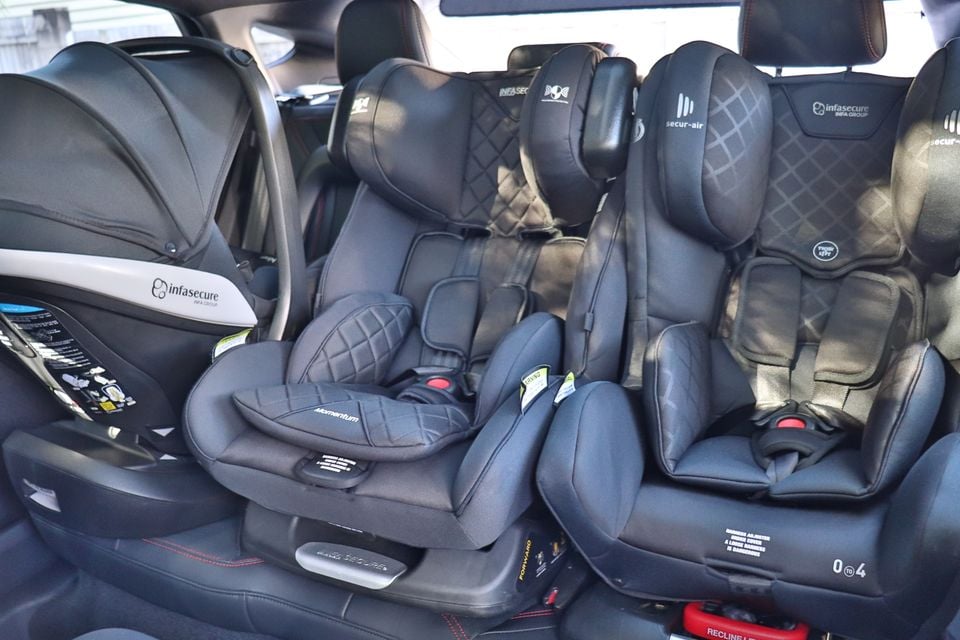
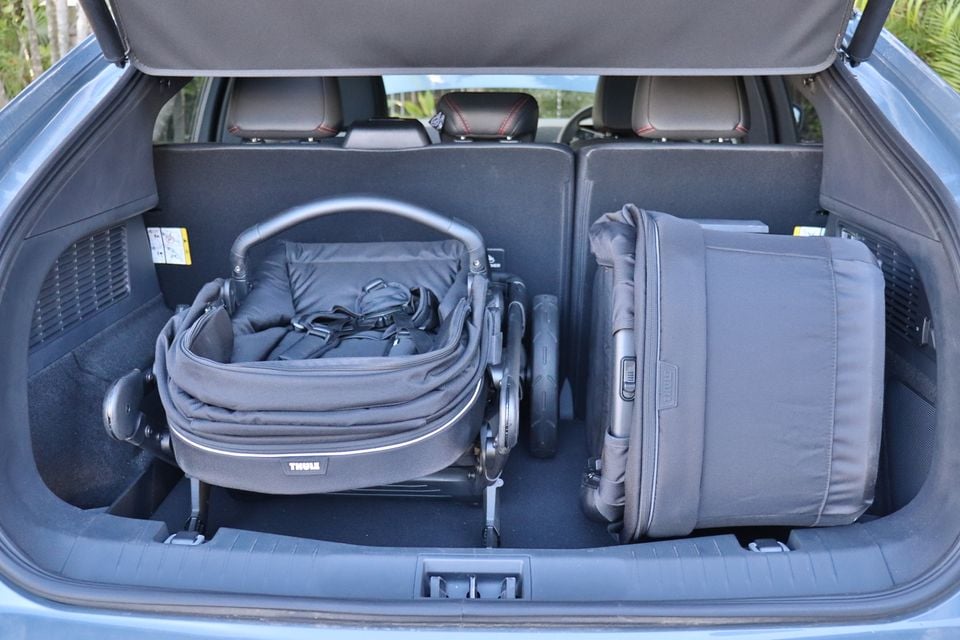
Three child seats fit nicely in the back of the Mustang Mach-E, leaving space for a 183cm-tall driver in front of a rear-facing child seat or a taller driver in front of a forward-facing child seat.
At 402L, the boot is the smallest on this list, but I was still able to fit a twin pram with a little room to spare for shopping, and the Mustang Mach-E also has a massive 133L frunk.
Having done a long family road trip in the Mustang Mach-E across the UK, I can vouch for its 600km-plus range and easy charging. It's also enjoyable to drive and comfortable for all passengers on board.
The entry-level Toyota bZ4X 2WD has 591km of battery range and the new wagon-shape bZ4X Touring has a much shorter 488km range, so depending on your family's boot-space needs, you are looking at a big difference in distance between charges (although the base grade of Subaru’s version, the Trailseeker, has a 533km range).
In SUV shape, the bZ4X's 421L boot is practical enough for family life, comfortably fitting a double pram and some shopping bags without a worry. In the bZ4X Touring, boot space increases to 603L, which is perfect for the family camping gear. Neither has a frunk, though.
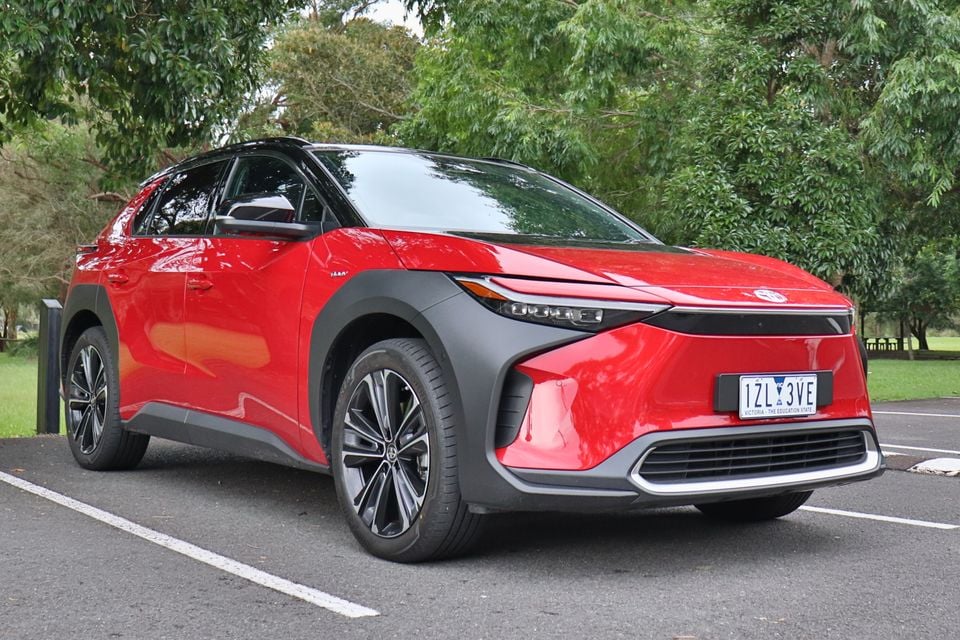
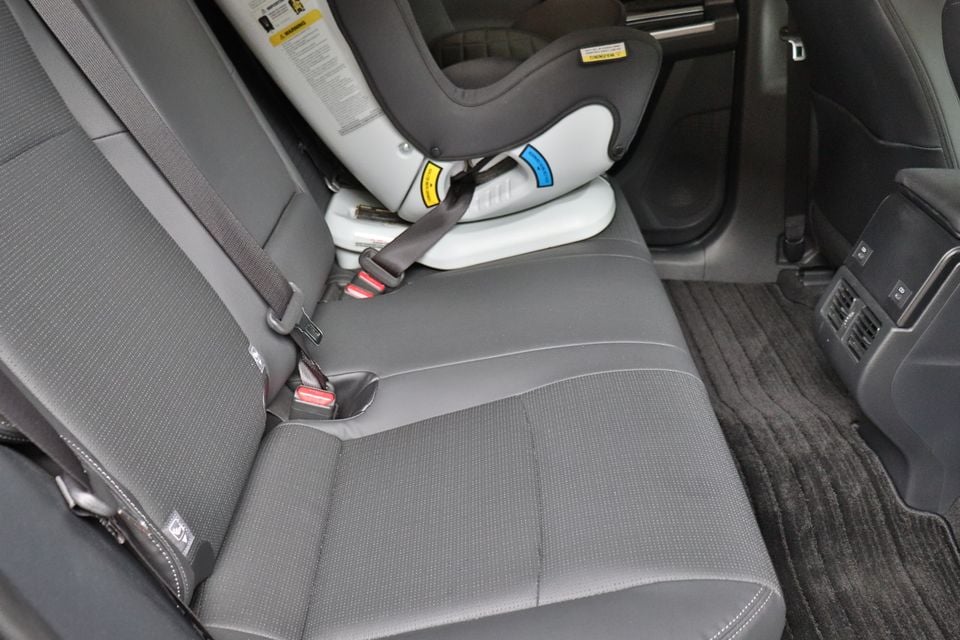
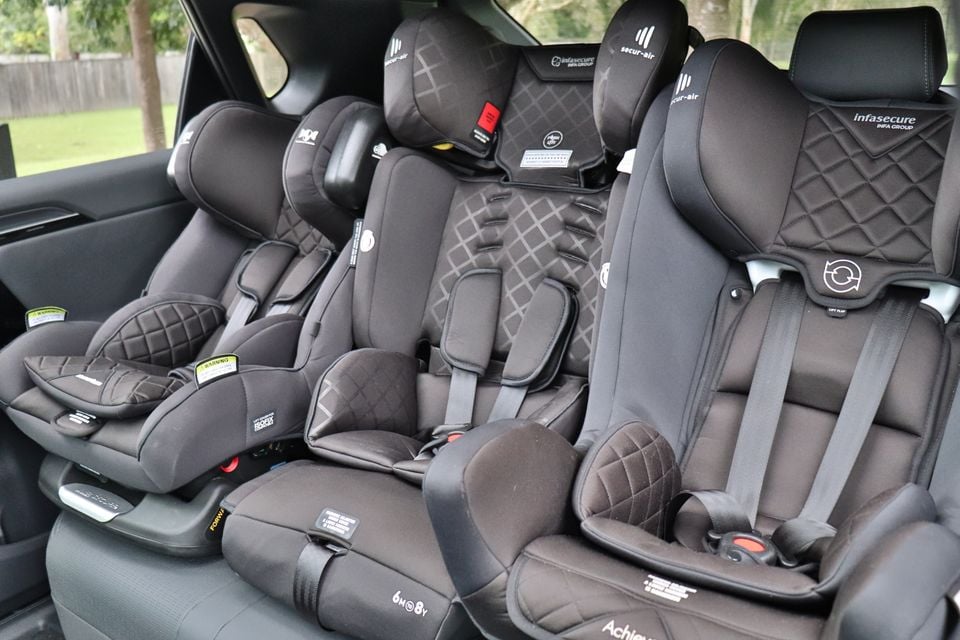
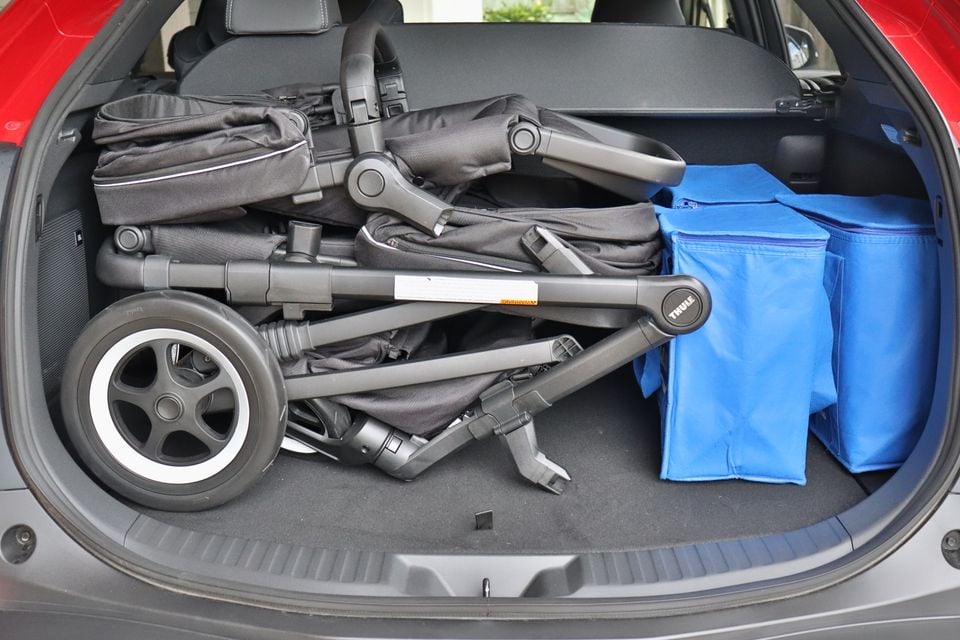
The bZ4X has ISOFIX points in the two outboard rear seats and top-tether anchorages for all three rear seats. Three child seats fit across the second row, leaving good legroom for a 180cm driver in front of a rear-facing child seat. Even taller drivers fit in front of a forward-facing child seat.
The advantage of the bZ4X Touring is its greater rear headroom and legroom for lanky teenagers or adults riding in the back with newborns.
Apart from the strange lack of a glovebox, the interior is minimal and clean without the spaceship feel of the majority of affordable EVs.
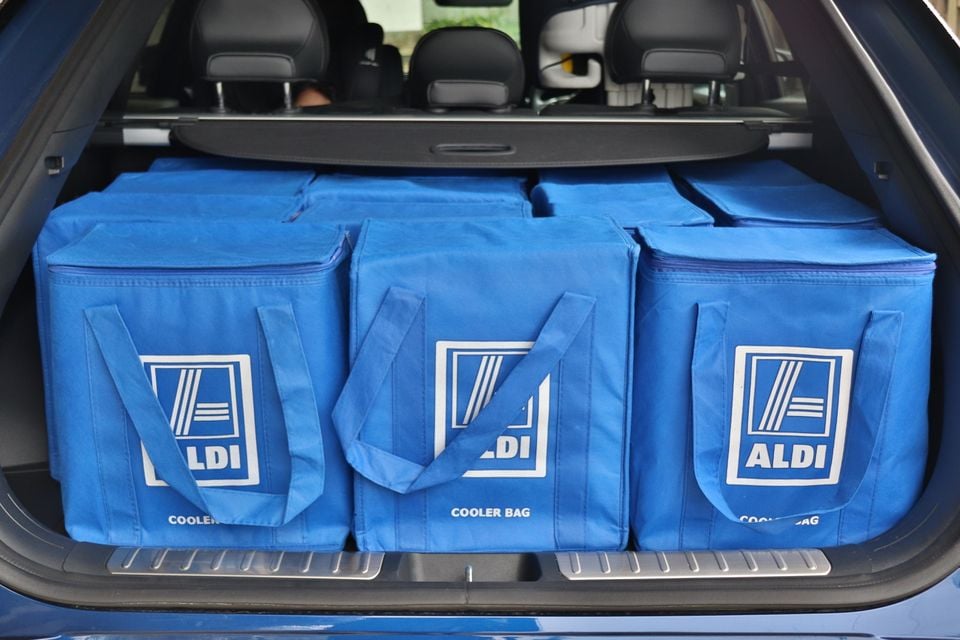
The entry-level Kia EV6 Air RWD has 582km of range and its 490L boot easily fits a double pram alongside the weekly shop. The frunk in the Air variants adds an extra 52L of storage space – enough for a couple of school bags.
When it comes to installing child seats, there are ISOFIX anchors in the two outer rear seats and top-tether points for all three rear seats. Three child seats fit across the second row.
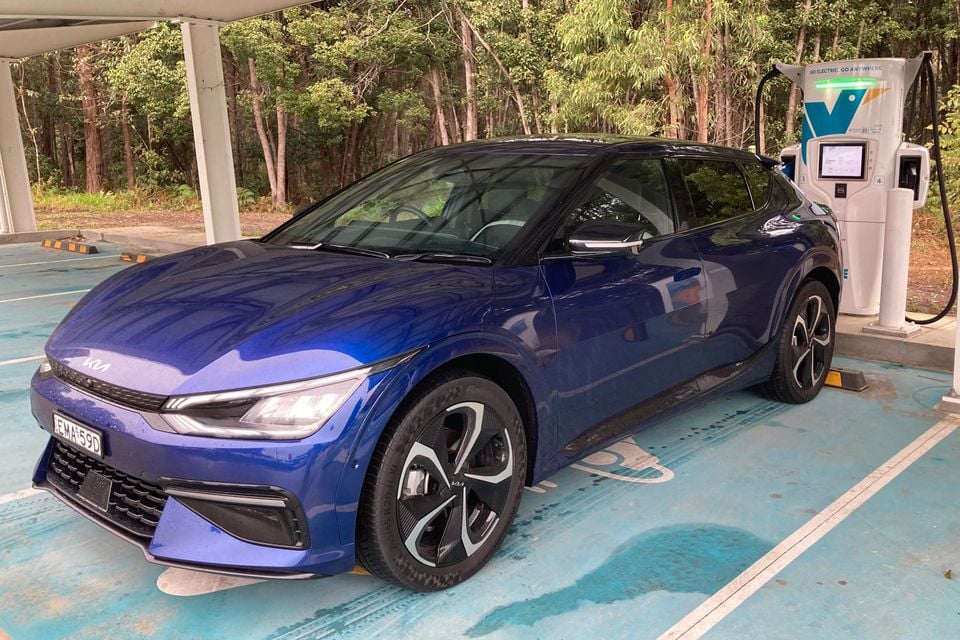
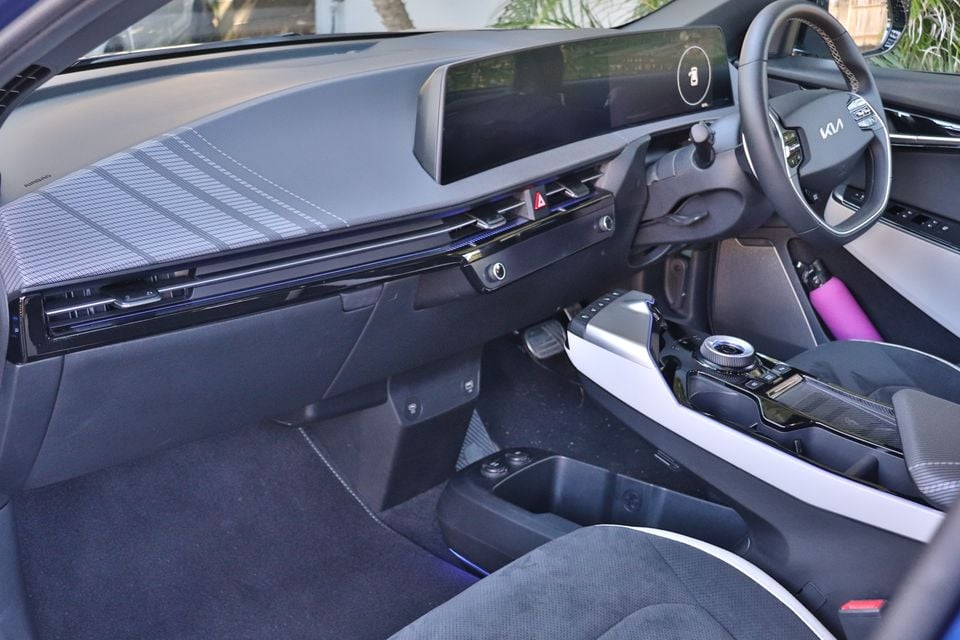
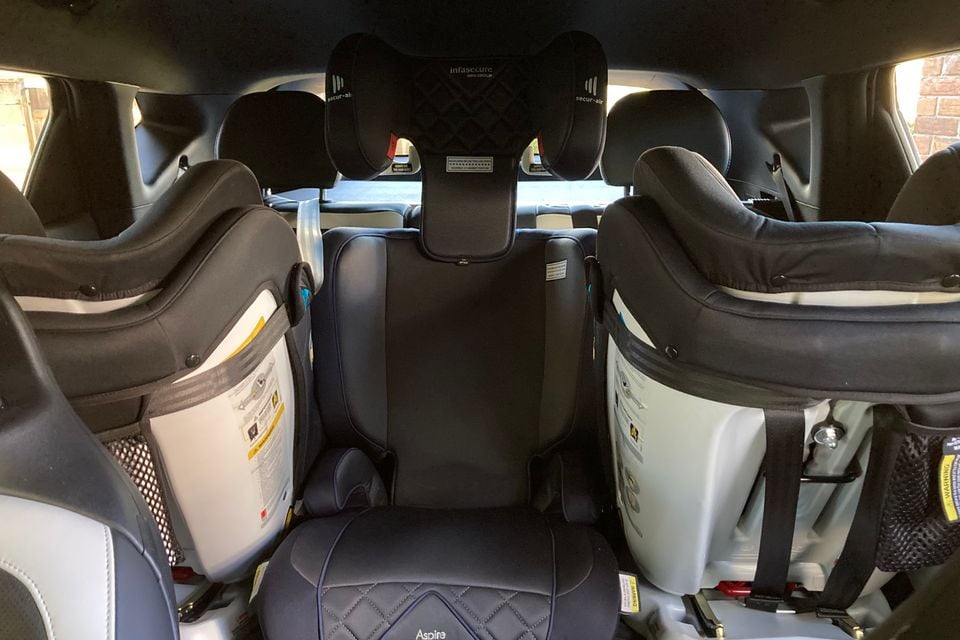
Legroom is exceptional in the EV6, whether or not you have child seats installed. A 186cm driver can fit in front of a rear-facing child seat and even taller drivers fit in front of a forward-facing child seat.
The EV6 is full of great features for families, including iPad holders in the back and thoughtful storage throughout, as well as ‘Quiet Mode’ which brings the sound from the rear speakers to the front speakers. It is really useful when your kids fall asleep in the back!
Family features galore! The interior of the Ioniq 5 is futuristic, fun and functional for family life. I especially love the little magnetic panel on the dash, where I can attach cute pictures from my kids.
The Hyundai Ioniq 5 has one of the shortest ranges on this list, but it's still plenty for family life, and compensates somewhat by its ultra-fast charging capability, which only a few more modern EVs are yet to catch up with.
Only the base model on 19-inch wheels manages 570km on a charge, which is ample for my family of four and enough for a road trip without too many charging stops.
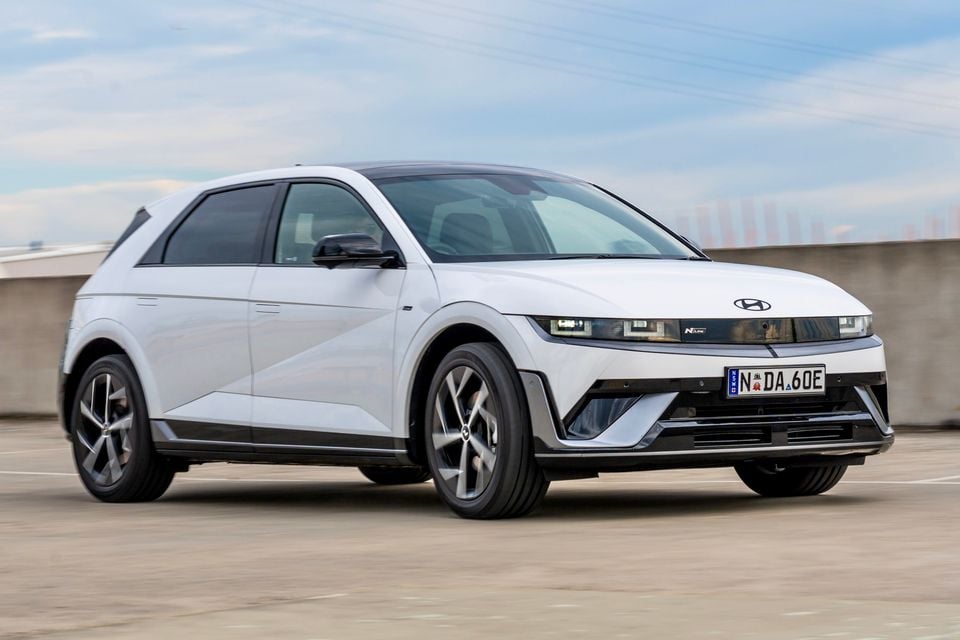
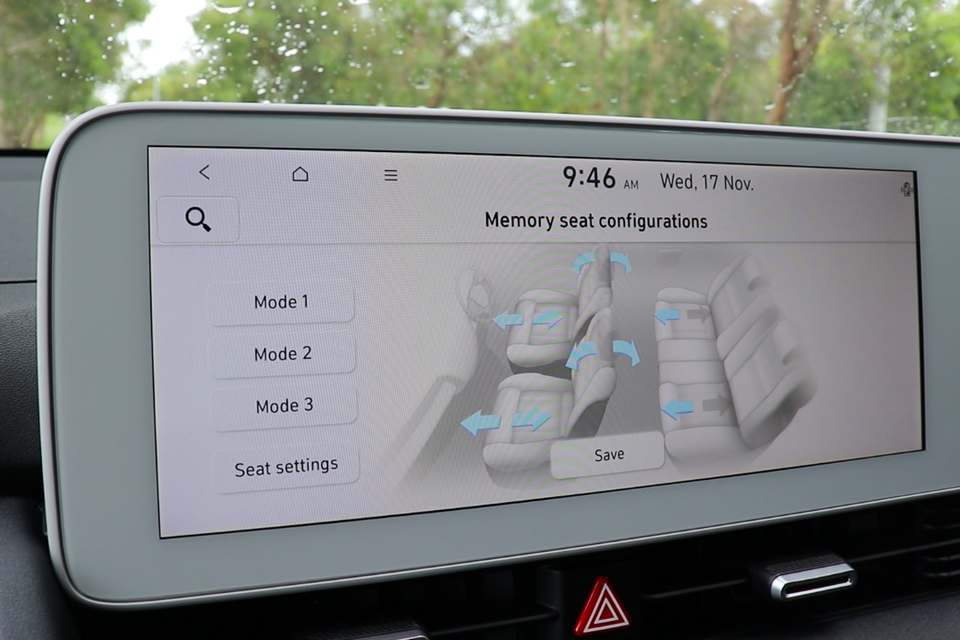
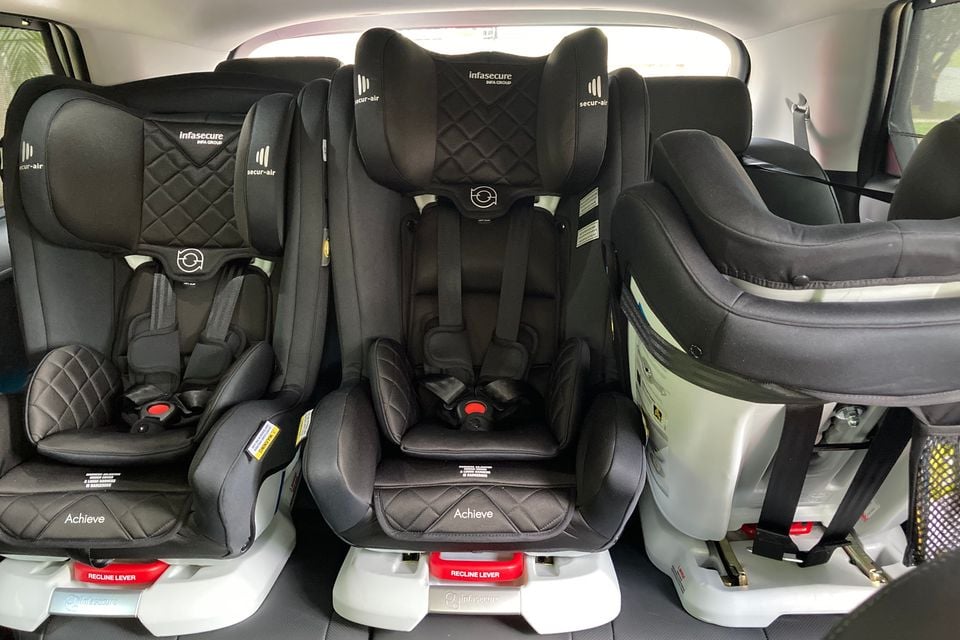
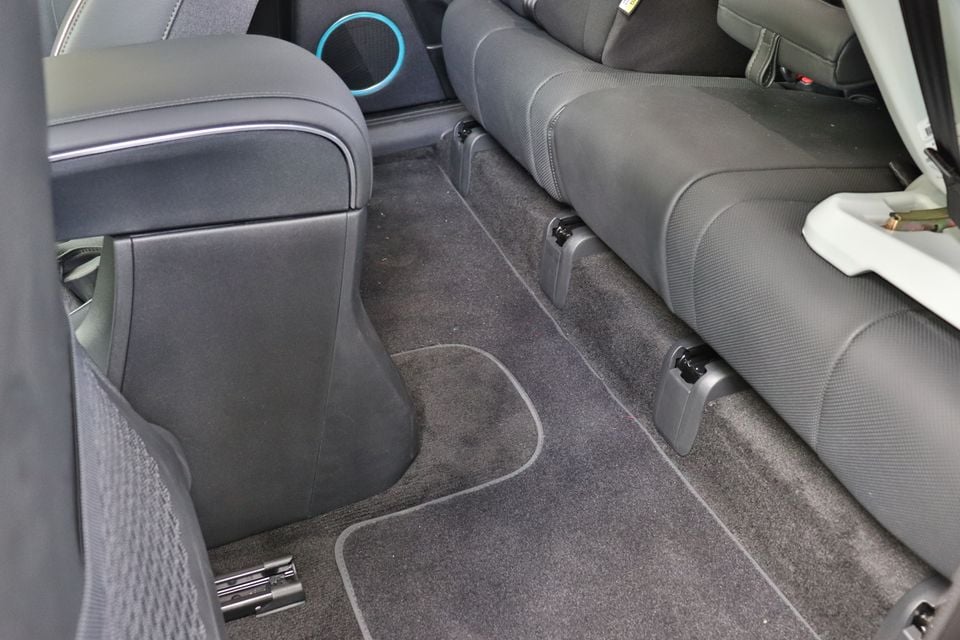
The Ioniq 5 has ISOFIX anchors in the two outer back seats and top-tether points for all three positions. Three child seats fit comfortably across the second row, with enough legroom for a 186cm driver in front of rear-facing child seats, or a taller driver ahead of forward-facing child seats.
Space is generous in the 527L boot, with enough room for the weekly family shop and the kids' scooters, or a twin pram with room to spare.
Depending on the version, the Ioniq 5 also has a 25L or 57L frunk.
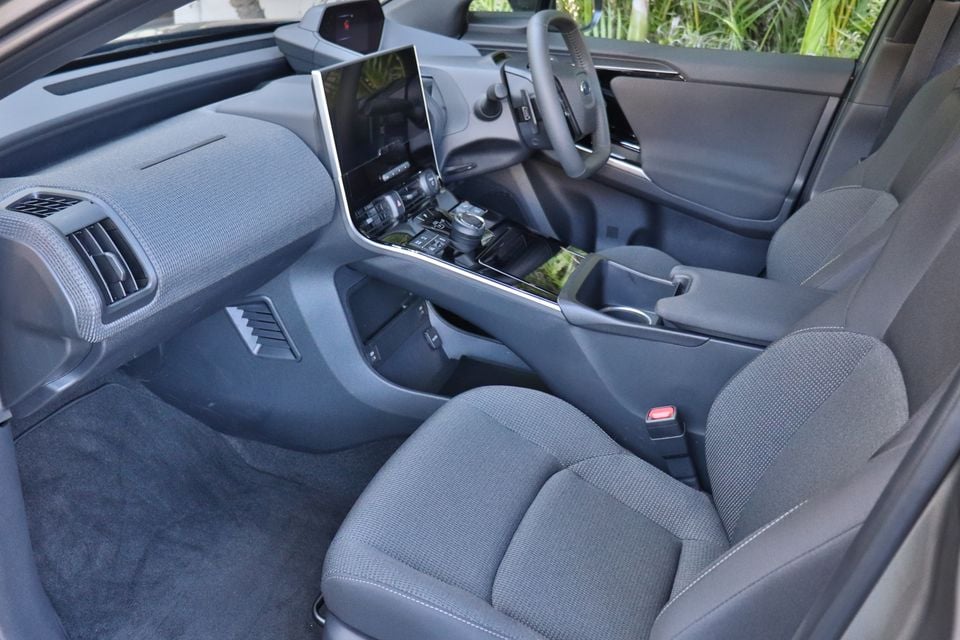
The Subaru Solterra AWD has a 566km range and the higher-spec Touring variant offers just 49km less (or about an extra day of local driving for most families).
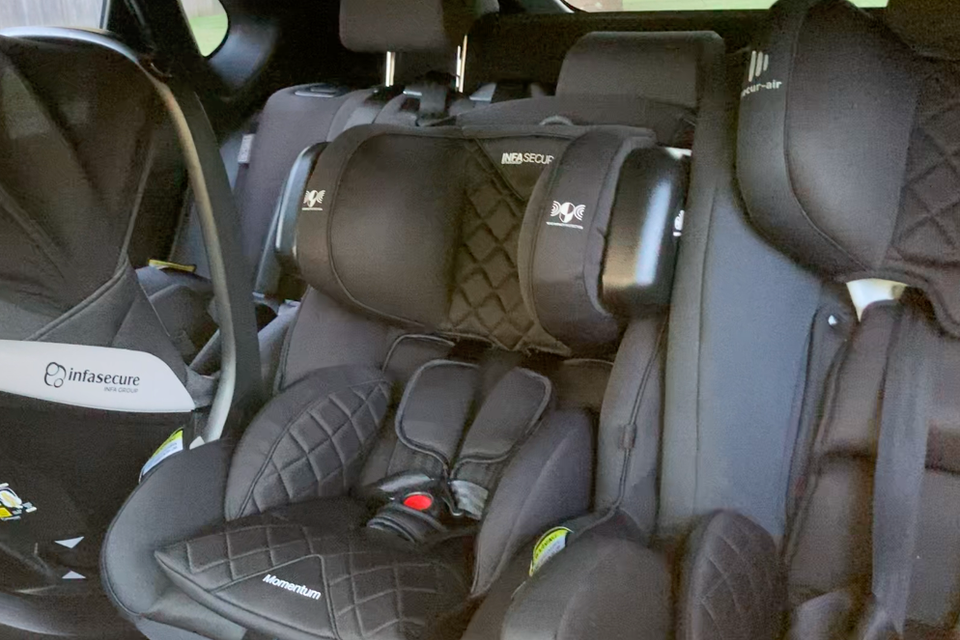
It has ISOFIX anchors in the two outboard rear seats and top-tether points for all three rear seats. Three child seats fit nicely across the back seat of the Subaru Solterra and with rear-facing child seats there is enough legroom for 180cm-tall occupants in front of them (taller if the child seats are forward-facing).
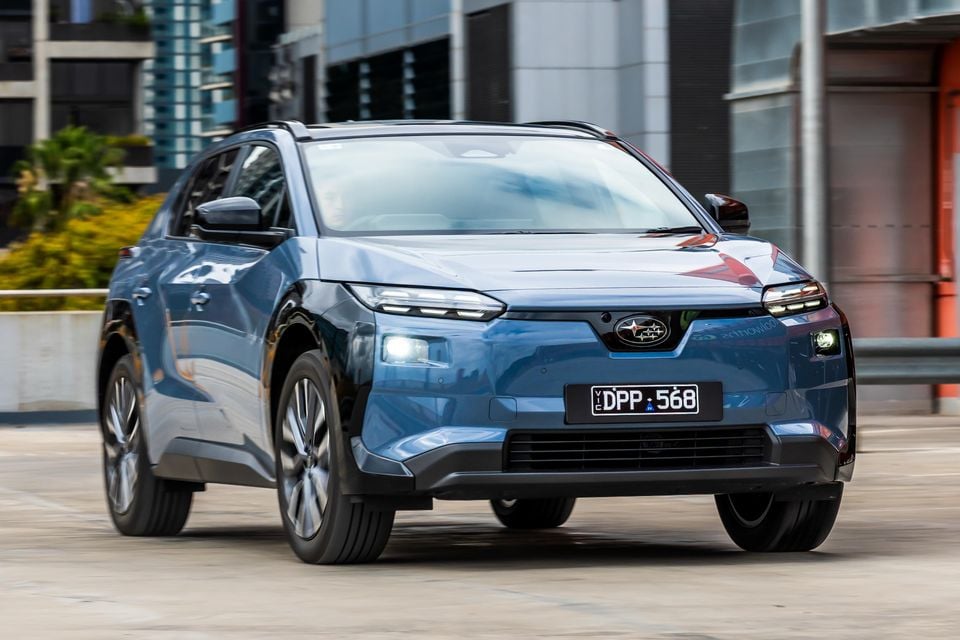
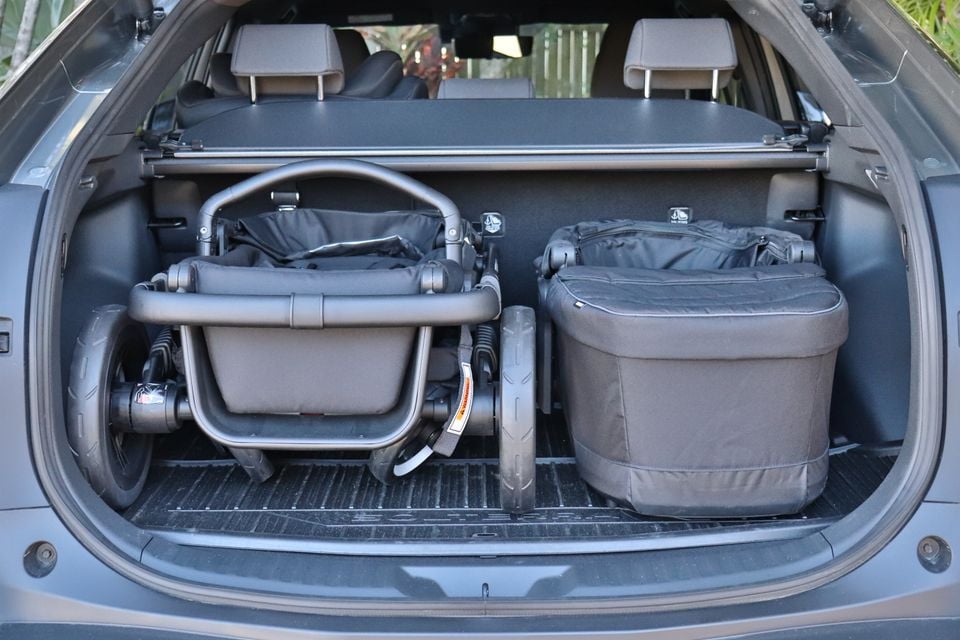
A 410L boot is at the small end of the spectrum here, but families with young siblings will have enough room for a twin pram and some groceries.
The Solterra has no frunk or glovebox, but its interior is clean and sturdy, and it has that solid Subaru feel to the way it drives.
Last but not least, the Skoda Enyaq Coupe Sportline has a 565km range and the high-spec RS doesn’t sacrifice much at 557km. Both figures are more than enough for our family's weekly school runs and commutes between charges.
The Enyaq has ISOFIX points in the outer rear seats and top-tether anchors for all three rear seats.
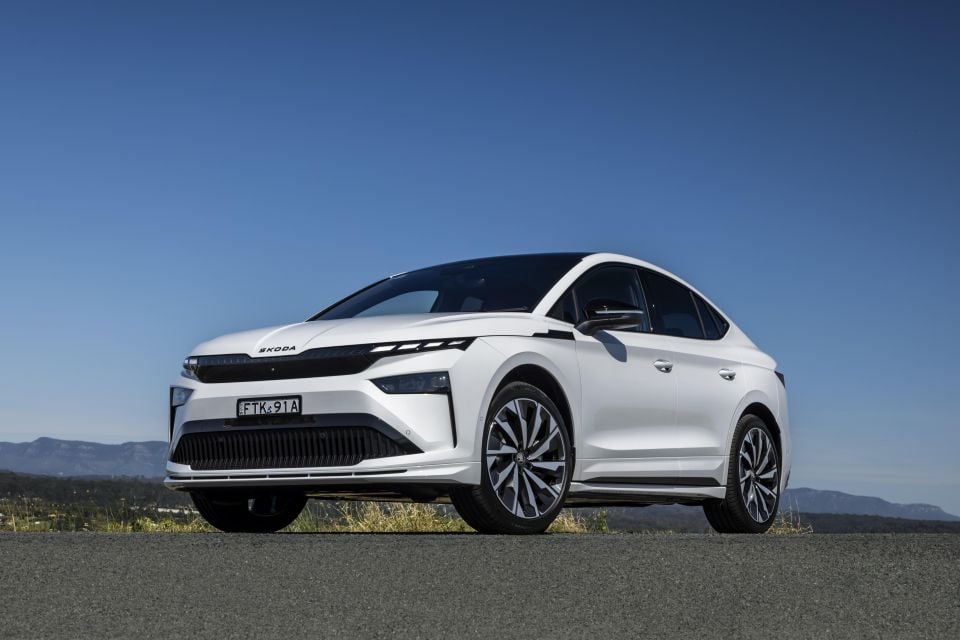
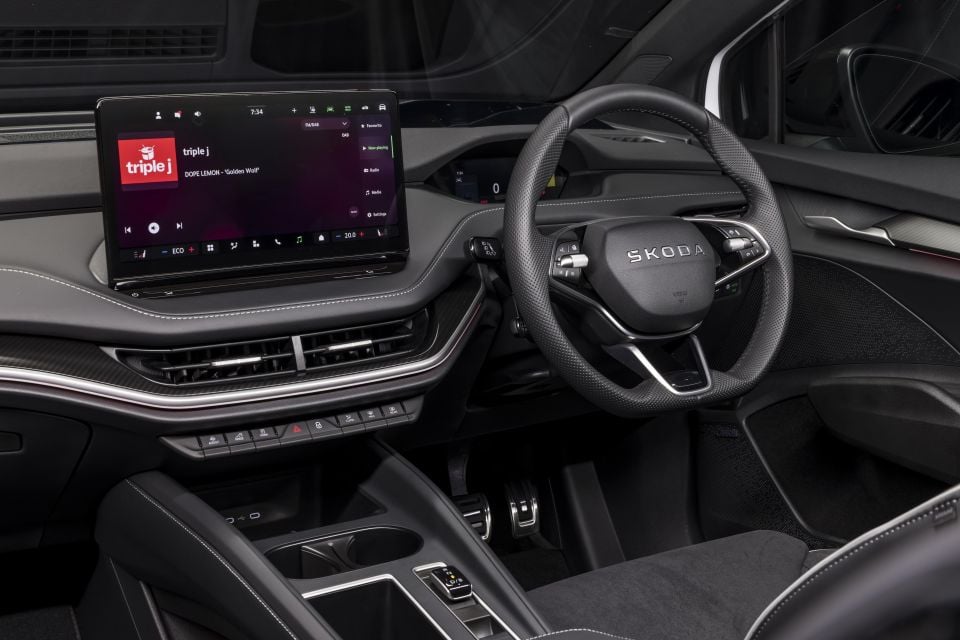
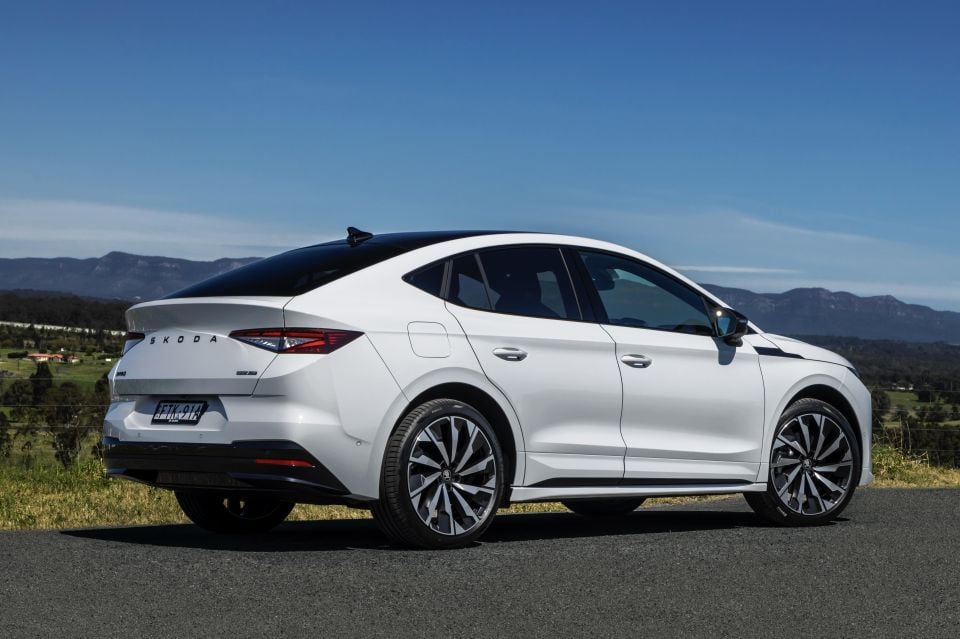
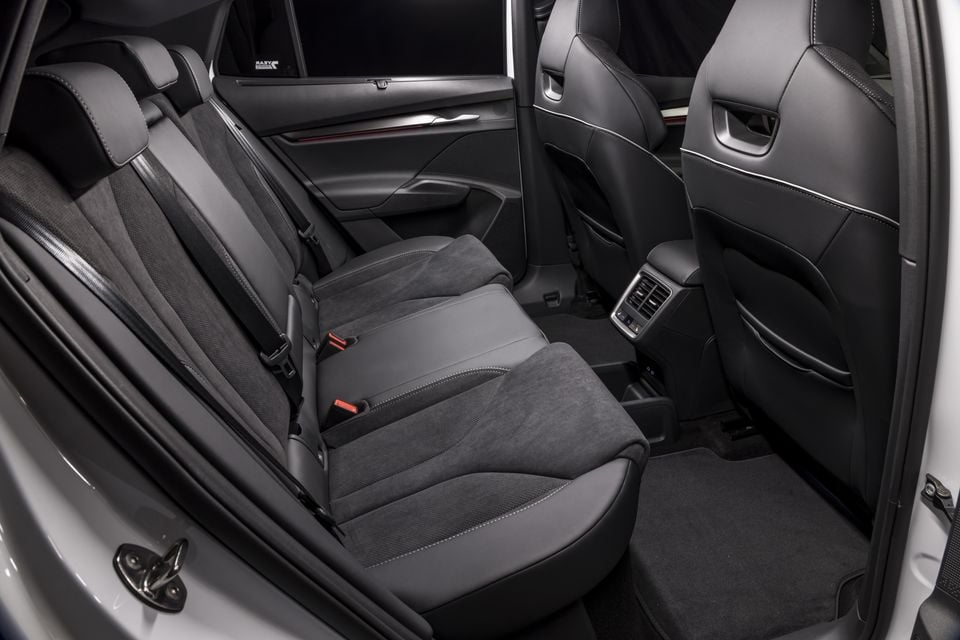
However, getting the longest range means going for the more aerodynamic Coupe versions of the Enyaq, which can impinge on rear-seat space and affect whether three child seats will fit across.
Even in Coupe form, the Enyaq has one of the largest boots on this list at 570L, so carting all of the kids’ sports gear or the baby’s pram and bassinet will be no problem! There’s also a 21L frunk to stash smaller items in.
The interior of the Enyaq is clean and smart, with the thoughtful Skoda details that we know and love, such as umbrellas housed in the front doors.
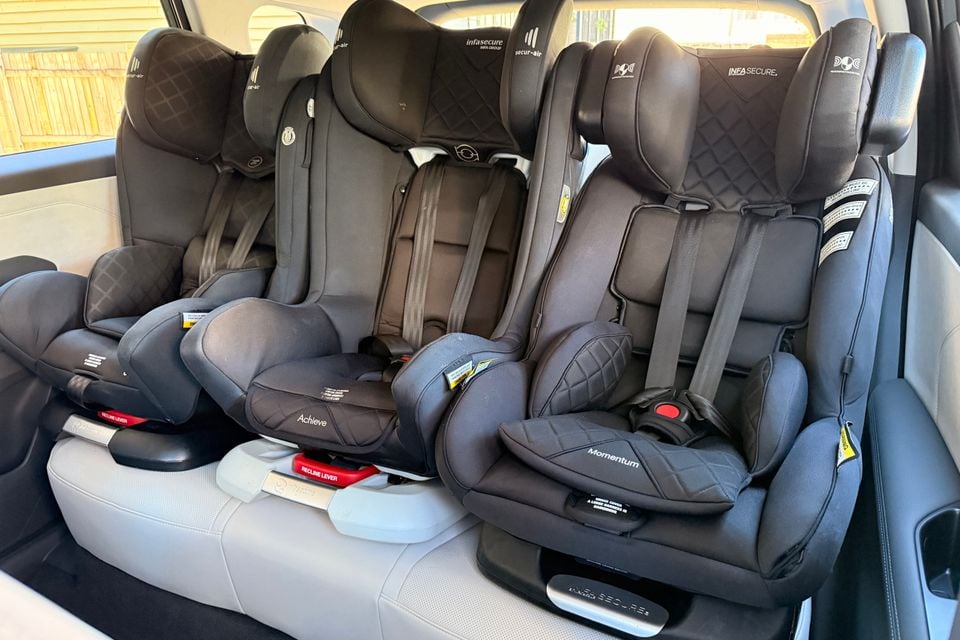
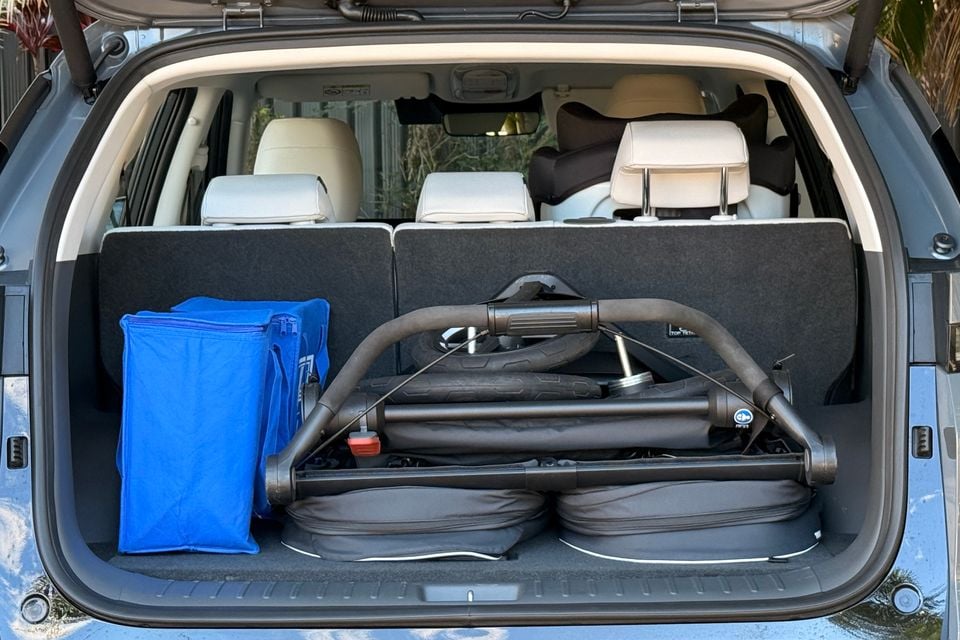
The Hyundai Elexio’s 562km range is more than enough for my family's weekly school runs and commutes between charges.
It was a snug fit but three child seats did fit across the second row, and with forward-facing child seats there is very good legroom for a 186cm-plus driver up front. It's still generous for front passengers up to 184cm tall if the child seats are rear-facing.
The 506L boot is big enough for a twin pram to fit easily along with a couple of bags of shopping, although there is no frunk in the Elexio.
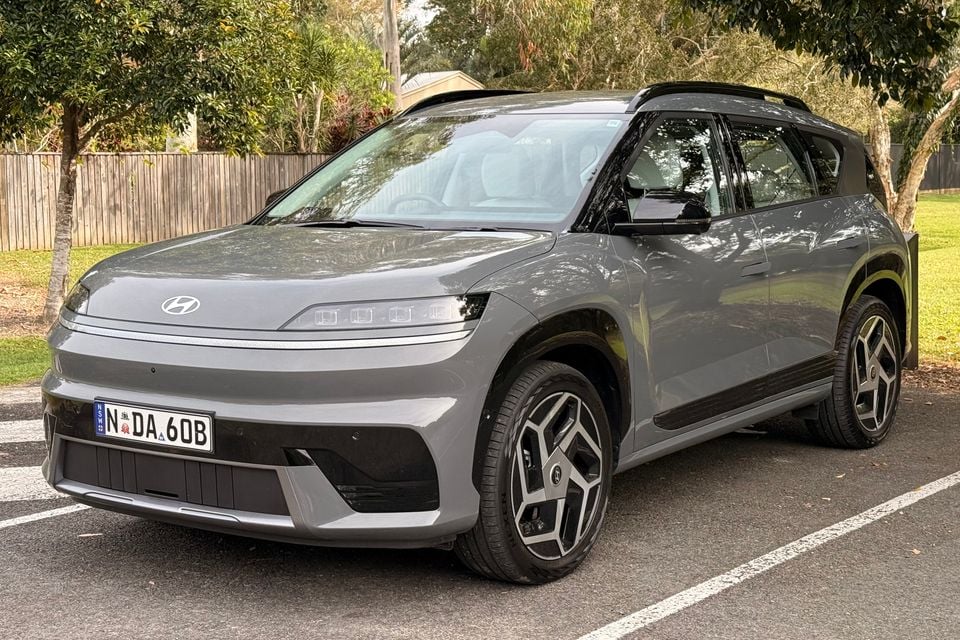
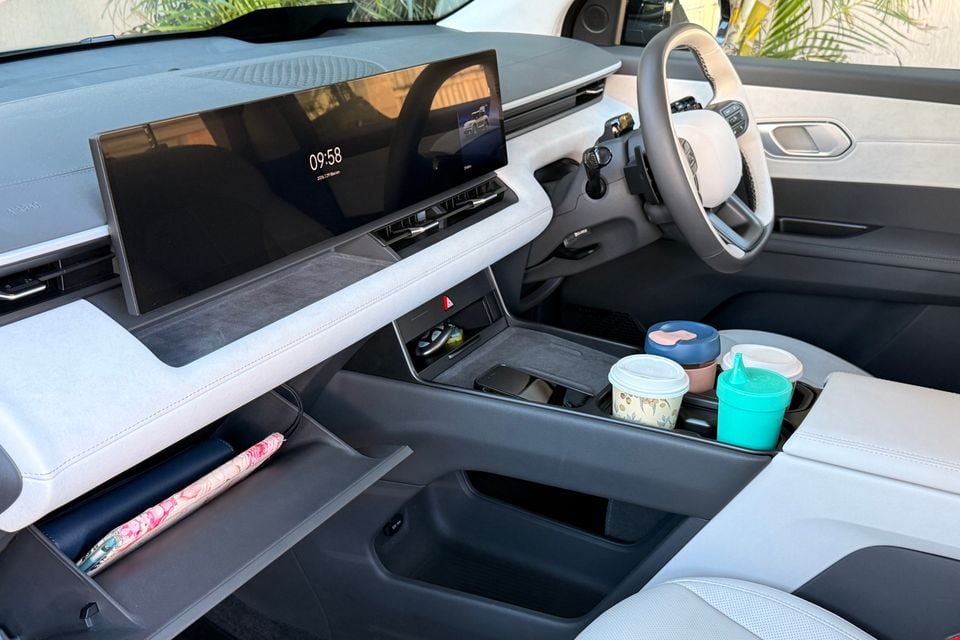
It’s comfortable to drive with the family onboard and the Elexio has good interior storage.
The dash layout is unusual and the controls are all within the enormous touchscreen (I’d prefer them to be buttons and dials), which starts to the left of the steering wheel and sweeps in front of the passenger.
Although the screen is packed with features such as games and entertainment, I found its position and functionality to be distracting and not intuitive to use.
MORE: Top five things to look for when buying a family car
MORE: Top five large seven-seat PHEV family SUVs in 2026
MORE: Top five large five-seat PHEV family SUVs in 2026
A mother of two and an automotive journalist based on Queensland's Sunshine Coast, Tace Clifford founded BabyDrive.com.au in 2017.
Damion Smy
3 Hours Ago

Dave Kavermann
3 Hours Ago

William Stopford
4 Hours Ago
Damion Smy
7 Hours Ago
William Stopford
8 Hours Ago
Damion Smy
8 Hours Ago
Add CarExpert as a Preferred Source on Google so your search results prioritise writing by actual experts, not AI.