




Damion Smy
Australian EV lobby group blasts "fragmented, paywalled" new-vehicle sales data
The Electric Vehicle Council has called for transparent, freely available sales results to prevent Australia "flying blind" on EV adoption.
11 Hours Ago
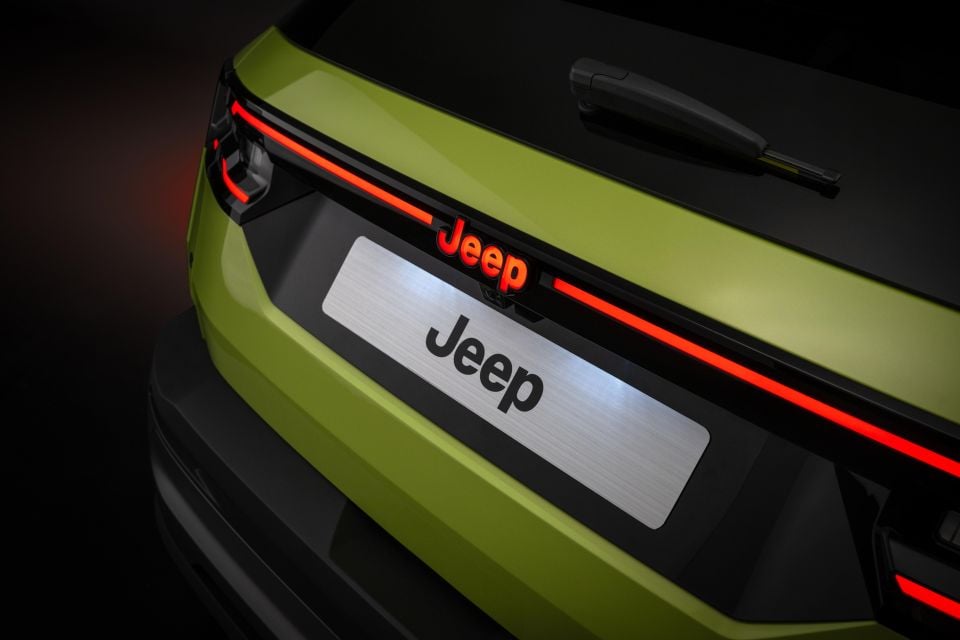
Jeep is returning to local manufacturing in China, and will attempt to win buyers with two new electrified vehicles which will also be exported.

Journalist
Journalist
Stellantis and Dongfeng have confirmed their joint venture factory will begin producing “new energy” Peugeot and Jeep models from 2027 both for China and “export to global markets”.
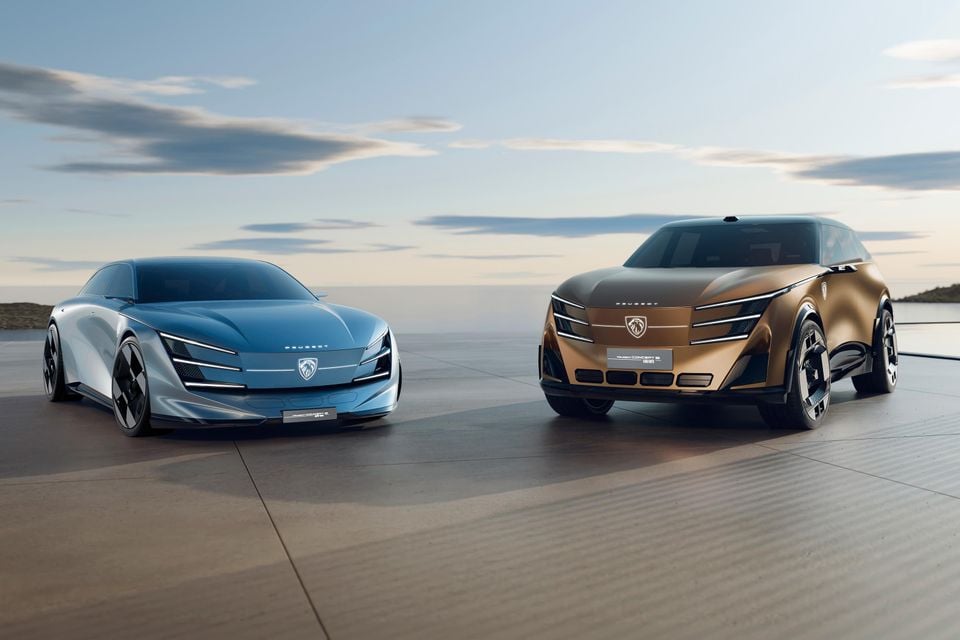
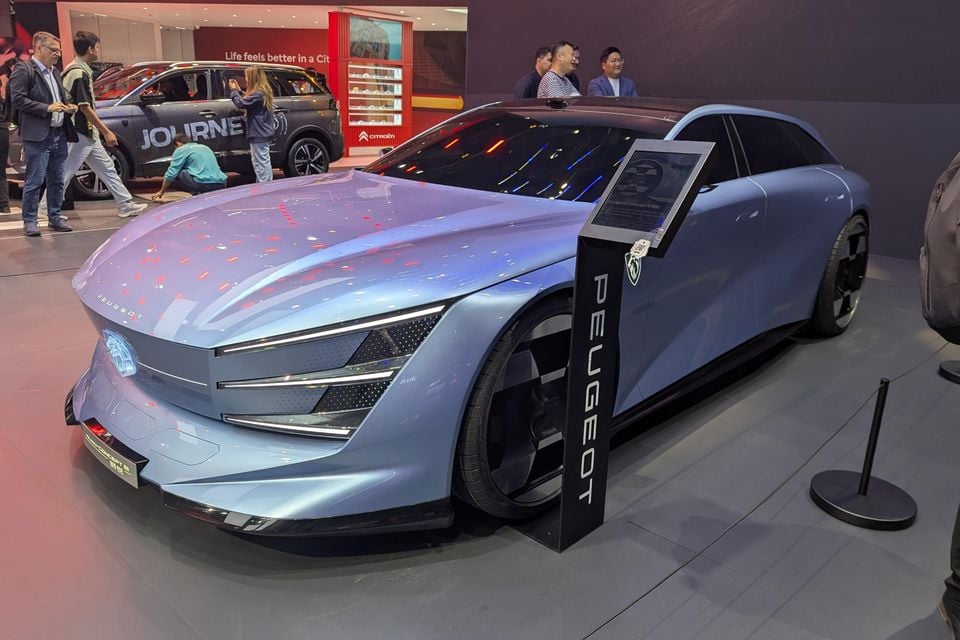
In a statement released over the weekend, the automakers announced the existing Dongfeng Peugeot-Citroen joint venture plant in Wuhan will produce two “Peugeot-branded” models from 2027. The design of these two vehicles will be based on the Concept 6 and Concept 8 SUV revealed at the recent Beijing motor show.
Both concept cars are on the large side, and if exported back to Europe would help the brand flesh out the top-end of its lineup, which currently tops out with the 4.79m-long 5008 SUV.
CarExpert can save you thousands on a new car. Click here to get a great deal.
The Wuhan factory will also begin production in 2027 of "initially two Jeep-branded off-road new energy vehicles for global markets". It’s unknown if Wuhan will manufacture existing Jeep models, or something new.
We also don’t know if the two Peugeot and Jeep models confirmed in this announcement will be based on Stellantis or Dongfeng architectures, and the two automakers haven't indicated which global markets the new cars will be exported to.
Currently Australian-market Peugeots come from Europe, while local Jeeps are sourced from Europe and North America.
All four vehicles will be “new energy vehicles”, which is a China-specific phrase encompassing plug-in hybrids (PHEVs), electric vehicles (EVs), and extended-range electric vehicles (EREVs).
The partners will invest around €1 billion (A$1.6bn) to produce these four new cars, with Stellantis only contributing about €130 million (A$211 million).
Last month a report indicated Stellantis will look to focus on four key global brands (Peugeot, Fiat, Jeep and Ram), with its other marques being relegated to regional roles.
This announcement is Jeep’s third crack at local manufacturing in China. In the early- to mid-80s, the brand set up the Beijing Jeep joint venture with Beijing Automobile Works (BAW), allowing it to produce cars in a country that was slowly opening up to world and beginning its embrace of capitalism.
Like Volkswagen with its partner SAIC, Jeep was one of the first foreign automakers in China, and these early entrants enjoyed much success with the emerging upper middle and entrepreneurial classes.
In time Beijing Jeep added some locally developed models. The roster grew to include Mercedes-Benz, Chrysler and Mitsubishi vehicles after the 1998 “merger of equals” between Daimler and Chrysler.

After Daimler jettisoned Chrysler to private equity firm Cerberus in 2007, the German automaker kept Beijing Jeep — since renamed Beijing Benz — for itself. Chinese production of Jeep, Chrysler and Mitsubishi models largely ceased around this time.
Partially due to the global financial crisis of the late 2000s, Chrysler filed for Chapter 11 bankruptcy protection and was slowly subsumed by Fiat.
Recognising the need to increase its presence in China, Fiat formed a partnership with GAC in 2010. GAC Fiat began production of the Fiat Viaggio, a rebadged Dodge Dart, in 2012, but it wasn’t until 2016 that local production of Jeep vehicles began again, including the Commander (above).
Fiat Chrysler merged with PSA Peugeot Citroen in 2021 to form Stellantis. A year later the automaker closed the GAC FCA joint venture following years of losses, and Jeep became an import-only brand.
Peugeot and Jeep will be the latest in a string of non-Chinese brands to announce plans to export under their own names vehicles built and developed by a Chinese joint venture partner. Mazda, for example, is launching its 6e and CX-6e here this year which were developed under its joint venture with Changan, Hyundai has its Elexio developed with BAIC, and Ford and Nissan are expected to launch Chinese-developed models of their own.
Jeep has some significant holes in its Australian lineup which Chinese models could help fill.
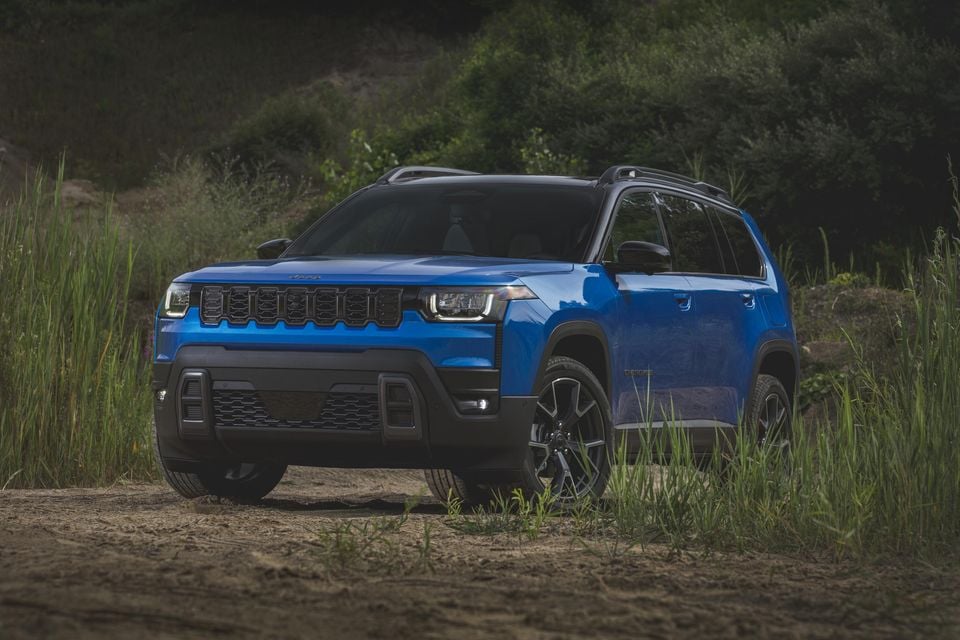
It has no mid-size SUV, with the previous Cherokee withdrawn in 2022 and its successor (pictured above) not built in right-hand drive. Last year, it also axed the long-running Grand Cherokee line due to the end of right-hand drive production, leaving the Wrangler as its only large SUV.
Besides the Wrangler, it has just three other models: the electric Avenger light SUV, the Compass small SUV, and the Gladiator ute. Last year, its sales slumped by 31.5 per cent to just 1682 units.
Derek Fung would love to tell you about his multiple degrees, but he's too busy writing up some news right now. In his spare time Derek loves chasing automotive rabbits down the hole. Based in New York, New York, Derek loves to travel and is very much a window not an aisle person.
Damion Smy
11 Hours Ago

William Stopford
12 Hours Ago
Damion Smy
12 Hours Ago
William Stopford
14 Hours Ago

Josh Nevett
14 Hours Ago
Damion Smy
15 Hours Ago
Add CarExpert as a Preferred Source on Google so your search results prioritise writing by actual experts, not AI.