




Derek Fung
Leapmotor B03: Bargain EV approved for sale in Australia
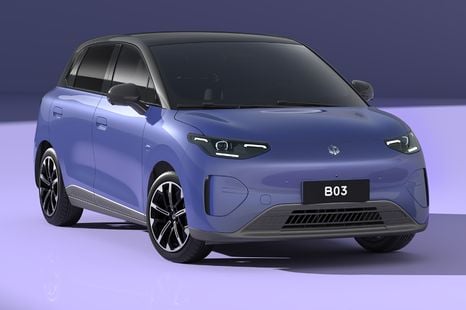
Those looking to get into an EV for the least money possible could soon have another option with the Leapmotor B03 receiving local certification.
11 Hours Ago

Deputy News Editor
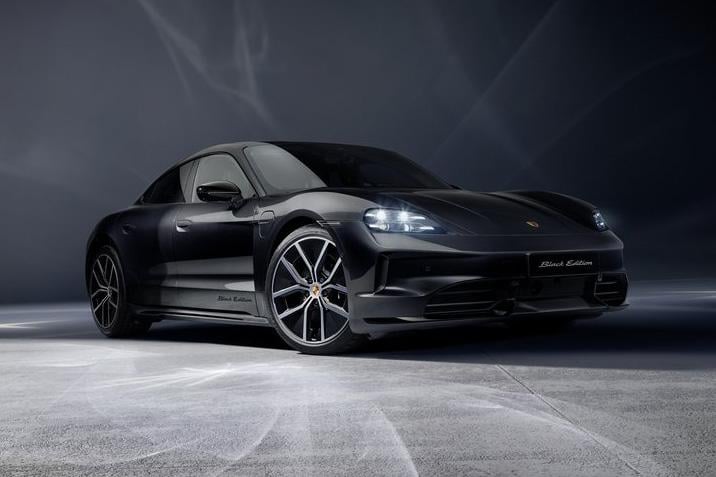
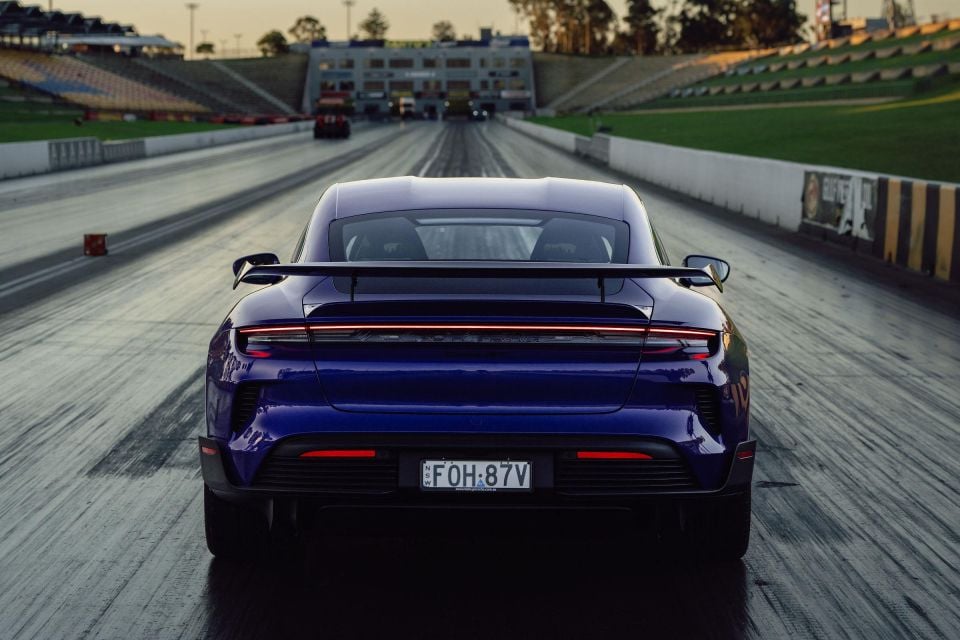
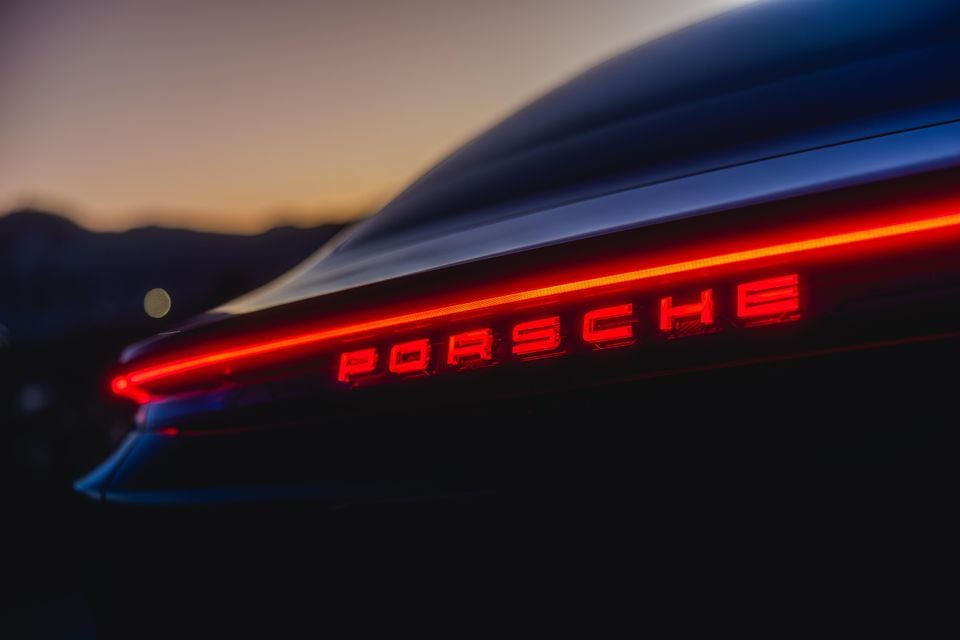
The Porsche Taycan electric vehicle (EV) is reportedly on borrowed time, despite recent comments from Porsche CEO Michael Leiters that the model would not be discontinued in the short term.
German publication Wirtschaftswoche (via Autocar) reports Porsche plans to gradually phase out the Taycan between now and 2030, rather than axe it immediately.
This move has reportedly been agreed upon with the Porsche works council, but has yet to be formalised.
The Taycan, unveiled in 2019 and launched in Australia in 2021, was recently named among several potential casualties of cost-cutting measures at Porsche and parent Volkswagen Group.
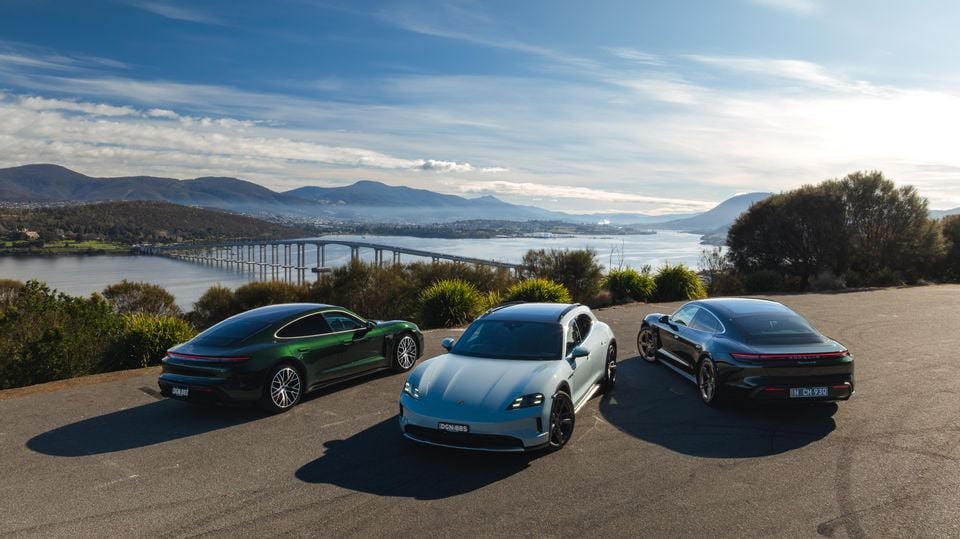
Those measures reportedly include plans to halve the number of model lines offered across Volkswagen Group brands including Skoda, Seat, Cupra and Audi, as well as Porsche.
Responding to reports about the Taycan's future, Mr Leiters recently told Frankfurter Allgemeine Zeitung the EV would remain on sale in the short term.
“Model streamlining doesn't necessarily mean discontinuing entire model series. Often, it's about eliminating variants,” Mr Leiters said.
“We've already started doing that. With the Taycan, we will further reduce the number of models [variants] and thus decrease complexity.
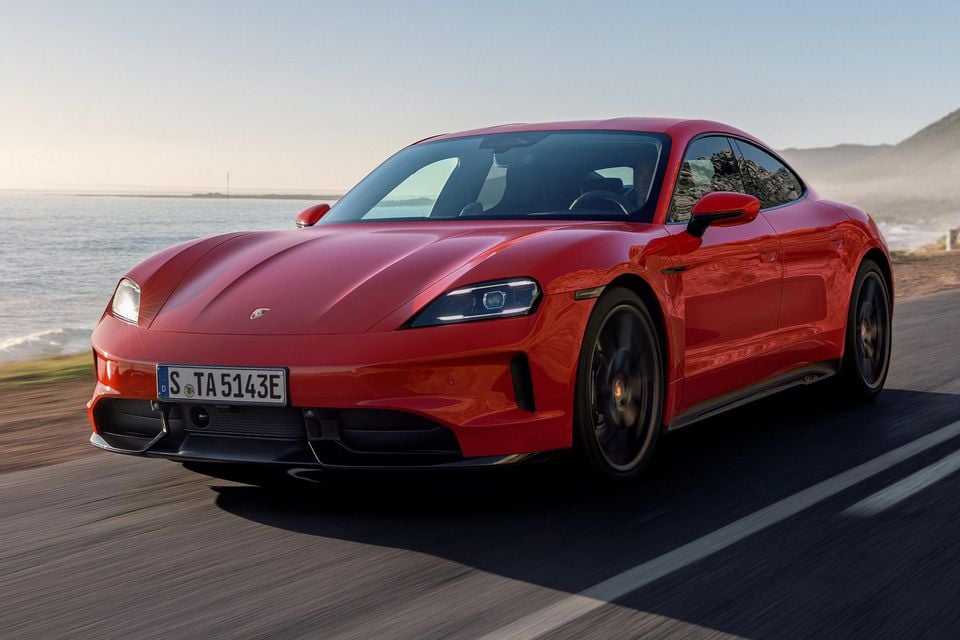
“We have no plans to discontinue the Taycan in the short term. We've invested heavily in the model and want to monitor how demand develops.”
The Taycan is similar in size to the Panamera, which is currently offered with petrol and plug-in hybrid powertrains.
Porsche has previously confirmed plans for an electric Panamera, though it hasn't announced launch timing or detailed specifications, and has said the battery-powered model would sit alongside the Taycan rather than replace it.
In 2024, when the Panamera EV was confirmed, Taycan product line boss Kevin Giek told Autocar the company had a “high interest to keep [the Taycan] as a long-lasting car line, like the 911”.
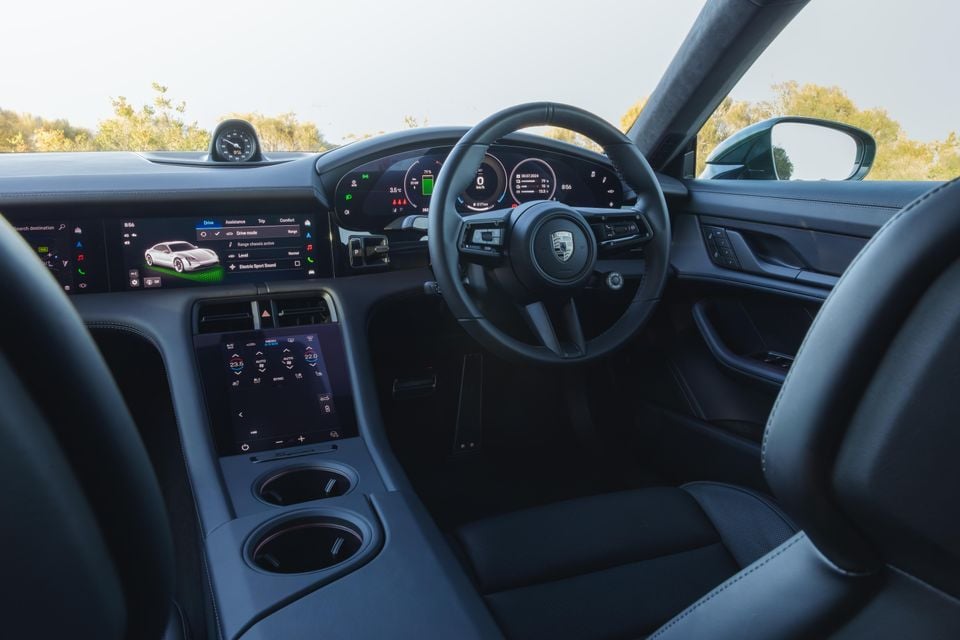
However, after reaching a record 40,629 sales in 2023, Taycan sales fell to 16,339 in 2025, with Porsche cutting production as demand weakened.
The decline continued in the first half of 2026, when Porsche delivered 6219 Taycans globally, down 25 per cent on the same period in 2025.
Replacing the Taycan with an electric Panamera would echo Porsche's strategy for its Cayenne and Macan SUVs, for which electric and internal-combustion models use separate platforms.
In Australia, only 58 Taycans were sold between January and July 2026, well short of the model's full-year record of 535 in 2023. Porsche sold 282 Taycans locally in 2024 and 176 in 2025.
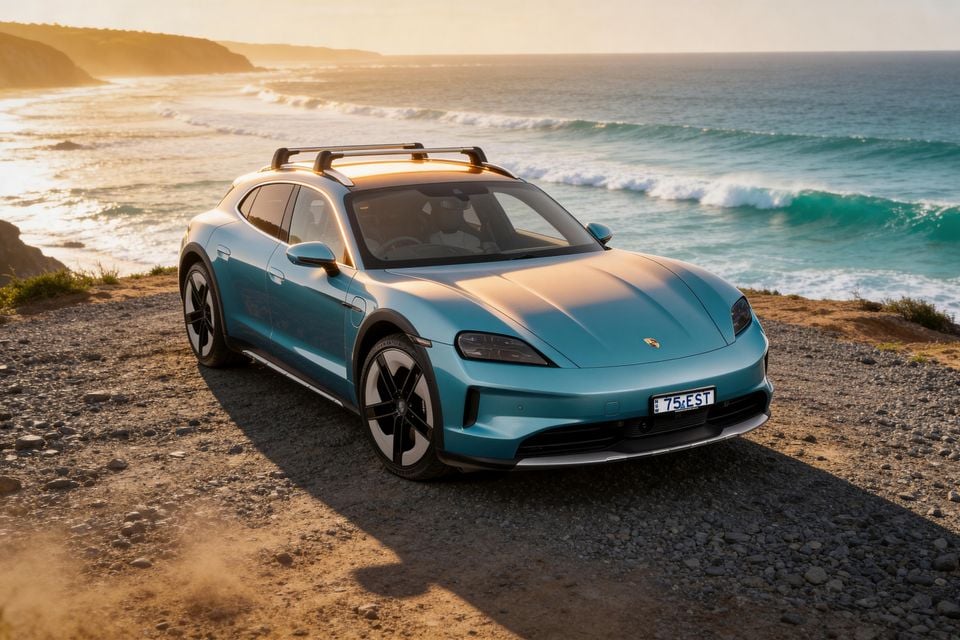
Porsche has already wound back its previous EV ambitions, which included a target for electric vehicles to account for more than 80 per cent of its global sales by 2030, subject to customer demand and the development of electromobility.
It also postponed development of a new dedicated EV platform, and confirmed it would launch a new three-row flagship SUV not as an EV but rather with petrol and PHEV powertrains.
The revised strategy came as Porsche delivered about 62,000 EVs globally in 2025, representing 22.2 per cent of its 279,449 total deliveries, which were down 10 per cent year-on-year.
That followed Porsche's record global result of 320,221 deliveries in 2023.
The shift also comes as the European Commission proposes relaxing the European Union's 2035 new-car emissions target from a 100 per cent reduction in tailpipe CO2 emissions to 90 per cent, potentially allowing some combustion-powered and hybrid vehicles to remain on sale beyond that date.
The United States has also softened vehicle emissions regulations, potentially extending the life of internal-combustion powertrains in the short to medium term.
In Australia, Porsche sales fell 27 per cent to 5133 vehicles in 2025, of which 1181 – or 23 per cent – were EVs, after the brand posted a record 7029 deliveries in 2024.
In July 2026, German publication Bild reported Volkswagen Group plans to reduce the number of model lines across its brands by up to 50 per cent and close additional factories, potentially increasing workforce reductions from around 50,000 to as many as 100,000.
Porsche, meanwhile, has agreed to cut a further 5000 jobs by 2035, taking its planned workforce reduction to around 8900 positions as part of a broader cost-cutting program.
Research cars in our Showroom, compare your options or let our New Car Specialists do the running around to find you a great deal.
Damion Smy is an award-winning motoring journalist with global editorial experience at Car, Auto Express, and Wheels.
Derek Fung
11 Hours Ago

Ben Zachariah
12 Hours Ago

Josh Nevett
12 Hours Ago

Tace Clifford
13 Hours Ago

Max Davies
20 Hours Ago

James Wong
2 Days Ago
Add CarExpert as a Preferred Source on Google so your search results prioritise writing by actual experts, not AI.