




Derek Fung
Leapmotor B03: Bargain EV approved for sale in Australia
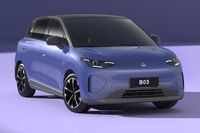
Those looking to get into an EV for the least money possible could soon have another option with the Leapmotor B03 receiving local certification.
12 Hours Ago

Journalist
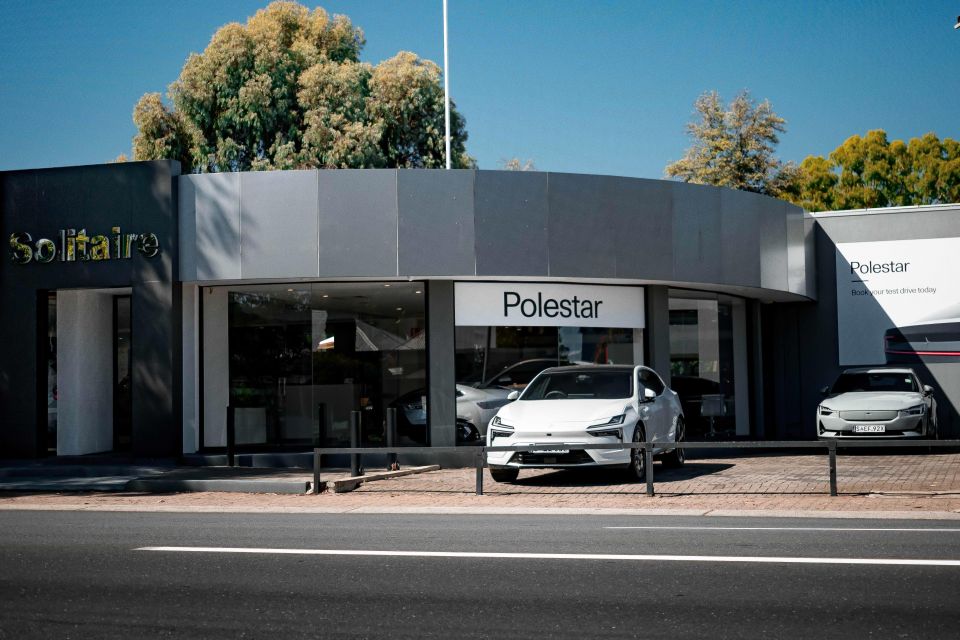
Polestar Australia has stood its ground on refusing to rejoin Australia's leading automotive industry organisation, the Federal Chamber of Automotive Industries (FCAI), this time citing its perceived lack of support for electric vehicles (EVs) as the overriding factor.
Polestar, alongside fellow EV-only brand Tesla, opted to leave the FCAI in early 2024 in protest against the body's criticism of Australia's New Vehicle Efficiency Standard (NVES), which has now been implemented in a bid to cut new-vehicle emissions.
The FCAI has argued that the NVES "could result in a lower-than-anticipated uptake of low-emission technologies" and could therefore "have the opposite effect of increasing emissions rather than achieving the policy objective... while making new cars more expensive".
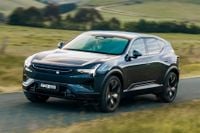
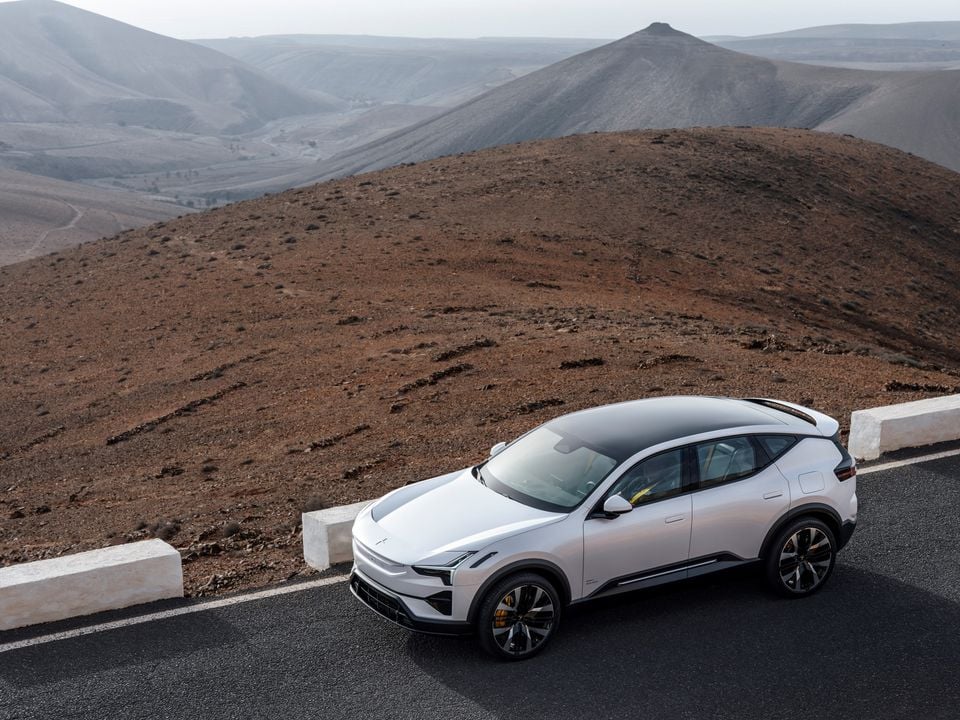
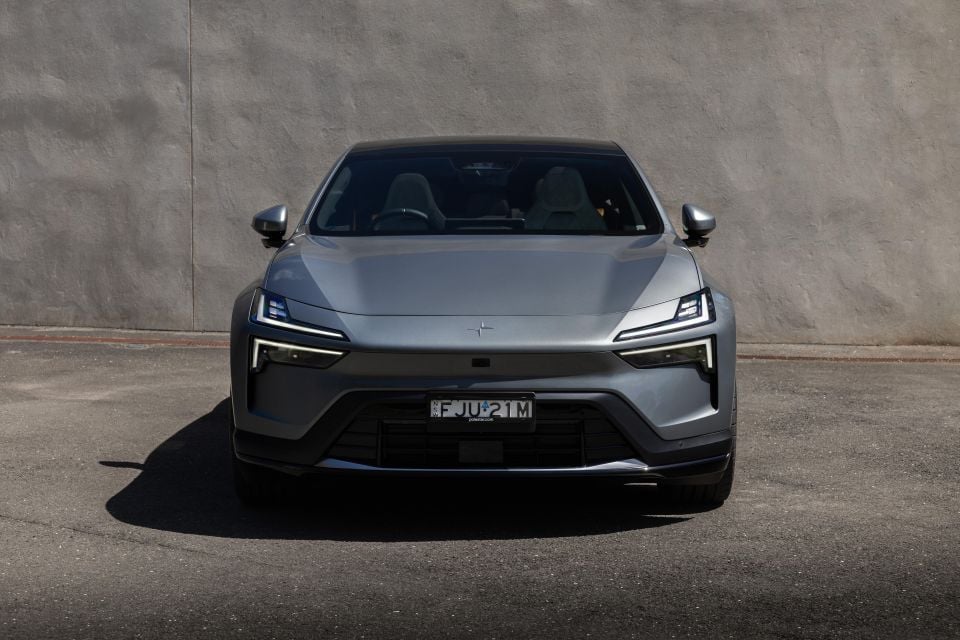
Polestar Australia managing director Scott Maynard says the FCAI would need to change its tone on the Australian Government's automotive emissions legislation and low-emissions vehicles in general before the Chinese-owned EV brand considers rejoining.
CarExpert can save you thousands on a new car. Click here to get a great deal.
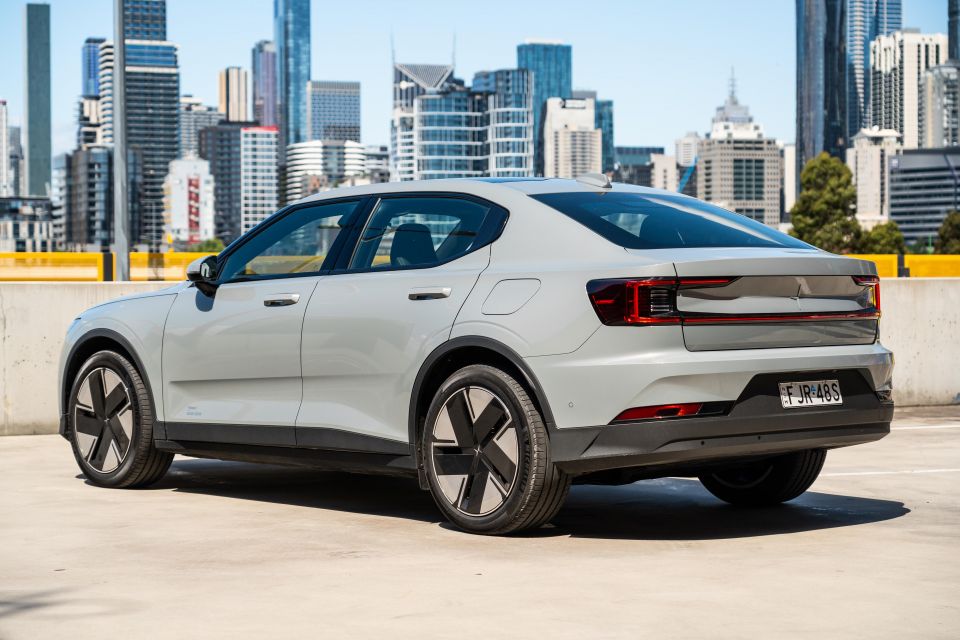
"We'd need to see the FCAI be truly representative of the entire industry, particularly the industry that's growing so fast and starting to gobble up share," he told media during the launch of the lightly updated Polestar 2.
"While we continue to see the FCAI speak out against programs like the new vehicle efficiency scheme and continue to campaign government to alter something that was introduced for all the right reasons and only just catches us up with other markets around the world, we can't suggest that the FCAI would speak for our brand."
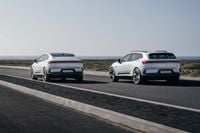
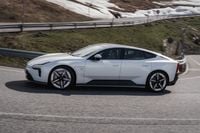
Polestar claims to be among the more progressive brands in electric technology. The Geely-owned company offers complete transparency on carbon emissions figures for all of its models, including during manufacturing and ownership.
Australia's NVES, meanwhile, requires auto brands to meet fleet-wide emissions targets that become tighter each year until 2029. If they do not, they face financial penalties, and organisations including the FCAI have argued those costs will be passed on to consumers.
The FCAI has also said the emissions reduction scheme "could encourage consumers to hold onto older vehicles for longer" and may limit "the Australian consumer's ability to continue accessing the vehicle models and powertrains they want at prices they can afford".
But Mr Maynard says "there are so many legacy brands that are still trying to fight this off" and that many of the FCAI's statements and the associated media coverage is "blatant scaremongering around extraordinary price rises that could cost Australian drivers billions of dollars".
"I can understand why they would feel the need to do that – that's who pays them. Those legacy brands are major contributors to the FCAI, so they have to represent them, but they don't represent us. So that's not going to work."
Mr Maynard believes that until now, the Australian Government's relatively relaxed efforts to cut new-vehicle emissions haven't given established auto brands a strong incentive to fully embrace EVs, instead allowing them to rely on conventional high-emissions vehicles to drive sales.
"So many of these [legacy] brands have a global catalogue of vehicles that would allow them to [reduce emissions]," he said.
"It's just that Australia has been a convenient market to sell old technology and provide sufficient volume that they don't feel compelled to either introduce or develop new technology. So you could understand why, at this point, that makes them quite upset, and they need to rail against it," he said.
While Polestar experienced a substantial uptick in sales both locally and globally in 2025, it's still a niche player both in Australia and worldwide. With 2373 units delivered to local customers last year, it was well down on Tesla's 28,856 sales.
Still, Mr Maynard predicts the FCAI and its member brands will eventually have to fully adopt battery-electric powertrains, as demand for EVs continues to grow in the coming years.
"There's a degree of inevitability that EV uptake will continue to evolve and grow, and that the share of electric vehicles sold in Australia will continue to increase, and so I'm sure at some point the FCAI representing its brands and representing the wider industry will need to change its position on it," he said.
"As the industry evolves, they'll have to evolve with it, but they seem to be a step behind at the moment, and certainly way behind us."
Research cars in our Showroom, compare your options or let our New Car Specialists do the running around to find you a great deal.
Max Davies is a CarExpert journalist with a background in regional media, with a passion for Japanese brands and motorsport.
Derek Fung
12 Hours Ago

Ben Zachariah
13 Hours Ago

Josh Nevett
13 Hours Ago

Tace Clifford
14 Hours Ago
Max Davies
21 Hours Ago

James Wong
2 Days Ago
Add CarExpert as a Preferred Source on Google so your search results prioritise writing by actual experts, not AI.