




William Stopford
Nissan Navara Warrior: Next-generation tough ute cancelled as brand focuses on new Chinese PHEV
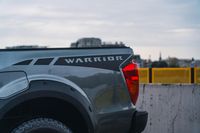
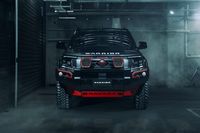
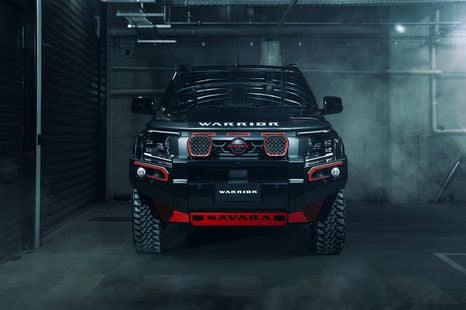
Despite revealing it in concept form, Nissan won't release a hardcore Warrior version of its new Navara ute after all.
2 Hours Ago

Deputy Road Test Editor
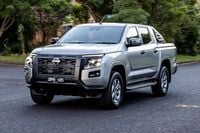
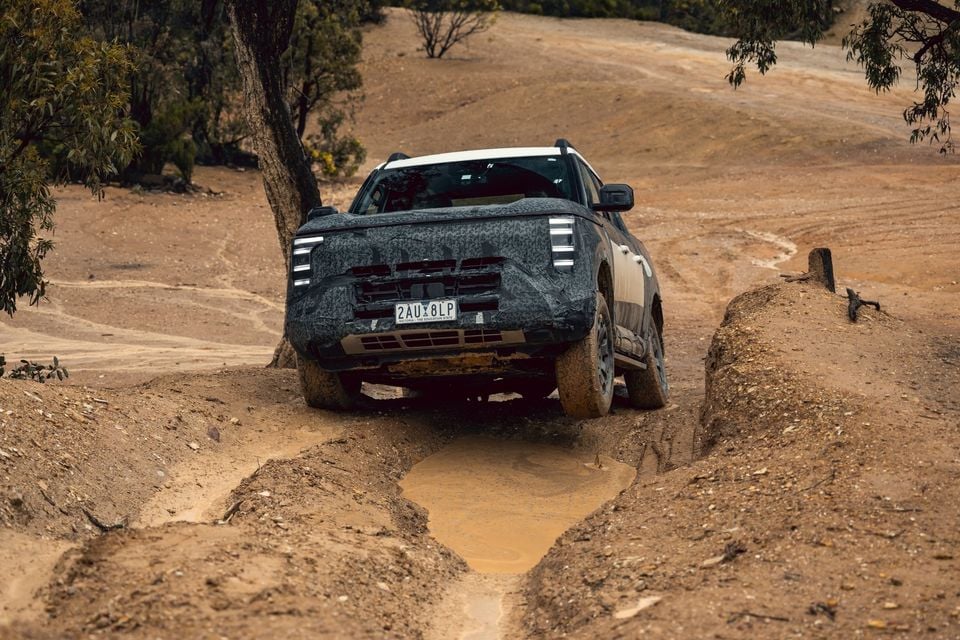
Nissan has put the plug-in hybrid (PHEV) ute segment on notice, touting its upcoming Navara Pro PHEV dual-cab as a more capable alternative to established rivals.
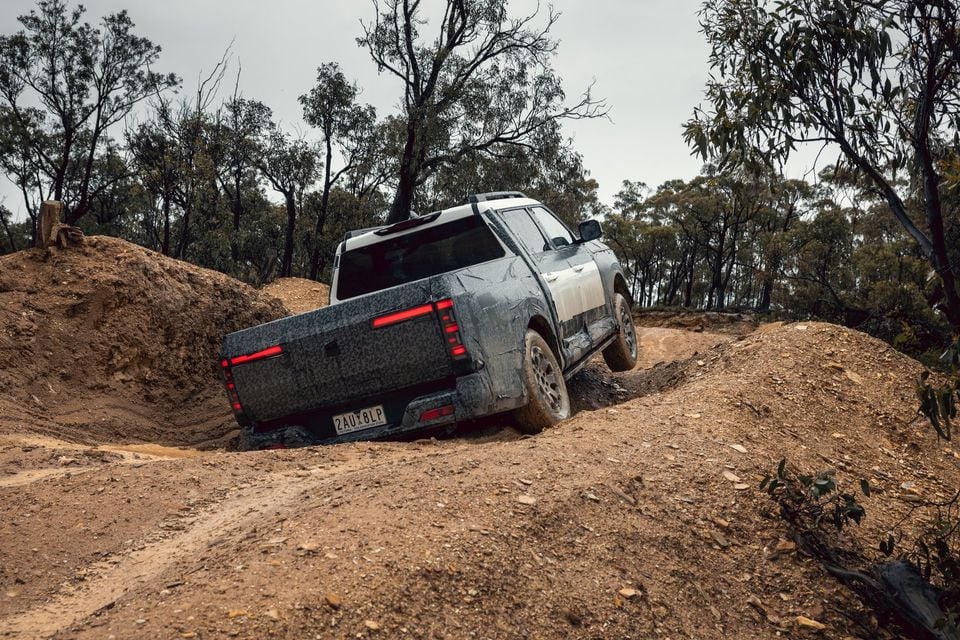
Nissan Australia is targeting a 1000kg payload and 3500kg braked towing capacity for its first PHEV and its first electrified ute, which is known as the Frontier Pro in China and due on sale here in 2027.
"First of all, it's a real truck with real truck capabilities. It's electrification without compromise," Nissan Oceania boss Steve Milette told CarExpert.
"You've read the one-tonne payload, the three and a half tonne towing capabilities. It's got the tow modes, I mean, it's got everything you would expect from a real truck.
"Some electrified products can't do all the things that you expect of a traditional diesel vehicle. This one can do all of it."
Co-developed with Nissan's long-term Chinese partner Dongfeng, the Navara Pro PHEV will be powered in Australia by a larger 2.0-litre turbocharged four-cylinder petrol engine and an electric motor integrated into an eight-speed automatic transmission.
The powertrain is expected to produce a combined 300kW of power and 800Nm of torque, and its transmission is designed to provide low-range crawling capability for off-road driving.
Further bolstering its off-road credentials are a mechanical four-wheel drive system and mechanical differential-lock capability, although Nissan has yet to confirm how many locking diffs will be fitted to Australian-delivered vehicles.
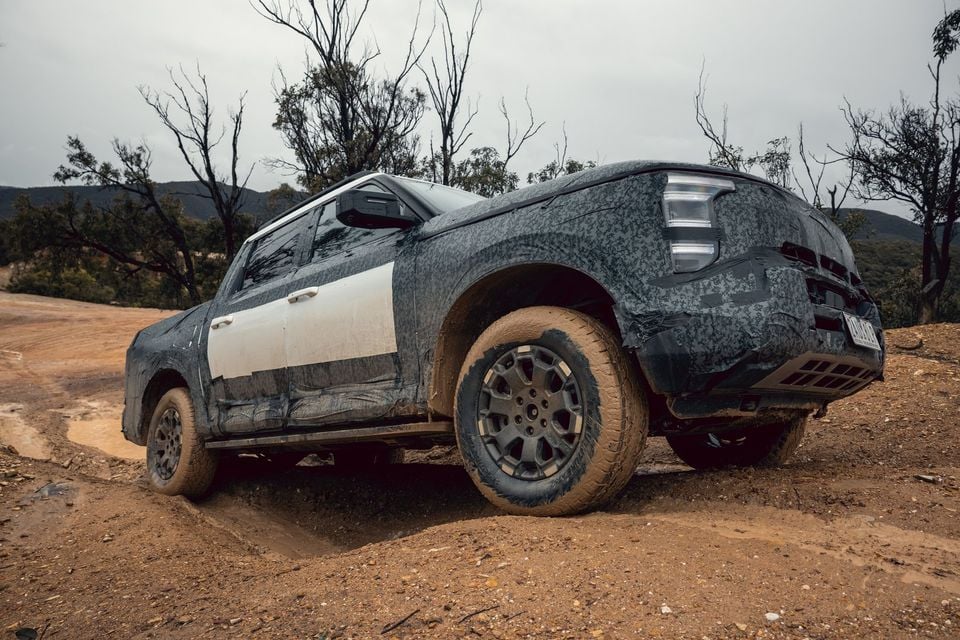
The company says its 1000kg payload and 3500kg towing capacity targets remain subject to final homologation.
But if Nissan achieves those targets, the Navara Pro PHEV will offer carrying and hauling capabilities comparable to those of conventional diesel-powered dual-cab utes, such as its own Navara and the top-selling Toyota HiLux and Ford Ranger.
It would also offer a higher payload than several established PHEV rivals.
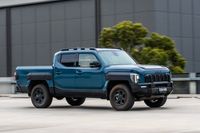
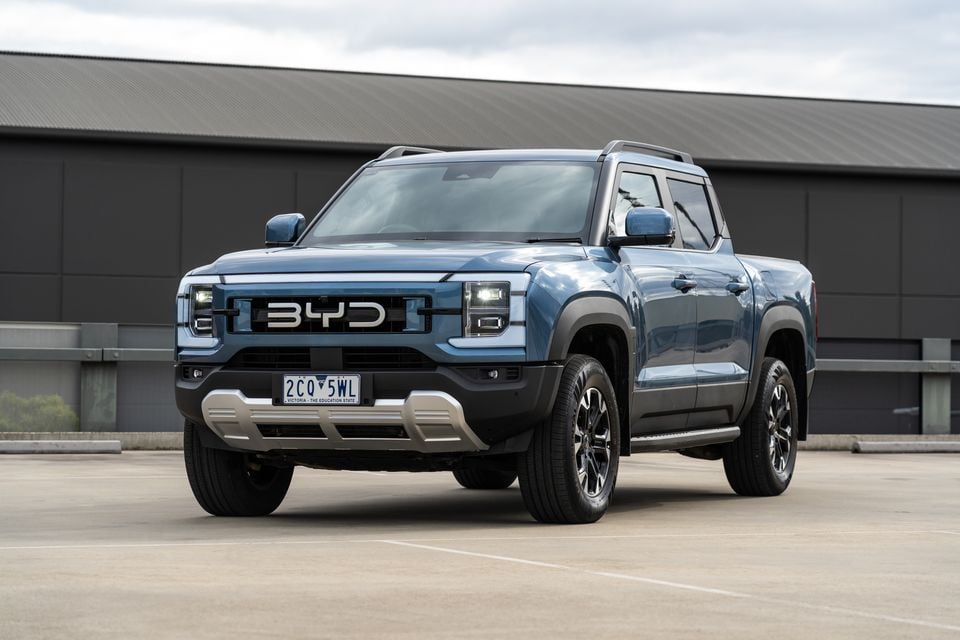
The BYD Shark 6 Performance has a 725kg payload and a 3500kg braked towing capacity, while the GWM Cannon Alpha PHEV is rated at 685kg and 3500kg respectively.
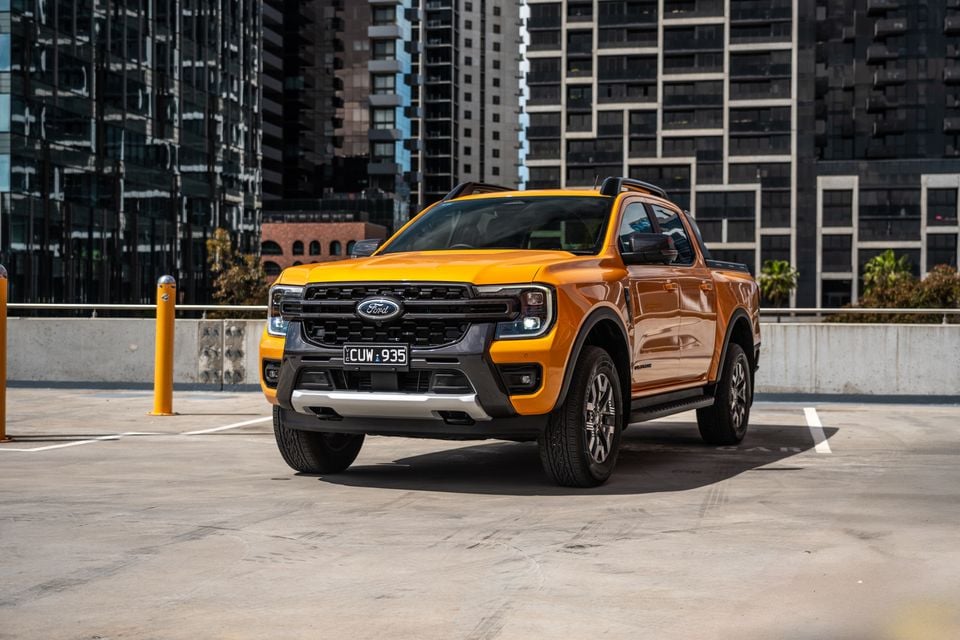
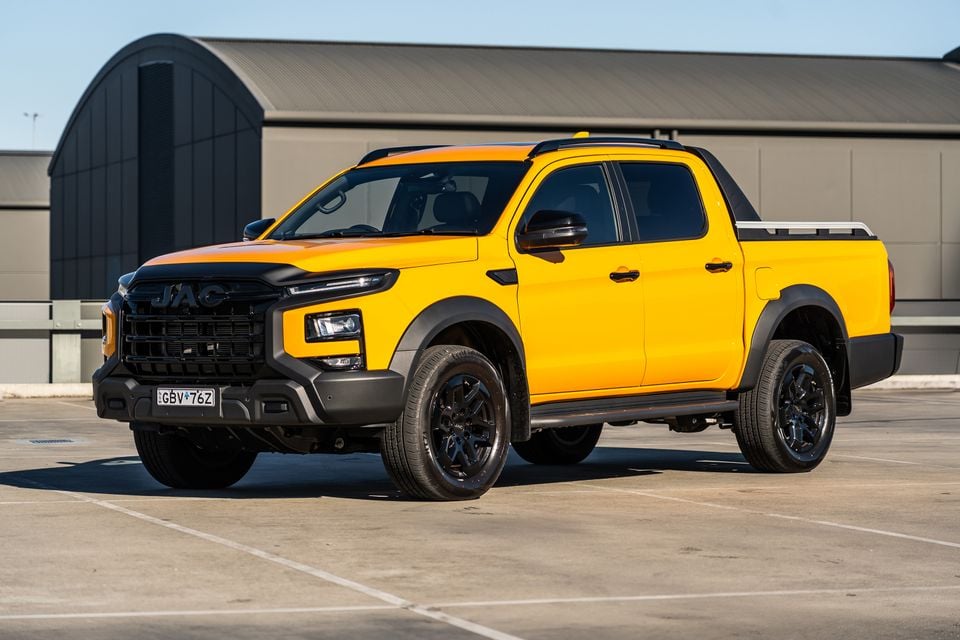
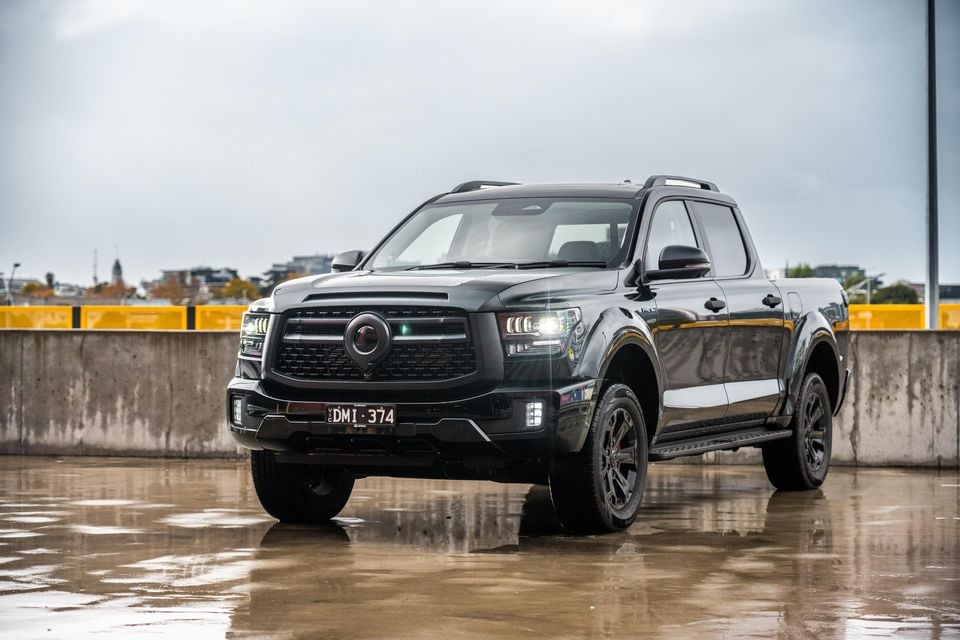
The Ford Ranger Hybrid Wildtrak has a 901kg payload, while the JAC Hunter PHEV offers a 915kg payload and 3500kg braked towing capacity.
The upcoming Chery Stockman, meanwhile, has a 3495kg towing capacity and a 765kg payload according to its latest detailed specifications.
The Nissan won't necessarily be a class leader for outright performance, however, with its preliminary 300kW and 800Nm outputs falling short of several competitors.
Mr Milette didn't identify which electrified utes he believes fall short of traditional diesel models, although the off-road capabilities of the BYD Shark 6 have previously drawn criticism from rival manufacturers.
Speaking at the 2025 Tokyo motor show, Mitsubishi Motors engineering fellow Kaoru Sawase questioned the Shark 6's off-road performance after testing the vehicle in Japan.
His comments came before BYD introduced the more capable Shark 6 Performance, which features a dedicated Crawl Mode, revised suspension damping, and larger 2.0-litre petrol engine.
Whether the Navara Pro PHEV can deliver on Nissan's promises remains to be seen, with final Australian specifications, equipment, pricing, battery capacity and electric-only driving range all to be confirmed closer to its local launch next year.
MORE: 2027 Nissan Navara Pro PHEV ute confirmed for Australia with 300kW and 800Nm
MORE: Explore the Nissan showroom
Research cars in our Showroom, compare your options or let our New Car Specialists do the running around to find you a great deal.
Josh Nevett is an automotive journalist covering news and reviews, with a background in motorsport journalism.
William Stopford
2 Hours Ago
Josh Nevett
2 Hours Ago

Alborz Fallah
3 Days Ago

Damion Smy
3 Days Ago

Ben Zachariah
4 Days Ago
Damion Smy
4 Days Ago
Add CarExpert as a Preferred Source on Google so your search results prioritise writing by actual experts, not AI.