




Damion Smy
2027 GWM Ora 5 vs Hyundai Kona Electric: Spec battle
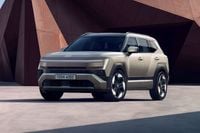
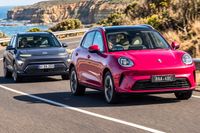
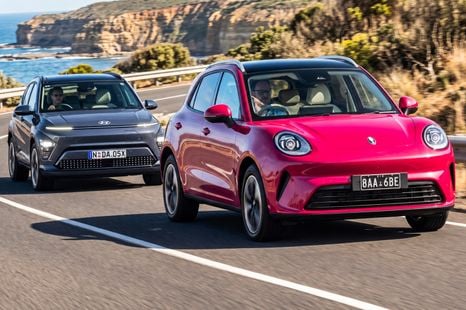
The GWM Ora 5 small electric SUV has arrived full of character and charm, but how does it stack up against the popular Hyundai Kona Electric?
12 Minutes Ago

Senior Editor – News
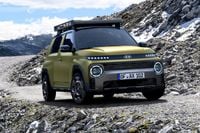
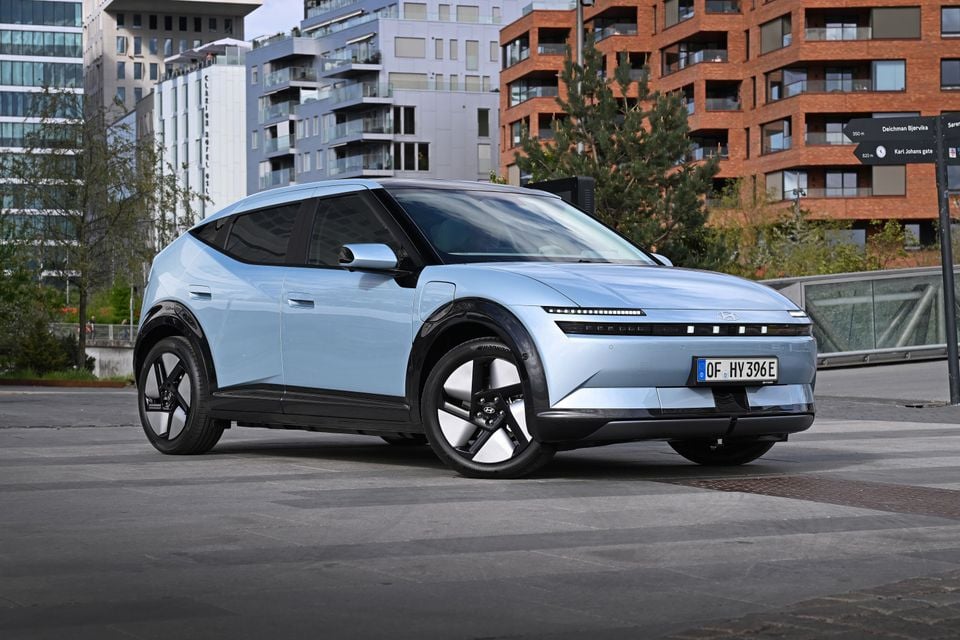
The Hyundai Ioniq 3 won’t be coming to Australia after all, with the Korean brand confirming the business case didn’t stack up.
“We are not going to import it,” a Hyundai Australia spokesperson told CarExpert.
“Sadly the business case is just too difficult given we need to source Ioniq 3 from Turkey – the cost of importation is high and the car will be fighting in a very price-sensitive segment.
“The numbers just don't work for us given the competition and the price we would need to place on it.”
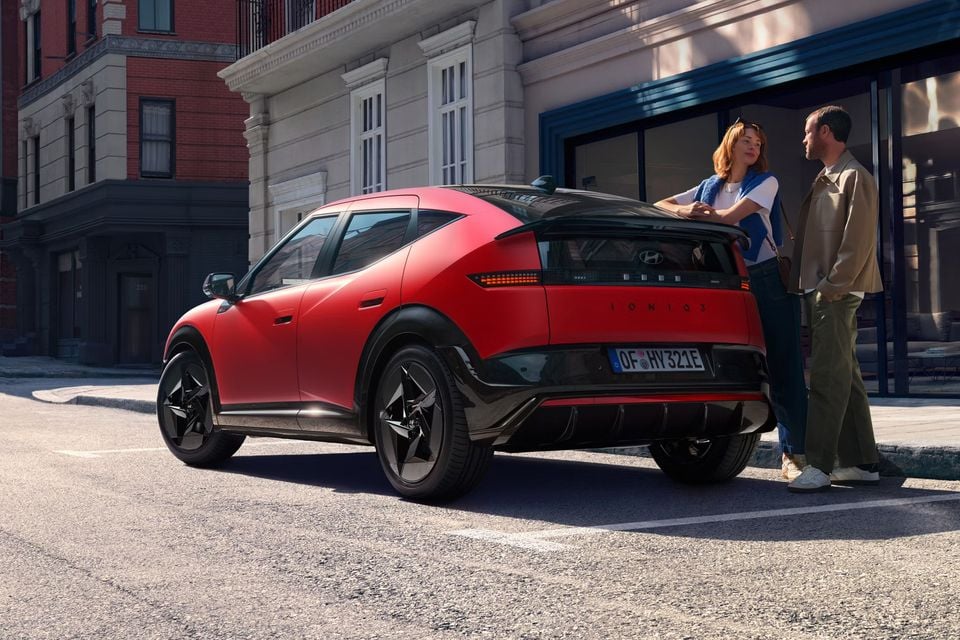
CarExpert understands Hyundai Australia will slot a different electric vehicle (EV) into the Ioniq 3’s place, but it’s unclear just what that model will be.
The Ioniq 3 had been confirmed back in April by Hyundai Australia sales director David Rodda for local release in early 2027.
It would have sat towards the bottom of Hyundai’s local EV lineup, above the pint-size Inster. It also would have been the second Hyundai Australia model sourced from Türkiye, following the moribund i20 N hot hatch.
The Ioniq 3 is just the latest in a string of EVs cancelled for our market in recent months.
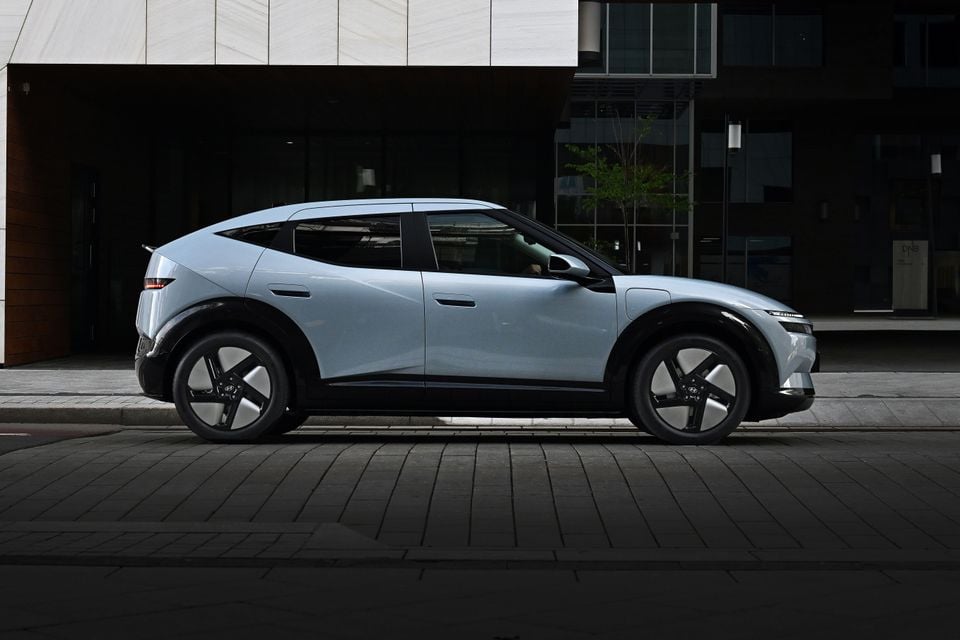
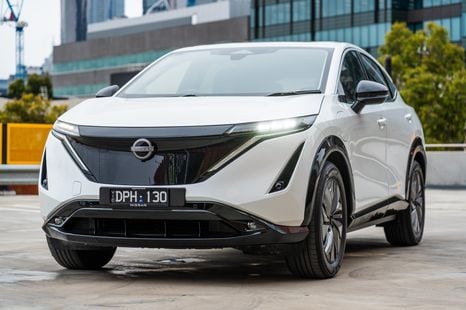
The Nissan Leaf small SUV earlier this year was delayed indefinitely, with the Japanese brand later confirming the business case didn’t stack up.
Isuzu Ute Australia cancelled the D-Max EV earlier this week, acknowledging the electric ute would have struggled to sell as well as the already low-volume Toyota HiLux BEV, while Jeep Australia no longer appears to be going ahead with launches of the electric Compass, Recon and Wagoneer S SUVs.
The increasingly competitive local EV market has seen brands not only cancel planned EV launches, but also slash thousands of dollars off prices – either permanently or via short-term offers.
Chinese marques have forced brands from other countries to increasingly sharpen the prices of their EVs, and also import their own models from China where production costs are typically lower.
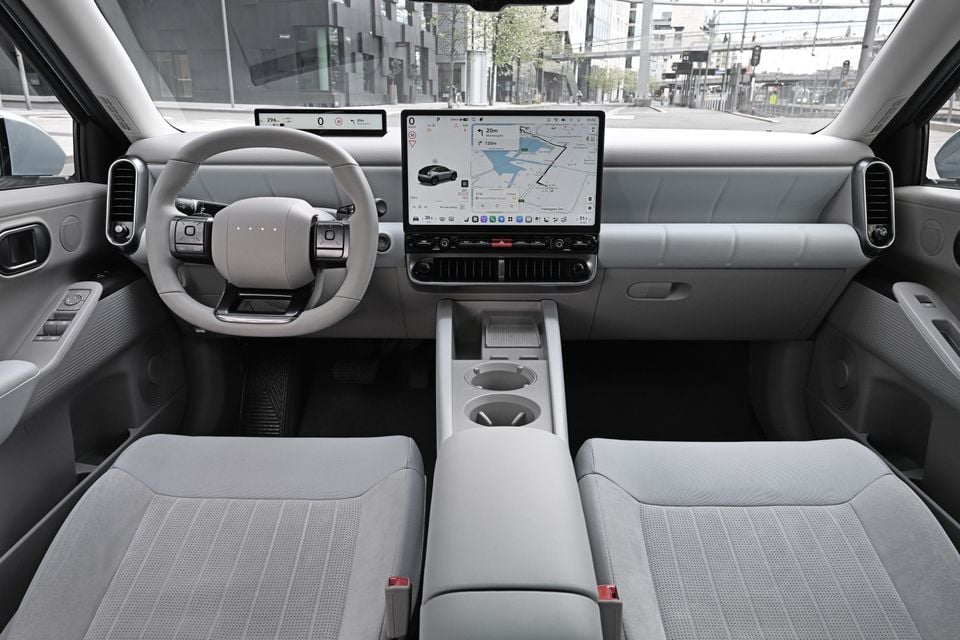
For example, Nissan is looking to import vehicles developed by its Chinese partner Dongfeng instead of importing the Leaf, while Mazda has delayed the launch of EVs developed in-house in favour of taking Changan Mazda-developed models globally.
Even Hyundai has gotten in on the game, importing the Elexio developed by the Beijing Hyundai joint venture.
The mid-size electric SUV is priced from $58,990 before on-road costs, though it’s currently being offered from $57,990 drive-away, undercutting the mid-size, Korean-built Ioniq 5.
Hyundai hadn’t given any indication where the Ioniq 3 would have been priced.
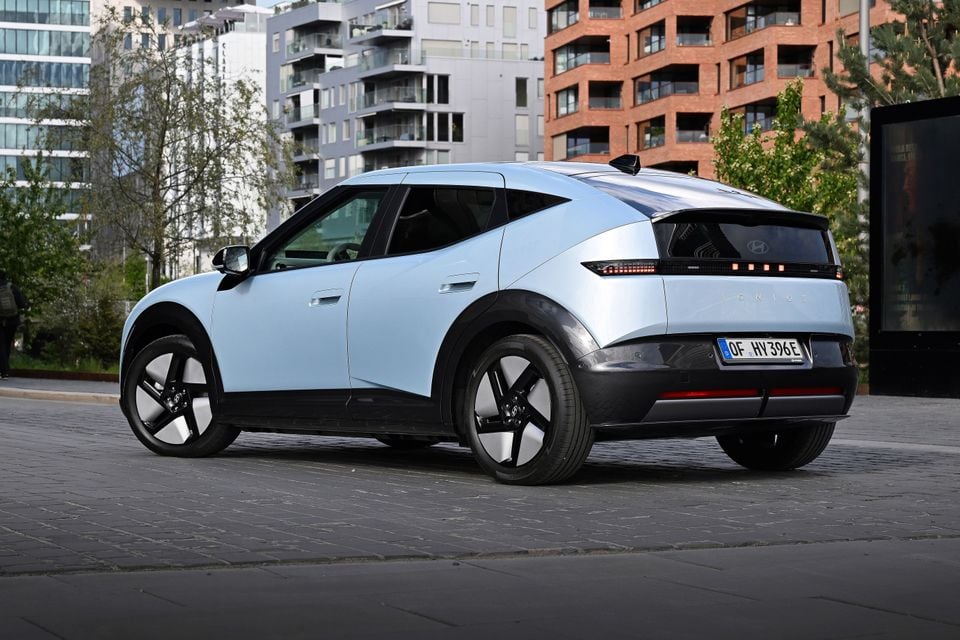
As a small electric hatch, it would have faced off against a growing number of cut-price Chinese models in this segment, including the GAC Aion UT (currently priced from $31,990 drive-away), Leapmotor B05 (from $35,990 drive-away) and MG 4 EV Urban (currently priced from $29,990 drive-away).
Non-Chinese brands have cleared the decks for this onslaught, opting to focus on SUV segments instead.
Cupra has discontinued its small Born electric hatch here, Volkswagen scuppered plans to bring the related ID.3, and Peugeot only imported a handful of E-308 hatches before pulling the pin.
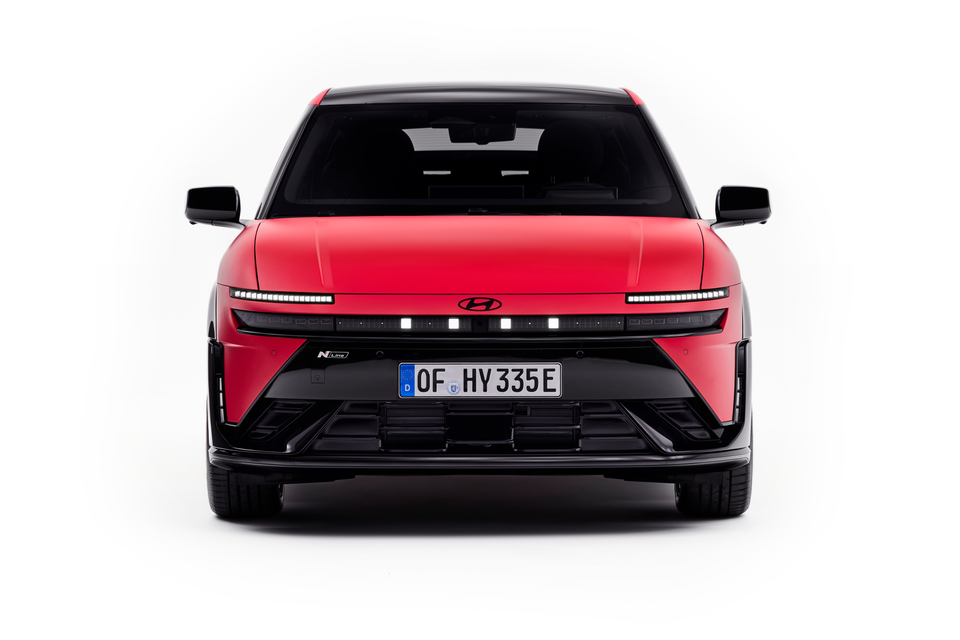
Using a 400V version of the E-GMP platform used by the larger Ioniq 5, the Ioniq 3 offers a choice of 42.2kWh or 61kWh batteries, good for WLTP range figures of 344km and 496km respectively.
Available only in single-motor front-wheel drive guise, the Ioniq 3 produces between 99.5kW and 107.8kW of power, and up to 250Nm of torque.
It weighs between 1550kg and 1660kg, making it up to 215kg lighter than the Kona Electric small SUV, which isn't based on a dedicated EV platform.
Hyundai offers a wide range of EVs in Australia, ranging from the Inster and Kona Electric at the low end of the price spectrum, up to the pricier Ioniq 5 SUV, Ioniq 6 sedan and Ioniq 9 three-row SUV. Despite this, in the first half of 2026, sister brand Kia delivered more than twice as many EVs in Australia.
Research cars in our Showroom, compare your options or let our New Car Specialists do the running around to find you a great deal.
William Stopford is an automotive journalist with a passion for mainstream cars, automotive history and overseas auto markets.
Damion Smy
12 Minutes Ago
William Stopford
2 Hours Ago
William Stopford
4 Hours Ago
Damion Smy
5 Hours Ago
William Stopford
6 Hours Ago
William Stopford
7 Hours Ago
Add CarExpert as a Preferred Source on Google so your search results prioritise writing by actual experts, not AI.