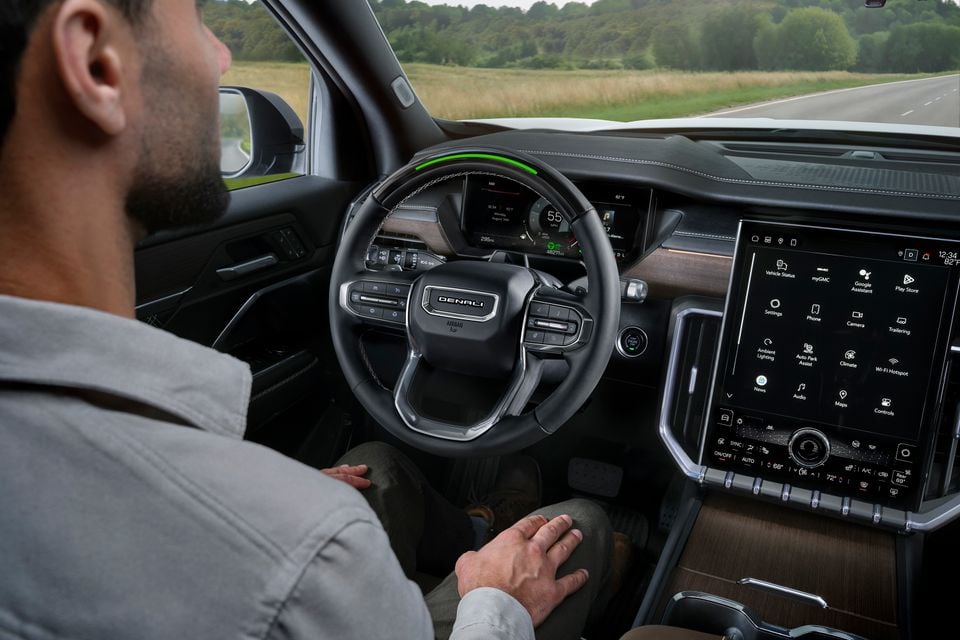
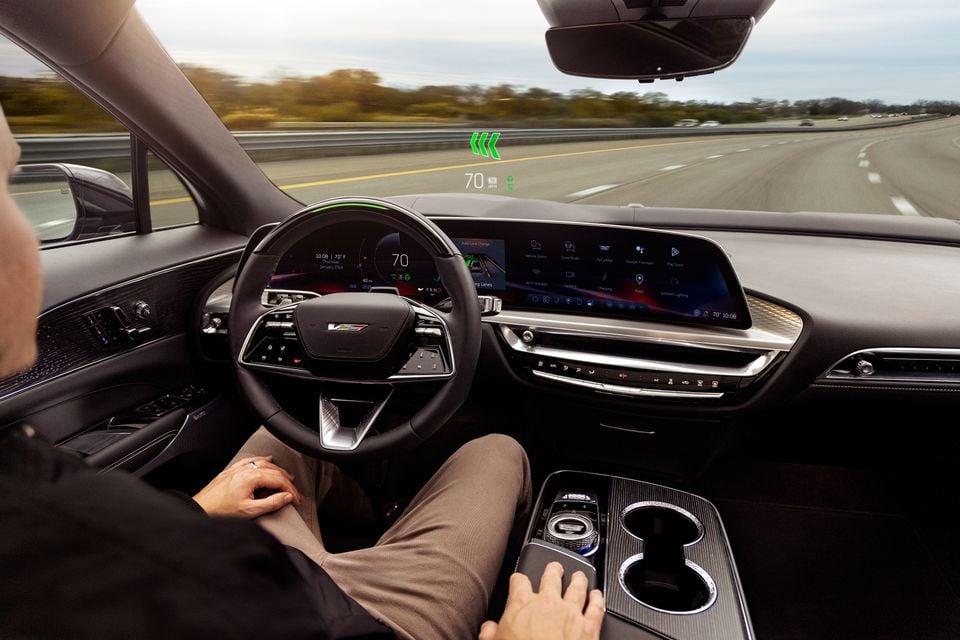
General Motors still has yet to confirm its Super Cruise hands-free driving technology for Australia, despite filing to trademark the name locally and continuing the global rollout of the feature.
The American automaker submitted a filing to IP Australia on October 7, 2025, with a General Motors Australia and New Zealand (GM ANZ) spokesperson at the time confirming “it’s quite common practice for organisations to trademark proprietary terms in the markets they operate”.
The company had no announcements to make at the time, and this hasn’t changed despite GM moving closer to rolling out the tech in new markets.
“We’ll always keep looking at it. Obviously [regulation] is one of the hurdles right now,” GM ANZ managing director Jess Bala told CarExpert.
“I can tell you our policy team is asking the right questions globally, because it is an amazing technology, so I hope so, but I cannot confirm it either way right now because there are so many other external factors at play as well.”
Super Cruise is a Level 2+ autonomous driving system that supports hands-free driving across over a million kilometres of roads in North America – typically divided highways and not city streets, even though it works at all speeds and in stop-start traffic.
These roads aren't just in densely populated pockets of the US and Canada, however, with more desolate states like North and South Dakota including mapped roads.
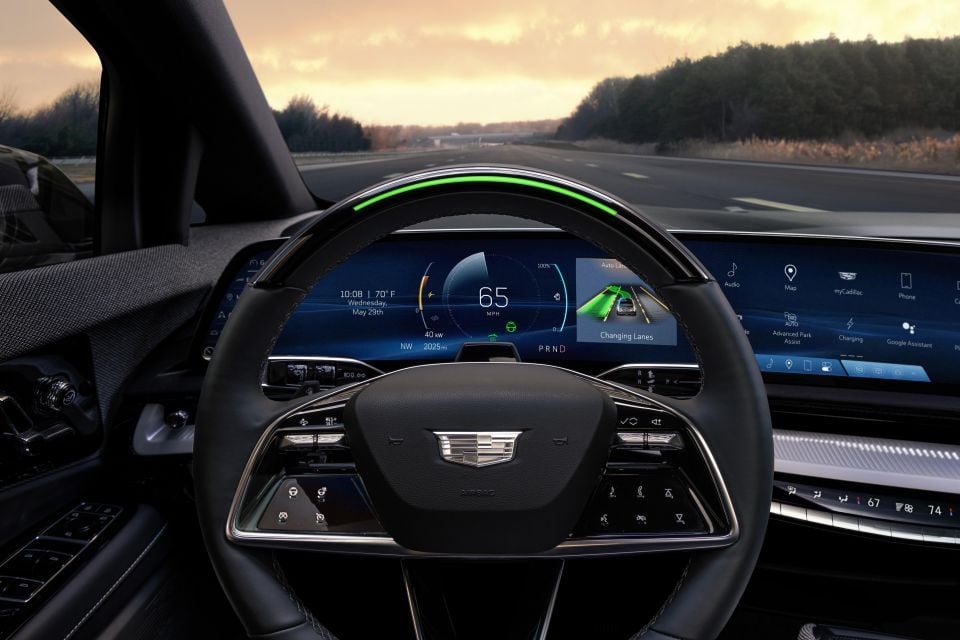
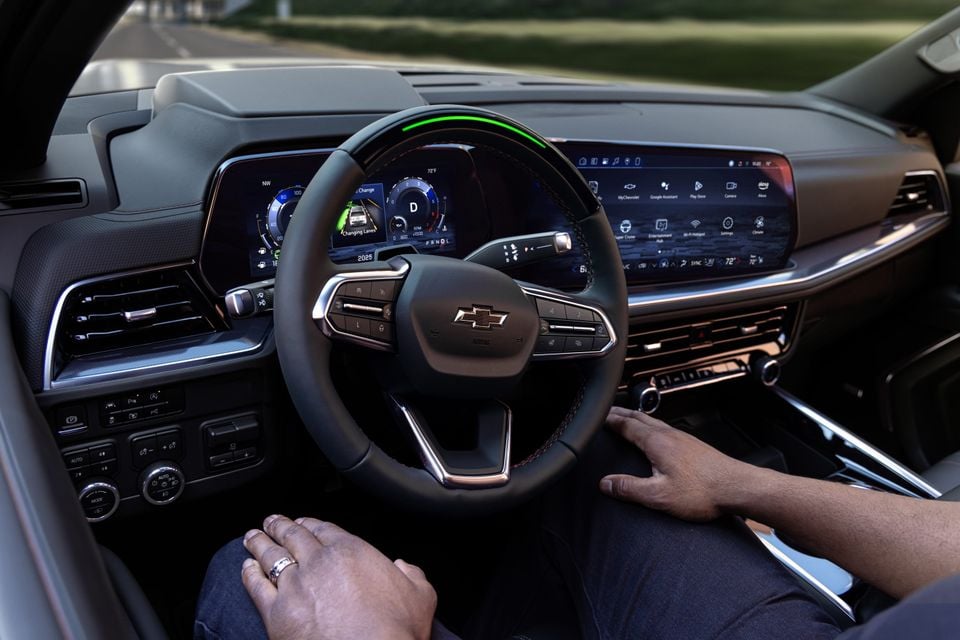
Super Cruise combines adaptive cruise control and lane-centring functions, and uses a camera to monitor the driver and ensure they’re looking ahead. It has been upgraded to even detect appropriate opportunities for lane changes and execute these.
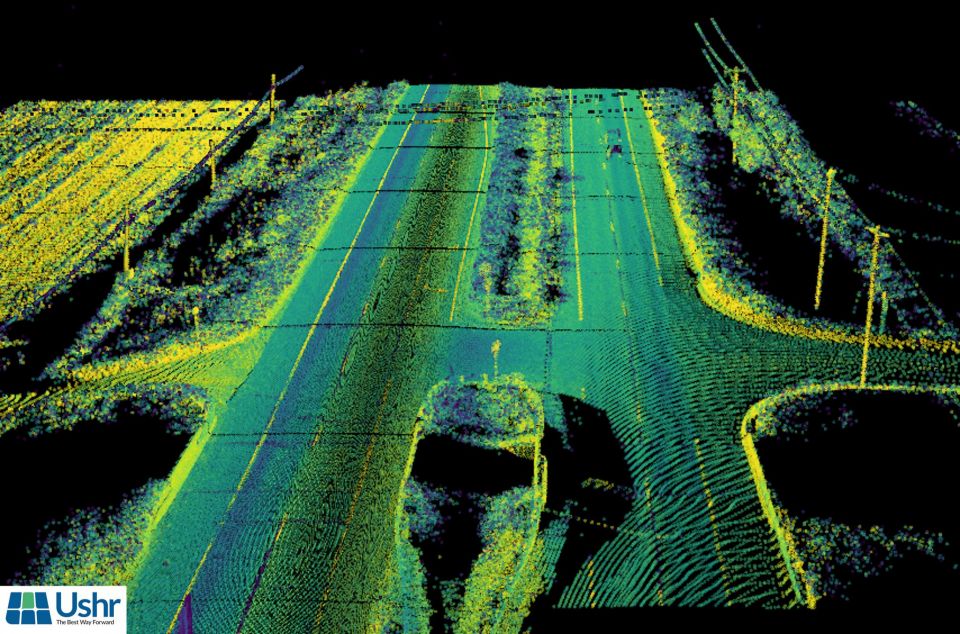
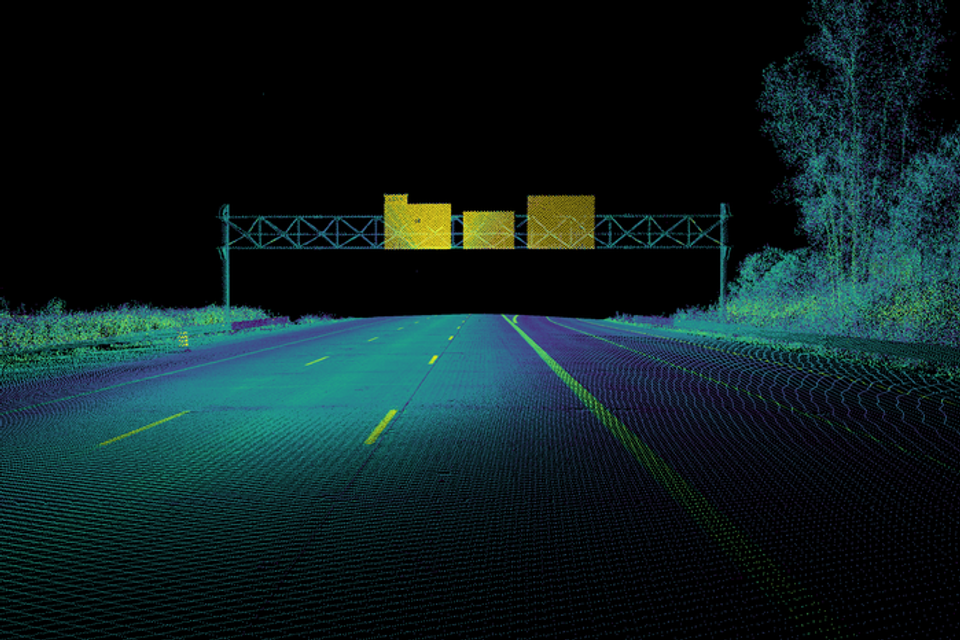
To allow for this hands-free driving, Super Cruise uses a combination of cameras, sensors, radar and GPS data. Crucial to its effectiveness, however, is LiDAR-scanned map data.
GM confirmed last May that Super Cruise was coming soon to the Middle East, with digital road-mapping having been completed in Oman, Kuwait and Bahrain. In September, it received a permit in Saudi Arabia to conduct panoramic imaging.
Super Cruise has been available in the US and Canada since 2017, with China following in 2020.
GM has previously indicated it’s more than just regulations that pose a roadblock for the Australian rollout of Super Cruise
“It depends on the scale, the number of miles that you have to map, are they continuous roads,” he said when asked how long mapping takes.
“Typically, it’s about two years to do a country.”
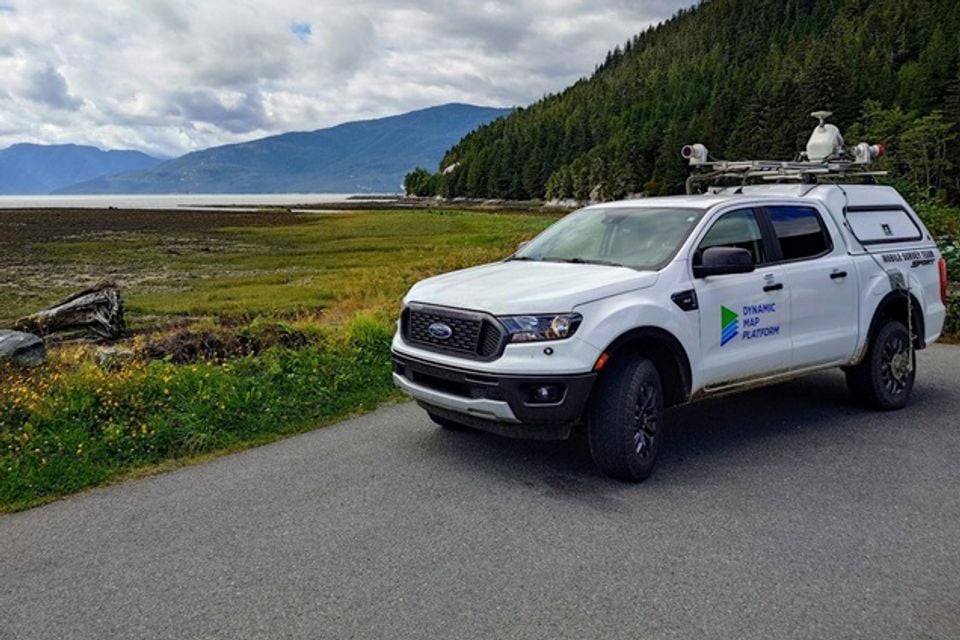
A DMP mapping vehicle
DMP LiDAR mapping
Mr Miller explained that GM works off a precision LiDAR map, with a supplier contracted to map roads using LiDAR-equipped vehicles. GM vehicles themselves, however, don’t feature LiDAR.
GM’s LiDAR map is proprietary, and it doesn’t offer it to other automakers. That includes Ford, which followed GM’s Super Cruise in 2021 with its very similar BlueCruise.
When asked whether other automakers could share the costs of LiDAR mapping, Mr Miller said: “It depends.
“There are crowdsource maps like Mobileye… And then there’s… TomTom. They all have different maps,” he said.
“They are not high-fidelity, to the level of fidelity that we would like, so we have a separate company that we contract – DMP.”
Some of these vehicles in Australia still feature the black plastic panel on their steering wheels that's illuminated in North American-market models when Super Cruise is operational.
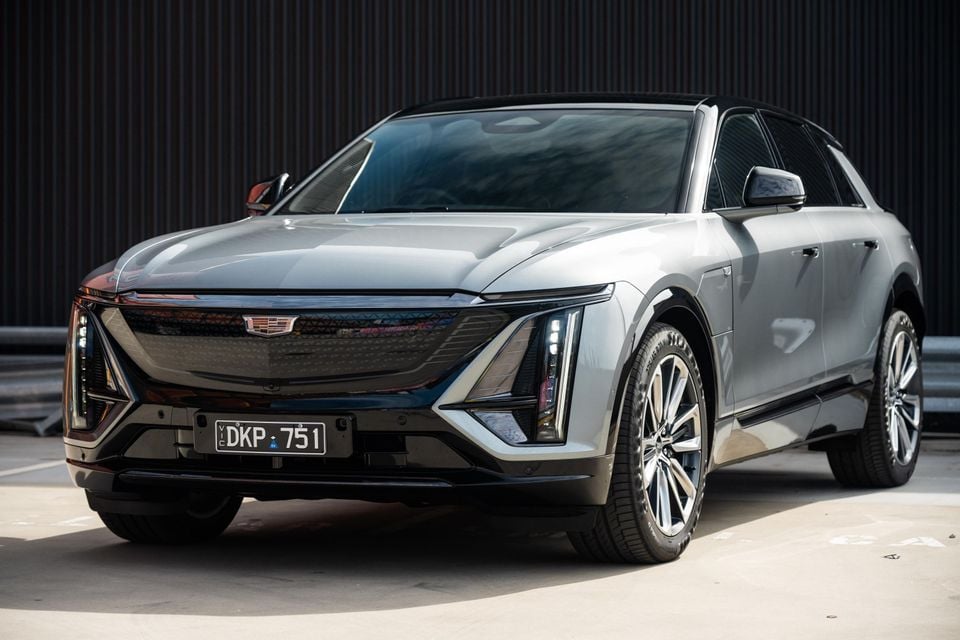
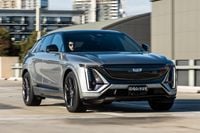
The absence of Super Cruise here also meant models like the Cadillac Lyriq launched with only basic lane-keep assist.
GM in North America, however, has been rolling out a lane-centring system that can be used on roads not mapped for Super Cruise, and the Cadillac Optiq and Vistiq will offer this in Australia, where the Lyriq is set to get it in the next model-year update.
After announcing late in 2024 that it would cease funding the operation of robotaxis through its Cruise autonomous vehicle division, following a well-publicised collision with a pedestrian, GM says it’s now redirecting resources to enhance its Super Cruise system.
It says that by doing so, it’s “emphasising a cautious and safety-first approach to autonomous driving technology”.
“The reason we’ve constrained Super Cruise to where we constrained it to is because you don’t have to worry about pedestrians, people on bikes,” said Mr Miller, referring to GM’s focus on divided highways.
“There’s a lot of those unknown scenarios that you get into that are more difficult to develop around. That obviously increases the cost of the sensing set that you need to detect those.”
A Tesla with FSD (Supervised)
Tesla, in contrast, has made its Level 2+ autonomous driving technology – called Full Self-Driving (Supervised) – operational on all manner of roads.
It allows you to drive with your hands off the wheel, though local laws still require you to pay attention to the road ahead of you and maintain proper control of the vehicle.