A new standard requires automakers to ensure the accuracy of battery health claims for new vehicles and introduces measures aimed at improving battery longevity.
A new national standard to ensure more accurate representation of passenger vehicle battery lifespan has been announced in China, setting minimum battery health levels based on accumulated mileage and vehicle age.
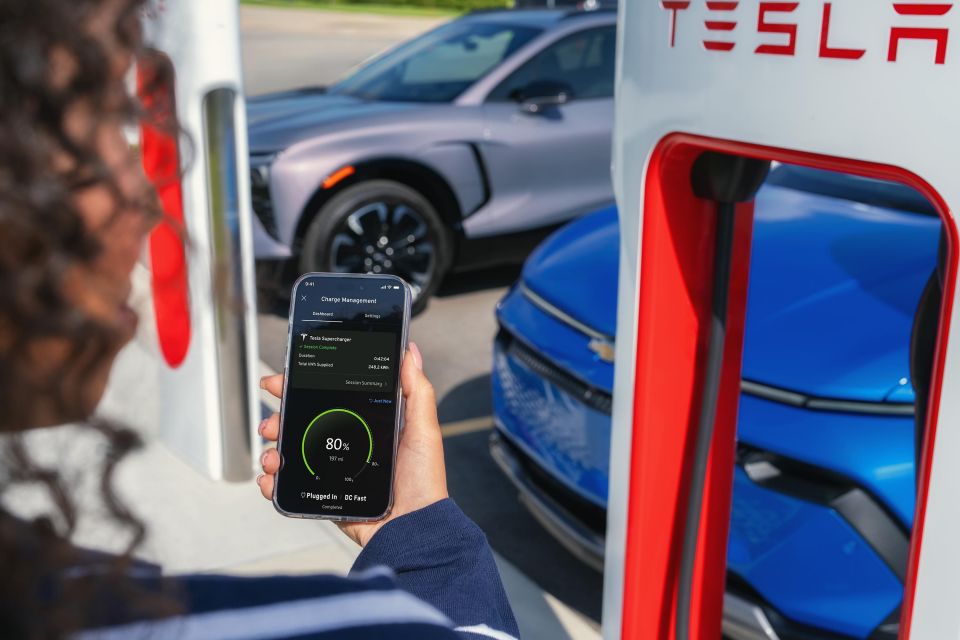
According to CarNewsChina, CCTV (China Central Television) detailed the new plan, which requires the long-term health of a high-voltage battery – displayed either inside the car or on a connected services app – to be within five per cent of its actual remaining capacity.
This is referred to as the State of Certified Energy (SOCE), separate from the battery's available charge, known as the State of Charge (SOC).
The standard also requires non-driving battery energy use – for auxiliary functions, for example – to be converted into a 'virtual mileage' figure and displayed to drivers. This must be accurate to within three per cent of actual energy use.
The Ministry of Industry and Information Technology (MIIT) and the Standardisation Administration of China (SAC) collaborated to develop the standard.
It also sets a benchmark for battery health retention as a vehicle's age and mileage increase. Batteries must retain at least 82 per cent health after either 100,000km of driving or five years of use.
While the standard isn't a regulation or law, it is an industry measure designed to address concerns around long-term EV ownership.
It should assist warranty claims relating to expected battery health, while also supporting used EV values by providing buyers with greater assurance around battery performance.
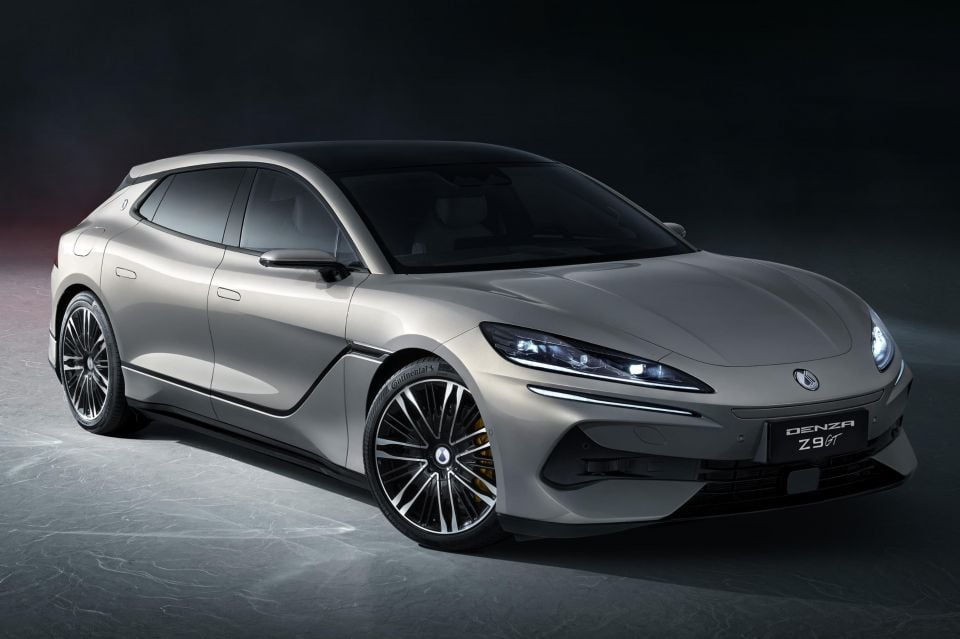
By setting clear expectations for battery health, the standard may also help reassure buyers that new ultra-fast charging systems – such as the Flash Charging technology from BYD's Denza brand, scheduled to launch in Australia this year – have minimal impact on battery longevity.
The Denza Z9 GT EV, due to launch locally later this year, uses a BYD 'Blade 2' battery with up to 1500kW direct current (DC) Flash Charging capability.
Denza told CarExpert earlier this year its Flash Charging system can add around 800km of driving range to the Z9 GT in as little as nine minutes.
BYD plans to roll out the high-power charging infrastructure at Australian Denza dealerships before expanding the technology to future BYD models.
China has introduced multiple EV battery standards over the past 12 to 19 months, including mandatory "no fire, no explosion" battery safety standards designed to eliminate battery fires, which came into effect on July 1, 2026.
The latest standard is likely to have global significance given the number of vehicles using Chinese-produced batteries, including Toyota models, as well as complete vehicles sold in Australia from brands such as Tesla and BYD.
In June 2026, 39.6 per cent of new vehicles sold in Australia were made in China, up from 23.5 per cent in June 2025. The Tesla Model Y became the first EV to top monthly vehicle sales, doing so in both May and June, and also became the first Chinese-made vehicle to take the number-one spot.
Australia has mandatory EV battery safety regulations but doesn't yet have a specific battery health standard for electric or hybrid vehicles fitted with high-voltage batteries.