




James Wong
Deepal parent confirms new Chinese brand for Australia – UPDATE
Changan will launch its Nevo brand in Spain next year, and it has plans to expand into other European markets and potentially Australia.
2 Hours Ago

Senior Editor – News
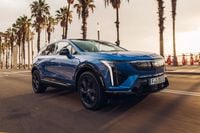
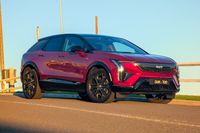
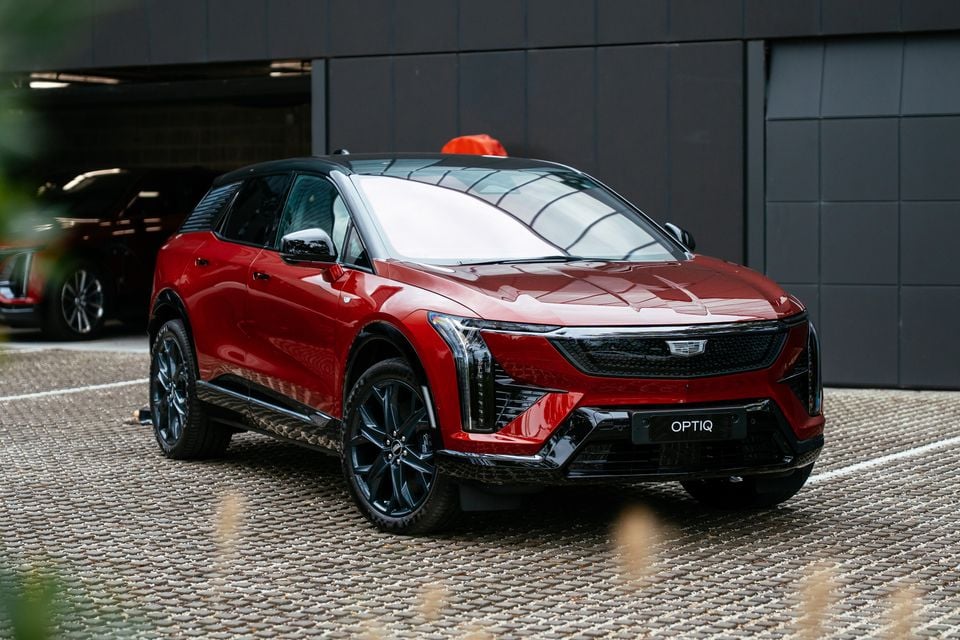
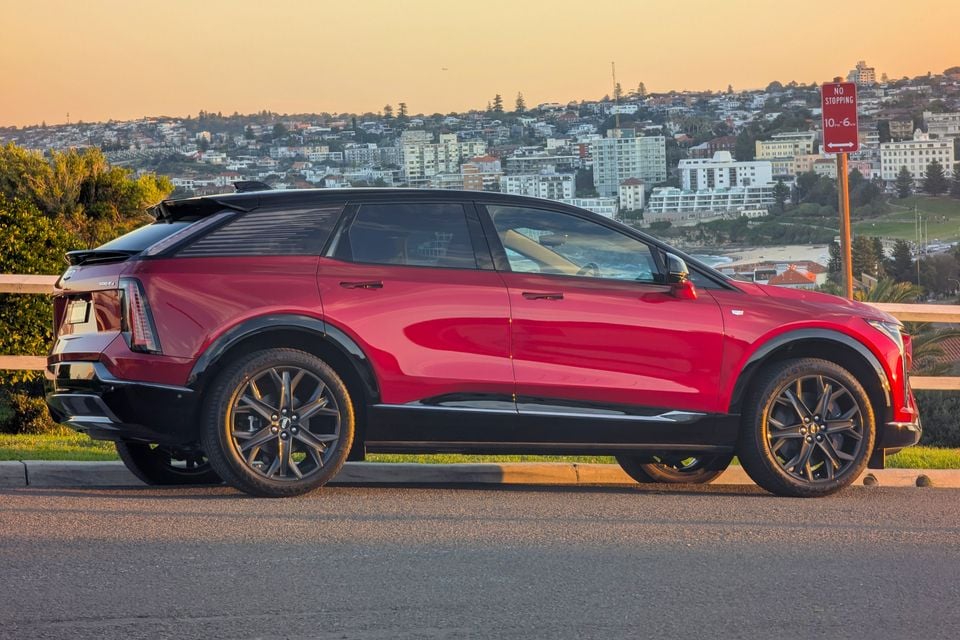
The next-generation Cadillac Optiq could move to a Chinese-developed architecture, at least in China.
Reuters reports General Motors’ flagship brand will use the Xiao Yao architecture, developed with Chinese joint-venture partner SAIC, for the next Optiq according to a source with direct knowledge of the plans.
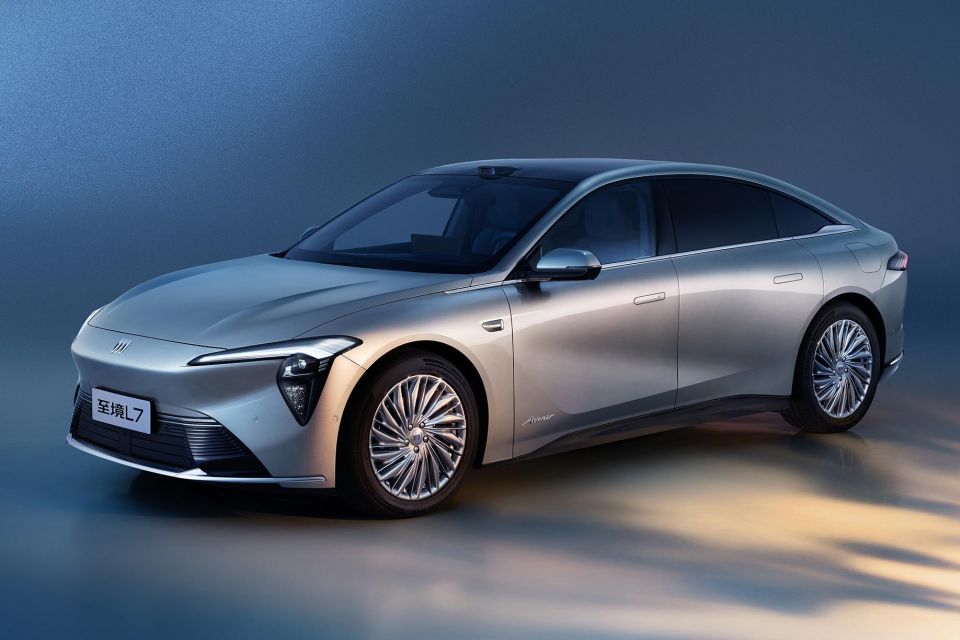
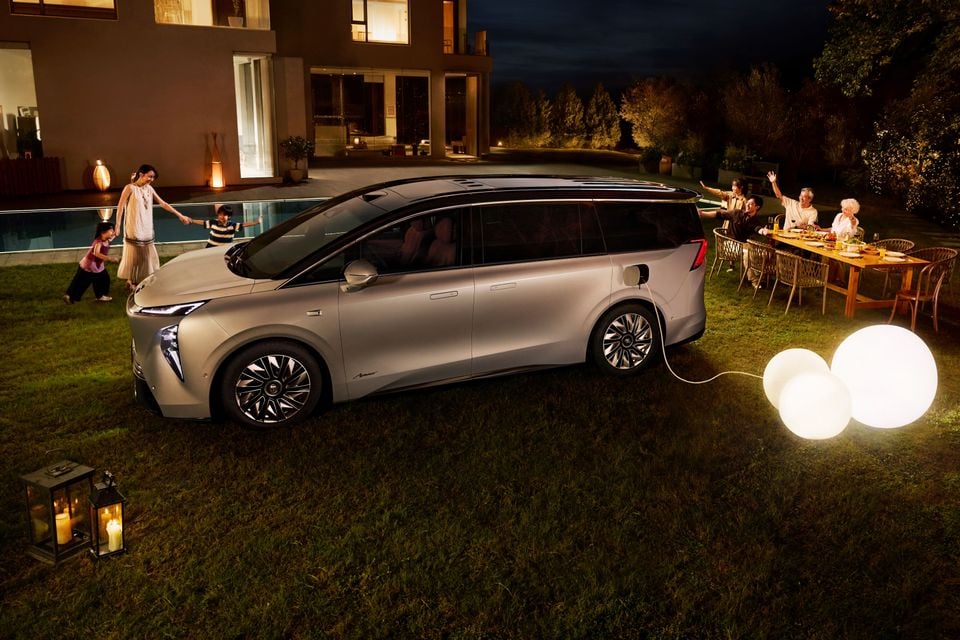
Launched in 2025, the Xiao Yao architecture currently underpins three models for Buick, GM’s highest-volume brand in China.
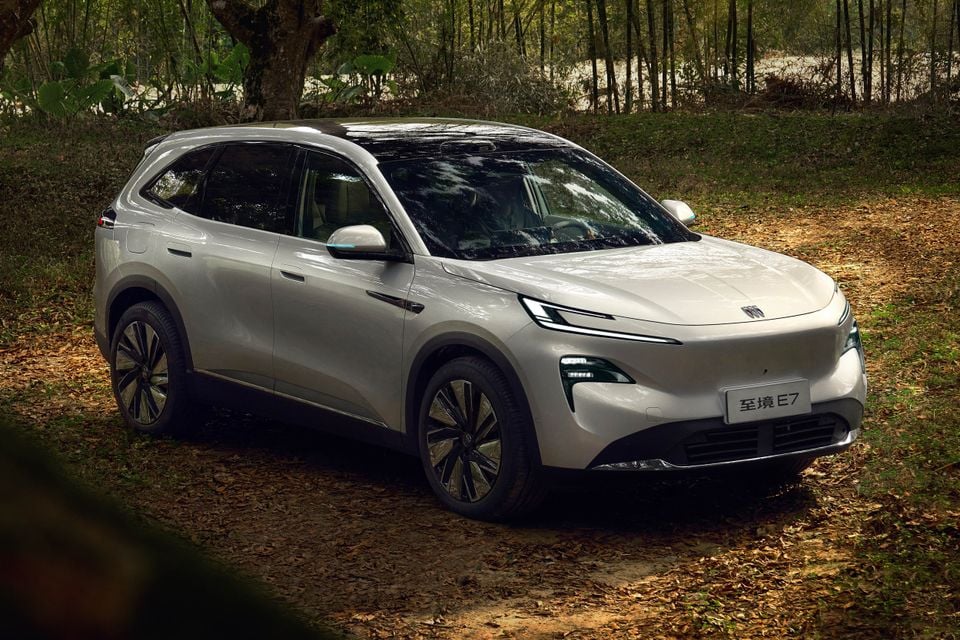
These are the large electric (EV) and extended-range electric (EREV) Electra L7 sedan; the plug-in hybrid (PHEV) and electric Electra Encasa people mover; and the large Electra E7 PHEV SUV.
GM confirmed at launch that the Xiao Yao architecture, which supports a 900V electrical system and lithium-iron phosphate (LFP) batteries, would underpin six Buicks within 12 months.
While such a model would be unlikely to be sold in the US, where regulations restrict the sale of vehicles with Chinese-developed software, it’s possible it could be exported.
"The Xiao Yao architecture is a China-tailored platform developed by PATAC that combines GM’s global expertise with strong local capabilities. It integrates propulsion, chassis, intelligent driving and smart-cabin technologies. The reporting about the Optiq is speculative," a GM spokesperson told InsideEVs following Reuters' report.
The same Reuters report notes the Xiao Yao-based Buick Electra E7 will be exported to South Korea.
GM rolled out a range of vehicles on its dedicated electric BEV3 platform, often referred to simply as ‘Ultium’, in China as it did in the US.
Vehicles based on this platform feature a 400V electrical system, while 800V and 900V systems have become common in China and typically enable significantly faster charging.
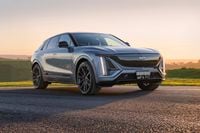
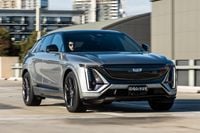
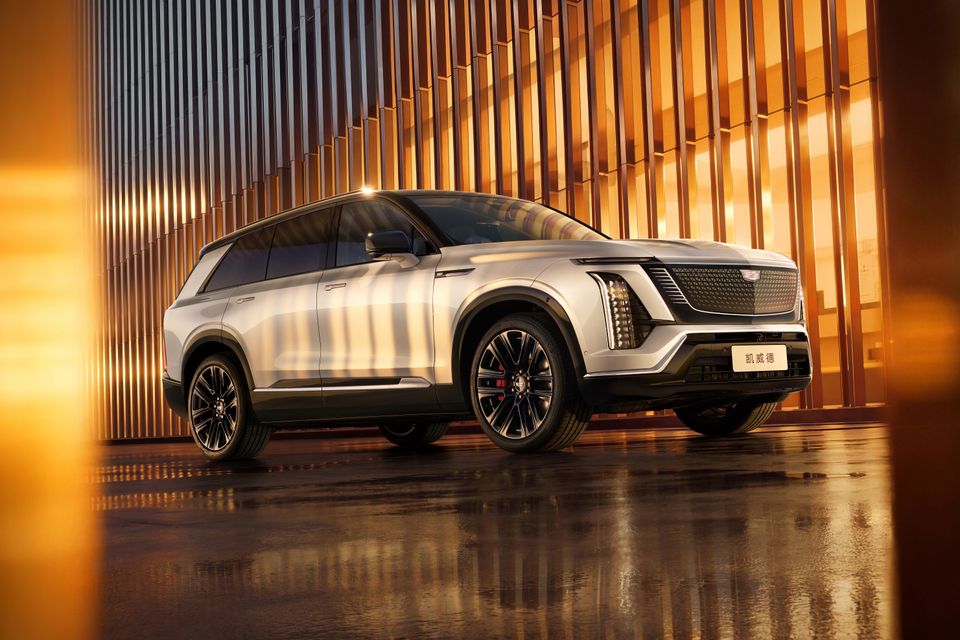
GM’s range of BEV3-based vehicles in China currently comprises the Cadillac Vistiq and the low-volume Lyriq-V performance SUV, plus the Buick Electra E5.
However, the Buick Electra E4 – developed specifically for China – lasted just under two years on the market, while the Cadillac Optiq is no longer in production in China.
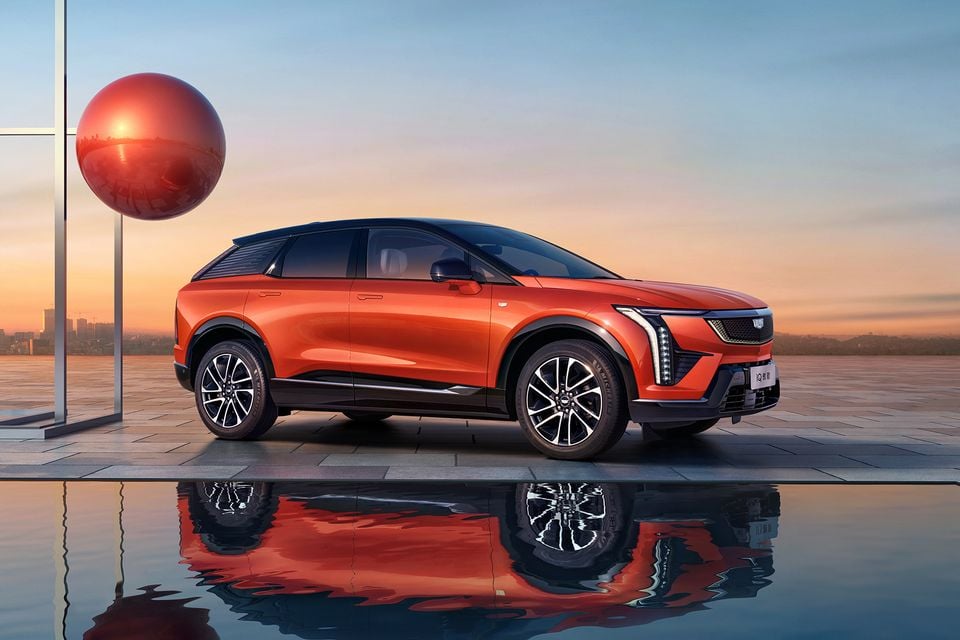
Regular versions of the Cadillac Lyriq also disappeared from the Cadillac China website earlier this year, though the Lyriq-V has been launched as a low-volume offering there.
GM battery chief Kurt Kelty told Reuters in June that the company is investing in lithium manganese-rich (LMR) battery production in US and shelving plans to produce LFP batteries for new vehicles.
However, LFP batteries are proliferating in GM’s Chinese lineup, following a broader market trend in that market. GM has confirmed it's partnering with CATL on a 6C LFP ultra-fast charging battery with a peak charging power of 640kW.
The investment in the Xiao Yao architecture could see GM’s US and Chinese lineups diverge further.
Currently, there’s a raft of vehicles across the Buick, Cadillac and Chevrolet lineups exclusive to the Chinese market, though many of these use platforms shared with US-market models. These include Cadillac models like the second-generation CT6 and XT5.
The Xiao Yao architecture was developed by the SAIC-GM Pan Asia Technical Automotive Centre (PATAC) in Shanghai. GM’s partnership with SAIC dates back to 1997 and is extensive, also encompassing two dedicated brands for the Chinese market: Baojun and Wuling.
It’s unclear whether the reported plans to export Chinese Buicks could extend to the Xiao Yao-based Optiq successor. The Optiq is currently built in Mexico for all markets, including Europe and Australia; it’s arriving here during the third quarter (July to September) of 2026.
China’s booming PHEV and EV market has led various non-Chinese brands to tap their domestic joint-venture partners for new models.
The Changan Mazda joint venture has spawned the electric 6e and CX-6e, which are being exported to numerous global markets including Australia, while PHEVs and EVs developed by the Dongfeng Nissan and JMC Ford joint ventures – such as the Nissan Frontier Pro and Ford Bronco New Energy – are set to follow.
GM has said it’s paying close attention to what’s happening in China.
“I was in the Beijing motor show this year watching our competitive set and making sure that we’re in the right position and driving that back to the global homerooms and the engineering development centre. So we’re really close to the pulse of that and certainly watching that closely,” said Jeff MacDonald, chief engineer for the Cadillac Lyriq and Vistiq, to Australian media in June.
“We’re bringing forward probably the best portfolio, relative to the EV market, that Cadillac can provide. And I would tell you that the competitive set is watching us, and we’re watching them.”
“Australia is seeing an influx of BYD, Chery, Tesla, a lot of the exports are coming in, but at the end of the day we benchmark across all of them globally, from the European BMWs, the Audis, to the Kias, to the Huaweis, to the Xpeng, to the Nios that are in China.
“That’s the breadth that we’re bringing to you right at the end of the day, we’re able to benchmark across all of those.”
GM’s two largest markets are the US and China, which are moving in two very different directions.
The US has dropped federal incentives for EVs and loosened emissions regulations, allowing for a resurgence in combustion power. China, in contrast, is continuing to move away from traditional ICE powertrains amid rapidly growing demand for EVs, PHEVs, and EREVs.
William Stopford is an automotive journalist with a passion for mainstream cars, automotive history and overseas auto markets.
James Wong
2 Hours Ago

Max Davies
3 Hours Ago

Damion Smy
14 Hours Ago
William Stopford
16 Hours Ago

Dave Kavermann
16 Hours Ago

Matthew Hansen
16 Hours Ago
Add CarExpert as a Preferred Source on Google so your search results prioritise writing by actual experts, not AI.