
James Wong
Volkswagen ID. Cross R-Line gives baby EV a GTI power boost
VW's smallest EV SUV is the latest to gain an R-Line variant, which not only brings sportier looks but also injects more grunt from the ID. Polo GTI.
9 Hours Ago
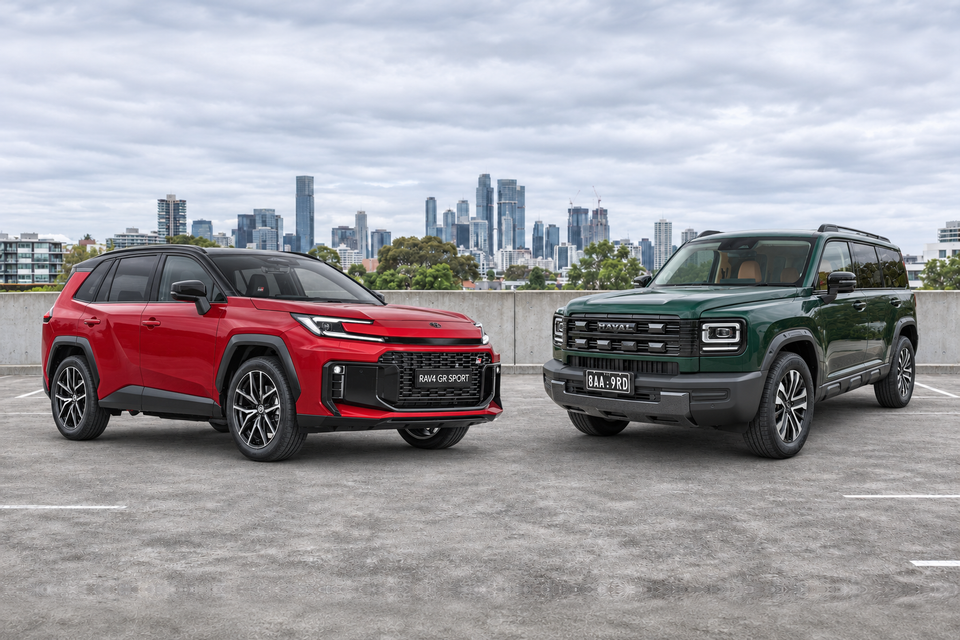
GWM's new plug-in hybrid SUV undercuts the equivalent Toyota RAV4 by a huge margin, but is it a better buy?

Deputy Road Test Editor
Deputy Road Test Editor
The Toyota RAV4 has long been king of the mid-size SUVs in Australia, trusted for its practicality, efficiency, reliability and low running costs.
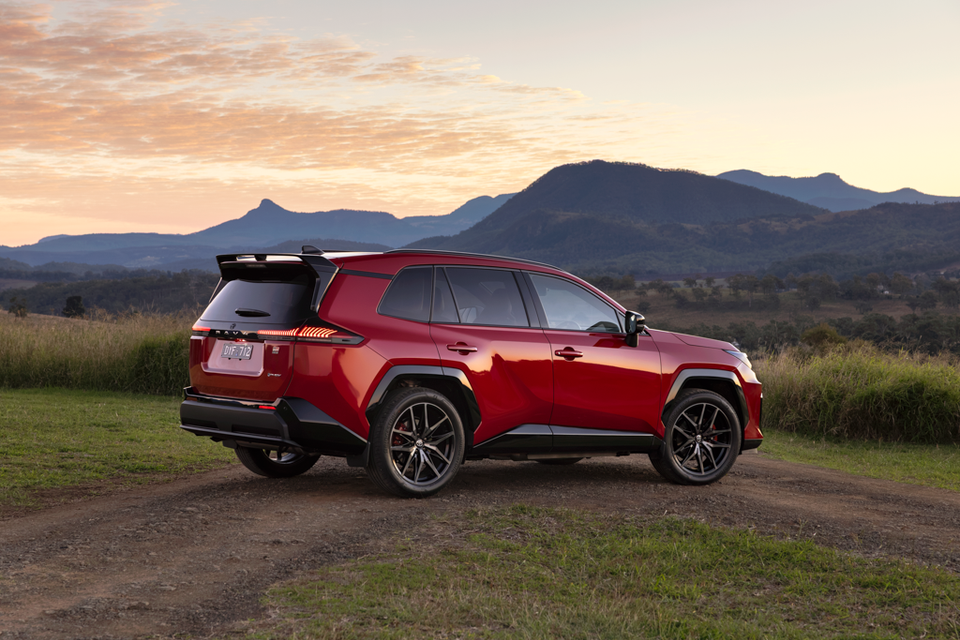
But there's a new wave of Chinese rivals encroaching on its turf, one of which is the GWM Haval H7.
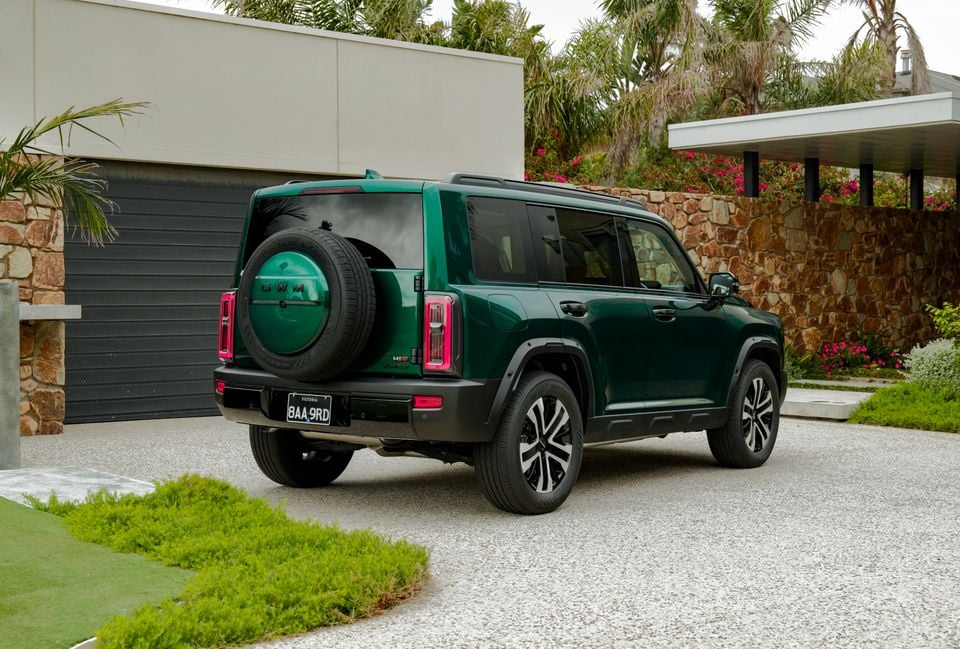
Back for a second generation, the new H7 makes a compelling case. Not least because, unlike the original, it's now available as a plug-in hybrid (PHEV), giving prospective buyers a like-for-like alternative to the much dearer RAV4 PHEV.
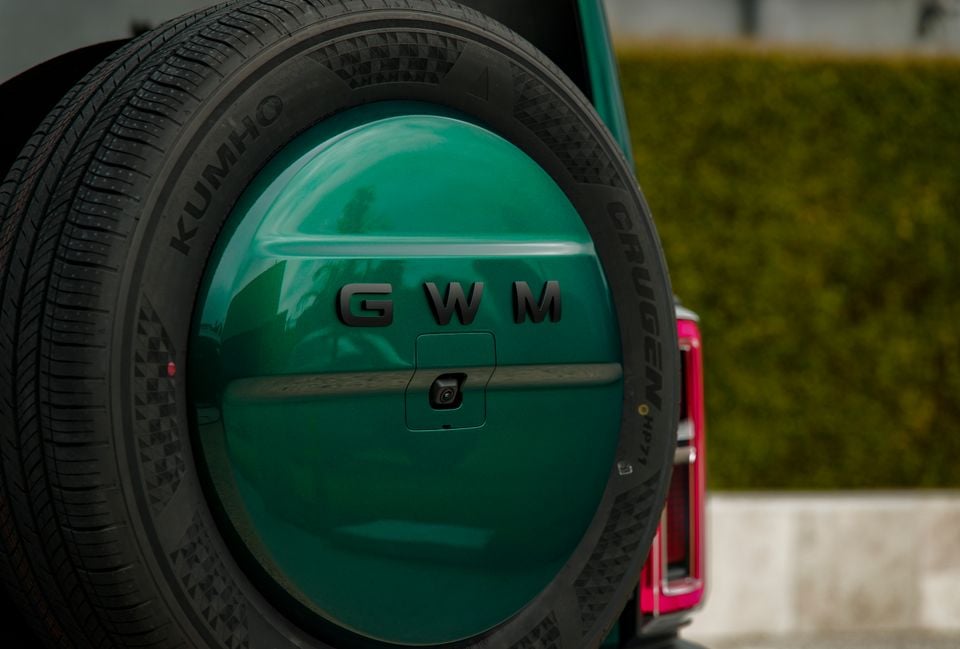
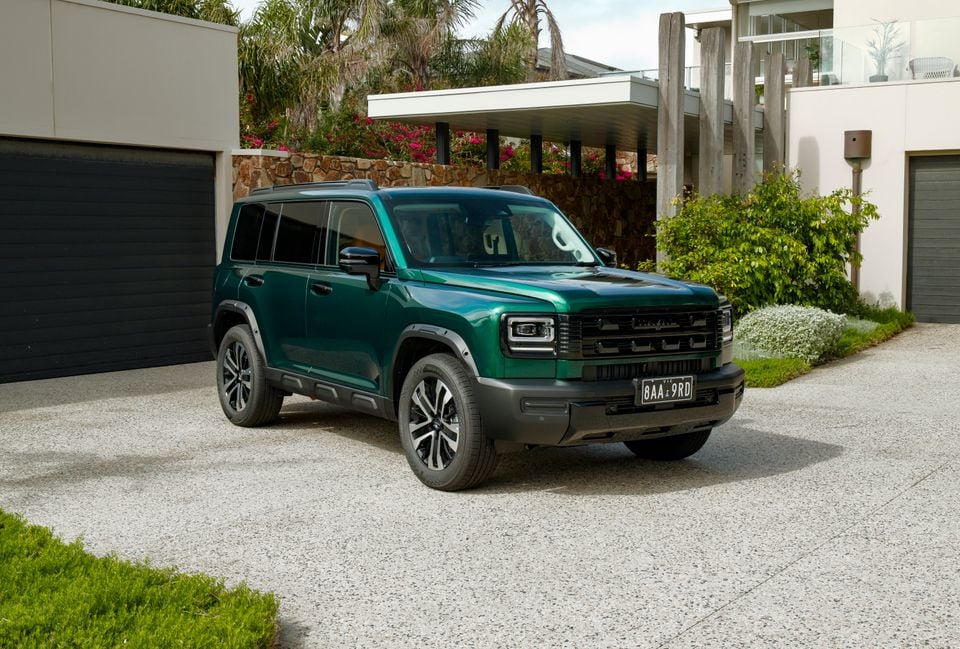
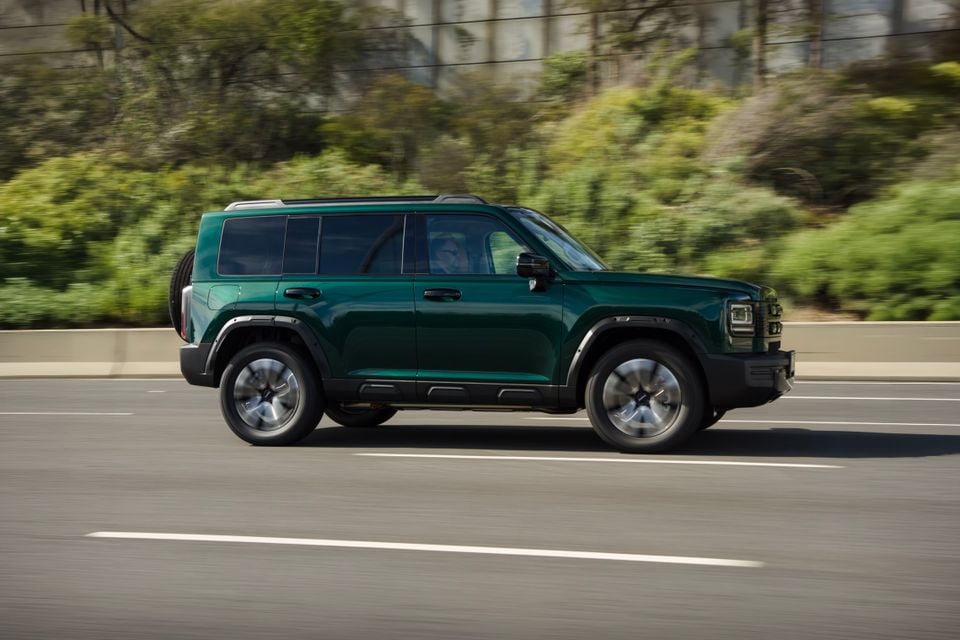
With its boxy look, locking rear differential and off-road leaning drive modes, the H7 also brings a unique skill set to the mainstream mid-size SUV segment.
Is that enough to worry Toyota? We've pitted top-spec versions of the two PHEVs against eachother on paper to find out.
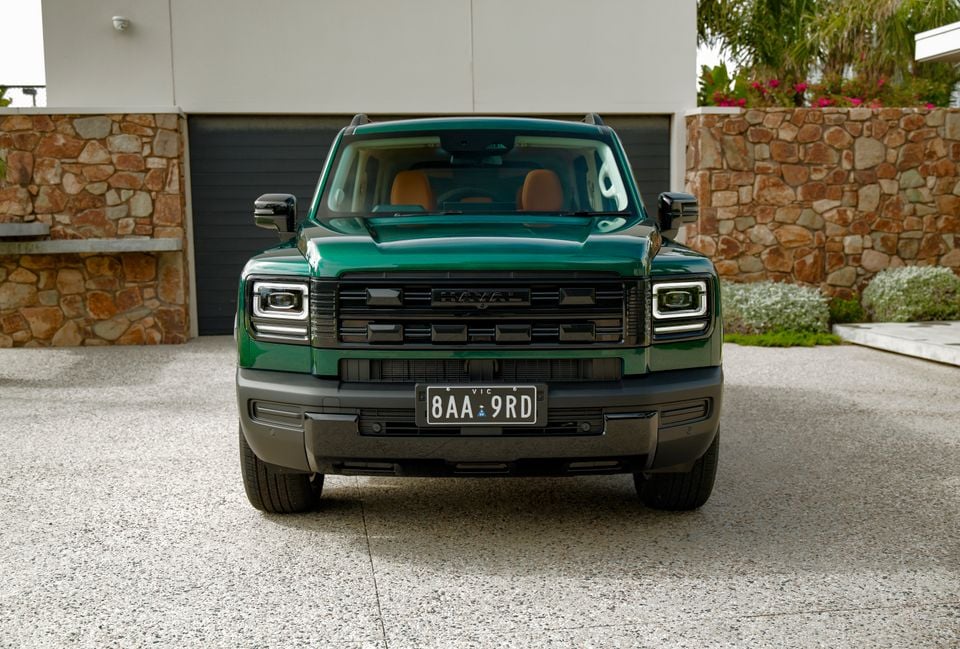
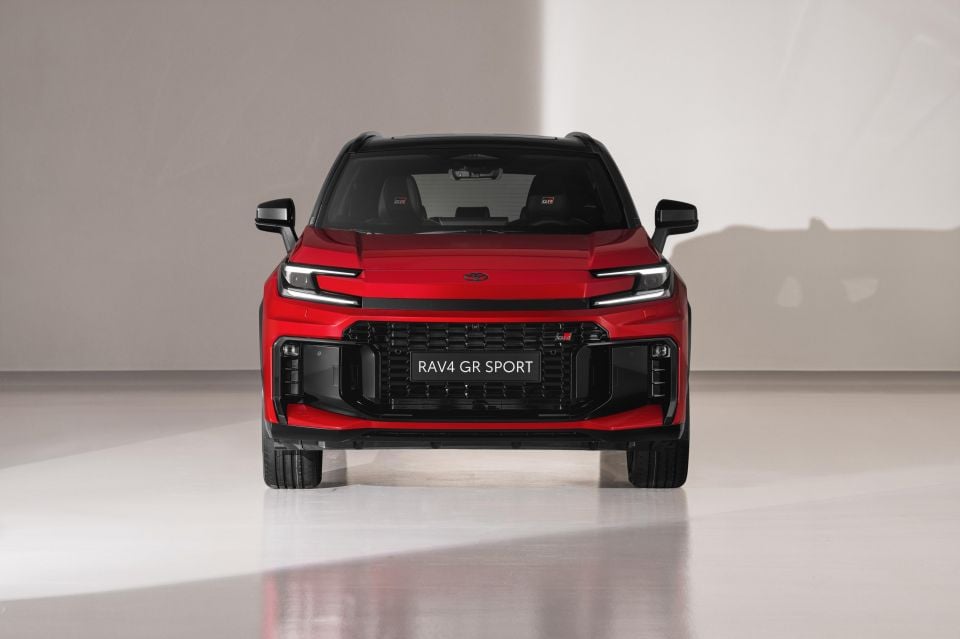
Straight off the bat, the H7 Vanta PHEV AWD possesses a huge advantage in the value department, priced 25 per cent below the RAV4 PHEV GR Sport AWD.
| Model | Drive-away pricing |
|---|---|
| 2027 GWM Haval H7 Vanta PHEV AWD | $53,990 |
| 2027 Toyota RAV4 PHEV GR Sport AWD | $72,096 (NSW indicative) |
For context, the H7 plug-in hybrid can be had from as little as $50,990 drive-away, while the RAV4 PHEV lineup starts at $58,840 before on-road costs (or $64,931 drive-away in New South Wales) in front-wheel drive XSE guise.
As far as mainstream mid-size SUVs go, both are reasonably well equipped, as shown by the list of shared standard equipment below.
Shared standard equipment highlights:
However, there's a clear difference in philosophy between the two.
The GWM places a greater emphasis on luxury with the inclusion of ventilated front seats, a panoramic sunroof and rear window sunshades, while the Toyota preferences everyday convenience with its hands-free power tailgate, digital rear-view mirror, and dual wireless phone chargers.
Ultimately, it's hard to come up with definitive rankings, although the H7's generous specification level is arguably more impressive given its price tag.
| Feature | GWM Haval H7 Vanta PHEV | Toyota RAV4 PHEV GR Sport AWD |
|---|---|---|
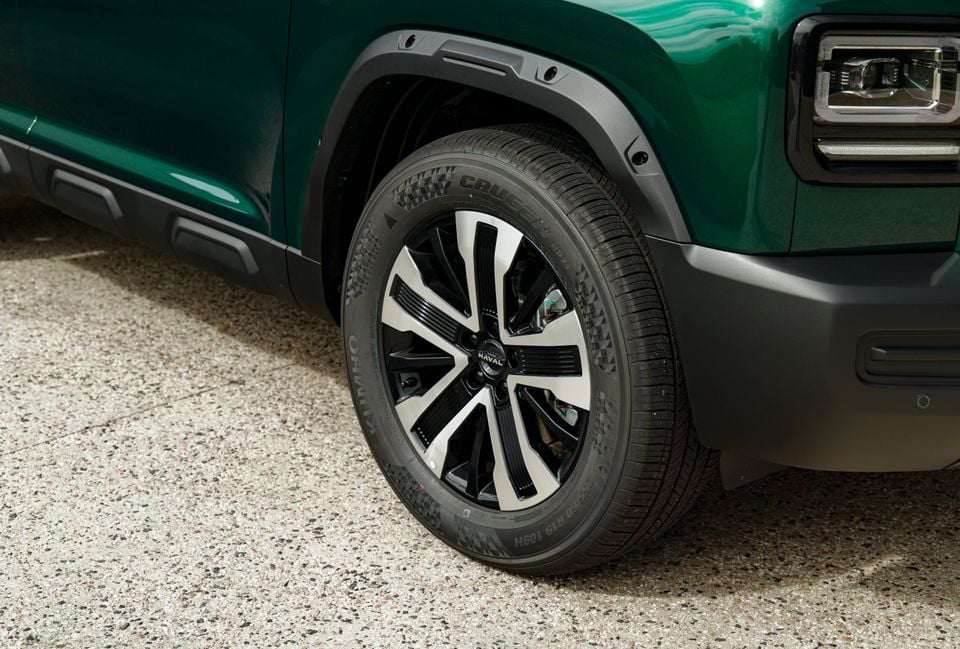
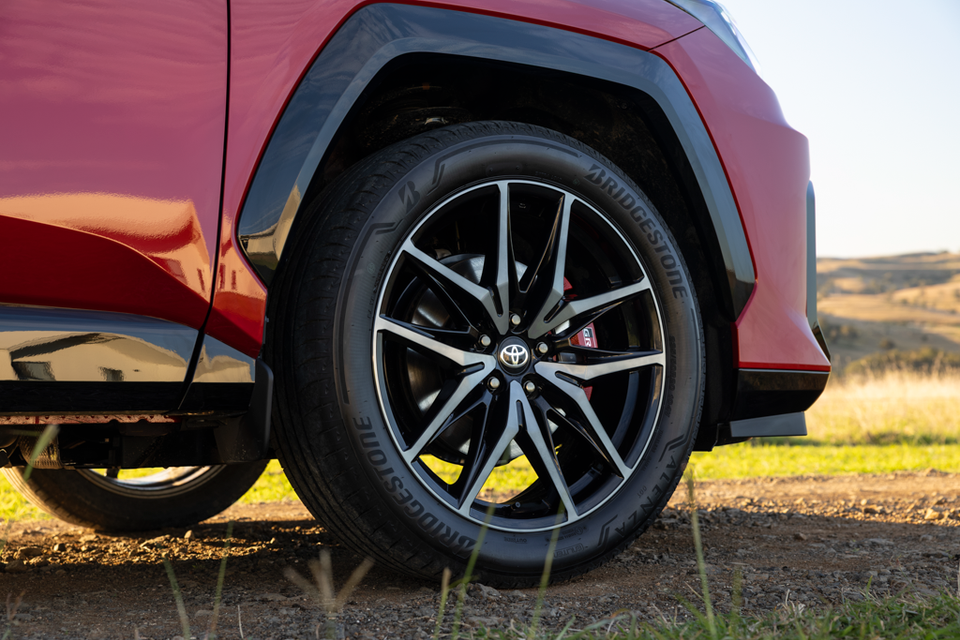
| Alloy wheels | 19-inch two-tone black | 20-inch two-tone silver |
| Infotainment touchscreen | 15.6-inch | 12.9-inch |
| Instrument display | 12.3-inch | 12.3-inch |
| Sound system | 10-speaker unbranded | 9-speaker JBL |
It's hard to say for sure, as neither has yet been assessed by independent local safety authority ANCAP.
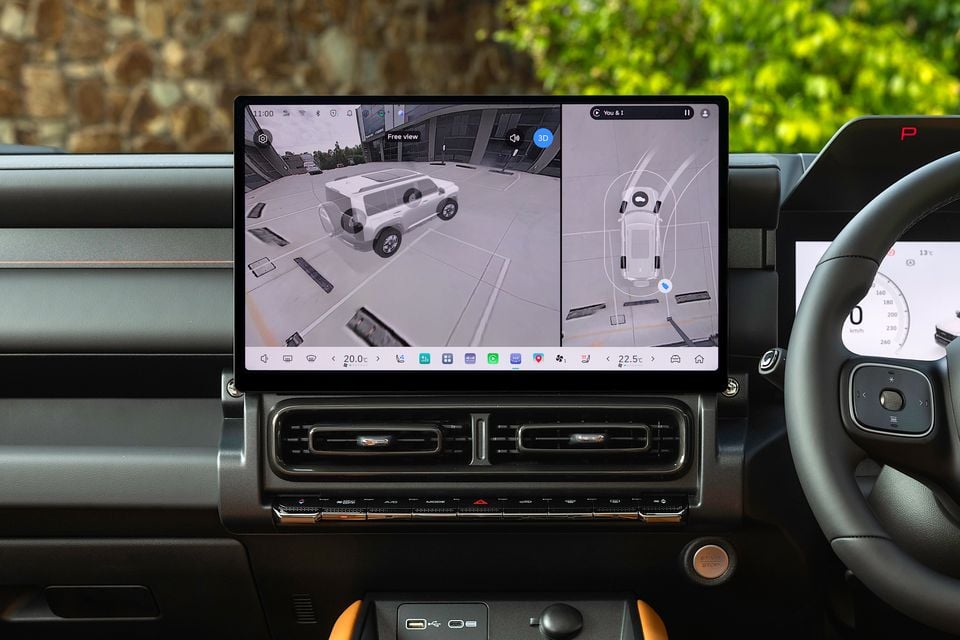
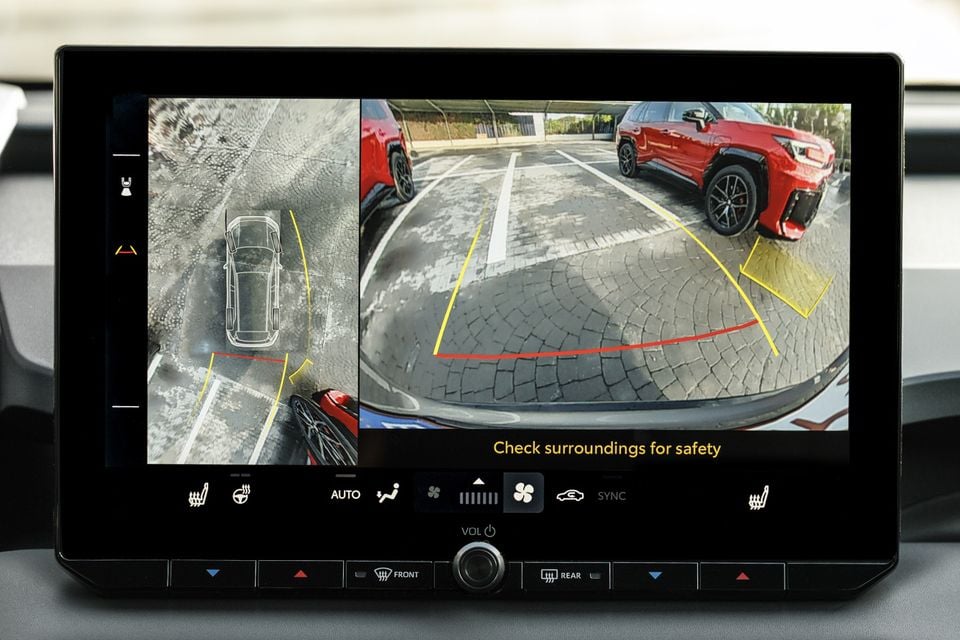
That said, Toyota is spruiking the current RAV4 as its "safest ever", while GWM is actively working with ANCAP to get the new H7 tested and rated.
Shared safety equipment highlights:
The RAV4 gains an additional driver's knee airbag, front cross-traffic alert and an emergency driving stop system, arguably giving it the edge on paper.
Whether that translates to superior safety performance remains to be seen.
While the H7 is slightly more luxurious overall, both these SUVs are utilitarian first and foremost, with a focus on family adventure.
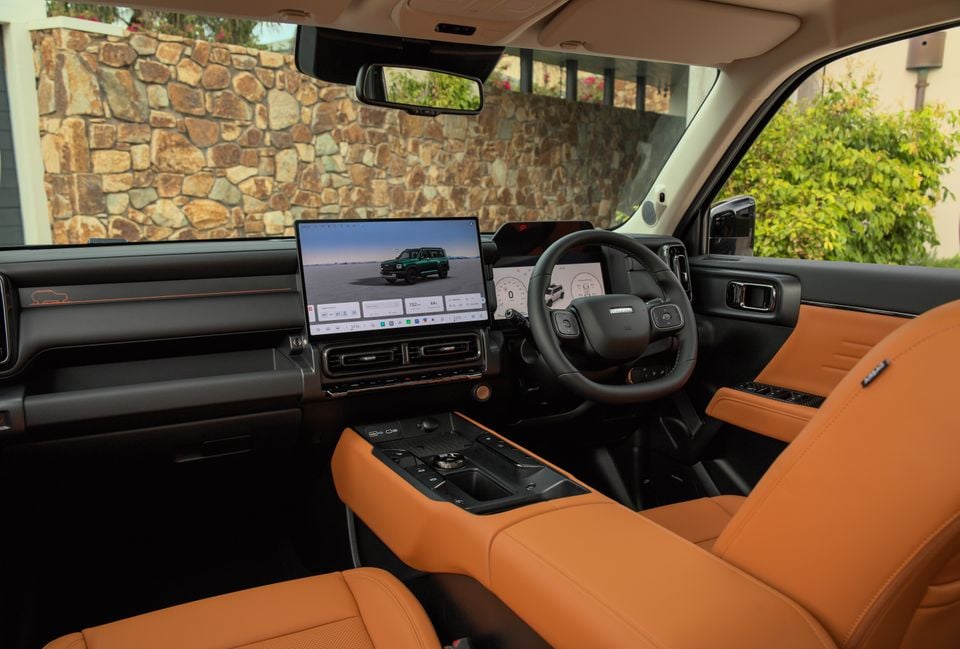
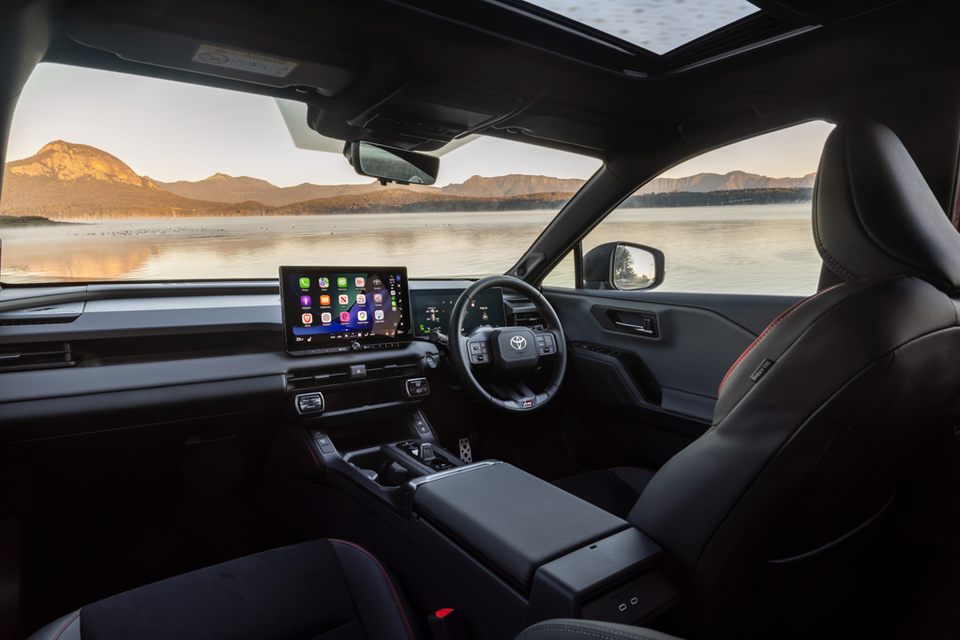
Storage is plentiful throughout each cabin – the H7 offers a lower central tray in addition to all the usual nooks and crannies, while the RAV4 sets itself apart with multi-tiered dash storage.
Both also feature refreshingly straightforward controls, retaining several buttons and switches on the centre console as other vehicles force functions into the infotainment system.
The H7 deserves special mention for its climate control toggles, which allow easy temperature and fan speed adjustment on the go. The RAV4, conversely, requires touchscreen inputs for fan speed.
Toyota does a better job of labelling the steering wheel controls, though.
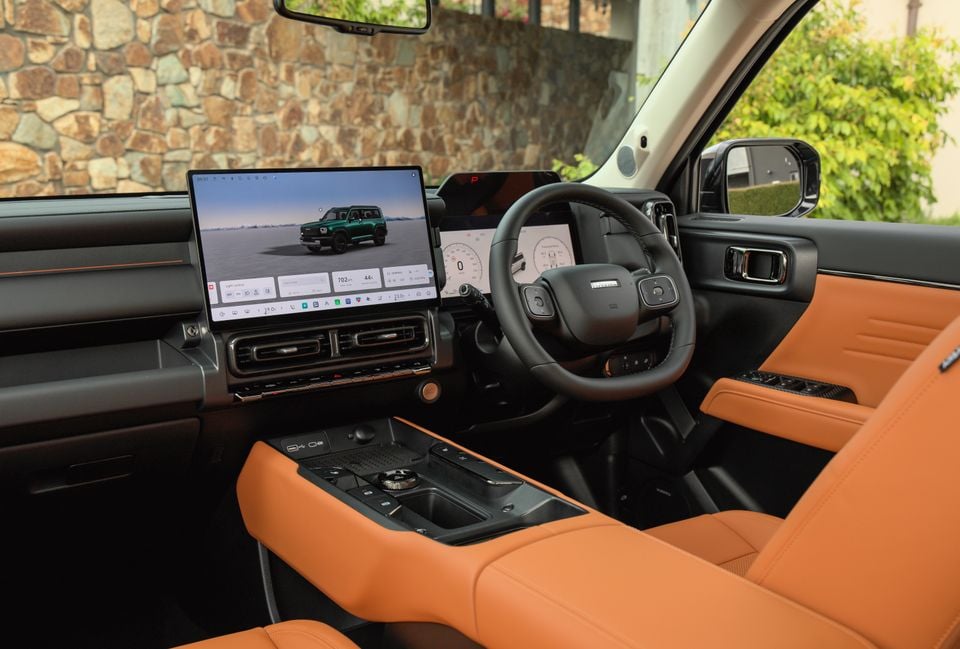
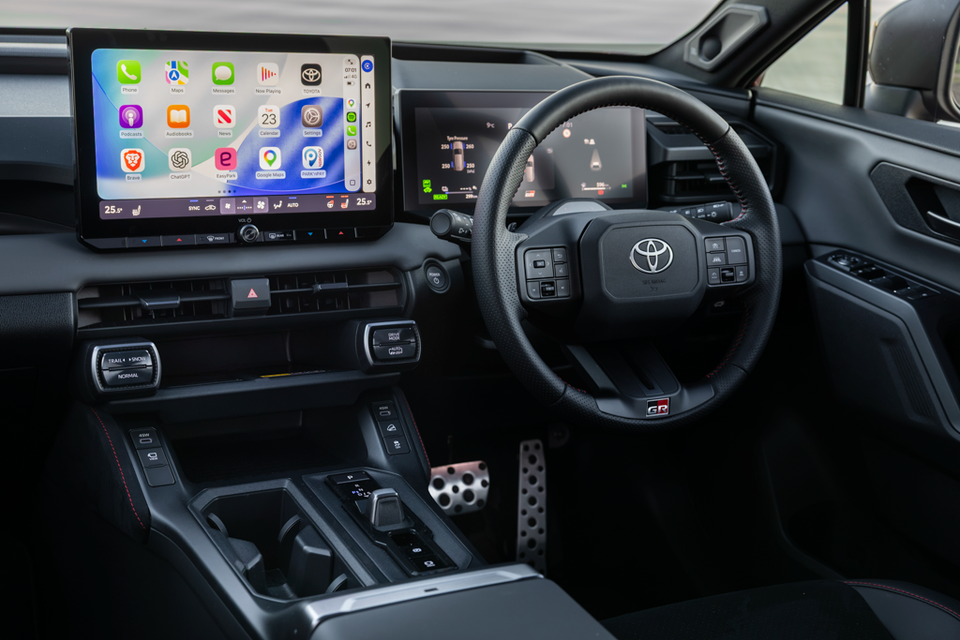
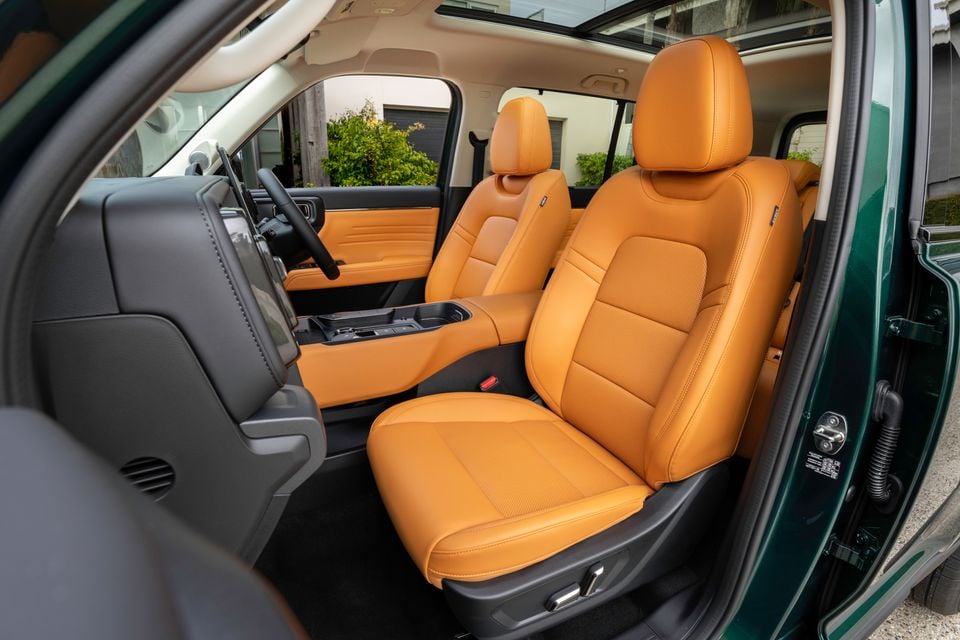
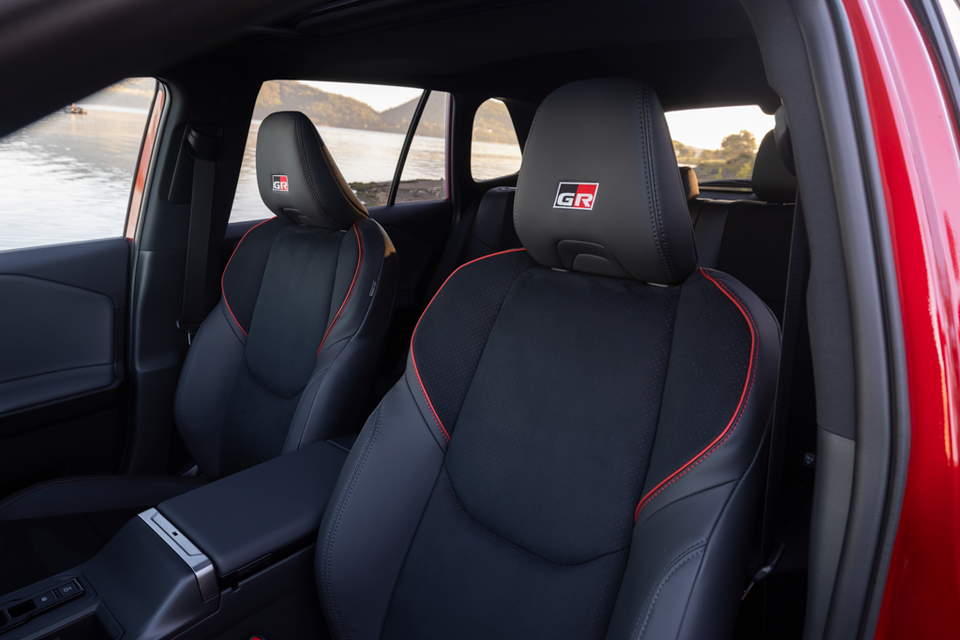
In terms of material quality, the H7's interior is softer to the touch, particularly across the doors, dash and centre console. The RAV4, on the other hand, is hardier and sportier, making up for some plasticky panels with body-hugging GR Sport seats, aluminium pedals and suede accents with red contrast stitching.
The H7's off-road focus is also apparent in the provision of grab handles on the A-pillars and dash, none of which feature in the Toyota.
On the technology front, both feature the same basic two-screen layout complemented by a head-up display. The H7 gets a larger 15.6-inch infotainment touchscreen running GWM's latest 'Coffee' operating system, which offers more modern functionality than the relatively basic Toyota system.
Wireless smartphone mirroring and charging are welcome inclusions in both models, while the RAV4 gets a pair of USB-C outlets up front in place of the H7's combination of USB-A and USB-C ports.
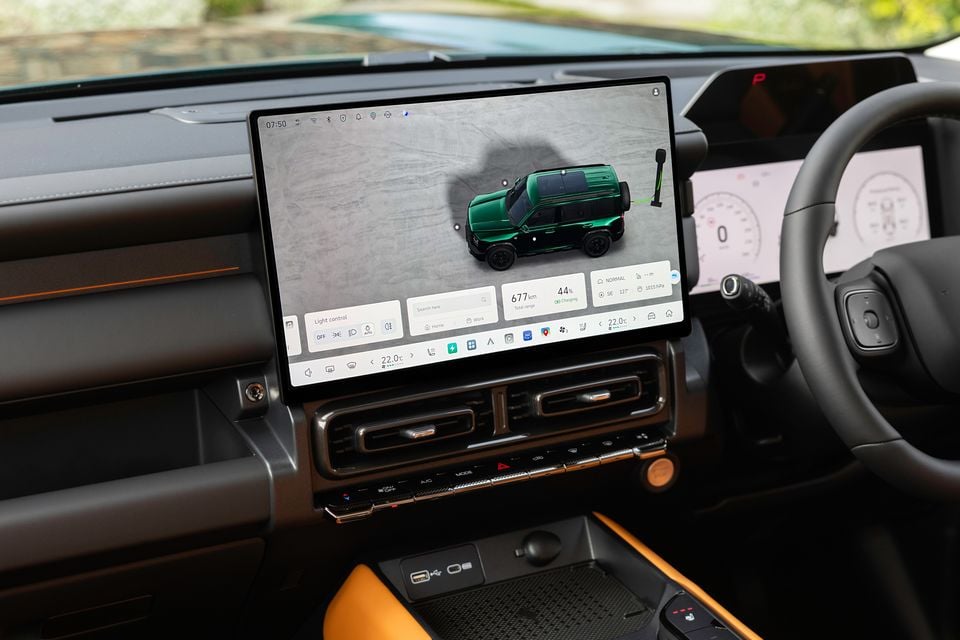
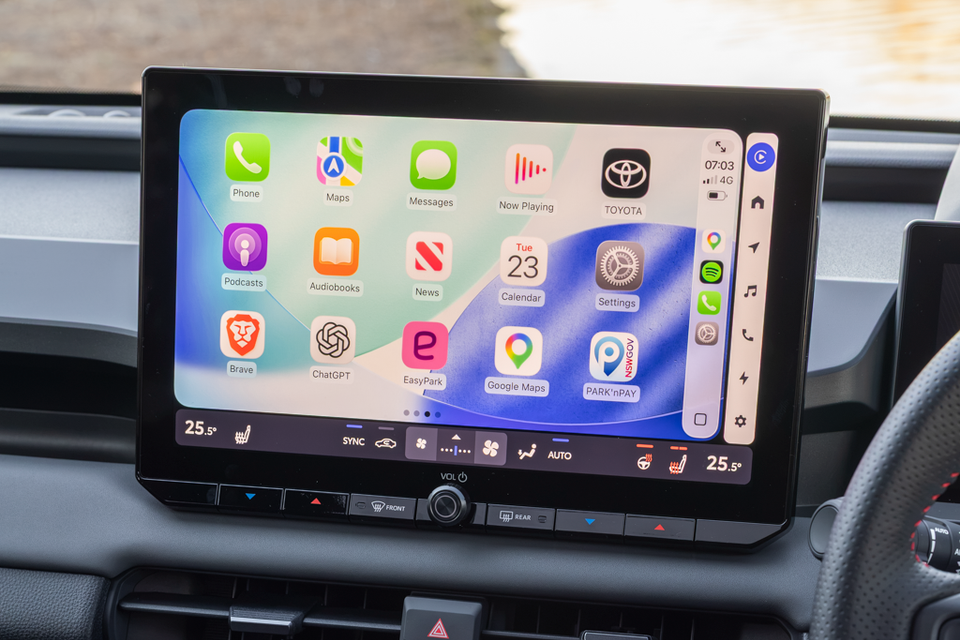
The Toyota is the only one of the two to feature a branded sound system, although its nine-speaker JBL setup is underwhelming and doesn't represent an upgrade over the GWM's unbranded 10-speaker system.
Both SUVs comfortably accommodate adults in the second row, with generous headroom and knee room. The H7's boxy body lends itself to a slightly airier feel, though.
Rear passengers are equally well catered for in terms of amenities, with both offering rear-facing air vents, map pockets, door bins and a fold-down centre armrest with cupholders. The only notable difference is the provision of USB-A and USB-C charging ports in the GWM, versus a pair of 15W USB-C outlets in the Toyota.
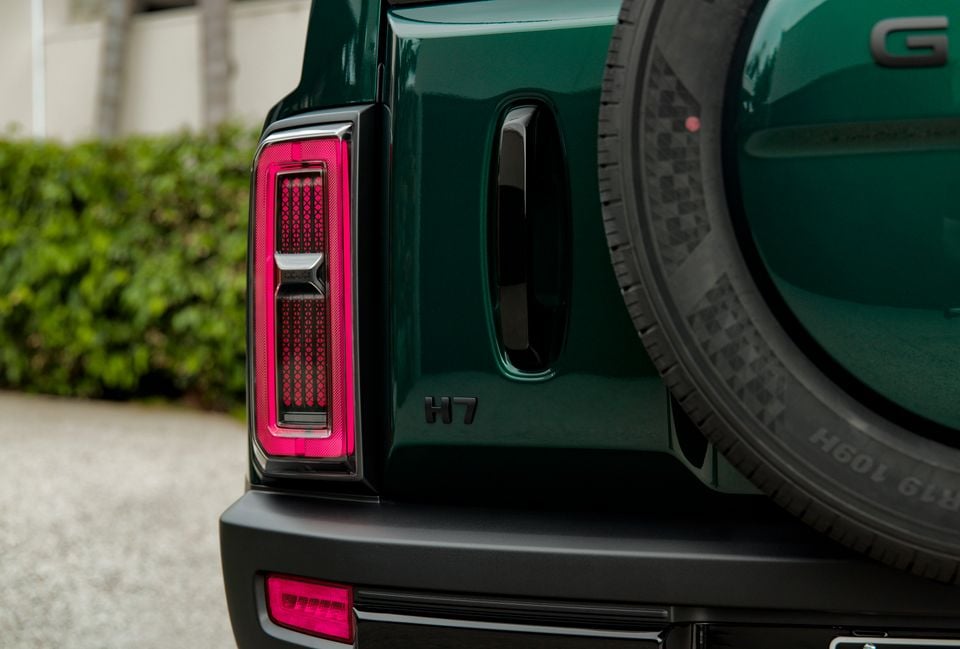
Toyota wins the boot space battle, quoting 655 litres of cargo capacity for the RAV4 PHEV versus 586L for the H7 PHEV, though it's hard to blame the GWM for carrying a full-size spare wheel underneath.
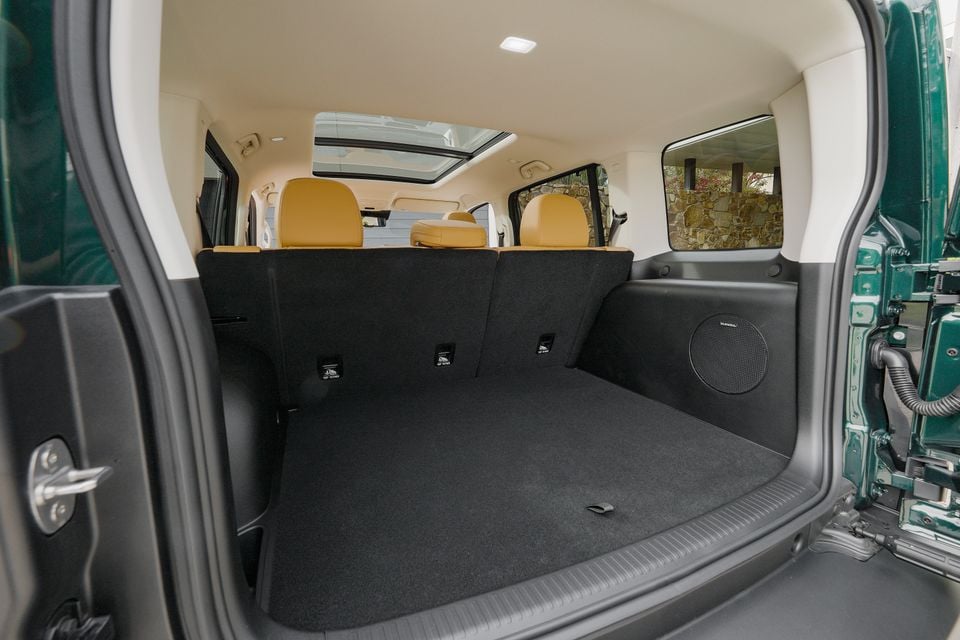
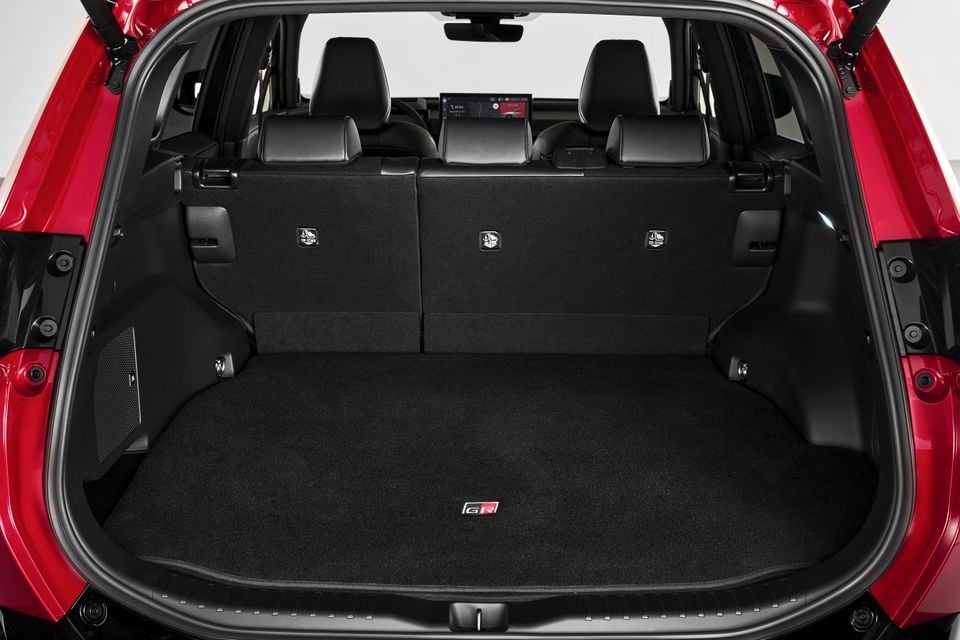
| Dimensions | GWM Haval H7 PHEV | Toyota RAV4 PHEV |
|---|---|---|
| Length | 4800mm | 4645mm |
| Width | 1950mm | 1880mm |
| Height | 1843mm | 1685mm |
| Wheelbase | 2738mm | 2690mm |
| Cargo capacity | 586L | 655L |
The RAV4 may wear a GR Sport badge, but it's the H7 that packs the bigger punch.
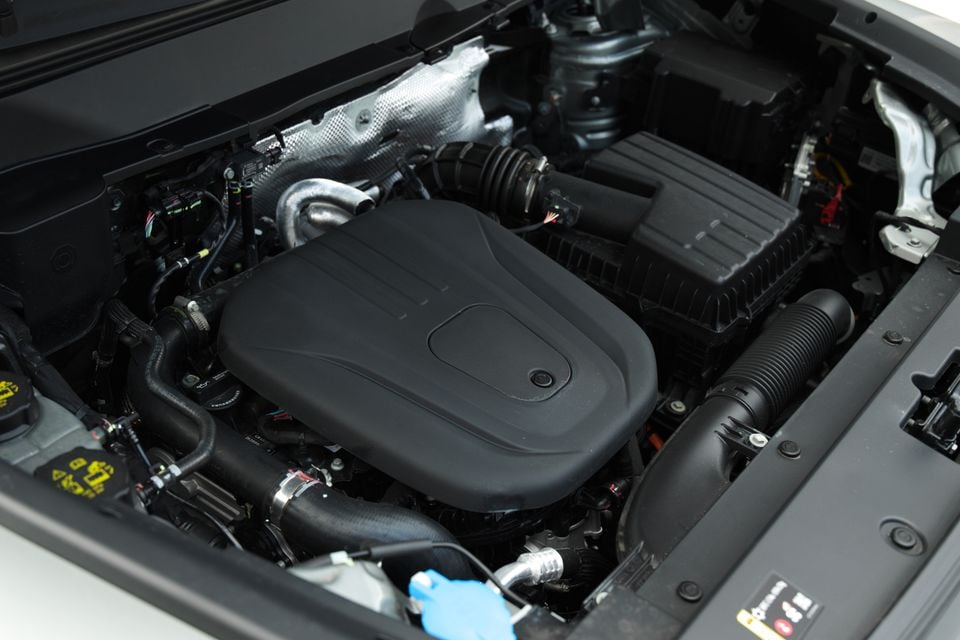
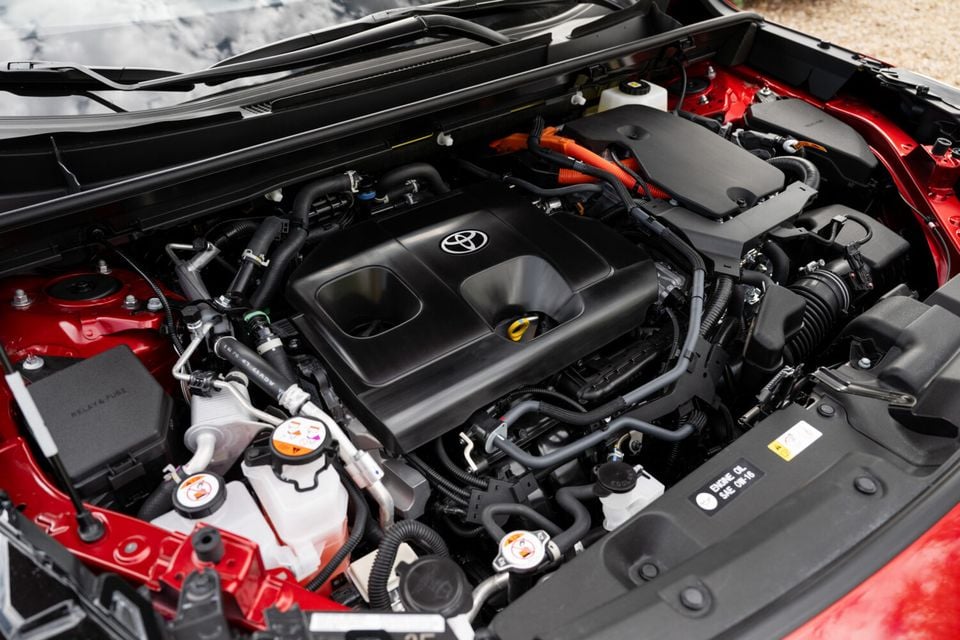
| Specifications | GWM Haval H7 Vanta PHEV AWD | Toyota RAV4 PHEV GR Sport AWD |
|---|---|---|
| Engine | 1.5L 4cyl turbo-petrol | 2.5L 4cyl petrol |
| Engine outputs | 110kW 240Nm | 105kW 227Nm |
| Electric motor outputs | Front: 80kW and 170Nm Rear: 150kW and 260Nm | Front: 151kW and 272Nm Rear: 41kW and 123Nm |
| System outputs | 320kW 670Nm | 227kW |
| Battery | 33.7kWh LFP | 22.7kWh NMC |
| Transmission | 4-speed DHT | e-CVT |
| Drive type | All-wheel drive | All-wheel drive |
| Weight | 2150kg | 2025kg |
| 0-100km/h (claimed) | 4.9 seconds | 5.8 seconds |
| Fuel economy (claimed) | 0.9L/100km – combined 7.5L/100km – depleted battery | 0.9L/100km – combined 5.6L/100km – depleted battery |
| Electric driving range (WLTP) | 137km | 113km |
| Fuel tank capacity | 55L | 55L |
| Fuel requirement | 91-octane regular unleaded | 95-octane premium unleaded |
| CO2 emissions | 19g/km | 17g/km |
| Emissions standard | Euro 6 | Euro 6e-bis |
| Braked tow capacity | 1500kg | 1500kg |
Higher combined outputs give it a clear advantage in straight-line acceleration. Despite lugging around an extra 125kg, claimed figures suggest it's nearly a full second quicker from 0-100km/h.
The GWM also benefits from a substantially larger battery, affording it an additional 24km of claimed electric driving range.
However, the Toyota is more efficient when run on petrol alone, consuming a claimed 5.6L/100km compared to the GWM's 7.5L/100km, although any associated fuel savings may be offset by its penchant for premium unleaded.
Beyond their respective powertrains, the two have been developed with different purposes in mind, as evidenced by their additional mechanical hardware.
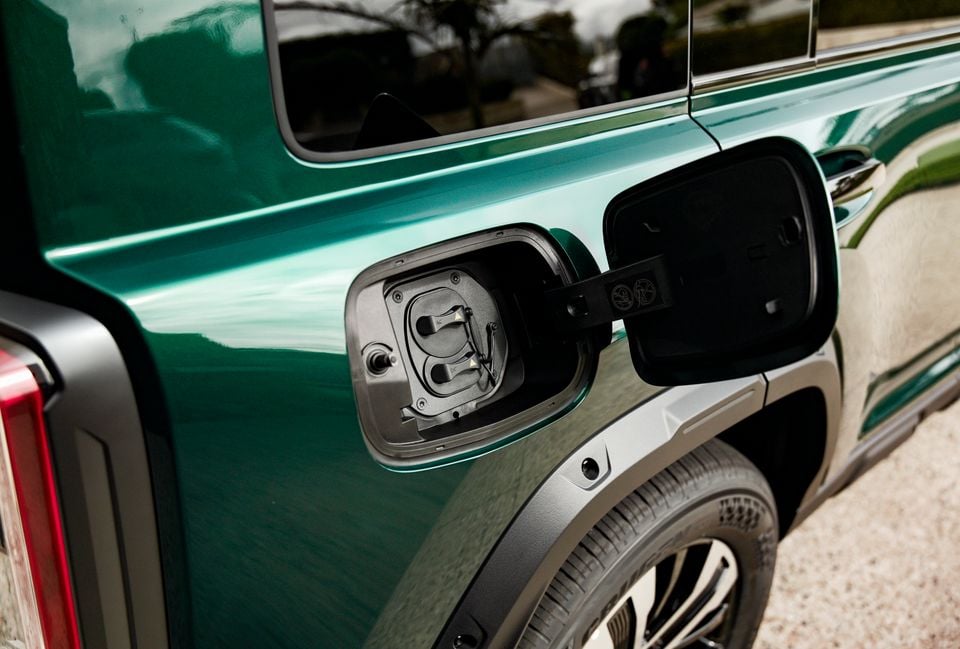
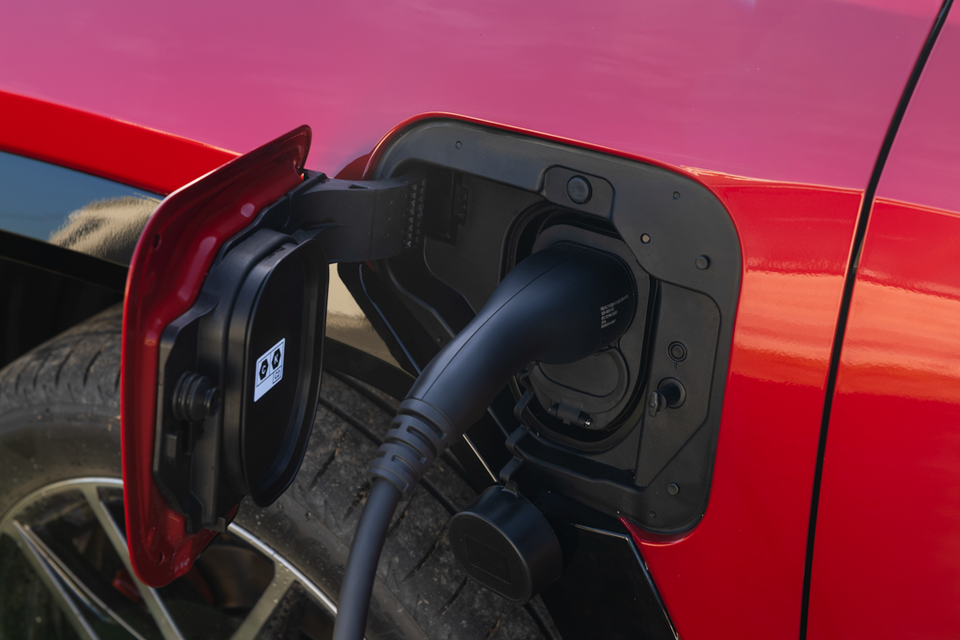
Equipped with a locking rear differential and terrain-based drive modes, the H7 is ready for a spot of light off-roading.
The RAV4, meanwhile, is geared towards on-road enjoyment, benefiting from bespoke GR Sport suspension and steering tunes, and additional chassis bracing.
GWM seemingly makes the stronger ownership promise, backing its vehicles with a longer warranty and two additional years of capped-price servicing.
| Servicing and Warranty | GWM Haval H7 PHEV | Toyota RAV4 PHEV |
|---|---|---|
| Warranty | 7 years, unlimited kilometres – vehicle 8 years, unlimited kilometres – high-voltage battery | 5 years, unlimited kilometres – vehicle Up to 10 years, unlimited kilometres – high-voltage battery |
| Roadside assistance | 7 years | Up to 7 years (service-activated) |
| Service intervals | 12 months or 15,000km (after 10,000km first service) | 12 months or 15,000km |
| Capped-price servicing | 7 years or 100,000km | 5 years or 75,000km |
| Average annual service cost | $460 | $325 |
| Total capped-price service cost | $3220 – 7 years | $1625 – 5 years |
Said servicing is $135 more expensive per year, though.
Historical resale trends also suggest the RAV4 is likely to retain a greater proportion of its purchase price over time, although its cheaper Chinese rival requires less financial commitment up front.
There's not much separating these two on paper... aside from the $18,000 gulf in price.
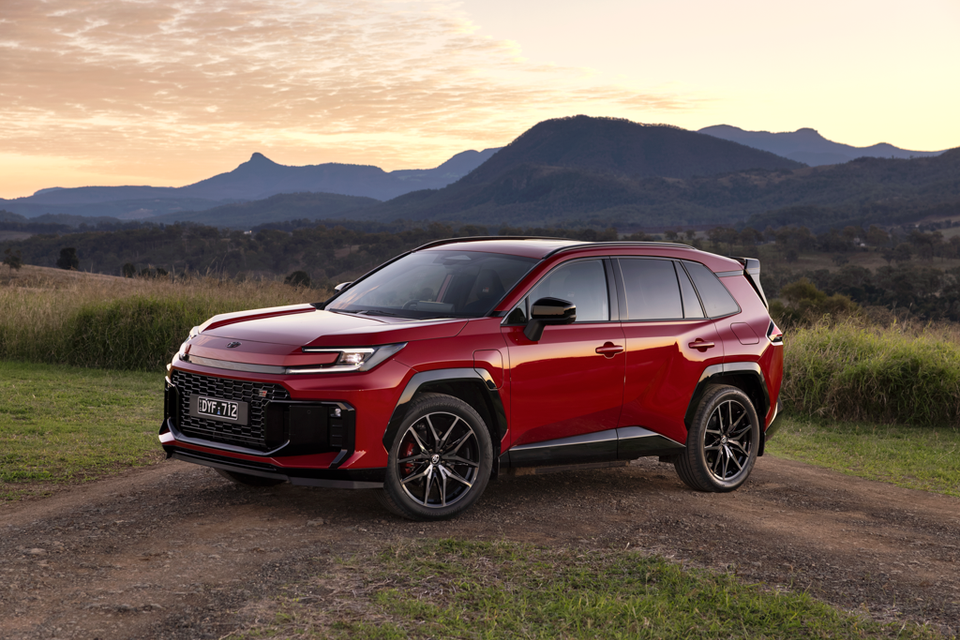
The RAV4 PHEV boasts a few additional safety features, better fuel economy with a depleted battery, and solid long-term ownership prospects. However, the latter advantage is diminished somewhat by GWM's more generous warranty and capped-price servicing program.
What's more, the H7's plug-in hybrid system offers both more grunt and greater electric driving range.
Neither has been crash-tested, either, so it's not like the RAV4 scores a slam dunk in the safety department.
Superior ADAS calibration has long been a differentiator, but GWM has made huge strides in this area, while Toyota has arguably gone backwards given the sensitive nature of the driver attention monitor in the new RAV4.
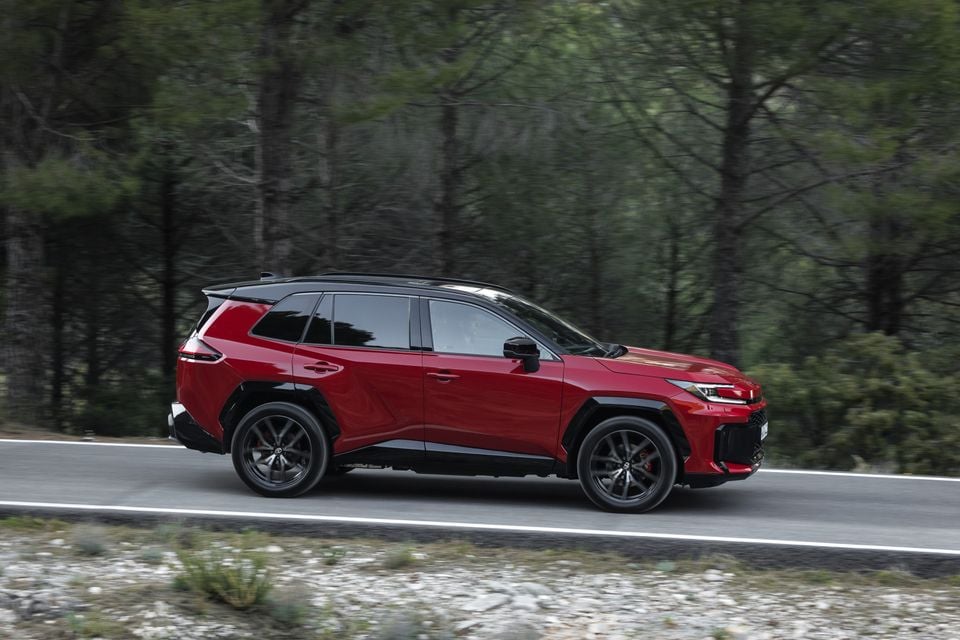
If this is the car for you, we’ll compare offers from trusted dealers, handle the back and forth and manage your purchase from enquiry to delivery.
GWM has also upped its infotainment game, with its latest Coffee OS software offering faster responses, a more intuitive interface and greater functionality.
So, unless you place a premium on a somewhat dynamic on-road driving experience, the H7 emerges as the clear victor from a value perspective.
That said, it'll be worth revisiting this comparison early next year when the GXL 2WD arrives as a cheaper entry point to the RAV4 PHEV range.
The $5000 premium separating equivalent hybrid (HEV) and PHEV versions of the RAV4, if applied to the upcoming GXL 2WD PHEV, would see it priced at $53,990 before on-roads – much closer to the H7 PHEV.
MORE: Explore the GWM Haval H7 showroom
MORE: Explore the Toyota RAV4 showroom
Share your thoughts with us in the comments below!
Josh Nevett is an automotive journalist covering news and reviews, with a background in motorsport journalism.
Share your thoughts and write a review of a car you own and get featured on CarExpert.
James Wong
9 Hours Ago

William Stopford
10 Hours Ago

Marton Pettendy
11 Hours Ago
William Stopford
12 Hours Ago

Matthew Hansen
13 Hours Ago
William Stopford
14 Hours Ago