






Max Davies
Subaru Crosstrek gets limited-edition surfing makeover in Aussie collab
Subaru is bringing a special new surf-inspired small SUV to local showrooms, built in collaboration with iconic Australian brand Rip Curl.
11 Minutes Ago
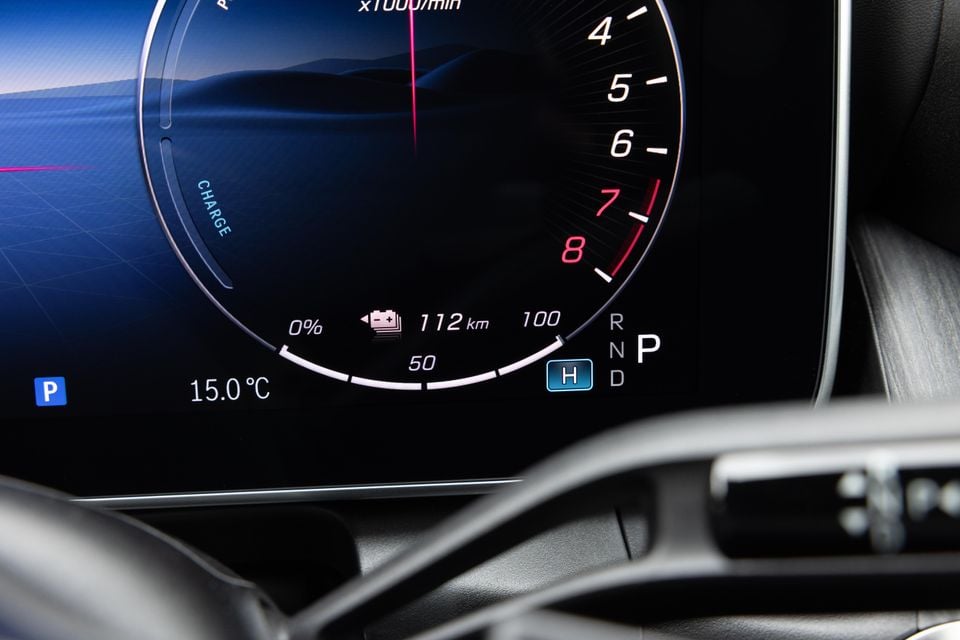
After more than half a century of relatively standardised controls, car companies are messing with the formula – and they had better knock it off!

Road Test Editor
Road Test Editor
The automotive industry is just as susceptible to fads as any other.
A good example is the minimalist-style interiors pioneered by Tesla, which have now been adopted widely, particularly by Chinese electric vehicles. Empty consoles, no buttons, and a giant, ‘floating’ tablet or two superglued to the dashboard.
And while most trends are innocent enough and done to entice you to buy the Next New Thing, there’s one being rolled out on almost every new model and update that’s a real problem: replacing the indicator stalk with the drive selector.
In the 1950s, US automakers were each coming up with their own fang-dangled shifters for automatic transmissions. But intervention by the government eventually mandated that all autos use the PRNDL layout – affectionately referred to as the ‘prindle’.
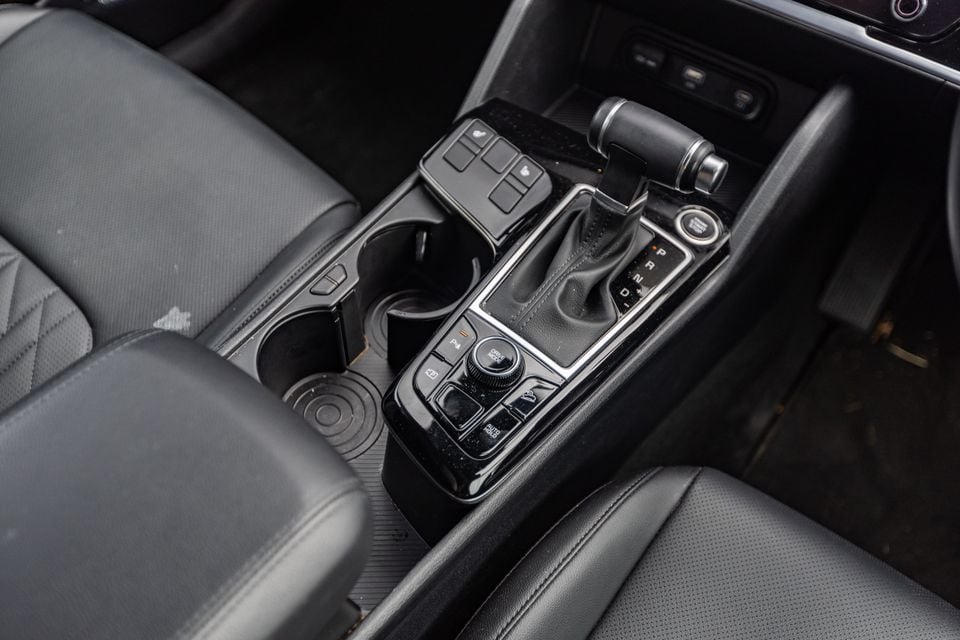
T-bars and column shifters were the standard for decades – all using the same PRNDL pattern – with minor innovations like the ‘maze’ style selector, introduced on the Mercedes-Benz SL in 1962.
Ignoring a few failed attempts in between, it was the new style of shift-by-wire column-mounted selector introduced by Mercedes-Benz in 2005 and BMW’s ‘monostable’ selector of 2007 that arguably led to the greatest changes.
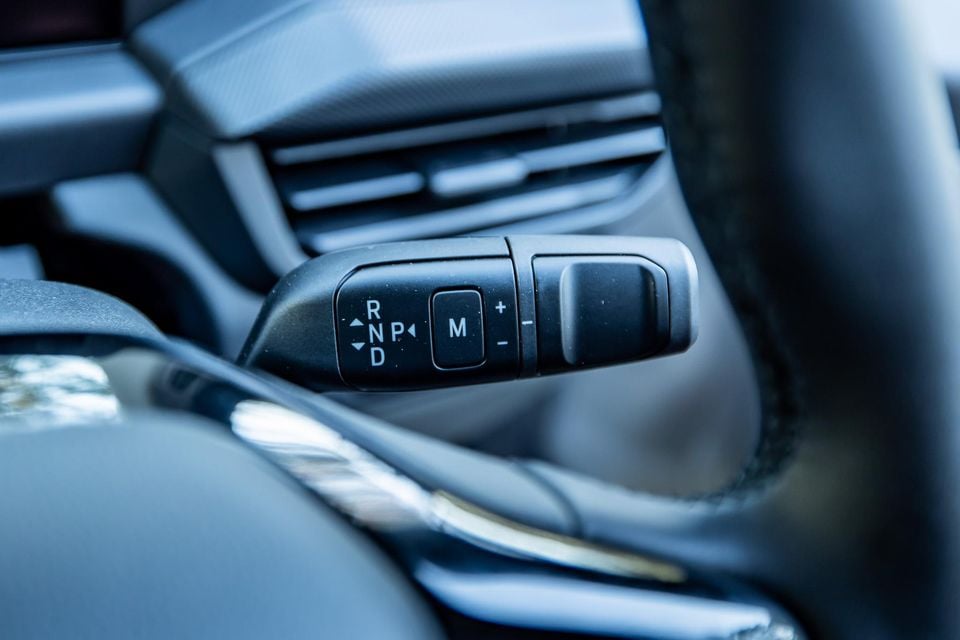
Tesla, which was borrowing a lot of switchgear from Mercedes-Benz for its Model S, used a column-mounted PRND lever. By the Model 3, the shifter was located where the indicator stalk is on a right-hand-drive vehicle. It also looked and felt like an indicator.
The adoption was gradual, but now seemingly every car is rushing into the indicator-style shifter. Some are even making the change as part of facelift updates.
Why the sudden push to adopt this fad? It’s hard to know.
Car companies tell us it’s so they can free up space in the centre console – but few of them are doing anything with that space. My best guess is they can save a metre of wiring, keeping as much as $10 in their pockets per vehicle.
The toothpaste may already be out of the tube, but whatever the reason, it needs to stop.
Motoring journalists are very used to jumping into new cars and having to adapt to different controls. But on a recent launch, we were presented with two variants: one had a monostable T-bar on the centre console and a right-hand indicator stalk, while the other variant had the shifter on the right-hand side of the steering column, with the indicator on the left.
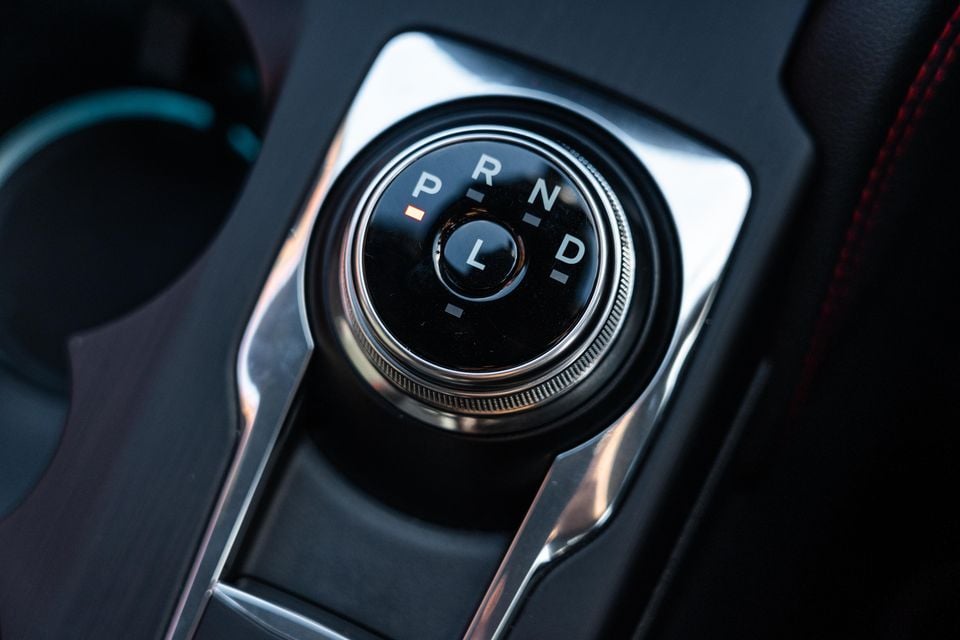
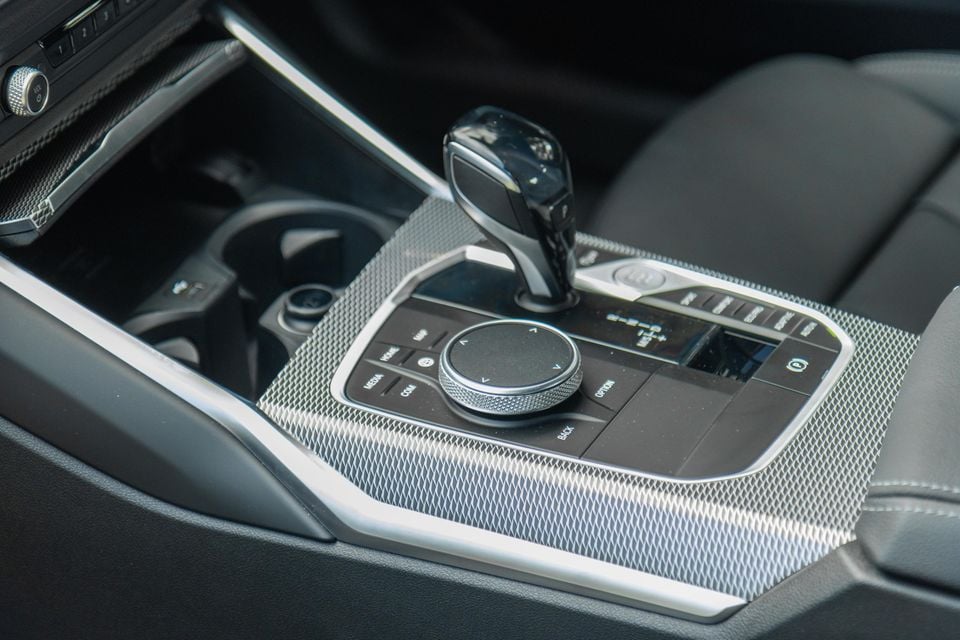
So, swapping between two almost identical vehicles meant jamming the car into neutral when turning left, in an attempt to indicate.
On another plug-in hybrid SUV I reviewed recently, the automatic drive selector – which was located where the indicator stalk has been for more than half a century – also doubled as the cruise control switch.
Accidentally hit the stalk to indicate right, and you run the risk of reinstating the cruise control to freeway speeds while turning into your grandmother’s driveway for dinner.
But the point isn’t really about the safety of motoring journalists or owners – people who use this stuff daily.
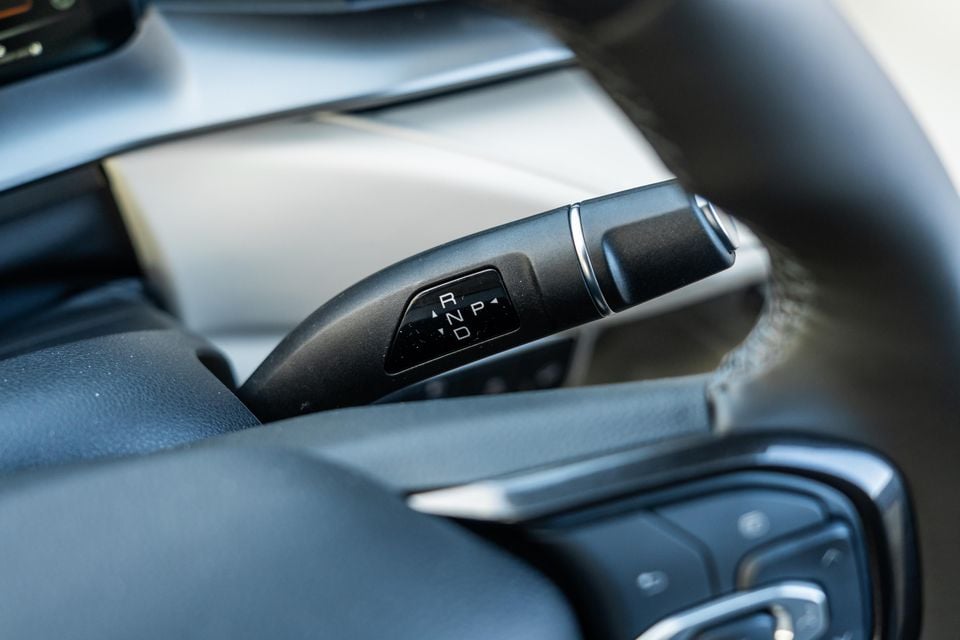
The problem occurs when you loan your car to a family member, you hire a car on a holiday, or your company has a pool of different cars to use on any given day. That's where the real danger lies.
On average, Australians change their car every five to seven years. In the US, the average is 8.4 years.
Remember, that’s the average – meaning there are plenty of people holding onto their cars for more than 10 years.
Considering how few people know how to navigate their way through infotainment screens, even today, swapping major controls such as the drive selector is just plain dumb.

Earthmoving machines use two joysticks with two different, standardised patterns. Thanks to drive-by-wire technology, modern equipment can switch between ISO and SAE – flipping the controls between left and right joysticks – depending on what the operator is trained on.
This simple step helps mitigate potential accidents when working with bulldozers weighing 30 tonnes or more.
Calling for the standardisation of controls across the automotive industry isn’t new. In March 2016, Jack Baruth from Road & Track magazine was lobbying for the same thing, and that was before this latest round of stupidity really took hold.
For a long time, Japanese and Australian cars used indicators located on the right-hand side. Vehicles from left-hand-drive markets, like the US and Germany – as well as the UK, oddly enough – had indicators on the left-hand side.
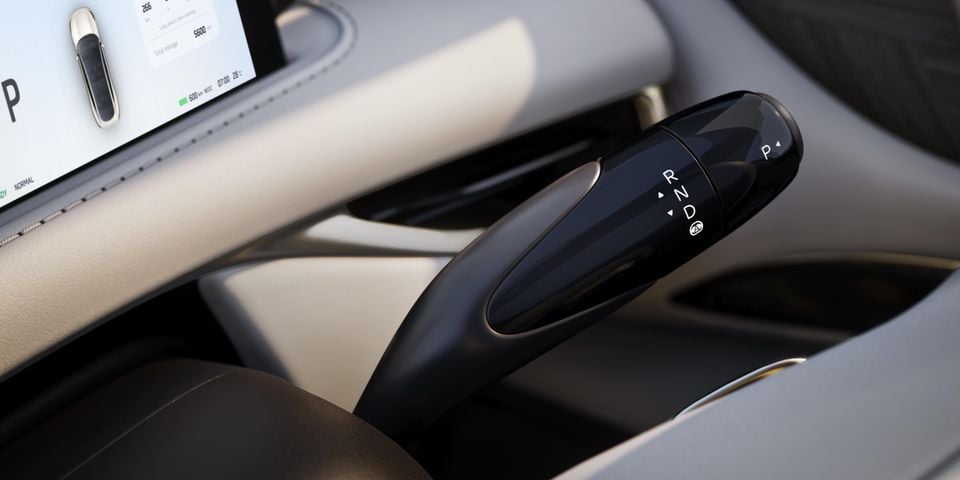
No matter how experienced you were, swapping between vehicles from LHD and RHD markets meant inevitably smacking the wipers when trying to indicate.
Now, that could mean selecting neutral or, in some astonishingly idiotic and shortsighted cases, resuming cruise control – increasing the danger for drivers, passengers, and other road users. And for no good reason.
Knock it off.
Ben Zachariah has 20-plus years in automotive media, writing for The Age, Drive, and Wheels, and is an expert in classic car investment.
Max Davies
11 Minutes Ago

Ben Zachariah
41 Minutes Ago

William Stopford
8 Hours Ago

Damion Smy
19 Hours Ago
Damion Smy
20 Hours Ago

Elle Baillieu
20 Hours Ago
Add CarExpert as a Preferred Source on Google so your search results prioritise writing by actual experts, not AI.