




Max Davies
2027 Subaru BRZ review
Subaru still has you covered if you fancy a small rear-drive coupe, and it's as good as it has ever been.
3 Hours Ago
The JAC Hunter has arrived as Australia's most affordable plug-in hybrid ute, but can it deliver beyond its showroom price appeal?

Deputy News Editor
Deputy News Editor
Deputy News Editor
Deputy News Editor
If this is the car for you, we’ll compare offers from trusted dealers, handle the back and forth and manage your purchase from enquiry to delivery.
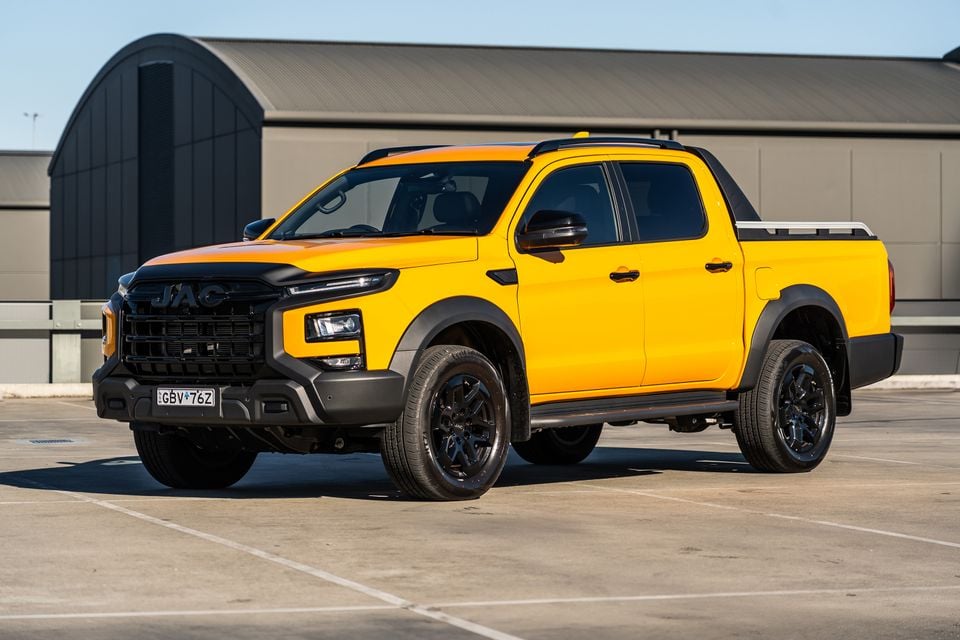
The JAC Hunter has landed in Australia with bragging rights to the title of the country's cheapest plug-in hybrid (PHEV) dual-cab ute. Compared with key rivals such as the hot-selling BYD Shark 6 and GWM Cannon Alpha PHEV, it also has more power and a lower official fuel consumption figure.
The Hunter is also cheaper and more powerful than the Ford Ranger PHEV, while matching its 3500kg braked towing capacity. Add a locally tuned chassis and the electrified dual-cab begins to sound somewhat enticing.
The Hunter is the Chinese brand’s second model in Australia, following the launch of the diesel-powered T9 ute in 2024. It is based on the ladder-frame T9 but brings broader upgrades beyond its new powertrain, such as a telescoping steering wheel, revised infotainment system, and higher standard equipment levels. A cab/chassis version is on its way, too.
JAC Australia has said it wants a modest 10-15 per cent share of the local PHEV ute market, which is dominated by the segment-leading Shark 6 that, so far in 2026, has attracted around 1500 sales a month to be on track to sell around 18,000 this year.
The Hunter PHEV arrives in the wake of record-high diesel prices earlier this year, and amid ongoing tensions in the Middle East that have kept oil prices in focus.
The cost of key essentials continues to rise and house prices are falling, yet Australians bought 108,760 new vehicles in August 2026, making it the second-highest August result on record.
That’s the battlefront the Hunter PHEV faces and, on paper, a more fuel-efficient, relatively affordable electrified dual-cab ute makes perfect sense for many families. Can it back up its on-paper promise with real-world capability, or is the Hunter more likely to become the hunted in the dual-cab sales war?
We’ve driven the showroom-ready version for the first time on Australian roads to see whether its bark comes with genuine bite.
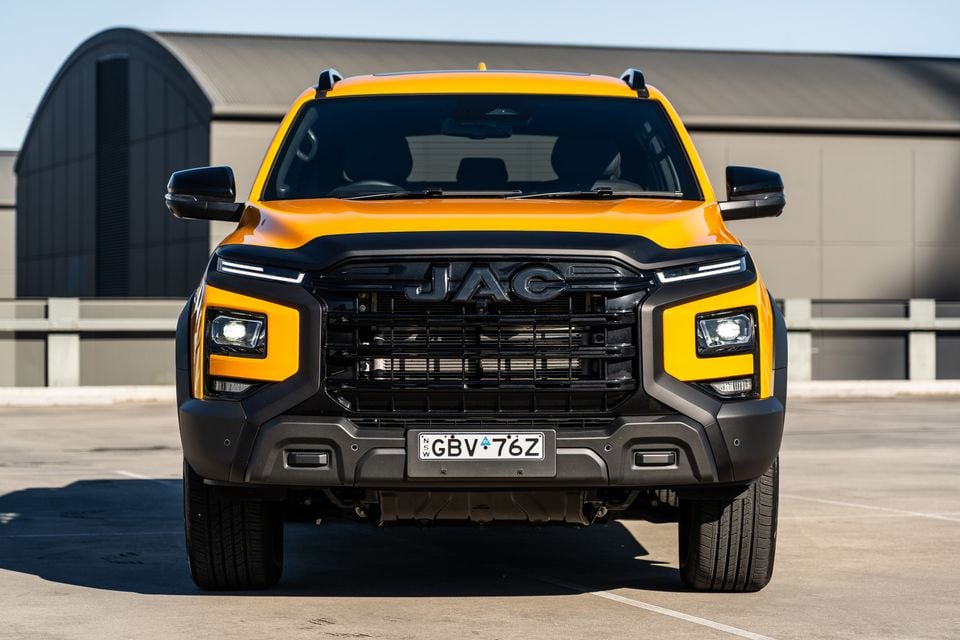
The Hunter is currently the cheapest PHEV ute in Australian showrooms, with the entry-level Pro variant priced at $49,988 before on-road costs.
| Model | Price before on-road costs |
|---|---|
| 2026 JAC Hunter Pro PHEV pickup | $49,988 |
| 2026 JAC Hunter X PHEV pickup | $54,844 ($57,097 as tested) |
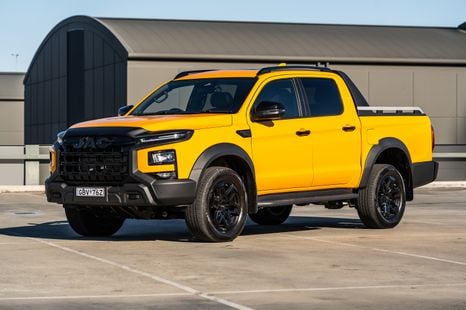
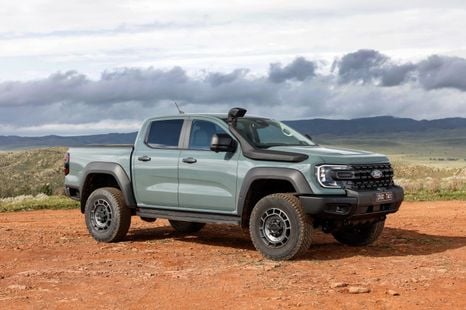
The Hunter X we’re driving here, though, starts at $54,844 before on-road costs, and comes with extras including its Ochre paintwork ($595), a powered sunroof ($1500), and carpet mats ($158). Combined, our test car comes in at $57,097 before on-roads.
That’s just shy of both the GWM Cannon Alpha PHEV and the BYD Shark 6 pickups, which start at $57,490 and $57,900 before on-roads respectively.
The Ford Ranger 'Hybrid' (PHEV) lineup starts at $62,000 before on-roads.
For further reference, at $49,988 plus ORCs, the entry-level Hunter Pro is just over $7000 pricier than the cheapest diesel-powered T9 pickup’s sticker price of $42,662 plus ORCs.
To see how the JAC Hunter lines up against the competition, check out our comparison tool
The Hunter’s cabin is roomy, reasonably equipped and, superficially at least, comes across as sturdy and solid.
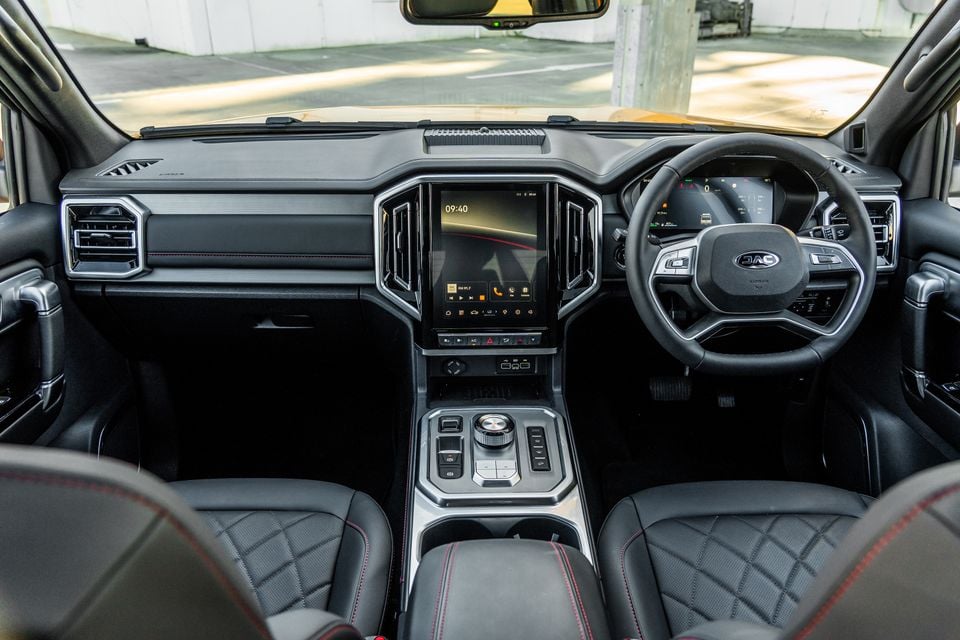
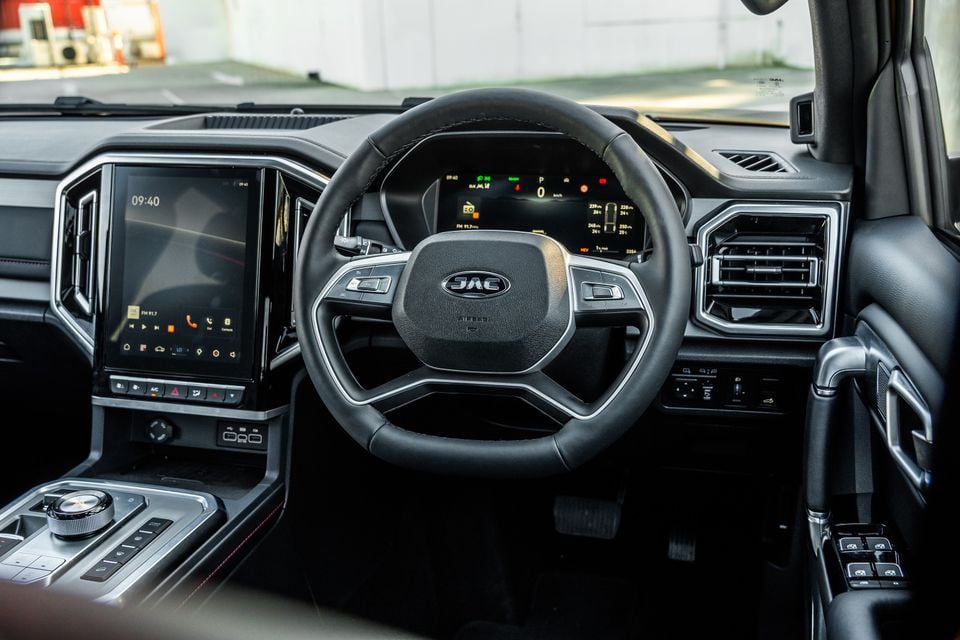
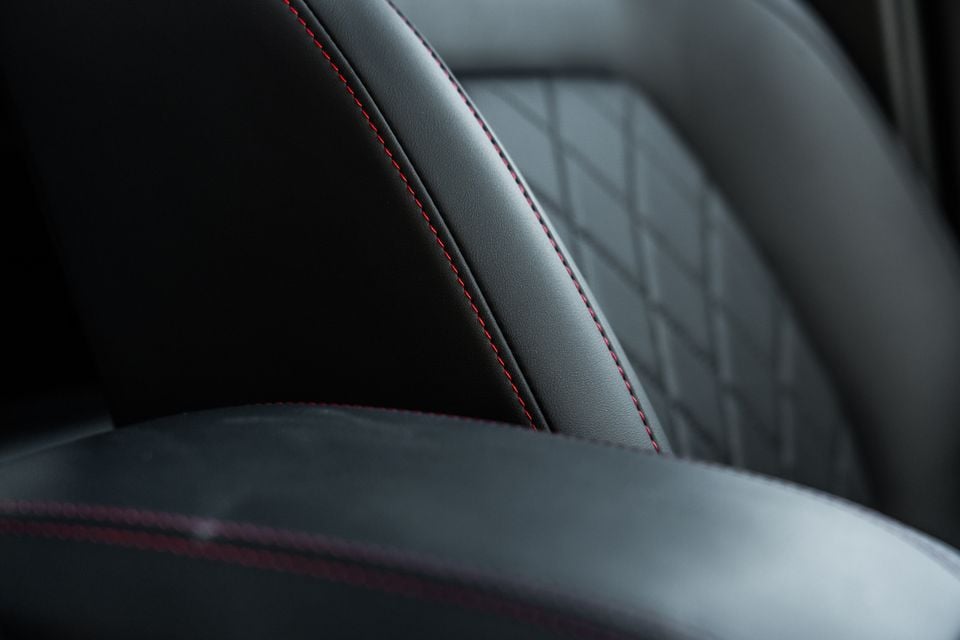
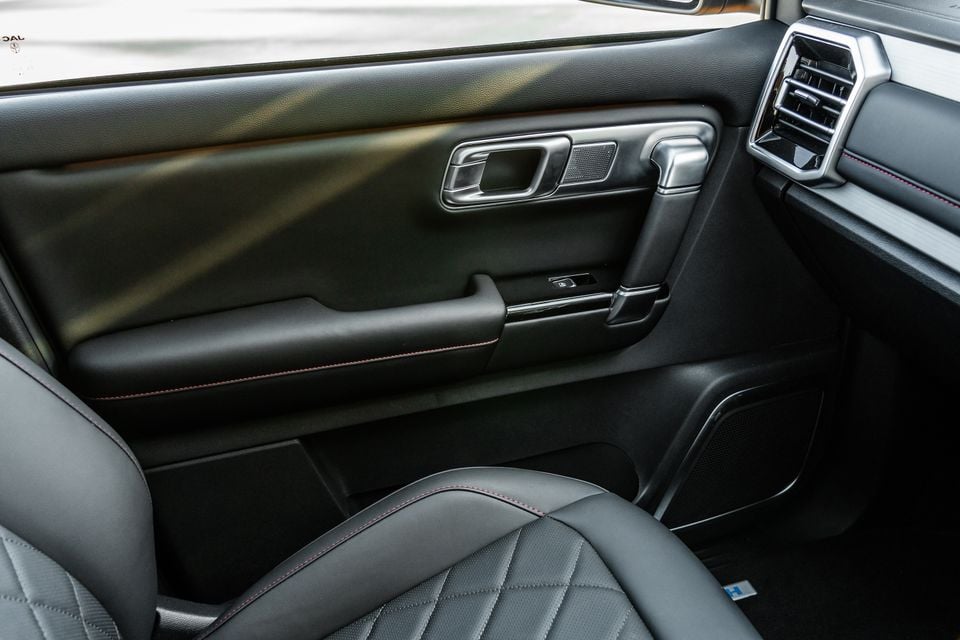
The black interior pictured here is standard and comes with leather-topped door trims, a leather-clad steering wheel, and quilted leather seat upholstery, which looks decent even if it’s not the supplest hide. A black-and-brown alternative is optional with the X, but not the Pro.
In reality, it looks more sombre grey than black, and is broken up by brushed aluminium-look appliqués around the door pulls and handles, on the front door speaker grilles, and across the width of the dash. It’s also used to give the air vents a solid, utilitarian look and to spice up the centre console.
Here, there’s a storage bin whose small size contrasts with the large dual-cab’s imposing external stature, plus a pair of cupholders – one with a lower base for taller bottles, while only the other has adjustable grips.
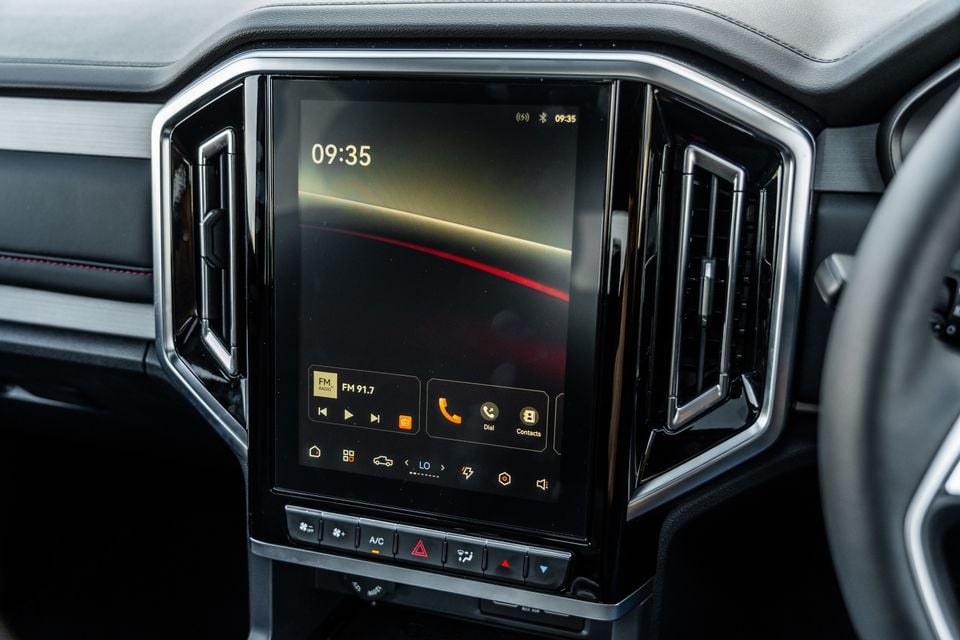
Below the 10.4-inch portrait-style infotainment touchscreen is a textured, circular rotary gear selector surrounded by silver trim festooned with conventional grey switches. These include the Drive and Power modes, and the electric parking brake, while there’s a quartet of silver buttons – well, three buttons and a blank – to control the Off-road mode.
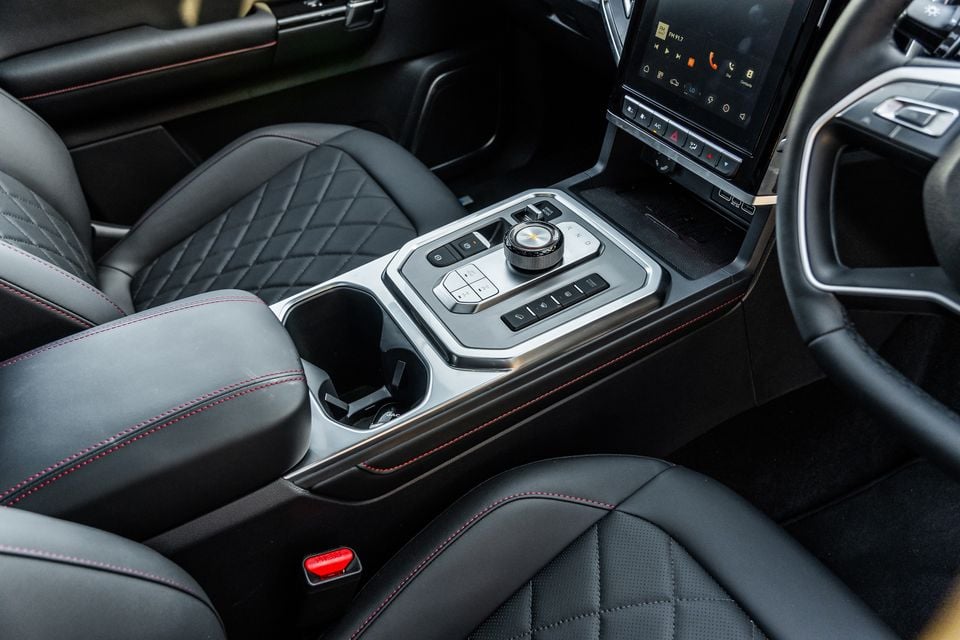
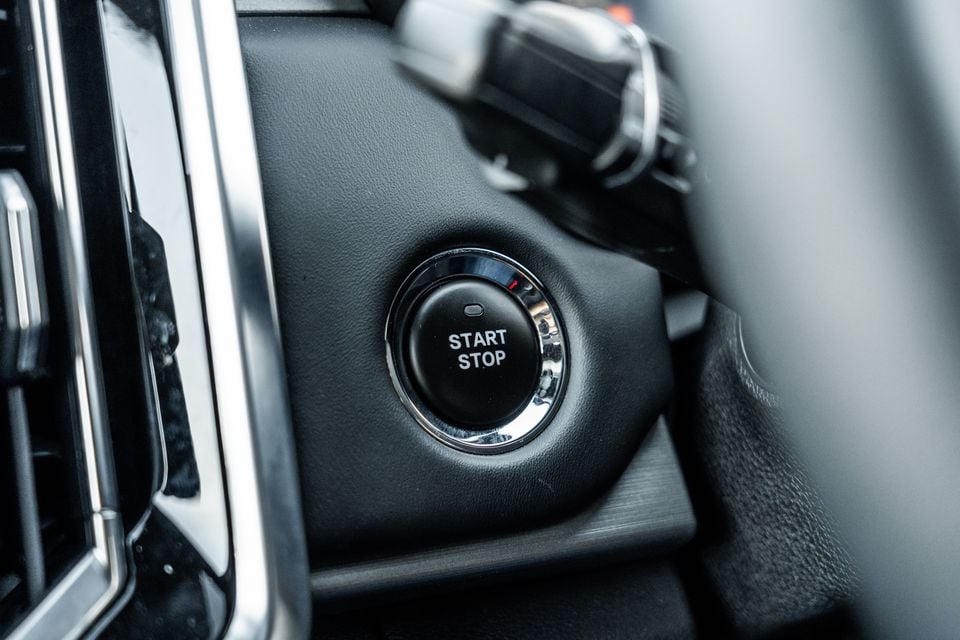
The Off-road mode activates front and rear differential locks, alongside a separate crawl-control function that automatically manages the vehicle’s speed over difficult terrain.
The cabin presents well visually, even if the dashtop and door tops are hard, the sturdy grab handles feel plasticky, and the smallish glovebox is solid but feels crude in its action. The only gloss-black material present is around the dashboard air vents, so the switchgear doesn’t show fingerprints easily and will keep its smart appearance for longer. Overall, it has a good look and feel given the price point.
Between the silver console and the screen is a wireless smartphone charger that's big enough for any handset currently on sale, and it worked for us without the need to remove our phone’s protective case.
Connecting our Android phone proved inconsistently difficult, however, which was a sign of broader issues.
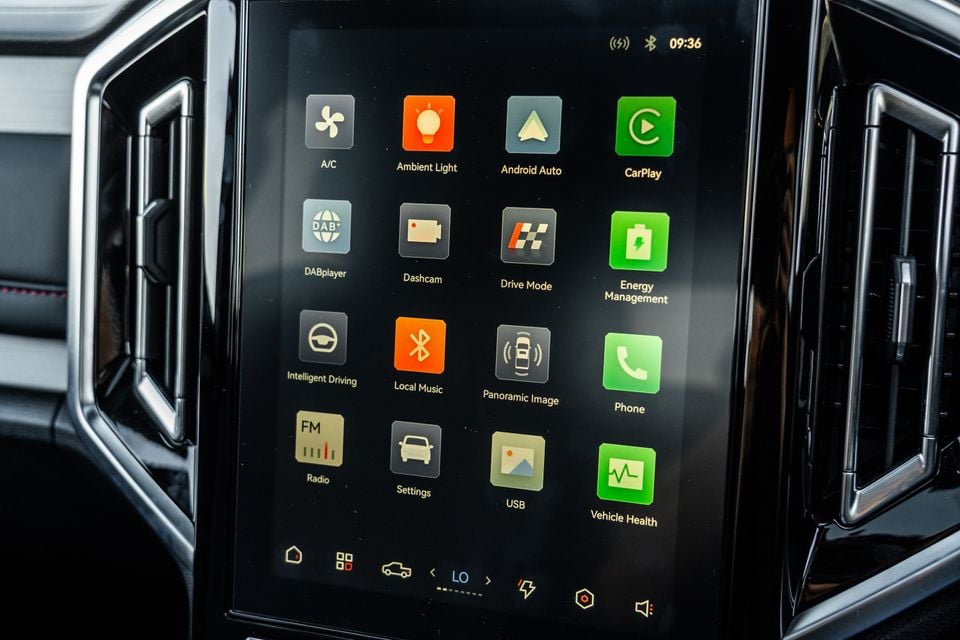
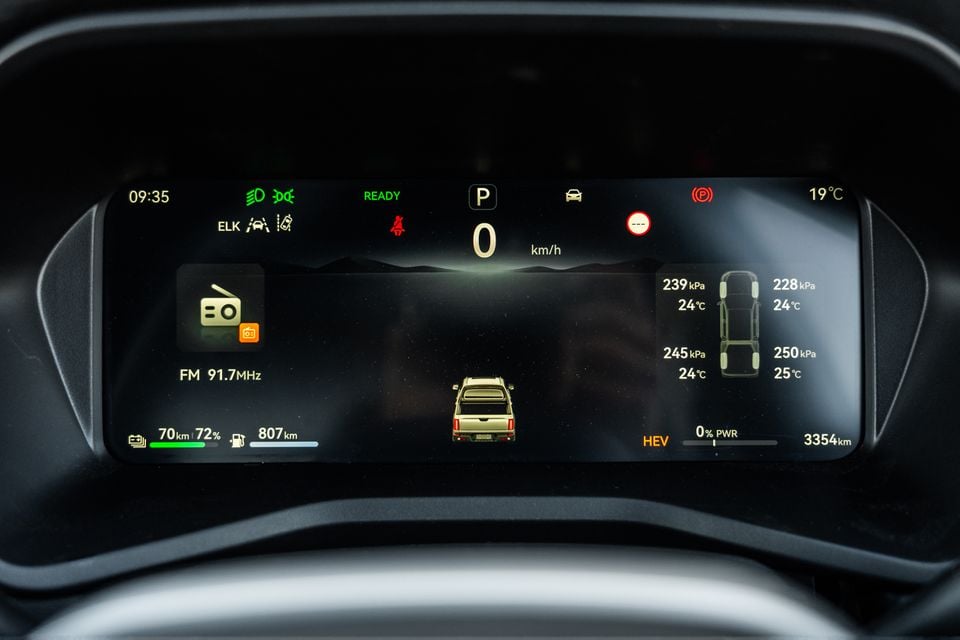
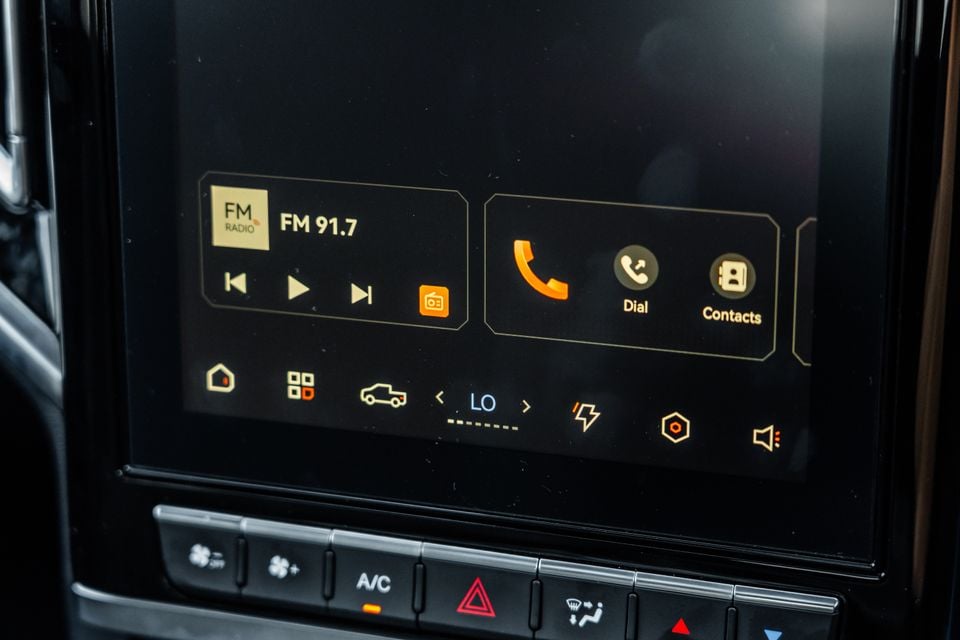
The centre screen’s graphics look somewhat dated and haven’t improved since we levelled the same criticism during our pre-production drive earlier this year. They look cheap and rather two-dimensional, and are out of step with the instrument cluster’s much more modern look.
The multimedia system is slow to start up, and despite the smartphone-like grid layout, the menu is not intuitive and demands too many steps for routine functions.
Listening to digital radio when you last parked? It won't be on when you get back in. Instead, you’ll need to select Audio, find DAB+ and then wait as it loads. Then do the same every time.
The air-conditioning, which is operated by a row of physical buttons below the screen, also seemed to have trouble demisting the windscreen while keeping the cabin at a set temperature – it couldn’t do both for us. This resulted in either a misted-up windscreen or cold occupants, sometimes simultaneously.
The touchscreen is also laggy, as we found during our earlier drive of pre-production models, with serious delays between a finger prod and a response.
This often resulted in repeated attempts to get something to work, only for you to go too far and end up buried deep in another menu. It's also missing functions such as native sat-nav.
Beyond this, there’s latency when the physical buttons ‘talk’ to the screen, too. Again, push the physical fan-speed button frenetically and you’ll have to wait as the speed changes step by step rather than at the pace of your taps.
While each of these individual stumbles may seem minor, when added together these disparities make the Hunter’s digital controls seem like a mishmash of systems from other models added to the vehicle, rather than being developed to work in unison.
The poor layout means basic functions take too many steps, key controls are hard to find, and the laggy touchscreen makes simple adjustments energy-sapping, frustrating and distracting.
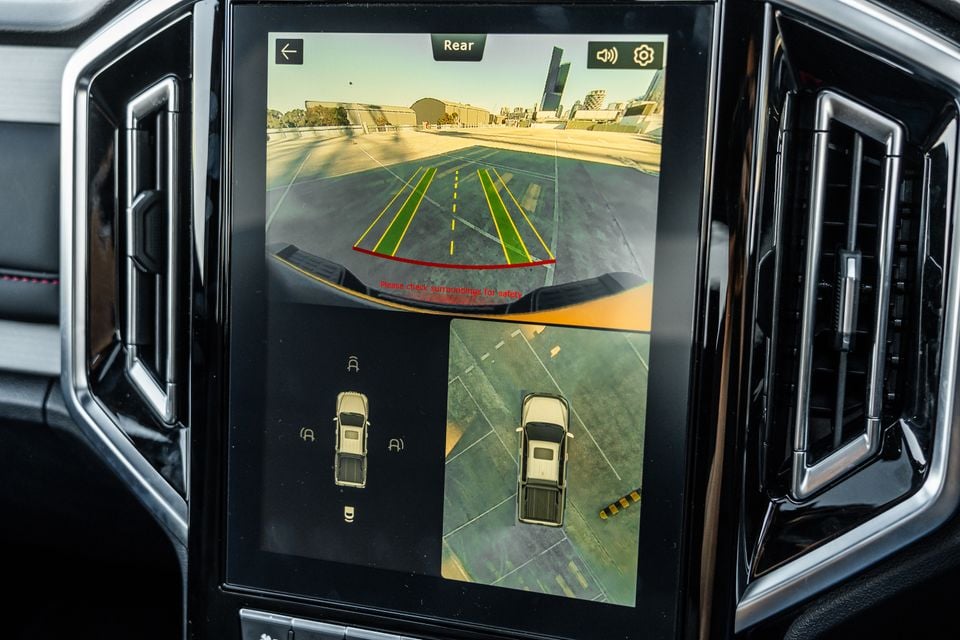
That said, the 360-degree camera offers good, clear visibility, with multiple angles including down the side of the vehicle in traffic. It also has a transparent view, steering guides, and displays the distance in centimetres to the nearest obstacle (sometimes flashing up in Chinese, mind), helping with tight parking.
The user-friendliness foibles are a shame, because the physical cabin is otherwise better than expected for the price point here, complementing the smart exterior presentation and mature design.
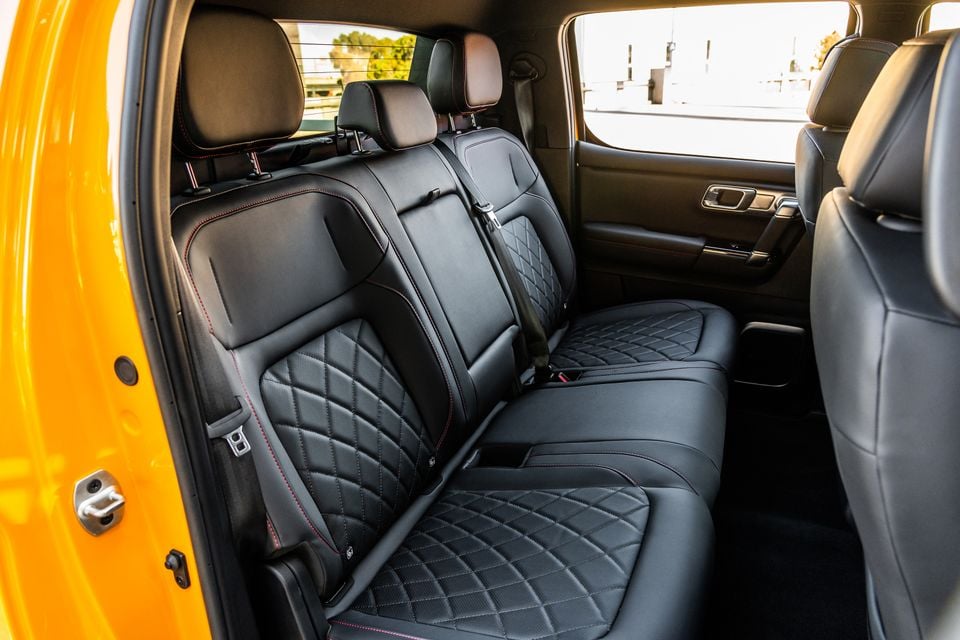
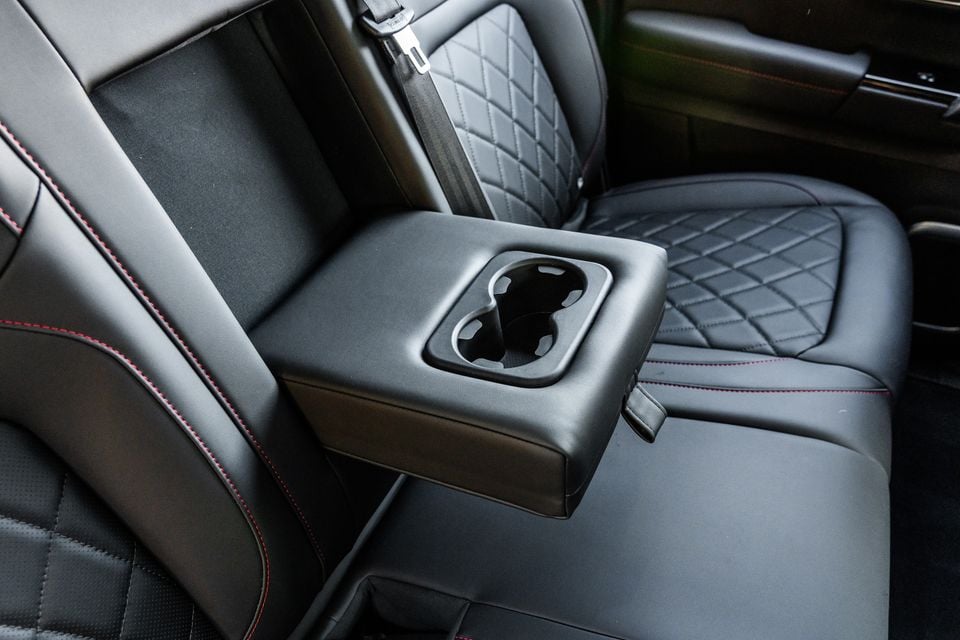
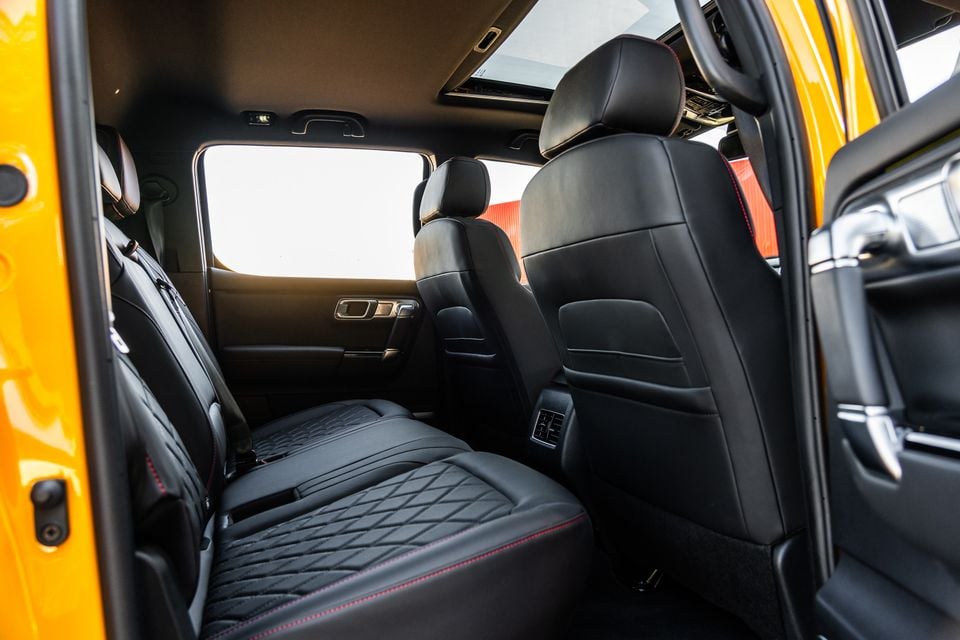
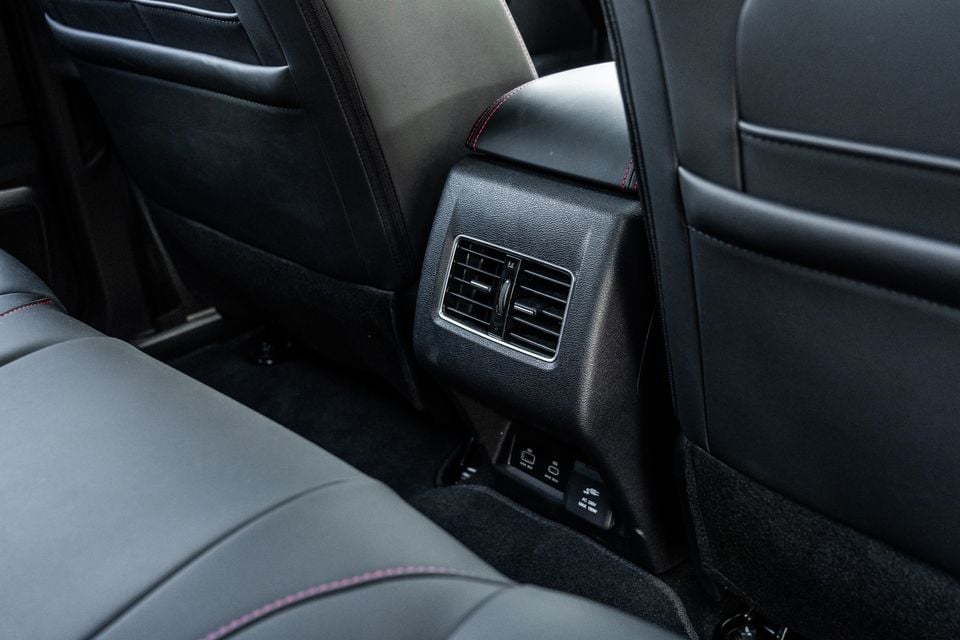
The roomy, firm but supportive second-row seats fold as a single bench, and incorporate a fold-down centre armrest offering two cupholders. There are also rear air vents in the centre console, front seatback map pockets, lighting, grab handles, and both bins and speakers in the rear doors.
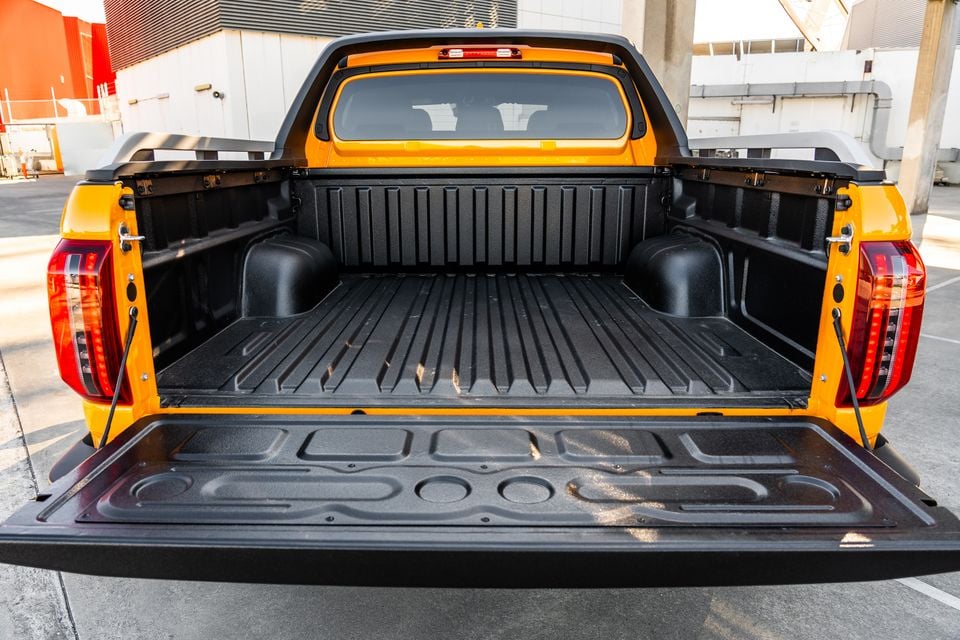
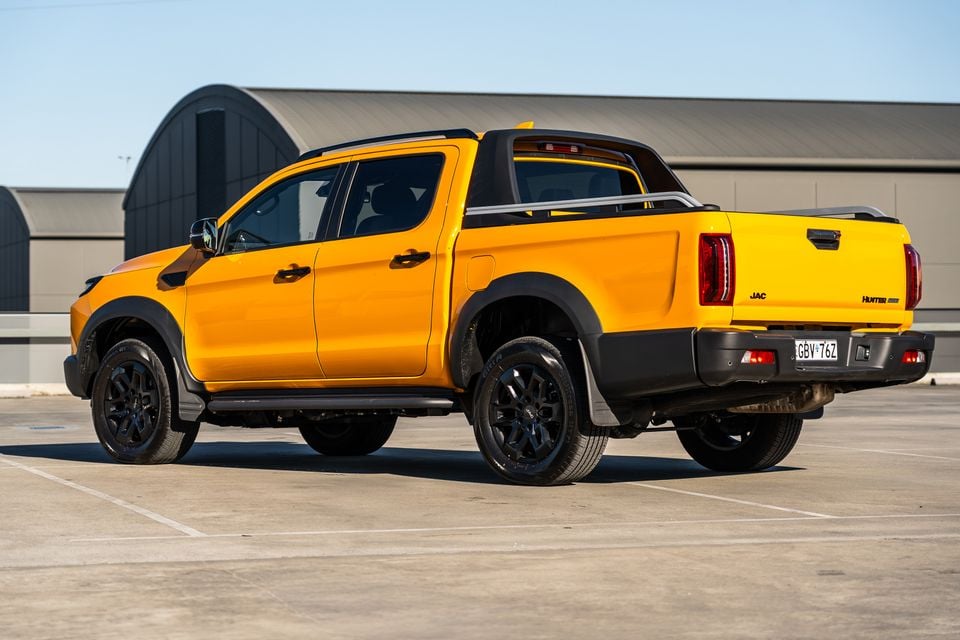
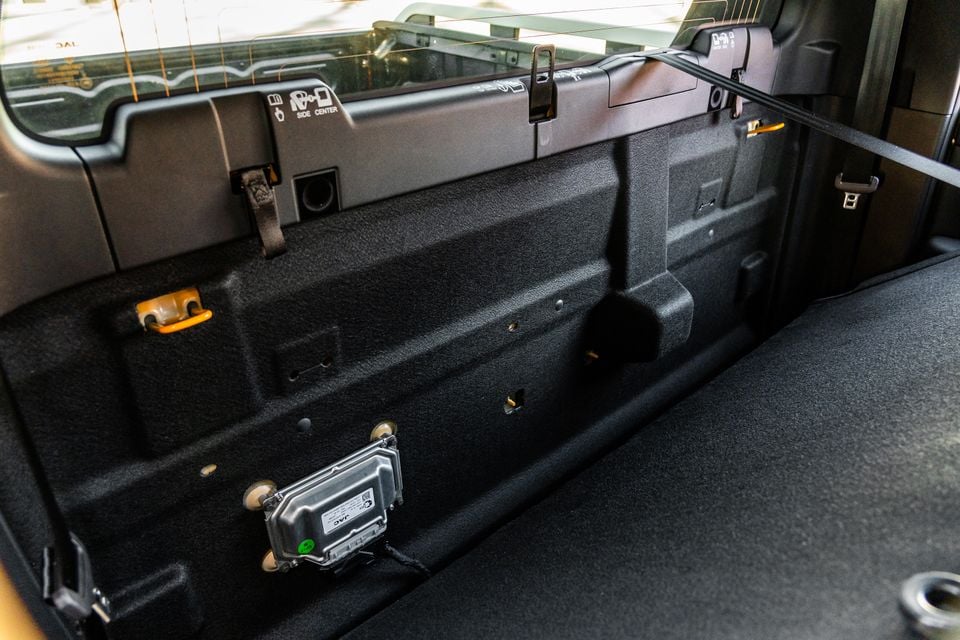
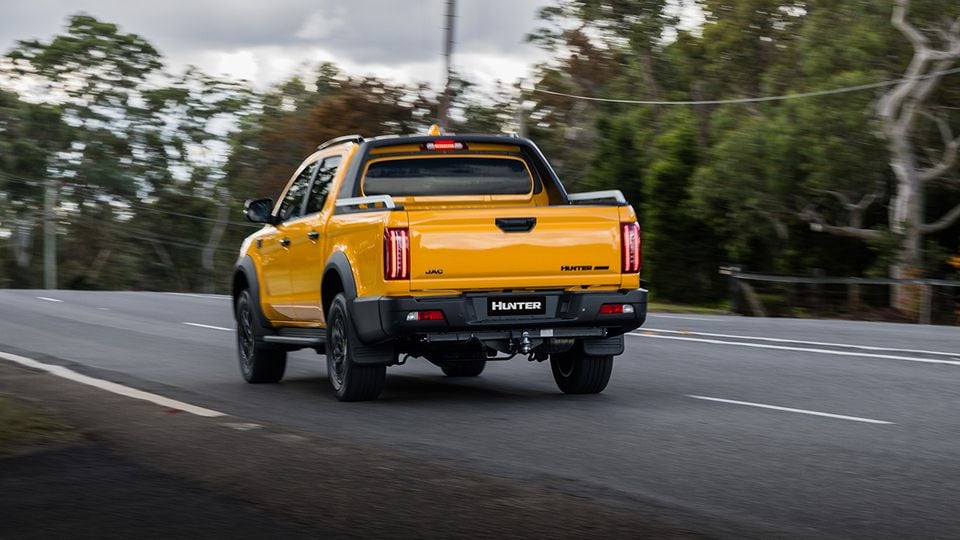
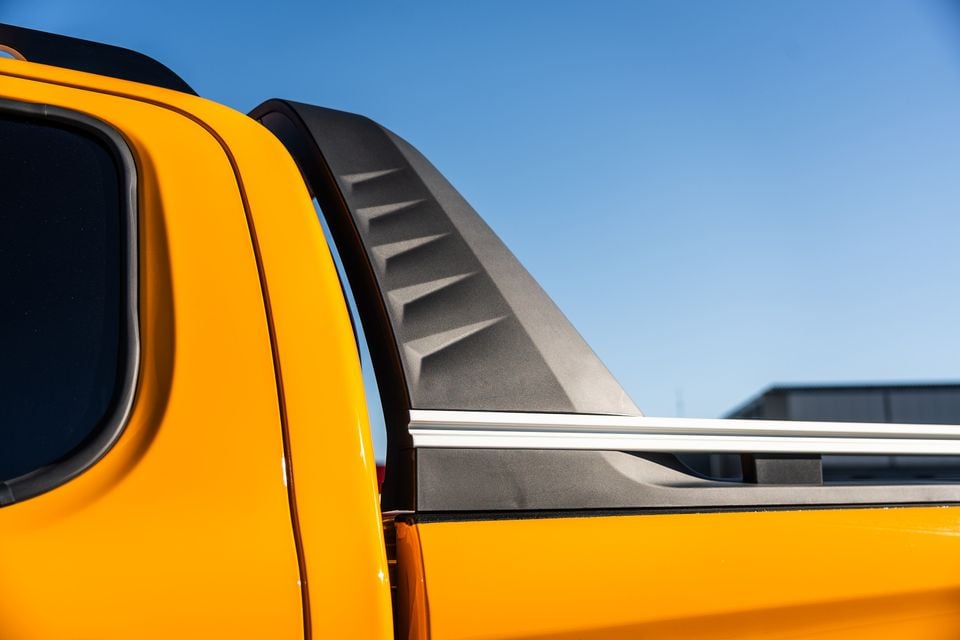
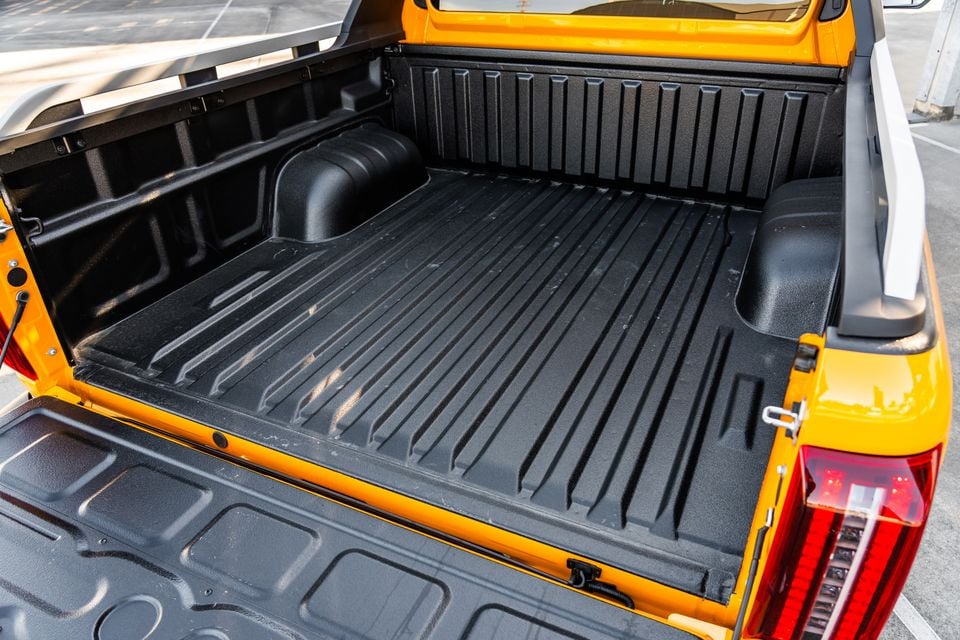
Further back, the tray includes a liner as standard, and there are silver rails integrated into the sports bar, too, although there's no tonneau cover.
The tailgate can drop violently, but it has ‘lift assistance’ that makes it reasonably light to shut.
| Dimensions | JAC Hunter |
|---|---|
| Length | 5330mm |
| Width | 1965mm |
| Height | 1920mm |
| Wheelbase | 3110mm |
| Tub length | 1520mm |
| Tub width | 1590mm |
| Tub height | 470mm |
To see how the JAC Hunter lines up against the competition, check out our comparison tool
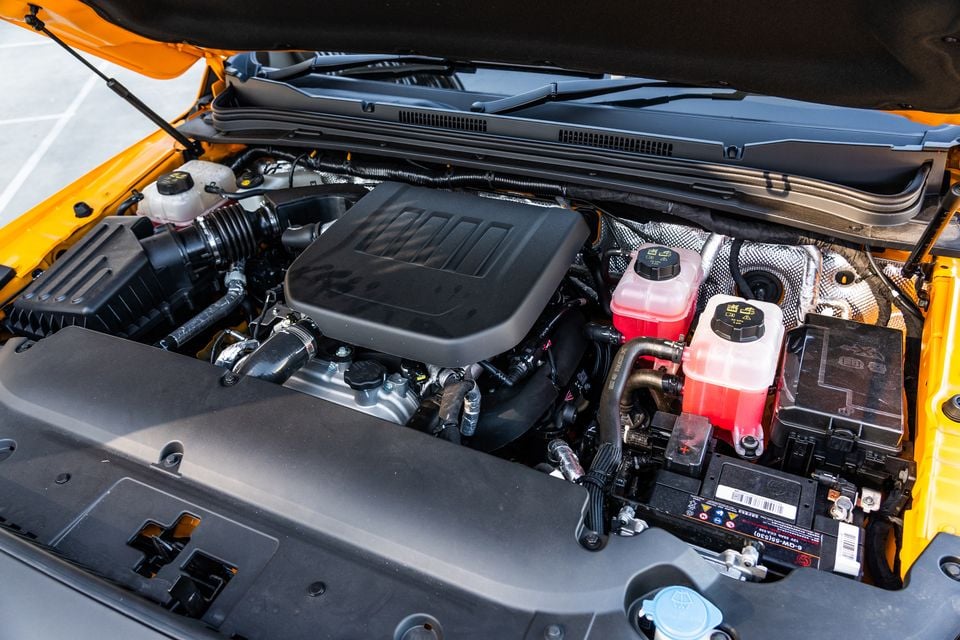
Based on a 400V electrical architecture, the Hunter is powered by a 2.0-litre turbocharged four-cylinder petrol engine and two electric motors. It offers a combined system output of 360kW of power, which is 10kW more than the new BYD Shark 6 Performance, and a supercar-like 1010Nm of torque (compared to the Shark’s 650Nm).
| Specifications | JAC Hunter |
|---|---|
| Engine | 2.0L 4cyl turbo-petrol |
| Engine outputs | 160kW/370Nm |
| Electric motor outputs | 130kW/300Nm (front), 150kW/340Nm (rear) |
| System outputs | 360kW/1010Nm |
| Battery | 31.2kWh LFP |
| Transmission | 4-speed Hybrid Transmission |
| Drive type | Four-wheel drive (on-demand) |
| Kerb weight | 2555kg |
| 0-100km/h (claimed) | 8.5 seconds |
| Fuel economy (claimed) | 1.6L/100km (NEDC) |
| Electric driving range (claimed) | 100km (NEDC) |
| Combined driving range (claimed) | 1005km (NEDC) |
| Fuel tank capacity | 77L |
| Fuel requirement | 91-octane regular unleaded |
| CO2 emissions | 38g/km |
| Emissions standard | Euro 5 |
| Braked tow capacity | 3500kg |
| Payload | 915kg |
JAC says the 160kW/370Nm petrol engine was developed in-house, with the brand having tie-ups with Volkswagen, Nio and Chery. While it can drive the front wheels, it also acts as a generator to charge the ute's reasonably large 31.2kWh lithium-iron phosphate (LFP) battery pack, and has an 'idle charge' mode to do so while stationary.
The transmission houses one of the two electric motors, which makes 130kW/300Nm, with the second feeding 150kW/340Nm to the rear axle, enabling electronic all-wheel drive. The petrol engine does not mechanically drive the rear wheels at any time.
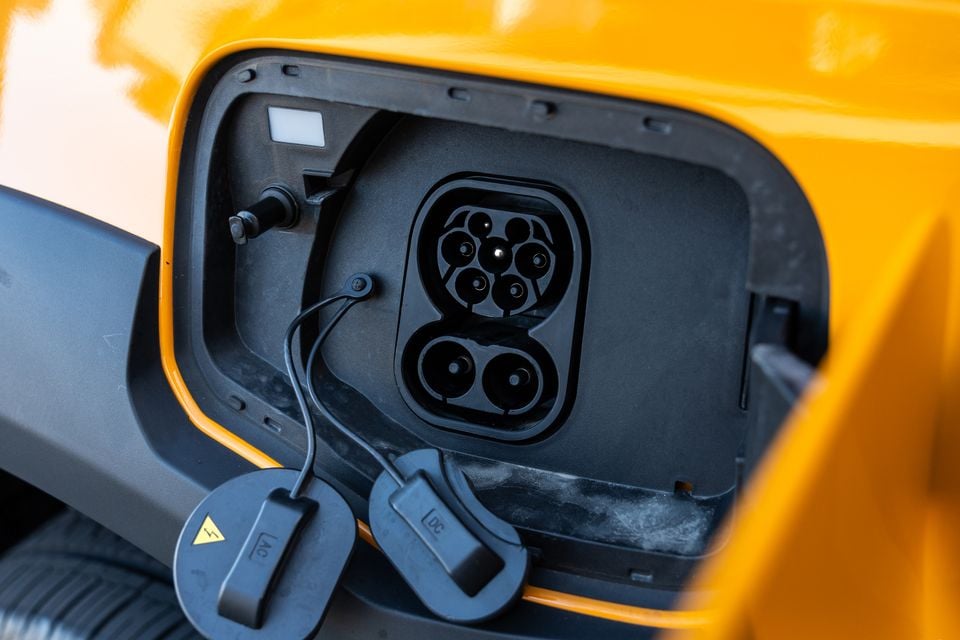
JAC claims a DC fast-charge time of 30 minutes for a 15 to 80 per cent top-up, with the standard 11kW on-board charger taking around 3.5 hours for full recharge. The Hunter also has vehicle-to-load (V2L) capability.
The X model grade we're testing here also has front and rear electronic locking differentials, like the GWM Cannon Alpha Ultra PHEV, but not the Shark 6.
To see how the JAC Hunter lines up against the competition, check out our comparison tool
Behind the wheel, the Hunter PHEV delivers more convincing performance than its price might suggest, even if its powertrain’s significant output is tempered by its near-2.6-tonne mass.
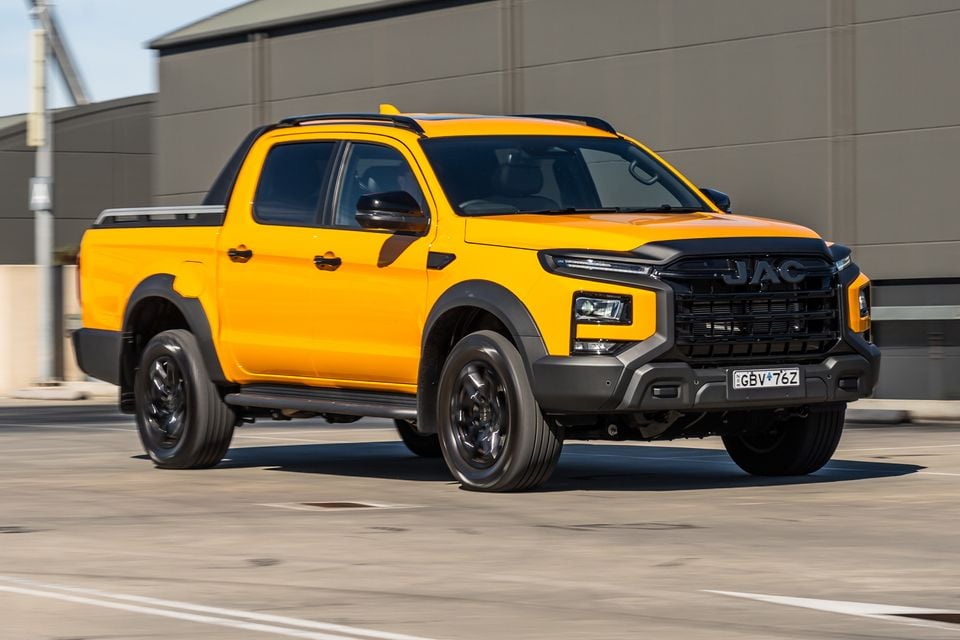
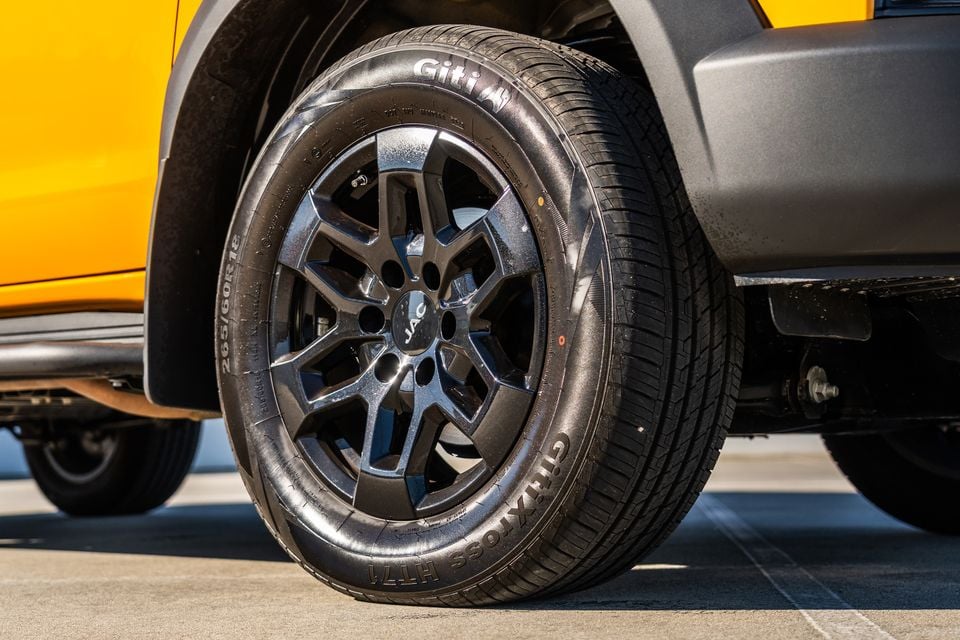
Of course, the instant torque from the rear-axle electric motor gives it a solid shove off the mark, and even on its 18-inch Giti highway tyres there’s little wheelspin to hamper progress. Around town in EV mode it’s properly brisk and capable, albeit not quite the rocketship its outputs suggest.
The electrically adjustable driver's seat and telescopic steering wheel allow you to find a much better driving position than in the diesel T9, but the steering wheel was still a bit too far away for this near-six-foot-tall author, so taller drivers may have a harder time.
The driver's seat is well bolstered, but you definitely sit more on top of it than sink into it. And while it's somewhat firm, it's still supportive and comfortable.
There are four Power modes including electric-only running, electric drive with the 2.0-litre petrol engine operating when required, petrol power with electric assistance, and a ‘Smart’ mode that selects the optimal setting based on your driving.
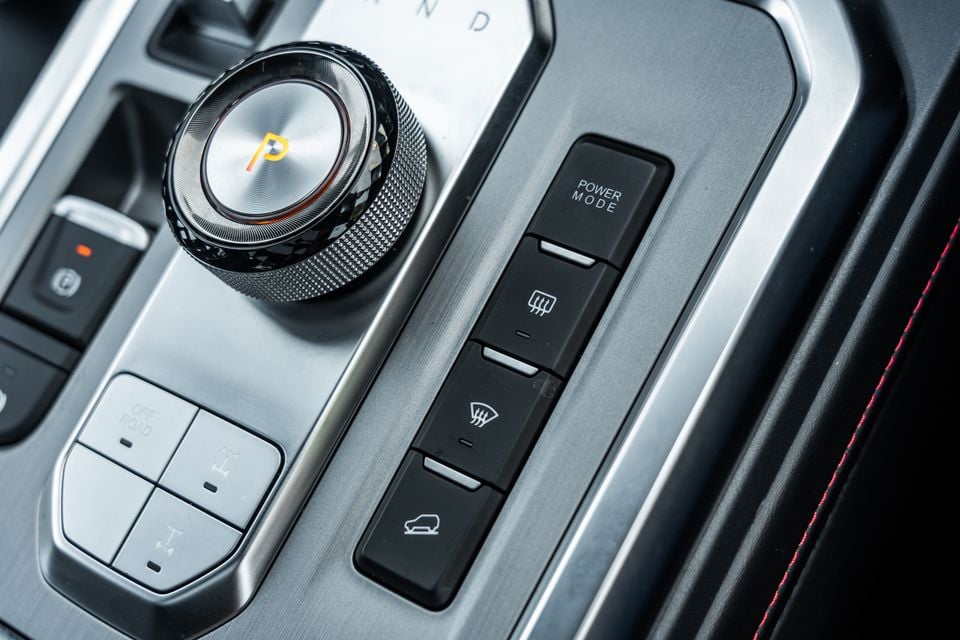
On top of the powertrain settings there are three Drive modes – Eco, Normal and Sport – which adjust the throttle pedal response to improve either performance or efficiency.
We generally found Smart power mode to be the, erm, smartest choice around town, delivering consumption of about 4.2L/100km and 10.2kWh/100km around town, as the Hunter switched between electric and petrol power.
The changeover is reasonably smooth, but there was quite a whir and vibration from the petrol engine felt through the pedals when we used it to charge the battery, and the electrical gubbins underneath made all sorts of odd noises as they operated, perhaps reflecting a lack of cabin sound insulation that would otherwise have gone unnoticed.
In the Standard drive setting the accelerator pedal has a good amount of travel to allow steady, controllable modulation of power delivery whether using petrol or electricity, and the brakes are reasonably effective. The regenerative braking system – also with Standard and Strong settings to choose from – isn't so brutal that it puts your neck out.
If this is the car for you, we’ll compare offers from trusted dealers, handle the back and forth and manage your purchase from enquiry to delivery.
Overall open-road refinement isn’t bad, albeit with a tad of wind noise, as expected. The driving position is good, with excellent all-round vision aided by the large side mirrors.
On the freeway, the advanced driver assistance systems (ADAS) are better than many, but could still use some improvement.
While the adaptive cruise control was good at maintaining speed, even up and down hills, it picked up trucks in adjacent lanes around long curves, and the lane-keeping assist tugged at the steering wheel needlessly on the occasional lane change.
JAC Australia has made a big deal of its local chassis tuning, promising big things from the Hunter courtesy of development work by former Holden engineer Michael Barber.
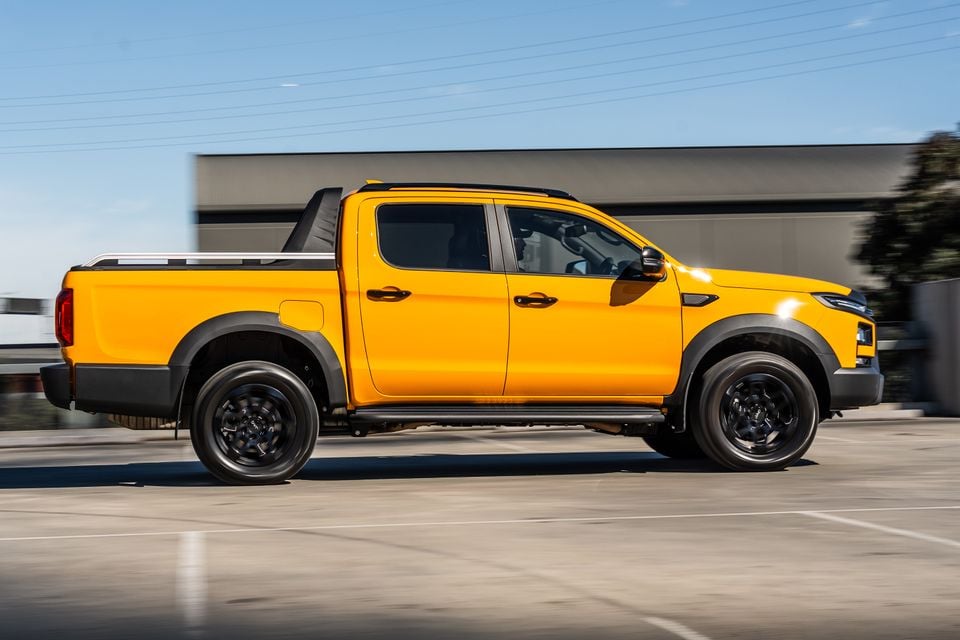
The changes do show through, especially in terms of body control and handling, which are among the Hunter’s stronger suits.
On the road, it has a soft-edged, pattery ride – like many other utes – but an underlying firmness that picks up every bump, edge and surface change, sending them through the steering wheel and your hips but without ruining its overall composure.
That firmness helps it settle rapidly after bigger bumps, which tend to shake the cabin trim – such as a wayward passenger seatbelt during our test – rather than upset the vehicle's composure overall.
The Hunter also turns rather well for a large ute, even if the steering is slow and has a large dead spot on-centre, with 3.1 turns lock-to-lock requiring bigger inputs to elicit a response. While this makes parking a tad more work, it should allow the slower, more deliberate inputs required when carrying a load or driving off-road.
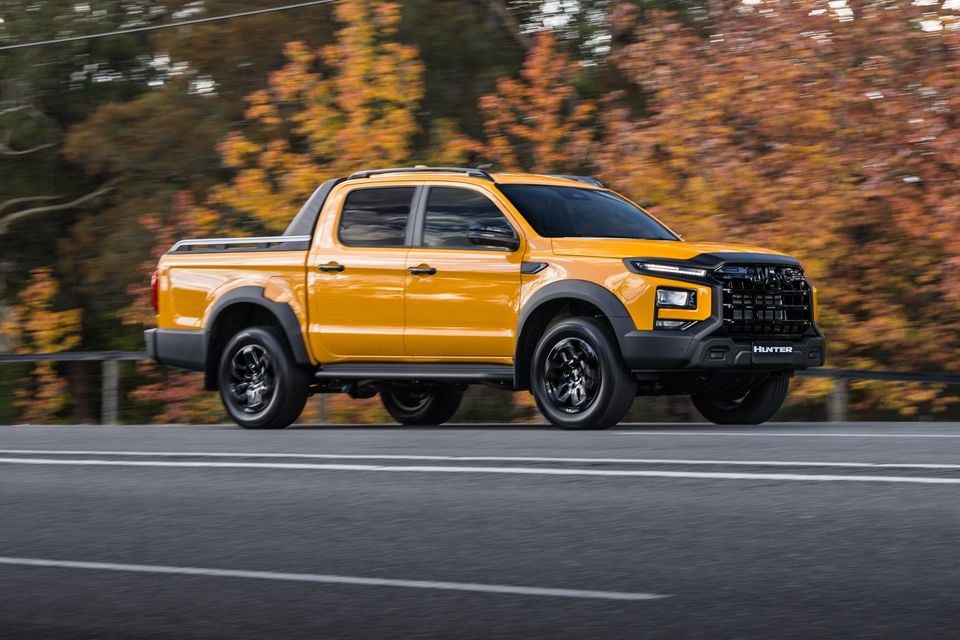
There’s also a noticeable difference between the three steering modes, and we gravitated towards Sport because it offered more weight, with resistance reduced in Standard and Comfort modes.
We didn’t drive the Hunter with a load on board or behind it, but it’s clear the chassis is geared towards using its 915kg payload and 3500kg braked towing rating rather than being a ‘lifestyle’ ute.
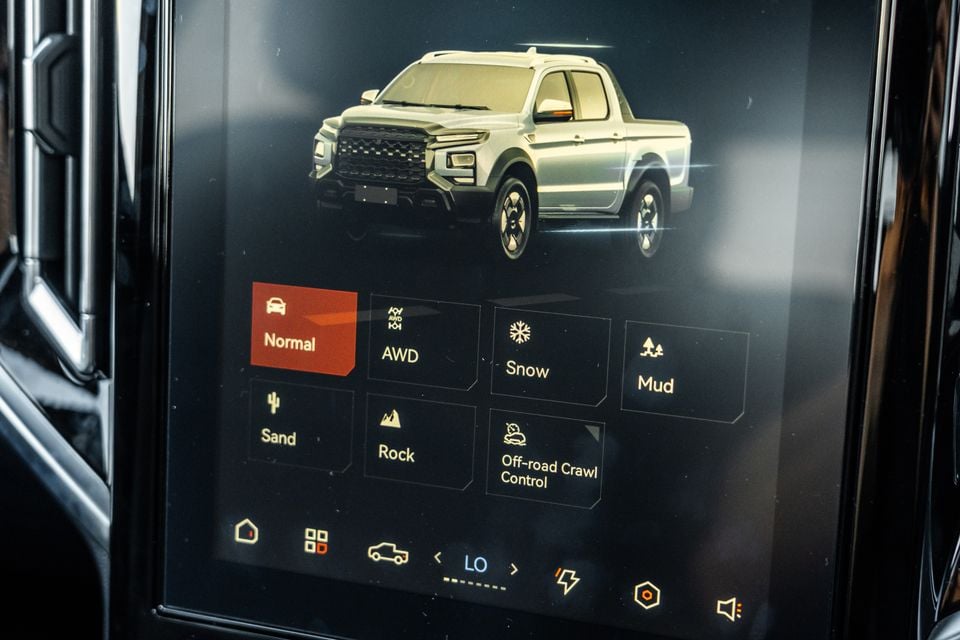
Beyond the myriad of settings already explained, there are five off-road settings: Snow, Mud, Sand, Rock and Off-road Crawl Control (OCC).
We have unfinished business here, with a future off-road and towing test required to reveal whether the Hunter has genuine capability off the beaten track. But it showed promise during a brief off-piste drive earlier this year.
In an urban/city and country-road settings, the most impressive element is the body control through corners and its composure under heavy braking and acceleration.
There’s no sloppiness, and even if the overall driving experience isn’t especially engaging, the Hunter is a competent, comfortable, well-mannered and well-balanced vehicle in real-world conditions.
To see how the JAC Hunter lines up against the competition, check out our comparison tool
The Hunter X is the higher of two model grades, sitting above the entry-level Hunter Pro.
2026 JAC Hunter Pro equipment highlights:
• Chrome JAC badging
• Chrome/black 18-inch alloy wheels with 265/60 tyres
• Automatic LED headlights and daytime running lights
• Front and rear fog lights
• Powered, heated body-coloured mirrors
• Smart entry and start system
• Leather-accented seat upholstery
• Leather-wrapped steering wheel
• 10.4-inch touchscreen infotainment system
• 10.25-inch digital instrument cluster
• Android Auto/Apple CarPlay connectivity
• Wireless phone charger
• Front USB-C port x 1
• Front USB-A port x 1
• 12V accessory socket x 1
• Eight-speaker audio
• Adaptive cruise control with traffic jam assist
• Automatic wipers
• Leather-accented seat and steering wheel trim
• Powered driver’s seat adjustment
• Climate control air-conditioning
• Rear air vents
• Rear USB port
• 60:40-split/folding rear seat
• Off-road side steps
• Front recovery hook
• Heated rear window
• Load box light
• Spray-in tub liner
• Power lockable tailgate with lift assistance
• Rear sports bar
• Vehicle-to-load capability
• CCS2 charging cable
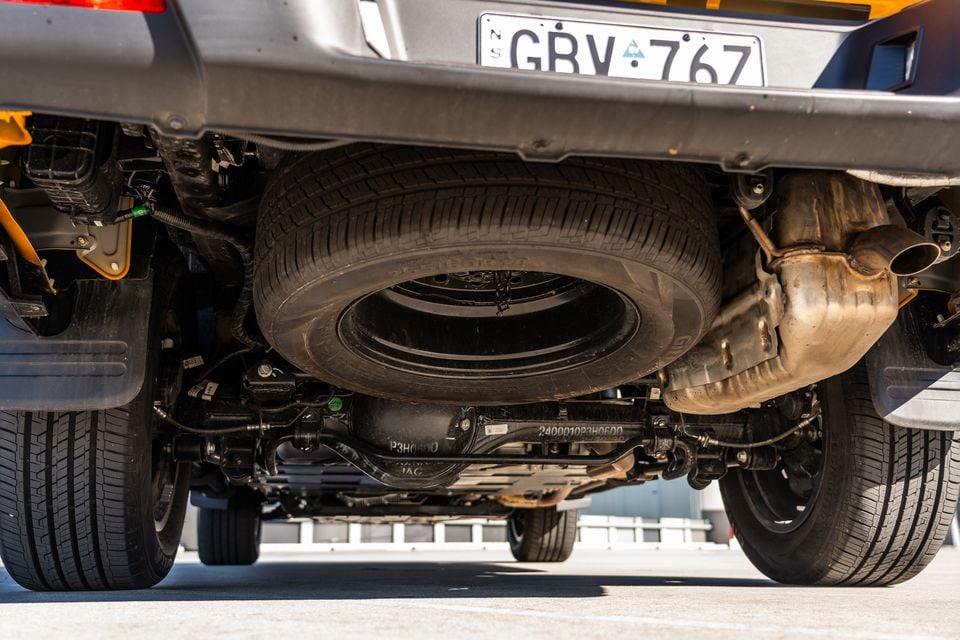
• Full-size spare wheel
2026 JAC Hunter X adds/replaces:
• Black 18-inch alloy wheels with 265/60 tyres
• Black JAC badging and power-folding exterior mirrors
• Black roof rails
• Welcome (puddle) lamps
• Rear privacy glass
• Heated front seats
• Four-way electrically adjustable front passenger seat
• Automatic anti-glare interior mirror
• Electronic front and rear differential locks
• Front parking sensors
• Rear USB-C port x 1
• Rear 220V socket x 1
• Single-bench folding rear seat
To see how the JAC Hunter lines up against the competition, check out our comparison tool
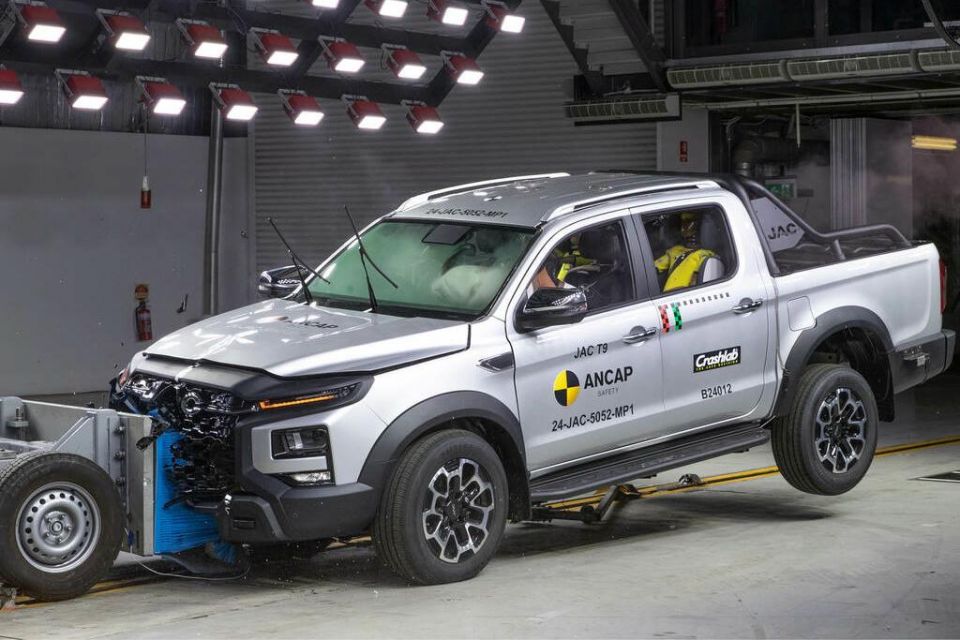
The Hunter PHEV has a five-star ANCAP safety rating, based substantially on testing of the diesel T9, but ANCAP also conducted Hunter-specific frontal-offset and oblique-pole crash tests to assess the battery and high-voltage system.
| Category | JAC Hunter |
|---|---|
| Adult occupant protection | 85 per cent |
| Child occupant protection | 87 per cent |
| Vulnerable road user protection | 87 per cent |
| Safety assist | 89 per cent |
The rear seat includes two ISOFIX child seat anchors and two top-tether mounts for the outboard seats.
Standard safety equipment includes:
• Forward collision warning
• Autonomous emergency braking
• Speed limit assist
• Adaptive cruise control
• Integrated cruise assist
• Traffic sign recognition
• Traffic jam assistance
• Automatic high-beam headlights
• Driver attention monitoring
• Blind-spot monitoring
• Lane-keeping assist
• Lane-departure warning
• Lane-change assist
• Rear cross traffic alert
• Rear autonomous emergency braking
• Exit warning
• Front parking sensors
• Rear parking sensors
• Tyre pressure monitoring system
• Surround-view camera (Hunter X only)
• Dashcam recorder (Hunter X only)
To see how the JAC Hunter lines up against the competition, check out our comparison tool
The Hunter X comes with a seven-year/unlimited-kilometre warranty for all buyer types including commercial users, something not all brands offer.
| Servicing and Warranty | JAC Hunter PHEV |
|---|---|
| Warranty | 7 years, unlimited kilometres |
| Roadside assistance | 7 years |
| Service intervals | 12 months or 15,000km |
| Capped-price servicing | 7 years |
| Annual service cost | $477 |
| Total capped-price service cost | $3340 |
It also comes with seven years of roadside assistance and seven-year capped-price servicing if you service through an authorised JAC service outlet.
Service intervals are 12 months or 15,000km, whichever comes first. Among the Hunter’s rivals, the Ranger and Cannon Alpha have 15,000km intervals, while the Shark 6 has a 20,000km interval, but all have to be serviced every 12 months.
To see how the JAC Hunter lines up against the competition, check out our comparison tool
The Hunter PHEV enters a tough battle and, while it has promise, it’s unconvincing overall. It may be the cheapest model in its class, but our test car was only $803 cheaper than the Shark 6 Premium, which offers better cabin tech, even if it’s rated to tow only 2500kg against the Hunter’s 3500kg.
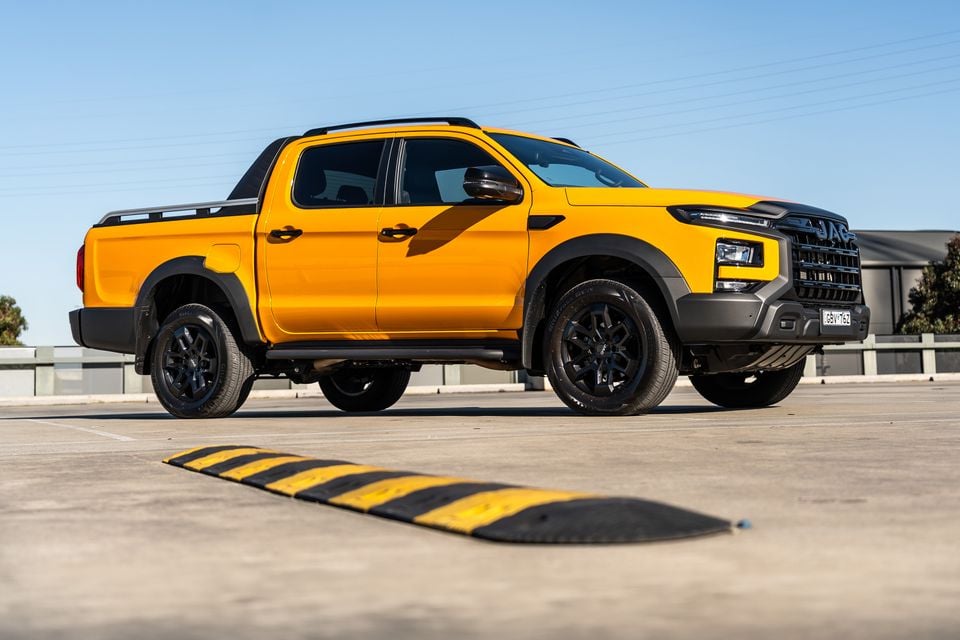
The Ford Ranger Hybrid’s $61,000 starting price also makes it difficult to recommend the Hunter when you consider resale value, dealer support and brand cachet – even if the Hunter offers features such as larger wheels, leather-accented trim and a full-size spare.
The entry-level Hunter’s sub-$50k base price makes it more palatable, especially because its off-road, towing and other core capabilities remain.
Yet the dated, lethargic and convoluted infotainment menu – with its mismatched labelling, occasional Chinese lettering and tetchy responsiveness – lacks too much polish not to make it a daily annoyance.
It’s clear the Hunter, based on the six-year-old T9, is a heavily revamped PHEV version of that vehicle, and its upgrades don't quite bring it up to speed alongside fresher competitors.
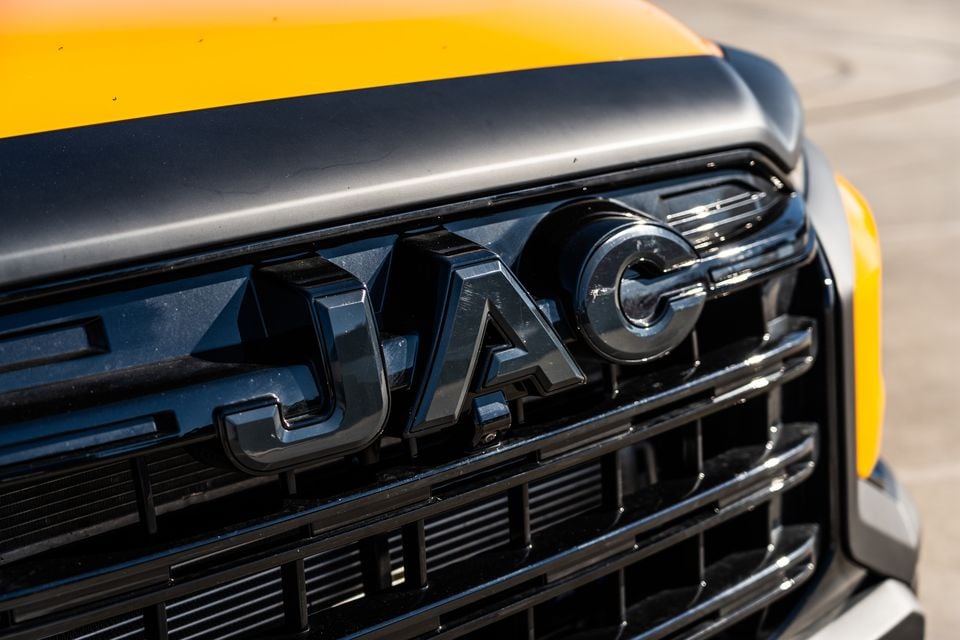
It’s a shame, because the vehicle's towing capacity, accomplished chassis tuning and generous standard equipment levels give it serious on-paper competitiveness against its rivals.
Yet those strengths can’t quite close the deal for the Hunter X. Its shortcomings mean the price tag, particularly for our higher-spec test car, is simply too close to those of its competitors which have proven capabilities and offer more predictable ownership experiences.
Interested in buying a JAC Hunter? Let CarExpert find you the best deal here
Click the images for the full gallery
If this is the car for you, we’ll compare offers from trusted dealers, handle the back and forth and manage your purchase from enquiry to delivery.
2026
$47,676
2026
$47,676
Damion Smy is an award-winning motoring journalist with global editorial experience at Car, Auto Express, and Wheels.
Add CarExpert as a Preferred Source on Google so your search results prioritise writing by actual experts, not AI.
Max Davies
3 Hours Ago
Damion Smy
9 Hours Ago

Marton Pettendy
10 Hours Ago
Damion Smy
10 Hours Ago

William Stopford
11 Hours Ago
Damion Smy
11 Hours Ago
Add CarExpert as a Preferred Source on Google so your search results prioritise writing by actual experts, not AI.
# Based on VFACTS and EVC data
† Displayed prices are based on the drive-away price of the vehicle, which includes delivery charges, registration fees, number plates, and applicable road taxes, based on a Sydney location. However, prices may vary between states and territories, and additional costs such as compulsory third party (CTP) insurance, dealer delivery fees, and optional extras are not included. These prices are subject to change without notice and may not reflect current market pricing or dealer offers.
 Automotive Vehicle Spec Data & 4K images Powered by JATO Dynamics Ltd