




Damion Smy
2027 GWM Ora 5 vs Hyundai Kona Electric: Spec battle
The GWM Ora 5 small electric SUV has arrived full of character and charm, but how does it stack up against the popular Hyundai Kona Electric?
6 Hours Ago
The Mazda CX-3 remains Australia's most popular light SUV despite its advanced age. Is it merely coasting on its reputation?

Senior Editor – News
Senior Editor – News
Senior Editor – News
Senior Editor – News
If this is the car for you, we’ll compare offers from trusted dealers, handle the back and forth and manage your purchase from enquiry to delivery.
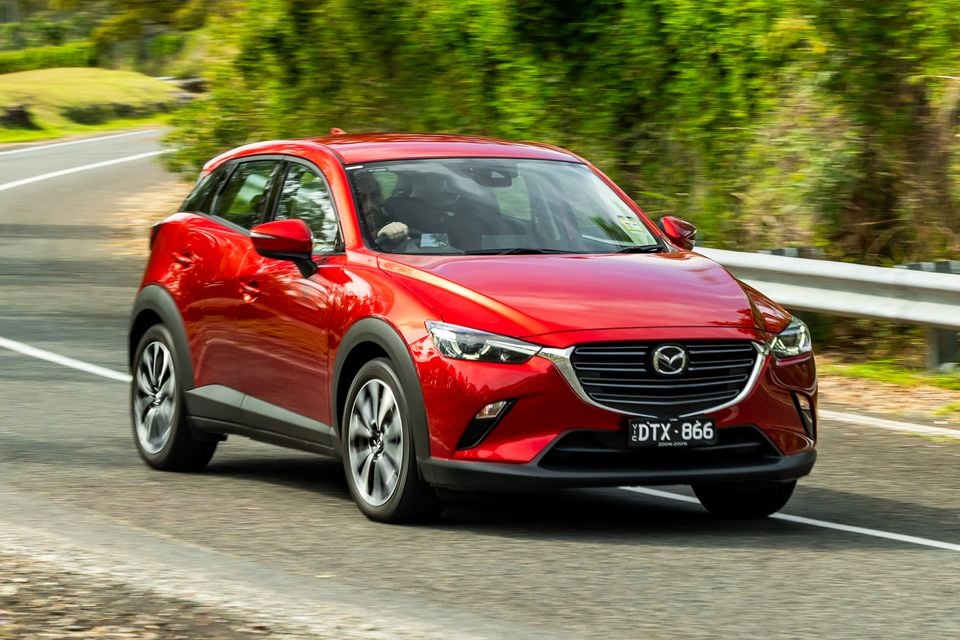
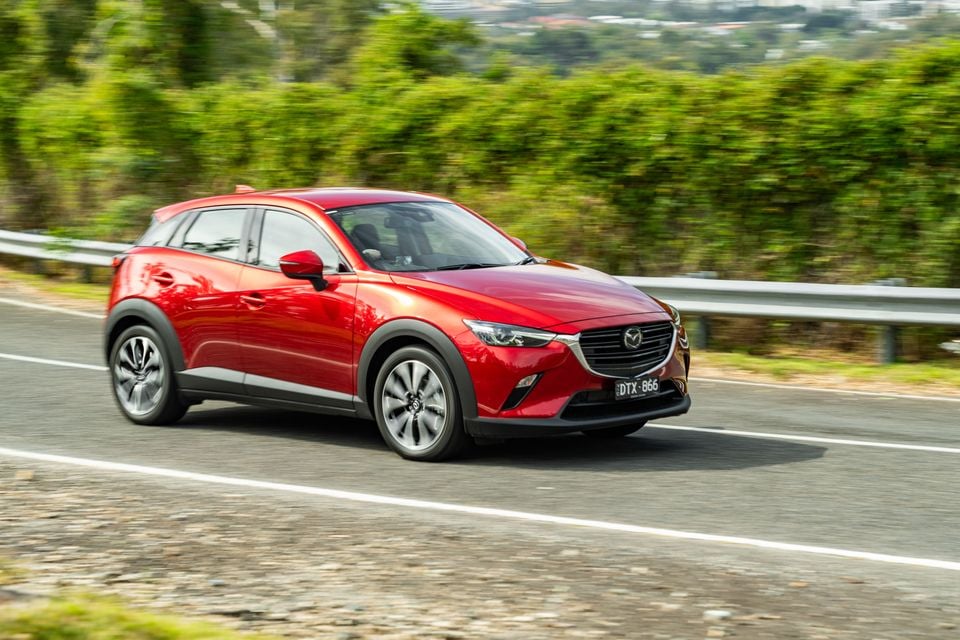
The Mazda CX-3 just keeps on keeping on, more than 10 years after its local launch.
Discontinued in markets like Europe and the US all the way back in 2021, the Mazda CX-3 has lived on in Australia because it’s so enormously popular.
There aren’t many segments where market-leading Toyota is relegated to second place in sales, but the light SUV segment is one of them, with the newer, fresher Yaris Cross still unable to topple the Mazda CX-3.
So, what makes this pint-size SUV still so endearing to so many customers? And with a new-generation CX-3 set to enter production in Thailand in 2027, should you wait for its inevitable launch in Australia?
In short, is the ageing CX-3 still a good buy today, or should it be saying goodbye today?
It isn’t the cheapest SUV on the market. Indeed, far from it.
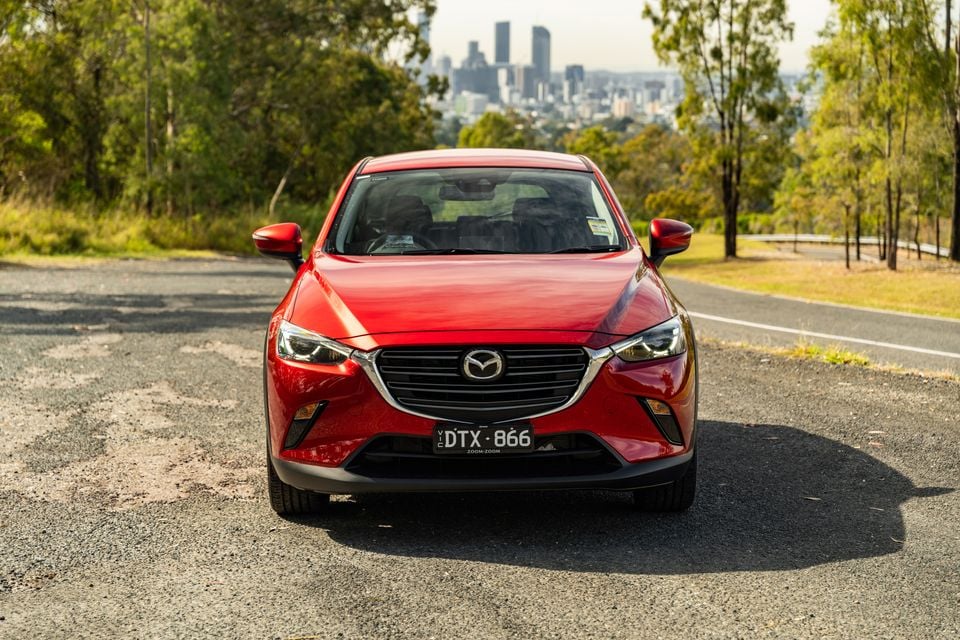
| Model | Price before on-road costs |
|---|---|
| 2026 Mazda CX-3 G20 Pure | $30,670 |
| 2026 Mazda CX-3 G20 Evolve | $32,400 |
| 2026 Mazda CX-3 G20 GT SP | $35,630 |
| 2026 Mazda CX-3 G20 Akari | $39,190 |
Various larger Chinese SUVs all undercut the CX-3 on price, while the discontinuation of the base G20 Sport for 2025 raised the cost of entry into the CX-3 lineup.
The G20 Pure opens the CX-3 range now, priced at $30,670 before on-road costs.
The difference between light and small SUVs is purely academic, so unless you’ve got a really tight garage, we’ll just be comparing light and small SUVs today.
Despite being the entry-level CX-3, the G20 Pure is more expensive than the base MG ZS Vibe ($22,990 drive-away) and even the turbocharged Excite ($25,990 drive-away). It’s also more expensive than the base GWM Haval Jolion Premium ($26,990 drive-away) and Chery Tiggo 4 Urban ($23,990 drive-away).
You can get hybrid versions of all of these Chinese SUVs for less than the entry-level Mazda CX-3, too. There’s also the cut-price Mahindra XUV3XO AX5L at $23,990 drive-away, plus the Suzuki Fronx ($28,990 before on-road costs) and Kia Stonic S ($28,180 plus on-roads). You can even get a top-spec Hyundai Venue Elite for the same money ($30,500 plus on-roads).
The Mazda does, however, undercut the cheapest Yaris Cross, the GX Hybrid priced at $31,790 plus on-roads. So, there’s that…
To see how the Mazda CX-3 lines up against the competition, check out our comparison tool
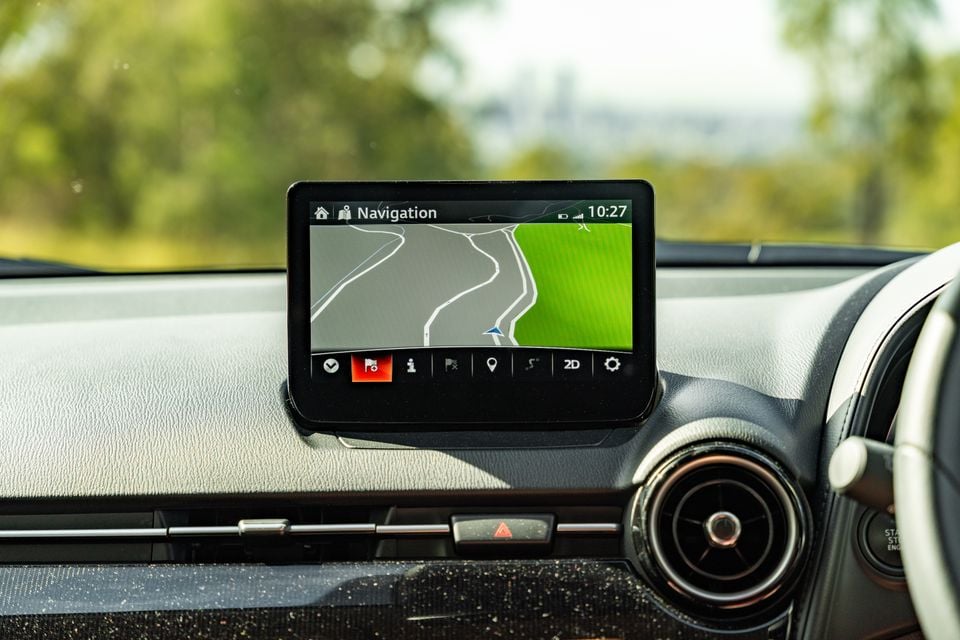
The Mazda CX-3’s interior, largely unchanged since 2015, still holds up well, with one small exception: the infotainment system.
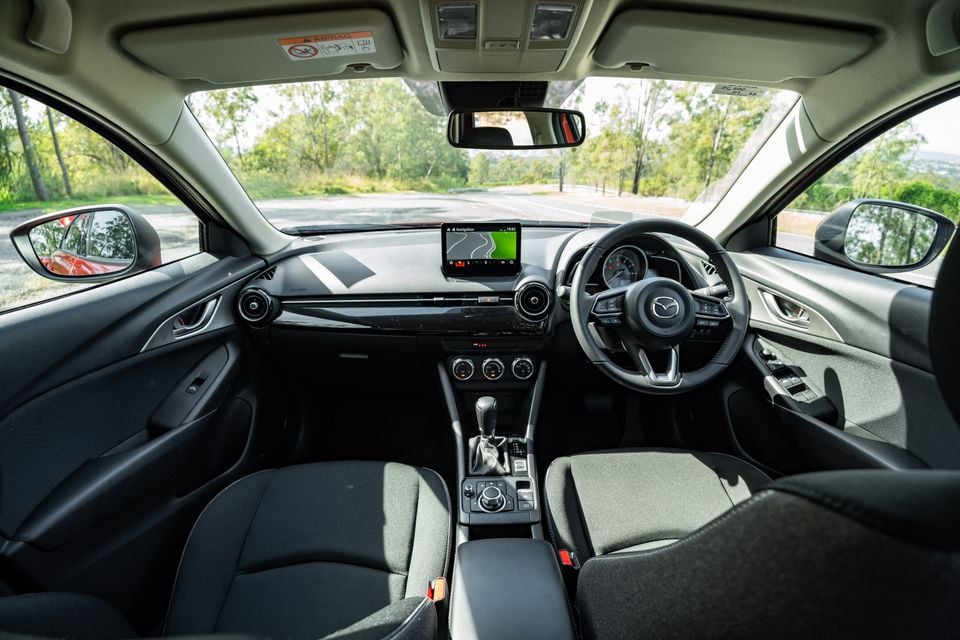
Australian new-car buyers have become used to larger and larger screens, and more and more technology in their cars. An 8.0-inch screen is now merely an acceptable size for an entry-level SUV, and it’s the smallest screen size we would now expect on the new-car market today.
Buyers who have become used to Android Auto and Apple CarPlay will find the Mazda’s screen – notice I said screen, not touchscreen – extremely frustrating. When Mazda introduced its rotary dial, called MZD Connect, in 2013, it was refreshing, giving buyers the option to navigate through a screen more easily on the fly.
The problem is that since then, Apple CarPlay and Android Auto have become expectations in the Australian new-car market. As they’re developed by companies that specialise in touchscreen devices, these smartphone-mirroring applications are designed to be used using touch. Therefore, using a rotary dial to navigate them is a bit like using a remote-controlled device to pat your dog. It’s awkward and cumbersome, and you just want to cut out the middleman.
If you’re not using smartphone mirroring via the screen – for example, if you’re adjusting vehicle settings – it’s fine, although the interface is showing its age. But smartphone mirroring becomes a real pain, made all the more irritating by the fact that there’s quite a delay on startup for Android Auto to activate.
If you had it connected last time you were in the car, you have to deal with a loading screen in the entertainment menu before it finally boots up. There’s also no wireless connectivity for Android Auto, although there is wireless connectivity for Apple CarPlay.
What’s especially frustrating about the screen is the fact that the CX-3 was upgraded to the newer Mazda Connect system in Japan in 2024. While this still isn’t a touchscreen, it at least offers a more modern interface and measures 8.8 inches.
The Australian-market CX-3 actually has some touch functionality, but only when the vehicle is stopped. Mazda is in a weird position of having several different infotainment systems currently on the Australian market. Even for existing Mazda owners, it can all get very confusing, as some offer touch functionality in some situations, while others only offer it in other scenarios, and some are controlled exclusively via touch.
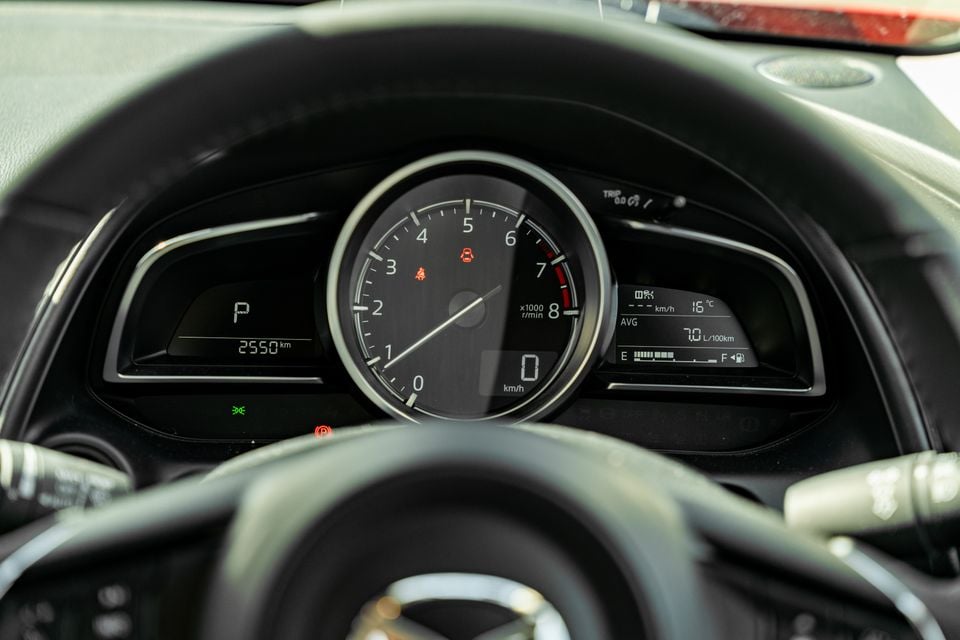
You won’t find a digital instrument cluster in the CX-3. Instead, you get an attractive but increasingly old-fashioned cluster layout.
At the centre is a large tachometer, while there are three small monochrome screens. The one on the left displays what gear you’re in and your odometer reading. The one in the middle displays your speed, and the one on the right can display things like fuel level, average fuel consumption, ambient temperature and other information.
One thing Mazda cleverly did with this entry-level CX-3 that you won’t find on even top-spec rival SUVs is include a head-up display. It might be a simple unit that projects onto a clear bit of plastic which folds out from the dash, however this is an absolutely fantastic feature.
We firmly believe head-up displays can be a key safety feature, as they help keep your eyes on the road ahead and minimise distraction. So, kudos to Mazda for making this standard on even its cheapest SUV in Australia.
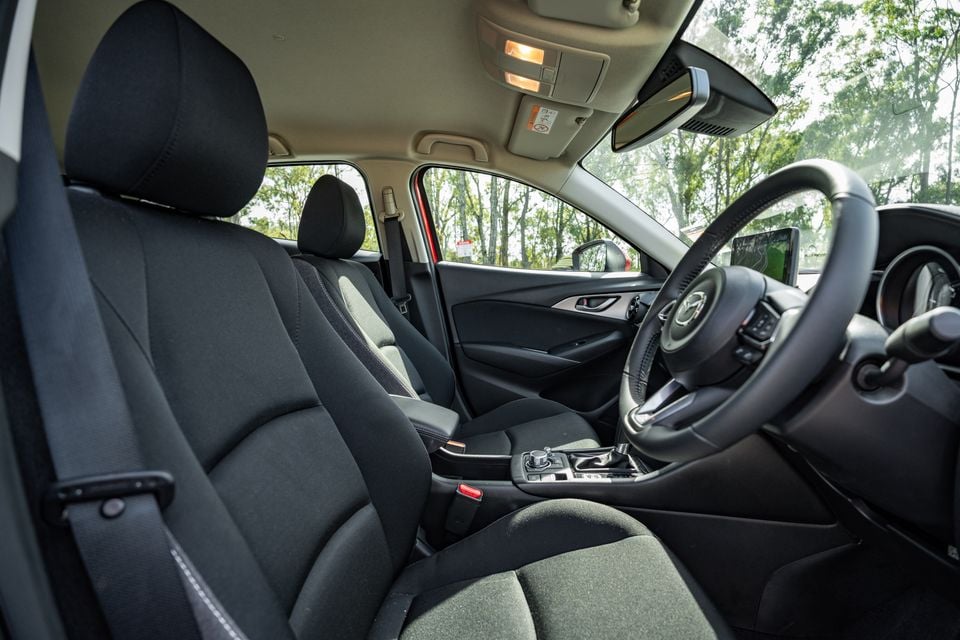
You won’t find any soft-touch plastics anywhere in this interior, and yet it all feels extremely high-quality. Fit and finish is great. Everything feels solidly constructed, and the materials chosen don’t look especially cheap.
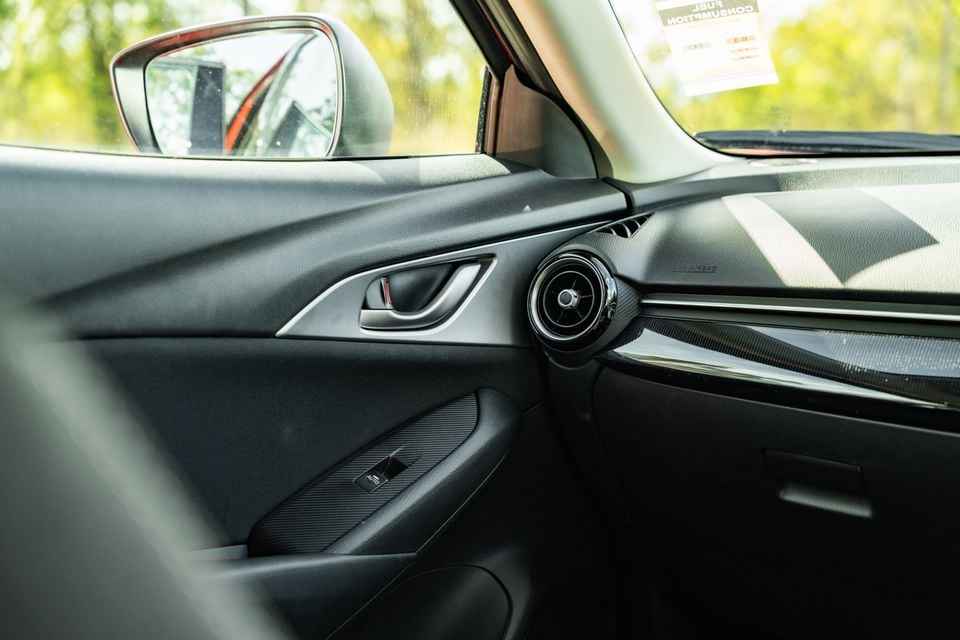
A strip of textured black trim runs across the dash for contrast. Gloss-black trim is kept to an absolute minimum, and there are some metal-look highlights to break up all the black in the interior.
You grip a lovely leather-wrapped steering wheel, and the switchgear all falls to hand nicely. There are three rotary dials for the air conditioning, which is refreshing in an age where many of these adjustments are being moved to a touchscreen.
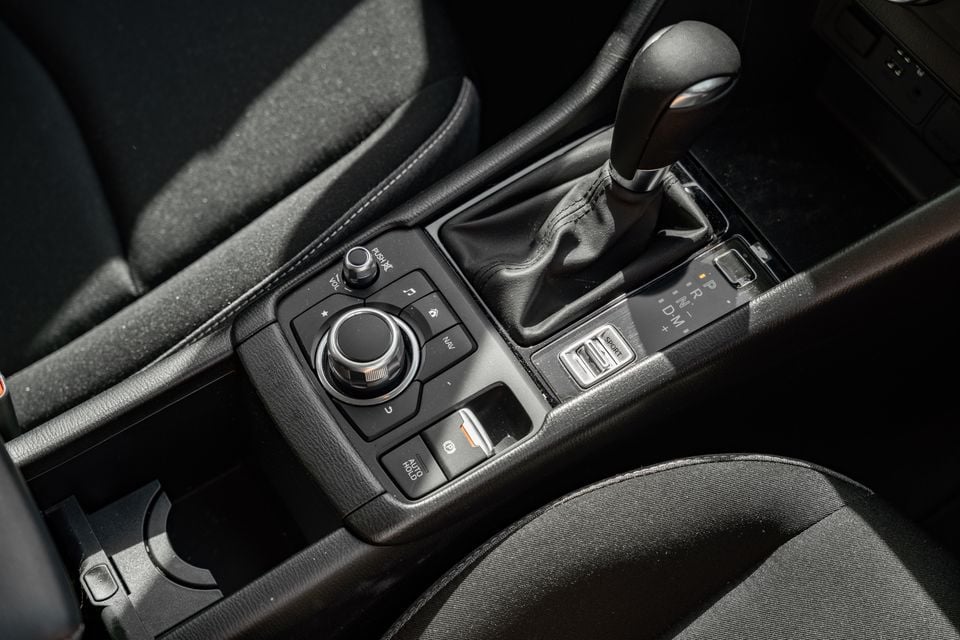
Moving down to the centre stack, you have a pair of USB-A outlets, one of which is used for Android Auto, and a 12V outlet. On the centre console you have the rotary dial for the infotainment, next to which sit shortcut buttons to different screens, plus the electronic park brake and auto hold button.
Annoyingly, the electric park brake won’t automatically engage when you put the vehicle in park unless you have auto hold on, and auto hold defaults to off.
You do get a centre armrest, which isn’t a given in an entry-level SUV. It’s not a completely enclosed storage compartment, but you can still conceal some items from the view of thieves. There are also two cupholders down here.
If you have larger bottles, these will easily fit into the door pockets. The doors themselves are finished in hard plastic, but there are cloth inserts to break this up.
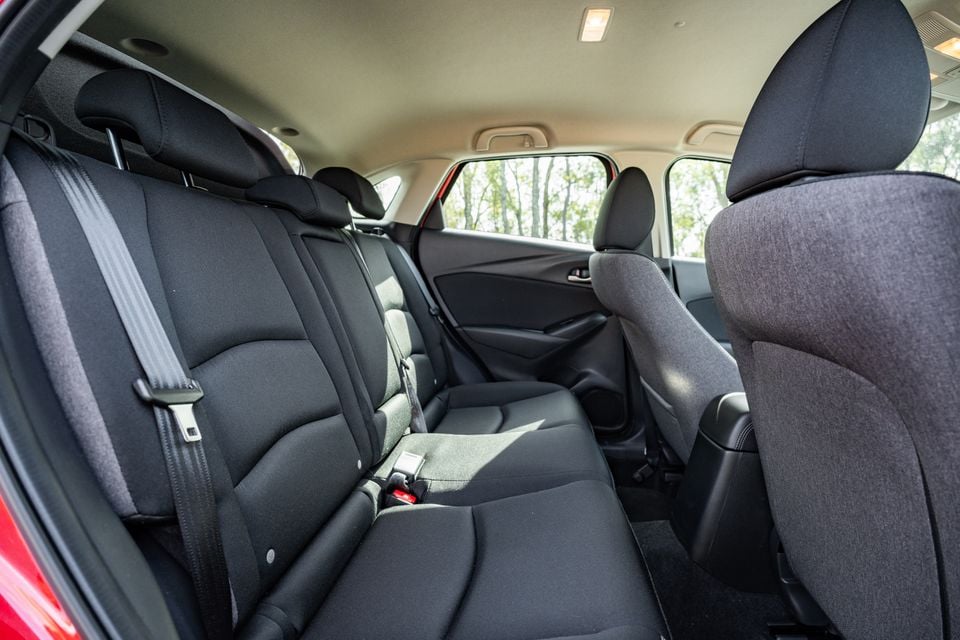
Step into the back and you won’t find much in the way of amenities at all, besides a centre armrest with cupholders. There are no air vents, no USB outlets, and you’ve only got a map pocket on the passenger side. The seatbacks are finished in soft fabric.
The rear bench is extremely soft and shapeless, and there’s little thigh support. There’s also a large driveline hump in the middle of the cabin, which makes this already rather squeezy interior feel even squeezier.
You could fit three adults in the back seat. We did. You shouldn’t. There were fewer complaints than I expected, but ultimately it was a short trip and the CX-3 is best kept as a four-seater. We did have to move our front seats forward to make room for our rear-seat occupants, the tallest of whom was 183cm.
At 180cm tall, I can sit upright in the back with just enough room between my head and the headliner, so headroom isn’t too restrictive for most occupants.
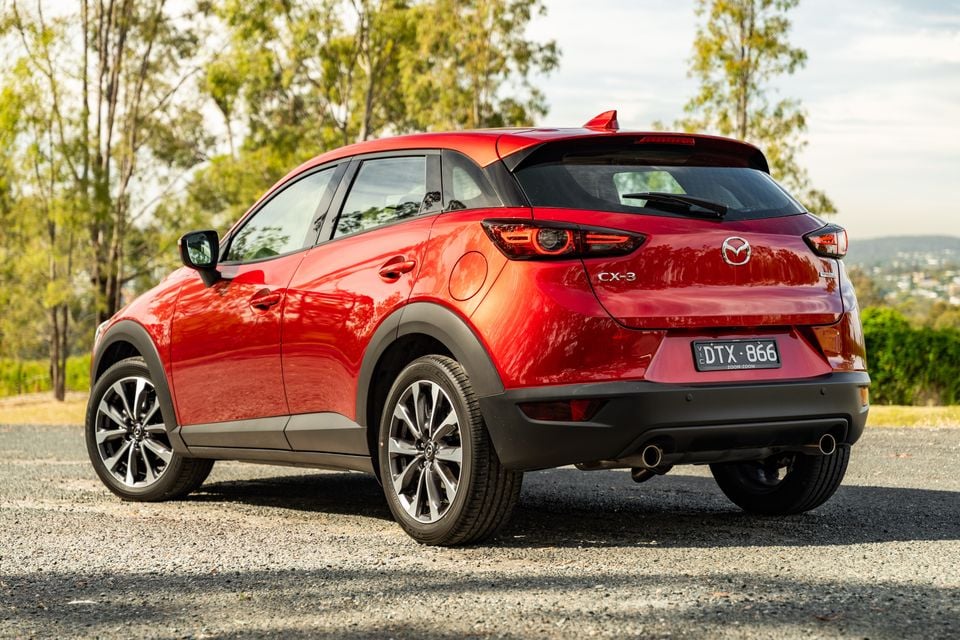
It’s a bit gloomy back here though, with small rear-side windows. You’ll also want to watch your head getting in, due to that sloped roof line.
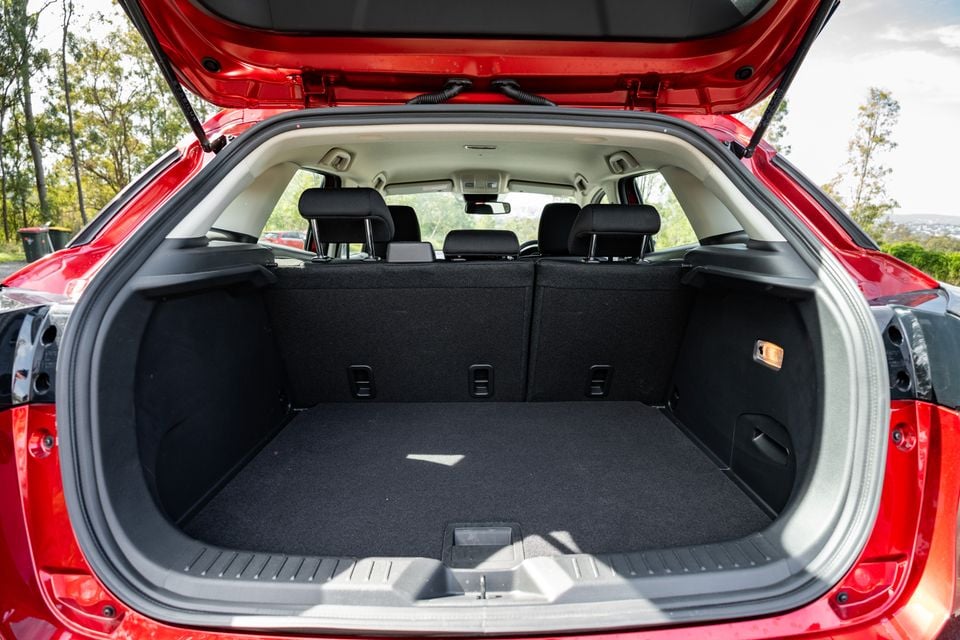
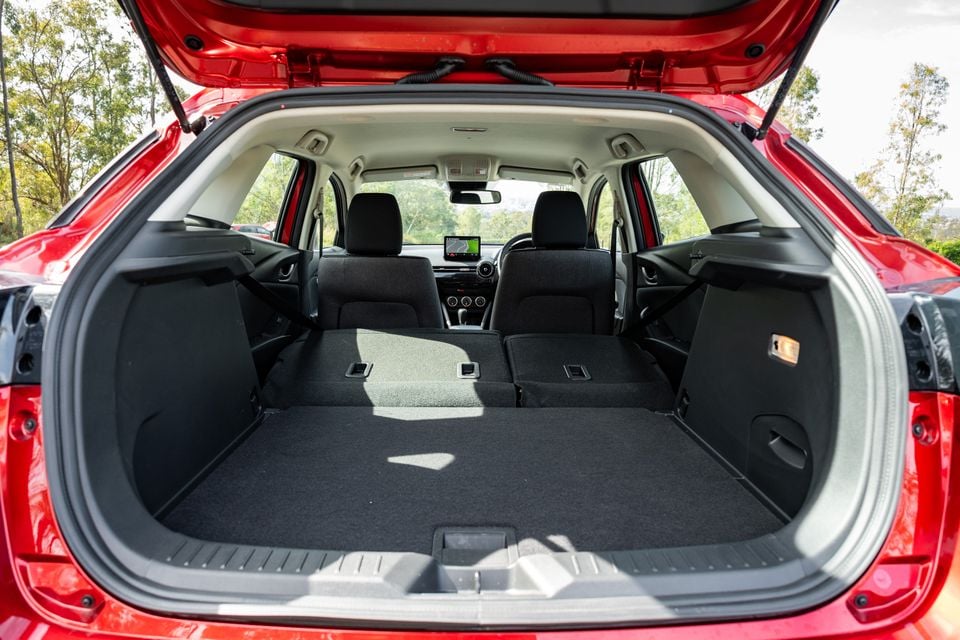
The tailgate is extremely light. Open it and you will find an unexceptional 264 litres of boot space, with a cargo cover to conceal it from prying eyes. There’s a removable panel that allows you to adjust the level of the boot floor.
| Dimensions | Mazda CX-3 |
|---|---|
| Length | 4275mm |
| Width | 1765mm |
| Height | 1535mm |
| Wheelbase | 2570mm |
| Cargo capacity | 264L – Rear seats up1174L – Rear seats folded |
To see how the Mazda CX-3 lines up against the competition, check out our comparison tool
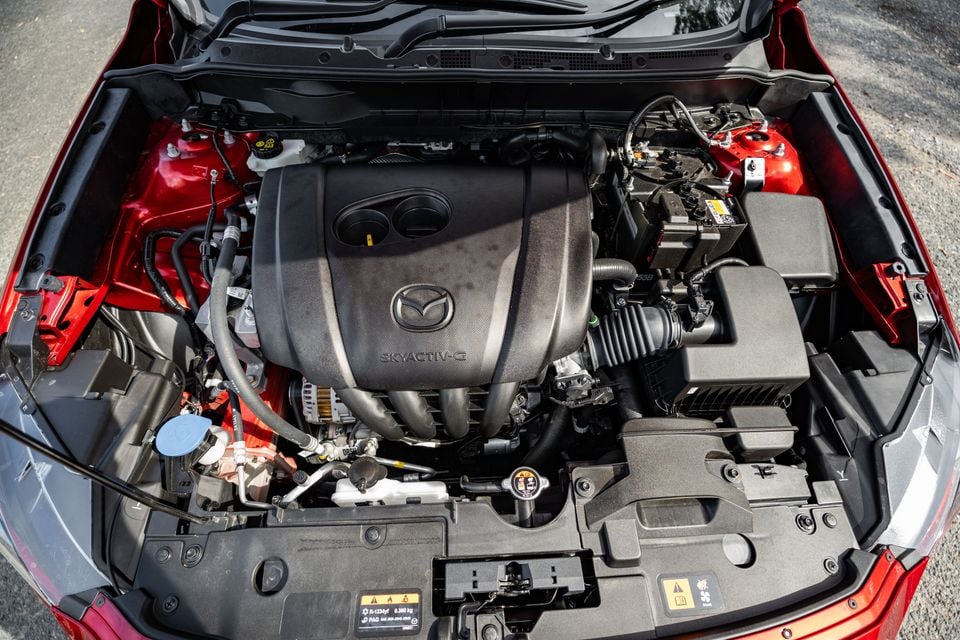
While there used to be diesel and all-wheel drive CX-3s in Australia, now all examples of the light SUV are front-wheel drive and powered by the same petrol engine.
| Specifications | Mazda CX-3 |
|---|---|
| Engine | 2.0L 4cyl petrol |
| Power | 110kW @ 6000rpm |
| Torque | 195Nm @ 2800rpm |
| Transmission | 6-speed automatic |
| Drive type | Front-wheel drive |
| Kerb weight | 1294kg |
| Fuel economy (claimed) | 6.3L/100km |
| Fuel economy (as tested) | 6.7L/100km – inner-city, suburban and highway loop7.2L/100km – over the course of a week |
| Fuel tank capacity | 48L |
| Fuel requirement | 91-octane regular unleaded |
| CO2 emissions | 143g/km |
| Emissions standard | Euro 5 |
| Braked tow capacity | 1200kg |
To see how the Mazda CX-3 lines up against the competition, check out our comparison tool
You might call the Mazda CX-3 out of date, or you might call it refreshingly simple in terms of its mechanicals.
There’s no small-displacement turbocharged engine here. There’s no dual-clutch transmission. You get a 2.0-litre naturally aspirated four-cylinder engine that’s large for this size of vehicle, and a six-speed torque-converter automatic transmission.
This stands out in a sea of turbocharged, hybrid and turbocharged-hybrid small SUVs. Ultimately, however, it’s a good combination.
Also making the CX-3 stand out in the light/small SUV market is its safety technology. You still get the fundamentals like autonomous emergency braking, adaptive cruise control, blind-spot monitoring and rear cross-traffic alert. But there’s one notable omission, and that’s lane-keep assist.
You get a simple lane-departure warning, which sounds a chime if you cross over a lane marking, but there’s no active assistance.
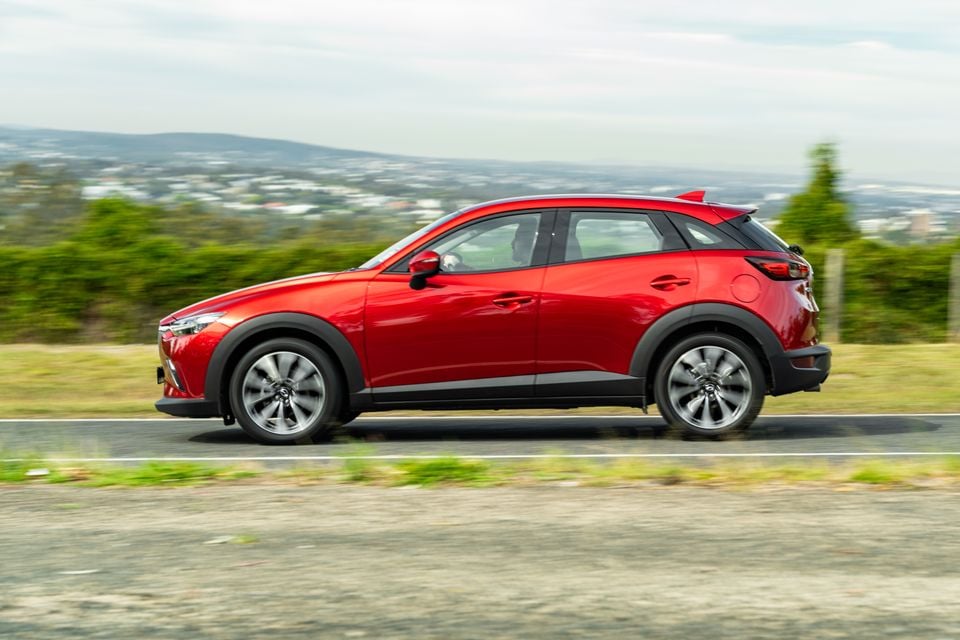
As we’ve seen with so many cars today, lane-keep assist systems can feel very intrusive, intervening too early and too much. So, to get into a car where your steering is unencumbered by such a system is almost a breath of fresh air.
The steering itself is actually really nice – typical Mazda. It’s got a nice, substantial weight to it and there’s a good amount of road feel, yet the CX-3 is still easy to twirl around a parking lot.
The engine won’t set any fuel-economy records. We averaged 7.2L/100km which, while decent, is far from extraordinary in this segment. That was also with a lot of highway driving.
However, the 2.0-litre is charming. It has an inoffensive engine note and it proves flexible, helped by a six-speed auto that doesn’t offer the drone of a CVT or the low-speed roughness of some dual-clutch automatic transmissions.
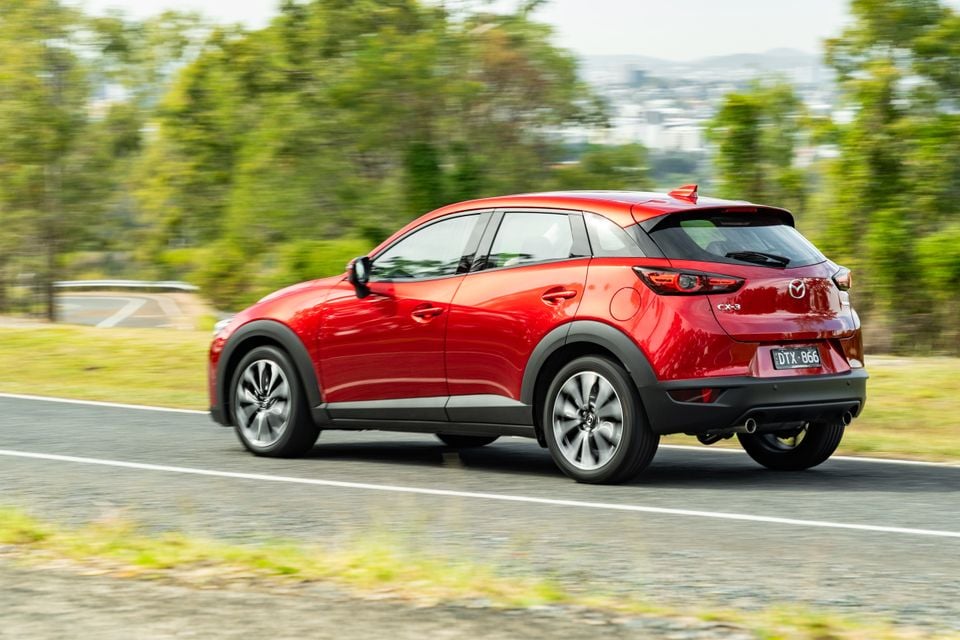
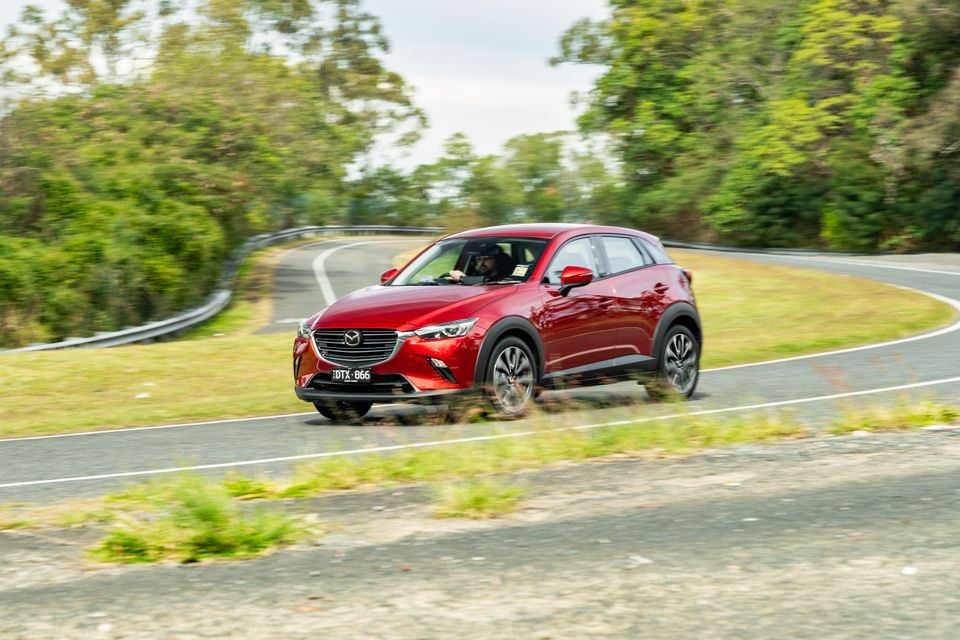
While we didn’t toss the CX-3 down tight hairpins and switchbacks, it has a rather hatchback-like feel for an SUV and avoids that sensation of having an exceptionally high centre of gravity. This, in conjunction with the nicely calibrated steering, makes this pint-size SUV more rewarding to drive than many of its rivals.
More important to most light/small SUV buyers than handling prowess, however, is ride comfort. On this front, the CX-3 is largely competent but not class-leading.
Owing to its short wheelbase, it does occasionally get jostled around by surface changes. While there are never any sharp impacts into the cabin, the small CX-3 simply can’t iron out everything on the road, though for the most part it proved comfortable over plenty of patchy urban streets.
If this is the car for you, we’ll compare offers from trusted dealers, handle the back and forth and manage your purchase from enquiry to delivery.
While the CX-3’s four-cylinder engine never really gets too raucous at highway speeds, a dull roar from the tyres fills the cabin and you’ll need to pump up the volume on the fairly mediocre six-speaker sound system.
Adaptive cruise control works well, although there’s nothing to actively keep you in your lane like in some rivals, so you’ll need to focus more on driving. The upside is there’s no lane-keep assist system that you actively have to fight with as you’re driving.
The head-up display will display the speed limit. However, this is based on navigation data; there’s no system to scan speed signs, although this is a feature available in more expensive CX-3s.
To see how the Mazda CX-3 lines up against the competition, check out our comparison tool
The G20 Pure sits at the bottom of the local CX-3 lineup.
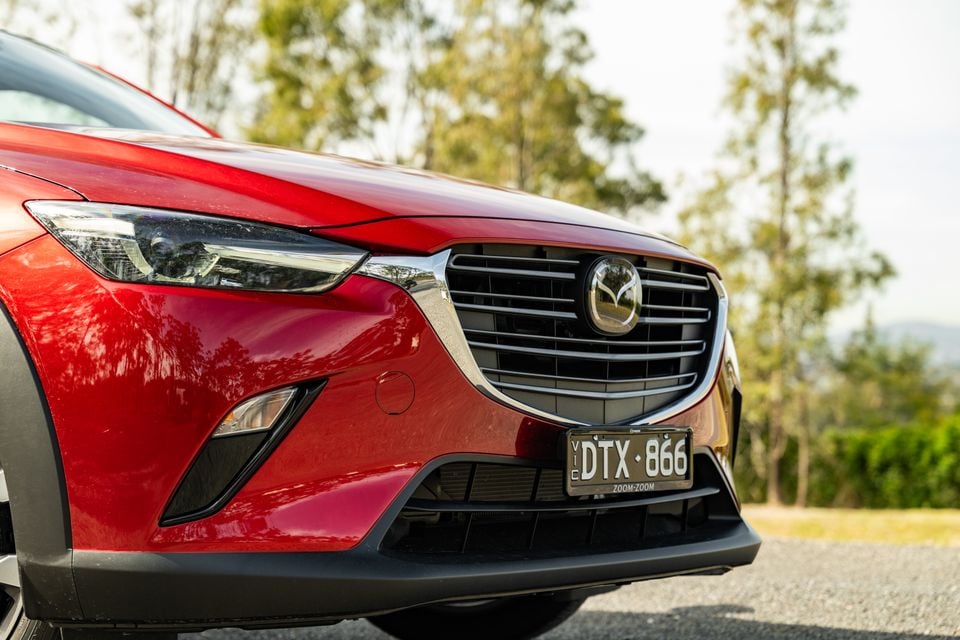
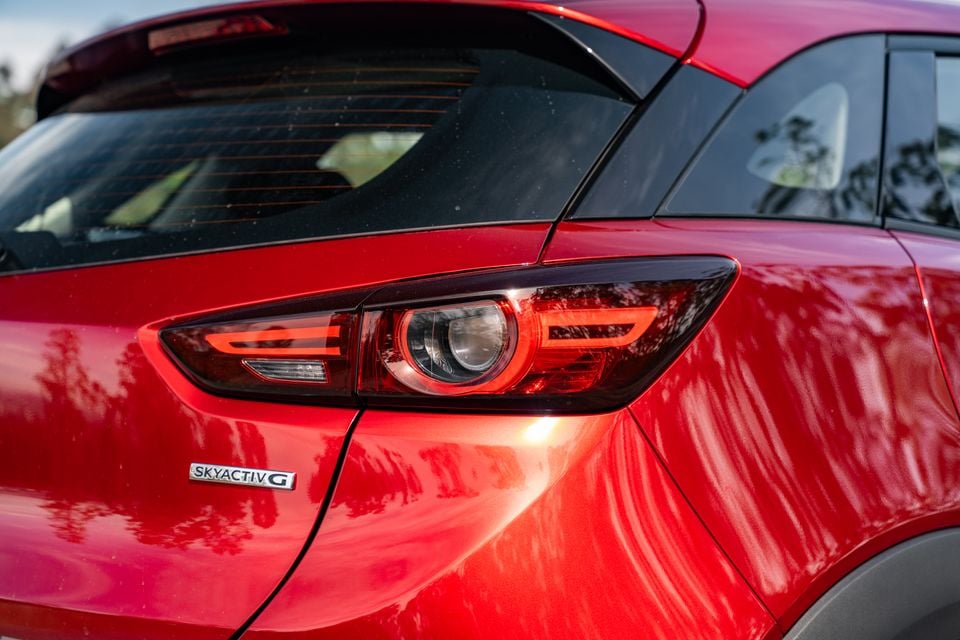
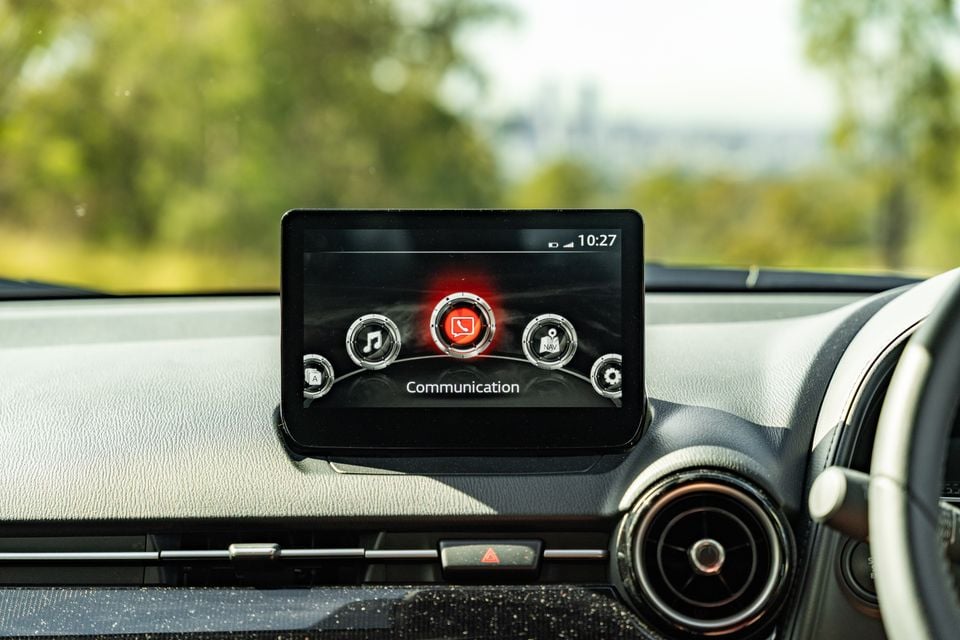
2026 Mazda CX-3 Pure equipment highlights:
The Evolve adds:
The GT SP adds:
The Akari adds:
The Mazda CX-3's previous five-star score from ANCAP has now expired, leaving the model 'unrated' by the independent auto safety watchdog.
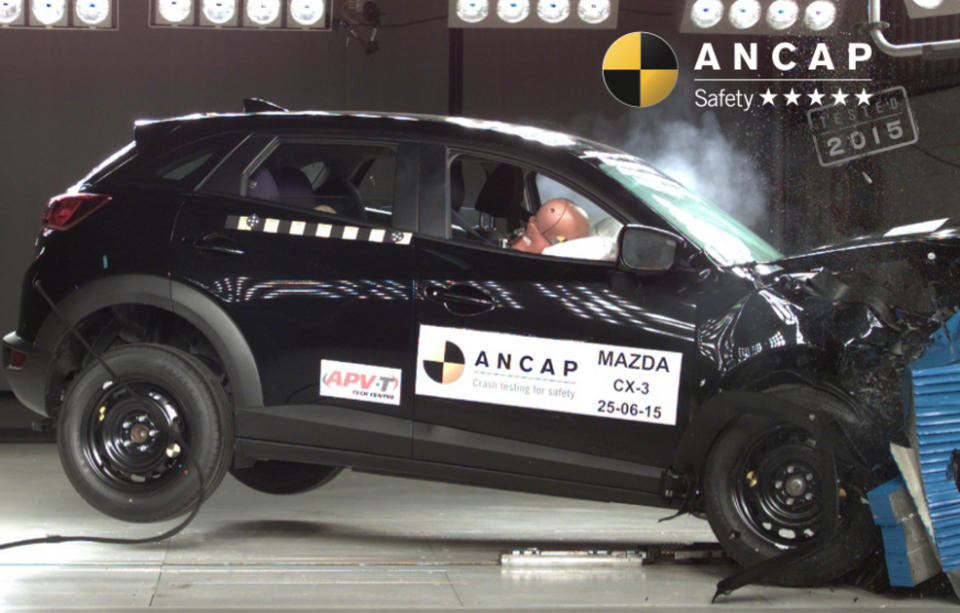
Standard safety equipment includes:
Evolve variants and above gain front parking sensors, while the GT SP and up receive traffic sign recognition.
| Servicing and Warranty | Mazda CX-3 |
|---|---|
| Warranty | 5 years, unlimited kilometres |
| Roadside assistance | Up to 5 years |
| Service intervals | 12 months or 15,000km |
| Capped-price servicing | 7 years |
| Average capped-price service cost | $474 |
| Total capped-price service cost | $3318 – 7 years |
To see how the Mazda CX-3 lines up against the competition, check out our comparison tool
With the old Mitsubishi ASX retired, the Mazda CX-3 shapes as the next logical old-school choice at this end of the market – you know, the type of vehicle you might recommend to someone who is more concerned with reliability and durability than the latest technology. Someone who wants a vehicle from an established brand with a large dealer network.
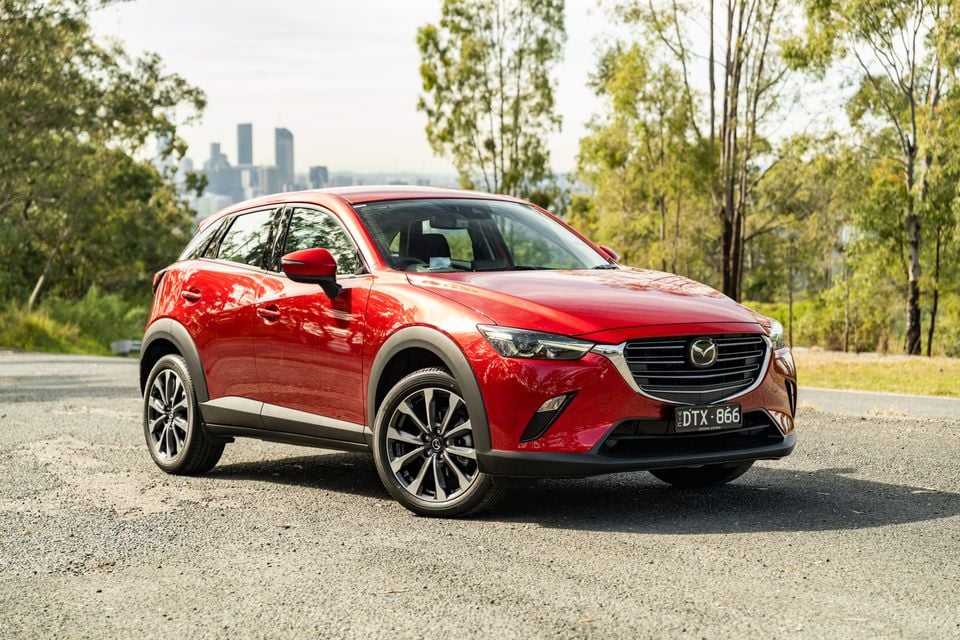
It’s a model, therefore, that you could pretty comfortably recommend to an elderly relative.
The dated infotainment grinds our gears, but for someone for whom Apple CarPlay and Android Auto aren’t required, it works well enough. Indeed, the CX-3’s interior, if lacking in space, is far from lacking in quality and ease of use.
For buyers who are too scarred by horror stories of blown turbos and expensive hybrid-battery repairs – even if these fears may not be entirely founded – the combination of a simple, naturally aspirated engine and a traditional torque-converter automatic transmission makes the CX-3 feel like a safe choice.
We also believe that its suite of standard safety technology, while lacking lane-keep assist – which may be cause for celebration for some – covers all the right bases for an entry-level light/small SUV, particularly with the inclusion of a head-up display.
The Mazda CX-3 may overall look like it loses the spec-sheet battle, but when you take a closer look there’s actually a lot to recommend this car for. Buyers after maximum interior space for the money, the latest in-car technology or the longest list of standard equipment may be turned off by the CX-3.
But there are plenty of buyers who will still find it appealing, as it shows month after month in VFACTS sales reports.
Interested in buying a Mazda CX-3? Let CarExpert find you the best deal here
Click the images for the full gallery
If this is the car for you, we’ll compare offers from trusted dealers, handle the back and forth and manage your purchase from enquiry to delivery.
Quickly see how this car stacks up against its competition. Select any benchmark to see more details.
Mazda CX-3
Mazda CX-3 Sales rolling 12-months#
*Based on VFACTS and EVC data
Looking for complete Mazda CX-3 price history?
Our Mazda CX-3 Pricing Page shows exactly how prices have changed over time.
2026
$34,412
2026
$36,194
2026
$39,520
2026
$43,187
William Stopford is an automotive journalist with a passion for mainstream cars, automotive history and overseas auto markets.
Add CarExpert as a Preferred Source on Google so your search results prioritise writing by actual experts, not AI.
Damion Smy
6 Hours Ago
William Stopford
7 Hours Ago
William Stopford
8 Hours Ago
William Stopford
11 Hours Ago
Damion Smy
11 Hours Ago
William Stopford
12 Hours Ago
Add CarExpert as a Preferred Source on Google so your search results prioritise writing by actual experts, not AI.
# Based on VFACTS and EVC data
† Displayed prices are based on the drive-away price of the vehicle, which includes delivery charges, registration fees, number plates, and applicable road taxes, based on a Sydney location. However, prices may vary between states and territories, and additional costs such as compulsory third party (CTP) insurance, dealer delivery fees, and optional extras are not included. These prices are subject to change without notice and may not reflect current market pricing or dealer offers.
 Automotive Vehicle Spec Data & 4K images Powered by JATO Dynamics Ltd