


Alborz Fallah
2027 Xpeng L03 review: Quick drive
The L03 brings sharp Australian pricing, generous space, and some personality to the affordable electric SUV market – but its ride still needs work.
11 Seconds Ago
Publisher
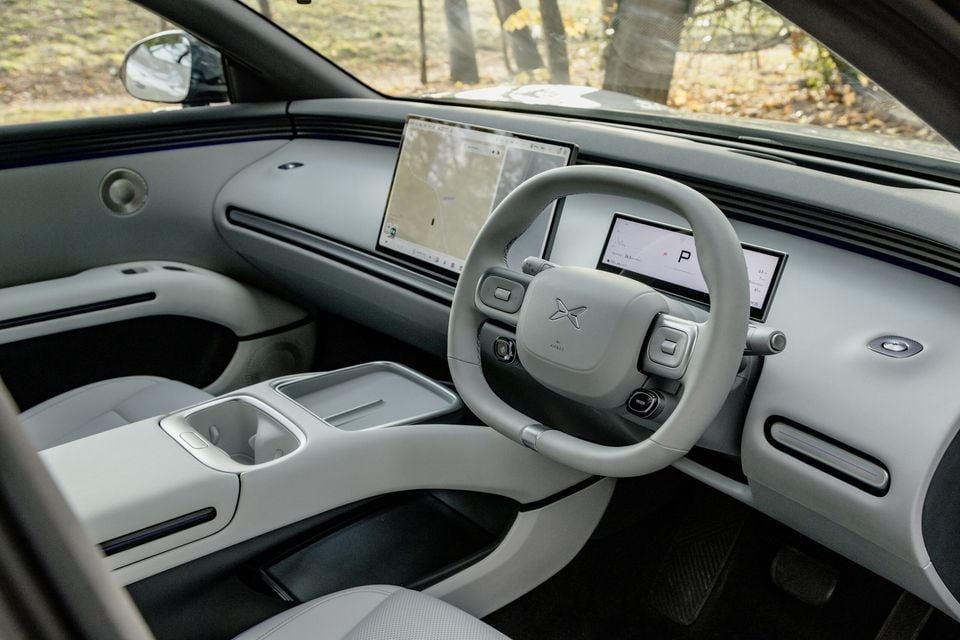
Xpeng plans to bring back some physical buttons as it responds to complaints about touchscreen controls, an issue also raised by Australian drivers and safety assessors.
The Chinese brand’s creative design director, Rafik Ferrag, confirmed the plan at a UK workshop attended by CarExpert, but said it wouldn't involve replacing every touchscreen function with a conventional switch.
“And so sometimes in some of the purpose that we studied, it's true that we are planning to bring back some of the physical buttons, but not everywhere,” Mr Ferrag said.
“We have other solutions to have an even more seamless connection rather than just touching a button.”
Mr Ferrag, who leads Xpeng’s Guangzhou design studio, said feedback from customers increasingly included requests for more physical controls. Much of the brand’s earlier customer research had been conducted in China, with European input now growing.
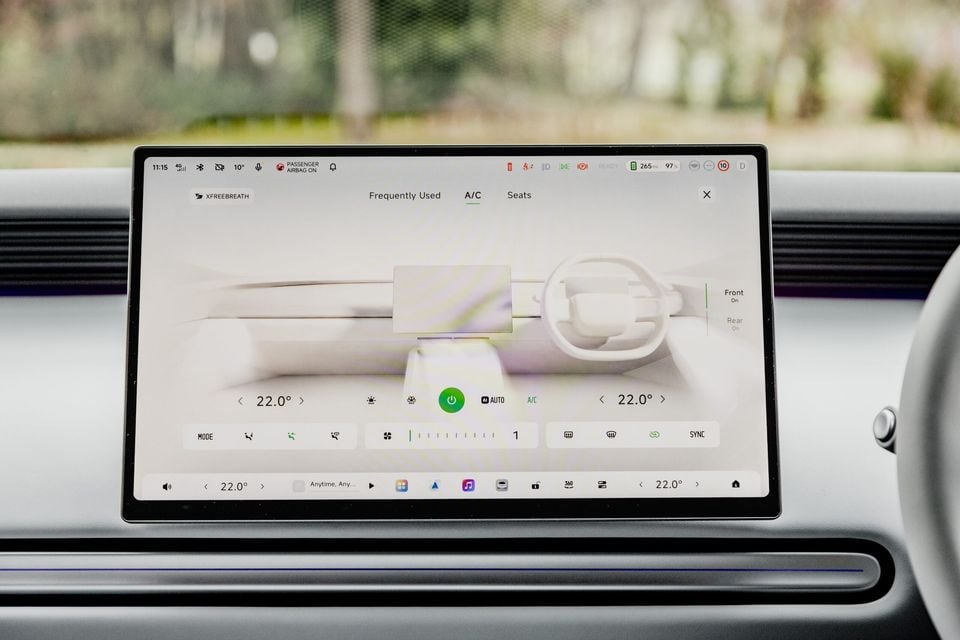
Speaking separately to CarExpert, he said the design team wanted to understand which tasks customers found difficult before deciding whether a button, voice command or another interface would work best.
“But us as designers, as innovators, we need to find the best solution for the problem. So we want to understand what the problem is, and then we provide the best solution. Sometimes it's probably not a physical button, maybe a vocal voice control is better.”
Asked by CarExpert about the difficulty of directing airflow through a touchscreen menu instead of adjusting an air vent by hand, Mr Ferrag acknowledged there was work to do.
“This is definitely a problem that we are tackling right now," he said.
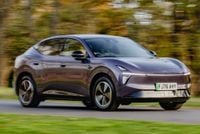
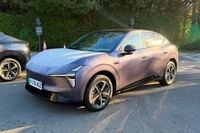
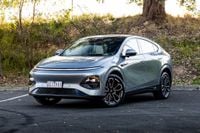
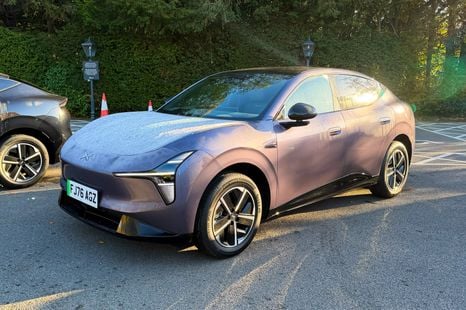
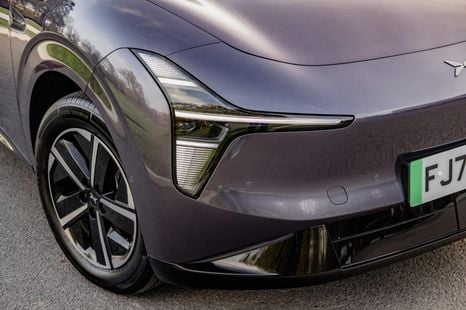
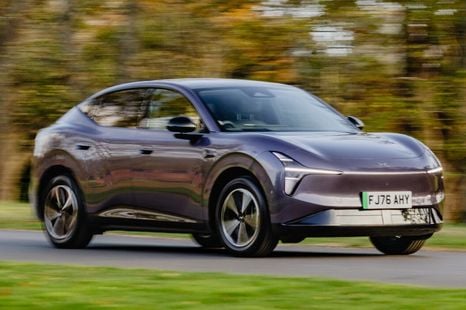
The comments have particular relevance as Xpeng prepares to add the L03 to its Australian range in December. Its local specification includes a 15.6-inch central touchscreen, electronically controlled air vents and a four-zone voice assistant.
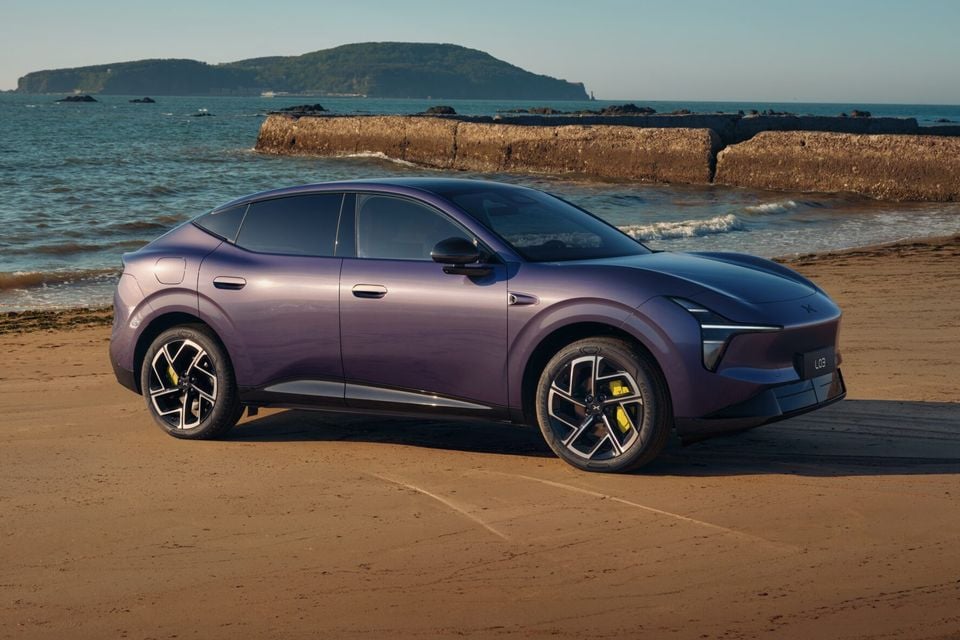
No revised controls have been announced for the Australian-market L03, and Mr Ferrag didn't name the future models or functions covered by the planned changes, nor when these changes would appear.
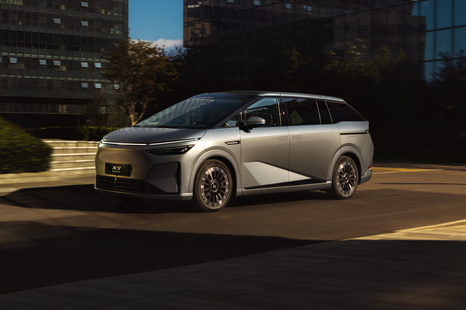
Xpeng has already faced criticism over another vehicle sold here. Independent safety authority ANCAP awarded its X9 people mover five stars in October, but singled out its reliance on touchscreen controls for frequently used functions.
“We want to see carmakers bring back buttons for the functions drivers use every day,” ANCAP chief executive Carla Hoorweg said at the time.
Sister authority Euro NCAP awarded the X9 20 per cent in its primary driving controls assessment. That measures a particular aspect of the vehicle’s usability; its overall safety rating remained five stars.
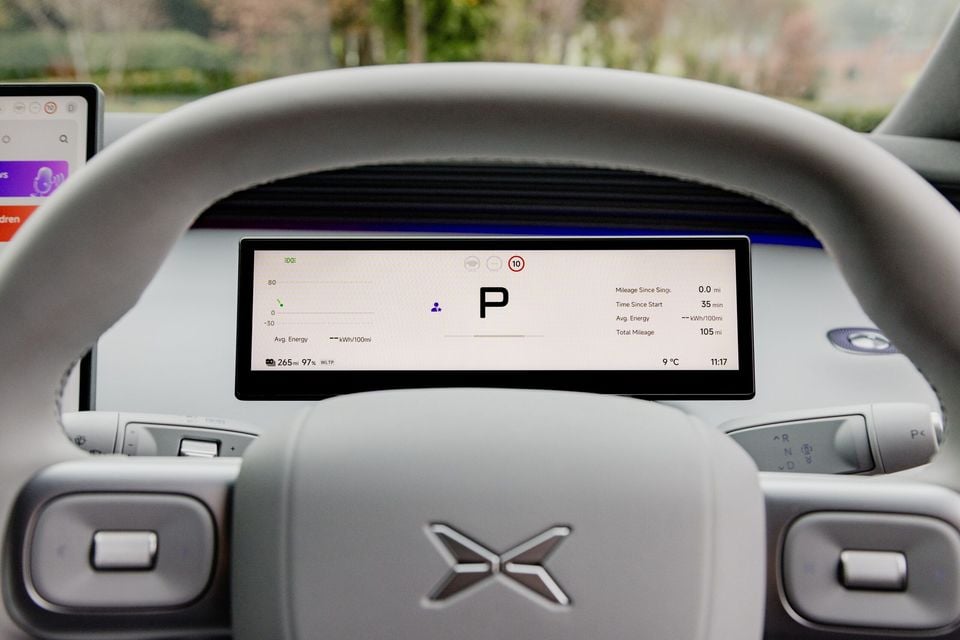
Australian research also suggests the demand for buttons extends well beyond older drivers.
An Allianz survey released in October, reported by CarExpert, found 67 per cent of Australian respondents supported bringing back conventional controls. Among those aged 18 to 25, support was higher, at 72 per cent.
The survey also found 29 per cent of Australian respondents had experienced a critical moment while using a touchscreen behind the wheel. The finding reflects drivers’ reported experiences, rather than a measured crash rate for a particular interface.
For Xpeng, better voice recognition remains part of the response. Mr Ferrag described technology that can identify which seat a request comes from, allowing a passenger to ask for a window to open without specifying which one. That work will continue alongside the return of selected buttons.
Research cars in our Showroom, compare your options or let our New Car Specialists do the running around to find you a great deal.
Alborz Fallah is a CarExpert co-founder and industry leader shaping digital automotive media with a unique mix of tech and car expertise.
Alborz Fallah
11 Seconds Ago
Alborz Fallah
11 Seconds Ago
Alborz Fallah
11 Seconds Ago
Alborz Fallah
11 Seconds Ago

Derek Fung
2 Hours Ago

Damion Smy
3 Hours Ago
Add CarExpert as a Preferred Source on Google so your search results prioritise writing by actual experts, not AI.