





Derek Fung
Renault 8 Gordini concept reimagines classic as an electric coupe
Gordini is back, albeit only as a concept that celebrates the original Renault 8 sedan.
12 Minutes Ago

Journalist
Xpeng has confirmed it's undertaking local testing and calibration of its driver-assistance technology and vehicle dynamics in Australia and New Zealand, and says this is proof it's here for the long haul.
Damian Royce, Xpeng Australia and New Zealand’s head of marketing and creativity, said the automaker's XPilot system is being tested against local road conditions, with the aim of adapting the technology for the roads it will be driven on in both markets.
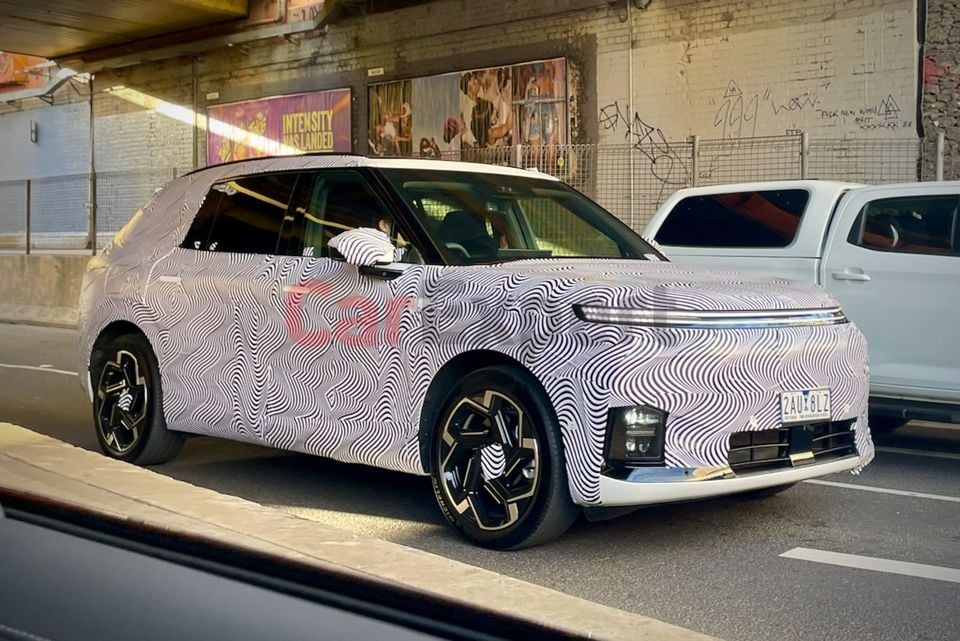
Confirmation of the program comes after prototypes were spotted testing in Australia earlier this year.
XPilot is offered on the Xpeng range sold locally, including the upcoming L03, while the company is preparing to introduce its next-generation NGP (Navigation Guided Pilot) system based on its VLA 2.0 software, which will rival Autopilot and Full Self-Driving (FSD) offered by Tesla.
Xpeng says NGP will be progressively rolled out in Australia and New Zealand from 2027, with both markets among the first right-hand drive markets scheduled to receive the technology.
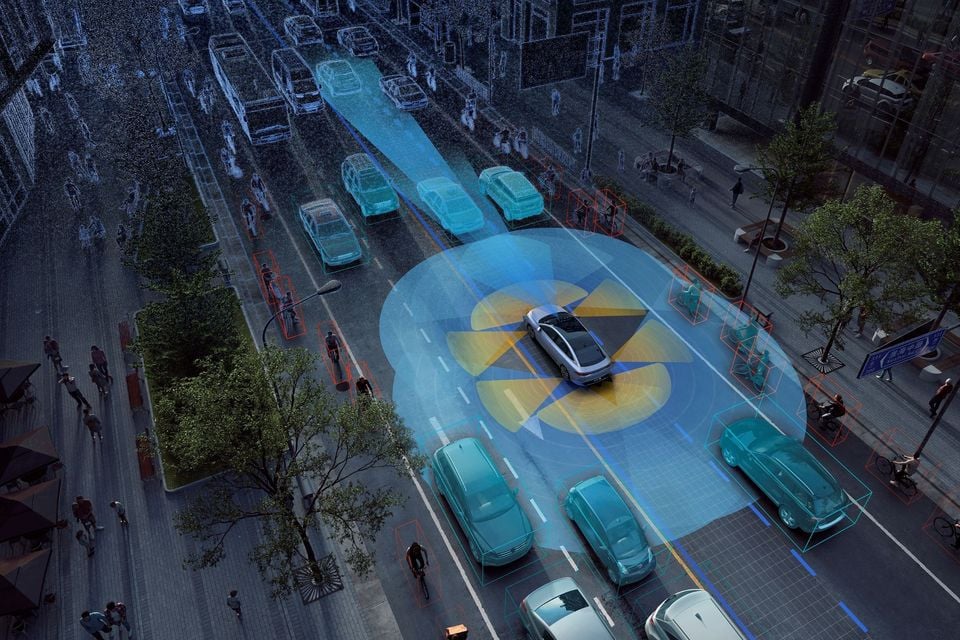
“Local road testing is now underway, including road condition adaptation for driving down here in Australia and New Zealand,” said Mr Royce.
He said the local work is intended to ensure XPilot is calibrated for the conditions customers will encounter, rather than simply deploying a system developed for another market.
“This is where things come into more context for the Australian and New Zealand markets, tested here right now and calibrating our systems for the roads our customers are going to be using with these vehicles,” said Mr Royce.
XPilot is standard on all Xpeng models sold in Australia, with functions including adaptive cruise control, lane centring, lane-change assistance, traffic sign recognition and intelligent parking assistance.
Mr Royce said three areas are a particular focus of local XPilot calibration: avoiding vulnerable road users, understanding road signs, and understanding what he describes as implicit traffic rules.
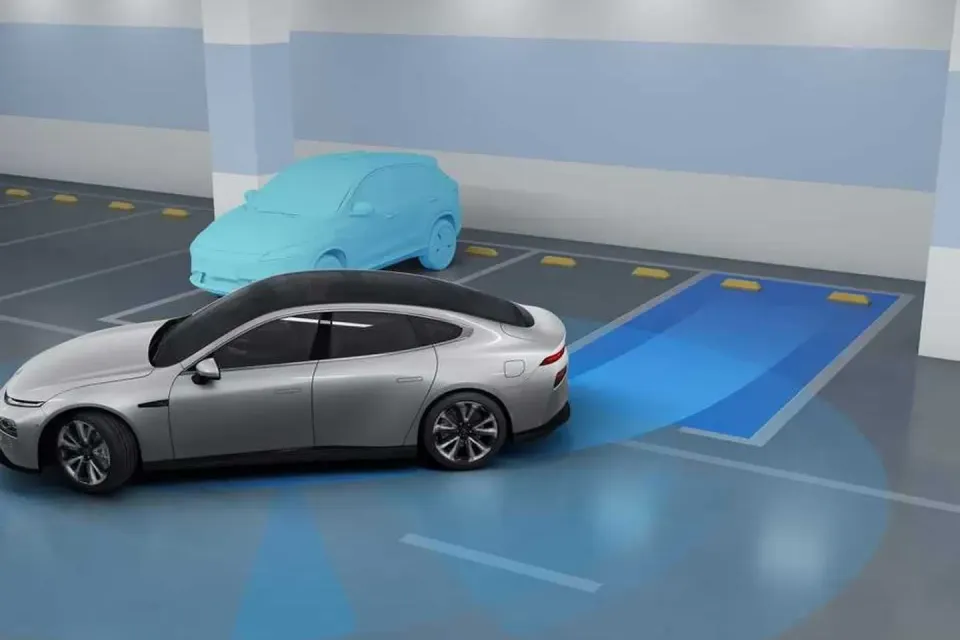
Parking assist technology is also being adapted for local conditions, with Xpeng citing scenarios including shopping centre carparks, tight kerbside spaces and home garages.
The system includes a 360-degree camera and parking sensors, with Xpeng also describing parking functions designed for private driveways, courtyards and unmarked roadside parking spaces. The company hasn't yet detailed exactly how those functions will operate in Australia and New Zealand.
Mr Royce said local testing is part of a broader program that has been underway since early this year, covering more than just driver assistance.
“There have been road tests since early this year. Beyond XPilot, vehicle dynamic road testing needs a longer [testing] time,” he said.
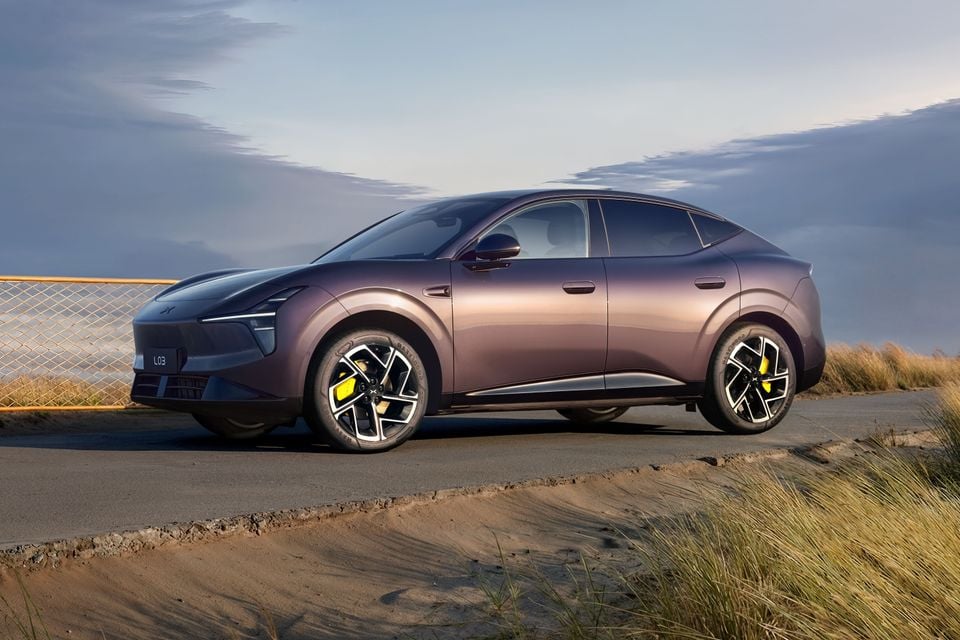
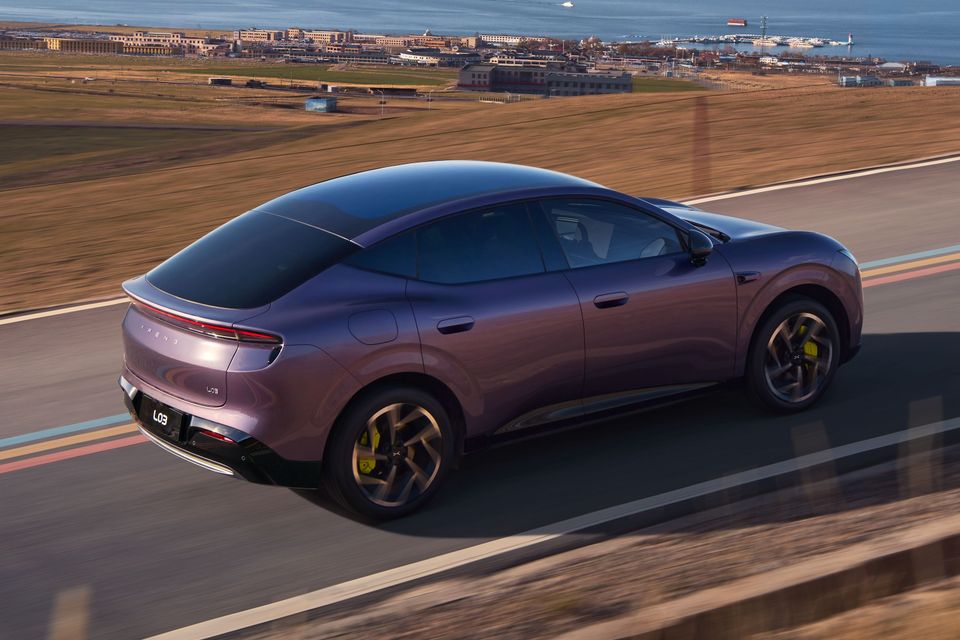
Xpeng says its full local testing program includes road testing, vehicle dynamics testing, and data and software testing, with the aim of ensuring vehicles sold locally deliver the expected performance and customer experience.
The testing is expected to continue after launch, including work with Google on mapping and navigation software.
The L03 is the first Xpeng model to use Google Maps through Google's Auto SDK, with the technology integrated into Xpeng's own navigation system. Xpeng says Google Maps data will also support NGP and XPilot Assist in overseas markets.
More advanced driver-assistance technology is also planned for the L03 in future, with Mr Royce referring to Xpeng's NGP VLA 2.0 system.
However, only the top-spec Australian-market L03 AWD Performance Ultra is fitted with the Turing AI hardware required for NGP. The Standard Range, Long Range and Power-X variants use a conventional driver-assistance package and don't currently have a stated hardware upgrade path to NGP.
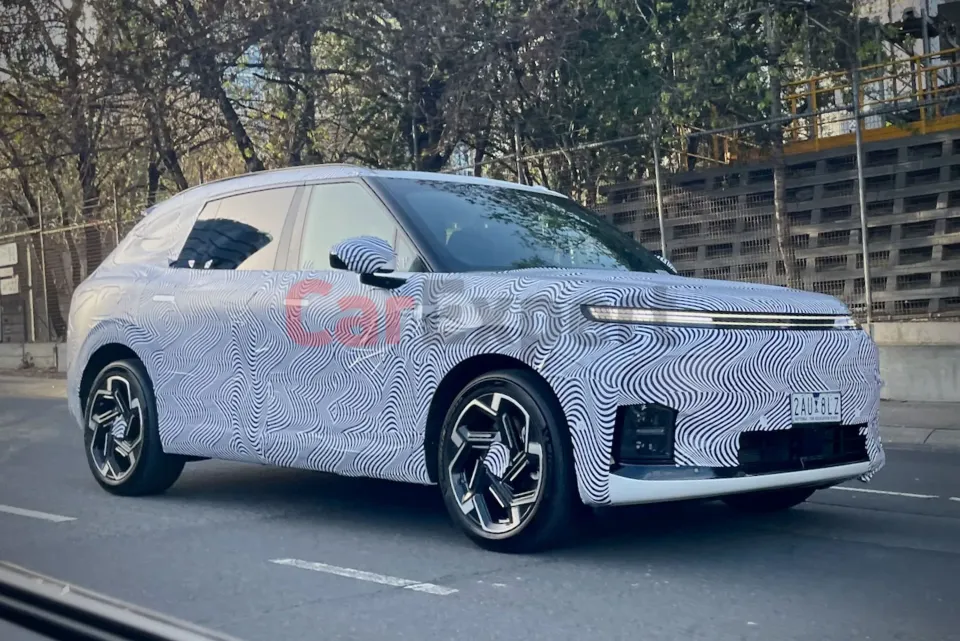
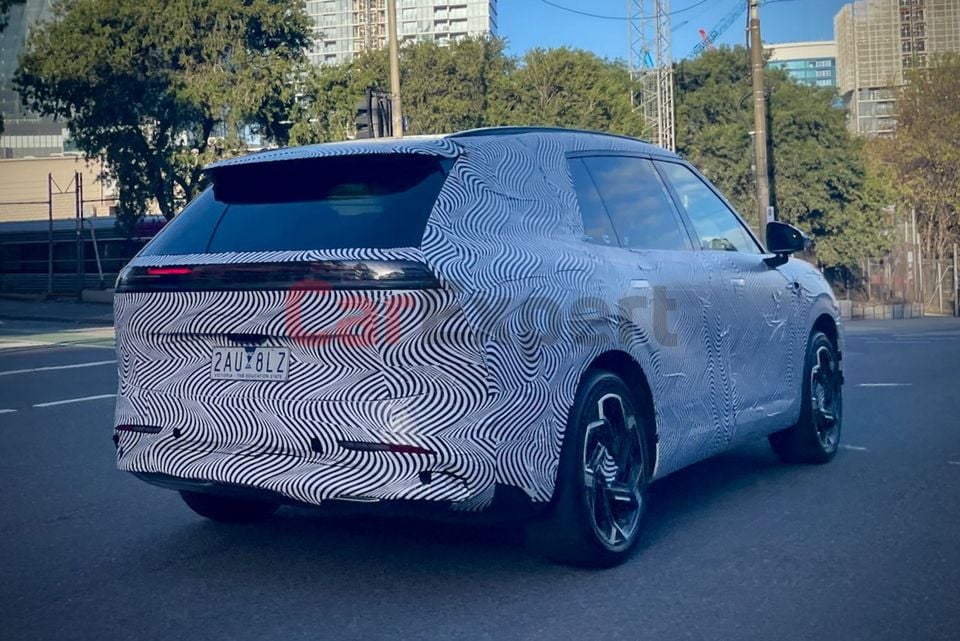
The L03 AWD Performance Ultra uses three in-house developed Turing AI chips, providing up to 2250 TOPS (trillions of operations per second) of computing power. Xpeng says its VLA 2.0 software is the foundation model behind its NGP system.
Xpeng says NGP VLA 2.0 is planned for Australia and New Zealand from 2027, subject to the required local rollout and approvals.
Mr Royce said the company's local testing demonstrates its commitment to the two markets.
“Importantly, for a newer badge, local testing is proof that we are investing to be here for the long haul,” he said.
Research cars in our Showroom, compare your options or let our New Car Specialists do the running around to find you a great deal.
Dave is a Kiwi motoring journalist with experience in motorcycle racing, new car sales, radio and communications.
Derek Fung
12 Minutes Ago

Damion Smy
14 Hours Ago

William Stopford
15 Hours Ago
William Stopford
17 Hours Ago


James Wong
17 Hours Ago

Ben Zachariah
19 Hours Ago
Add CarExpert as a Preferred Source on Google so your search results prioritise writing by actual experts, not AI.