Xiaomi’s new SUVs are hybrids with EV-sized battery packs
Xiaomi has generated a lot of buzz in China with its sleek EVs, and now it's launching new extended-range electric SUVs with huge batteries and clever seating.
Chinese tech giant and automaker Xiaomi is perhaps best known in our world for producing pure electric vehicles with sleek silhouettes and plenty of performance. Now, the brand is broadening its appeal with a pair of very different SUVs.
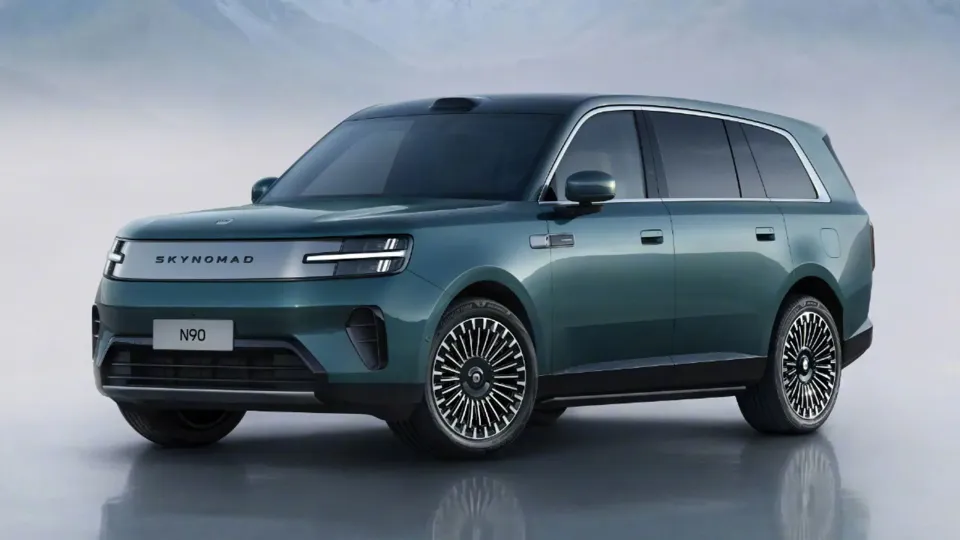
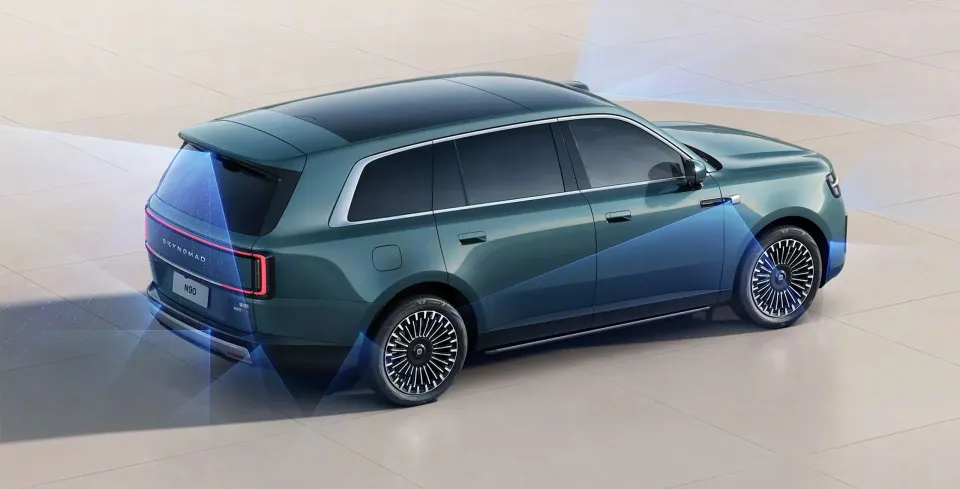
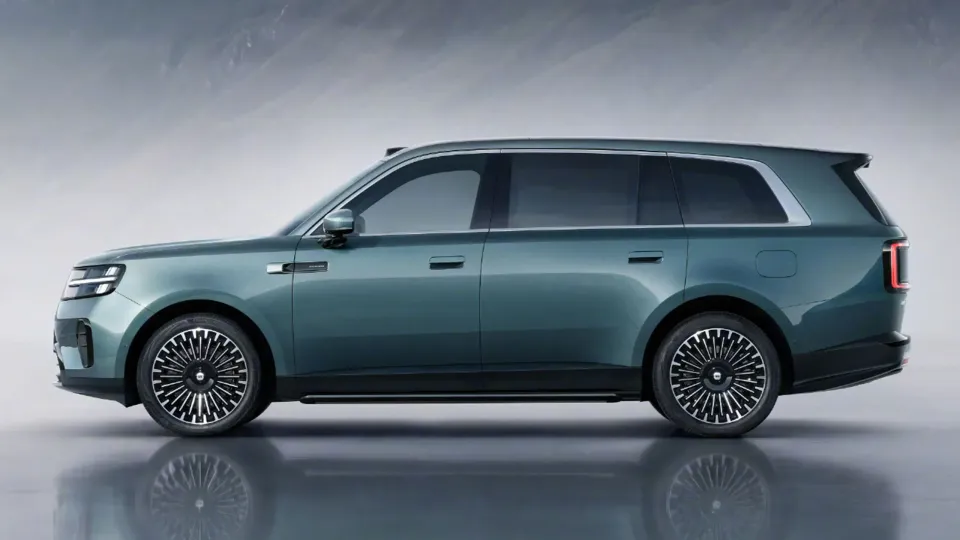
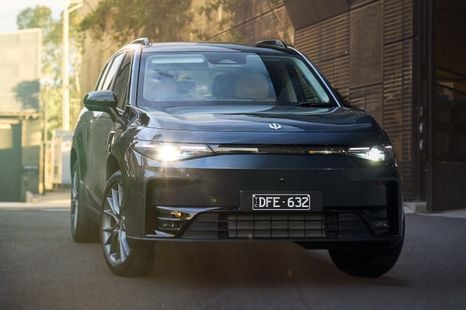
It has revealed its new Skynomad N70 and N90, both of which take Xiaomi in a new direction.
Under the skin, the two very similar-looking SUVs feature an extended-range electric (EREV) powertrain, combining a large battery pack and electric motors with a 1.5-litre petrol engine. The engine acts as a range extender, charging the battery instead of sending drive directly to the wheels.
What makes the new Skynomad pair particularly notable is that they feature batteries that are considerably larger than those usually featured in other EREVs or plug-in hybrids (PHEVs). The duo will be sold with either a 52kWh lithium iron phosphate (LFP) battery or a 76kWh nickel manganese cobalt (NMC) battery.
For comparison, Australia's best-selling EV – the Tesla Model Y – is offered with a 62.5kWh battery pack. The Toyota RAV4 PHEV, meanwhile, comes with a 22.7kWh battery pack.
According to Xiaomi, the N70 has a CLTC-rated range of 505km when equipped with the 76kWh battery, whilst the slightly larger N90’s range with the same flagship battery is rated at 464km.
Xiaomi doesn't quote a total overall range figure for the N70 or the N90, nor does it provide electric range figures for N70 and N90 models equipped with the smaller 52kWh battery. It’s also worth noting that the China Light Duty Vehicle (CLTC) range cycle is typically more generous with its estimates than the WLTP cycle often referenced for EVs and PHEVs sold Down Under.
Still, these range totals are considerable from a pair of cars that also come with an internal combustion engine. Given its specs, the Skynomad’s total range (ICE plus EV) should comfortably eclipse 1000km.
Xiaomi says that following the first scheduled oil change after 12 months (or 10,000km) of ownership, N70 and N90 owners will only need to get their oil changed every three years or 30,000km, whichever comes first.
While the N70 is a 5-seater, the N90 adds an extra row of seats in the back to become a 7-seater.
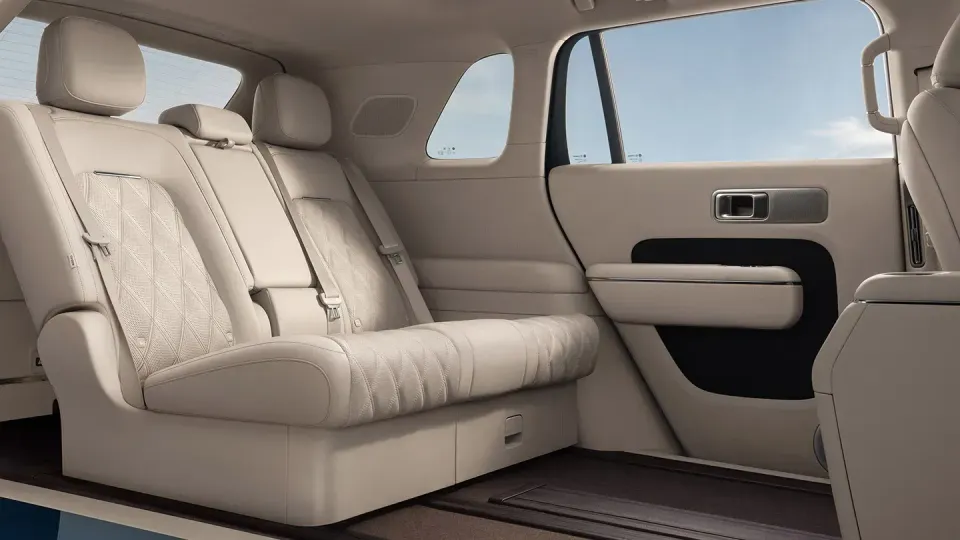
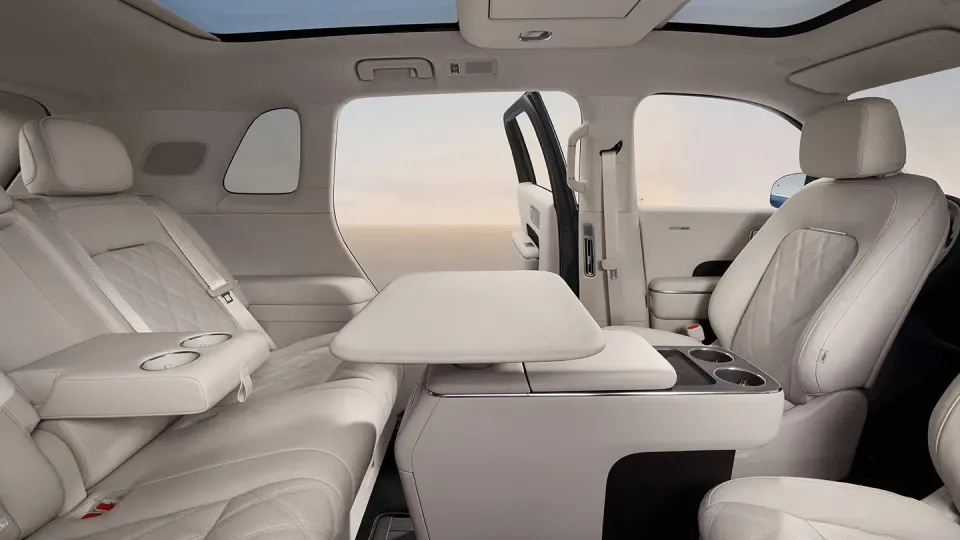
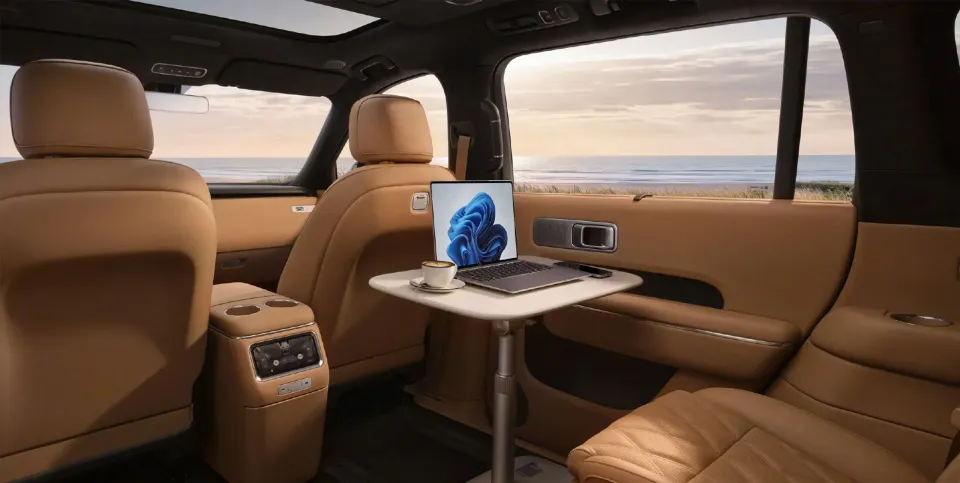
The brand boasts that its seating arrangement is very modular, with its two mid-mounted captain’s chairs capable of being unfolded into recliner chairs, or full-length foot rests for those in the third row.
The front seats can also be spun around to create a lounge-like layout with the second row – complete with a centre console that can be turned into a table.
The interior also features speakers in the headrests of each seat, optional screens in the roof and mounted in the seat backs for second-row occupants, dual sunroofs, and more.
Despite its mountains of tech and its Range Rover–like looks, the new Skynomad line-up is relatively affordable in its homeland. The 76kWh range starts at ¥259,900 (~A$54,800) for the N70, whilst the N90 Max is priced from ¥299,900 (~A$63,250).
Matthew Hansen
Editor
Matthew Hansen
Editor
Matthew Hansen co-founded motorsport outlet Velocity News, worked as a freelance photographer for various race teams, and was a specialist journalist for NZ Autocar Magazine and Driven at the NZ Herald. Most recently, he was Editor of Motoring at Stuff.co.nz.