





Alborz Fallah
EREVs easier, cheaper to repair than PHEVs, claims Chinese brand
Chery's iCaur brand, due here in 2027, says extended-range electric vehicles have key advantages over more common plug-in hybrids.
2 Hours Ago

Publisher
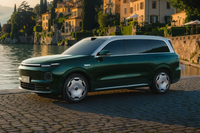
Chinese automakers are developing and replacing vehicles so quickly that overseas markets such as Australia may eventually receive only every second generation of some models.
Alternatively, a vehicle could remain on sale here while receiving selected technology from a newer Chinese-market model through software updates and mid-life changes.
Leapmotor says the industry needs to decide how export markets will keep pace with Chinese vehicle-development cycles that are becoming increasingly short.
Speaking with media, including CarExpert, at the international launch of the Leapmotor B03X in Spain, Leapmotor International’s global head of brand strategy, product and marketing, Francesco Giacalone, said the average Chinese model cycle had fallen to around three and a half years.
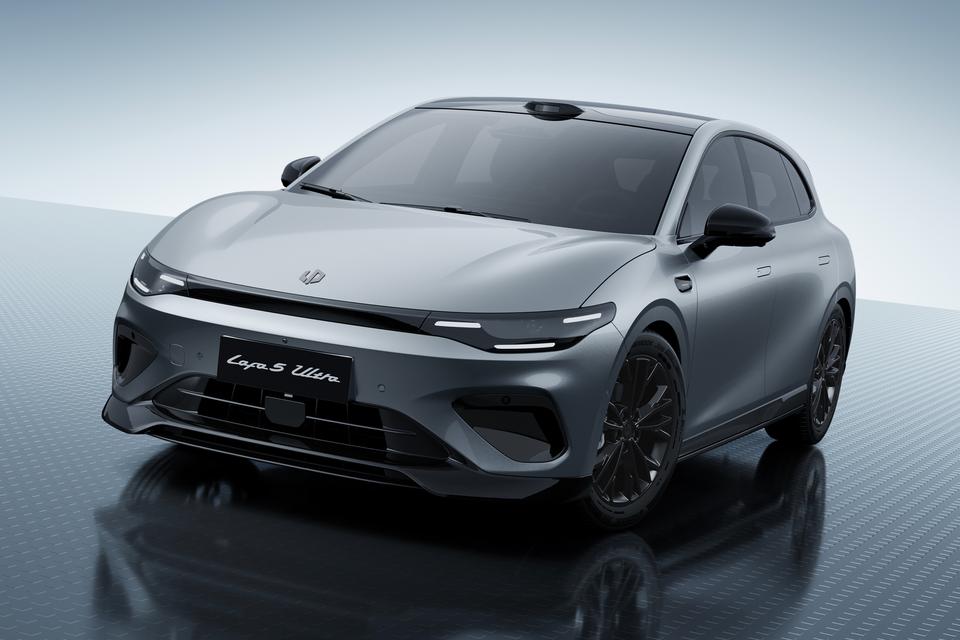
“So right now, the average in China is three and a half years,” said Mr Giacalone.
“So three and a half years, full model change, technology change, architecture change, and so on.”
That doesn't mean every Chinese vehicle is replaced after exactly three and a half years, but it illustrates the speed at which the country’s industry is moving.
Preparing those vehicles for markets outside China can add another eight to 12 months, according to Mr Giacalone.
That work can include local certification, software changes, different equipment, chassis development, dealer preparation, and the establishment of parts and servicing support.
By the time an export version has been introduced, the manufacturer may already be preparing or announcing its replacement in China.
Leapmotor’s own international launch program demonstrates how quickly its product pipeline is moving.
Mr Giacalone said the company had become accustomed to staging an international launch approximately every three months, and remained on schedule with its previously announced plan to introduce six global models over two years.
That pace includes expansion into new vehicle segments rather than six direct model replacements, but it creates the same challenge for the company’s international operation as cars need to be adapted and launched before the next wave of products arrives.
Mr Giacalone raised several ways Chinese automakers could deal with the problem.
One would be to introduce one global generation for every two generations sold in China, selecting the most relevant technology for international customers.
Another would be to keep an export vehicle on sale for longer, while incorporating technology from a newer Chinese model into a substantial mid-life update.
However, the company’s ability to update vehicles quickly through software could allow it to keep export models fresher without waiting for a traditional facelift or full model replacement.
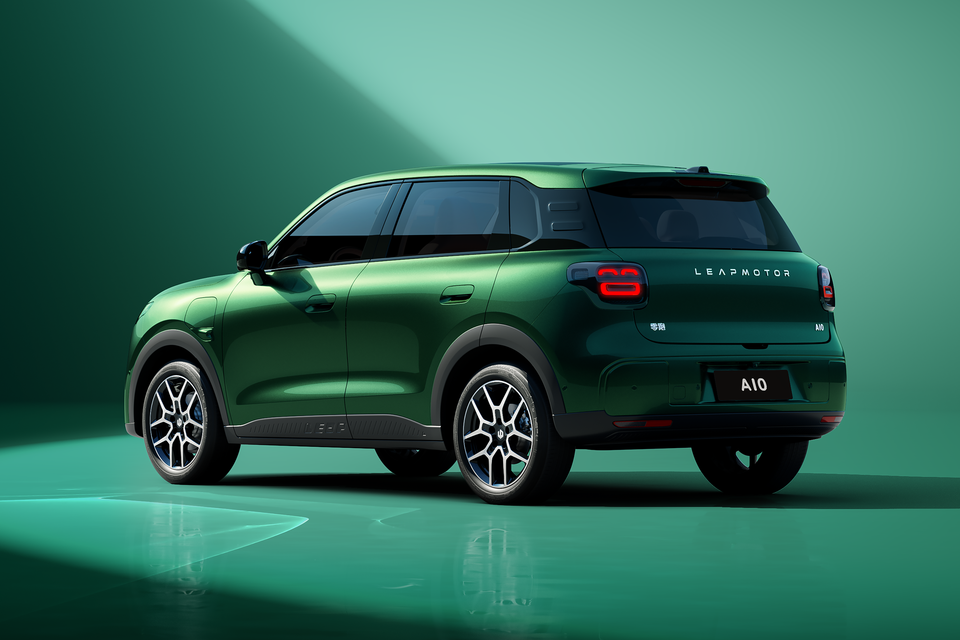
“We test the car, we get your feedback, we change it,” said Mr Giacalone during the B03X presentation.
He said Leapmotor could revise some areas of a vehicle’s software within weeks, including steering and other electronic control parameters.
Australian Leapmotor owners have already seen an example of this approach.
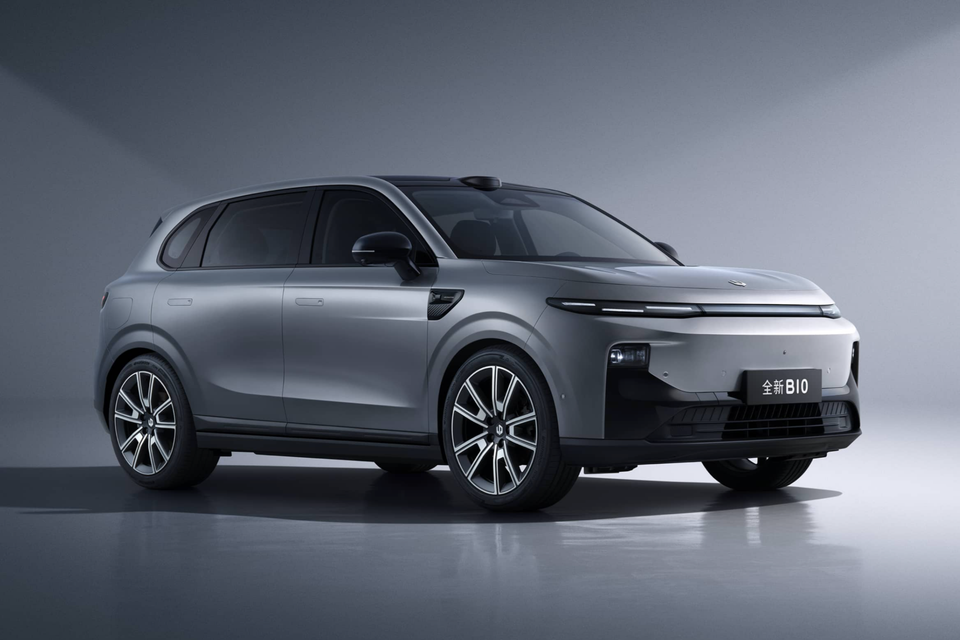
An over-the-air update issued for the B10 in February added wireless Apple CarPlay and Android Auto, one-pedal driving, and changes intended to improve the behaviour of its driver-assistance systems.
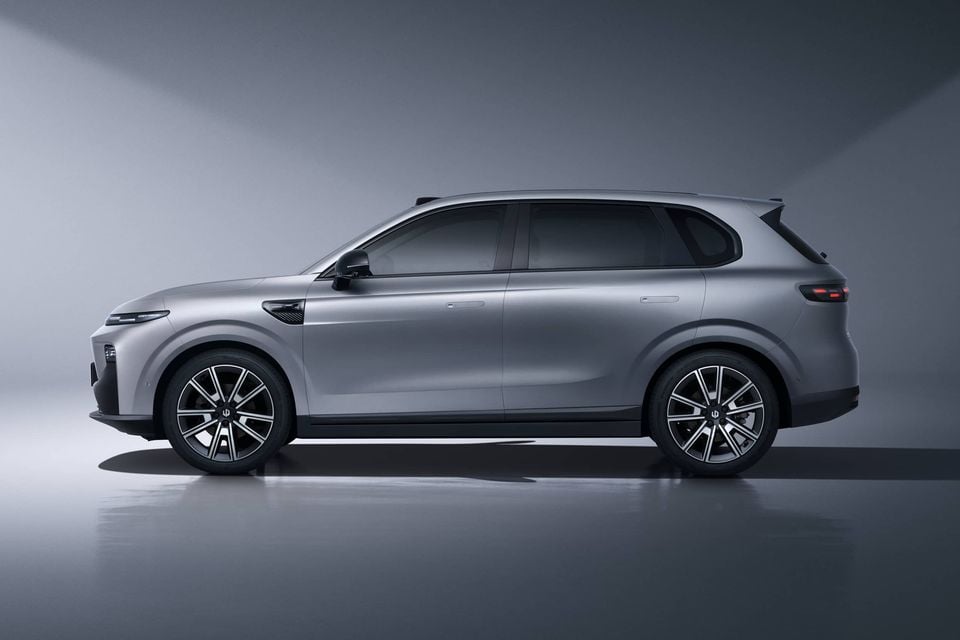
Software updates can alter features, interfaces, motor response, steering weighting, and some driver-assistance calibrations, but they cannot deliver every improvement found in a new-generation vehicle.
The updated Chinese-market B10 demonstrates the difference.
It has received larger battery packs, more powerful electric motors, an 800-volt electrical architecture on higher grades, quicker DC charging, and substantially upgraded cabin displays.
None of those hardware changes had been confirmed for the Australian B10 when they were detailed in July.
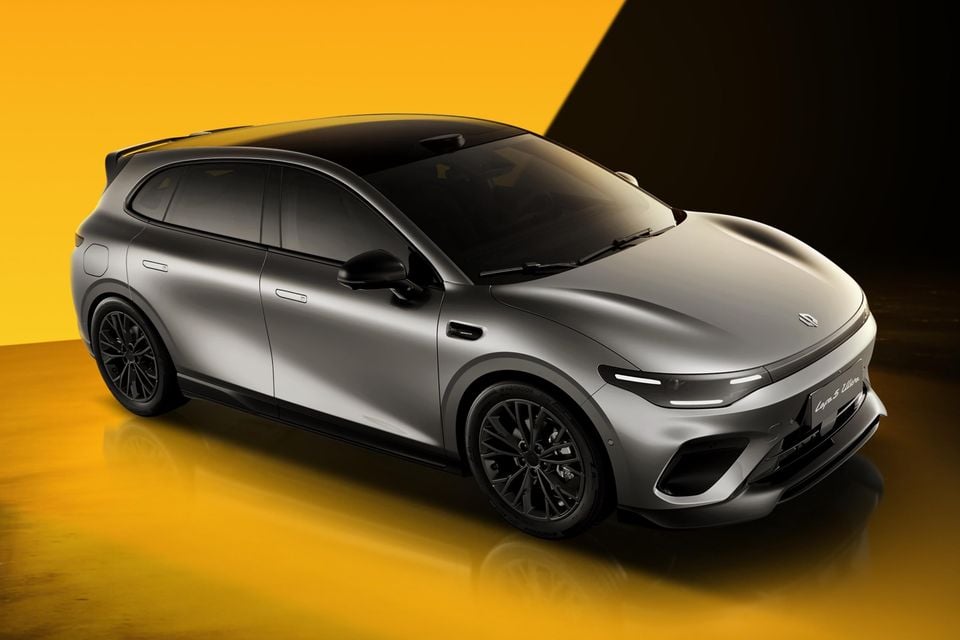
That leaves automakers deciding which changes can be delivered through software, which can form part of a mid-life update, and which require a completely new export model.
The time needed to prepare an international vehicle isn't necessarily wasted, either.
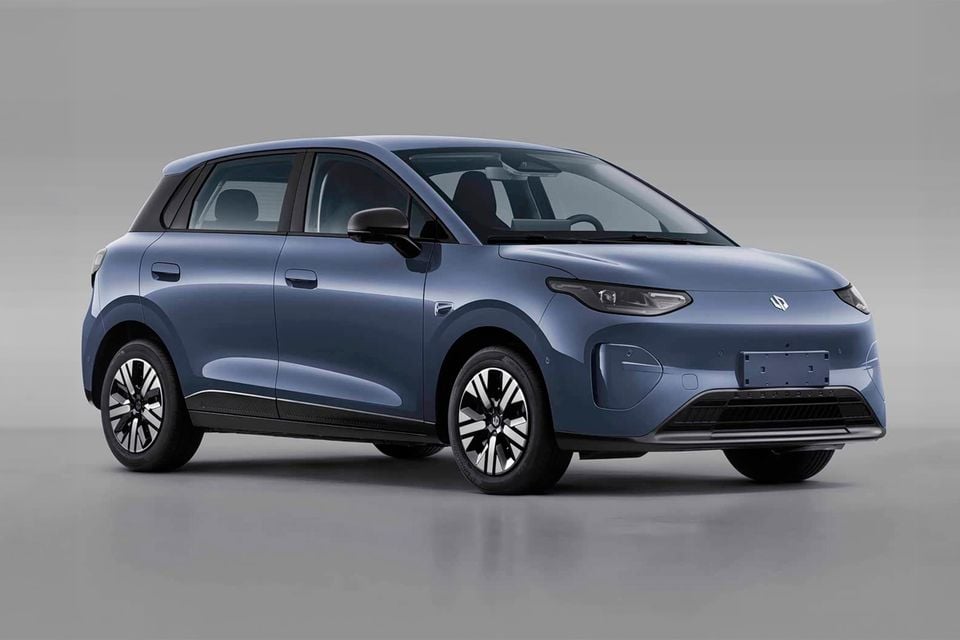
Leapmotor has previously told CarExpert it tested three different suspension setups for the export-market B03X before choosing the final specification with input from Stellantis engineers, quality teams, and customer clinics.
Changes made to the B05 electric hatch were more extensive, including physical revisions to its rear suspension mounting points.
Leapmotor says it's now trying to conduct this international vehicle-dynamics assessment systematically before each new export model enters production.
The result can therefore be a vehicle that reaches Australia later than its Chinese counterpart, but is better suited to local expectations than a direct copy of the domestic version.
There's also no guarantee a manufacturer will replace a model simply because it has reached a particular age.
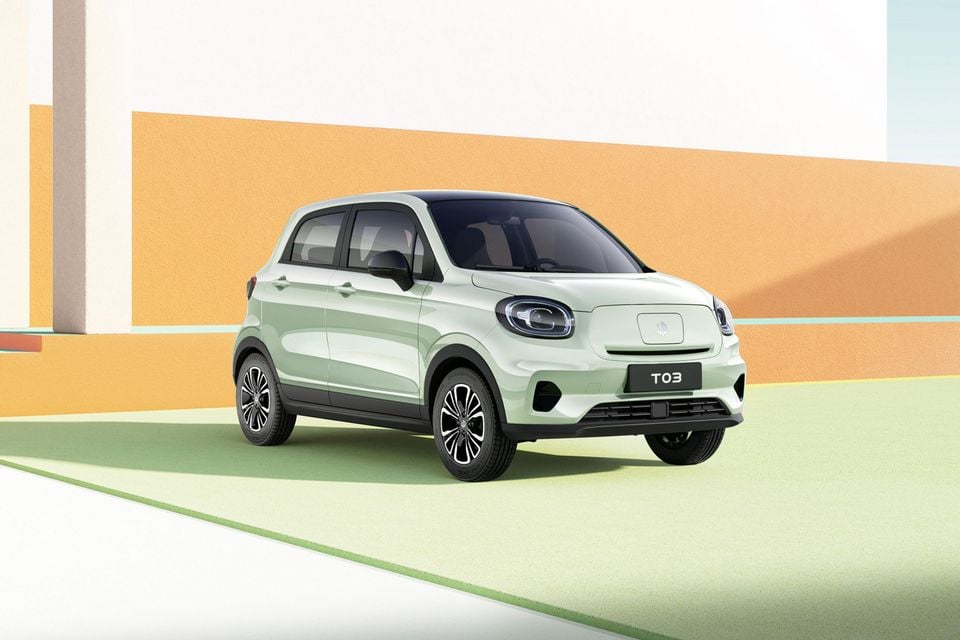
Mr Giacalone pointed to the T03 electric city car, which began life as a 2019 project. Leapmotor had expected it to have reached the end of its commercial life by now, but continued demand meant there was little reason to discontinue it immediately.
That means the eventual approach may differ from model to model.

A China-focused product with strong domestic sales could continue to follow that market’s rapid cycle. A vehicle developed mainly for Europe could remain on sale longer, while an export model serving several regions may receive a mixture of software improvements, equipment changes, and full replacements.
For Australian buyers, it means the reveal of a new model in China won't always indicate an imminent local replacement.
It also means an existing vehicle may continue to improve after purchase.
The B03X itself is expected to reach Australia after appearing in Australian Government certification documents, with two battery and motor configurations approved locally. Leapmotor Australia has not yet formally confirmed its final pricing, equipment, or launch date, but we suspect they will start from around $30,000.
Research cars in our Showroom, compare your options or let our New Car Specialists do the running around to find you a great deal.
Alborz Fallah is a CarExpert co-founder and industry leader shaping digital automotive media with a unique mix of tech and car expertise.
Alborz Fallah
2 Hours Ago

Alborz Fallah
2 Hours Ago

Alborz Fallah
3 Hours Ago
Alborz Fallah
4 Hours Ago

Ben Zachariah
6 Hours Ago

Ben Zachariah
6 Hours Ago
Add CarExpert as a Preferred Source on Google so your search results prioritise writing by actual experts, not AI.