Volkswagen CEO wants Europe to tariff Chinese plug-in hybrids immediately
Volkswagen says Europe is running out of time to respond to the rapid rise of Chinese plug-in hybrids, with Chinese brands now accounting for more than a quarter of the region's PHEV market.
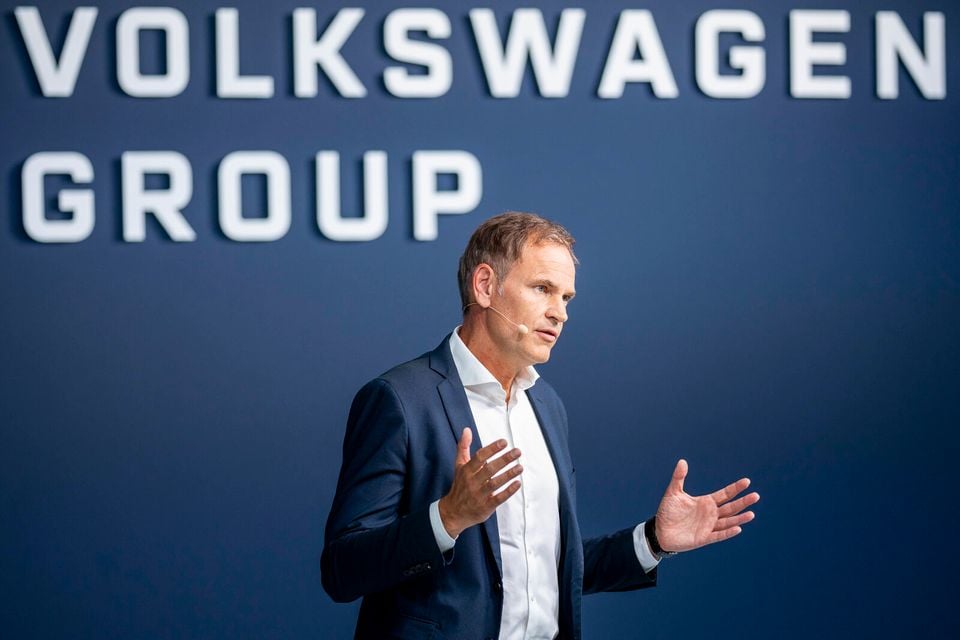
Volkswagen Group CEO Oliver Blume has called on the European Union to quickly impose tariffs on Chinese plug-in hybrid vehicles (PHEVs), arguing they're rapidly taking market share from established European brands while avoiding the higher import duties already applied to Chinese electric vehicles.
Speaking during the company's first-half earnings call, Mr Blume said the EU needed to act quickly.
"We have no time to lose," he said.
He argued the current tariff regime has restored competitiveness for electric vehicles (EVs), but leaves plug-in hybrids at a significant advantage.
"The regulations on BEVs are working. There we are competitive in terms of pricing. Where it's not working is with the plug-in hybrids."
Mr Blume's comments come as Chinese automakers have rapidly expanded their presence in Europe's plug-in hybrid segment.
According to market analyst Dataforce, Chinese brands accounted for 28.3 per cent of European PHEV sales during the first six months of 2026, delivering 208,368 vehicles.
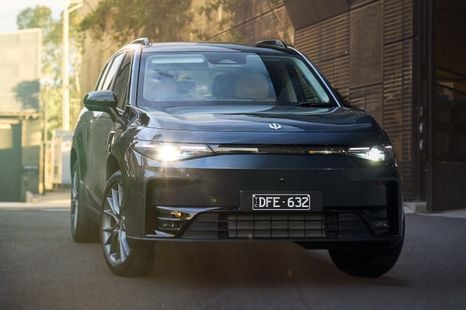
Chinese brands dominated the segment, with the BYD Seal U (sold as the Sealion 6 in Australia), BYD Atto 2, and Jaecoo J7 claiming the top three spots. Last year's best-selling plug-in hybrid, the Volkswagen Tiguan, slipped to fourth.
Overall, Chinese brands sold 685,990 vehicles across Europe during the first half of the year – up 101 per cent – increasing their market share from 5.0 per cent to 9.5 per cent.
Mr Blume said Chinese manufacturers were increasingly relying on exports as competition intensified in their domestic market.
"Chinese competitors have the pressure in their home market and export is their only opportunity to be successful," he said.
The European Union already applies additional tariffs of up to35 per cent, on top of the standard 10 per cent import duty, to Chinese-built electric vehicles following an anti-subsidy investigation.
However, those measures don't currently apply to plug-in hybrids. According to reports published last month, the EU is considering extending similar tariffs to Chinese-built PHEVs, a move Mr Blume says would create a more level playing field for European manufacturers.
Plug-in hybrids have become increasingly important in Europe because they help manufacturers meet increasingly strict fleet CO2 emissions targets while also qualifying for incentives in several markets.
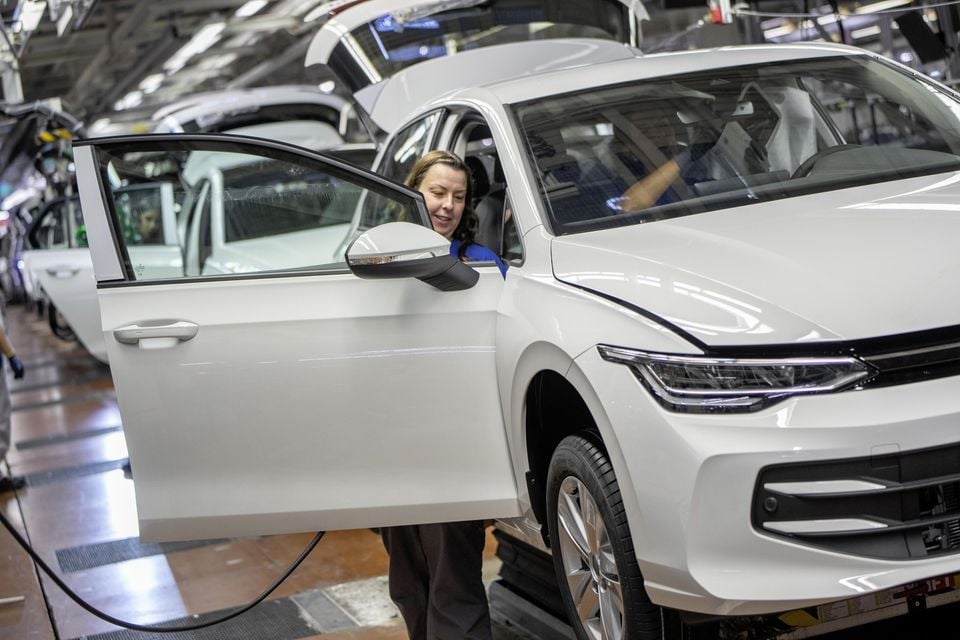
Mr Blume's comments come as Volkswagen undertakes one of the biggest restructures in its history.
Earlier this month the German automaker confirmed a 12-point turnaround plan that includes halving its model lineup, reducing annual production capacity from 10 million to nine million vehicles, and simplifying vehicle variants by 75 per cent.
Reports have also suggested Volkswagen is seeking to eliminate another 100,000 jobs globally, although proposals to close four German factories have reportedly been rejected by the company's supervisory board.
Mr Blume has also called for broader 'Made in Europe' industrial policies, including local content requirements, manufacturing incentives, and government support aimed at strengthening European automotive production and reducing reliance on imported vehicles.
Despite advocating stronger protection for European manufacturing, Mr Blume said Volkswagen could still import some Chinese-built Volkswagen models into Europe if it made commercial sense.
However, he ruled out allowing Chinese manufacturers to use Volkswagen's under-utilised European factories, unlike rivals Stellantis and Ford, which have entered into manufacturing partnerships with Chinese brands.