




Alborz Fallah
EREVs easier, cheaper to repair than PHEVs, claims Chinese brand
Chery's iCaur brand, due here in 2027, says extended-range electric vehicles have key advantages over more common plug-in hybrids.
2 Hours Ago
Jaguar Land Rover has announced plans to slash jobs and cut costs, but the British government said it won’t spend taxpayer funds on a bailout.

Deputy News Editor
Deputy News Editor
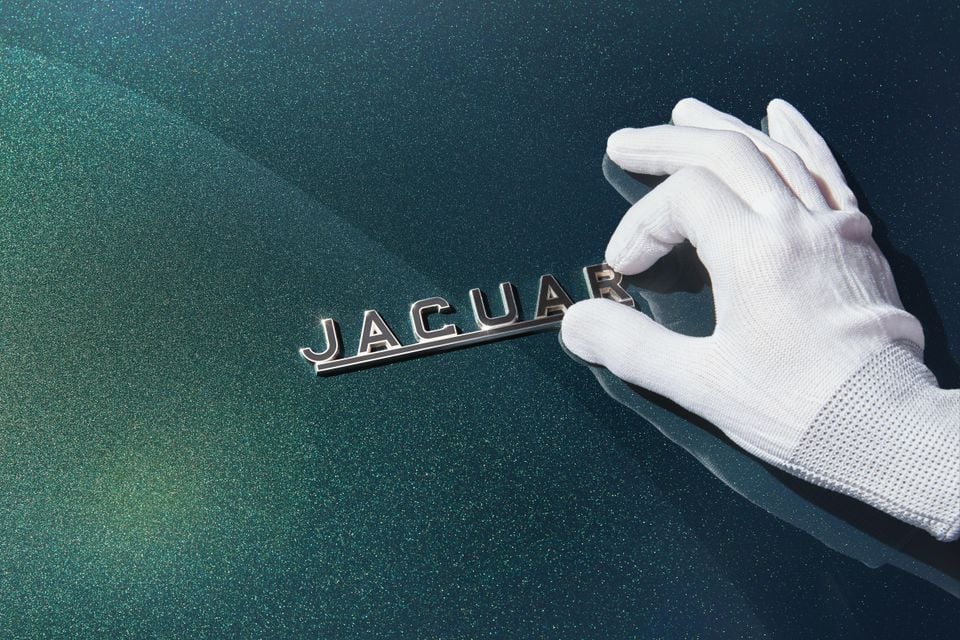
The UK government has said it won't use British taxpayers’ funds to prevent job cuts at Jaguar Land Rover (JLR), after the automaker revealed plans to cut a reported 4000 jobs from its 34,000-strong UK workforce.
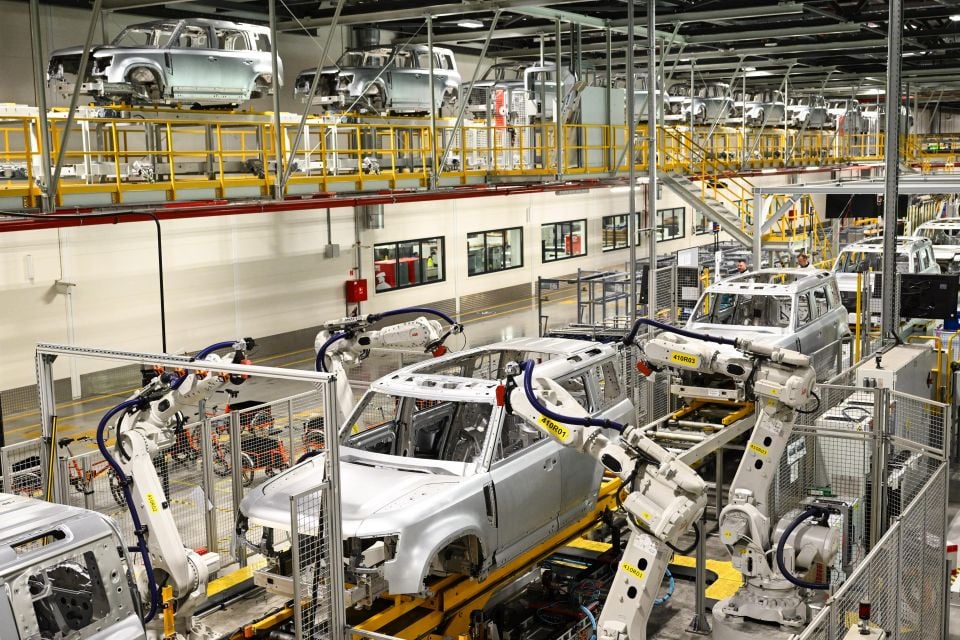
JLR told its UK employees last week it had launched a voluntary redundancy program, which The Times said could result in as many as 4000 job losses as the company looks to save £1.7 billion (A$3.19 billion) over the next two years.
It follows a £1.5 billion (A$2.82 billion) British government-backed loan guarantee granted to JLR in September 2025, with the company also securing a further £2 billion (A$3.76 billion) bridge facility to help cover its short-term funding needs as it grappled with significant losses.
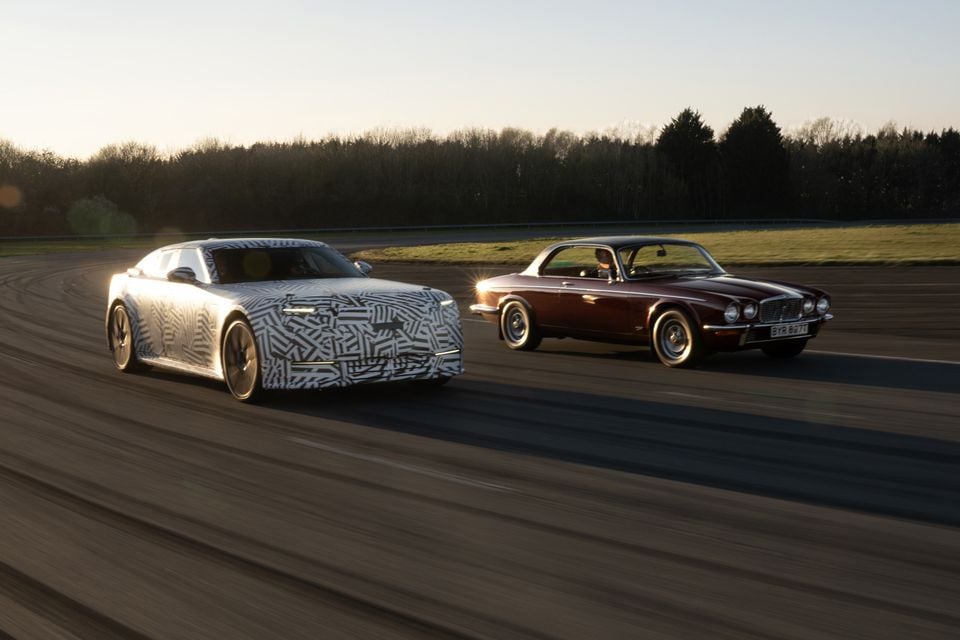
This also comes ahead of plans to unveil the first new Jaguar in more than two years, the Jaguar Type 01, in New York on October 6, 2026, as Jaguar reinvents itself as a more upmarket electric vehicle (EV) brand.
According to the BBC, UK business secretary Jonathan Reynolds said the government wouldn't use taxpayer funds to prop up the automaker, saying it's not his role to “intervene and run businesses”.
“A company the size of JLR, which is a huge British success story, at various times in its business cycle, the number of, directly, people it employs will change,” Mr Reynolds told the BBC.
“If this is about making sure over time that the workforce is right to make the business as competitive as possible, that's the conversation we need to have.”
The business secretary told the BBC he was scheduled to meet with JLR on Tuesday, September 8, to discuss ways to “mitigate any job losses”, but said there would not be a government bailout.
One measure, according to The Guardian, could be to water down the current UK government target for 80 per cent of new-car sales to be zero-emission vehicles by 2030, with Mr Reynolds yet to rule out changes to the goal.
It follows the European Commission proposing to replace a previous mandate requiring manufacturers to sell only zero-emission vehicles by 2035 with a 90 per cent target, enabling automakers to continue offering some hybrids.
While based in Coventry in the English Midlands, JLR has been owned by Indian industrial giant Tata since 2008, after it was sold by Ford Motor Company.
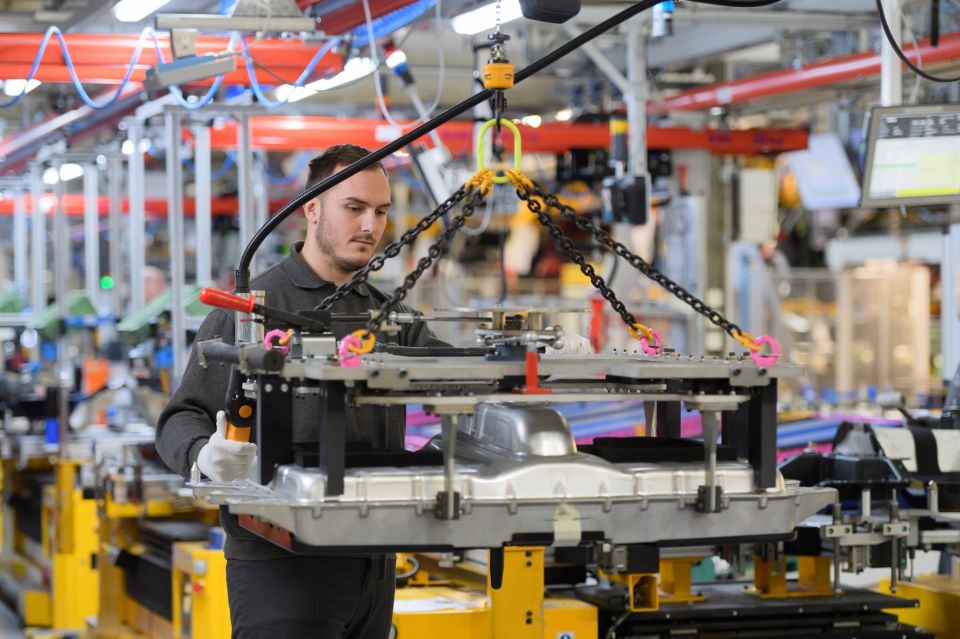
JLR was the target of a devastating cyber-attack 12 months ago, which halted production at several of its factories globally for around a month. The stoppage caused by the attack cost the company an estimated £50 million (A$93.88 million) a week and disrupted the broader UK supply chain.
The automaker was also affected by changing US import tariffs, which prompted JLR to pause exports to the US. North America is JLR's largest region, with the US alone accounting for 22 per cent of its global sales in 2025.
After posting a £1.8 billion (A$3.4bn) after-tax profit the previous financial year, JLR recorded a significant £244 million (A$458 million) loss in the 2025–26 financial year, which ended on March 31, 2026, citing the impact of the cyber-attack, US tariffs and the reinvention of the Jaguar brand.
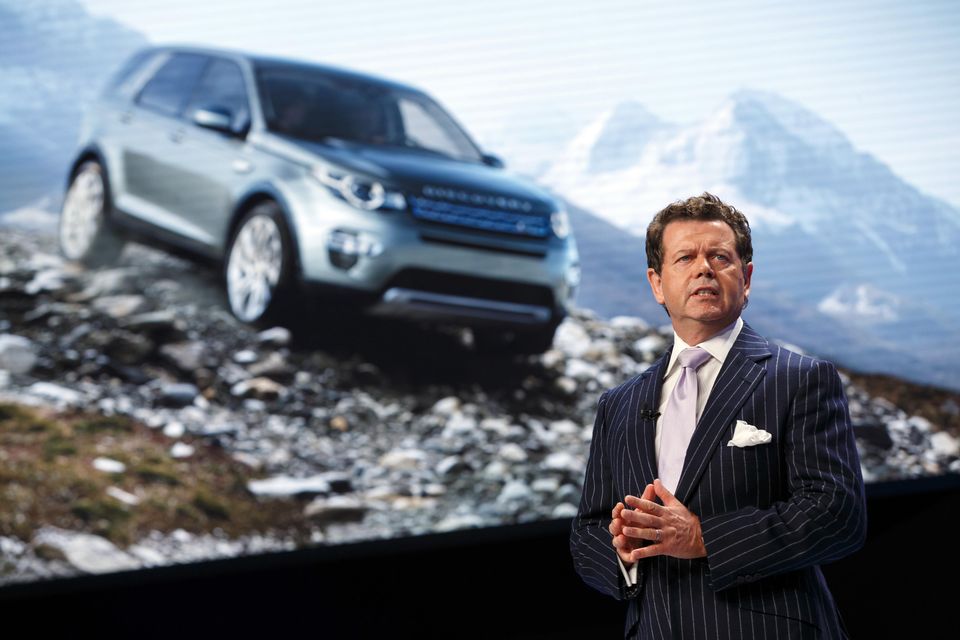
It also saw the controversial exit – and repeated denials before final confirmation – of longstanding designer Gerry McGovern, who had been responsible for the reborn Defender and multiple generations of Discovery and Range Rover models.
JLR isn't alone in planning to reduce its workforce, with fellow British brand Lotus, which is part of China’s Geely, cutting 550 jobs last year.
Last week, the Volkswagen Group – which includes Audi, Skoda, Cupra, Lamborghini, Bentley, Porsche and Volkswagen – made headlines after its board approved the biggest restructure in its 89-year history, including 100,000 job losses.
That followed BMW board approval to slash 8000 jobs by the end of 2027, while Mercedes-Benz shed around 5500 workers through a voluntary redundancy program that ran from April 2025 to March 31, 2026.
MORE: Explore the Jaguar showroom
MORE: Explore the Land Rover showroom
Damion Smy is an award-winning motoring journalist with global editorial experience at Car, Auto Express, and Wheels.
Alborz Fallah
2 Hours Ago
Alborz Fallah
2 Hours Ago
Alborz Fallah
3 Hours Ago
Alborz Fallah
4 Hours Ago

Ben Zachariah
6 Hours Ago

Ben Zachariah
6 Hours Ago
Add CarExpert as a Preferred Source on Google so your search results prioritise writing by actual experts, not AI.