




Elle Baillieu
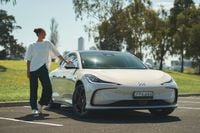
The IM5 offers serious value for money
SPONSORED: Why the IM5 electric sedan from IM Motors is a must-drive if you’re in the market for a Tesla Model 3 or BYD Seal.
1 Hour Ago
The Chinese EV giant says local production is possible, but only after it focuses on growing sales and meeting customer demand.

Deputy News Editor
Deputy News Editor
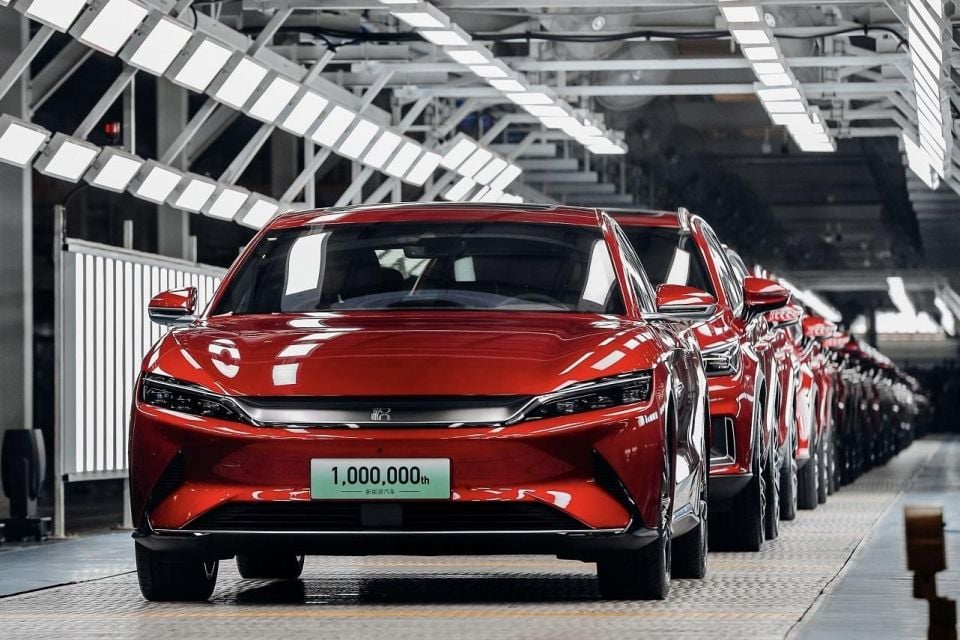
Chinese automaker BYD has said it's open to producing components or potentially complete vehicles in Australia, following comments made by Prime Minister Anthony Albanese.
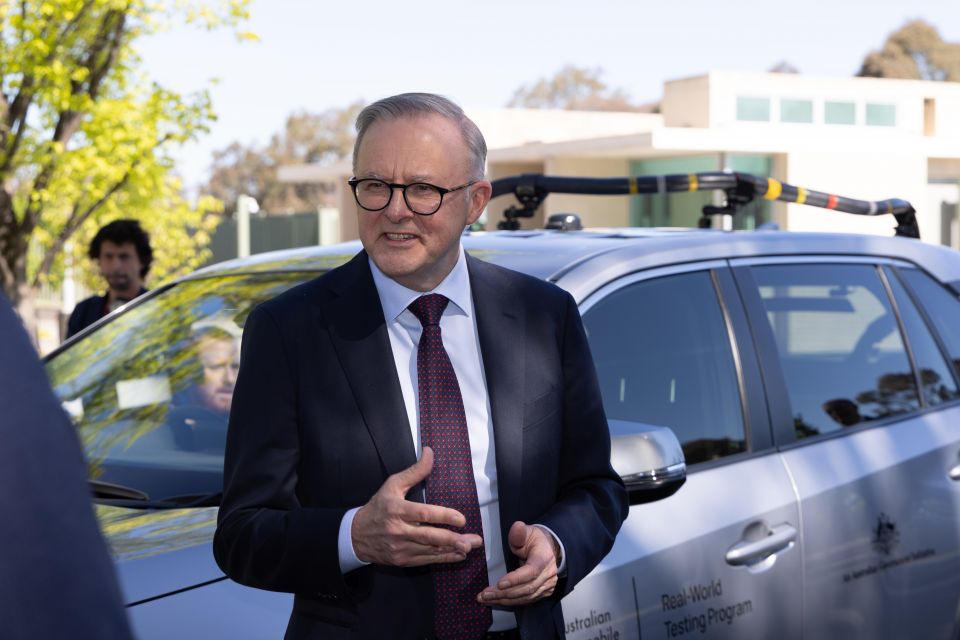
At an event during Australian Made Week last month, the Prime Minister suggested advances in technology accompanying the global rise of electric vehicles (EVs) could provide an opportunity for Australia to reboot its automotive manufacturing industry.
Speaking at an official media event in Melbourne, BYD vice president Liu Xueliang was asked whether the Chinese brand had spoken with the Australian government about such a move.
“Not in the plan yet … maybe our priority will be sales volume, and fulfilling customer needs first, but – BYD is very open, so anything is possible,” Mr Liu said.
BYD is uniquely placed for this conversation, given its high level of vertical integration – an approach pioneered by Ford in the early 1900s whereby a manufacturer owns as much of the supply chain as possible to control costs.
The Chinese company was founded in 1995 as a battery manufacturer before moving into vehicle production in 2003.
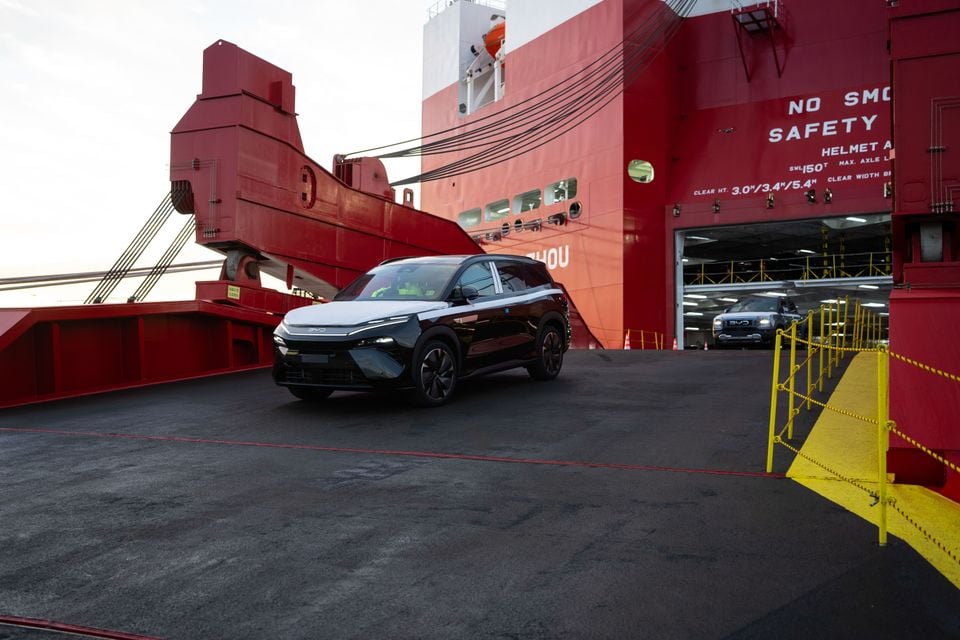
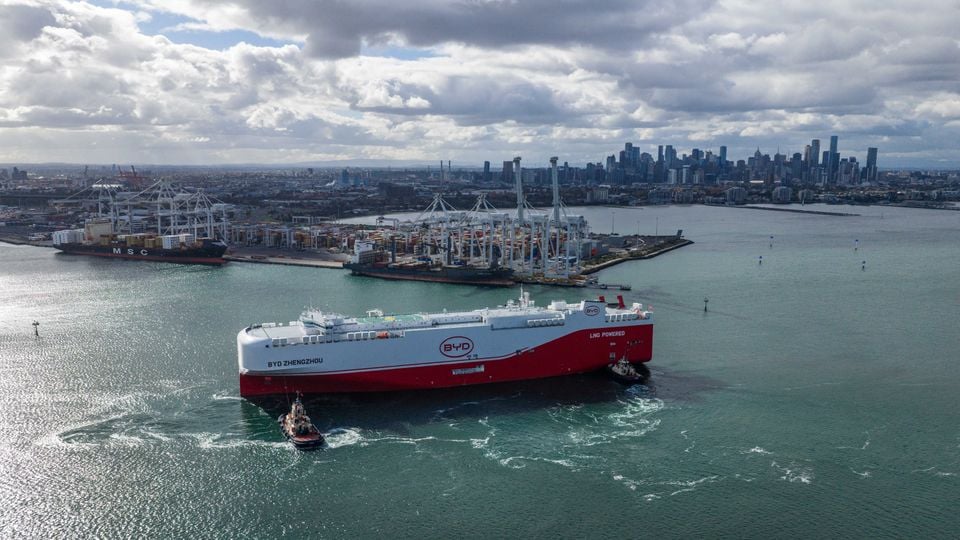
Mr Liu was speaking at Port Melbourne, where the Zhengzhou – one of eight vessels operated by BYD – had begun unloading 4309 vehicles shipped from Shanghai.
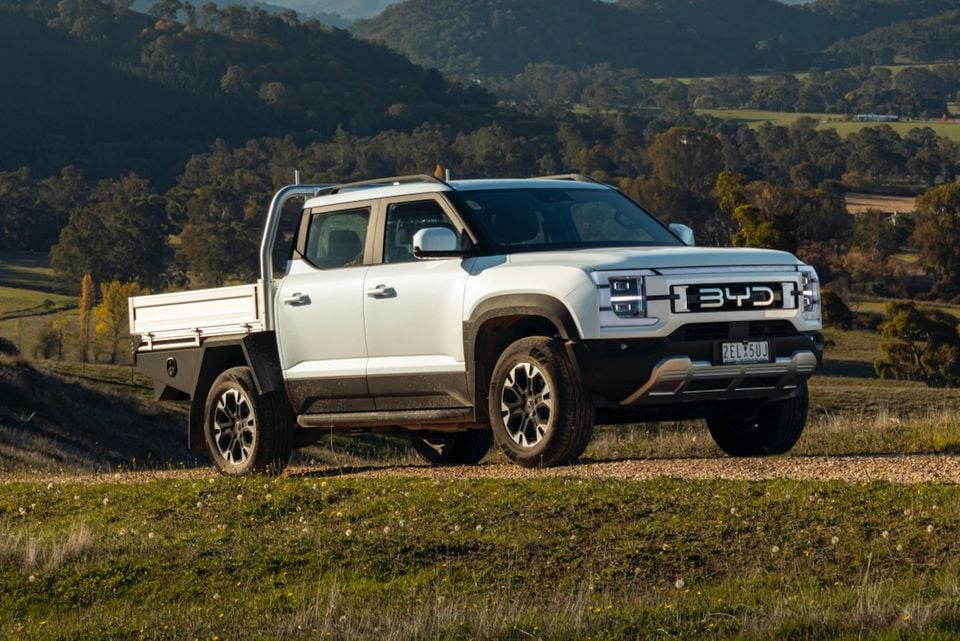
“You’ve seen the [BYD] energy storage system, but in the future, not just passenger vehicles – we’re bringing more commercial vehicles,” Mr Liu said.
“Because I see it is a really hard time for a lot of commercial vehicle owners because the diesel price has skyrocketed.”
BYD, which surged to second place in Australia in April behind only Toyota, has a large manufacturing footprint beyond its significant Chinese operations, with plans for multiple production facilities in Europe.
It already operates facilities in Thailand, Brazil and Uzbekistan and, while Chinese brands are not yet permitted to sell passenger vehicles in the United States, BYD also has a battery plant in California.
The key difference between those markets and Australia is the lack of trade barriers – namely tariffs – between China and Australia.
Tariffs were used to support Australia's vehicle manufacturing industry until they were wound back during the 2010s and replaced by free trade agreements (FTAs).
Australia and China have had an FTA in place since 2015, following announcements that Australian vehicle manufacturing plants would close, with Ford ending local production in 2016 before Holden and Toyota followed in 2017.
As a result, Chinese vehicles attract no tariffs or import duties, as is also the case for vehicles imported from Japan and Thailand, among other nations with which Australia has FTAs.
The prospect of Australian vehicle manufacturing was also raised by BYD rival Chery at the 2026 Beijing motor show in May.
Speaking to local media, including CarExpert, Chery International president Zhang Guibing said: “Australia has too many car manufacturers, because based on the market size, I think they should have one factory or some different factories. But I think, today ... most of the factories, later they are dismembered.”
“[From] Time to time, our chairman has also asked me to lead the thinking if it is possible we can make the factory return back again or something.”
MORE: Explore the BYD showroom
Damion Smy is an award-winning motoring journalist with global editorial experience at Car, Auto Express, and Wheels.
Elle Baillieu
1 Hour Ago

Derek Fung
2 Hours Ago
Damion Smy
8 Hours Ago

James Wong
21 Hours Ago
Damion Smy
21 Hours Ago
Damion Smy
23 Hours Ago
Add CarExpert as a Preferred Source on Google so your search results prioritise writing by actual experts, not AI.