






Ben Zachariah
2027 BMW i3: Electric 3 Series to deliver solid performance and driving range
BMW’s all-new electric 3 Series will be sandwiched between two petrol variants, with the i3 50xDrive offering more than 900km of range.
6 Hours Ago
New research shows road trauma is rising in Australia despite more driver-assist tech, finding almost two-thirds of drivers switch off ‘annoying’ or ‘untrustworthy’ safety systems.

Deputy News Editor

Deputy News Editor
Nearly 8000 injuries and deaths on Australian roads could be prevented each year if drivers didn’t switch off ‘annoying’ or ‘untrustworthy’ driver assistance systems, according to new research.
The study by the Queensland University of Technology (QUT) and Insurance Australia Group (IAG), using surveys, collision and driver data, found road trauma is increasing despite advanced driver assistance systems (ADAS) now being widespread in new passenger vehicles.
The IAG Driving Safer Outcomes Report also concluded such ADAS features proved effective in reducing injuries and deaths in road collisions, but 60 per cent of Australian drivers regularly switch off features they find annoying, intrusive or untrustworthy.
It follows a survey of 2007 drivers by insurance company AAMI in 2025, in which almost one in five motorists admitted to turning ADAS off in their vehicle, despite 59 per cent agreeing the tech improved road safety.
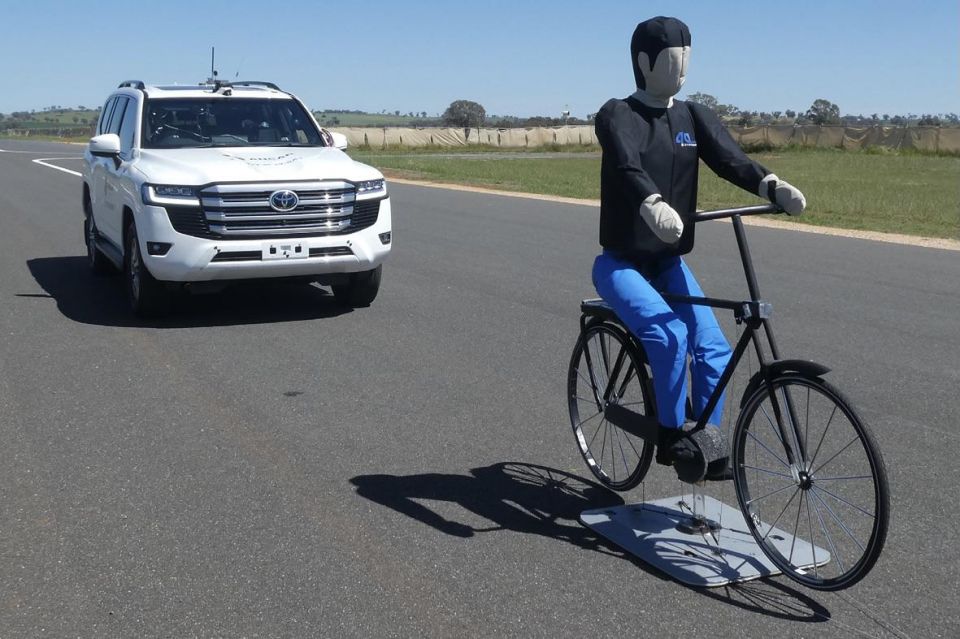
“In a modernising vehicle fleet with driver-assist safety features as standard, we would expect to see a positive correlation in reduced accident and casualty rates,” the head of the IAG Research Centre, Shawn Ticehurst, said in a statement.
“But that's not happening, and it needs to change if we want to see fewer accidents.”
In the 12 months to July 31, 2026, the national road toll increased 0.9 per cent to 1326 people, according to the National Road Safety Data Hub.
This followed Australia’s 2025 road toll reaching 1323 people compared with 1097 in 2020, with the number of road deaths per 100,000 people climbing to 4.8 compared with 4.3 five years earlier.

The number of casualties on our roads could be lowered simply by drivers leaving such systems on, Mr Ticehurst added.
“We believe full uptake of driver-assist systems in Australia has the potential to prevent 20 per cent of road casualties each year.”
This would equate to a reduction of 7850 casualties from the current 40,000 annually, according to the report.
It would also support the National Road Safety Strategy 2021-30, which has a goal of reducing the number of serious injuries to 29,000 by the end of this decade, and lowering the number of deaths per 100,000 people to below 2.0, less than half the current 4.8.

The strategy also aims to halve the 2018-20 three-year average road toll of 1142 to 571 over the same period.
ADAS features made mandatory on new vehicles sold in Australia include car-to-car AEB (autonomous emergency braking) and car-to-pedestrian AEB, with emergency lane-keeping systems to become mandatory for new models from March 2028 and all applicable new vehicles from March 2029.
The report said one in four vehicles on Australian roads with the technology were sold in the past five years, meaning they include features such as AEB, with many also including other systems such as lane-keep assist (LKA), blind-spot monitoring (BSM) and rear cross-traffic alert (RCTA).
“The crash data analysis undertaken by QUT looked at 100,000 vehicle collisions on Australian roads and found every single driver-assist system significantly reduces the crash type it's designed to prevent,” Mr Ticehurst said.

The largest reductions observed were up to 40 per cent for sideswipes, up to 21 per cent fewer head-on collisions, and as much as a 15 per cent reduction in lane-change accidents.
Yet Australian drivers’ frustration and mistrust of ADAS means more effort, both in terms of design and functionality, is needed to realise the real-world benefits.
“Lane Keeping Assist (LKA) has the potential to deliver significant safety benefits, potentially preventing 40 per cent of sideswipe collisions,” Mr Ticehurst said.
“We found it also generated the most negative feedback from our field-study participants who consistently found it frustrating, annoying, and the most likely to be actively switched off.”
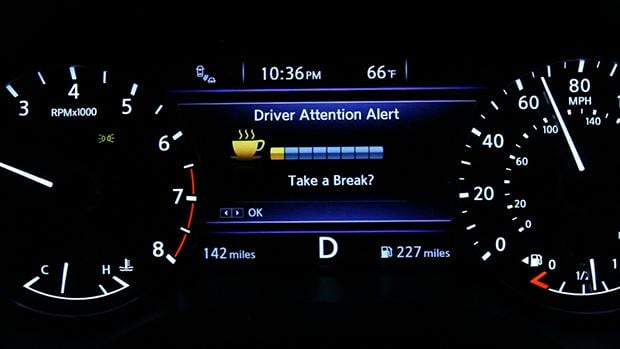
Motorists were most likely to switch off ADAS when their vehicle steered or braked violently, or when persistent warnings and false alerts became tiresome. Around 45 per cent of respondents said ADAS could be distracting, with 17 per cent saying it made driving more difficult.
The study also revealed many motorists would benefit from more instruction on how best to use the systems, with 80 per cent of respondents saying they learned how these systems work through trial and error.
It said experience of reliable systems is what will build trust, improving effectiveness and in turn reducing casualties and deaths.
“Collaboration between vehicle manufacturers, governments, driver educators and motorists will be critical to increasing the ongoing use of ADAS technologies and unlocking their full potential to reduce collisions and ultimately, to save lives on Australian roads.”
Damion Smy is an award-winning motoring journalist with global editorial experience at Car, Auto Express, and Wheels.
Ben Zachariah
6 Hours Ago


James Wong
7 Hours Ago

Damion Smy
8 Hours Ago

James Wong
11 Hours Ago


Gautam Sharma
11 Hours Ago

Damion Smy
11 Hours Ago
Add CarExpert as a Preferred Source on Google so your search results prioritise writing by actual experts, not AI.