




Dave Kavermann
BMW celebrates one million M cars as petrol and EV M3s prepare to coexist
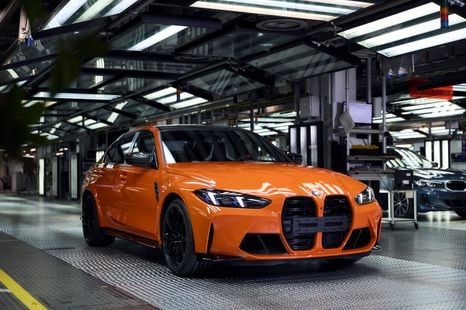
BMW has built its one-millionth M car, marking a major milestone for its performance division as it prepares to enter the electric era.
10 Seconds Ago
‘We build excitement’ was the slogan for the hottest Holdens on sale in the 1980s, but with no Brock, no Commodore and no Holden, what should a reborn HDT road car look like today?

Deputy News Editor
Deputy News Editor
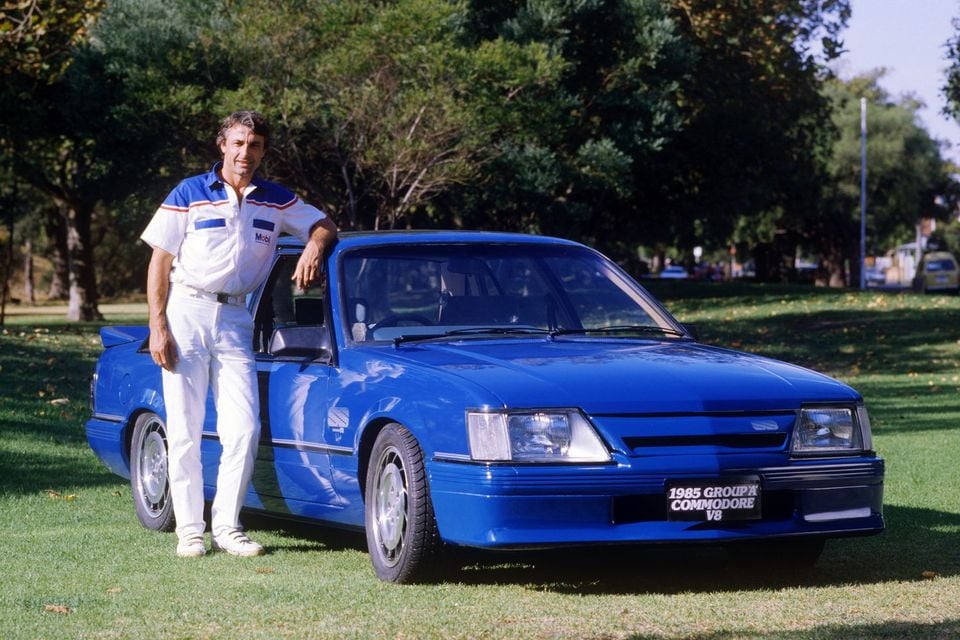
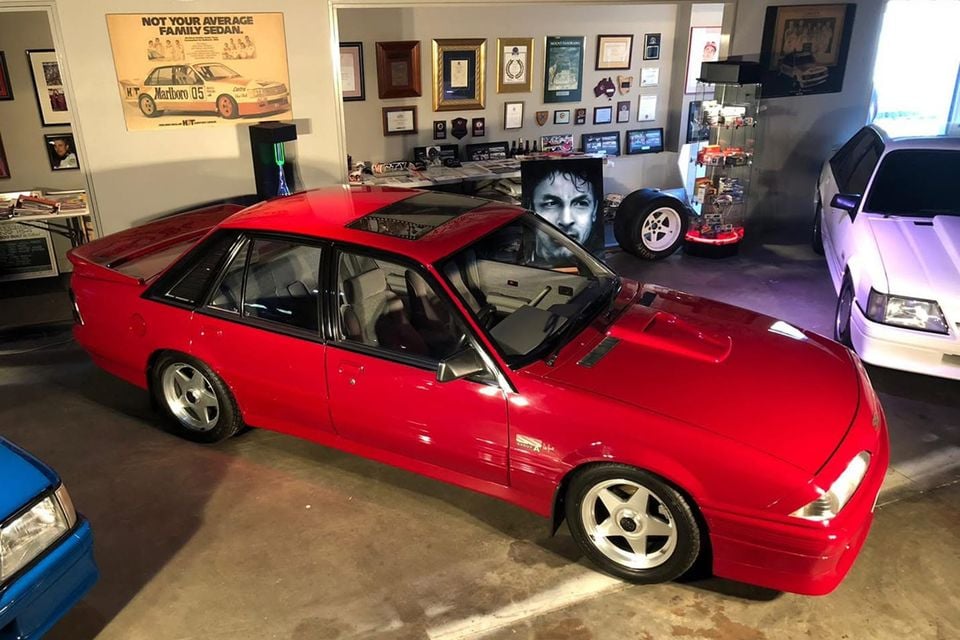
The Holden Dealer Team (HDT) is back, this time under the custodianship of new owner Kenny Habul, who has ambitious plans to offer restoration and retro-modding services for the legendary Aussie auto brand’s iconic ‘Brock Commodore’ road cars of the 1980s.
Yet it has also said it's working on a new road-going model, which could be the brand’s most substantial in decades.
“It’s early days but we have a team. We’re working on three prototypes at the moment,” Habul told media earlier this week.
“There is a lot of work to do before we have an HDT-reimagined car to present, but there is a fundamental recipe that I think will be very impressive."
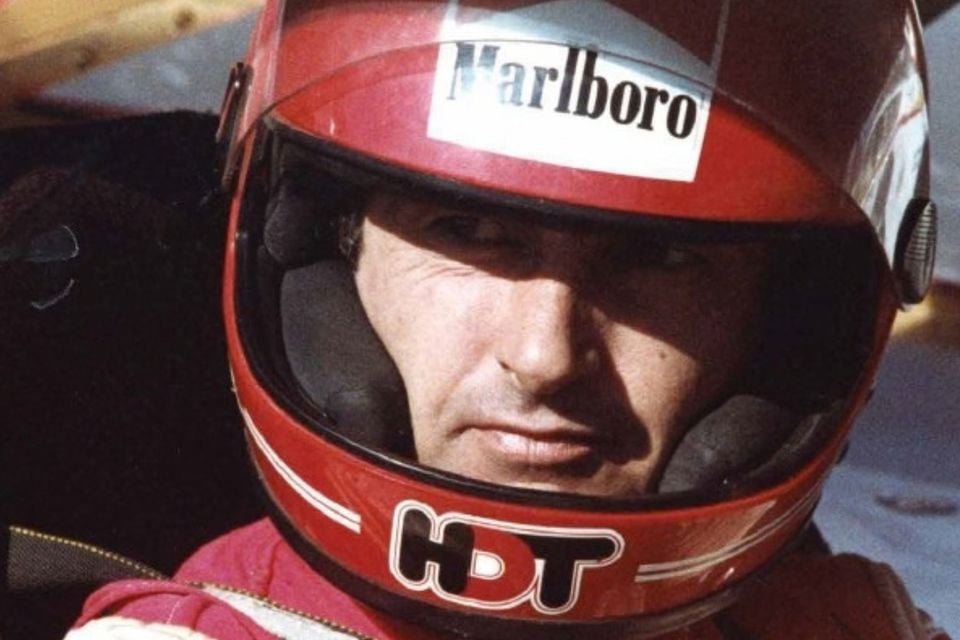
HDT’s road car business grew from its roots as a Bathurst 1000-winning motorsport outfit, with sales of street-legal production cars intended to fund racing legend Peter Brock’s purchase of the race team at the end of 1979.
HDT Special Vehicles (HDTSV) road cars were created under the ownership of Brock, the nine-times Bathurst winner and easily Australia’s most celebrated driver, who was tragically killed in a tarmac rally in 2006.
So what would, could or should a reborn HDT road car look like?
The last Aussie-made production hot-rod, the ‘Holy Grail’ Ford Falcon FG X, came in 2018 courtesy of Melbourne auto engineering company Premcar, members of which previously helped create FPV muscle cars for Ford.
“I’ve thought a little bit about it because I saw the press release and the news on this subject, on Kenny buying it, and I was very curious and very interested and I think, you know, I try to look at these things with a lot of optimism,” Premcar boss Bernie Quinn told CarExpert.
Being custodian of such a treasured and revered brand is a massive responsibility and a huge privilege, but also a significant burden. There’s an army of passionate fans with pitchforks waiting in what could be a damned-if-you-do, damned-if-you-don’t scenario.
Based on his comments this week, new HDT owner Habul – a two-times Bathurst 12 Hour sports car race winner, successful businessman and friend of Brock – understands the enormity of the task. Quinn explains what’s required.
“One of the things that Brock was good at, and I think that anyone that’s been successful in this game has been good at, is knowing what the customer wants and putting themselves into the customer’s head," he said.
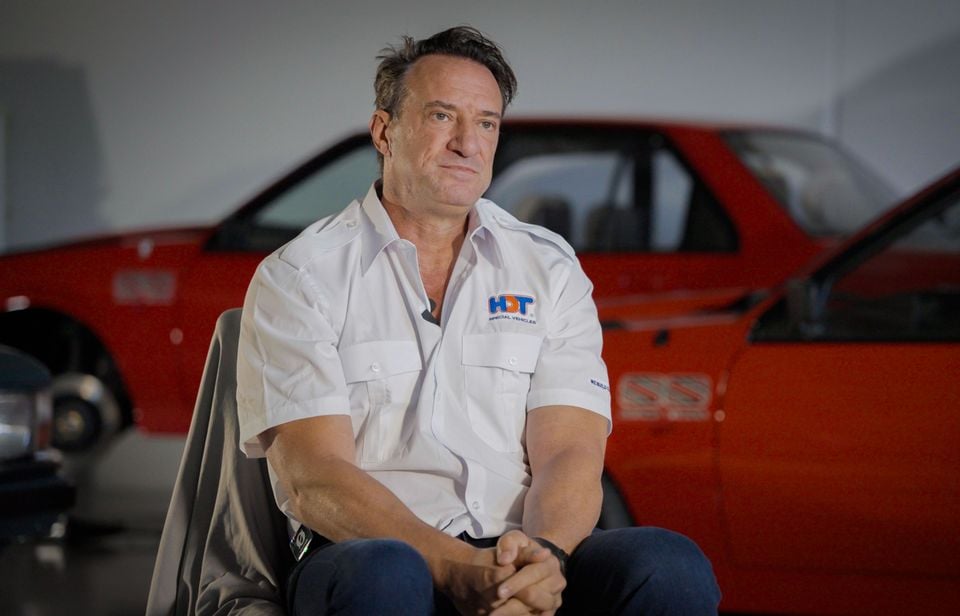
“It’s tempting to try and second guess what the car looks like and start imagining a specification, however, that is the most dangerous thing to be doing as a first step.”
That’s what we’re about to do, right here in this article – take that dangerous step into fantasy.
Even as a hypothetical, making things more difficult is the fact the homegrown Commodore, which accounted for the majority of HDT Special Vehicles production, went out of production in 2017 (replaced by an imported version) and the Holden brand was axed in 2020.
No Brock. No Commodore. No Holden. So, what is there to deliver a 2027 HDT road car?
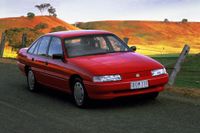
The first ‘Brock’ Commodore, although it was never officially called that, was introduced in 1980.
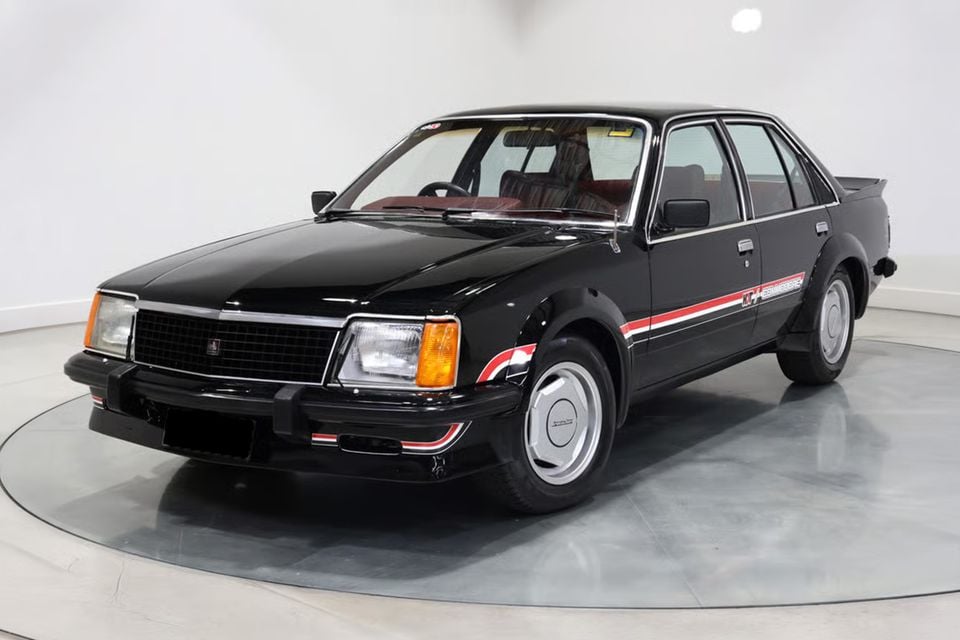
It was based on the top-spec SL/E version of the VC Commodore and was built for the ‘Race of Champions’ one-make race at Calder Park near Melbourne, with a total production run of 519 cars.
In standard Holden guise, the VC SL/E had 15-inch alloy wheels, halogen headlights with washers, a power antenna, bumpers extending all the way to the wheel-arches and chrome window surrounds. An optional vinyl roof and ‘Shadow Tone’ two-tone paintwork could add to the look.
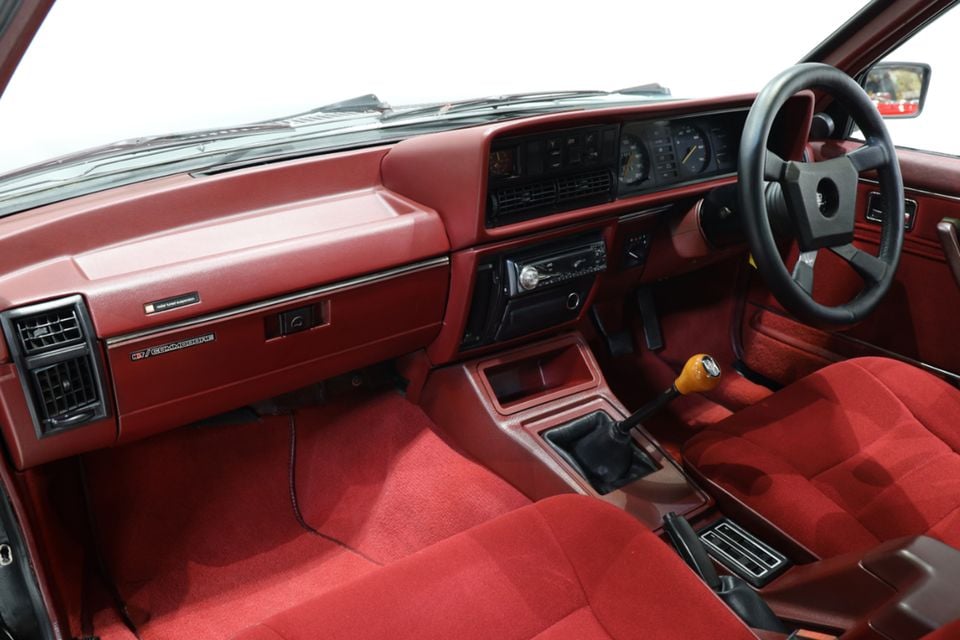
Inside, the SL/E came with central locking, power windows, wonderful crushed velour seat trim and headlining, and rear head restraints.
Air-conditioning, additional cabin lighting, an upgraded cassette player and the single-spoke steering wheel also offered in the luxury Statesman were standard, along with four-wheel disc brakes.
While the SL/E came standard with a 3.3-litre inline six-cylinder petrol engine, the HDT treatment went straight to the 5.0-litre V8 – skipping the optional 4.2-litre V8 – complete with an upgraded dual-exhaust and a larger, four-barrel Rochester carburettor.
Cylinder-head work and intake changes increased power from the standard 5.0-litre’s 126kW to 160kW, with 450Nm of torque. The V8 was offered with a four-speed manual or three-speed automatic transmission, through which drive was sent to the rear wheels.
That’s more than the 149kW/415Nm outputs of the larger 5.8-litre V8 in its arch-rival, Ford’s XD Falcon ESP (European Sports Pack), which was similarly based on the top-spec Fairmont Ghia Falcon model-grade.
If neither car sounds particularly potent, consider that Porsche quoted 188PS (138kW) for the 1980 911 SC (Super Carrera) sold in Australia at the time, and an official 0-100km/h time of 7.0 seconds.
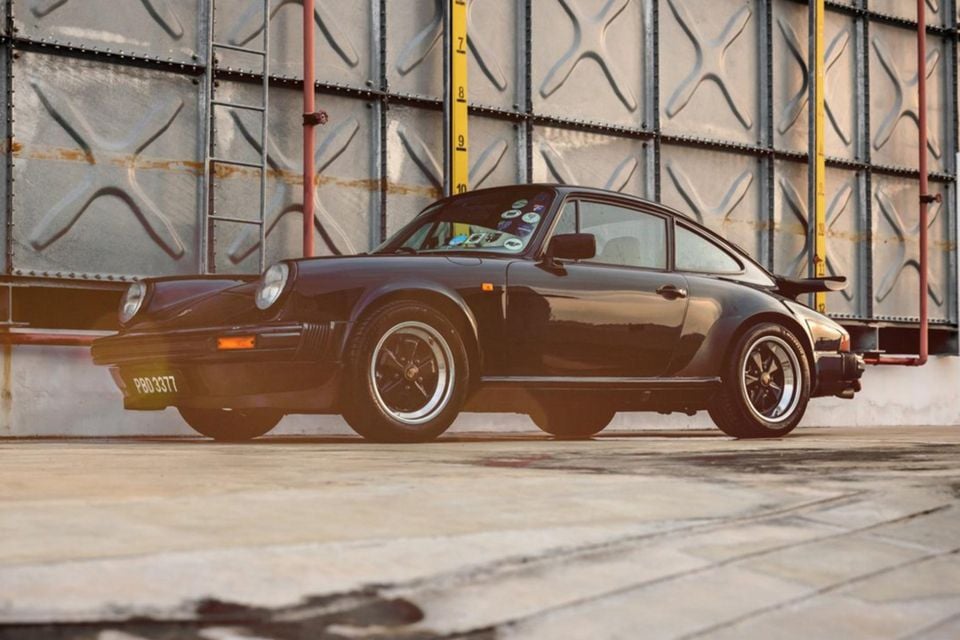
The first HDT Commodore could accelerate from 0-100km/h in 8.4 seconds and cover the standing quarter-mile (400m) in 16.1 seconds, as a five-seat, four-door family sedan.
Manual versions swapped the standard 3.08:1 final-drive ratio for a 3.36:1 ratio, helping the HDT debutant achieve those numbers.
Visually, the VC ‘Brock’ came in Firethorn Red, Palais White or Tuxedo black paint – HDT colours until Mobil sponsorship in 1985 – with its own aero kit, including integrated wheel-arch extensions and bootlid spoiler.
While it kept the SL/E headlight washers, and colour-coded the extended bumpers, it ditched the standard alloy wheels for a set of 15-inch alloys from German brand Irmscher and sported red, white and black stripes around the car.
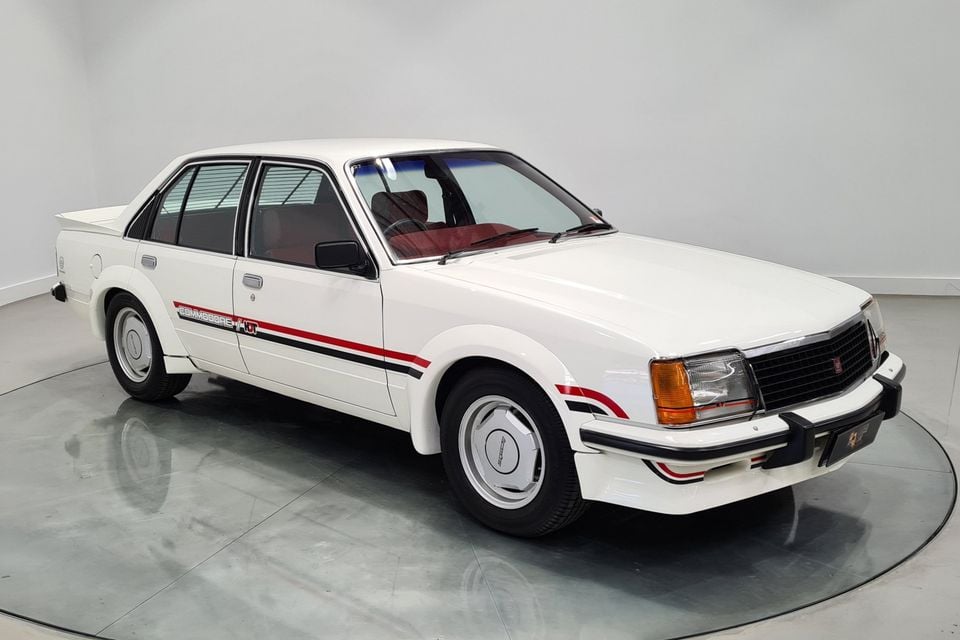
It also swapped the plastic single-spoke steering wheel for a leather-wrapped sports wheel from legendary Italian brand Momo.
The VC HDT set the template for HDT versions of the next model, the VH Commodore Holden introduced in 1981.
These included the SS, used to homologate the race car, with the new SS Group One, SS Group Two and SS Group Three models, built around the 4.2-litre and 5.0-litre V8s. Each was progressively more potent and capable, with the Group Three the ultimate package.
Holden’s final head of design, Richard Ferlazzo, reveres the original HDT Commodore above all of Brock’s cars and explained to CarExpert what makes it a visual success.
“Visually, it relied largely on the larger wheels. They liked to bolt on wheel-arches, [so add them] and the bigger wheels, and instantly, that gives the car a better proportion and a better stance. And any designer will tell you, it’s all about proportion and stance," he said.
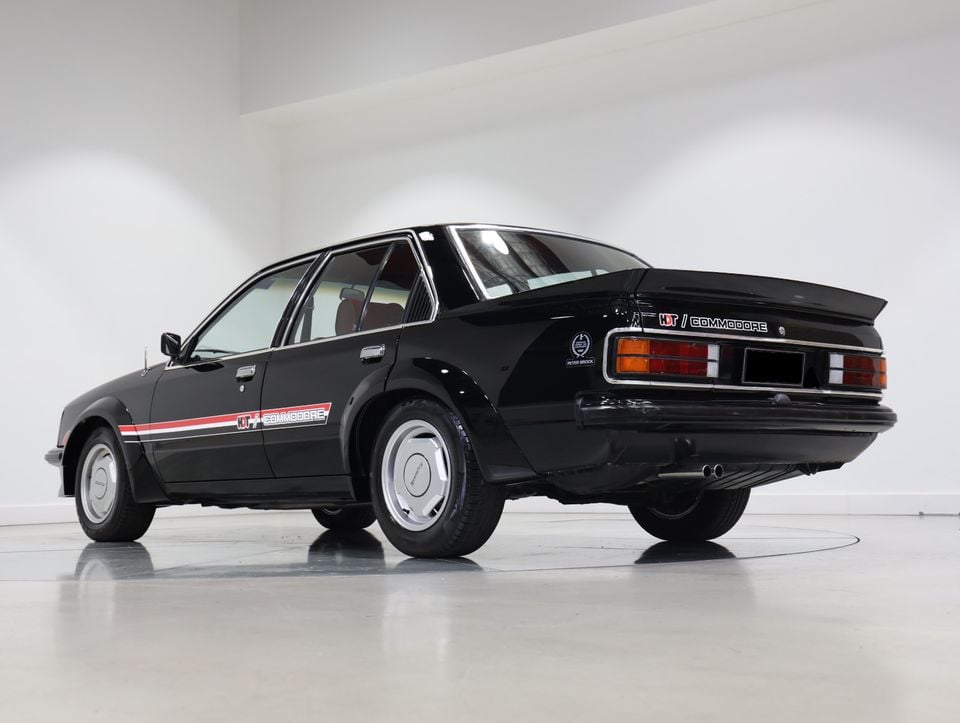
“The biggest contributor to proportion and stance is the size and location of the wheels. In this case, by adding to flares and the bigger wheels, it all looks like it’s moving while standing still, which is why race cars always have that special appeal.
“When done tastefully, which the early HDTs were, it enhances the vehicle. Add in a little colour coding, and some stripes, which were restrained pleasantly, it just stands out and goes ‘pop’.
“Then you go and add the Brock signature to it, which adds an enormous amount of gravitas, and suddenly you’ve got a collectable,” Ferlazzo said.
Brock Commodores progressively became faster and even more distinctive. The 1984 VK Calais Director was again based on the top-spec Commodore, which was no longer badged SL/E.
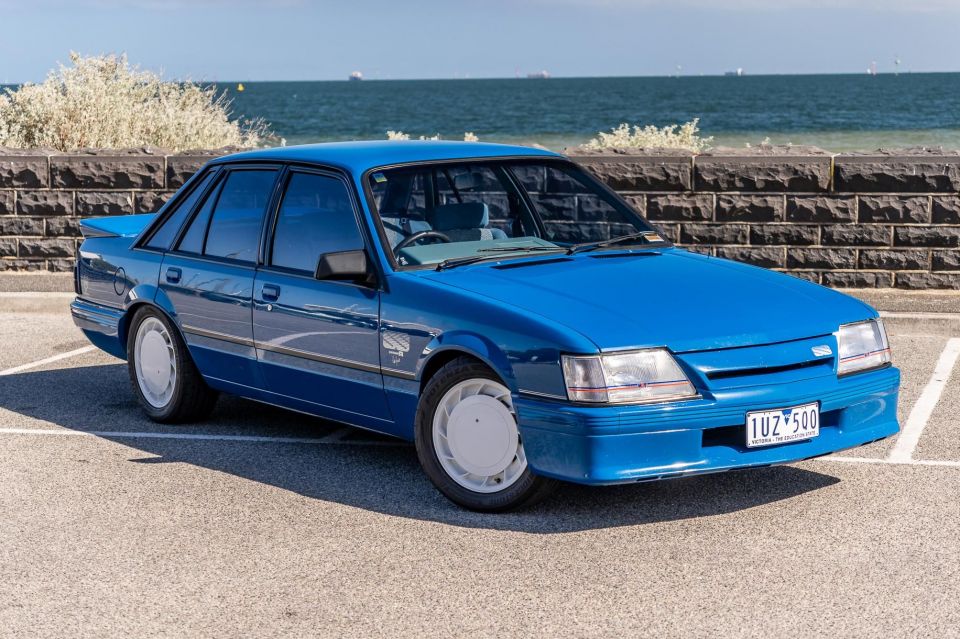
Lighter, less luxury-focused models included the 1985 VK SS Group A, which featured a unique paint colour for the 502 examples made. All came with a 'destroked' 4.9-litre (4987cc) V8 to meet newly introduced racing regulations where engines needed to be less than 5000cc, with the standard Holden V8 at 5044cc..
Before Brock's infamous split with Holden in 1987, when General Motors (GM) pulled its support for the program, HDT Commodores saw some significant engineering changes.
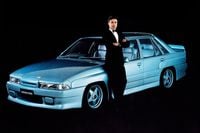
The Director Brock defiantly unveiled in February 1987 featured further unique bodywork, with 21 additional pieces finished in Ice Blue paint. The colour was also used on its 16-inch Momo star alloy wheels.
Under the bonnet was a 5.6-litre V8, a stroked version of the Holden engine, paired with a five-speed manual. Other features included Bilstein suspension, leather-trimmed Scheel seats and a Porsche Design by Momo steering wheel.
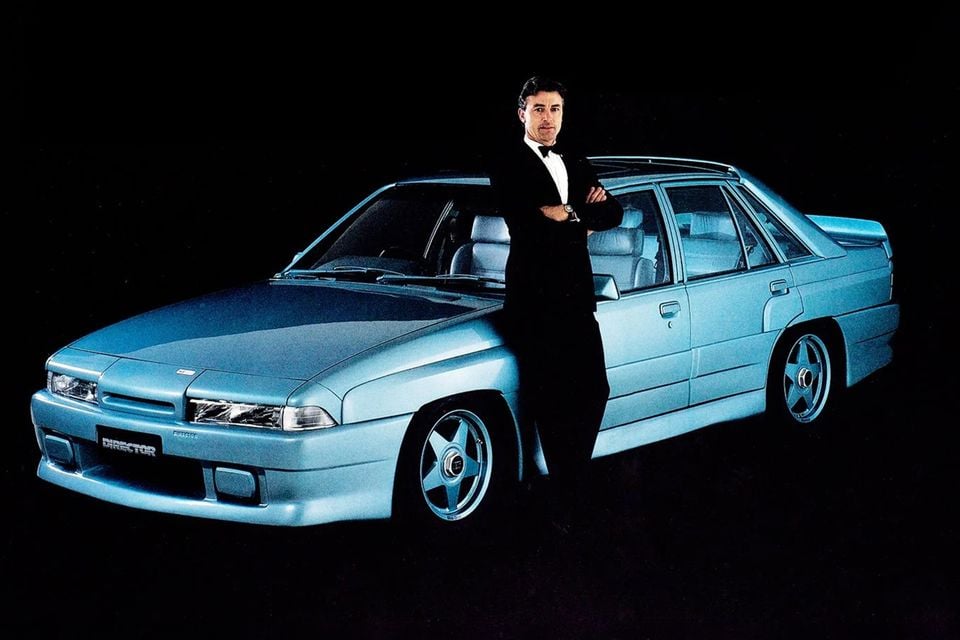
Brock admired German brands: as well as Irmscher wheels, HDT Special Vehicles cars had Scheel or Recaro seats, depending on the specification, and Bilstein gas shock absorbers.
The front guard-mounted wind-splitters on the VH – also used by Holden on the 1983 Gemini ZZ/Z – were inspired by BMW's racers. Of course, it was BMW Brock defected to racing for in 1988 after the Holden partnership ended.
The fateful Director also had a CD player with a stacker and a metal-top electric sunroof. And let’s not forget the Energy Polarizer, the focus of the feud between the esteemed racer and Holden.
Regardless of the outcome, it’s clear the determined, stubborn nine-times Bathurst winner wanted HDT Special Vehicles’ road cars to take on the best in the world. For a time, you could say they truly did.
Given the last Australian-made Commodore rolled off the line in Adelaide nine years ago, and the fact Holden has now been dead for six years, what could form the basis of a new-generation HDT car?
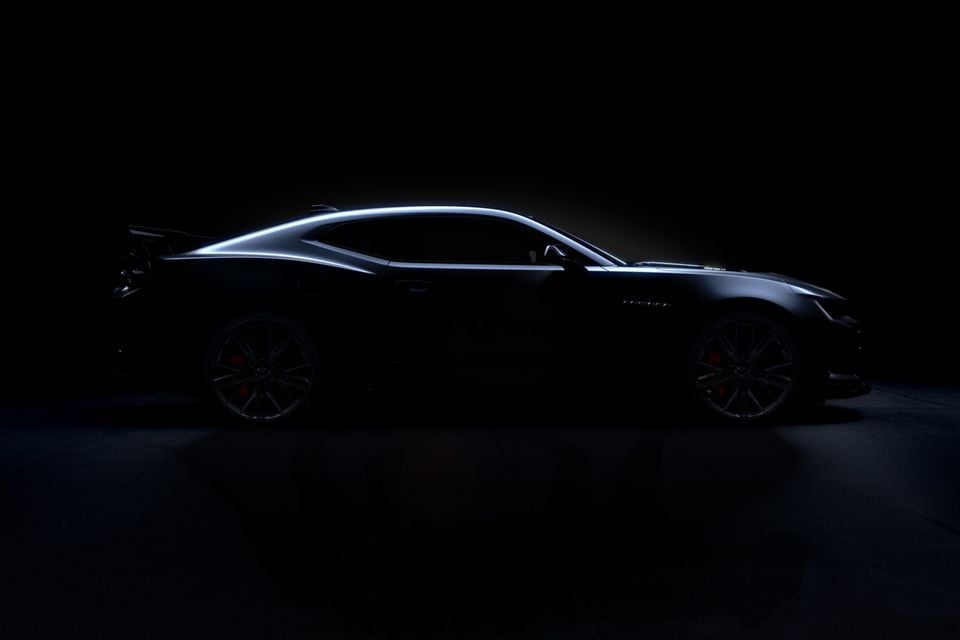
Well, if it was to continue its rear-wheel drive GM lineage – the US auto giant owned Holden from 1931 through to the end – we could look at the yet-to-be revealed seventh-generation Camaro.
At this point of our crystal-balling, all commercial realities of bringing a car to market will be thrown out the window…
As enthusiasts know, the fifth-generation Camaro employed the same platform as the last-generation Australian-made Commodore. This gives it the most ‘authentic’ lineage to the HDT Commodores of the 1980s.
It’s a clear candidate, given it's set to use the updated Alpha platform that will also reportedly underpin the next Cadillac CT5, according to GM Authority.
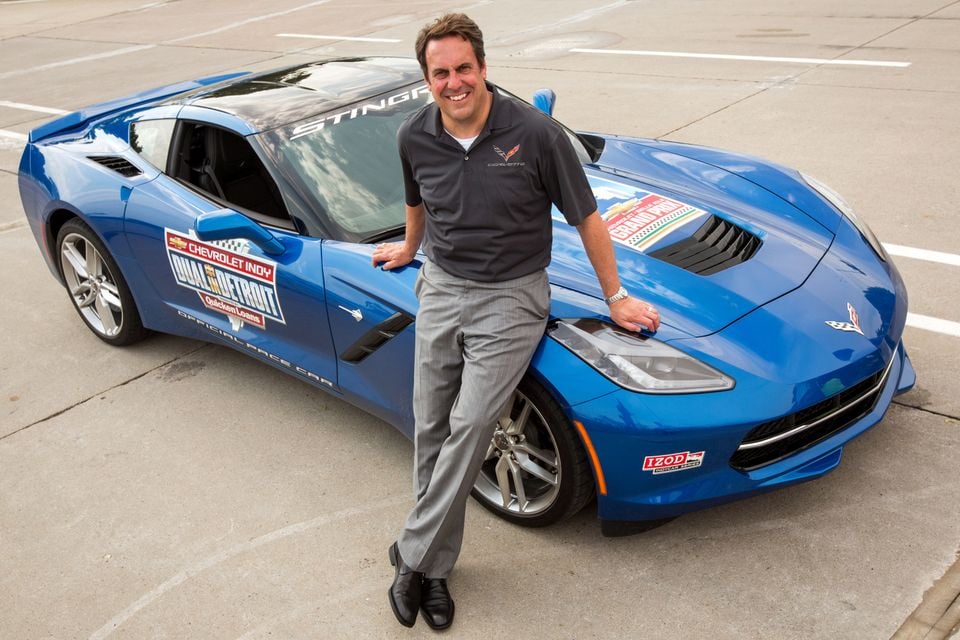
In June, GM boss Mark Reuss, who led Holden from 2008 to 2009, confirmed to Car and Driver both models would us the updated architecture, with further reports saying the ‘Alpha 2-2’ underpinnings will retain internal-combustion power and rear-wheel drive.
Reports suggest the next Camaro will go into production in the US in late 2027, with the car arriving sometime in the second half of 2028.
There's also rumours of the return of a rear-drive Chevrolet sedan in the United States, too.
HDT could be uniquely placed here, given GM dropped the Camaro in Australia before production of the sixth-generation model ended in the US, and Cadillac’s Australian strategy is to sell EVs only.
Former GM Australia and New Zealand boss Jess Bala, who left the company in August and hasn’t been permanently replaced, confirmed as recently as June that the brand intended to remain electric-only locally.
Brock used to fit Bilstein gas shock absorbers, and the German brand remains one of the world’s leading suspension suppliers. Later, he was sponsored by Monroe.
Having dabbled in independent rear suspension (IRS) ahead of some mainstream brands, perhaps he would have seen a case for the MagneRide magnetic adaptive dampers fitted to HSV models from the E-Series?
The Alpha 2-2 platform is compatible with MagneRide and will retain independent MacPherson-type strut front suspension and a five-link independent rear arrangement.
Lovells, based in Newcastle, could provide suspension tuning and local expertise for an HDT model.
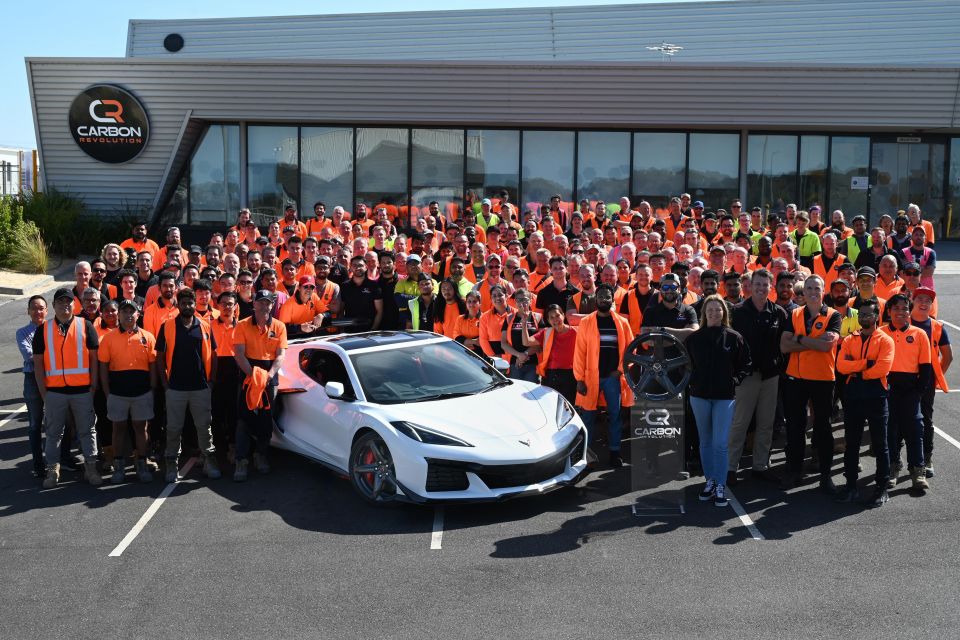
Brock fitted German wheels, but why not use Adelaide-based ROH – a former OEM supplier to Holden and HSV – or Geelong company Carbon Revolution, whose lightweight, super-strong carbon-fibre rims are a factory option on the Corvette?
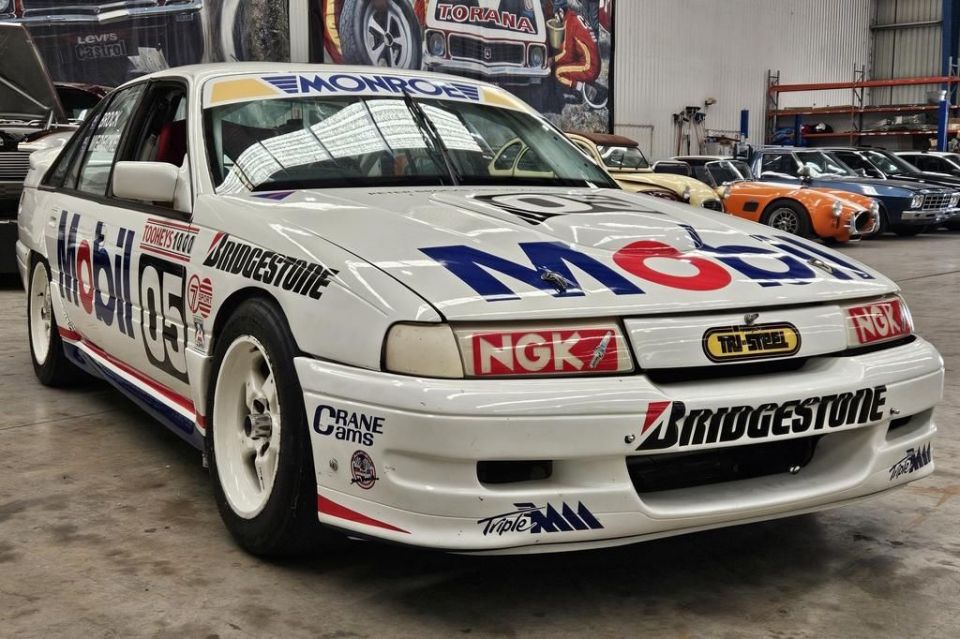
Tyres? Well, there’s nothing made here anymore. Brock fitted Pirellis and Bridgestone RE71s in the 1980s. Perhaps some Bridgestone RE005s would suit, or, depending on whether it’s a full-tilt performance model or a luxury cruiser, more Italian rubber.
Bridgestone had a tie-up with HSV, supplying its S02 and S03 tyres, and HSV used 20-inch Pirelli P Zero Trofeo R rubber on its powerhouse GTSR W1 launched in 2017.
Sure, HDT did turbo six-cylinder Commodores and other models, but its core engine must be a V8. This makes the outgoing Cadillac CT5-V Blackwing (not sold here) 6.2-litre supercharged V8 an ideal candidate, given blown 6.2-litre V8s played a starring role in the final HSVs made in 2017.
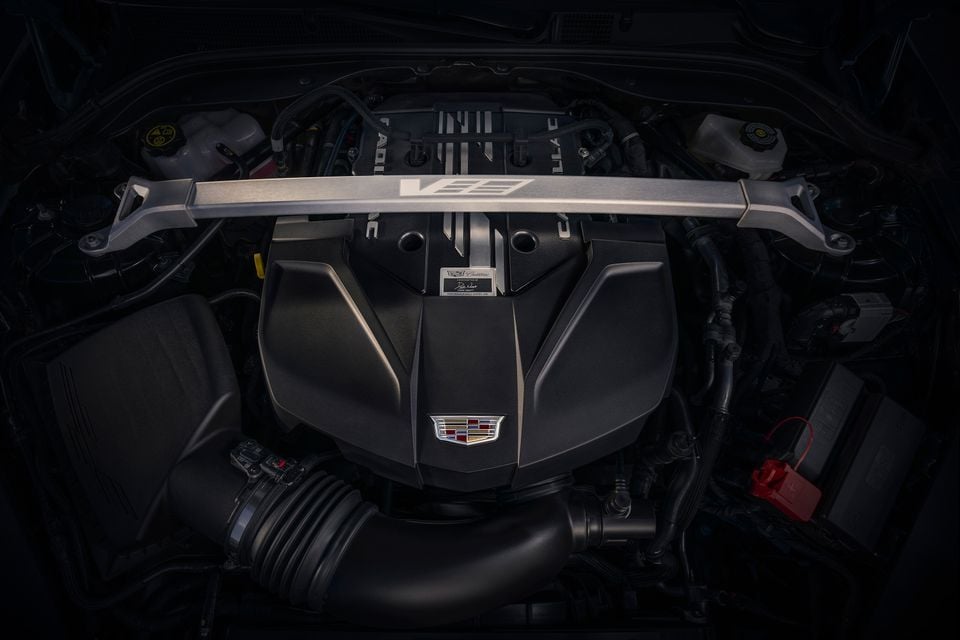
Even better, GM has announced its newer Gen 6 V8s for the 2027 Corvette and Silverado, so HDT could tap into this pool of engines to power the reborn Brockmobile.
The General's new bent-eight family includes a new dry-sump 6.7-litre V8, confirmed for the entry-level Corvette Stingray and Corvette Grand Sport, producing 399kW and 705Nm. It would give an HDT road car easily its largest-capacity engine yet.
Keep in mind, what's been announced so far will be GM's new ‘regular’ V8, meaning more potent, capable versions are on the cards for higher-spec Vettes in the future, widening the scope for HDT.
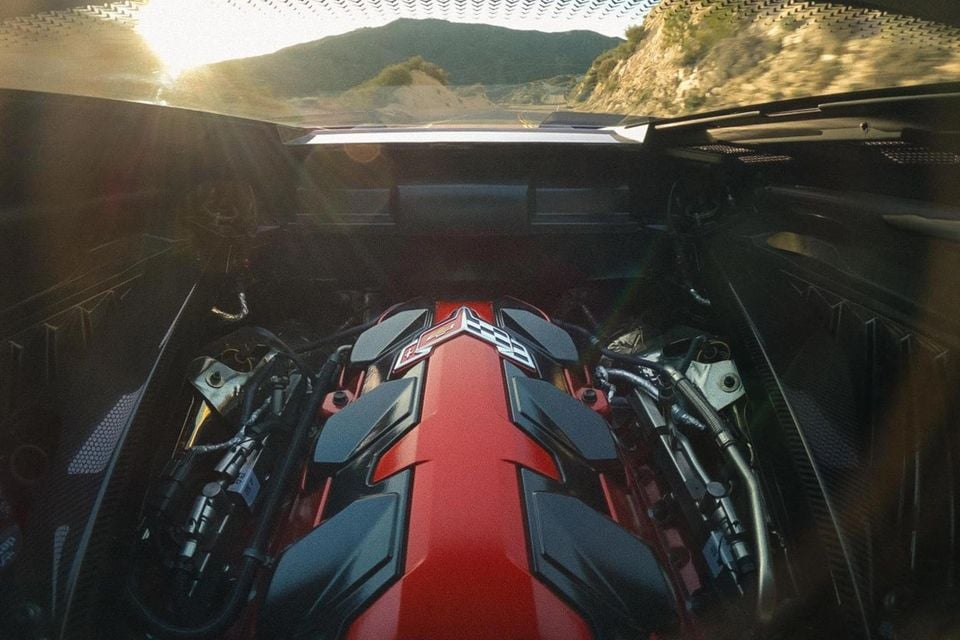
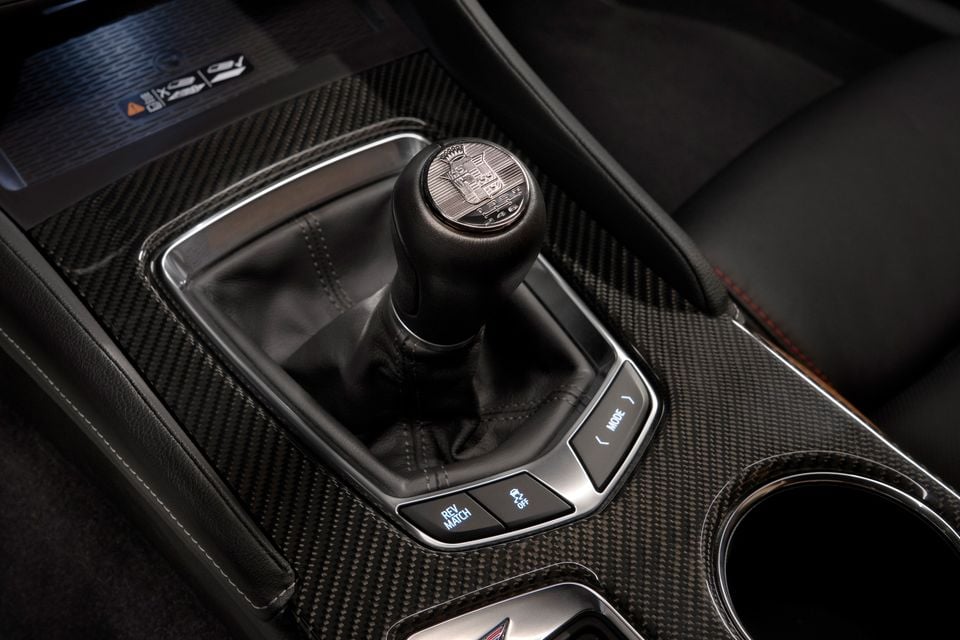
Here’s the next HDT point of difference: the new LS6 has been announced only with an eight-speed dual-clutch gearbox. While that could be offered in luxury models, a three-pedal manual would be a must for driver-focused HDT cars.
There are rumours a manual could be on the way, but Melbourne’s Harrop Performance could come to the party here. It’s a natural fit, given HDT's association with Ron Harrop, the legendary Holden engineer and HDT driver between 1977 and 1980.
Of course, his company's expertise extends well beyond gearboxes, to superchargers including the blower fitted to the much-lauded 2005 EFIJY concept car designed by Ferlazzo.
It worked on the superchargers for the FPV Miami V8 in the FG Falcon, too.
Other Aussie suppliers on hand include world-leading PWR Advanced Cooling Technologies and Adrad for custom radiators, while Melbourne-based Parish Engineering could handle the steering calibration.
Inside, Scheel or Recaro could again be tapped for seats. Smartphone connectivity is needed from a practical point of view, but a new HDT doesn’t need a massive centre screen dominating the cabin, a move recently taken by Porsche with its Mission S super sports car.
It may have an electronic park brake and – as per the 1984 VK Commodore – a digital dash.
If the look were to be further customised inside or out, there are also local suppliers that could provide windows, such as Queensland-based Protector Autoglass, and custom interior parts from Hosico or Dunbar Plastics.
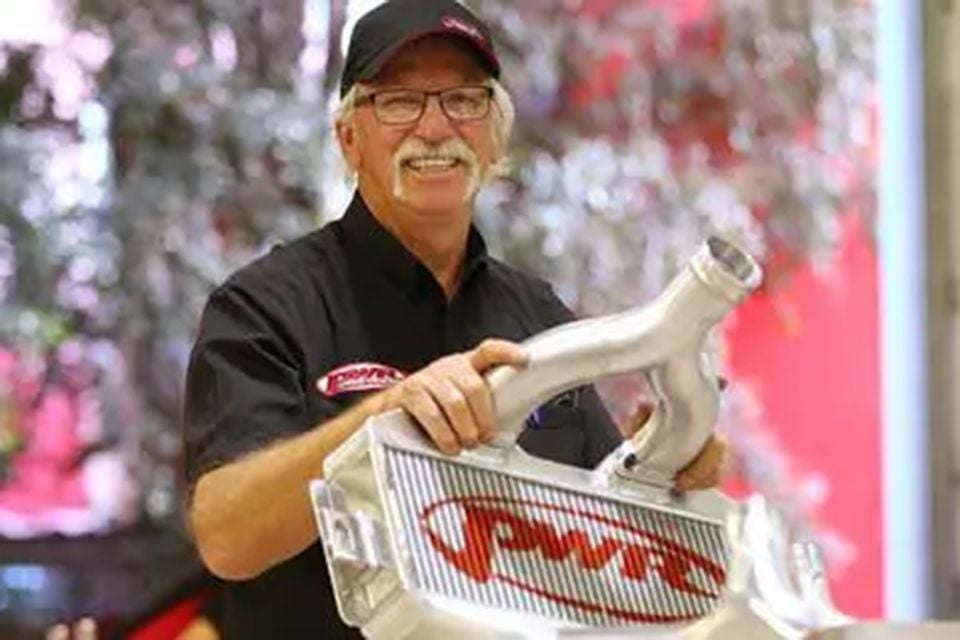
There is plenty of electronics expertise here, too, at Redarc and Motherson Group, among others.
A reborn HDT road car may be a pipe dream, and it may not be what Habul has in mind, but what was one of Peter Brock’s messages adorning many autographs? “Follow your dreams”.
“I loved him for what he did. He inspired me to want to be something. He inspired lots of kids and I loved him for that,” Habul said at this year's Bathurst 1000.
“I loved it was when he was fighting the world with his HDT Commodores. He embodied what it means to be Australian and take on the world.”
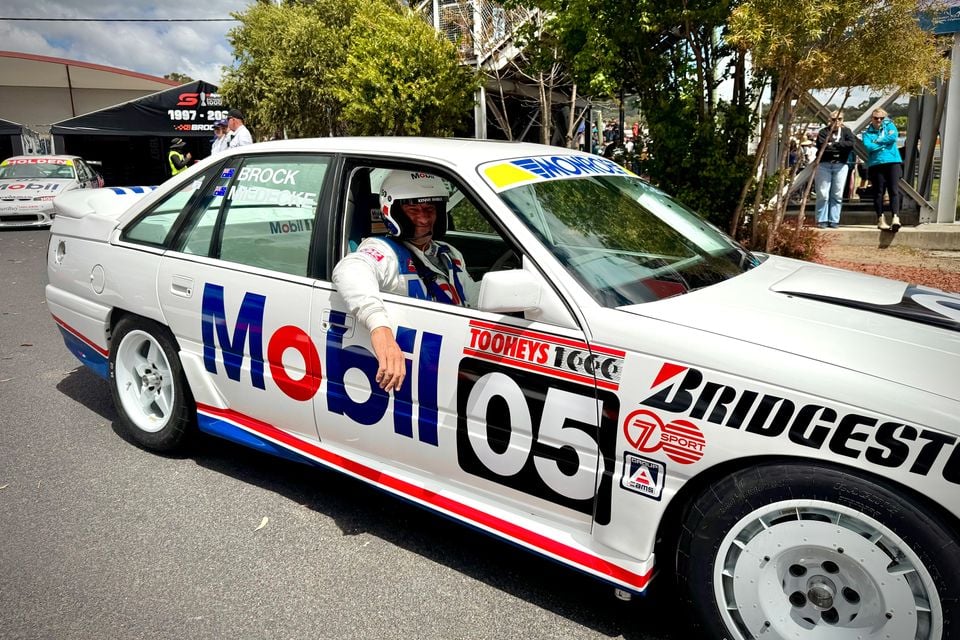
What do you think a reborn HDT road car should be – or not be? Have your say below.
MORE: Your Holden is one in a million! Data reveals Aussie brand’s shrinking numbers
Research cars in our Showroom, compare your options or let our New Car Specialists do the running around to find you a great deal.
Damion Smy is an award-winning motoring journalist with global editorial experience at Car, Auto Express, and Wheels.
Dave Kavermann
10 Seconds Ago

Derek Fung
4 Hours Ago

Max Davies
8 Hours Ago
Dave Kavermann
1 Day Ago

William Stopford
1 Day Ago

Josh Nevett
1 Day Ago
Add CarExpert as a Preferred Source on Google so your search results prioritise writing by actual experts, not AI.