






William Stopford
2027 Cadillac Lyriq price and specs
The Cadillac Lyriq has received a different battery for 2027, bringing changes to range and charging capability.
6 Seconds Ago
A recent study has found most Australians think they're safe drivers, while other drivers on the road are the problem.

Founder
Founder
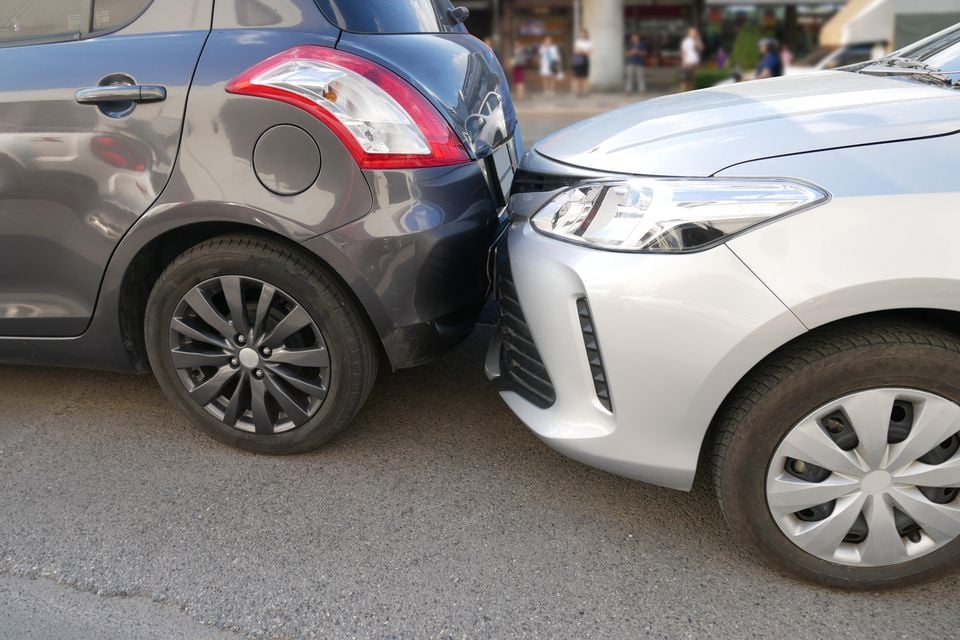
The hour when school pick-ups, childcare runs and after-work errands collide is the worst of the day for road incidents, according to new research from insurer Youi.
Youi's Project 3PM study found 3pm is the peak hour for road incidents in its claims data, and the insurer surveyed more than 2000 Australian drivers to work out why. The answer, the research suggests, is not just because of traffic congestion, but also what drivers are carrying in their heads when they get behind the wheel.
More than half of Australians (55 per cent) say driving at 3:00pm is more stressful than any other time of day, and nearly one in four (24 per cent) has experienced a road incident during the 3:00pm window in the past 12 months, including near misses, collisions and loss of vehicle control.
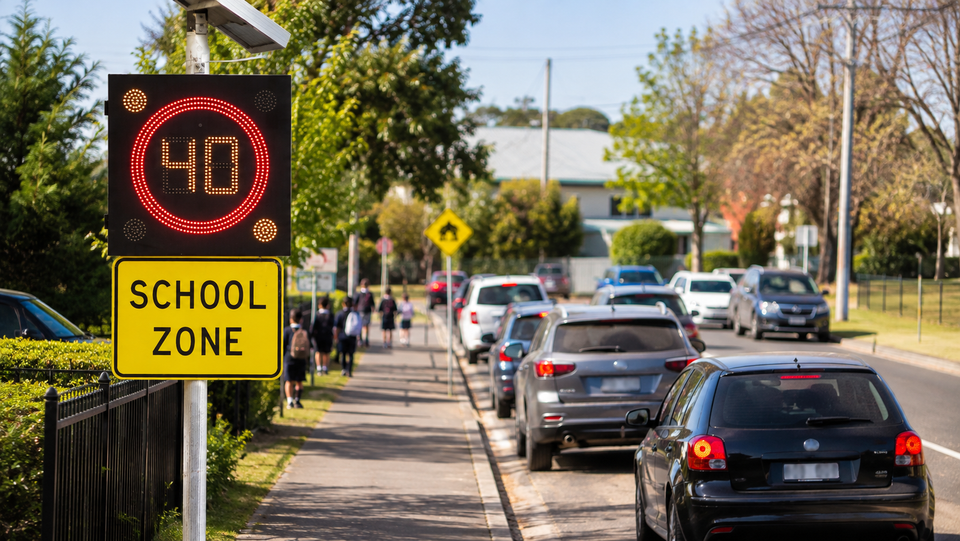
It's a busy stretch of road for most of us. Almost half of Australians (48 per cent) drive during the 2:00pm to 5:00pm period every weekday or most weekdays, and they're not all going to the same place. At 3:00pm, Australians are shopping (39.6 per cent), attending appointments (29.2 per cent), commuting to or from work (23.9 per cent), heading home (21.6 per cent) and completing school pick-ups (17.4 per cent).
Traffic congestion is still the single biggest stressor at 58 per cent, but it isn't the whole story. School and childcare pick-ups (26 per cent), pressure from other drivers (25 per cent) and the stress of running late (12 per cent) all contribute. There's a gender split, too: women are more likely than men to nominate congestion as the main stressor (62 per cent vs 46 per cent), while men are twice as likely to cite driving for work commitments (14 per cent vs 7 per cent).
Running late is where it turns risky
When the afternoon squeeze turns into running behind schedule, behaviour changes. More than six in ten drivers (62 per cent) admit to at least one risky behaviour when they're late.
The most common is becoming impatient with other road users (28 per cent), followed by changing lanes more frequently (20 per cent), accelerating through amber lights (19 per cent) and exceeding the speed limit (18 per cent). Gen Z and Millennials are the most likely to report impatience, lane changing and taking shortcuts under time pressure.
Parents of children under five stand out as a high-risk group, being significantly more likely to speed (29 per cent), contact someone while driving (23 per cent) and adjust the satellite navigation on the move (22 per cent).
Fatigue compounds it. More than four in ten Australians (43 per cent) say they feel mentally drained, tired or unable to fully concentrate at 3:00pm at least sometimes, with one in six (17 per cent) saying they often feel that way.
The suburbs where it bites hardest
Youi's internal claims data points to where the 3:00pm effect is most concentrated. Riverview in Queensland recorded 67 per cent of its vehicle claims at 3:00pm, ahead of Seaham in New South Wales (60 per cent), and Colebee in NSW, St Peters in South Australia and Elanora Heights in NSW (all 59 per cent).
The figures cover suburbs where more than five claims were recorded between June 19, 2025 and June 18, 2026, and where 3:00pm was the hour with the most claims, so they reflect concentration rather than raw crash numbers.
Everyone else is the problem
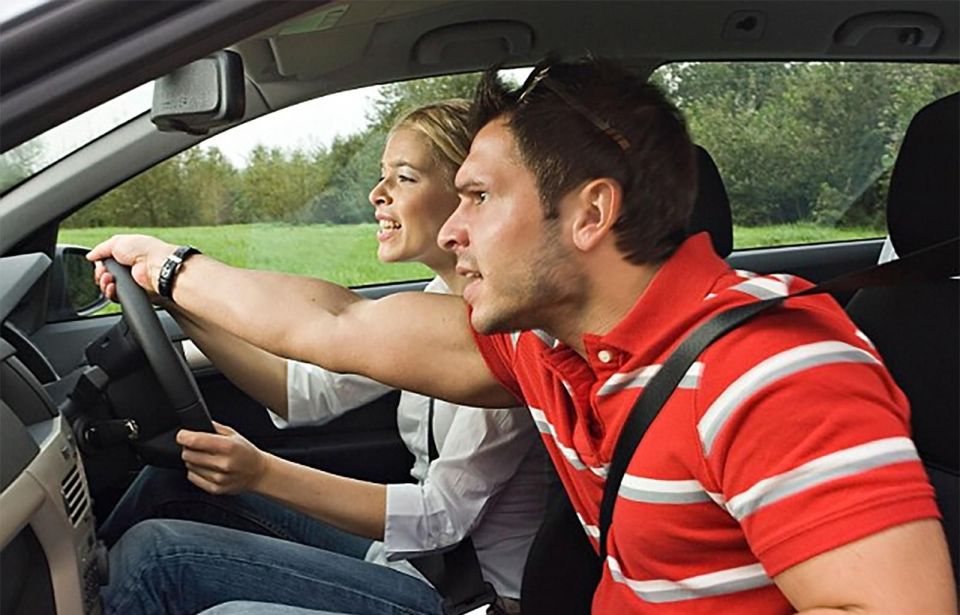
The most telling finding is the gap between how drivers rate themselves and how they rate everyone else. A striking 84 per cent of Australians say their own driving is safe during the 3:00pm rush. Only 42 per cent say the same of other drivers. When asked what caused their most significant incident, 44 per cent pointed to another driver and 35 per cent blamed traffic congestion.
Asked what would actually help, one in four (25 per cent) nominated improved school pick-up zone management, followed by leaving earlier for appointments and pick-ups (23 per cent) and safer road and school-zone infrastructure (22 per cent). Even so, more than half (52 per cent) accept individual drivers have the most important role to play in improving safety during the afternoon window.
Youi has partnered with community road safety organisation Road Sense Australia on a free toolkit, the 3PM Playbook, built around three steps: plan a buffer into the afternoon, prepare mentally before setting off, and pause to check your state of mind before starting the car. Road Sense Australia's practical advice includes entering your destination into the satellite navigation before driving, silencing unnecessary notifications, and keeping your phone out of reach.
The findings are drawn from a survey of 2334 Australian drivers aged 18 and over, conducted by Ideally between August 4 and 5, 2026.
Paul Maric is a CarExpert co-founder and YouTube host, combining engineering expertise with two decades in automotive journalism.
William Stopford
6 Seconds Ago


Ben Zachariah
6 Seconds Ago


Derek Fung
35 Minutes Ago

Max Davies
8 Hours Ago


Damion Smy
15 Hours Ago


Marton Pettendy
15 Hours Ago
Add CarExpert as a Preferred Source on Google so your search results prioritise writing by actual experts, not AI.