




Derek Fung
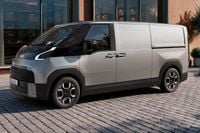
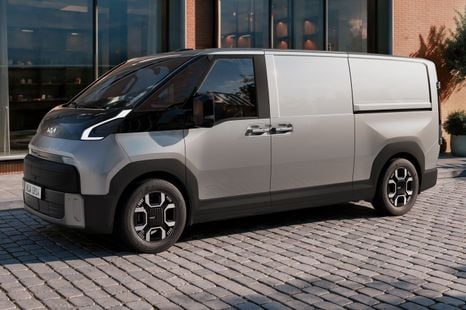
Kia PV7 electric van unveiled, confirmed for Australia
The PV7 is Kia's second electric van, and it's a considerably larger beast than the existing PV5.
1 Hour Ago
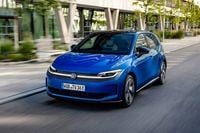
Volkswagen’s record-breaking one-off electric car is an ID. Polo underneath, and you won't believe how efficient it is.

Contributor
Contributor
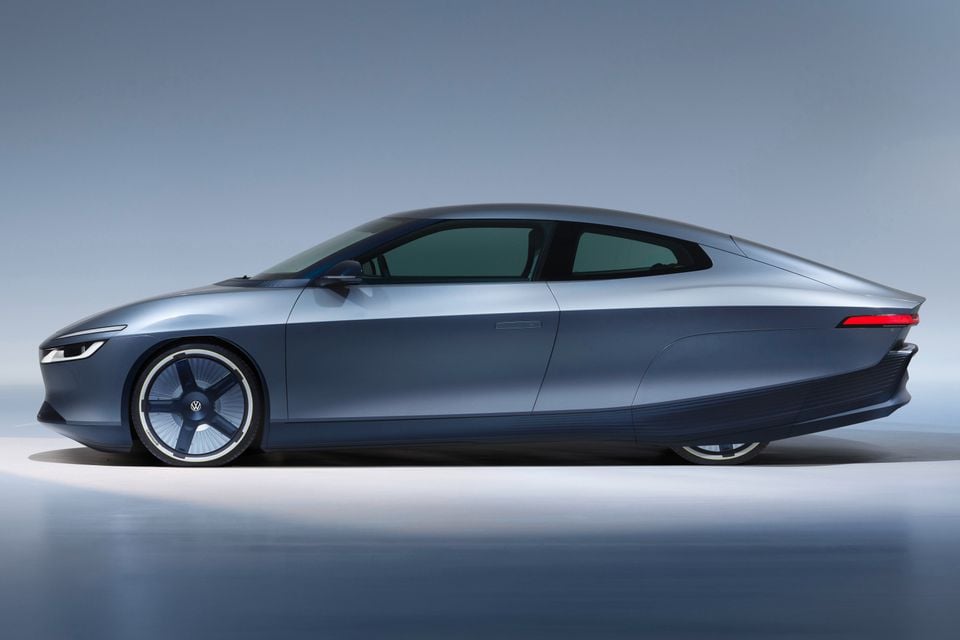
The engineers at Volkswagen have created what they are claiming to be the world’s most efficient electric vehicle (EV).
Called Mission Efficiency, it is a rolling testbed that has near-production status to evaluate technologies and design that will go on to influence future Volkswagen models.
As part of its debut it set three world records: with a drag coefficient of 0.158Cd, it is the most aerodynamic car approved for road use; it consumes just 6.48kWh/100km during an “ideal trip”; and it set a record as the most economical near-production EV built to date thanks to a documented drive of 1,278.36km in which it consumed just 7.51kWh/100km including charge losses (6.89kWh/100km without charge losses).
The route was completed at an average speed of 67.72km/h, and the top speed was 138km/h. The 54.9kWh battery was only charged once during the journey and, when the car reached its destination, it still had 164km of range remaining.
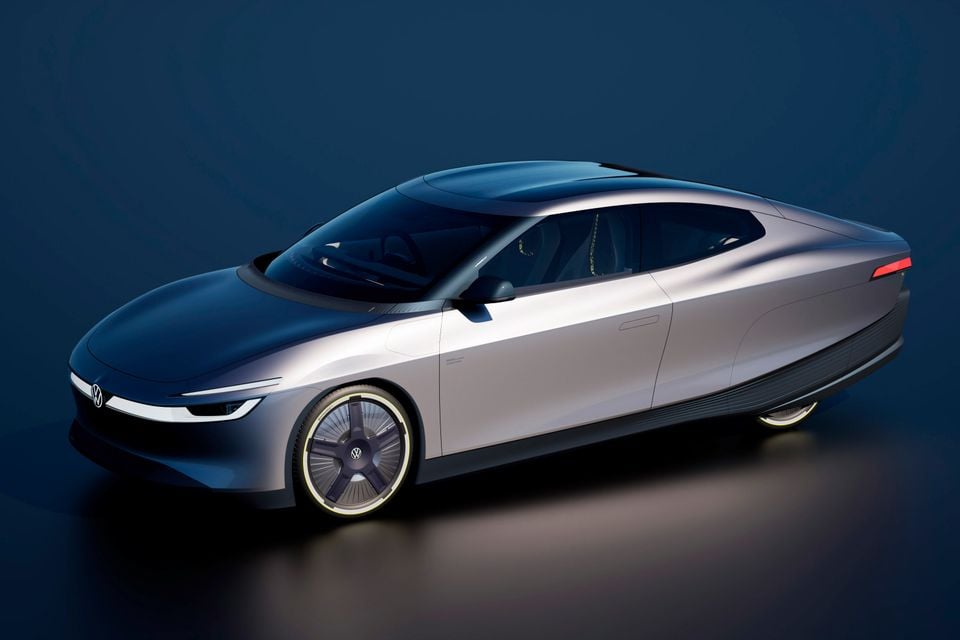
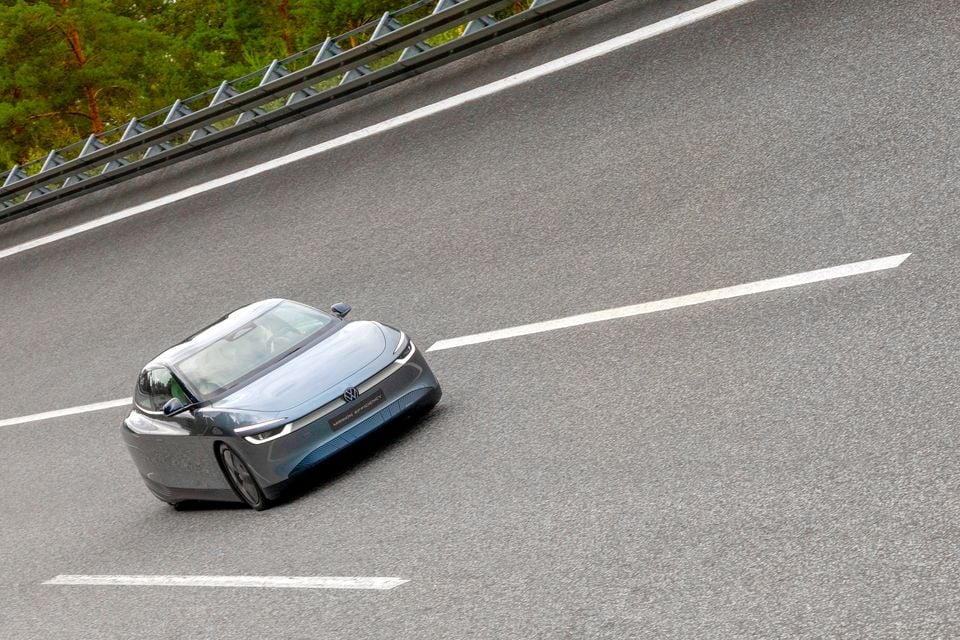
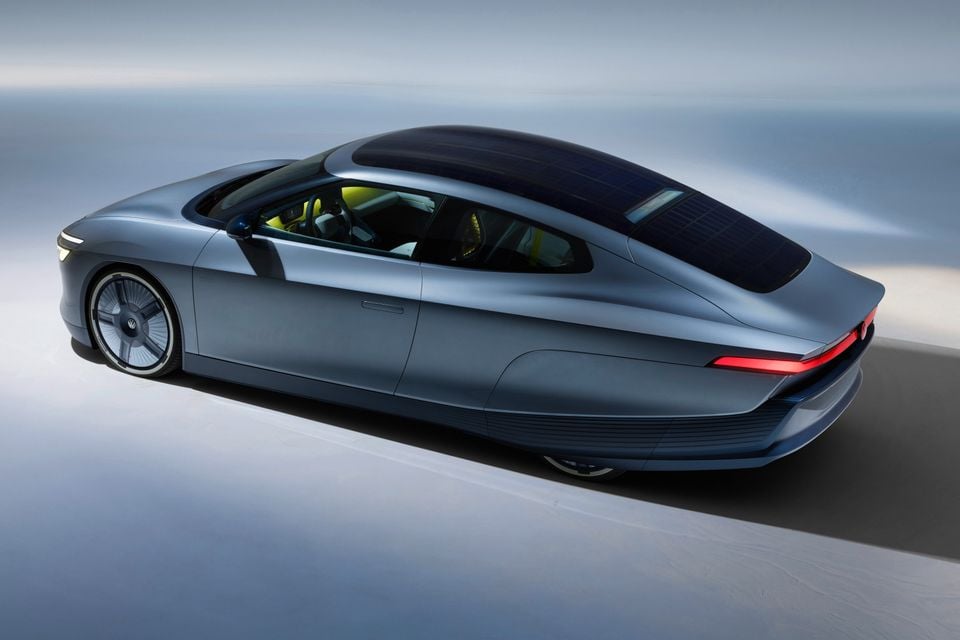
The Mission Efficiency has a unique design with a teardrop shape and a boat-tail rear to enable it to cut through the air as cleanly as possible. The front-end features a simple design with active air shutters in the lower bumper section that open only as required – in five different scenarios.
The front wheel-arches significantly reduce the amount of open space around the wheels to reduce turbulence in the wheel houses. Its 18-inch wheels incorporate transparent covers that give them a more three-dimensional appearance, and they are wrapped in specially developed tyres from Continental, based on its EcoContact 7 product, but featuring aerodynamically optimised sidewalls and a tread developed for extremely low rolling resistance.
Its side profile is dramatic and reveals more of the aero work that has gone into making this VW a record-breaker. The front bumper’s lower apron drops down to channel air around the wheels, for example, while the doors feature a rising line that is as much about looks as it is channelling air. The door handles retract to sit flush against the bodywork.
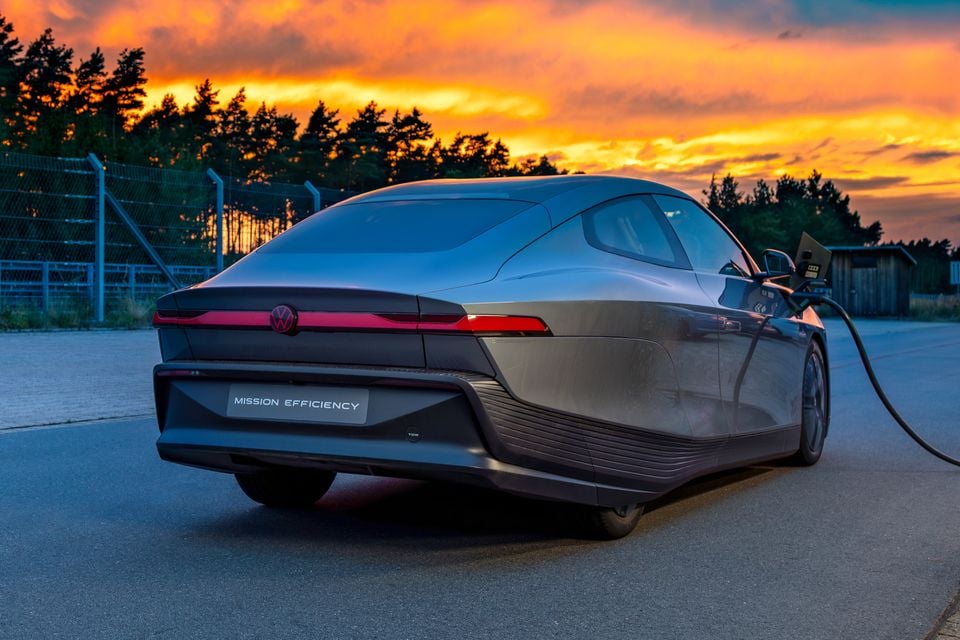
But it's the enclosed rear wheels that are the standout feature of the Mission Efficiency’s design. Only the very bottoms of the rear wheels are visible, and the bodywork sweeps up to the tapered rear. The doors, boot lid, bonnet and wings are made from CFRP aramid composite, yet the car has been designed to meet the requisite strength, protection and crash requirements in Europe.
Those covers don’t simply move air past the rear wheels more efficiently; they also open, hinging downwards to reveal some clever storage solutions including a pull-out tray that holds the charging cable and a tyre repair kit. Should you need to change a rear wheel, the covers can be removed with some basic tools.
The Mission Efficiency’s long, teardrop shape and sloping roofline house a 370W photovoltaic system that runs from the leading edge of the roof down to the boot lid. It powers the car’s onboard electrics without taking power from the high-voltage battery. In optimum conditions, the cells extend the car’s driving range by as much as 30km per day.
Effectively, the Mission Efficiency is the successor to the Volkswagen XL1 that was introduced in 2013. That was a moonshot project that set the record as the world’s most economical production car at the time, achieving an average consumption of 0.9L/100km thanks to a plug-in-hybrid 800cc turbo-diesel powertrain. Only 250 examples of the XL1 were made, with some retained by Volkswagen for internal use.
It subsequently spawned a high-performance concept called the XL Sport, which debuted at the Paris motor show. That was powered by a 1.2-litre V2 engine from a Ducati Panigale motorcycle, producing 147kW. A limited production run of 500 units was planned, but the project was cancelled following the Dieselgate scandal that rocked the company.
Whereas the XL1 was extremely compact with staggered seating to fit its two occupants, and a tiny storage compartment aft of the two-cylinder diesel engine, the Mission Efficiency is almost palatial in comparison. It measures 4775mm in length and has a 2700mm wheelbase (100mm longer than the ID. Polo’s), and stands just 1392mm tall.
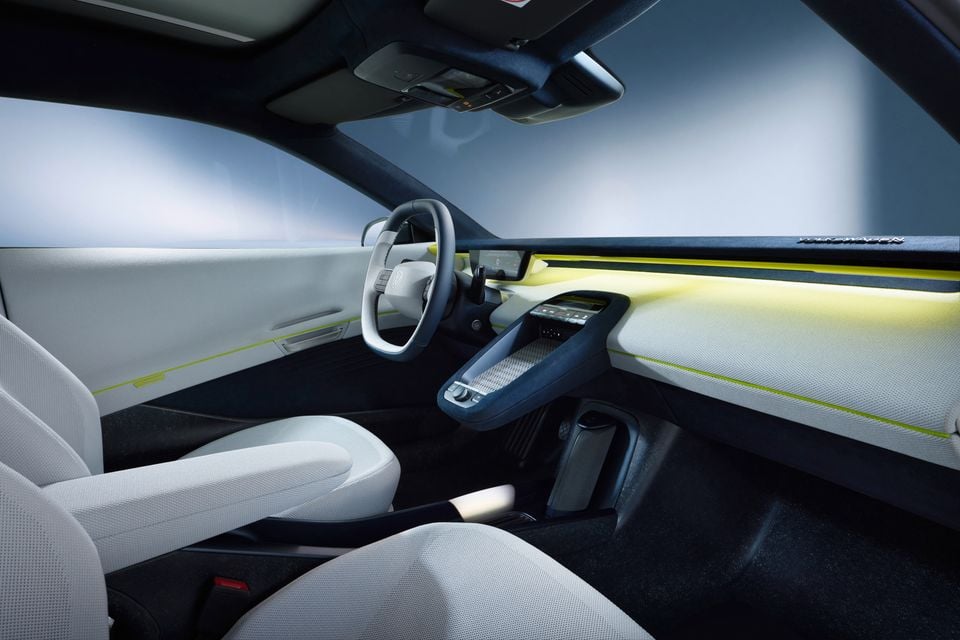
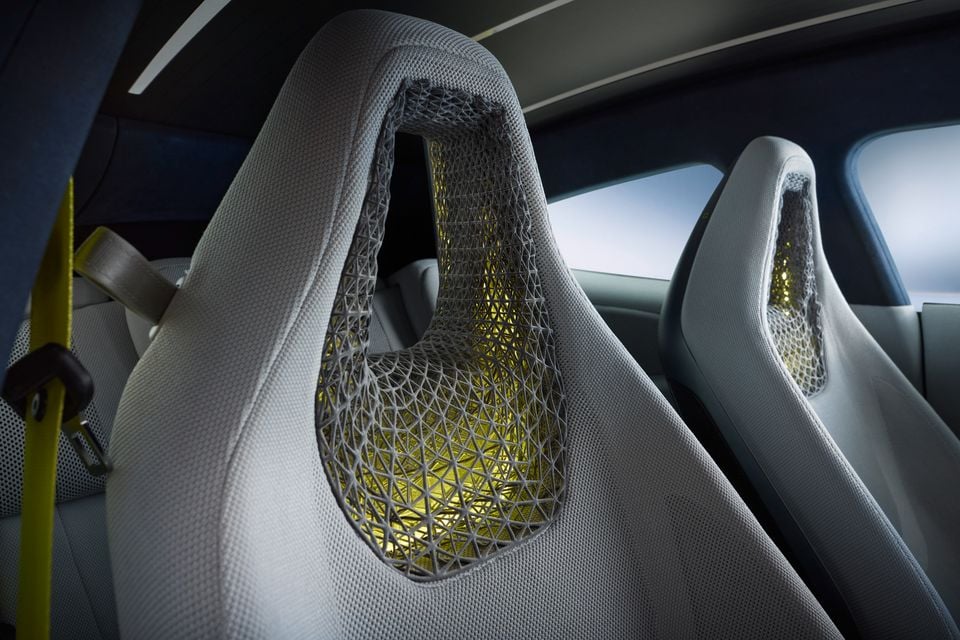
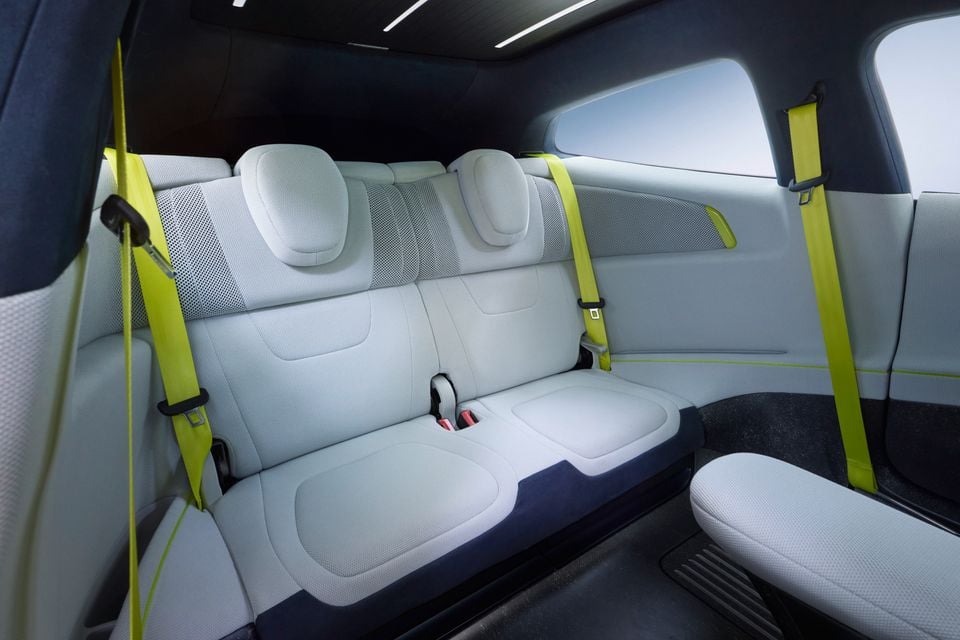
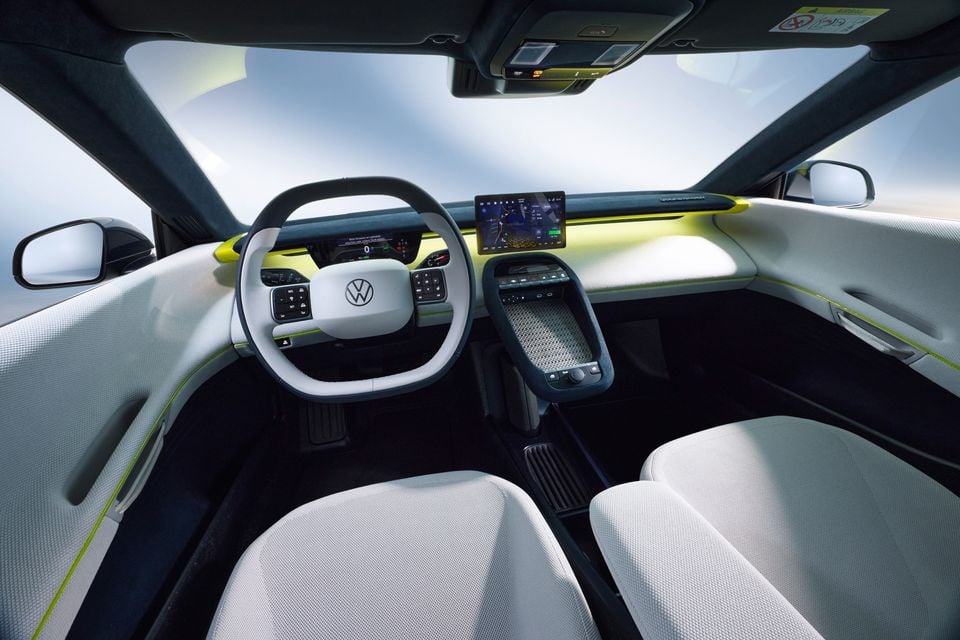
Its long doors open to reveal a bright and airy cabin with a 2+2 seating arrangement. Slimline sports seats are covered in sustainable upholstery and feature transparent head restraints that include a 3D structure that is printed in-house.
Those doors feature a “de-energised” design, meaning they contain no electrical components such as speakers, ambient lighting, mirror adjustment, or even powered windows. This results in a door panel that can be fully recycled as a single piece.
The rear seats are fine for kids, but due to the low roofline, they are only intended for passengers up to a height of 1.6m. So it could, in theory, be a family car, and if you lift the long tailgate it reveals a 481-litre boot that includes a separate underfloor storage compartment.
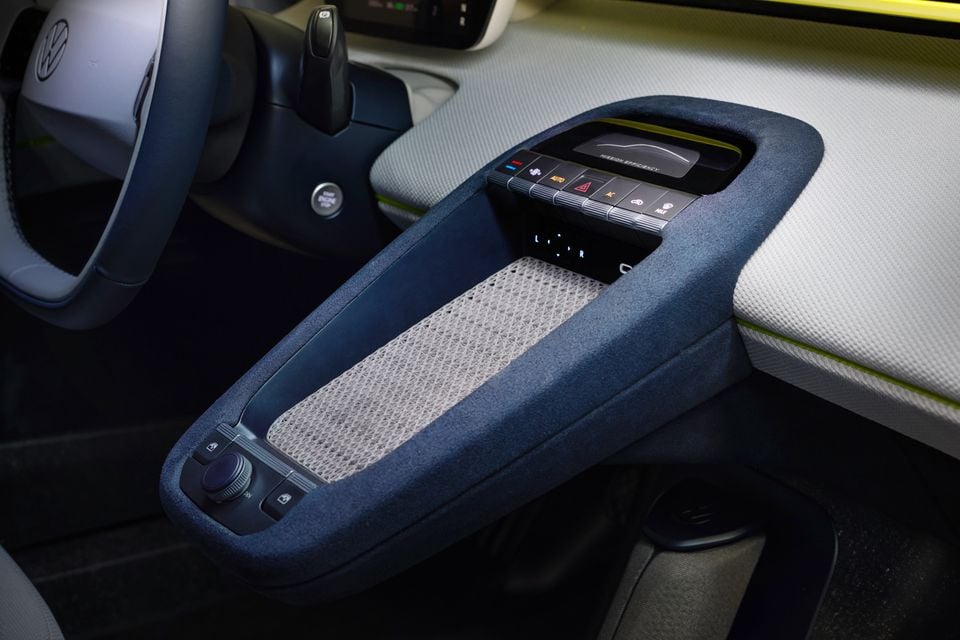
To keep weight down, there is no large touchscreen or infotainment system in the Mission Efficiency; instead, it employs a BYO policy. The driver’s own smartphone can be clamped into place on the dashboard. A reduced air-conditioning system features physical controls carried over from the ID. Polo and the floor uses non-slip rubber studs to mitigate the need for separate floor mats.
The XL1 featured camera-based side mirrors, which helped to cut drag. However, time in the wind tunnel proved that adding such a setup to the Mission Efficiency would “barely have been more efficient overall.” The additional energy for the camera modules and displays would have had an impact and might not have provided the necessary field of view due to the car’s curvature.
Underpinning the Mission Efficiency is a version of the MEB+ platform architecture that the new Volkswagen ID. Polo is built on. A 99kW motor drives the front wheels and is the same as what drives the new ID. Polo. Generating up to 264Nm of torque, it can accelerate the Mission Efficiency from 0-100km/h in a claimed nine seconds and on to a top speed of 160km/h.
The battery pack is the same 52kWh NMC unit found in the ID. Polo, but software adaptation increases the usable capacity up to 54.9kWh, as this vehicle doesn’t need to meet the same longevity conditions required by a production car. It has a DC fast-charging capacity of 105kW, and the combined WLTP consumption figure is a very respectable 8.4kWh/100km.
The rear axle has been adapted from the production part used in the ID. Polo, narrowing it by 170mm to reduce the rear track width and enable the teardrop-shaped design. While the front axle uses the hydraulic disc brakes from the ID. Polo, the rear axle uses an electromechanical brake setup. Debuting on the car, it reduces friction losses almost to zero, further increasing range.
A subtle lip at the back provides optimal airflow separation from the car’s rear while also acting as a spoiler to reduce lift and enhance stability. A horizontal light bar includes an illuminated VW logo.
Will the Mission Efficiency remain a one-off prototype? For now, all Volkswagen is saying is that series production is a possibility, not completely ruled out.
Research cars in our Showroom, compare your options or let our New Car Specialists do the running around to find you a great deal.
Derek Fung
1 Hour Ago

Ben Zachariah
2 Hours Ago

Damion Smy
11 Hours Ago

Alborz Fallah
11 Hours Ago
Damion Smy
12 Hours Ago
Damion Smy
13 Hours Ago
Add CarExpert as a Preferred Source on Google so your search results prioritise writing by actual experts, not AI.