The days of driving as fast as you like through urban streets could eventually come to an end, according to a leading transport academic, who believes technology already exists to stop motorists from exceeding speed limits.
Marco te Brömmelstroet, a social scientist and professor at the University of Amsterdam, told Q&A geofencing could fundamentally change how cars operate in cities over the next two decades, automatically preventing drivers from exceeding speed limits in designated areas.
"My dream is that in 20 years, we will look back and find it unbelievable that we allowed humans to drive 2000 kilo vehicles as fast as they wanted in our cities," Mr te Brömmelstroet said.
"We have the technology now – like geofencing – to prevent that."
While geofenced speed limiting remains rare in privately owned passenger vehicles, the underlying technology is already available in many modern cars.
Geofencing can use a vehicle's GPS location, digital maps, cameras, and onboard software to create virtual boundaries that can alter how a vehicle behaves in specific locations.
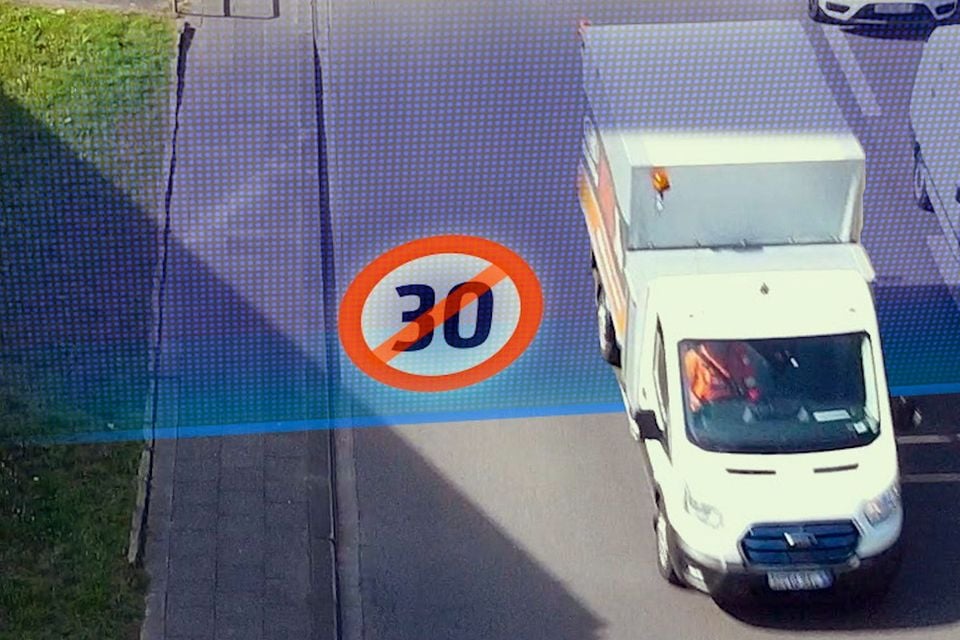
Rather than relying solely on roadside speed cameras or police enforcement, a geofenced vehicle can identify its location and automatically limit acceleration or cap its maximum speed within predefined zones.
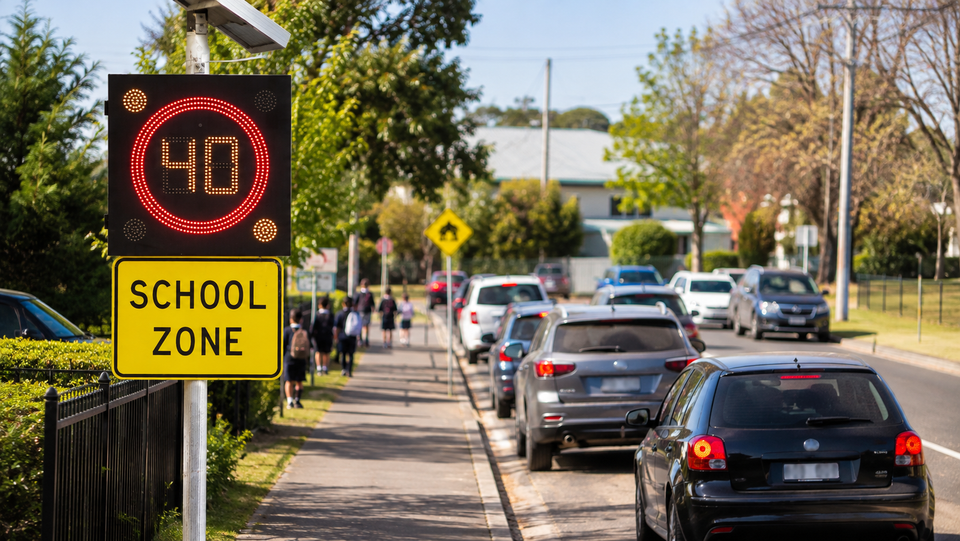
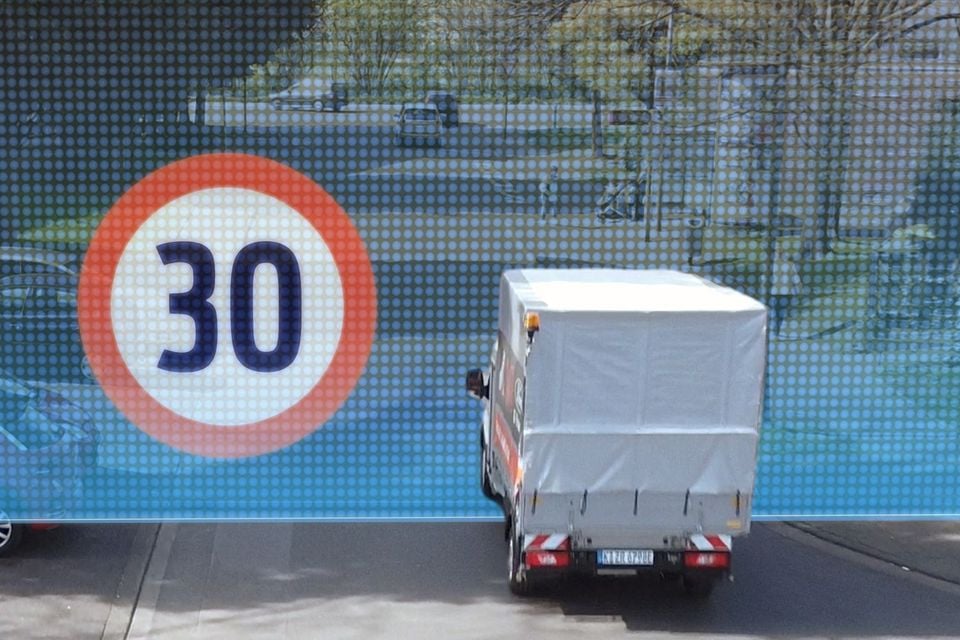
For example, a vehicle could be restricted to 30km/h outside a school during pick-up and drop-off times, limited to 20km/h in pedestrian precincts, or prevented from exceeding residential speed limits before returning to normal operation on open roads.
In most cases, the system wouldn't necessarily apply the brakes. Instead, it would simply prevent the vehicle from accelerating beyond the applicable speed limit.
Mr te Brömmelstroet believes growing concerns around road safety will eventually outweigh objections about driver freedom.
"We will reach a point where nobody will accept the level of fatalities we currently take for granted," he said.
"If we have a better conversation, change can go very rapidly."
Although mandatory geofenced speed limiting isn't currently used on public roads for private vehicles, many automakers already use geofencing for other purposes.
Volvo Group has been among the strongest advocates of geofenced vehicle technology, using it in commercial fleets to limit vehicle speeds within predefined areas and trialling speed management around schools and urban environments.
Mercedes-Benz and BMW already use geofencing in some plug-in hybrid models to automatically switch to electric-only driving when entering low-emission zones across parts of Europe.
Meanwhile, Ford has trialled geofencing technology in Europe through its commercial vehicle division, while Tesla already uses location-based software for functions including suspension settings, charging preferences, Sentry Mode activation, and garage door operation.
Outside passenger vehicles, geofencing is already commonplace. Hybrid buses can automatically switch to zero-emission mode in city centres, mining vehicles can be speed-limited in hazardous work areas, and warehouse forklifts routinely slow when approaching pedestrians.
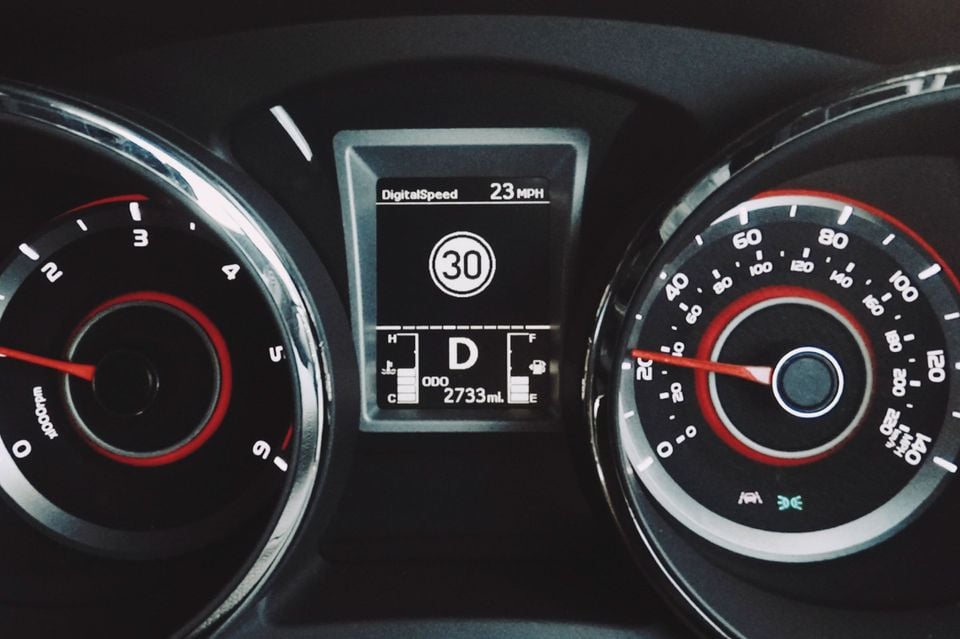
While geofenced speed limiting remains largely experimental for passenger cars, vehicles sold in Europe already require a speed-monitoring feature known as intelligent speed assistance (ISA).
Unlike geofencing, ISA uses cameras and GPS mapping to detect the current speed limit before warning drivers if they're travelling too fast. Some systems also increase resistance through the accelerator pedal, though drivers can usually override them.
Australia currently relies on advisory systems like traffic sign recognition and active speed-limit assist features, rather than mandatory speed-limiting technology for private vehicles.
However, as connected cars become more common and software-defined vehicles continue to evolve, the hardware needed for geofenced speed control is already fitted to many new models, including GPS, electronic throttle control, onboard cameras, and over-the-air software update capability.
Supporters argue geofenced speed limiting could reduce crashes caused by excessive speed, improve pedestrian safety, lower emissions from harsh acceleration, and enforce speed limits more consistently than cameras or police patrols.
Critics, however, question whether governments should have the ability to electronically limit privately owned vehicles.
Challenges include maintaining accurate digital maps, ensuring GPS reliability in tunnels or built-up areas, allowing emergency overrides when necessary, protecting connected vehicles from cyberattacks, and convincing motorists to surrender some control over how they drive.
For now, compulsory geofenced speed limits remain a policy discussion. But if Mr te Brömmelstroet's prediction proves correct, future generations may find today's unrestricted urban driving as difficult to comprehend as life before seatbelts or electronic stability control.